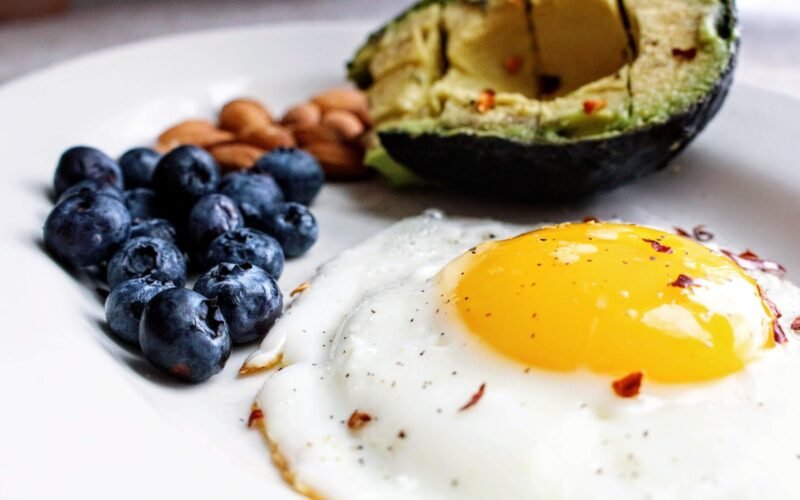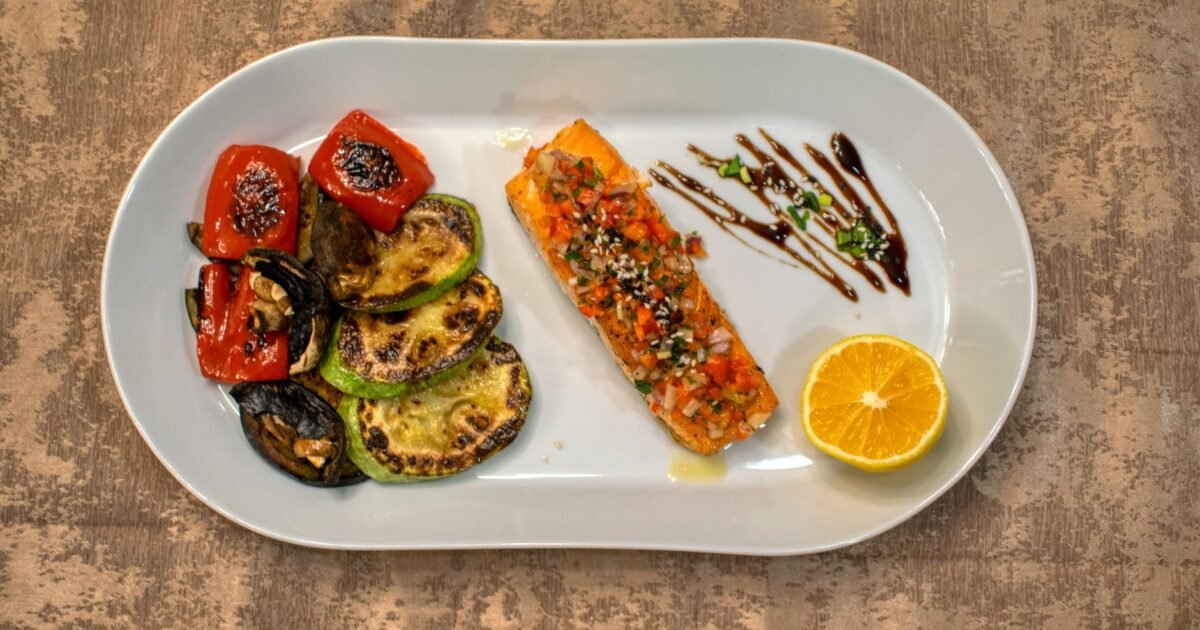
Living with diabetes often means a constant dance with blood sugar levels. Every meal, every snack, holds the potential to either stabilize or send those levels soaring. For many, navigating this intricate relationship with food can feel overwhelming. However, there’s a powerful tool that can simplify this process and empower you to make informed dietary choices: the Glycemic Index (GI).
At GetLeanPulse.com, we understand the importance of managing diabetes effectively through diet. That’s why we’ve compiled this comprehensive guide to low glycemic index foods, specifically tailored for individuals looking to control their blood sugar, maintain a healthy weight, and live a vibrant life.
This article will not only provide you with extensive lists of low GI foods but also delve into what the glycemic index is, why it’s crucial for diabetes management, and how you can seamlessly integrate these foods into your daily routine. By the end, you’ll have a clear roadmap to building a diet that supports your health goals.
Understanding the Glycemic Index (GI) and Its Importance for Diabetics
The Glycemic Index is a ranking system that measures how quickly carbohydrate-containing foods raise blood glucose levels after they are eaten. Foods are ranked on a scale of 0 to 100, with pure glucose serving as the reference point (GI of 100).
What Do the Numbers Mean?
- Low GI: 55 or less. These foods cause a slow and steady rise in blood sugar.
- Medium GI: 56-69. These foods cause a moderate rise in blood sugar.
- High GI: 70 or more. These foods cause a rapid and significant spike in blood sugar.
For individuals with diabetes, consistently consuming high GI foods can lead to frequent blood sugar spikes, which over time can contribute to insulin resistance, increased risk of cardiovascular disease, nerve damage, kidney disease, and other serious complications. Conversely, choosing low GI foods helps to keep blood sugar levels more stable, reduces insulin demand, and can significantly improve overall diabetes management.
Why Is GI Crucial for Diabetics?
The primary goal of diabetes management is to maintain blood glucose levels within a target range. Low GI foods play a pivotal role in achieving this for several reasons:
- Stable Blood Sugar: Low GI foods are digested and absorbed more slowly, leading to a gradual rise in blood glucose. This prevents the sharp spikes and subsequent crashes that can be detrimental to health.
- Improved Insulin Sensitivity: By reducing the demand on the pancreas to produce large amounts of insulin, a low GI diet can help improve the body’s sensitivity to insulin over time.
- Weight Management: Many low GI foods are rich in fiber and protein, promoting satiety and helping you feel fuller for longer. This can reduce overall calorie intake and assist with weight loss or maintenance, a critical factor in diabetes management.
- Reduced Risk of Complications: Consistent blood sugar control, facilitated by a low GI diet, significantly lowers the risk of developing long-term diabetes complications.
- Sustained Energy: The steady release of glucose from low GI foods provides a more consistent energy supply, preventing the energy dips often associated with high GI foods.
Factors Influencing a Food’s Glycemic Index
It’s not just about the type of food; how it’s prepared, processed, and combined with other foods can also impact its GI. Understanding these factors allows for even smarter dietary choices:
- Processing: Generally, the more processed a food is, the higher its GI. Whole grains have a lower GI than refined grains because the outer layers (bran and germ) are intact, which are rich in fiber.
- Fiber Content: Foods high in soluble fiber tend to have a lower GI because fiber slows down digestion and glucose absorption.
- Fat and Protein Content: Including fat and protein with carbohydrates can slow down gastric emptying and reduce the overall GI of a meal.
- Ripeness: Riper fruits tend to have a higher GI than less ripe ones, as starch converts to sugar during ripening.
- Cooking Method: Longer cooking times can break down starches, making them more digestible and potentially increasing a food’s GI (e.g., al dente pasta has a lower GI than overcooked pasta).
- Combination of Foods: Eating a high GI food with low GI foods (like adding avocado to white toast) can lower the overall glycemic impact of the meal.
- Individual Variation: A person’s metabolism, gut microbiome, and even time of day can influence their glycemic response to foods.
Now that we understand the ‘why,’ let’s dive into the ‘what’ – a comprehensive list of low glycemic index foods that you can confidently incorporate into your diabetic meal plan.
Comprehensive Low Glycemic Index Foods List for Diabetics
This extensive list will help you stock your pantry and plan meals that keep your blood sugar stable and your body nourished. Remember, portion control is still key, even with low GI foods.
1. Vegetables: The Nutrient Powerhouses
Non-starchy vegetables are the cornerstone of any healthy diet, and for diabetics, they are particularly valuable due to their low calorie count, high fiber content, and minimal impact on blood sugar. Most non-starchy vegetables have a very low GI (often less than 15).
- Leafy Greens: Spinach, kale, lettuce (all types), arugula, Swiss chard, collard greens.
- Benefits: Packed with vitamins, minerals, and antioxidants; extremely low in carbohydrates and calories.
- Cruciferous Vegetables: Broccoli, cauliflower, Brussels sprouts, cabbage.
- Benefits: Rich in fiber and potent anti-inflammatory compounds; versatile in cooking.
- Other Non-Starchy Vegetables:
- Asparagus (GI: 15)
- Green beans (GI: 15)
- Bell peppers (all colors) (GI: 15)
- Mushrooms (GI: 10-15)
- Eggplant (GI: 15)
- Zucchini (GI: 15)
- Cucumbers (GI: 15)
- Tomatoes (GI: 15)
- Onions (GI: 15)
- Garlic (GI: 10-15)
- Celery (GI: 15)
Benefits: Provide essential nutrients without significantly raising blood sugar. Great for adding volume and flavor to meals.
2. Fruits: Nature’s Sweet Treats (in Moderation)
While fruits contain natural sugars, many have a low to medium GI due to their fiber and water content. Portion control is essential here, as even low GI fruits can impact blood sugar if consumed in large quantities.
- Berries: Strawberries (GI: 40), blueberries (GI: 53), raspberries (GI: 32), blackberries (GI: 25).
- Benefits: High in antioxidants and fiber, relatively low in sugar.
- Stone Fruits: Cherries (GI: 22), plums (GI: 40), peaches (GI: 42).
- Benefits: Good source of vitamins and fiber.
- Citrus Fruits: Grapefruit (GI: 25), oranges (GI: 43), lemons/limes (very low GI due to minimal sugar).
- Benefits: Excellent source of Vitamin C and fiber.
- Apples (GI: 36) and Pears (GI: 38):
- Benefits: High in soluble fiber, which helps regulate blood sugar.
- Avocado (GI: 15):
- Benefits: Although a fruit, it’s unique for its high healthy fat content and very low carbohydrate count, making it excellent for satiety and blood sugar control.
3. Legumes: Fiber and Protein Powerhouses
Legumes are incredibly beneficial for diabetics. They are rich in soluble fiber and protein, which slow down digestion and glucose absorption, leading to a very low GI.
- Lentils: Green, brown, red, black (GI: 22-30).
- Benefits: Excellent source of plant-based protein, fiber, and iron.
- Beans: Black beans (GI: 30), kidney beans (GI: 28), pinto beans (GI: 39), navy beans (GI: 31), chickpeas/garbanzo beans (GI: 28).
- Benefits: Versatile, filling, and packed with nutrients.
- Peas: Green peas (GI: 22).
- Benefits: A good source of vitamins, minerals, and fiber.

4. Grains and Starches: Choose Wisely
This category requires careful selection. Opt for whole, minimally processed grains over refined ones. The fiber in whole grains significantly lowers their GI.
- Oats: Steel-cut oats (GI: 55), rolled oats (GI: 55).
- Benefits: Rich in soluble fiber (beta-glucan), which helps lower cholesterol and regulate blood sugar. Avoid instant oats, which often have a higher GI.
- Barley: Pearled barley (GI: 25), hulled barley (GI: 22).
- Benefits: One of the lowest GI grains, excellent for soups, stews, and salads.
- Quinoa (GI: 53):
- Benefits: A complete protein, high in fiber, and naturally gluten-free.
- Brown Rice (GI: 50):
- Benefits: A better choice than white rice due to its higher fiber content.
- Whole-Wheat Pasta (GI: 42-50, depending on processing and doneness):
- Benefits: Al dente whole-wheat pasta has a significantly lower GI than regular white pasta.
- Whole-Grain Bread (GI: 45-55, depending on ingredients):
- Benefits: Look for breads made with 100% whole grains, minimal added sugars, and plenty of fiber (e.g., sourdough, rye bread, pumpernickel).
- Sweet Potatoes (GI: 44-54, depending on cooking method):
- Benefits: A nutritious alternative to white potatoes, rich in fiber and vitamins.
5. Dairy and Dairy Alternatives: Unsweetened is Key
Plain, unsweetened options in this category are generally low GI and provide essential calcium and protein. Sweetened versions will have a much higher GI.
- Plain Yogurt (especially Greek yogurt) (GI: 14):
- Benefits: High in protein and probiotics, which support gut health.
- Milk (skim, low-fat, whole) (GI: 31):
- Benefits: Source of calcium and Vitamin D.
- Unsweetened Almond Milk (GI: 0-10):
- Benefits: Very low in calories and carbohydrates, a good alternative for those avoiding dairy.
- Unsweetened Soy Milk (GI: 34):
- Benefits: Good source of plant-based protein.
- Cheese (very low GI):
- Benefits: High in protein and fat, with minimal carbohydrates.
6. Nuts and Seeds: Healthy Fats and Fiber
Nuts and seeds are excellent for diabetics. Their combination of healthy fats, protein, and fiber means they have a very low GI and can help stabilize blood sugar when consumed with other foods.
- Almonds (GI: 0)
- Walnuts (GI: 0)
- Pistachios (GI: 0)
- Cashews (GI: 27)
- Peanuts (GI: 14)
- Chia Seeds (GI: 0-1)
- Flax Seeds (GI: 0)
- Pumpkin Seeds (GI: 0)
- Sunflower Seeds (GI: 0)
- Benefits: Provide healthy monounsaturated and polyunsaturated fats, fiber, protein, and a range of vitamins and minerals.
7. Proteins: Essential for Satiety and Blood Sugar Control
Pure protein sources have virtually no carbohydrates, and therefore, no GI value. They are crucial for feeling full and slowing down the absorption of carbohydrates in a meal.
- Lean Meats: Chicken breast, turkey, lean beef, pork tenderloin.
- Benefits: Provide essential amino acids and help with muscle maintenance.
- Fish and Seafood: Salmon, tuna, cod, shrimp, sardines.
- Benefits: Rich in omega-3 fatty acids (especially fatty fish like salmon), which are beneficial for heart health.
- Eggs (GI: 0):
- Benefits: A complete protein, versatile, and affordable.
- Tofu and Tempeh (GI: 15-20):
- Benefits: Excellent plant-based protein sources, versatile in cooking.
8. Healthy Fats and Oils: No GI Impact
Fats do not contain carbohydrates and therefore have no GI value. They are vital for nutrient absorption, satiety, and overall health, but should be consumed in moderation due to their high caloric density.
- Olive Oil
- Avocado Oil
- Coconut Oil (use sparingly)
- Ghee/Butter (use sparingly)
- Benefits: Provide healthy fats, aid in nutrient absorption, and add flavor.
Medium Glycemic Index Foods to Be Aware Of
While the focus is on low GI, some medium GI foods can still be included in a diabetic diet, especially when paired with low GI foods to balance the meal’s overall impact. These foods have a GI between 56 and 69.
- Whole-wheat bread (some types): GI can vary greatly depending on processing.
- Rye bread: Often lower GI than other breads, but still varies.
- Basmati rice: Generally lower GI than jasmine or white rice.
- Couscous (whole wheat): Medium GI.
- Pineapple: GI: 59. Enjoy in smaller portions.
- Mango: GI: 51 (can vary up to 60+ depending on ripeness).
- Papaya: GI: 60.
- Baked potatoes (with skin): GI can range from 56-70+, depending on type and preparation.
The key with medium GI foods is moderation and combination. Always pair them with plenty of fiber, protein, and healthy fats to mitigate their glycemic impact.
High Glycemic Index Foods to Limit or Avoid
These foods cause rapid spikes in blood sugar and should be consumed rarely, if at all, by individuals managing diabetes. They generally have a GI of 70 or higher.
- Refined Grains: White bread, white rice, white pasta, bagels, most breakfast cereals (especially sweetened ones).
- Sugary Drinks: Sodas, fruit juices (even 100% juice due to lack of fiber), sweetened teas, sports drinks.
- Baked Goods and Desserts: Cakes, cookies, pastries, donuts, candy.
- Processed Snacks: Potato chips, crackers made from refined flour.
- Starchy Vegetables (in large quantities): White potatoes (especially mashed or baked without skin), corn flakes.
- Certain Fruits: Watermelon (GI: 76), often has a high GI, but its low carb density (high water content) means a moderate serving doesn’t have a high glycemic load (more on GL below).
Building a Low GI Meal Plan: Practical Strategies
Knowing which foods are low GI is one thing; putting it into practice is another. Here’s how to build balanced, delicious meals.
Breakfast Ideas
- Steel-Cut or Rolled Oats: Cooked with water or unsweetened almond milk, topped with berries, a sprinkle of chia seeds, and a few chopped almonds.
- Greek Yogurt Parfait: Plain Greek yogurt layered with raspberries, a tablespoon of flax seeds, and a few walnuts.
- Scrambled Eggs with Veggies: Eggs scrambled with spinach, mushrooms, and bell peppers, served with a small slice of 100% whole-grain sourdough toast and avocado.
- Smoothie: Unsweetened almond milk, spinach, half a banana (or berries), a scoop of protein powder, and a tablespoon of almond butter.
Lunch Ideas
- Large Salad: Mixed greens with grilled chicken or salmon, chickpeas, cucumbers, tomatoes, bell peppers, and an olive oil vinaigrette.
- Lentil Soup: Hearty lentil soup packed with vegetables, served with a small side of whole-grain crackers.
- Turkey and Avocado Wrap: Whole-wheat tortilla with lean turkey breast, avocado, lettuce, and tomato.
- Leftover Quinoa Salad: Quinoa mixed with black beans, corn, bell peppers, cilantro, and a lime dressing.
Dinner Ideas
- Baked Salmon with Roasted Asparagus: Salmon fillets seasoned and baked, served alongside roasted asparagus and a small portion of brown rice.
- Chicken and Vegetable Stir-fry: Lean chicken breast stir-fried with broccoli, snow peas, carrots, and mushrooms, served with a small serving of quinoa. Use low-sodium soy sauce or tamari.
- Bean Chili: Homemade chili with various beans, lean ground turkey or beef (optional), and plenty of vegetables.
- Tofu and Veggie Curry: Tofu cooked in a coconut milk-based curry with cauliflower, green beans, and bell peppers, served with a small side of barley.
Snack Ideas
- Handful of almonds or walnuts
- Apple slices with peanut butter (sugar-free)
- Carrot sticks or celery with hummus
- Small plain Greek yogurt
- Hard-boiled egg
- Small handful of berries

Beyond the GI: Understanding Glycemic Load (GL)
While the Glycemic Index is an invaluable tool, it has a limitation: it doesn’t account for typical serving sizes. For instance, watermelon has a high GI (around 76), but a standard serving contains very few carbohydrates due to its high water content. This is where the Glycemic Load (GL) comes in.
What is Glycemic Load?
Glycemic Load takes both the GI of a food and the amount of carbohydrate in a typical serving into account. It provides a more realistic picture of a food’s impact on blood sugar.
The formula for GL is: GL = (GI x grams of carbohydrate in a serving) / 100
GL Categories:
- Low GL: 10 or less
- Medium GL: 11-19
- High GL: 20 or more
Why GL Matters for Diabetics
For diabetics, GL can be a more practical measure because it considers the quantity of food eaten. A food with a high GI but a low GL (like watermelon) might be acceptable in moderation, whereas a food with a high GI and a high GL (like a large serving of white rice) should be avoided or severely limited.
Example:
- Watermelon: GI = 76. A 120g serving has about 11g of carbs. GL = (76 * 11) / 100 = 8.36 (Low GL)
- Baked Potato: GI = 85. A medium 150g potato has about 30g of carbs. GL = (85 * 30) / 100 = 25.5 (High GL)
This illustrates that while watermelon has a high GI, its low GL means a standard portion won’t drastically spike blood sugar. Conversely, a baked potato, despite being a whole food, has both a high GI and GL for a typical serving. Focusing on both GI and GL can offer a more nuanced approach to dietary planning.
Tips for Adopting a Low GI Lifestyle
Making sustainable changes to your diet requires more than just knowing a list of foods. Here are practical tips to help you succeed:
- Prioritize Whole, Unprocessed Foods: This is the golden rule. Whole foods are naturally higher in fiber, vitamins, and minerals, and generally have a lower GI than their refined counterparts. Think whole grains over white flour, fresh fruit over juice, and whole vegetables over processed purees.
- Read Food Labels Carefully: Look for fiber content, added sugars, and ingredient lists. “Whole grain” should be the first ingredient for breads and cereals. Be wary of hidden sugars in seemingly healthy products like yogurt, sauces, and condiments.
- Combine Foods Smartly: Always pair carbohydrates with protein, healthy fats, or fiber. This slows down digestion and reduces the overall glycemic impact of your meal. For example, add avocado to your toast, or nuts to your fruit.
- Mindful Portion Sizes: Even low GI foods can raise blood sugar if consumed in excessive amounts. Practice portion control, especially for grains, fruits, and starchy vegetables.
- Cook at Home More Often: This gives you full control over ingredients, cooking methods, and portion sizes. You can ensure minimal added sugars, unhealthy fats, and refined grains.
- Stay Hydrated: Drinking plenty of water throughout the day is crucial for overall health and can help with satiety.
- Don’t Fear Fats: Healthy fats (from avocados, nuts, seeds, olive oil) are important for satiety, nutrient absorption, and heart health. They have no GI and can help reduce the glycemic response of a meal.
- Exercise Regularly: Physical activity improves insulin sensitivity and helps muscles use glucose for energy, both of which contribute to better blood sugar control.
- Consult a Registered Dietitian or Certified Diabetes Educator: Personalized advice from a professional can be invaluable. They can help you create a meal plan tailored to your specific needs, preferences, and health goals.
- Monitor Your Blood Sugar: Regularly checking your blood glucose levels after meals can provide real-time feedback on how different foods and combinations affect you personally. This empowers you to make informed adjustments.
Common Misconceptions About the Glycemic Index
It’s important to clarify some common misunderstandings to ensure you’re using the GI concept effectively.
Misconception #1: All low GI foods are healthy.
Reality: Not necessarily. For example, a chocolate bar might have a medium GI due to its fat content slowing sugar absorption, but it’s still high in calories, sugar, and unhealthy fats. Conversely, a potato might have a higher GI, but it’s rich in vitamins and minerals. The GI is one tool among many; overall nutritional value is paramount.
Misconception #2: I must avoid all high GI foods.
Reality: A strict avoidance approach isn’t always necessary or sustainable. What matters most is the overall dietary pattern and how you combine foods. A small portion of a higher GI food eaten with plenty of protein, fiber, and healthy fats will have a much lower impact on blood sugar than eating it alone. Also, remember the Glycemic Load – some high GI foods have a low GL.
Misconception #3: All whole-wheat bread is low GI.
Reality: This is a common trap. Many “whole wheat” breads are still highly processed and contain added sugars, leading to a GI similar to white bread. Look for breads made with 100% whole grains, minimal ingredients, high fiber content, and denser textures (like traditional sourdough or pumpernickel), which tend to have lower GIs.
Misconception #4: GI is the only thing that matters for blood sugar.
Reality: While GI is crucial, other factors like total carbohydrate count, fiber content, fat and protein content of a meal, cooking methods, portion size, individual metabolism, and even stress levels all play a role in blood sugar response. A holistic approach is always best.
Conclusion: Empowering Your Diabetic Journey with Low GI Choices
Managing diabetes through diet doesn’t have to be restrictive or confusing. By understanding and embracing the concept of the Glycemic Index, you gain a powerful tool to make informed food choices that support stable blood sugar levels, improve insulin sensitivity, and contribute to overall well-being.
The extensive list of low glycemic index foods provided in this guide offers a wealth of delicious and nutritious options for every meal and snack. From vibrant vegetables and fiber-rich legumes to lean proteins and healthy fats, you have the power to create a diverse and satisfying diet that works for you.
Remember that consistency, portion control, and a balanced approach are key. Combine low GI carbohydrates with protein and healthy fats to further stabilize blood sugar. Don’t hesitate to experiment with new recipes and discover your favorite low GI meals. Most importantly, view this journey as an opportunity to nourish your body and take proactive steps towards a healthier, more energetic life.
Always consult with your healthcare provider or a registered dietitian to tailor these recommendations to your individual health needs and ensure they complement your overall diabetes management plan. With the right knowledge and commitment, you can effectively manage your diabetes and thrive.
Photo by Cristian Mihaila on Pexels