How to Meal Plan for Weight Loss: Your Blueprint for a Leaner You
Embarking on a weight loss journey can often feel like navigating a complex maze. With countless diets, conflicting advice, and the constant temptation of unhealthy choices, it’s easy to get lost. However, there’s one strategy that consistently stands out as the most effective, sustainable, and empowering tool for achieving your weight loss goals: **meal planning.**
At GetLeanPulse.com, we understand that true, lasting weight loss isn’t about deprivation or quick fixes; it’s about building healthy habits and making informed decisions. Meal planning is the bedrock of this philosophy. It transforms the chaotic act of eating into a strategic, mindful process, putting you firmly in control of your nutrition and, ultimately, your body weight.
This comprehensive guide will demystify meal planning for weight loss, breaking it down into actionable steps, practical tips, and essential principles. Whether you’re a complete beginner or looking to refine your existing meal prep routine, by the time you finish reading, you’ll have a complete blueprint to plan, prepare, and consistently eat your way to a leaner, healthier you. Get ready to revolutionize your approach to food and unlock the full potential of your weight loss journey.
The Core Benefits of Meal Planning for Sustainable Weight Loss
Before we dive into the ‘how,’ let’s solidify the ‘why.’ Understanding the profound impact meal planning can have on your weight loss efforts will provide the motivation you need to commit to this powerful habit.
Saves Time & Reduces Stress
In our fast-paced world, time is a precious commodity. The thought of cooking every single meal from scratch can be daunting, leading many to resort to quick, often unhealthy, takeout options. Meal planning eliminates the daily dilemma of “what’s for dinner?” By dedicating a specific block of time (often just a few hours once a week) to planning and prepping, you free up mental space and actual time during your busy weekdays. Imagine coming home after a long day knowing exactly what you’re going to eat, with most of the work already done. This reduction in decision fatigue and last-minute scrambling significantly lowers stress levels, making healthy eating feel effortless rather than a chore.
Controls Portions & Calorie Intake
At its heart, weight loss boils down to consuming fewer calories than your body burns – creating a calorie deficit. Meal planning is the single most effective way to achieve and maintain this deficit. When you plan your meals, you can accurately calculate the calories, macronutrients (protein, carbs, fats), and micronutrients in each dish. This allows for precise portion control, preventing the unconscious overeating that often occurs when grabbing food on the fly. By pre-portioning meals, you remove the guesswork and the temptation to have “just a little more,” ensuring you stick to your daily calorie targets without feeling deprived.
Prevents Unhealthy Choices & Impulse Eating
Hunger is a powerful driver, and when it strikes unexpectedly, our willpower often crumbles. This is when we’re most vulnerable to convenient, high-calorie, low-nutrient foods like fast food, sugary snacks, or processed meals. Meal planning acts as your shield against these impulses. By having healthy, pre-prepared meals and snacks readily available, you eliminate the need to make food decisions when you’re hungry and vulnerable. You’re simply executing a plan, making it far easier to stay on track and resist the siren call of unhealthy temptations.
Saves Money
Eating out, ordering takeout, and making frequent trips to the grocery store for last-minute ingredients can quickly drain your wallet. Meal planning encourages mindful grocery shopping, where you buy only what you need for your planned meals, reducing food waste and impulse purchases. By cooking at home, you save a significant amount of money compared to eating out, allowing you to invest those savings elsewhere or simply enjoy the financial benefit. This economic advantage makes healthy eating not just good for your body, but good for your budget too.
Ensures Nutritional Balance
Weight loss isn’t just about cutting calories; it’s about nourishing your body with the right nutrients. A well-planned menu ensures you’re getting a balanced intake of lean proteins, complex carbohydrates, healthy fats, and a wide array of vitamins and minerals from fruits and vegetables. This prevents nutrient deficiencies that can lead to low energy, poor mood, and cravings. When your body is properly nourished, you feel more energetic, your metabolism functions optimally, and you’re less likely to experience intense hunger or cravings for unhealthy foods.
Builds Sustainable Habits
True weight loss success isn’t a destination; it’s a journey of adopting healthier lifestyle habits. Meal planning is a habit-forming practice. The more consistently you plan and prepare your meals, the more ingrained this behavior becomes. Over time, it transforms from a conscious effort into an intuitive part of your routine. This sustainability is key, as it equips you with the skills and discipline to maintain your weight loss long-term, far beyond the initial “diet” phase.
Step-by-Step Guide: How to Master Meal Planning for Weight Loss
Now that you’re convinced of its power, let’s break down the practical steps to implement effective meal planning for weight loss.
Step 1: Define Your Goals and Calculate Your Needs
The foundation of any successful weight loss plan is understanding your body’s specific requirements. You can’t hit a target you haven’t defined.
- Determine Your Weight Loss Goal: Set a realistic, measurable goal (e.g., lose 1-2 pounds per week). Remember, slow and steady wins the race for sustainable weight loss.
- Calculate Your Calorie Deficit: To lose weight, you need to eat fewer calories than your body burns. Start by estimating your Basal Metabolic Rate (BMR) – the calories your body burns at rest – and then your Total Daily Energy Expenditure (TDEE), which includes your activity level. Online calculators are readily available for this. To lose 1 pound per week, aim for a 500-calorie daily deficit from your TDEE. For 2 pounds, aim for a 1000-calorie deficit. Most experts recommend a deficit no greater than 750-1000 calories to ensure adequate nutrient intake and prevent muscle loss.
- Set Macronutrient Targets: While a calorie deficit is paramount, the composition of those calories matters significantly for satiety, muscle preservation, and overall health.
- Protein: Aim for 0.7-1 gram of protein per pound of target body weight. Protein is crucial for satiety and preserving lean muscle mass during weight loss.
- Fats: Healthy fats are essential for hormone production and nutrient absorption. Aim for 20-30% of your total daily calories from healthy fats.
- Carbohydrates: The remaining calories will come from complex carbohydrates, which provide energy and fiber. Prioritize whole grains, fruits, and vegetables.
These numbers provide the framework for your entire meal plan, ensuring it’s tailored to your individual weight loss objectives.
Step 2: Assess Your Current Eating Habits & Preferences
Before you overhaul your diet, take stock of where you are now. This step is crucial for creating a plan that you can actually stick to.
- Keep a Food Diary: For 3-5 days, honestly record everything you eat and drink, including portion sizes and the time of day. This will reveal patterns, identify problem areas (e.g., late-night snacking, excessive sugary drinks), and give you a baseline of your current calorie and nutrient intake.
- List Your Likes and Dislikes: Don’t force yourself to eat foods you despise. A sustainable plan incorporates foods you enjoy. Make a list of your favorite healthy proteins, vegetables, fruits, and whole grains. Also, note any allergies or dietary restrictions (e.g., vegetarian, gluten-free, dairy-free).
- Evaluate Your Cooking Skills and Time: Be realistic. If you’re a novice cook with limited time, start with simple recipes that require minimal preparation. If you enjoy cooking and have more time, you can explore more complex dishes. Consider how much time you realistically have each week for meal prep.
- Consider Your Lifestyle: Are you a busy professional who needs grab-and-go meals? Do you have family members with different preferences? Do you eat out frequently for work? Your meal plan needs to fit seamlessly into your life, not work against it.
Step 3: Choose Your Planning Horizon & Structure
How far in advance do you want to plan, and what tools will you use?
- Planning Horizon:
- Daily: Good for beginners, less overwhelming, but less efficient.
- Weekly (Most Recommended): Balances flexibility with efficiency. Allows for one major prep session.
- Bi-weekly/Monthly: More advanced, requires a larger repertoire and storage.
- Planning Tools:
- Notebook & Pen: Simple, tactile, and effective.
- Spreadsheet (Excel/Google Sheets): Excellent for tracking macros, calories, and organizing recipes.
- Meal Planning Apps/Websites: Many apps offer recipe databases, grocery list generation, and macro tracking features (we’ll cover these later).
- Batch Cooking vs. Daily Prep:
- Batch Cooking: Prepare large quantities of components (cooked grains, roasted vegetables, baked chicken) or entire meals once or twice a week. Ideal for busy individuals.
- Daily Prep: Cook fresh meals each day. More time-consuming but offers maximum variety. A hybrid approach often works best.
Step 4: Build Your Recipe Repertoire
Variety is the spice of life, but simplicity is the key to consistency. You don’t need hundreds of recipes; a solid rotation of 10-15 healthy, weight-loss-friendly meals is more than enough to start.
- Focus on Whole Foods: Prioritize lean proteins (chicken breast, fish, tofu, beans), abundant vegetables (leafy greens, broccoli, bell peppers), healthy fats (avocado, nuts, seeds, olive oil), and complex carbohydrates (quinoa, brown rice, sweet potatoes, oats).
- Seek Simple, Repeatable Recipes: Look for recipes with minimal ingredients and straightforward instructions. Think sheet pan dinners, stir-fries, salads with grilled protein, and hearty soups.
- Utilize Recipe Resources:
- Healthy Food Blogs/Websites: GetLeanPulse.com and many others offer dedicated sections for healthy, weight-loss-friendly recipes.
- Cookbooks: Invest in a few good cookbooks focused on healthy eating or meal prep.
- Pinterest/Instagram: Visual platforms are great for discovering new ideas.
- Consider “Theme Nights”: To add structure and fun, assign themes like “Meatless Monday,” “Taco Tuesday,” “Fish Friday,” or “Soup Saturday.” This helps narrow down recipe choices.
Step 5: Construct Your Meal Plan (The Actual Planning)
This is where you fill in the blanks, day by day, meal by meal. Remember your calorie and macro targets from Step 1.
- Start with Dinner: Often the largest and most complex meal. Plan your dinners for the week first, as they might influence lunch choices (leftovers!).
- Plan Lunches: Leftovers from dinner are an excellent, time-saving option. Otherwise, plan simple, portable meals like large salads with protein, wraps, or grain bowls.
- Design Breakfasts: Keep breakfasts simple and protein-rich for satiety. Options include oatmeal with protein powder, Greek yogurt with berries, eggs with whole-grain toast, or a quick smoothie.
- Include Snacks: Healthy snacks are crucial for preventing extreme hunger and keeping your metabolism ticking. Plan for 1-2 snacks between meals, such as fruit, a handful of nuts, vegetable sticks with hummus, or a protein shake.
- Vary Meals for Nutrients & Boredom: While it’s okay to repeat meals you love, try to incorporate a variety of vegetables, proteins, and healthy fats throughout the week to ensure a broad spectrum of nutrients and prevent meal fatigue.
- Don’t Forget Hydration: Plan to drink plenty of water throughout the day. Consider adding unsweetened tea or infused water for variety.
Step 6: Create Your Shopping List
Your meal plan directly translates into your grocery list. This is where you save money and avoid impulse buys.
- Go Through Each Meal: Systematically list every ingredient you’ll need for each breakfast, lunch, dinner, and snack.
- Check Your Pantry First: Before heading to the store, check what you already have on hand to avoid buying duplicates and reduce waste.
- Categorize Your List: Organize your list by supermarket sections (produce, dairy, meat, pantry, frozen, etc.). This makes your shopping trip more efficient and prevents you from forgetting items.
- Stick to the List! This is non-negotiable for saving money and avoiding unhealthy impulse purchases. If it’s not on the list, it doesn’t go in the cart (unless it’s a planned treat or a truly unexpected staple).
Step 7: Execution: Prep Like a Pro!
This is where your planning comes to life. Dedicate a specific time each week for meal prep, usually a few hours on a Sunday afternoon.
- Set Aside Dedicated Time: Block out 2-4 hours. Put on some music or a podcast and make it an enjoyable routine.
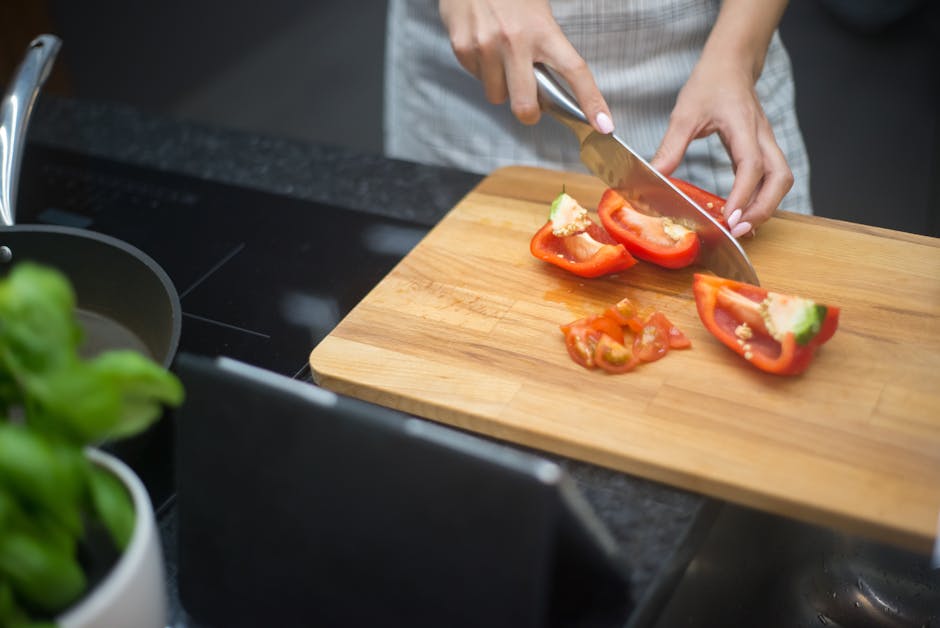
- Wash and Chop Vegetables: Pre-chop all your vegetables for the week. Store them in airtight containers. This saves significant time during daily cooking.
- Cook Grains: Prepare a large batch of your chosen complex carbohydrates like brown rice, quinoa, or farro.
- Cook Lean Proteins: Bake, grill, or boil a large batch of chicken breast, lean ground turkey, or fish. For plant-based, cook lentils or beans.
- Prepare Healthy Sauces/Dressings: Make your own vinaigrettes or healthy dips to avoid store-bought versions often loaded with sugar and unhealthy fats.
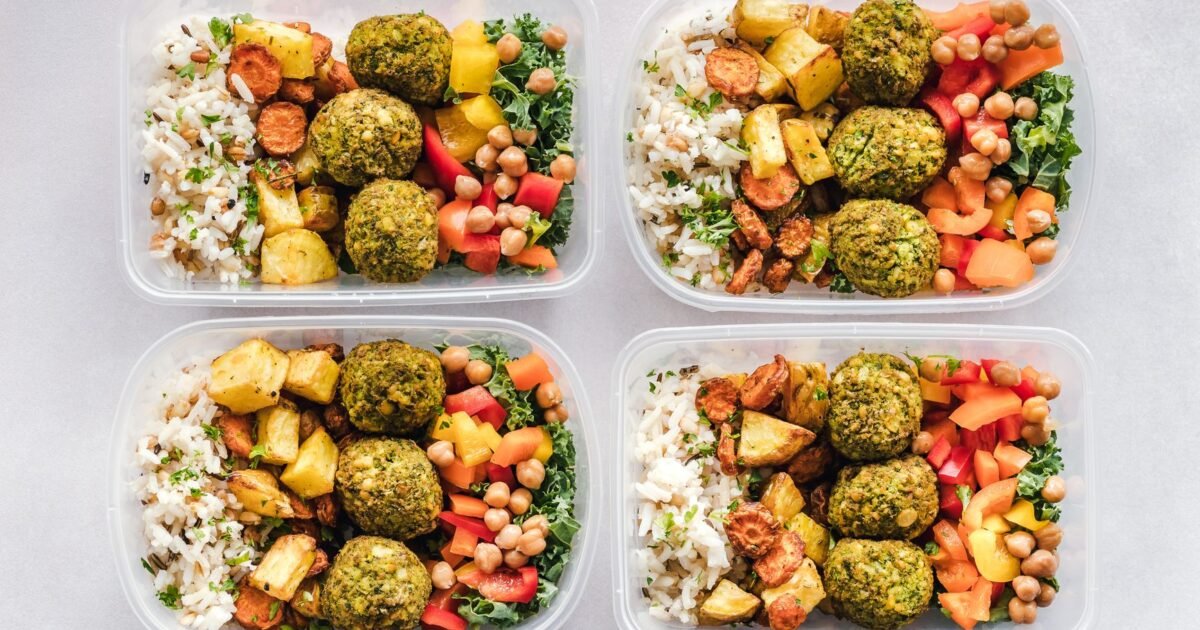
- Assemble & Portion: Once ingredients are cooked and cooled, portion them into individual airtight containers. This makes grab-and-go meals effortless during the week. Label if necessary.
- Store Properly: Ensure everything is stored correctly in the refrigerator or freezer to maintain freshness and safety.
Key Principles for Effective Weight Loss Meal Planning
Beyond the steps, certain nutritional principles underpin successful weight loss meal planning.
Prioritize Protein
Protein is your best friend for weight loss. It’s highly satiating, meaning it keeps you feeling full for longer, reducing the likelihood of snacking between meals. Moreover, protein helps preserve lean muscle mass, which is crucial because muscle burns more calories at rest than fat. Include a good source of lean protein at every meal and snack: chicken, turkey, fish, eggs, Greek yogurt, cottage cheese, tofu, lentils, beans, or protein powder.
Embrace Fiber-Rich Foods
Fiber adds bulk to your diet without adding many calories, promoting fullness and aiding digestion. It also helps stabilize blood sugar levels, preventing energy crashes and subsequent cravings. Load up on vegetables (especially non-starchy ones), fruits (berries, apples), whole grains (oats, brown rice, quinoa), and legumes (beans, lentils). Aim for at least 25-30 grams of fiber per day.
Don’t Fear Healthy Fats (But Mind Portions)
Healthy fats are essential for hormone production, nutrient absorption, and satiety. They also add flavor to your meals. Incorporate sources like avocados, nuts, seeds (chia, flax), olive oil, and fatty fish (salmon). However, fats are calorie-dense, so portion control is vital. A small handful of nuts, a quarter of an avocado, or a tablespoon of olive oil is usually sufficient.
Control Portion Sizes
This is arguably the most critical aspect of weight loss. Even healthy foods can lead to weight gain if consumed in excess. Use measuring cups, spoons, and a food scale (especially for calorie-dense items) to ensure accuracy. Learn what a true serving size looks like. Over time, your eye will become more accustomed to appropriate portions, but initially, measuring is key.
Stay Hydrated
Often overlooked, adequate hydration is crucial for weight loss. Water helps metabolize fat, transports nutrients, and can even help you feel full. Sometimes, thirst is mistaken for hunger, leading to unnecessary snacking. Aim for at least 8 glasses of water a day, and more if you’re exercising. Limit sugary drinks, which are empty calories that don’t contribute to satiety.
Limit Processed Foods & Added Sugars
These are the primary culprits behind weight gain. Processed foods are often high in unhealthy fats, sugar, and sodium, and low in nutrients and fiber. Added sugars provide empty calories, spike blood sugar, and contribute to cravings and fat storage. Focus on whole, unprocessed foods that come from nature, not a factory.
Incorporate Variety
While repetition can simplify meal prep, too much of the same thing can lead to boredom and eventual abandonment of your plan. Rotate your recipes, try new vegetables, experiment with different spices, and explore various cooking methods. This keeps your taste buds engaged and ensures a broader spectrum of nutrients.
Plan for Snacks
Strategic snacking can prevent you from becoming overly hungry between meals, which often leads to overeating at your next meal. Plan for 1-2 healthy snacks that are rich in protein and fiber, such as Greek yogurt, a piece of fruit with a handful of almonds, vegetable sticks with hummus, or a hard-boiled egg.
Allow for Flexibility (The 80/20 Rule)
Perfection is the enemy of progress. Aiming for 100% adherence to a strict plan can lead to burnout and guilt if you slip up. The 80/20 rule suggests that if you eat healthy 80% of the time, you can allow for a bit more flexibility (e.g., a planned treat or a meal out) for the remaining 20%. This approach makes your meal plan sustainable and enjoyable long-term.
Common Meal Planning Pitfalls & How to Avoid Them
Even with the best intentions, pitfalls can derail your meal planning efforts. Recognizing them is the first step to overcoming them.
Over-restricting and Burnout
Pitfall: Creating an overly strict meal plan that eliminates all your favorite foods or dramatically cuts calories, leading to feelings of deprivation, intense cravings, and eventual burnout or binge eating.
Avoidance: Start gradually. Make small, sustainable changes. Incorporate foods you enjoy in moderation. Ensure your calorie deficit is reasonable (500-750 calories). The 80/20 rule is your friend here.
Not Planning for Social Events
Pitfall: Sticking rigidly to your plan during the week, but completely falling off track when social events (dinners out, parties) inevitably arise.
Avoidance: Be proactive. If you know you’re dining out, look up the menu online beforehand and plan your choices. Eat a light, protein-rich snack before you go to curb extreme hunger. Offer to bring a healthy dish to potlucks. Allow for flexibility within your 80/20 rule.
Underestimating Prep Time
Pitfall: Planning elaborate meals that require hours of cooking, only to find you don’t have the time or energy to execute them, leading to frustration and resorting to takeout.
Avoidance: Be realistic about your cooking skills and available time. Start with simple recipes. Utilize shortcuts like pre-chopped veggies, rotisserie chicken, or frozen fruits. As you gain confidence and efficiency, you can gradually increase complexity.
Getting Bored with Meals
Pitfall: Eating the same few meals repeatedly, leading to “diet fatigue” and a loss of enthusiasm for healthy eating.
Avoidance: Build a repertoire of 10-15 diverse recipes. Rotate them. Experiment with new spices and herbs to change the flavor profile of familiar dishes. Try new vegetables or protein sources. Don’t be afraid to tweak recipes to keep things interesting.
Not Tracking Progress
Pitfall: Putting in all the effort of meal planning but not monitoring its effectiveness, leading to a lack of motivation or missed opportunities to adjust the plan.
Avoidance: Regularly weigh yourself (once a week is sufficient), take measurements, and note how you feel (energy levels, mood, hunger). Use this data to celebrate successes and make informed adjustments to your plan (see “Tracking Progress” section).
Ignoring Hunger Cues (or Confusing Them with Thirst)
Pitfall: Sticking so rigidly to a schedule that you ignore genuine hunger signals, or misinterpreting thirst for hunger, leading to unnecessary eating.
Avoidance: Listen to your body. If you’re truly hungry between planned meals, have a healthy, pre-planned snack. Before reaching for food, drink a large glass of water and wait 10-15 minutes to see if the “hunger” subsides.
Relying Too Much on Unhealthy “Diet” Foods
Pitfall: Filling your meal plan with highly processed “diet” or “low-fat” products that often contain artificial sweeteners, unhealthy additives, and are not truly nourishing.
Avoidance: Focus on whole, unprocessed foods. Read labels carefully. A “low-fat” cookie is still a cookie; prioritize natural, nutrient-dense foods over highly engineered “diet” versions.
Advanced Tips & Tools for Meal Planning Success
Once you’ve mastered the basics, these tips can elevate your meal planning game and make it even more efficient and enjoyable.
Meal Planning Apps & Websites
Leverage technology to streamline your process. Many apps offer features like:
- Recipe Databases: Search for healthy recipes based on dietary preferences.
- Customizable Meal Planners: Drag and drop meals into a weekly calendar.
- Automatic Grocery Lists: Generates a shopping list based on your chosen meals.
- Nutritional Tracking: Calculates calories and macros for your planned meals.
Popular options include MyFitnessPal, LoseIt!, PlateJoy, Cronometer, and Eat This Much.
Investing in Quality Containers & Kitchen Tools
The right equipment makes meal prep significantly easier and more enjoyable.
- Airtight Containers: Glass containers are excellent for reheating and durability; BPA-free plastic is also good. Invest in various sizes.
- Food Scale: Essential for accurate portion control and calorie tracking.
- High-Quality Knives & Cutting Board: Makes vegetable prep much faster and safer.
- Slow Cooker/Instant Pot: Perfect for hands-off cooking of stews, chilis, and batch proteins.
- Blender: For smoothies, soups, and healthy sauces.
- Sheet Pans: Ideal for easy sheet pan dinners with minimal cleanup.
Batch Cooking Strategies
Maximize your prep time by cooking large quantities of versatile ingredients.
- Component Prep: Cook large batches of individual components like roasted chicken breast, steamed broccoli, and quinoa. Then, mix and match these components throughout the week to create different meals (e.g., chicken and quinoa with broccoli one day, chicken and quinoa in a salad the next).
- Freezer Meals: Prepare entire meals (chili, soup, casseroles, curries) and freeze individual portions. These are perfect for busy weeknights when you have no time to cook.
Freezing Meals for Future Use
Freezing is a game-changer for extending the life of your prepped meals and ensuring you always have healthy options on hand.
- Proper Packaging: Use freezer-safe containers or bags, removing as much air as possible to prevent freezer burn.
- Labeling: Always label with the dish name and date.
- Best Options for Freezing: Soups, stews, chilis, casseroles, cooked grains, cooked lean meats, and some pre-chopped vegetables (e.g., bell peppers, onions).
Leveraging Leftovers Creatively
Don’t just reheat leftovers; reinvent them!
- Turn leftover roasted chicken into a salad, a wrap, or a stir-fry.
- Transform leftover roasted vegetables into a frittata or a blended soup.
- Use leftover grains as the base for a grain bowl with new toppings.
Family-Friendly Meal Planning
Meal planning can be challenging with different preferences.
- Deconstructed Meals: Serve components separately (e.g., chicken, rice, veggies) so family members can assemble their own plates.
- One-Base, Multiple Variations: Make a large batch of a neutral protein (like ground turkey) and use it for tacos one night, a pasta sauce another, and a stir-fry later.
- Involve the Family: Let family members choose one meal each week to increase buy-in.
Adapting to Different Lifestyles
Your meal plan needs to fit your unique circumstances.
- Busy Professionals: Focus on grab-and-go breakfasts and lunches, and quick sheet-pan or slow-cooker dinners.
- Shift Workers: Plan meals around your specific work schedule, prioritizing nutrient-dense foods that provide sustained energy.
- Travelers: Pack healthy snacks and research healthy dining options at your destination.
Photo by Ella Olsson on Pexels