High-Fiber Foods for Weight Loss: Your Ultimate Guide to a Leaner You
The journey to weight loss can often feel like a complex maze, with countless diets, fads, and conflicting advice flooding our screens. While calorie counting and regular exercise are undeniably crucial, there’s a powerful, often underestimated nutrient that holds immense potential for sustainable weight management: dietary fiber. At GetLeanPulse.com, we believe in empowering you with evidence-based strategies, and few are as foundational as incorporating high-fiber foods into your daily diet.
Fiber isn’t just about keeping you regular; it’s a silent hero in the battle against excess weight, offering a multifaceted approach to achieving your health goals. From promoting satiety and stabilizing blood sugar to nourishing your gut microbiome, fiber plays a pivotal role in transforming your body from the inside out. This comprehensive guide will delve deep into the science behind fiber and weight loss, identify the top high-fiber foods to supercharge your diet, and provide practical strategies to seamlessly integrate them into your lifestyle. Get ready to unlock the incredible power of fiber and pave your way to a leaner, healthier you.
The Science Behind Fiber and Weight Loss
Before we dive into specific foods, it’s essential to understand why fiber is so effective for weight loss. It’s not just a buzzword; there’s substantial scientific backing for its benefits.
What Exactly is Dietary Fiber?
Dietary fiber is a type of carbohydrate found in plant foods that your body cannot digest or absorb. Unlike other carbohydrates, which are broken down into sugar molecules, fiber passes relatively intact through your stomach, small intestine, and colon. This indigestible quality is precisely what gives fiber its unique health benefits.
There are two main types of dietary fiber, each with distinct properties and benefits:
- Soluble Fiber: This type of fiber dissolves in water, forming a gel-like substance. It slows down digestion, which can help you feel full for longer and stabilize blood sugar levels. Soluble fiber is also known for its ability to lower cholesterol by binding to bile acids in the gut and facilitating their excretion. You’ll find soluble fiber in foods like oats, beans, lentils, apples, citrus fruits, barley, and psyllium.
- Insoluble Fiber: As the name suggests, insoluble fiber does not dissolve in water. Instead, it adds bulk to your stool and helps food pass more quickly through your digestive system. This promotes regular bowel movements and prevents constipation. Insoluble fiber is abundant in whole grains, wheat bran, nuts, seeds, and the skins of many fruits and vegetables.
Most plant-based foods contain a mix of both soluble and insoluble fiber, and it’s beneficial to consume a variety of sources to reap the full spectrum of their advantages.
How Fiber Aids Weight Loss
The mechanisms by which fiber contributes to weight loss are diverse and powerful:
- Satiety and Reduced Calorie Intake: Perhaps the most significant way fiber aids weight loss is by promoting feelings of fullness, or satiety. When you consume fiber-rich foods, especially those high in soluble fiber, they absorb water and expand in your stomach. This physical expansion signals to your brain that you are full, reducing your appetite and leading to a natural decrease in overall calorie intake. Furthermore, fiber slows down the rate at which food leaves your stomach (gastric emptying), keeping you feeling satisfied for longer and reducing the urge to snack between meals.
- Blood Sugar Regulation: High-fiber foods, particularly soluble fiber, slow down the absorption of sugar into your bloodstream. This prevents rapid spikes and subsequent crashes in blood sugar levels, which are often followed by intense cravings for sugary or high-carb foods. By maintaining stable blood sugar, fiber helps to control appetite and prevent overeating, making it easier to stick to a calorie-controlled diet.
- Improved Digestion and Gut Health: Fiber is the primary fuel source for the beneficial bacteria in your gut. A healthy gut microbiome is increasingly recognized as a critical factor in weight management and overall metabolic health. When these good bacteria ferment fiber, they produce short-chain fatty acids (SCFAs) like butyrate, which have anti-inflammatory properties and can influence metabolism, appetite regulation, and fat storage. A well-functioning digestive system also ensures efficient nutrient absorption and waste elimination.
- Reduced Calorie Absorption: While not a massive effect, some types of fiber can bind to fats and sugars in the digestive tract, preventing a small portion of them from being absorbed by the body. This subtle reduction in calorie absorption can add up over time, contributing to weight loss.
- Increased Thermic Effect of Food: Foods high in fiber often require more chewing and digestion time. This process, known as the thermic effect of food, means your body expends more energy to break down and process these foods compared to highly refined, low-fiber options. While the energy expenditure is modest, it contributes to your daily calorie burn.
Top High-Fiber Food Categories for Weight Loss
Now that we understand the ‘why,’ let’s explore the ‘what.’ Incorporating a variety of these fiber-rich categories into your diet will not only help with weight loss but also provide a wealth of essential vitamins, minerals, and antioxidants.
1. Legumes: The Powerhouses of Fiber and Protein
Legumes are truly nutritional superstars, offering an unbeatable combination of fiber, plant-based protein, and complex carbohydrates. Their high fiber and protein content make them incredibly satiating, helping you feel full and satisfied on fewer calories.
- Black Beans: A versatile staple, one cup of cooked black beans provides approximately 15 grams of fiber and 15 grams of protein. They’re excellent in tacos, burritos, salads, soups, and even as a base for veggie burgers.
- Lentils: These quick-cooking legumes are tiny but mighty, boasting about 15-16 grams of fiber and 18 grams of protein per cooked cup. Lentils are fantastic in hearty soups, stews, curries, or as a meat substitute in dishes like “lentil loaf.”
- Chickpeas (Garbanzo Beans): Offering around 12-13 grams of fiber and 15 grams of protein per cooked cup, chickpeas are incredibly versatile. Enjoy them roasted as a crunchy snack, blended into hummus, or added to salads and grain bowls.
- Kidney Beans: Similar to black beans, kidney beans provide about 13 grams of fiber and 15 grams of protein per cooked cup. They’re a classic addition to chili, salads, and rice dishes.
- Pinto Beans: Popular in Mexican cuisine, pinto beans deliver around 15 grams of fiber and 12 grams of protein per cooked cup.
- Edamame: Often served as an appetizer, one cup of shelled edamame contains about 8 grams of fiber and 18 grams of protein.
Benefits: Exceptional for satiety due to high fiber and protein. Help stabilize blood sugar and provide a sustainable energy source. Excellent source of folate, iron, magnesium, and potassium.
How to Incorporate: Add to soups, stews, salads, casseroles. Use as a base for dips and spreads. Replace some meat in dishes with legumes.
2. Whole Grains: More Than Just Carbs
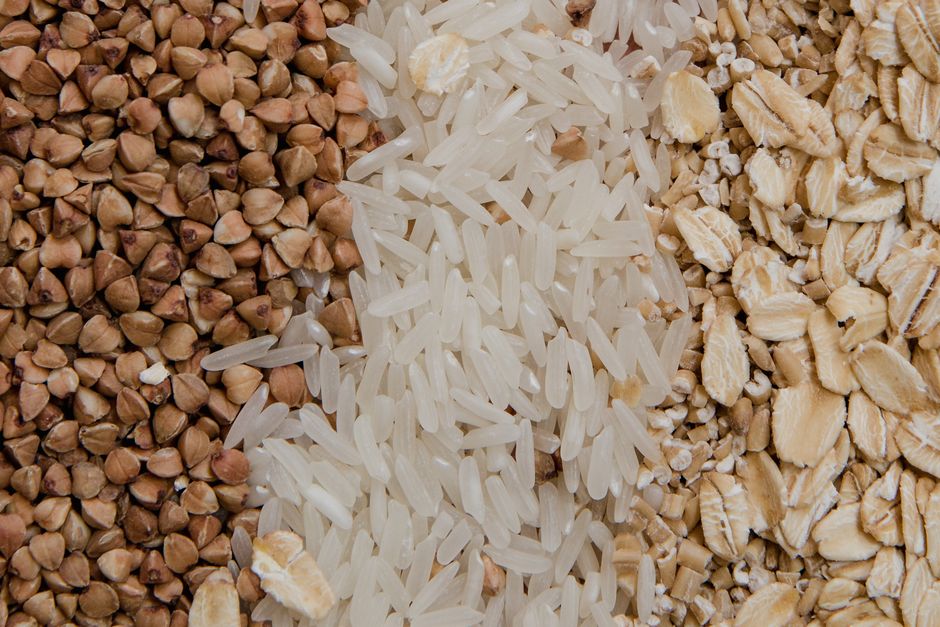
Unlike refined grains (like white bread and pasta) which have their fibrous bran and germ removed, whole grains retain all three parts of the grain kernel – the bran, germ, and endosperm. This means they are packed with fiber, B vitamins, and minerals.
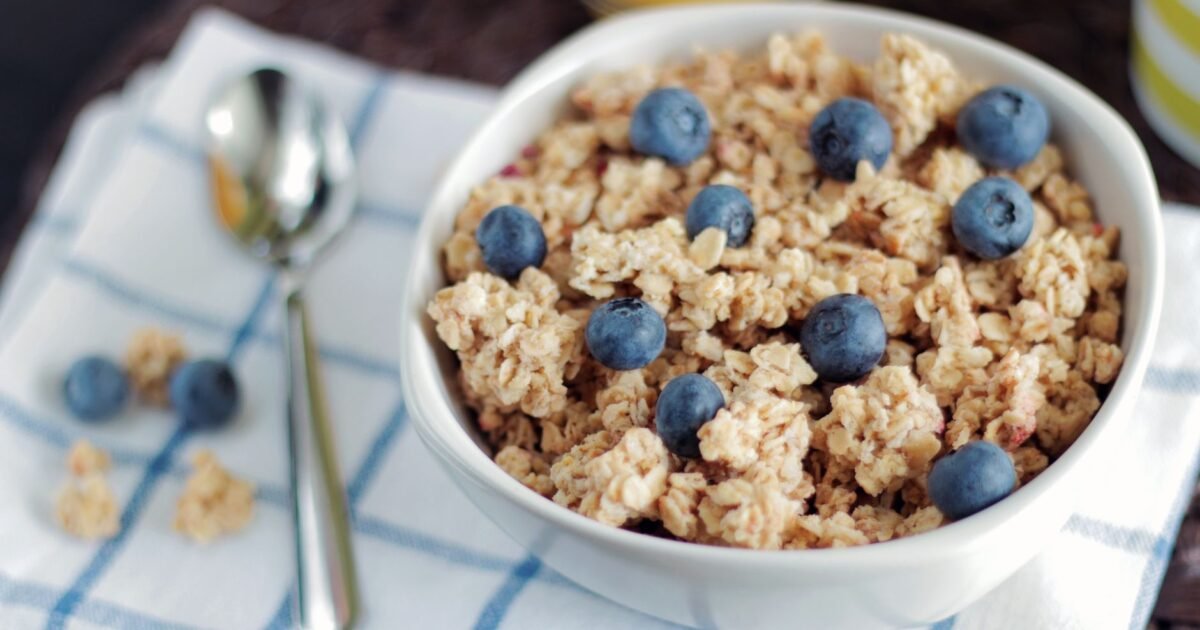
- Oats: A breakfast champion, one cup of cooked rolled oats contains approximately 4 grams of fiber, primarily soluble fiber (beta-glucan), which is excellent for heart health and blood sugar control. Start your day with oatmeal topped with berries and nuts.
- Quinoa: Technically a seed but used as a grain, cooked quinoa provides about 5 grams of fiber and 8 grams of complete protein per cup. It’s gluten-free and a fantastic alternative to rice.
- Brown Rice: A healthier alternative to white rice, one cup of cooked brown rice offers around 3.5 grams of fiber. It’s a good source of manganese and selenium.
- Barley: Often overlooked, barley is a hearty grain with about 6 grams of fiber per cooked cup, much of which is soluble fiber. It’s excellent in soups, stews, and grain salads.
- Whole Wheat Bread/Pasta: Always check labels to ensure it’s “100% whole wheat” or “whole grain” as many products are just brown-colored refined flour. A slice of 100% whole wheat bread typically has 2-3 grams of fiber, while a serving of whole wheat pasta can have 6-8 grams.
- Popcorn: Air-popped popcorn is a surprisingly good whole-grain snack. Three cups of air-popped popcorn provide about 3.5 grams of fiber. Keep it healthy by skipping excessive butter and salt.
Benefits: Provide sustained energy, support gut health, and help regulate blood sugar. Rich in various B vitamins, iron, and magnesium.
How to Incorporate: Choose whole grain versions of bread, pasta, and cereals. Use quinoa or brown rice as side dishes. Enjoy oats for breakfast.
3. Fruits: Sweetness with a Fiber Boost
Fruits offer natural sweetness, essential vitamins, and a significant amount of fiber. Eating whole fruits, rather than just drinking their juice, is key to maximizing fiber intake.
- Raspberries: Among the highest-fiber fruits, one cup of raspberries boasts an impressive 8 grams of fiber. They are also rich in antioxidants.
- Blackberries: Another berry powerhouse, blackberries provide about 7.6 grams of fiber per cup, along with vitamins C and K.
- Pears: A medium pear, with its skin, contains about 5-6 grams of fiber, much of which is soluble pectin.
- Apples: A medium apple with the skin on offers around 4-5 grams of fiber, including both soluble and insoluble types.
- Avocados: While often thought of as a healthy fat source, a medium avocado also provides about 10 grams of fiber! It’s an excellent addition to salads, sandwiches, or as a spread.
- Bananas: A medium banana contains about 3 grams of fiber. Unripe bananas also contain resistant starch, a type of fiber that acts as a prebiotic.
- Kiwi: Two small kiwis deliver approximately 4 grams of fiber and a hefty dose of Vitamin C.
- Oranges: A medium orange provides about 3 grams of fiber, along with a significant amount of Vitamin C.
Benefits: Hydrating, packed with vitamins and antioxidants, and their natural sugars are absorbed more slowly due to fiber content, preventing sharp blood sugar spikes.
How to Incorporate: Enjoy as snacks, add to smoothies, oatmeal, yogurt, or salads. Use as healthy dessert options.
4. Vegetables: Your Everyday Fiber Heroes
Vegetables are the backbone of any healthy diet, and they are particularly rich in fiber while being low in calories. Aim for a colorful variety to ensure a broad spectrum of nutrients.
- Artichokes: One medium artichoke is a fiber superstar, providing about 7 grams of fiber. They are also a good source of prebiotics.
- Broccoli: A cruciferous vegetable, one cup of cooked broccoli contains approximately 5 grams of fiber, plus vitamins C and K.
- Brussels Sprouts: Similar to broccoli, one cup of cooked Brussels sprouts offers about 4 grams of fiber.
- Sweet Potatoes: A medium sweet potato with the skin on contains about 4 grams of fiber, along with beta-carotene.
- Leafy Greens (Spinach, Kale, Collard Greens): While individual servings might seem low in fiber (1-2 grams per cooked cup), their nutrient density and the sheer volume you can consume make them excellent choices. Load up your plates!
- Carrots: One cup of chopped carrots provides about 3.6 grams of fiber, plus a significant amount of Vitamin A.
- Asparagus: One cup of cooked asparagus offers about 2.8 grams of fiber and is a good source of folate.
- Green Beans: One cup of cooked green beans contains approximately 4 grams of fiber.
Benefits: Low in calories, high in water content, and loaded with essential vitamins, minerals, and disease-fighting antioxidants. Their bulk helps fill you up without adding many calories.
How to Incorporate: Roast, steam, sauté, or add raw vegetables to every meal. Make them the largest portion of your plate.
5. Nuts and Seeds: Small but Mighty Fiber Sources
Nuts and seeds are incredibly nutrient-dense, offering a potent combination of fiber, healthy fats, protein, and micronutrients. While calorie-dense, a small portion can significantly boost your fiber intake and satiety.
- Chia Seeds: Just one ounce (about 2 tablespoons) of chia seeds packs an incredible 10 grams of fiber, along with omega-3 fatty acids. They form a gel in liquid, promoting fullness.
- Flax Seeds: One ounce of flax seeds (ground) provides about 8 grams of fiber and omega-3s. Grinding them is essential for optimal nutrient absorption.
- Almonds: One ounce (about 23 almonds) contains roughly 3.5 grams of fiber, healthy fats, and Vitamin E.
- Pistachios: One ounce (about 49 pistachios) offers about 3 grams of fiber, plus protein and antioxidants.
- Sunflower Seeds: One ounce provides about 3 grams of fiber, along with Vitamin E and magnesium.
- Walnuts: One ounce of walnuts contains about 2 grams of fiber and is an excellent source of omega-3 fatty acids.
Benefits: Provide healthy monounsaturated and polyunsaturated fats, plant-based protein, and a rich array of vitamins and minerals. Their crunch and fat content contribute to satiety.
How to Incorporate: Sprinkle on oatmeal, yogurt, salads, or smoothies. Enjoy as a healthy snack in moderation. Use in baking or as a crust for proteins.
How Much Fiber Do You Really Need for Weight Loss?
The generally recommended daily fiber intake for adults is 25 grams for women and 38 grams for men. However, for active weight loss and optimal health benefits, many experts suggest aiming for the higher end of this spectrum, or even slightly above – between 30 to 40 grams per day. This higher intake can significantly enhance satiety, improve gut health, and better regulate blood sugar, all crucial factors in successful weight management.
It’s important to emphasize that reaching these targets should be a gradual process. If your current fiber intake is low, suddenly increasing it dramatically can lead to digestive discomfort. Aim to increase your fiber intake by a few grams each day or week, allowing your digestive system to adapt. Listen to your body and adjust as needed.
Practical Strategies to Boost Your Fiber Intake for Weight Loss
Integrating more fiber into your diet doesn’t have to be daunting. With a few simple swaps and mindful choices, you can easily reach your daily fiber goals.
Start Your Day Fiber-Rich
Breakfast is an excellent opportunity to front-load your fiber intake. Opt for a bowl of oatmeal or a whole-grain cereal with at least 5 grams of fiber per serving. Enhance it further by adding berries, sliced fruit, chia seeds, or flax seeds. A smoothie made with leafy greens, fruit, and a tablespoon of ground flax or chia seeds is another fantastic option.
Make Fiber the Star of Your Plate
Shift your perspective when planning meals. Instead of thinking of vegetables or legumes as mere side dishes, make them the main event. Fill at least half of your plate with non-starchy vegetables at lunch and dinner. Incorporate beans or lentils into stews, salads, or as a base for vegetarian meals.
Snack Smart
Replace highly processed, low-fiber snacks with fiber-rich alternatives. Instead of chips or cookies, reach for an apple with a handful of almonds, carrot sticks with hummus, a pear, or air-popped popcorn. These snacks will keep you feeling fuller for longer and provide valuable nutrients.
Read Food Labels
Become a label detective. When buying packaged goods like bread, pasta, cereals, or crackers, look for products that list “whole grain” or “whole wheat” as the first ingredient. Check the nutrition facts panel for fiber content. Products that are a “good source of fiber” typically contain 2.5-4.9 grams per serving, while “excellent sources” provide 5 grams or more.
Don’t Forget to Hydrate
Fiber needs water to work its magic. Soluble fiber absorbs water to form a gel, and insoluble fiber needs water to add bulk and move through your digestive system efficiently. Increasing your fiber intake without adequate hydration can lead to constipation and discomfort. Aim for at least 8 glasses of water daily.
Gradual Increase is Key
As mentioned, a sudden jump in fiber can cause gas, bloating, and abdominal discomfort. Introduce new high-fiber foods slowly. For example, if you typically eat white rice, start by mixing it with brown rice before fully transitioning. Add a small serving of beans to your soup, then gradually increase the amount over a few days.
Cook with Whole Foods
Minimize your reliance on processed and refined foods, which are typically stripped of their natural fiber. Focus on cooking with whole, unprocessed ingredients like fresh fruits, vegetables, legumes, and whole grains. This simple shift naturally boosts your fiber intake and overall nutrient density.
Potential Pitfalls and Considerations
While fiber is overwhelmingly beneficial, there are a few considerations to keep in mind to ensure a smooth transition to a high-fiber diet.
Digestive Discomfort
The most common side effect of rapidly increasing fiber intake is digestive discomfort. This can manifest as bloating, gas, abdominal cramps, or changes in bowel habits (either constipation or diarrhea). These symptoms usually subside as your body adjusts, which is why a gradual increase is so important.
Hydration is Crucial
We cannot stress this enough: adequate water intake is paramount when increasing fiber. Without enough fluid, fiber can actually lead to constipation, as it can form a hard, immovable mass in the digestive tract. Drink water consistently throughout the day.
Nutrient Absorption
In extremely high doses, fiber can theoretically interfere with the absorption of some minerals, such as iron, zinc, and calcium, by binding to them in the digestive tract. However, this is rarely an issue for individuals consuming a balanced, varied diet with appropriate fiber levels. Whole foods high in fiber also contain these minerals, so the net effect is usually positive. Unless you are consuming excessive amounts of isolated fiber supplements and have a pre-existing deficiency, this is generally not a major concern.
Medical Conditions
Individuals with certain digestive conditions, such as Irritable Bowel Syndrome (IBS), Crohn’s disease, or ulcerative colitis, may need to be more cautious with their fiber intake. For some, certain types of fiber can exacerbate symptoms. If you have a digestive disorder, it’s always best to consult with a doctor or a registered dietitian who can provide personalized guidance.
Supplements vs. Whole Foods
While fiber supplements (like psyllium or methylcellulose) can be useful for some, especially for managing specific conditions or ensuring regularity, they should not replace whole food sources of fiber. Whole foods provide a complex matrix of nutrients – vitamins, minerals, antioxidants, and different types of fiber – that work synergistically for optimal health benefits, something supplements cannot fully replicate.
Sample High-Fiber Meal Plan for a Day
Here’s an example of how you can structure a day of eating to maximize your fiber intake for weight loss:
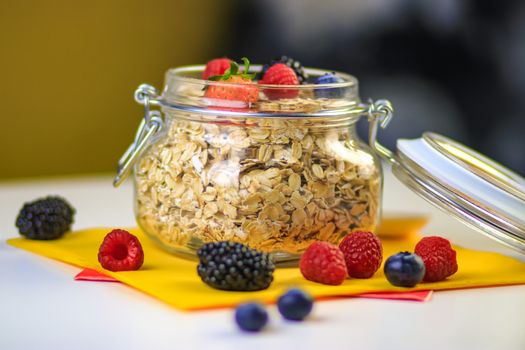
- Breakfast (Fiber Goal: ~10-15g): A bowl of steel-cut oats (4g) cooked with water or unsweetened almond milk, topped with 1/2 cup mixed berries (4g), 1 tablespoon chia seeds (5g), and a small handful of sliced almonds (2g).
- Lunch (Fiber Goal: ~15-20g): A large mixed green salad with 1 cup cooked lentils (16g), a quarter of an avocado (2.5g), cherry tomatoes, cucumber, bell peppers, and a light vinaigrette. Serve with 2 small whole-grain crackers (2g).
- Snack (Fiber Goal: ~5-8g): One medium apple with skin (4.5g) and 1 tablespoon natural peanut butter (1.5g) or a small handful of pistachios (3g).
- Dinner (Fiber Goal: ~10-15g): A hearty vegetable and chickpea curry (1 cup chickpeas = 12g, mixed veggies = 5g) served with 1/2 cup brown rice (2g).
- Evening Snack (Optional – Fiber Goal: ~3-5g): Small bowl of air-popped popcorn (3.5g).
This sample day could easily get you into the 40+ gram range, demonstrating how achievable a high-fiber diet can be with mindful choices.
Beyond Weight Loss: Other Health Benefits of a High-Fiber Diet
While weight loss is a powerful motivator, the benefits of a high-fiber diet extend far beyond shedding pounds. Embracing fiber-rich foods is a holistic approach to improving your overall health and well-being.
- Heart Health: Soluble fiber is particularly effective at lowering LDL (“bad”) cholesterol levels by binding to cholesterol particles in the digestive tract and helping to remove them from the body. A high-fiber diet is also associated with lower blood pressure and reduced risk of cardiovascular disease.
- Blood Sugar Control and Diabetes Prevention: By slowing down sugar absorption, fiber helps prevent rapid spikes in blood glucose, which is crucial for managing Type 2 Diabetes and preventing its onset. It improves insulin sensitivity and provides a steady release of energy.
- Digestive Health and Regularity: Fiber is the cornerstone of a healthy digestive system. Insoluble fiber adds bulk to stool and promotes regular bowel movements, preventing constipation and reducing the risk of conditions like hemorrhoids and diverticular disease. Soluble fiber, as a prebiotic, feeds beneficial gut bacteria, contributing to a balanced and robust gut microbiome.
- Reduced Risk of Certain Cancers: Research suggests that a high-fiber diet, particularly from whole grains, is associated with a reduced risk of colorectal cancer. Fiber helps move waste products through the colon more quickly, reducing exposure to potential carcinogens.
- Longevity: Studies have consistently linked higher fiber intake to a longer lifespan. The combination of improved heart health, blood sugar control, digestive health, and reduced cancer risk all contribute to a reduced risk of chronic diseases and overall better health outcomes.
Integrating Fiber for Long-Term Success
The key to successful, sustainable weight loss isn’t about quick fixes; it’s about adopting healthy habits that you can maintain over the long term. Fiber isn’t a temporary diet tool; it’s a fundamental component of a healthy eating pattern.
Focus on consistency rather than perfection. Every fiber
Photo by JÉSHOOTS on Pexels