High Protein Meal Prep Ideas for Weight Loss: Your Ultimate Guide
In the pursuit of sustainable weight loss, two powerful strategies consistently rise to the top: prioritizing protein intake and mastering the art of meal preparation. At GetLeanPulse.com, we understand that achieving your health goals requires more than just willpower; it demands smart planning and effective execution. This comprehensive guide will equip you with everything you need to know about high-protein meal prep, offering an abundance of delicious ideas, practical tips, and expert insights to transform your weight loss journey from a struggle into a triumphant success.
If you’ve ever found yourself grabbing unhealthy takeout because you were too tired to cook, or falling off track due to lack of time, then you know the critical role convenience plays in diet adherence. Couple that with the proven benefits of a high-protein diet for satiety, metabolism, and muscle preservation, and you have a winning formula. Let’s dive deep into why this combination is so effective and how you can implement it seamlessly into your life.
Why High Protein for Weight Loss? The Undeniable Science
Before we delve into the practicalities of meal prep, it’s crucial to understand *why* protein is your best ally in the battle against excess weight. Protein isn’t just for bodybuilders; it’s a macronutrient vital for everyone, especially those aiming to shed pounds.
The Science Behind Protein’s Weight Loss Power
Numerous studies have consistently highlighted protein’s unique advantages for weight management:
- Enhanced Satiety and Reduced Appetite: Protein is renowned for its ability to make you feel fuller for longer. When you consume protein, it triggers the release of satiety hormones like cholecystokinin (CCK) and peptide YY (PYY), while simultaneously suppressing ghrelin, the “hunger hormone.” This means fewer cravings, less snacking between meals, and a natural reduction in overall calorie intake without feeling deprived. Imagine going through your day feeling satisfied and energized, rather than constantly battling hunger pangs – that’s the protein advantage.
- Higher Thermic Effect of Food (TEF): Every time you eat, your body expends energy to digest, absorb, and metabolize the nutrients. This is known as the Thermic Effect of Food (TEF). Protein has a significantly higher TEF compared to carbohydrates and fats. Approximately 20-30% of the calories from protein are burned during digestion, whereas only 5-10% of carbohydrate calories and 0-3% of fat calories are utilized in this process. This means a high-protein diet effectively boosts your daily calorie expenditure, giving you a metabolic edge.
- Muscle Preservation During Calorie Deficit: When you’re in a calorie deficit (eating fewer calories than you burn) to lose weight, your body can sometimes break down muscle tissue for energy, alongside fat. This is detrimental because muscle is metabolically active, meaning it burns more calories at rest than fat does. A higher protein intake helps to signal your body to preserve lean muscle mass, ensuring that the weight you lose is primarily fat. Maintaining muscle mass is crucial for sustaining your metabolism and achieving a lean, toned physique.
- Stabilized Blood Sugar Levels: Unlike refined carbohydrates, protein has a minimal impact on blood sugar levels. This prevents the sharp spikes and crashes that can lead to energy dips, increased hunger, and cravings for sugary foods. Stable blood sugar contributes to consistent energy and better appetite control throughout the day.
Beyond Weight Loss: Other Benefits of a High-Protein Diet
The advantages of adequate protein extend far beyond just shedding pounds:
- Muscle Repair and Growth: Essential for athletes and anyone engaging in physical activity, protein provides the amino acids necessary for repairing muscle tissue damaged during exercise and building new muscle.
- Bone Health: Studies suggest that adequate protein intake is crucial for maintaining bone mineral density and reducing the risk of osteoporosis, especially as we age.
- Immune Function: Antibodies, which are critical for fighting off infections and diseases, are made from protein. A robust immune system relies on a steady supply of this macronutrient.
- Hair, Skin, and Nail Health: Protein is a fundamental building block for collagen and keratin, the structural proteins that keep your hair, skin, and nails strong and healthy.
- Energy Levels: While not a primary energy source, protein contributes to sustained energy by stabilizing blood sugar and preventing fatigue associated with hunger.
Given these profound benefits, it’s clear why incorporating more protein into your diet is a cornerstone of any effective weight loss strategy.
The Power of Meal Prep for Weight Loss
Now that we understand the ‘why’ of protein, let’s explore the ‘how’ of meal prep and its synergistic relationship with weight loss. Meal preparation is more than just cooking ahead; it’s a strategic approach to nutrition that eliminates guesswork, reduces temptation, and streamlines healthy eating.
What is Meal Prep?
Meal prep, in its simplest form, is the act of preparing meals or components of meals in advance. It can take many forms:
- Batch Cooking: Making large quantities of a single dish (like chili, stew, or a casserole) to be portioned out and eaten over several days.
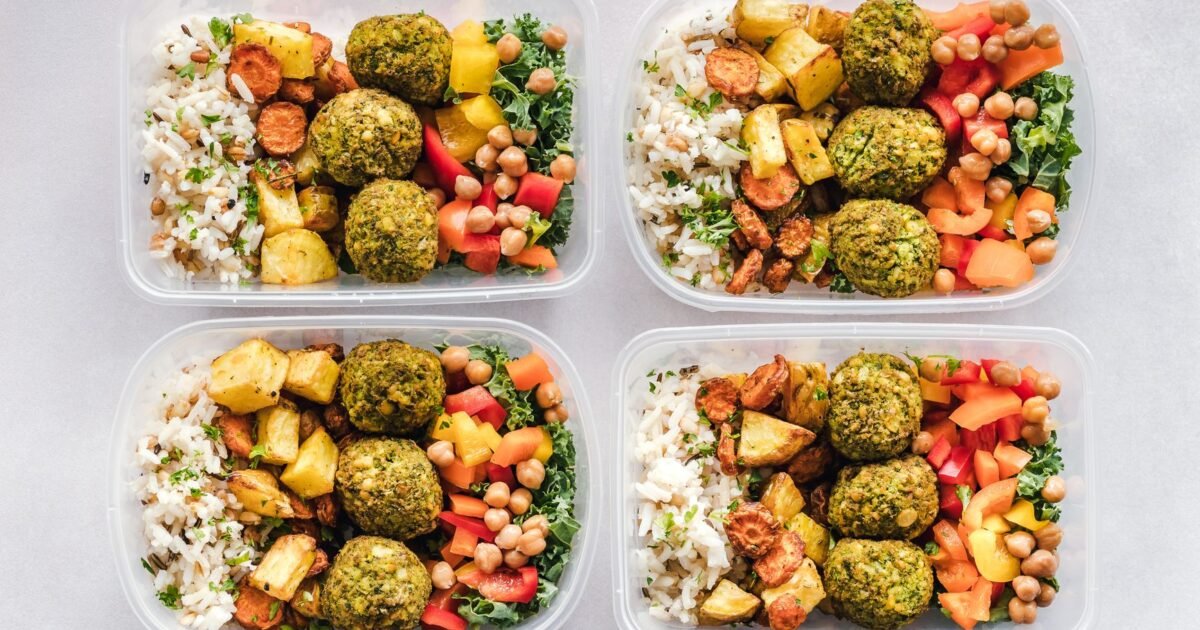
- Individual Portions: Cooking complete meals and dividing them into single-serving containers for easy grab-and-go options throughout the week.
- Component Prep: Preparing individual ingredients (e.g., grilling chicken, roasting vegetables, cooking grains) that can be mixed and matched into various meals during the week.
Why Meal Prep Works Wonders for Weight Loss
Integrating meal prep into your routine offers a multitude of advantages for weight management:
- Consistency and Adherence: The biggest hurdle in any diet is consistency. When healthy, pre-portioned meals are readily available, you’re far less likely to deviate from your plan, even on busy or stressful days.
- Portion Control: One of the most common pitfalls in weight loss is overeating, often unknowingly. Meal prep allows you to accurately measure and portion your food, ensuring you stay within your calorie targets without constant mental effort.
- Time Saving: While meal prep requires an initial time investment, it frees up significant time during the week. Instead of cooking every night, you spend a dedicated block of time (e.g., a few hours on Sunday) and then enjoy quick, healthy meals all week long.
- Cost-Effective: Eating out, especially frequently, can quickly deplete your wallet. Meal prepping encourages grocery shopping, allows for buying in bulk, and significantly reduces restaurant expenses, making healthy eating more affordable.
- Reduces Decision Fatigue: After a long day, making healthy food choices can feel like an impossible task. Meal prep removes this decision fatigue by providing ready-to-eat options, preventing impulsive, unhealthy choices.
- Nutritional Control: When you cook your own meals, you have complete control over the ingredients. You can avoid excessive sodium, unhealthy fats, and added sugars often found in processed foods and restaurant dishes. This allows you to tailor your meals precisely to your dietary needs and preferences.

Essential Principles for High-Protein Meal Prep Success
To maximize the effectiveness of your high-protein meal prep for weight loss, consider these foundational principles.
Calculating Your Protein Needs
While general guidelines exist, individual protein requirements vary based on factors like age, activity level, body composition, and weight loss goals. A common recommendation for active individuals aiming for weight loss is 0.7 to 1 gram of protein per pound of lean body mass or ideal body weight. For example, if your ideal body weight is 150 lbs, you might aim for 105-150 grams of protein per day. It’s often beneficial to distribute this intake across all your meals and snacks. Consulting a registered dietitian or nutritionist can provide personalized recommendations tailored to your specific needs.
Choosing Your Protein Sources Wisely
Variety is the spice of life and also key to a nutritionally complete diet. Focus on lean, high-quality protein sources:
- Lean Meats: Chicken breast, turkey breast, lean ground beef (90% lean or higher), pork loin, lean cuts of steak.
- Fish & Seafood: Salmon (rich in omega-3s), cod, tuna, tilapia, shrimp, scallops.
- Eggs & Dairy: Whole eggs, egg whites, Greek yogurt (plain, unsweetened), cottage cheese, low-fat milk, protein powder (whey, casein, plant-based).
- Plant-Based Proteins: Lentils, black beans, chickpeas, kidney beans, tofu, tempeh, edamame, quinoa, seitan, nutritional yeast.
Balancing Your Macros for Optimal Weight Loss
While protein is paramount, a balanced approach including healthy fats and complex carbohydrates is crucial for sustained energy, nutrient absorption, and overall health.
- Protein First: Build your meals around your chosen lean protein source.
- Healthy Fats: Incorporate sources like avocado, nuts, seeds, olive oil, and fatty fish (salmon). These contribute to satiety, hormone production, and nutrient absorption.
- Complex Carbohydrates: Opt for whole grains like quinoa, brown rice, oats, sweet potatoes, and whole-wheat pasta. These provide sustained energy and fiber. Limit refined carbs.
- Abundant Vegetables: Fill half your plate with non-starchy vegetables (broccoli, spinach, bell peppers, zucchini, green beans). They are low in calories, high in fiber, vitamins, and minerals, and contribute significantly to satiety.
Food Safety and Storage Best Practices
Proper food handling and storage are non-negotiable for meal prep:
- Rapid Cooling: Cool cooked food quickly before refrigerating. Divide large batches into smaller, shallow containers to speed up the cooling process.
- Refrigeration: Store prepped meals in airtight containers in the refrigerator for 3-4 days.
- Freezing: For longer storage (up to 2-3 months), freeze suitable meals in freezer-safe containers. Thaw safely in the refrigerator overnight before reheating.
- Reheating: Reheat meals thoroughly to an internal temperature of 165°F (74°C) to kill any potential bacteria.
- Cross-Contamination: Always use separate cutting boards and utensils for raw meats and produce. Wash hands thoroughly.
Essential Meal Prep Equipment
Investing in a few key tools can make your meal prep journey much smoother:
- Airtight Containers: Glass or BPA-free plastic containers in various sizes, ideally microwave and dishwasher safe. Look for ones with divided sections for balanced meals.
- Food Scale: Crucial for accurate portion control, especially when you’re starting out.
- Quality Knives and Cutting Board: Makes chopping vegetables and proteins quicker and safer.
- Large Sheet Pans: Ideal for roasting multiple vegetables and proteins at once.
- Slow Cooker or Instant Pot: Excellent for batch cooking stews, chilis, shredded chicken, or grains with minimal effort.
- Measuring Cups and Spoons: For precise ingredient measurement.
High-Protein Meal Prep Ideas: Breakfast to Dinner and Beyond
Now for the exciting part – the delicious, high-protein meal ideas that will fuel your weight loss journey! We’ll cover breakfast, lunch, dinner, and even smart snacks.
High-Protein Meal Prep Ideas: Breakfast
Starting your day with a protein-rich meal is key to kicking off your metabolism and staying full until lunch.
1. Overnight Oats with Protein Powder & Berries
A classic for a reason. Mix rolled oats, protein powder (whey or plant-based), chia seeds, unsweetened almond milk, and a pinch of cinnamon in a jar or container. Refrigerate overnight. In the morning, top with fresh berries, a sprinkle of nuts, or a dollop of Greek yogurt.
Prep Tip: Make 3-4 jars at once. Vary protein powder flavors or fruit toppings for variety.
2. High-Protein Egg Muffins/Frittatas
Whisk eggs with a splash of milk, salt, pepper, and your favorite chopped veggies (spinach, bell peppers, onions) and lean protein (diced turkey sausage, chopped ham). Pour into greased muffin tins and bake until set.
Prep Tip: Bake a batch of 12 for the week. They reheat well in the microwave or air fryer.
3. Greek Yogurt Parfaits with Nuts & Seeds
Layer plain Greek yogurt (high in protein!), mixed berries, and a handful of chopped nuts or seeds (almonds, walnuts, chia seeds). Add a drizzle of sugar-free maple syrup or a dash of cinnamon for flavor.
Prep Tip: Prep the yogurt and berries in separate containers to prevent sogginess, then combine in the morning.
4. Protein-Packed Breakfast Burritos/Bowls
Scramble eggs with lean ground turkey or black beans, salsa, and a sprinkle of low-fat cheese. Wrap in whole-wheat tortillas for burritos or serve over a bed of spinach for a bowl.
Prep Tip: Cook a large batch of scrambled eggs and turkey/beans. Assemble burritos and freeze, or portion out ingredients for bowls.
High-Protein Meal Prep Ideas: Lunch & Dinner
These are your main meals, where consistent protein intake can make the biggest difference in satiety and muscle preservation. Aim for a lean protein source, plenty of non-starchy vegetables, and a modest serving of complex carbohydrates.
5. Grilled Chicken & Veggie Power Bowls
Grill or bake a large batch of chicken breasts or thighs. Roast a variety of vegetables like broccoli, sweet potatoes, bell peppers, and zucchini. Cook quinoa or brown rice.
Assembly: Combine chicken, roasted veggies, and grains in containers. Add a healthy dressing (lemon-tahini, balsamic vinaigrette) on the side.
Prep Tip: Make enough chicken and roasted veggies for 4-5 meals.
6. Lean Ground Turkey/Beef Stir-fry
Sauté lean ground turkey or beef with a medley of chopped stir-fry vegetables (snap peas, carrots, broccoli, mushrooms). Season with low-sodium soy sauce or tamari, ginger, garlic, and a touch of sriracha. Serve with brown rice or cauliflower rice.
Prep Tip: Cook the protein and veggies together, and store rice separately to prevent it from getting mushy.
7. Baked Salmon & Asparagus with Quinoa
Bake salmon fillets seasoned with lemon and herbs. Roast asparagus spears. Cook a batch of quinoa.
Assembly: Portion salmon, asparagus, and quinoa into containers. A squeeze of fresh lemon juice before eating enhances flavor.
Prep Tip: Salmon can be cooked from fresh or frozen. Bake at 400°F (200°C) for 12-15 minutes.
8. Hearty Lentil & Vegetable Curry (Plant-Based)
Sauté onions, garlic, ginger, and curry spices. Add lentils, diced tomatoes, coconut milk (light), vegetable broth, and a variety of vegetables (spinach, cauliflower, sweet potatoes). Simmer until lentils are tender. Serve with brown rice or a whole-wheat naan.
Prep Tip: Curries often taste even better the next day as flavors meld. Make a large pot.
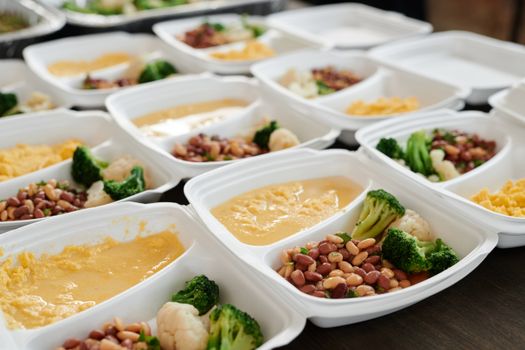
9. Lean Turkey Chili or Beef & Bean Stew
A classic comfort food that’s perfect for batch cooking. Use lean ground turkey or beef, plenty of beans (kidney, black, pinto), diced tomatoes, bell peppers, onions, and chili spices.
Prep Tip: Make a giant pot and freeze individual portions for up to 3 months. Top with a dollop of Greek yogurt or a sprinkle of low-fat cheese when serving.
10. Shrimp & Cauliflower Rice Bowls
Quick-cooking and low-carb friendly. Sauté shrimp with garlic, paprika, and a squeeze of lime juice. Serve over seasoned cauliflower rice with a side of steamed green beans or roasted bell peppers.
Prep Tip: Cook shrimp and cauliflower rice just before eating for best texture, or cook components and assemble just before reheating.
11. Tofu/Tempeh & Roasted Root Vegetables (Plant-Based)
Press extra-firm tofu or tempeh, then cube and marinate in soy sauce, ginger, garlic, and a touch of sesame oil. Roast alongside root vegetables like carrots, parsnips, and sweet potatoes.
Prep Tip: Tofu/tempeh can be baked or pan-fried. Ensure it’s well-pressed for best texture.
12. Mediterranean Chicken & Chickpea Salad
Shredded cooked chicken (or canned chickpeas for plant-based), diced cucumber, tomatoes, red onion, bell peppers, Kalamata olives, and a light lemon-herb vinaigrette. Serve over mixed greens.
Prep Tip: Keep the dressing separate until serving to prevent the greens from wilting.
13. High-Protein Pasta Salad
Whole-wheat pasta, grilled chicken breast (or canned tuna/chickpeas), cherry tomatoes, spinach, feta cheese (optional), and a pesto or light vinaigrette dressing.
Prep Tip: Cook pasta al dente to prevent it from getting mushy in the fridge.
14. Beef & Broccoli with Brown Rice
Thinly sliced lean beef (like flank steak) stir-fried with broccoli florets in a light soy-ginger sauce. Serve with brown rice.
Prep Tip: Marinate the beef overnight for extra flavor and tenderness.
15. Chicken or Turkey Meatballs with Zucchini Noodles
Make meatballs from lean ground chicken or turkey, breadcrumbs, herbs, and an egg. Bake or pan-fry. Serve with spiralized zucchini noodles (zoodles) and a low-sugar marinara sauce.
Prep Tip: Zoodles cook very quickly; add them to the sauce just before serving or store separately.
High-Protein Meal Prep Ideas: Snacks
Smart snacking can prevent overeating at meals and keep your metabolism humming.
16. Hard-Boiled Eggs
Simple, portable, and packed with protein.
Prep Tip: Boil a dozen eggs at the start of the week. Store in the fridge for easy access.
17. Cottage Cheese with Fruit
High in casein protein (slow-digesting) for sustained fullness. Top with berries or pineapple.
Prep Tip: Portion into small containers.
18. Protein Shakes
A quick and easy way to boost protein. Mix protein powder with water or unsweetened almond milk.
Prep Tip: Pre-portion protein powder into shaker bottles, add liquid when ready to drink.
19. Edamame
Steamed or roasted, edamame pods are a satisfying plant-based protein snack.
Prep Tip: Buy frozen, steam, and portion.
20. Turkey Jerky or Biltong
Choose low-sodium, high-quality brands without excessive sugar.
Prep Tip: Buy in bulk and portion into small bags.
21. Greek Yogurt with a sprinkle of nuts
Another versatile option.
22. Roasted Chickpeas
Crunchy, savory, and protein-packed. Toss canned chickpeas with olive oil and spices, then roast until crispy.
Prep Tip: Make a large batch and store in an airtight container for up to 5 days.
Strategies for Successful High-Protein Meal Prep
Embarking on a meal prep journey can feel daunting, but with the right strategies, it becomes an enjoyable and sustainable part of your weight loss routine.
Start Small and Build Up
Don’t try to prep every single meal for the entire week from day one. Begin with one meal, like lunches, or just prepping components. Once you’re comfortable, gradually add more. Consistency over perfection is key.
Theme Your Weeks for Variety
To avoid meal fatigue, plan themed weeks. One week might be “Mediterranean Marvels,” featuring lots of grilled chicken, quinoa, and fresh veggies. The next could be “Asian Inspired,” with stir-fries and rice bowls. This keeps your taste buds engaged and ensures a wider range of nutrients.
Utilize Batch Cooking of Components
Instead of making 5 identical complete meals, cook large quantities of individual components. For example:
- Bake 2 lbs of chicken breast.
- Roast 3 large trays of mixed vegetables.
- Cook 6 cups of brown rice or quinoa.
Then, mix and match these components throughout the week to create different meal combinations. This offers flexibility and reduces boredom.
Invest in Quality Containers
Good quality, airtight, BPA-free containers (preferably glass for durability and ease of cleaning) are an investment that pays off. They prevent leaks, keep food fresh longer, and make reheating easy. Consider containers with multiple compartments to keep different food items separate until heating.
Don’t Forget Flavor!
Healthy eating doesn’t have to be bland. Stock your pantry with a variety of herbs, spices, low-sodium seasonings, and healthy sauces (e.g., hot sauce, sugar-free BBQ sauce, light vinaigrettes). Fresh herbs, citrus zest, and a squeeze of lime or lemon can elevate any meal. Marinades are your friend for infusing protein with delicious flavor.
Plan Your Shopping List
Before you even step into the kitchen, plan your meals for the week and create a detailed shopping list. This prevents impulse buys, ensures you have all necessary ingredients, and saves time at the grocery store.
Be Flexible and Allow for Imperfection
Life happens. There will be weeks when you can’t prep as much as you’d like, or you’ll have an unexpected dinner invitation. Don’t let a small deviation derail your entire effort. Adjust, learn, and get back on track with your next meal. The goal is long-term sustainable change, not momentary perfection.
Track Your Progress
While not directly part of meal prep, regularly tracking your weight, body measurements, or how you feel can provide motivation and help you assess what’s working. Seeing your progress reinforces the value of your meal prep efforts.
Common Challenges and How to Overcome Them
Even with the best intentions, you might encounter hurdles. Here’s how to navigate common meal prep challenges:
Boredom and Repetitiveness
Solution: Embrace variety. Rotate through a collection of 10-15 go-to recipes. Utilize component prep so you can mix and match. Experiment with different spices and cooking methods for the same protein (e.g., baked chicken one week, shredded chicken in a stir-fry the next). Discover new cuisines and flavors to keep things exciting.
Time Commitment
Solution: Designate a specific “prep day” (e.g., Sunday afternoon) and stick to it. Break down tasks: chop all veggies first, then cook all proteins, then grains. Utilize shortcuts like pre-chopped vegetables, rotisserie chicken (remove skin), or canned beans. Invest in time-saving appliances like an Instant Pot or food processor. Remember, the time invested upfront saves you hours during the week.
Food Spoilage or Lack of Freshness
Solution: Store food properly in airtight containers. For meals intended for later in the week (Day 4-5), consider freezing them and thawing the night before. Separate components that might get soggy (e.g., dressing from salad greens, sauce from pasta). Cook smaller batches if you find food isn’t lasting. Focus on ingredients that hold up well, like roasted root vegetables, cooked grains, and sturdy proteins.
Lack of Motivation
Solution: Find an accountability partner. Focus on the immense benefits you’re gaining – more energy, better health, weight loss, saved money. Reward yourself (non-food related!) for sticking to your prep. Remember your ‘why’ – your health goals. Sometimes, simply having a plan is motivation enough to get started.
Conclusion: Your Path to Sustainable Weight Loss Starts Here
High-protein meal prep is more than just a trend; it’s a powerful, evidence-based strategy for sustainable weight loss and improved overall health. By understanding protein’s role in satiety, metabolism, and muscle preservation, and by harnessing the organizational benefits of meal preparation, you can take control of your nutrition, eliminate guesswork, and consistently make choices that align with your goals.
At GetLeanPulse.com, we believe in empowering you with the tools and knowledge to achieve lasting results. The ideas and strategies presented in this guide offer a robust framework for transforming your eating habits. From hearty breakfast options to satisfying lunches, dinners, and smart snacks, you now have a treasure trove of high-protein meal prep ideas at your fingertips.
Embrace the journey. Start small, be consistent, prioritize flavor, and watch as high-protein meal prep becomes your secret weapon for shedding pounds, building a leaner physique, and feeling your absolute best. Your path to a healthier, happier you begins in the kitchen.
Photo by Ella Olsson on Pexels