
Reduce Inflammation: Your Ultimate Guide to a Healthier, More Vibrant Body
In the quest for optimal health and longevity, one word frequently surfaces as a silent but powerful determinant of our well-being: inflammation. Often misunderstood, inflammation is a fundamental biological process that, while vital for survival, can become a destructive force when it transitions from acute to chronic. At GetLeanPulse.com, we understand that tackling chronic inflammation is not just about alleviating symptoms; it’s about building a foundation for sustainable health, energy, and vitality. This comprehensive guide will empower you with the knowledge and actionable strategies to significantly reduce inflammation in your body, paving the way for a leaner, stronger, and more vibrant you.
Inflammation is the body’s natural defense mechanism, a complex biological response to harmful stimuli such as pathogens, damaged cells, or irritants. When you cut your finger, sprain an ankle, or fight off a cold, acute inflammation is the hero, sending immune cells to the site of injury or infection to begin the healing process. This short-term response is characterized by redness, swelling, heat, pain, and loss of function – all signs that your body is actively working to repair itself. Once the threat is neutralized or the injury healed, the inflammatory response subsides, and your body returns to normal.
However, the problem arises when inflammation lingers, persisting for weeks, months, or even years. This is known as chronic inflammation, and it’s a silent epidemic in modern society. Unlike acute inflammation, which is a localized and temporary protective response, chronic inflammation is a systemic, long-term assault on your tissues and organs. It occurs when your immune system remains in an elevated state of alert, continuously releasing inflammatory chemicals even when there’s no immediate threat. This sustained low-grade inflammation can slowly but surely damage healthy cells, tissues, and organs, contributing to a wide array of chronic diseases that plague millions worldwide.
The link between chronic inflammation and serious health conditions is undeniable. Research has established it as a major underlying factor in the development and progression of diseases such as heart disease, type 2 diabetes, autoimmune disorders (like rheumatoid arthritis, lupus, and inflammatory bowel disease), certain cancers, neurodegenerative diseases (like Alzheimer’s and Parkinson’s), metabolic syndrome, and even depression. It can manifest as persistent fatigue, unexplained pain, digestive issues, skin problems, and difficulty losing weight. For many, chronic inflammation is the invisible barrier preventing them from achieving their health and fitness goals.
The good news is that chronic inflammation is not an irreversible fate. While genetics and certain medical conditions can play a role, lifestyle choices are overwhelmingly the most significant drivers of inflammation. This means that you have immense power to influence your inflammatory state through the foods you eat, how you move, how you manage stress, and other daily habits. This article delves deep into these actionable strategies, offering a holistic roadmap to an anti-inflammatory lifestyle. We will explore the pivotal role of nutrition, the indispensable benefits of physical activity, the power of stress reduction, the importance of quality sleep, and the potential impact of targeted supplementation. By integrating these practices into your daily life, you can effectively quench the fires of chronic inflammation, reclaim your health, and unlock a new level of vitality.
The Anti-Inflammatory Diet: Fueling Your Body for Wellness
When it comes to reducing inflammation, what you put on your plate is arguably the most powerful tool you possess. Food isn’t just fuel; it’s information for your cells, signaling them to either fight inflammation or fan its flames. An anti-inflammatory diet is not a restrictive fad; it’s a sustainable approach to eating that emphasizes whole, unprocessed foods rich in antioxidants, omega-3 fatty acids, and fiber, while limiting ingredients known to promote inflammation. This dietary pattern aims to nourish your body at a cellular level, supporting optimal immune function and reducing systemic inflammatory markers.
Embrace Anti-Inflammatory Foods
The cornerstone of an anti-inflammatory diet is a diverse array of nutrient-dense foods. These foods provide the vitamins, minerals, phytonutrients, and healthy fats your body needs to combat oxidative stress and regulate inflammatory pathways. Incorporating them generously into your daily meals can make a profound difference.
- Fruits and Vegetables: The Antioxidant Powerhouses
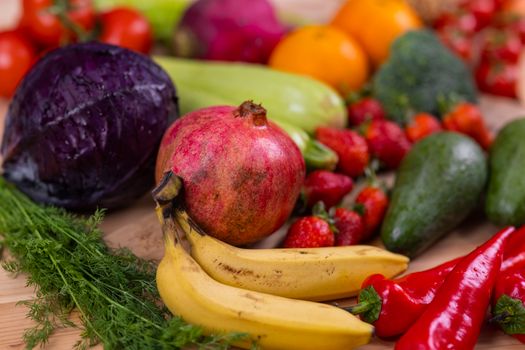
Brightly colored fruits and vegetables are packed with antioxidants, which neutralize free radicals that can damage cells and trigger inflammation. They also provide essential vitamins, minerals, and fiber. Aim for a wide spectrum of colors to ensure a diverse intake of phytonutrients.- Berries (blueberries, strawberries, raspberries): Rich in anthocyanins, powerful antioxidants.
- Leafy Greens (spinach, kale, collard greens): Excellent sources of vitamins K and C, and carotenoids.
- Cruciferous Vegetables (broccoli, cauliflower, Brussels sprouts): Contain sulforaphane and indole-3-carbinol, compounds known for their anti-inflammatory and detoxifying properties.
- Tomatoes: High in lycopene, an antioxidant that reduces inflammation, especially when cooked.
- Bell Peppers: Excellent source of Vitamin C, a potent antioxidant.
- Citrus Fruits: Provide Vitamin C and flavonoids.
- Omega-3 Fatty Acids: The Inflammation Quenchers
Omega-3s are essential polyunsaturated fats that play a crucial role in regulating inflammation. They are precursors to compounds that reduce inflammatory responses and help balance the pro-inflammatory omega-6 fatty acids often abundant in the Western diet.- Fatty Fish (salmon, mackerel, sardines, tuna): The best dietary source of EPA and DHA, the most potent forms of omega-3s. Aim for at least two servings per week.
- Flaxseeds and Chia Seeds: Good plant-based sources of alpha-linolenic acid (ALA), which the body can convert into EPA and DHA (though the conversion rate varies).
- Walnuts: Another excellent plant-based source of ALA.
- Whole Grains: Fiber-Rich Foundations
Unlike refined grains, whole grains retain their bran, germ, and endosperm, providing fiber, B vitamins, and minerals. The fiber in whole grains helps regulate blood sugar, supports a healthy gut microbiome, and reduces inflammatory markers.- Oats: Especially steel-cut or rolled oats.
- Brown Rice: A healthier alternative to white rice.
- Quinoa: A complete protein and gluten-free option.
- Barley, Farro, and Whole Wheat: Other nutritious choices.
- Lean Proteins: Building Blocks without the Baggage
While red meat can be inflammatory for some, lean protein sources are essential for tissue repair and overall health without contributing to inflammation.- Poultry (skinless chicken, turkey): Lean and versatile.
- Legumes (beans, lentils, chickpeas): Excellent plant-based protein, fiber, and phytonutrients.
- Eggs: A complete protein source.
- Nuts and Seeds: Provide protein, healthy fats, and fiber.
- Healthy Fats: Monounsaturated and Polyunsaturated Power
Not all fats are created equal. Focus on fats that support cardiovascular health and have anti-inflammatory properties.- Extra Virgin Olive Oil: Rich in monounsaturated fats and polyphenols like oleocanthal, which has anti-inflammatory effects similar to ibuprofen.
- Avocados: High in monounsaturated fats, fiber, potassium, and magnesium.
- Nuts and Seeds: Provide healthy fats, protein, and fiber (e.g., almonds, cashews, sunflower seeds).
- Herbs and Spices: Nature’s Anti-Inflammatory Pharmacy
Many common herbs and spices possess potent anti-inflammatory compounds. Incorporating them into your cooking not only enhances flavor but also boosts your body’s defense mechanisms.- Turmeric: Contains curcumin, a powerful anti-inflammatory compound. Often paired with black pepper to enhance absorption.
- Ginger: Known for its anti-inflammatory and antioxidant effects, similar to NSAIDs.
- Garlic: Contains sulfur compounds that may inhibit inflammatory enzymes.
- Cinnamon: Helps regulate blood sugar and has anti-inflammatory properties.
- Rosemary, Thyme, Oregano: Rich in antioxidants.
Avoid Pro-Inflammatory Foods
Just as important as adding beneficial foods is reducing or eliminating those that actively promote inflammation. These are often staples of the modern Western diet and can undermine even the best efforts to live healthily.
- Refined Sugars and Processed Foods: The Silent Saboteurs
Added sugars (found in sodas, candies, pastries, and many packaged foods) lead to rapid spikes in blood sugar, which triggers an inflammatory response. Processed foods, often high in sugar, unhealthy fats, and artificial additives, are major drivers of systemic inflammation.- Sugary Drinks: Sodas, fruit juices (even 100% juice in excess), sweetened teas.
- Refined Grains: White bread, white pasta, pastries, most breakfast cereals.
- Processed Snacks: Chips, cookies, crackers, convenience meals.
- Unhealthy Fats: Trans Fats and Excessive Saturated Fats
Trans fats, found in partially hydrogenated oils (often in fried foods, baked goods, and some margarines), are particularly detrimental and have been linked to increased systemic inflammation and heart disease risk. Excessive saturated fat, found in fatty meats, full-fat dairy, and some tropical oils, can also contribute to inflammation, especially when consumed in high amounts.- Fried Foods: Often cooked in unhealthy oils.
- Fast Food: Typically high in trans and saturated fats.
- Processed Meats: Bacon, sausage, hot dogs, deli meats.
- Excessive Red Meat and Processed Meats
While lean cuts of red meat in moderation might be acceptable for some, high consumption of red meat, especially processed varieties, has been linked to increased markers of inflammation. The type of fat, cooking methods (high-heat grilling), and compounds like advanced glycation end products (AGEs) can contribute to its inflammatory potential. - Alcohol (in Excess)
While moderate consumption of certain alcoholic beverages (like red wine) might offer some benefits due to antioxidants, excessive alcohol intake directly triggers inflammation throughout the body, particularly in the liver and gut.
Hydration: The Unsung Hero
Don’t underestimate the power of water. Staying adequately hydrated is crucial for every bodily function, including the efficient transport of nutrients, removal of waste products, and lubrication of joints. Dehydration can exacerbate inflammation, as it impairs cellular function and can lead to increased stress on the body. Aim for at least 8 glasses of water per day, and more if you are active or in a hot climate. Herbal teas, infused water, and vegetable broths can also contribute to your daily fluid intake.
Popular Anti-Inflammatory Eating Patterns
Instead of focusing on individual foods, adopting a holistic dietary pattern can be more effective and sustainable. Several well-researched eating styles naturally align with anti-inflammatory principles:
- Mediterranean Diet: Often touted as one of the healthiest diets in the world, it emphasizes fruits, vegetables, whole grains, legumes, nuts, seeds, olive oil, and fish, with moderate poultry, dairy, and red wine, and very limited red meat and sweets. This diet is inherently rich in anti-inflammatory compounds.
- DASH Diet (Dietary Approaches to Stop Hypertension): While primarily focused on blood pressure, the DASH diet’s emphasis on fruits, vegetables, whole grains, lean protein, and low-fat dairy, while limiting saturated fat, cholesterol, and sodium, naturally makes it an excellent anti-inflammatory plan.
- Plant-Based Diets: Vegetarian and vegan diets, when well-planned and rich in whole foods, are naturally anti-inflammatory due to their high fiber, antioxidant, and phytonutrient content, and the exclusion of inflammatory animal products.

Lifestyle Pillars: Beyond the Plate
While diet forms the bedrock of an anti-inflammatory strategy, it’s only one piece of the puzzle. Our daily habits, from how much we move to how well we sleep and manage stress, profoundly impact our body’s inflammatory response. Adopting a holistic approach that integrates these lifestyle pillars is essential for comprehensive and lasting relief from chronic inflammation.
Regular Physical Activity: Move to Reduce Inflammation
Exercise is one of the most potent anti-inflammatory agents available to us, often described as a “miracle drug” for its wide-ranging benefits. Regular physical activity helps reduce inflammation in several ways:
- Reduces Adiposity: Excess body fat, particularly visceral fat around the organs, is a major source of pro-inflammatory cytokines. Exercise helps burn fat and build lean muscle, reducing this inflammatory burden.
- Modulates Immune Response: Moderate exercise boosts the immune system’s ability to fight off pathogens and helps regulate the production of inflammatory markers, shifting the body towards an anti-inflammatory state.
- Improves Blood Flow: Enhanced circulation delivers oxygen and nutrients more efficiently, aiding in cellular repair and waste removal, which reduces inflammation.
- Stress Reduction: Physical activity is a powerful stress reliever, and as we will discuss, chronic stress is a significant driver of inflammation.
The key is consistency and finding activities you enjoy. Aim for at least 150 minutes of moderate-intensity aerobic exercise (like brisk walking, jogging, cycling, or swimming) or 75 minutes of vigorous-intensity exercise per week, combined with two or more days of strength training. Even small bouts of activity throughout the day can make a difference. Listen to your body and gradually increase intensity and duration.
Master Stress Management: Calm the Inner Fire
In today’s fast-paced world, chronic stress has become an unfortunate constant for many. What most people don’t realize is that psychological stress has a profound physiological impact, directly fueling chronic inflammation. When you’re stressed, your body releases hormones like cortisol and adrenaline, which are part of the ‘fight or flight’ response. While acute stress can trigger a beneficial short-term inflammatory response, chronic stress leads to dysregulation of this system, causing sustained elevation of inflammatory markers throughout the body. This continuous state of alert can wear down your immune system and exacerbate inflammatory conditions.
Implementing effective stress management techniques is therefore critical for reducing inflammation. This isn’t about eliminating stress entirely (which is impossible), but about changing your body’s response to it. Practical strategies include:
- Mindfulness and Meditation: Practices like mindfulness meditation can literally rewire your brain, reducing activity in stress-response centers and promoting relaxation. Even 10-15 minutes a day can yield significant benefits.
- Yoga and Tai Chi: These practices combine physical movement with breathing techniques and meditation, effectively reducing stress hormones and improving overall well-being.
- Deep Breathing Exercises: Simple diaphragmatic breathing can quickly activate the parasympathetic nervous system, promoting a state of calm.
- Spending Time in Nature: Research shows that exposure to natural environments can lower stress hormones, blood pressure, and heart rate.
- Hobbies and Creative Outlets: Engaging in activities you enjoy – reading, painting, gardening, playing music, or spending time with pets – can be incredibly therapeutic and distracting from stressors.
- Social Connection: Nurturing strong relationships with friends and family provides emotional support and reduces feelings of isolation, which can mitigate stress.
Prioritize Quality Sleep: The Body’s Repair Cycle
Sleep is not merely a period of inactivity; it’s a critical time when your body performs essential repair and regeneration processes. Chronic sleep deprivation is a powerful stressor that significantly elevates inflammatory cytokines and hormones. When you don’t get enough quality sleep, your immune system becomes dysregulated, making it more prone to an inflammatory response. Even partial sleep deprivation can increase markers like C-reactive protein (CRP), a key indicator of inflammation.
Aim for 7-9 hours of quality sleep per night. To improve your sleep hygiene:
- Establish a Consistent Sleep Schedule: Go to bed and wake up at roughly the same time each day, even on weekends.
- Create a Relaxing Bedtime Routine: This could include a warm bath, reading a book, or listening to calming music.
- Optimize Your Sleep Environment: Ensure your bedroom is dark, quiet, and cool.
- Limit Screen Time Before Bed: The blue light emitted by electronic devices can interfere with melatonin production, the sleep hormone.
- Avoid Caffeine and Heavy Meals Late in the Day: These can disrupt sleep patterns.
Achieve and Maintain a Healthy Weight: Shedding Inflammatory Burden
Obesity, particularly abdominal obesity, is strongly linked to chronic low-grade inflammation. Fat cells, especially visceral fat (fat surrounding your organs), are not merely inert storage depots; they are metabolically active organs that release a host of inflammatory chemicals called adipokines. These adipokines contribute significantly to systemic inflammation, increasing the risk for numerous chronic diseases. Losing even a modest amount of weight can dramatically reduce these inflammatory markers and improve overall health. Combine a nutrient-dense, anti-inflammatory diet with regular physical activity to achieve and maintain a healthy weight for your body type. This synergistic approach will not only reduce inflammation but also boost energy levels and metabolic health.
Quit Smoking and Limit Alcohol: Eliminating Direct Inflammatory Triggers
Smoking is an undeniable inflammatory powerhouse. Every puff introduces thousands of toxic chemicals into your bloodstream, directly triggering widespread inflammation and oxidative stress throughout your body. It damages blood vessels, lung tissue, and contributes to a host of chronic diseases. Quitting smoking is one of the single most impactful actions you can take to reduce inflammation and drastically improve your health. The benefits are almost immediate and continue to accumulate over time.
While moderate alcohol consumption, particularly of red wine, is sometimes cited for its antioxidant content, excessive alcohol intake is a potent inflammatory agent. It can damage the liver, disrupt the gut microbiome, and lead to systemic inflammation. For optimal anti-inflammatory benefits, limit alcohol consumption or avoid it altogether.
Smart Supplementation & Environmental Awareness
While diet and lifestyle form the foundation of an anti-inflammatory strategy, certain supplements can provide additional support, especially if your dietary intake is insufficient or if you have specific deficiencies. However, it is crucial to approach supplementation with caution and always consult with a healthcare professional before adding any new supplements to your regimen. Additionally, becoming aware of and minimizing exposure to environmental toxins can further reduce your body’s inflammatory load.
Potentially Beneficial Supplements (Consult Your Doctor First)
- Omega-3 Fatty Acids (EPA/DHA): If you don’t consume enough fatty fish, a high-quality fish oil supplement can be beneficial. Look for supplements with a high concentration of EPA and DHA, and ensure they are third-party tested for purity and heavy metals. Omega-3s are crucial for dampening inflammatory pathways.
- Curcumin (from Turmeric): Curcumin is the active compound in turmeric and possesses powerful anti-inflammatory properties. However, curcumin has poor bioavailability, so look for supplements that include piperine (black pepper extract) or other enhanced absorption formulations.
- Ginger: Similar to curcumin, ginger contains compounds (gingerols) with significant anti-inflammatory and antioxidant effects. It can be consumed as fresh ginger, tea, or in supplement form.
- Vitamin D: Many people are deficient in Vitamin D, which plays a critical role in immune function and inflammation regulation. Low levels of Vitamin D are often associated with increased inflammation and autoimmune diseases. A blood test can determine your levels, and your doctor can recommend appropriate supplementation.
- Magnesium: Involved in over 300 enzymatic reactions in the body, magnesium deficiency is common and can contribute to chronic inflammation. It plays a role in nerve and muscle function, blood glucose control, and blood pressure regulation.
- Probiotics and Prebiotics: A healthy gut microbiome is intimately linked to a robust immune system and reduced systemic inflammation. Probiotic supplements can help replenish beneficial gut bacteria, while prebiotics (fiber that feeds these bacteria) can be obtained through diet (e.g., garlic, onions, asparagus, bananas) or supplements.
- Alpha-Lipoic Acid (ALA): A potent antioxidant that can reduce inflammation and improve insulin sensitivity.
- Resveratrol: Found in red grapes, berries, and peanuts, resveratrol is a powerful antioxidant with anti-inflammatory properties.
Important Note: Supplements are not a magic bullet. They are intended to complement a healthy diet and lifestyle, not replace them. Always discuss supplementation with your doctor, especially if you have underlying health conditions or are taking medications, as some supplements can interact with drugs or have adverse effects.
Minimize Environmental Toxin Exposure
Our modern environment exposes us to a myriad of chemicals and pollutants that can trigger and exacerbate inflammation. While it’s impossible to eliminate all exposure, reducing it where possible can lighten your body’s inflammatory burden.
- Improve Indoor Air Quality: Use air purifiers with HEPA filters, ventilate your home regularly, and consider indoor plants that naturally filter air. Avoid harsh chemical cleaners, synthetic fragrances, and aerosol sprays.
- Filter Your Water: Invest in a good quality water filter for drinking and cooking to reduce exposure to chlorine, heavy metals, and other contaminants.
- Choose Non-Toxic Household Products: Opt for natural, eco-friendly cleaning supplies, personal care products, and cosmetics to minimize exposure to endocrine disruptors and inflammatory chemicals.
- Reduce Plastic Use: Plastics, especially when heated, can leach chemicals like BPA and phthalates, which are known endocrine disruptors and can contribute to inflammation. Use glass, stainless steel, or ceramic containers for food storage.
- Be Mindful of Pesticides: Whenever possible, choose organic fruits and vegetables, particularly for the “dirty dozen” list, to reduce pesticide residue intake. Wash all produce thoroughly.
Monitoring Your Progress and When to Seek Medical Help
Understanding your body’s inflammatory status and knowing when to consult a healthcare professional are crucial steps in managing chronic inflammation. While lifestyle changes are powerful, sometimes medical intervention or guidance is necessary.
Understanding Inflammatory Markers
Your doctor can order blood tests to check for markers of inflammation in your body. These tests can provide a baseline, help diagnose inflammatory conditions, and monitor your response to lifestyle interventions. Common inflammatory markers include:
- C-Reactive Protein (CRP): A widely used and sensitive marker of general inflammation. High-sensitivity CRP (hs-CRP) is often used to assess cardiovascular risk.
- Erythrocyte Sedimentation Rate (ESR): Measures how quickly red blood cells settle in a test tube. A faster rate can indicate inflammation.
- Homocysteine: High levels of this amino acid can indicate inflammation and are associated with increased risk of heart disease.
- Fibrinogen: Another protein involved in blood clotting, elevated levels can indicate inflammation and increased risk for cardiovascular events.
- Ferritin: While primarily an iron storage protein, high levels can sometimes indicate inflammation, even in the absence of iron overload.
Discuss these tests with your doctor to understand what they mean for your individual health. It’s important to remember that these markers are not always specific to a particular disease but indicate systemic inflammation.
Partnering with Your Healthcare Provider
If you suspect chronic inflammation, are experiencing persistent symptoms (fatigue, unexplained pain, digestive issues, skin problems), or have a family history of inflammatory diseases, it’s essential to consult your healthcare provider. They can:
- Provide an Accurate Diagnosis: Distinguish between different types of inflammation and rule out specific inflammatory or autoimmune diseases.
- Offer Personalized Advice: Tailor dietary and lifestyle recommendations to your specific health needs, genetic predispositions, and existing conditions.
- Manage Medications: If necessary, prescribe anti-inflammatory medications (e.g., NSAIDs, corticosteroids, or disease-modifying antirheumatic drugs for autoimmune conditions) to manage severe inflammation, or adjust current medications that might be contributing to inflammation.
- Monitor Your Progress: Regularly test inflammatory markers and adjust your treatment plan as needed.
- Refer to Specialists: If needed, refer you to specialists such as a rheumatologist, gastroenterologist, or dietitian.
Working collaboratively with your medical team ensures a comprehensive approach to managing and reducing inflammation, combining the power of lifestyle changes with appropriate medical support.
Your Personalized Anti-Inflammatory Action Plan
Embarking on an anti-inflammatory journey is a marathon, not a sprint. It requires commitment, consistency, and a willingness to make sustainable lifestyle changes. Here’s how to put everything into action:
- Start Small, Build Momentum: Don’t try to overhaul everything at once. Pick one or two areas to focus on first (e.g., adding more vegetables, cutting out sugary drinks, starting a 15-minute daily walk). Once those become habits, add more changes.
- Be Consistent: The benefits of an anti-inflammatory lifestyle accumulate over time. Small, consistent efforts yield far greater results than sporadic, intense bursts.
- Listen to Your Body: Pay attention to how different foods and activities make you feel. Keep a journal to track symptoms, energy levels, and mood. This personalized feedback is invaluable.
- Educate Yourself Continuously: Stay informed about new research and continuously refine your approach.
- Seek Support: Share your goals with friends or family, find an accountability partner, or join a supportive community like GetLeanPulse.com.
- Be Patient: Reducing chronic inflammation takes time. Don’t get discouraged if you don’t see immediate results. Trust the process and celebrate small victories.
This journey is about empowering yourself to take control of your health. By embracing an anti-inflammatory lifestyle, you are not just treating symptoms; you are addressing the root causes, fostering an environment where your body can thrive, heal, and achieve its fullest potential.
Conclusion: Ignite Your Anti-Inflammatory Power
Chronic inflammation is a silent enemy, but it’s one we can decisively combat with conscious choices and persistent effort. By understanding its mechanisms and committing to a holistic approach, you hold the power to transform your health from the inside out. We’ve explored how a nutrient-dense, anti-inflammatory diet, rich in fruits, vegetables, omega-3s, and whole grains, forms the bedrock of this transformation. We’ve highlighted the indispensable roles of regular exercise, effective stress management, quality sleep, and maintaining a healthy weight as crucial pillars of an inflammation-fighting lifestyle. Furthermore, we’ve touched upon the judicious use of supplements and the importance of minimizing environmental toxins, all while emphasizing the critical role of your healthcare provider in guiding your journey.
At GetLeanPulse.com, our mission is to empower you with the knowledge and tools to take charge of your well-being. By integrating these strategies into your daily life, you are not merely reducing a biological process; you are investing in a future of enhanced vitality, improved energy, reduced disease risk, and a profound sense of overall wellness. Begin today, take that first step, and ignite your body’s natural anti-inflammatory power. Your leaner, healthier, and more vibrant self awaits.
Photo by freestocks.org on Pexels