Healthy Meal Prep for the Week: Your Ultimate Guide to Nutritious, Effortless Eating
In our fast-paced world, the demands of work, family, and personal life often leave little time or energy for preparing nutritious meals. The result? A reliance on convenient, often unhealthy, processed foods, or expensive takeout. This cycle can lead to weight gain, low energy levels, financial strain, and a general feeling of being out of control when it comes to your diet.
But what if there was a way to reclaim your kitchen, your health, and your precious time? Enter healthy meal prep – a powerful strategy that transforms your eating habits from chaotic to controlled, from unhealthy to wholesome. Imagine opening your fridge each day to find delicious, ready-to-eat meals perfectly portioned and packed with nutrients. No more last-minute scrambling, no more unhealthy temptations, just pure, unadulterated convenience paired with optimal health.
At GetLeanPulse.com, we believe that achieving your health and fitness goals shouldn’t be a struggle. It should be a sustainable journey fueled by smart choices. This comprehensive guide is designed to be your ultimate resource for mastering healthy meal prep for the week. Whether you’re a complete beginner or looking to refine your existing routine, we’ll walk you through every step, from planning and shopping to cooking and storage, ensuring your week ahead is filled with delicious, healthy food.
Why Healthy Meal Prep Is Your Secret Weapon: The Unbeatable Benefits
Before we dive into the ‘how,’ let’s solidify the ‘why.’ Understanding the profound benefits of meal prepping can be a huge motivator to adopt this life-changing habit.
1. Save Time and Reduce Stress
- Reclaim Your Evenings: Instead of cooking every night, you dedicate a few hours one day a week (often Sunday) to prepare most of your meals. This frees up your evenings for relaxation, hobbies, or spending time with loved ones.
- Eliminate Decision Fatigue: One of the biggest stressors around food is deciding what to eat. With meal prep, your meals are pre-planned and ready, eliminating daily food dilemmas and mental energy drain.
- Streamlined Kitchen Time: Batch cooking means less frequent clean-up. You consolidate all your cooking and dishwashing into one session, rather than daily chores.
2. Achieve and Maintain Health and Weight Goals
- Portion Control: Pre-portioning meals helps you consume appropriate serving sizes, crucial for weight management and preventing overeating.
- Nutrient Optimization: You have full control over ingredients, allowing you to choose fresh, whole foods, lean proteins, healthy fats, and complex carbohydrates. Say goodbye to hidden sugars, unhealthy fats, and excessive sodium found in processed foods.
- Consistent Healthy Eating: When healthy options are readily available, you’re less likely to succumb to unhealthy cravings or resort to fast food when hunger strikes. This consistency is key to long-term health and weight loss success.
- Dietary Adherence: If you have specific dietary needs (e.g., gluten-free, vegetarian, low-carb, allergen-free), meal prep makes it significantly easier to stick to your plan.
3. Save Money and Reduce Food Waste
- Fewer Restaurant Meals & Takeout: Eating out frequently adds up quickly. Meal prepping drastically cuts down on your restaurant and takeout budget.
- Smart Grocery Shopping: Planning your meals means buying only what you need, reducing impulse purchases and minimizing food waste from unused ingredients.
- Utilize Sales & Bulk Buying: You can plan meals around ingredients that are on sale or buy staples in bulk, further cutting costs.
4. Improve Cooking Skills and Culinary Creativity
- Experimentation: Once you get the hang of basic prep, you’ll feel more confident experimenting with new recipes, spices, and cooking techniques.
- Understanding Ingredients: You’ll become more familiar with various ingredients, their nutritional value, and how to combine them for optimal flavor and health.
With these compelling benefits in mind, let’s embark on your meal prep journey!
Getting Started: The Foundation of Successful Meal Prep
Every successful endeavor begins with a solid foundation. Meal prep is no different. Here’s what you need to consider before you even pick up a knife.
1. Assess Your Needs and Preferences
- Dietary Goals: Are you aiming for weight loss, muscle gain, maintenance, or managing a specific health condition? Your goals will dictate your macronutrient ratios and food choices.
- Dietary Restrictions/Allergies: Note any allergies, intolerances, or dietary preferences (vegetarian, vegan, gluten-free, dairy-free).
- Taste Preferences: Don’t force yourself to eat foods you dislike. Choose recipes with ingredients you enjoy to ensure sustainability.
- Schedule: How many meals do you need to prep? Only lunches? All meals for the entire week? Consider your work schedule, social commitments, and how often you genuinely eat at home.
- Cooking Skill Level: Start with simpler recipes if you’re a beginner. You can gradually increase complexity as you gain confidence.
2. Essential Kitchen Tools for Efficiency
You don’t need a gourmet kitchen, but a few key items will make your prep day much smoother:
- High-Quality Food Storage Containers: This is arguably the most crucial investment.
- Glass containers: Durable, oven/microwave safe, non-staining, eco-friendly.
- BPA-free plastic containers: Lighter, often cheaper, but can stain and may not last as long.
- Variety of Sizes: For different meal components and snacks.
- Airtight Seals: Crucial for freshness and preventing leaks.
- Sharp Knives & Cutting Boards: A good chef’s knife and a few cutting boards (separate for raw meat/produce) will speed up chopping.
- Large Pots & Pans: For batch cooking grains, proteins, and vegetables. A large baking sheet is excellent for sheet pan meals.
- Measuring Cups & Spoons: For accurate portioning and recipe adherence.
- Food Scale: Especially useful for precise portion control if you have specific macronutrient targets.
- Blender/Food Processor: For smoothies, sauces, dips, or quickly chopping large quantities of vegetables.
- Slow Cooker/Instant Pot: Excellent for hands-off cooking of proteins, stews, and grains.
3. Stocking Your Healthy Pantry Staples
Having these on hand will make recipe selection and last-minute meal assembly a breeze:
- Grains: Brown rice, quinoa, oats, whole wheat pasta, whole grain bread/wraps.
- Legumes: Canned beans (black, kidney, chickpeas), lentils (dried or canned).
- Healthy Fats: Olive oil, avocado oil, nuts, seeds, nut butters.
- Vinegars & Sauces: Apple cider vinegar, balsamic vinegar, soy sauce (low sodium), hot sauce, mustard.
- Herbs & Spices: A well-stocked spice rack is your flavor secret weapon.
- Canned Goods: Diced tomatoes, tomato paste, tuna, salmon.
- Frozen Goods: Frozen fruits (for smoothies), frozen vegetables (great for quick additions to meals).
The Meal Prep Process: A Step-by-Step Guide to Success
Now that you’re equipped with knowledge and tools, let’s break down the actual meal prep process into manageable steps.
Step 1: Plan Your Menu Strategically (The Blueprint)
This is where the magic begins. A well-planned menu is the cornerstone of efficient meal prep.
- Choose Your Meals:
- Start Small: If you’re new, begin by prepping just lunches for the week, or a couple of dinners.
- Breakfasts: Overnight oats, egg muffins, smoothie packs.
- Lunches: Salad jars, grain bowls, wraps, soups, leftovers from dinner.
- Dinners: Batch cook a protein (chicken breast, ground turkey), a complex carb (quinoa, brown rice, sweet potatoes), and plenty of roasted or steamed vegetables.
- Snacks: Hard-boiled eggs, pre-portioned nuts/seeds, fruit, veggie sticks with hummus.
- Balance & Variety:
- Macronutrients: Ensure each meal has a good balance of lean protein, complex carbohydrates, and healthy fats.
- Micronutrients: Incorporate a wide array of colorful fruits and vegetables to get diverse vitamins and minerals.
- Prevent Boredom: Choose 2-3 different main recipes, or a “mix-and-match” approach where you prep components that can be combined in different ways throughout the week (e.g., roasted chicken can go into salads, wraps, or with a side of veggies).
- Consider “Theme” Days: “Taco Tuesday” components, “Stir-fry Friday” ingredients – this helps with recipe selection.
- Source Recipes: Look online (Pinterest, health blogs, specific recipe sites), cookbooks, or adapt your favorite healthy meals.
- Consider Shelf Life: Some ingredients last longer than others. Prioritize meals with more perishable items for the first few days of the week.
Step 2: Create Your Shopping List (The Road Map)
Once your menu is set, make a detailed grocery list. This prevents forgotten items and impulse buys.
- Categorize: Group items by grocery store sections (produce, dairy, meat, pantry, frozen) for efficient shopping.
- Check Your Pantry: Before heading to the store, check what you already have to avoid double-buying.
- Quantities: Be specific about quantities needed for your recipes.
Step 3: Grocery Shopping (The Expedition)
With your well-organized list, hit the grocery store with purpose.
- Stick to Your List: Resist the urge for impulse purchases, especially in the middle aisles where processed foods often reside.
- Shop the Perimeter: The outer aisles of the grocery store typically contain fresh produce, lean meats, dairy, and whole grains.
- Buy in Bulk (Smartly): If you have pantry staples you use regularly (oats, quinoa, rice, nuts), consider buying larger quantities if it’s cost-effective and you have storage.
- Seasonal Produce: Buying seasonal fruits and vegetables can be cheaper and tastier.
Step 4: Prep Day Execution (The Cook-Up!)
This is where all your planning comes to life. Dedicate 2-4 hours, typically on a Sunday, to this step.
- Clean Your Kitchen: A clean and organized workspace makes everything easier and safer.
- Pre-Preparation (Mise en Place):
- Wash & Dry Produce: Wash all fruits and vegetables thoroughly. Dry them well to prevent spoilage.
- Chop & Dice: Chop all your vegetables for the week at once. Store them in airtight containers.
- Measure Dry Ingredients: If making complex recipes, measure out spices or dry mixes in advance.
- Batch Cooking Strategies:
- Multitask: While rice cooks on one burner, roast vegetables in the oven, and sauté chicken on another burner.
- Slow Cooker/Instant Pot: Utilize these for hands-off cooking of stews, chili, or shredded chicken/pork.
- Sheet Pan Meals: Toss protein and veggies with seasoning on a single sheet pan for easy roasting.
- Grains: Cook a large batch of quinoa, brown rice, or farro.
- Proteins: Cook chicken breasts, ground turkey, hard-boiled eggs, or lentils.
- Sauces & Dressings: Prepare your own healthy dressings and sauces. Store them separately to prevent meals from getting soggy.
- Food Safety First: Always follow safe food handling practices. Wash hands frequently, use separate cutting boards for raw meat, and cook foods to appropriate internal temperatures.
Step 5: Portioning and Storage (The Finishing Touch)
Proper storage is vital for maintaining freshness and food safety.
- Cool Foods Completely: Do NOT put hot food directly into sealed containers in the fridge. Allow food to cool down to room temperature (within 2 hours) before refrigerating to prevent bacterial growth.
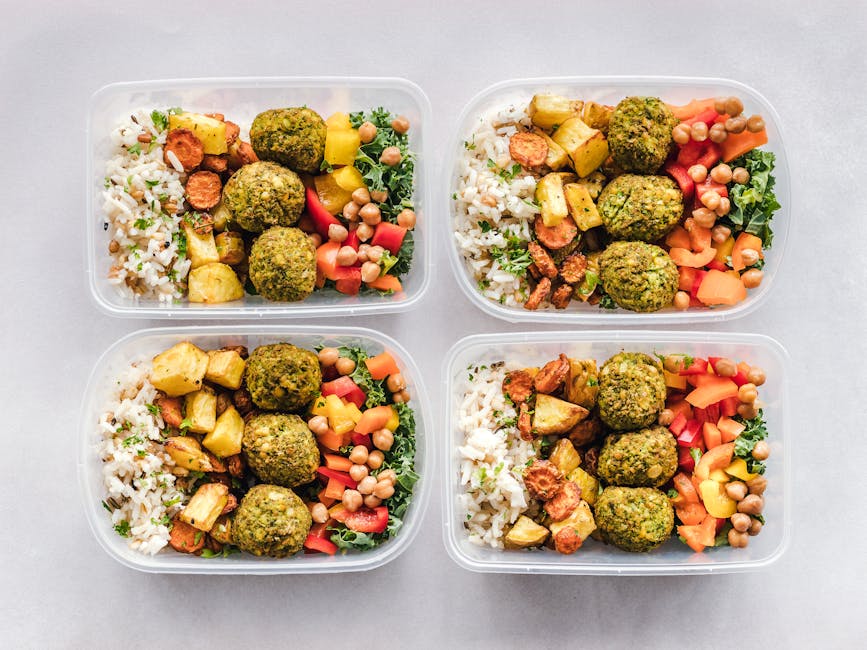
- Portion Control: Divide your prepped food into individual serving containers. This makes grabbing a meal effortless and ensures consistent portion sizes.
- Layering for Freshness (Especially Salads): For salads, put dressing at the bottom, then hardier vegetables (carrots, bell peppers), then grains/protein, and finally leafy greens on top.
- Airtight Containers: Use containers with tight-fitting lids to keep air out and prevent spoilage.
- Refrigeration: Most prepped meals are good for 3-4 days in the refrigerator.
- Freezing: For meals you won’t eat within 3-4 days, freeze them! Label containers with the date and contents. Most frozen meals are good for 2-3 months.
- Labeling: Date your containers, especially if you’re freezing or prepping for more than a few days.
Healthy Meal Prep Strategies and Recipe Ideas
To give you a clearer picture, let’s explore some popular and effective meal prep strategies with concrete examples.
Strategy 1: Component-Based Meal Prep (Mix-and-Match)
This is excellent for avoiding meal boredom and offering flexibility. You prep individual components and then assemble different meals throughout the week.
- Proteins:
- Batch Cooked Chicken Breast: Bake, grill, or poach a large batch of chicken breasts. Shredded or diced, it can go into salads, wraps, grain bowls, or stir-fries.
- Hard-Boiled Eggs: Cook a dozen eggs for quick breakfasts or snack additions.
- Cooked Ground Turkey/Beef: Seasoned ground meat is versatile for tacos, pasta sauces, or bowls.
- Roasted Chickpeas/Lentils: Plant-based protein powerhouses for salads or bowls.
- Carbohydrates:
- Cooked Grains: Quinoa, brown rice, farro, couscous.
- Roasted Sweet Potatoes: Cubed and roasted, they’re a delicious side or bowl base.
- Whole Wheat Pasta: Cook a large batch to be dressed differently each day.
- Vegetables:
- Roasted Vegetables: Broccoli, bell peppers, zucchini, carrots, Brussels sprouts all roast beautifully and hold up well.
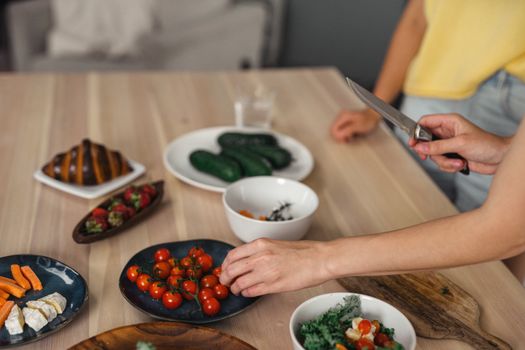
- Washed & Chopped Raw Veggies: Cucumber, cherry tomatoes, carrots, celery, bell peppers for salads or snacks.
- Leafy Greens: Wash and dry a large tub of spinach, mixed greens, or kale.
- Healthy Fats/Toppings:
- Homemade Dressings/Sauces: Vinaigrettes, hummus, pesto.
- Avocado: Slice fresh daily to avoid browning.
- Nuts/Seeds: Pre-portioned for crunch.
Example Assembly:
- Day 1: Quinoa + Roasted Chicken + Roasted Broccoli + Tahini dressing.
- Day 2: Mixed Greens + Roasted Chicken + Chopped Bell Peppers + Chickpeas + Balsamic Vinaigrette.
- Day 3: Whole Wheat Wrap + Shredded Chicken + Lettuce + Hummus + Cucumber slices.
Strategy 2: Full Meal Prep (Cook & Pack)
This is where you prepare complete, ready-to-eat meals in individual containers.
- Breakfast Ideas:
- Overnight Oats: Mix oats, milk (dairy or non-dairy), chia seeds, and desired toppings (fruit, nuts) in jars. Refrigerate overnight. Make 3-4 jars at once.
- Egg Muffins/Frittatas: Whisk eggs with chopped veggies, cheese, and herbs. Pour into muffin tins and bake. Easy grab-and-go protein.
- Smoothie Packs: Portion frozen fruit, spinach, and protein powder into freezer bags. On prep day, just dump into a blender with liquid.
- Lunch/Dinner Ideas:
- Sheet Pan Meals: Chicken & Veggies, Sausage & Peppers, Salmon & Asparagus. Roast all together and then portion.
- Grain Bowls: Layer cooked grain, protein, roasted/raw veggies, and a healthy dressing. Think “Buddha Bowls” or “Power Bowls.”
- Mason Jar Salads: Perfect for keeping salads fresh. Layer dressing at the bottom, then hardier veggies, grains/protein, and greens on top. Invert into a bowl when ready to eat.
- Stir-fries: Cook a large batch of stir-fry with lean protein and plenty of vegetables. Keep sauce separate if possible to prevent sogginess.
- Chili/Stews/Soups: Excellent for batch cooking. They often taste even better the next day and freeze beautifully.
- Baked Salmon/Cod with Roasted Asparagus & Quinoa: A classic healthy meal that portions well.
Advanced Meal Prep Tips and Tricks
Once you’ve mastered the basics, these tips can help you elevate your meal prep game.
1. Maximize Flavor Without Excess Calories
- Herbs & Spices: Don’t be shy! Use a variety of fresh and dried herbs and spices to add depth and excitement to your meals. Lemon juice, lime juice, and vinegars also add brightness.
- Healthy Sauces & Dressings: Make your own. Store-bought options are often loaded with sugar, unhealthy oils, and sodium. Simple vinaigrettes, yogurt-based dips, or homemade pesto are delicious and healthy.
- Aromatics: Sautéing onions, garlic, and ginger at the beginning of a dish builds a strong flavor base.
- Citrus Zest: A little lemon or lime zest can brighten up almost any dish.
2. Strategic Freezing for Longer Freshness
Freezing is your best friend for extending the life of your prepped meals and ensuring you always have healthy options on hand.
- Freezer-Friendly Meals: Soups, stews, chili, casseroles, cooked grains, cooked lean meats (chicken breast, ground turkey), and many baked goods (muffins, energy bites) freeze exceptionally well.
- Portion Before Freezing: Freeze in individual portions so you can grab just what you need.
- Use Freezer-Safe Containers/Bags: Minimize air exposure to prevent freezer burn. Vacuum sealers are excellent for this.
- Thawing: Thaw frozen meals in the refrigerator overnight. Reheat thoroughly.
3. Reheating Methods for Optimal Taste
- Microwave: Quickest, but can sometimes dry out food. Add a splash of water or broth and cover to help retain moisture.
- Oven/Toaster Oven: Great for roasted vegetables, baked chicken, or sheet pan meals to regain some crispness. Cover with foil to prevent drying, then uncover for the last few minutes.
- Stovetop: Ideal for stir-fries, grains, and sauces. Add a little liquid (water, broth) to prevent sticking and rehydrate.
4. Involve the Family and Make It a Team Effort
If you live with others, get them involved! Kids can help wash produce, tear lettuce, or pack their own snacks. This teaches them healthy habits and lightens your workload.
5. Don’t Forget About Healthy Snacks
Meal prep isn’t just about main meals. Prepping healthy snacks prevents you from reaching for unhealthy options between meals.
- Pre-portioned nuts/seeds
- Washed and chopped fruits/veggies (carrots, celery, bell peppers, apple slices)
- Hard-boiled eggs
- Homemade energy balls
- Greek yogurt with berries
6. Stay Flexible and Learn from Experience
Not every meal prep will be perfect. Some recipes might not turn out as expected, or you might over/under-prep. That’s okay! Learn from it, adjust your plan for next week, and don’t be afraid to try new things.
Troubleshooting Common Meal Prep Challenges
Even seasoned meal preppers encounter hurdles. Here’s how to overcome common issues:
Challenge 1: Boredom and Lack of Variety
- Solution: Embrace the component method. Prep core ingredients and vary sauces, spices, and fresh toppings daily. Rotate your recipes weekly. Try themed meals from different cuisines (Mexican, Mediterranean, Asian).
- Solution: Don’t prep 7 identical meals. Aim for 3-4 days of prepped meals, and leave room for a fresh cook or a restaurant meal.
Challenge 2: Time Constraints
- Solution: Start small. Prep only lunches, or just your proteins. As you get more efficient, you can add more meals.
- Solution: Choose simpler recipes. Sheet pan meals, slow cooker recipes, and one-pot dishes minimize cooking time and clean-up.
- Solution: Utilize shortcuts. Buy pre-chopped vegetables (if budget allows), canned beans, or rotisserie chicken.
- Solution: Split your prep. Do some chopping on Saturday, cooking on Sunday.
Challenge 3: Food Spoiling Too Quickly
- Solution: Ensure proper cooling before storage.
- Solution: Use airtight containers.
- Solution: Prioritize more perishable items (like delicate greens or seafood) for earlier in the week. Freeze items you won’t eat within 3-4 days.
- Solution: Check your refrigerator temperature. It should be at or below 40°F (4°C).
Challenge 4: Lack of Motivation
- Solution: Remember your “why.” Revisit the benefits: health, savings, time.
- Solution: Make it fun! Listen to music or a podcast while you prep.
- Solution: Reward yourself. After a successful prep, enjoy your freed-up evening.
- Solution: Find a prep buddy or join an online community for inspiration and accountability.
Challenge 5: Dietary Restrictions or Picky Eaters
- Solution: Focus on adaptable recipes. For example, prepare a base meal (rice and roasted veggies) and then add different proteins or sauces for individual preferences.
- Solution: Use the component method to allow everyone to build their own plates.
- Solution: Find recipes specifically tailored to your dietary needs. There are countless resources online for gluten-free, vegan, keto, etc., meal prep.
Sample Weekly Meal Prep Plan: A Glimpse into Your Future
To help you visualize, here’s a simple example of how a week of healthy meal prep could look:
Prep Day (Sunday – 3-4 hours):
- Cook 2 cups dry quinoa.
- Roast 2 large chicken breasts (or 1.5 lbs ground turkey/lentils for plant-based).
- Roast 4 cups mixed vegetables (broccoli, bell peppers, zucchini).
- Hard-boil 6 eggs.
- Wash and chop a large container of mixed greens, cucumber, and cherry tomatoes.
- Make a batch of homemade lemon-herb vinaigrette.
- Prepare 3 jars of overnight oats for breakfast.
Meals (Monday – Friday):
- Breakfast (M-W): Overnight oats with berries.
- Breakfast (Th-F): 2 hard-boiled eggs + an apple.
- Lunch (M-W): Quinoa & Roasted Chicken/Lentil Bowls: Quinoa base, topped with roasted chicken/lentils, roasted veggies, a handful of fresh greens, and vinaigrette.
- Lunch (Th-F): Large Mixed Green Salad with chicken/lentils, chopped cucumber, tomatoes, and vinaigrette.
- Dinner (M-W): Reheat a portion of roasted chicken/lentils and roasted vegetables.
- Dinner (Th-F): Use remaining chicken/lentils for quick wraps with whole wheat tortillas, fresh veggies, and a dollop of hummus, or a simple stir-fry
Photo by Kampus Production on Pexels