Low Carb Snacks for Weight Loss: Your Ultimate Guide to Satisfying & Effective Choices
In the quest for sustainable weight loss, what you eat between meals can be just as crucial as your main courses. For many, the traditional “snack trap” of sugary, carb-laden options derails progress, leading to energy crashes, increased cravings, and ultimately, weight gain. But what if snacking could actually become a powerful ally in your weight loss journey? Enter the world of low-carb snacks – a game-changer for anyone looking to shed pounds, stabilize blood sugar, and maintain consistent energy levels.
At GetLeanPulse.com, we understand that successful weight loss isn’t about deprivation; it’s about smart, informed choices that fuel your body and satisfy your palate. This comprehensive guide will dive deep into the science, principles, and an extensive array of delicious low-carb snack options designed to support your weight loss goals. We’re talking about foods that keep you feeling full, energized, and focused, without the dreaded carb crash.
Whether you’re new to the low-carb lifestyle or a seasoned pro looking for fresh inspiration, this article will equip you with everything you need to transform your snacking habits and accelerate your journey towards a leaner, healthier you. Get ready to discover how strategic snacking can be your secret weapon against hunger and a powerful tool for sustainable fat loss.
The Science Behind Low-Carb Snacking for Weight Loss
Understanding why low-carb snacks are effective is key to consistently making smart choices. It’s not just about cutting carbs; it’s about leveraging your body’s natural metabolic processes to your advantage. When you consume carbohydrates, especially refined ones, your body breaks them down into glucose, which enters your bloodstream. This triggers the release of insulin, a hormone that helps shuttle glucose into your cells for energy or stores it as fat.
Blood Sugar Regulation and Insulin Sensitivity
High-carb snacks cause rapid spikes in blood sugar, followed by a surge of insulin. While insulin is essential, chronically elevated levels can lead to insulin resistance, making it harder for your body to burn fat. Low-carb snacks, on the other hand, have a minimal impact on blood sugar. By keeping blood sugar stable, you keep insulin levels low and steady. This creates an optimal hormonal environment where your body is more inclined to tap into its fat stores for energy rather than constantly relying on incoming glucose.
Stable blood sugar also means fewer energy crashes and less brain fog, allowing you to maintain focus and productivity throughout your day without reaching for another sugary pick-me-up. This consistent energy is crucial for staying active and making healthy choices.
Curbing Cravings and Satiety
One of the most powerful benefits of low-carb snacking is its ability to promote satiety and curb those pesky cravings. Traditional high-carb snacks, despite their initial appeal, often leave you hungry again shortly after, creating a vicious cycle of snacking and overeating. Low-carb snacks, particularly those rich in protein, healthy fats, and fiber, provide sustained fullness.
Protein is renowned for its satiety-boosting properties. It takes longer to digest than carbohydrates and signals to your brain that you’re full, reducing overall calorie intake. Healthy fats, like those found in avocados, nuts, and seeds, also contribute significantly to satiety and help slow down digestion. Fiber, often abundant in low-carb vegetables, adds bulk to your diet without significant calories, further enhancing the feeling of fullness and supporting digestive health.
Shifting to Fat Adaptation
Consistent low-carb eating, including strategic low-carb snacking, can help your body become “fat-adapted.” This means your body becomes more efficient at burning fat (both dietary fat and stored body fat) for fuel, rather than relying primarily on carbohydrates. This metabolic flexibility is a cornerstone of effective weight loss, as it turns your body into a more efficient fat-burning machine.
When you’re fat-adapted, you experience fewer hunger pangs, more stable energy, and a reduced reliance on constant food intake, making intermittent fasting or longer periods between meals much easier to manage. Low-carb snacks serve as excellent bridges between meals, ensuring you maintain this fat-burning state without feeling deprived.
Avoiding the “Snack Trap”
The “snack trap” refers to the common habit of reaching for convenient, often highly processed, high-carb snacks. Think chips, cookies, crackers, fruit juices, or even seemingly “healthy” granola bars loaded with sugar. These items provide a quick burst of energy, but lead to rapid blood sugar spikes, insulin surges, and subsequent crashes that leave you feeling more tired and hungrier than before.
By consciously opting for low-carb alternatives, you break free from this cycle. You replace nutrient-poor, calorie-dense foods with options that nourish your body, stabilize your energy, and actively support your weight loss goals. It’s a fundamental shift from reactive, craving-driven eating to proactive, health-conscious fueling.
Essential Principles of Low-Carb Snacking
To truly maximize the benefits of low-carb snacking for weight loss, it’s important to understand the underlying principles that guide effective choices. These principles will help you navigate the vast array of options and make informed decisions that align with your health goals.
Prioritize Protein
Protein is your best friend when it comes to low-carb snacking. It’s the macronutrient most effective at increasing satiety, preserving muscle mass during weight loss, and having a higher thermic effect (meaning your body burns more calories digesting it). Aim for snacks that provide a substantial amount of protein to keep you full and satisfied until your next meal. Examples include eggs, cheese, Greek yogurt, or lean meats.
Embrace Healthy Fats
Don’t be afraid of fat – especially healthy fats! They are crucial for satiety, provide sustained energy, and are essential for the absorption of fat-soluble vitamins. While calorie-dense, healthy fats help you feel full and prevent overeating overall. Incorporate sources like avocados, nuts, seeds, and olives into your snacks. Just remember to be mindful of portion sizes, as calories can add up quickly.
Focus on Fiber-Rich Vegetables
Many low-carb vegetables are packed with fiber, which adds bulk to your snacks, aids digestion, and further enhances satiety. They also provide a wealth of vitamins, minerals, and antioxidants with minimal caloric impact. Think of crunchy veggies like celery, bell peppers, cucumbers, and broccoli as excellent vehicles for dips or stand-alone refreshing bites.
Watch Out for Hidden Carbs
One of the trickiest aspects of a low-carb lifestyle is identifying hidden carbohydrates. Many seemingly innocent foods, especially processed ones, can contain surprising amounts of sugar, starches, or thickeners. Always read food labels diligently. Check the “Total Carbohydrates” and “Dietary Fiber” to calculate net carbs (Total Carbs – Fiber). Be wary of sauces, dressings, marinades, “sugar-free” items (which might use sugar alcohols that can still impact some people), and even some deli meats that contain added sugars or fillers.
Portion Control Still Matters
While low-carb snacks are generally superior for weight loss, they are not calorie-free. Foods like nuts, seeds, avocados, and cheese are calorie-dense. Overindulging in even healthy low-carb options can lead to a calorie surplus, hindering weight loss. Pre-portioning snacks, being mindful of serving sizes, and listening to your body’s hunger cues are crucial for success. A small handful of almonds is a great snack; half a bag is not.
Hydration is Key
Often, what we perceive as hunger is actually thirst. Before reaching for a snack, try drinking a large glass of water and waiting 10-15 minutes. You might find that your “hunger” dissipates. Staying well-hydrated also supports metabolism, energy levels, and overall bodily functions, all of which are important for weight loss.
Your Ultimate Guide to Delicious Low-Carb Snacks (Categorized)
Now for the exciting part – a treasure trove of low-carb snack ideas that are both delicious and effective for weight loss. We’ve categorized them to help you easily find options that suit your cravings and pantry.
Protein-Packed Powerhouses: Build Muscle, Burn Fat
Protein is the cornerstone of satiety and muscle preservation, both vital for weight loss. These snacks are designed to keep you feeling full and fueled.
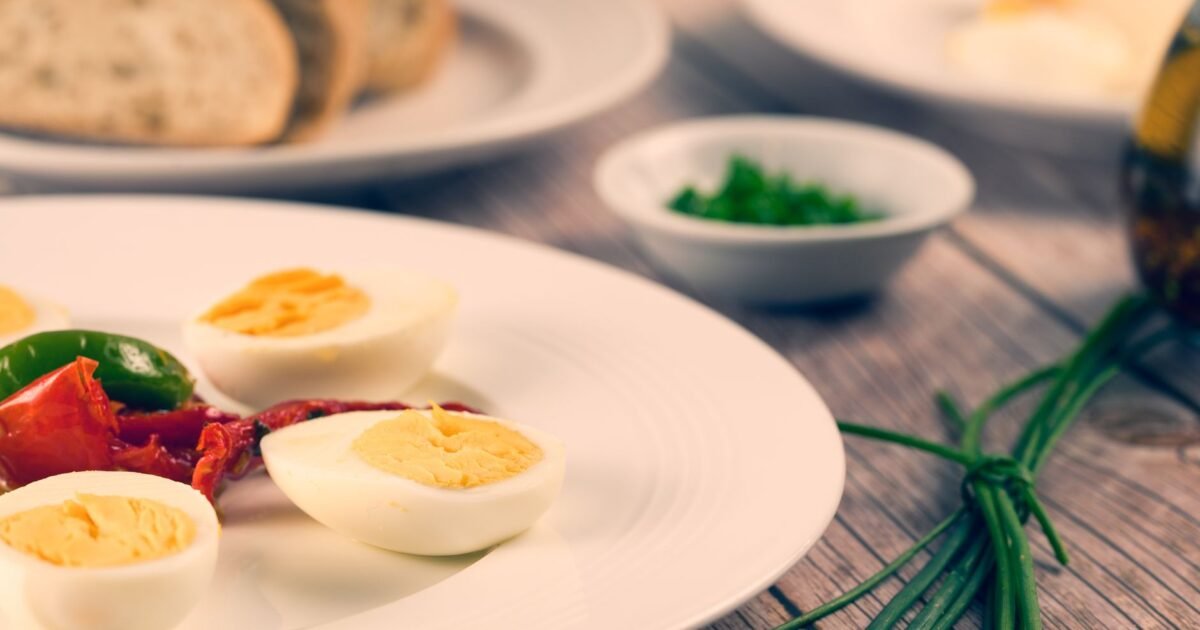
- Hard-Boiled Eggs: Nature’s perfect snack. Portable, inexpensive, and packed with high-quality protein and essential nutrients. Keep a batch ready in the fridge for a quick grab-and-go option. A large egg contains about 6g of protein and less than 1g of carbs.
- Cheese Sticks or Cubes: A convenient source of protein and healthy fats. Opt for full-fat varieties for maximum satiety. Cheddar, mozzarella, provolone, and Colby jack are great choices. Always check the label for carb content, but most natural cheeses are very low in carbs.
- Plain Full-Fat Greek Yogurt: Rich in protein and probiotics for gut health. Be sure to choose plain, unsweetened full-fat versions to avoid added sugars. A typical 5.3 oz serving can have 15-20g of protein and only 5-8g of carbs. Add a sprinkle of cinnamon or a few berries for flavor.
- Cottage Cheese: Another excellent source of casein protein, which digests slowly, providing a sustained release of amino acids. Choose full-fat for better satiety. A half-cup serving can offer around 12-14g of protein and typically 3-5g of carbs. Enjoy it plain or with a few slices of cucumber.
- Jerky or Biltong: A fantastic lean protein source for when you’re on the go. Be extremely selective here – many brands are loaded with sugar, nitrates, and artificial ingredients. Look for grass-fed, sugar-free, and nitrate-free options. Read labels carefully!
- Tuna or Salmon Packets: Convenient, shelf-stable, and rich in protein and Omega-3 fatty acids. Enjoy straight from the packet, or mix with a dollop of mayo (check carb content) and some celery for a quick salad.
- Deli Meat Roll-Ups: Wrap slices of your favorite low-carb deli meat (turkey, ham, roast beef – again, check for added sugars) around cheese, avocado, or a pickle spear for a quick, customizable snack.
Healthy Fat Fuels: Sustained Energy & Satiety
Healthy fats are crucial for energy, hormone production, and keeping hunger at bay. These options are delicious and incredibly satisfying.
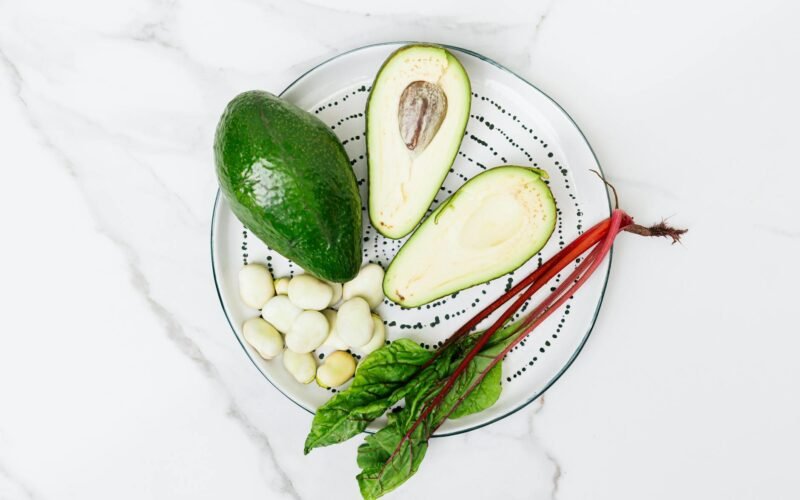
- Avocado Slices or Guacamole: Creamy, nutrient-dense, and packed with monounsaturated fats and fiber. A quarter to half an avocado makes a perfect snack. Enjoy it plain, with a sprinkle of salt and pepper, or as guacamole with veggie sticks.
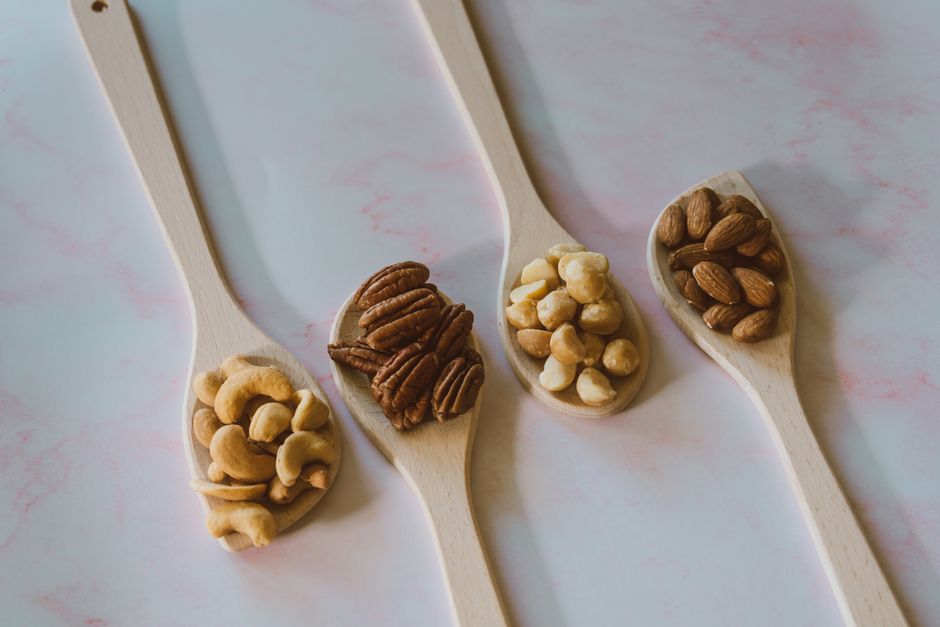
- Nuts (Almonds, Walnuts, Macadamias, Pecans): Excellent sources of healthy fats, protein, and fiber. Macadamia nuts are particularly low in net carbs. Be mindful of portion sizes as they are calorie-dense. A small handful (about 1/4 cup) is usually sufficient.
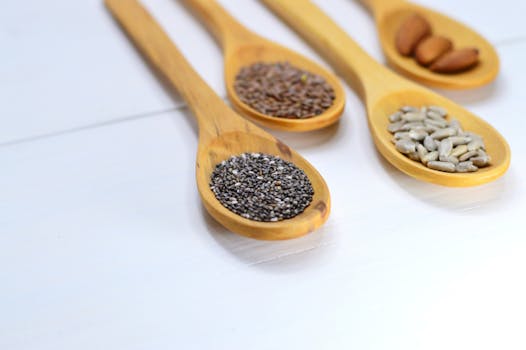
- Seeds (Chia, Flax, Pumpkin, Sunflower): Similar to nuts, seeds offer a wealth of nutrients, healthy fats, and fiber. Sprinkle them on yogurt, make a small chia pudding (with unsweetened almond milk), or enjoy a small handful roasted.
- Olives: A savory, fat-rich snack. Black, green, or Kalamata olives are all great choices, offering healthy monounsaturated fats and antioxidants. A small serving (10-15 olives) is perfect.
Veggie-Loaded Refreshers: Crunch, Nutrients & Volume
Low-carb vegetables provide essential vitamins, minerals, and fiber, adding satisfying crunch and volume to your snacks without excess carbs.
- Celery Sticks with Nut Butter or Cream Cheese: A classic combo. Choose natural, sugar-free nut butters (almond, peanut) or full-fat cream cheese. The fiber from celery combined with fat and protein is incredibly satisfying.
- Cucumber Slices with Everything Bagel Seasoning or Dips: Refreshing and hydrating. Cucumbers are practically carb-free. Pair them with a sprinkle of Everything Bagel seasoning, a dollop of full-fat sour cream, or a small amount of guacamole or low-carb ranch dip.
- Bell Pepper Strips with Guacamole or Hummus (in moderation): Colorful and rich in Vitamin C. Red, yellow, and orange bell peppers are slightly higher in carbs than green, but still low enough for a small serving. A few strips with a modest amount of guacamole or a very small portion of traditional hummus (which has some carbs) makes a great snack.
- Cherry Tomatoes with Mozzarella Balls: A delightful caprese-inspired bite. The sweetness of tomatoes (use sparingly if very strict low-carb) pairs beautifully with creamy mozzarella.
- Radishes: Offer a peppery crunch and are almost zero-carb. Great for satisfying a craving for something crisp and flavorful.
- Broccoli or Cauliflower Florets with Dip: Substantial and nutrient-dense. These cruciferous vegetables are excellent for dipping into low-carb ranch, blue cheese dressing, or a creamy avocado dip.
Dairy Delights (Mindful Choices): Creamy & Satisfying
Dairy can be a great low-carb snack option, but choose full-fat and plain varieties to avoid hidden sugars.
- Full-Fat Cottage Cheese with a few berries (very few) or nuts: As mentioned, cottage cheese is a protein powerhouse. For a touch of sweetness, add a very small amount of raspberries or blackberries, or stick to savory with a sprinkle of everything bagel seasoning or some chopped chives.
- Cheese Crisps (Baked Cheese): Simply bake small piles of shredded cheese (cheddar, Parmesan) on parchment paper until crispy. A crunchy, savory, and zero-carb alternative to crackers.
- Cream Cheese Stuffed Celery or Peppers: Mix cream cheese with herbs, spices, or even a tiny bit of chopped smoked salmon for a flavorful and filling snack.
Quick & Easy Grab-and-Go Options: For Busy Lifestyles
Sometimes you need something you can just grab and go. These options are perfect for busy days.
- Pork Rinds (Chicharrones): A surprisingly good low-carb snack! They are virtually carb-free and provide a satisfying crunch. Always check the ingredients to ensure no added sugars or unhealthy oils.
- Seaweed Snacks: Light, crispy, and savory. Most brands are very low in carbs and calories, offering a unique umami flavor.
- Pre-Portioned Nuts/Seeds: Buy in bulk and portion them into small baggies or containers for easy grabbing throughout the week.
- Sugar-Free Gelatin: A light, refreshing, and virtually carb-free option for a sweet craving.
- Protein Shakes (Low-Carb Powder): When you need a quick protein boost, a shake made with a high-quality, low-carb protein powder and unsweetened almond milk is ideal.
Sweet Tooth Solutions (Low-Carb Style): Guilt-Free Indulgence
Satisfying a sweet craving on a low-carb diet can be challenging, but it’s not impossible. These options offer a touch of sweetness without derailing your progress.
- A Few Berries with Whipped Cream (Unsweetened): Raspberries and blackberries are the lowest-carb berries. A small handful with a dollop of unsweetened homemade whipped cream (heavy cream whipped with a touch of erythritol or stevia) is a delightful treat.
- Sugar-Free Dark Chocolate (High Cocoa Content): Look for chocolate with 85% cocoa or higher, and ensure it’s sweetened with erythritol, stevia, or monk fruit, not sugar. A small square can satisfy a craving without a major carb hit.
- Low-Carb Fat Bombs (Homemade): These are small, calorie-dense treats made from healthy fats (coconut oil, cream cheese, nut butter) often flavored with cocoa, extracts, and low-carb sweeteners. They’re great for energy and satiety, but remember portion control!
- Small Portion of Plain, Full-Fat Greek Yogurt with a Sprinkle of Cinnamon: Cinnamon adds a hint of natural sweetness and has blood sugar-stabilizing properties.
Practical Tips for Integrating Low-Carb Snacking into Your Life
Knowing what to eat is one thing; consistently incorporating it into your daily routine is another. Here are practical strategies to make low-carb snacking a seamless part of your weight loss journey.
Meal Prep Your Snacks
The biggest barrier to healthy eating is often convenience. If healthy options aren’t readily available, you’re more likely to reach for unhealthy ones. Dedicate some time each week to prep your snacks: hard-boil eggs, wash and chop veggies, portion out nuts, or make a batch of low-carb muffins or fat bombs. Having grab-and-go options prepped makes healthy choices effortless.
Keep a “Low-Carb Snack Stash”
Stock your pantry, fridge, desk drawer at work, and even your car with appropriate low-carb snacks. This way, no matter where you are or how busy you get, you’ll have a healthy option within reach. Think non-perishable items like jerky, nuts, seaweed snacks, or shelf-stable tuna packets for your car or desk.
Listen to Your Body
Distinguish between true hunger and other triggers like boredom, stress, or thirst. Before reaching for a snack, ask yourself: Am I truly hungry? Or am I just stressed/bored/thirsty? Often, a glass of water, a walk, or a few deep breaths can resolve the urge to eat when it’s not actual hunger.
Read Labels Diligently
Never assume a product is low-carb or healthy just because the packaging says “diet,” “light,” or “sugar-free.” Always flip it over and read the nutrition facts and ingredients list. Look for net carbs, added sugars (which can hide under many names), and unhealthy oils. The fewer ingredients, the better.
Experiment and Find Your Favorites
Not every snack will appeal to everyone. Experiment with different options, flavors, and textures until you find a range of low-carb snacks that you genuinely enjoy. Sustainability comes from finding foods you like and look forward to eating.
Don’t Fear Healthy Fats
Many people associate all fats with weight gain. However, healthy fats are crucial for satiety, hormone health, and providing sustained energy on a low-carb diet. Embrace them in appropriate portions, as they help prevent hunger and keep you feeling satisfied.
Track Your Carbs (Initially)
If you’re serious about a low-carb approach, especially in the beginning, tracking your carbohydrate intake can be incredibly insightful. Use an app to log your food and get a clear picture of how many carbs you’re consuming daily, including from snacks. This helps you identify hidden carbs and stay within your target range for weight loss.
Plan for Social Situations
Eating out or attending social gatherings can be challenging. Plan ahead by bringing your own low-carb snack (like a small bag of nuts or some cheese sticks) or by scouting out low-carb options beforehand. Don’t be afraid to politely decline tempting high-carb offerings.
Beyond the Snack: A Holistic Approach to Weight Loss
While low-carb snacking is a powerful tool, it’s just one piece of the weight loss puzzle. For truly sustainable results, it must be integrated into a broader, holistic approach to health and well-being.
Balanced Main Meals
Low-carb snacks complement, but do not replace, balanced main meals. Ensure your breakfast, lunch, and dinner are also rich in protein, healthy fats, and plenty of non-starchy vegetables. This provides a solid nutritional foundation that supports your metabolism and overall health.
Regular Physical Activity
Exercise is non-negotiable for effective weight loss. It helps create a calorie deficit, builds muscle (which boosts metabolism), improves insulin sensitivity, and enhances mood. Incorporate a mix of cardiovascular exercise and strength training into your routine.
Adequate Sleep
Sleep deprivation significantly impacts weight loss by disrupting hunger-regulating hormones like leptin and ghrelin. When you’re tired, ghrelin (the hunger hormone) increases, and leptin (the satiety hormone) decreases, leading to increased cravings and a tendency to overeat. Aim for 7-9 hours of quality sleep per night.
Stress Management
Chronic stress elevates cortisol levels, which can promote fat storage, especially around the abdomen. Find healthy ways to manage stress, such as meditation, yoga, spending time in nature, or engaging in hobbies you enjoy. Reducing stress can have a profound impact on your weight loss efforts.
Hydration
As mentioned earlier, proper hydration is fundamental. Water aids metabolism, helps with nutrient transport, and can help you feel full. Carry a water bottle with you and sip throughout the day. Consider adding a pinch of sea salt or an electrolyte supplement if you’re on a very low-carb diet to replenish lost minerals.
Common Pitfalls to Avoid with Low-Carb Snacking
Even with the best intentions, it’s easy to fall into common traps that can hinder your progress. Being aware of these pitfalls can help you steer clear of them.
Overconsumption of Calories
The most common mistake with low-carb snacks, especially those rich in healthy fats like nuts, seeds, and avocado, is overeating. While these foods are nutritious, they are calorie-dense. A handful of almonds is great; three handfuls can easily add hundreds of extra calories. Portion control remains paramount, even with low-carb options.
Relying on Processed “Keto” Snacks
The popularity of low-carb and keto diets has led to an influx of highly processed “keto-friendly” products like bars, cookies, and chips. Many of these contain artificial sweeteners, unhealthy seed oils, and often hidden carbs or ingredients that can cause digestive upset or stall weight loss. Prioritize whole, unprocessed foods for your snacks whenever possible.
Not Getting Enough Fiber
Cutting out high-carb grains and fruits can sometimes lead to reduced fiber intake. Fiber is crucial for digestive health, satiety, and blood sugar control. Ensure your low-carb snacks and meals include plenty of non-starchy vegetables, seeds (like chia and flax), and avocados to meet your fiber needs.
Neglecting Electrolytes
When you reduce carbohydrate intake, especially significantly, your body excretes more water and, along with it, essential electrolytes like sodium, potassium, and magnesium. This can lead to symptoms like headaches, fatigue, and muscle cramps (often called “keto flu”). Ensure you’re consuming enough electrolytes through your diet (e.g., bone broth, leafy greens, avocados) or consider a sugar-free electrolyte supplement.
Becoming Bored
Eating the same few snacks repeatedly can lead to boredom and a craving for variety, potentially causing you to stray from your low-carb plan. Actively seek out new low-carb snack ideas, experiment with different flavors and textures, and rotate your choices to keep things interesting and sustainable. Our extensive list above should provide ample inspiration!
Conclusion: Transform Your Snacking, Transform Your Body
Embracing low-carb snacks for weight loss is more than just a dietary change; it’s a strategic shift towards empowering your body to burn fat more efficiently, stabilize your energy, and conquer cravings. By understanding the science behind blood sugar regulation, prioritizing protein and healthy fats, and incorporating fiber-rich vegetables, you can transform your relationship with food between meals.
This ultimate guide has provided you with a wealth of delicious, satisfying, and effective low-carb snack options, from protein powerhouses to veggie refreshers and even sweet tooth solutions. We’ve also armed you with practical tips for seamless integration into your busy life and highlighted common pitfalls to avoid, ensuring your journey is as smooth and successful as possible.
Remember, sustainable weight loss is a marathon, not a sprint. It’s built on consistent, informed choices that align with your body’s natural processes. By making smart low-carb snacking a cornerstone of your daily routine, you’re not just losing weight; you’re building a healthier, more vibrant you from the inside out.
Start experimenting with these ideas today. Discover your new favorite low-carb snack, feel the difference in your energy levels and satiety, and watch as your weight loss goals become an achievable reality. Your journey to a leaner, healthier you starts with every smart snack choice you make. For more expert tips and resources on optimizing your health and fitness, keep exploring GetLeanPulse.com!
Photo by Jana Ohajdova on Pexels