Best Foods for Rapid Weight Loss: Your Ultimate Guide to a Leaner You
Embarking on a weight loss journey can be both exciting and challenging. While the desire for rapid results is often strong, it’s crucial to approach it with a strategy that prioritizes health, sustainability, and effective nutritional choices. At GetLeanPulse.com, we understand the science behind shedding pounds efficiently and safely. This comprehensive guide will unveil the best foods to eat for rapid weight loss, delving deep into why they work, how to incorporate them, and the crucial role they play in transforming your body and boosting your overall well-being.
Rapid weight loss, when done correctly, isn’t about starvation or deprivation; it’s about making smart, informed food choices that maximize satiety, minimize calorie intake, and optimize your body’s fat-burning potential. The foods we’re about to explore are nutrient-dense powerhouses, packed with protein, fiber, and essential vitamins and minerals, designed to keep you feeling full, energized, and on track towards your goals. Forget fad diets; this is about equipping you with the knowledge to build a sustainable, delicious eating plan that delivers real, lasting results.
The Science Behind Rapid Weight Loss & Food Selection
Before we dive into specific foods, it’s essential to understand the fundamental principles that govern weight loss. At its core, weight loss is about creating a calorie deficit – consuming fewer calories than your body expends. However, the types of calories you consume profoundly impact not just the speed of weight loss but also your energy levels, muscle preservation, and overall health. Rapid, healthy weight loss hinges on several key nutritional strategies:
Calorie Deficit with Nutrient Density
While a calorie deficit is non-negotiable, blindly cutting calories can lead to nutrient deficiencies, muscle loss, and intense hunger. The best approach is to choose foods that are low in calories but high in nutrients. These “volume foods” allow you to eat satisfying portions without overshooting your calorie targets. They provide the vitamins, minerals, and antioxidants necessary for optimal body function, even when you’re in a caloric deficit.
The Power of Protein: Satiety, Metabolism, and Muscle Preservation
Protein is arguably the most critical macronutrient for rapid weight loss. It boasts the highest thermic effect of food (TEF), meaning your body expends more energy digesting protein compared to fats or carbohydrates. More importantly, protein is incredibly satiating, helping to reduce hunger and cravings throughout the day. When you’re losing weight, particularly rapidly, there’s a risk of losing muscle mass along with fat. A high-protein diet helps to preserve lean muscle tissue, which is crucial for maintaining a healthy metabolism.
Fiber: Your Ally Against Hunger and Digestive Health
Dietary fiber, particularly soluble fiber, plays a monumental role in weight loss. Fiber adds bulk to your meals without adding significant calories, promoting a feeling of fullness. It slows down digestion, stabilizing blood sugar levels and preventing energy crashes and subsequent cravings. Furthermore, fiber supports a healthy gut microbiome, which emerging research suggests has a significant impact on weight management and overall health.
Healthy Fats: Essential for Hormones and Sustained Fullness
While “fat” often gets a bad rap in weight loss discussions, healthy fats are absolutely essential. They are vital for hormone production, nutrient absorption, and provide sustained energy. Although calorie-dense, incorporating moderate amounts of monounsaturated and polyunsaturated fats can enhance satiety and prevent overeating of less healthy options. They also make meals more enjoyable, which is key for long-term adherence.
Blood Sugar Regulation and Insulin Sensitivity
Foods with a low glycemic index (GI) are preferred for rapid weight loss. These foods cause a slower, more gradual rise in blood sugar, which helps to keep insulin levels stable. Stable insulin levels prevent fat storage and reduce the likelihood of cravings, particularly for sugary or refined carbohydrate-rich foods.
By focusing on foods that excel in these areas, you create an environment within your body that is primed for efficient fat burning and sustained energy, making your rapid weight loss journey not just effective but also much more manageable and enjoyable.
Top Categories of Foods for Rapid Weight Loss
Now, let’s dive into the specific foods that should form the cornerstone of your rapid weight loss diet. We’ve categorized them to highlight their primary benefits and make it easier for you to build balanced, delicious meals.
Lean Proteins: The Satiety Powerhouses
As discussed, protein is paramount for weight loss. These lean sources provide ample protein without excessive calories or unhealthy fats, ensuring you stay full and preserve muscle mass.
1. Chicken Breast (Skinless): A quintessential lean protein, skinless chicken breast is incredibly versatile and low in calories while being packed with high-quality protein. A 3.5-ounce (100-gram) serving contains around 31 grams of protein and just 165 calories. Its high protein content makes it incredibly satiating, reducing overall calorie intake throughout the day. It also requires more energy to digest compared to fats or carbs, slightly boosting your metabolic rate. Incorporate it grilled, baked, stir-fried, or shredded in salads, wraps, and soups.
2. Turkey (Lean Ground or Breast): Similar to chicken, lean turkey is another excellent source of protein. Ground turkey (93% lean or higher) offers a fantastic alternative to ground beef with fewer calories and less saturated fat. Turkey breast is just as lean and protein-rich as chicken breast. It provides essential amino acids needed for muscle repair and growth, which is vital for maintaining a healthy metabolism during weight loss. Use lean ground turkey in chili, tacos, meatballs, or as a burger patty. Sliced turkey breast is perfect for sandwiches or salads.
3. Fish (Salmon, Tuna, Cod, Tilapia): Fish offers a diverse range of benefits. Fatty fish like salmon are rich in omega-3 fatty acids, which have anti-inflammatory properties and may aid in fat loss and improve metabolic health. Leaner fish like cod, tuna (in water), and tilapia are exceptionally low in calories and high in protein, making them ideal for a rapid weight loss diet. Omega-3s in salmon can also help regulate appetite hormones. Aim for baked, grilled, or poached fish. Canned tuna (in water) is a convenient protein source for salads or wraps.
4. Eggs: Often called nature’s perfect food, eggs are incredibly nutritious and surprisingly effective for weight loss. They are packed with protein, healthy fats, and a wide array of vitamins and minerals, all for a modest calorie count (around 70 calories per large egg). Studies have shown that eating eggs for breakfast can significantly enhance satiety and reduce calorie intake later in the day compared to carb-based breakfasts. Enjoy them boiled, scrambled, poached, or as an omelet with plenty of vegetables.
5. Greek Yogurt (Plain, Non-Fat): Greek yogurt is a phenomenal protein source, often containing twice the protein of regular yogurt, alongside beneficial probiotics. The high protein content keeps you full, while probiotics support gut health, which is increasingly linked to weight management. Always opt for plain, non-fat varieties to avoid added sugars and excess calories. It’s excellent as a snack, mixed with berries, or used as a healthy base for dips and dressings.
6. Legumes (Lentils, Black Beans, Chickpeas): For plant-based protein, legumes are unparalleled. They are not only rich in protein but also loaded with fiber, making them incredibly filling and beneficial for digestive health. Their low glycemic index helps stabilize blood sugar. A cup of cooked lentils provides about 18 grams of protein and 16 grams of fiber. Incorporate them into soups, stews, salads, or create healthy dips like hummus. They are fantastic for adding bulk and nutrition to any meal.
7. Tofu and Tempeh: These soy-based products are excellent plant-based protein sources. Tofu is versatile and absorbs flavors well, while tempeh, a fermented soy product, offers a meatier texture and even more fiber. Both are complete proteins, meaning they contain all essential amino acids. They are low in calories and fat (especially firm/extra-firm tofu) and can be grilled, baked, stir-fried, or crumbled into dishes as a meat substitute.

Fiber-Rich Vegetables: Fill Up, Slim Down
Vegetables are your secret weapon for rapid weight loss. They are incredibly low in calories, high in fiber, and bursting with vitamins, minerals, and antioxidants. Eating large quantities of non-starchy vegetables allows you to feel full without consuming excess calories.
1. Leafy Greens (Spinach, Kale, Romaine, Arugula): These nutritional powerhouses are extremely low in calories and carbohydrates but packed with vitamins A, C, K, and folate, plus various minerals. Their high water and fiber content makes them incredibly filling. You can consume vast amounts of leafy greens for minimal calories, which is ideal for creating a calorie deficit. Use them as the base for salads, blend them into smoothies, sauté them as a side dish, or add them to soups and stir-fries.
2. Cruciferous Vegetables (Broccoli, Cauliflower, Brussels Sprouts, Cabbage): These vegetables are superstars for weight loss. They are high in fiber, low in calories, and rich in phytonutrients that support detoxification and overall health. Broccoli and cauliflower, in particular, are very versatile; cauliflower rice and mashed cauliflower are popular low-carb alternatives. The fiber content promotes satiety and aids digestion. Roast, steam, or stir-fry them. Use cauliflower as a rice substitute or blend into creamy soups.
3. Bell Peppers: Vibrant and sweet, bell peppers are low in calories and high in vitamin C, an antioxidant that plays a role in fat metabolism. They also provide a good amount of fiber and water, contributing to fullness. Their crunch and flavor make them an excellent addition to almost any meal. Enjoy them raw with hummus, sliced in salads, stir-fried, or stuffed with lean protein and whole grains.
4. Cucumbers: Composed of about 95% water, cucumbers are incredibly hydrating and low in calories (only about 16 calories per cup). While not packed with fiber, their high water content makes them excellent for adding volume to meals and snacks without increasing calorie intake significantly. They also contain electrolytes, aiding hydration. Slice them into salads, infuse your water with them, or enjoy them as a refreshing, crunchy snack.
5. Celery: Often touted as a “negative calorie” food (though this is a myth, it’s very low calorie), celery is mostly water and fiber. It provides a satisfying crunch and can help you feel full without contributing many calories. It also contains powerful antioxidants and anti-inflammatory compounds. Munch on celery sticks with a small amount of healthy dip like hummus, or add it to soups and stews for extra fiber and flavor.
6. Asparagus: This elegant vegetable is low in calories, high in fiber, and a good source of vitamins K, A, and C, as well as folate. Asparagus also acts as a natural diuretic, which can help reduce water retention and bloating, contributing to a feeling of lightness. Roast, grill, or steam asparagus as a delicious and healthy side dish.
Low-Glycemic Fruits: Nature’s Sweet Treat for Weight Loss
While fruits contain natural sugars, low-glycemic options provide fiber and nutrients without causing rapid blood sugar spikes. They are excellent for satisfying a sweet tooth healthily.
1. Berries (Strawberries, Blueberries, Raspberries, Blackberries): Berries are superstars in the fruit world for weight loss. They are relatively low in sugar, high in fiber, and packed with antioxidants. Raspberries, in particular, boast an impressive 8 grams of fiber per cup, making them incredibly satiating. Their low glycemic load prevents blood sugar spikes. Enjoy them fresh, in smoothies, with Greek yogurt, or as a topping for oatmeal.
2. Apples: “An apple a day keeps the doctor away” – and maybe the extra pounds too! Apples are high in fiber, particularly pectin, which is a soluble fiber known for promoting satiety and slowing digestion. They also have a high water content. Eating a whole apple before a meal can help you eat fewer calories during the meal. Opt for whole apples rather than juice, and eat the skin for maximum fiber. They make a great portable snack.
3. Grapefruit: Some studies suggest grapefruit may aid weight loss, possibly due to its effect on insulin levels. It’s low in calories, high in water content, and provides a good dose of vitamin C. While not a magic bullet, incorporating grapefruit can be a healthy addition to a weight loss diet. Enjoy half a grapefruit before a meal, or add segments to a salad.
4. Avocado: While higher in calories and fat than other fruits, avocado is packed with healthy monounsaturated fats and fiber. These components make it incredibly satiating and beneficial for heart health. The healthy fats help keep you full and satisfied, reducing the likelihood of snacking on less healthy options. A small amount of avocado can significantly improve the nutrient profile and satisfaction of a meal. Use it in salads, on whole-grain toast, or blend into smoothies.
Whole Grains (in moderation): Sustained Energy & Fiber
While rapid weight loss often involves reducing carbohydrate intake, not all carbs are created equal. Whole grains, consumed in moderation and in appropriate portion sizes, provide sustained energy, fiber, and important nutrients, which can prevent cravings and support satiety.
1. Oats (Rolled or Steel-Cut): Oats are a fantastic source of soluble fiber, particularly beta-glucan, which has been shown to improve satiety, reduce cholesterol, and stabilize blood sugar levels. A warm bowl of oatmeal can keep you feeling full for hours, preventing mid-morning snacking. Always choose plain, unflavored rolled or steel-cut oats, and avoid instant varieties with added sugars. Top with berries and a sprinkle of nuts or seeds for added nutrition.
2. Quinoa: Quinoa is a complete protein, meaning it contains all nine essential amino acids, which is rare for a plant-based food. It’s also rich in fiber, making it a powerful grain for weight loss. Its protein and fiber combination makes it highly satiating and helps regulate blood sugar. Quinoa is gluten-free and can be used as a healthy alternative to rice, as a base for salads, or as a side dish.
3. Brown Rice (Small Portions): While white rice is best avoided for rapid weight loss due to its refined nature, brown rice offers more fiber and nutrients. It’s still denser in calories than vegetables, so portion control is key. The fiber in brown rice aids digestion and provides a slower release of energy. Use it sparingly as a side dish, or as part of a meal prep bowl with plenty of lean protein and vegetables.
Healthy Fats: Essential for Hormones & Fullness
Don’t fear healthy fats! They are crucial for hormone function, nutrient absorption, and providing lasting satiety, which is vital for preventing hunger and cravings.
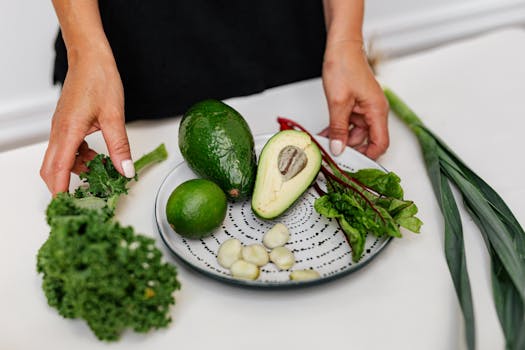
1. Avocado: (Reiterated here due to its significant healthy fat content) As mentioned, avocados are rich in monounsaturated fats, which are heart-healthy and incredibly filling. They help you feel satisfied after meals, reducing the likelihood of overeating. They also contain fiber and numerous vitamins and minerals. Use them in moderation due to their calorie density.
2. Nuts & Seeds (Almonds, Walnuts, Chia Seeds, Flax Seeds): These tiny powerhouses are packed with healthy fats, protein, and fiber. Almonds and walnuts provide healthy monounsaturated and polyunsaturated fats, while chia and flax seeds are excellent sources of omega-3s and soluble fiber. They are calorie-dense, so portion control is crucial, but a small handful can significantly boost satiety and nutrient intake. Sprinkle them on salads, yogurt, or oatmeal, or enjoy a small portion as a snack.
3. Olive Oil (Extra Virgin): Extra virgin olive oil is a staple of the Mediterranean diet, known for its health benefits, including weight management. It’s rich in monounsaturated fats and antioxidants. While it’s a calorie-dense fat, using it in moderation for cooking or dressing salads can enhance flavor and nutrient absorption, contributing to satiety. Opt for cold-pressed extra virgin olive oil for maximum benefits.
4. Fatty Fish (e.g., Salmon, Mackerel): (Reiterated here due to its significant healthy fat content) These fish are not only great sources of protein but also provide essential omega-3 fatty acids (EPA and DHA). These fats are crucial for brain health, reducing inflammation, and may play a role in fat metabolism. Including fatty fish a few times a week can support overall health and satiety during weight loss.
Hydration Heroes: Water & Beyond
Often overlooked, proper hydration is a cornerstone of rapid weight loss. It supports metabolism, helps control appetite, and is essential for all bodily functions.
1. Water: The most fundamental and powerful tool for weight loss. Drinking plenty of water can increase satiety, reduce calorie intake (especially if replacing sugary drinks), and slightly boost metabolism. Sometimes thirst is mistaken for hunger, so staying well-hydrated can prevent unnecessary snacking. Aim for at least 8 glasses a day, and consider drinking a glass before each meal. Infuse it with cucumber or lemon for flavor.
2. Green Tea: Green tea contains catechins, particularly epigallocatechin gallate (EGCG), which have been shown to boost metabolism and increase fat burning, especially during exercise. It also contains caffeine, which can provide a mild energy boost. Regular consumption of green tea can be a beneficial addition to your weight loss strategy. Enjoy it unsweetened, hot or iced.
3. Black Coffee: Like green tea, black coffee contains caffeine, a natural stimulant that can temporarily boost metabolism and improve exercise performance. It can also help suppress appetite for a short period. The key is to drink it black, without sugar, cream, or other high-calorie additives. Moderate consumption is generally safe and can be beneficial for weight loss.
Foods to Limit or Avoid for Rapid Weight Loss
To accelerate weight loss, it’s just as important to know what to limit or avoid as it is to know what to eat. These foods tend to be calorie-dense, nutrient-poor, and contribute to hunger and fat storage.
1. Sugary Drinks (Sodas, Juices, Sweetened Teas): These are “empty calories” that provide no satiety and lead to rapid blood sugar spikes and crashes, promoting fat storage. They are a major contributor to weight gain. Completely eliminate them from your diet.
2. Processed Snacks (Chips, Cookies, Candy): Highly processed foods are typically high in unhealthy fats, refined sugars, and artificial ingredients. They are designed to be hyper-palatable, making it easy to overeat, and offer little to no nutritional value or satiety.
3. Refined Grains (White Bread, White Pasta, Pastries): These foods have had their fiber and nutrients stripped away, leading to rapid blood sugar spikes, energy crashes, and increased hunger. They contribute to fat storage and cravings. Opt for whole-grain alternatives in moderation.
4. Excessive Saturated and Trans Fats: While healthy fats are good, excessive amounts of saturated fats (found in fatty meats, butter, full-fat dairy) and especially trans fats (found in many processed foods and fried items) can hinder weight loss and negatively impact health. Focus on lean proteins and plant-based fats.
5. Alcohol: Alcohol provides empty calories and can lower inhibitions, leading to poor food choices. It also impairs fat burning, as your body prioritizes metabolizing alcohol over other nutrients. If you’re serious about rapid weight loss, limiting or eliminating alcohol is highly recommended.
Practical Strategies for Incorporating These Foods
Knowing what to eat is one thing; consistently eating it is another. Here are practical strategies to integrate these weight-loss-friendly foods into your daily routine:
1. Meal Prepping: Dedicate time once or twice a week to prepare meals and snacks in advance. Cook larger batches of lean protein, roast a tray of vegetables, and pre-portion nuts or berries. This ensures you always have healthy options readily available, reducing the temptation to grab unhealthy convenience foods.
2. Mindful Eating: Pay attention to your body’s hunger and fullness cues. Eat slowly, savor each bite, and put away distractions like phones or TV. Mindful eating helps you recognize when you’re truly satisfied, preventing overeating.
3. Portion Control: Even healthy foods can lead to weight gain if consumed in excess. Use measuring cups and a food scale, especially in the initial stages, to understand appropriate portion sizes for calorie-dense foods like nuts, seeds, avocados, and whole grains.
4. Balanced Meals: Aim for a balance of lean protein, fiber-rich vegetables, and a small portion of healthy fats or complex carbohydrates at each main meal. This combination ensures satiety, sustained energy, and comprehensive nutrient intake.
5. Snack Smart: If you need snacks, choose options that are protein and fiber-rich. Greek yogurt with berries, a handful of almonds, vegetable sticks with hummus, or a hard-boiled egg are excellent choices that keep hunger at bay without derailing your progress.
6. Hydration Focus: Keep a water bottle with you throughout the day. Drink a large glass of water before each meal and snack. This can help fill you up and ensure you’re not mistaking thirst for hunger.
7. Cook at Home: Eating out frequently makes it difficult to control ingredients, portion sizes, and cooking methods. Cooking at home gives you full control over what goes into your food, allowing you to prioritize lean proteins, fresh vegetables, and healthy cooking fats.
8. Read Food Labels: Become an expert at reading nutrition labels. Look for added sugars, unhealthy fats, and high sodium content, even in foods marketed as “healthy.” Prioritize whole, unprocessed foods with minimal ingredients.
9. Experiment with Flavors: Healthy eating doesn’t have to be bland. Use herbs, spices, lemon juice, vinegar, and low-calorie sauces to add flavor to your meals. Explore different cuisines that naturally emphasize fresh, whole ingredients.
Beyond Food: Complementary Habits for Rapid Weight Loss
While food is the primary driver of weight loss, certain lifestyle habits significantly complement your dietary efforts and accelerate results.
1. Regular Exercise: Incorporate a combination of cardiovascular exercise (like brisk walking, jogging, cycling, or swimming) and strength training. Cardio burns calories and improves heart health, while strength training builds and preserves muscle mass, boosting your metabolism even at rest. Aim for at least 150 minutes of moderate-intensity cardio and two strength training sessions per week.
2. Adequate Sleep: Sleep deprivation can wreak havoc on your weight loss efforts. It disrupts hormones that regulate hunger (ghrelin) and satiety (leptin), leading to increased appetite and cravings for unhealthy foods. Aim for 7-9 hours of quality sleep per night to support your body’s metabolic functions and recovery.
3. Stress Management: Chronic stress can lead to elevated cortisol levels, a hormone that promotes fat storage, particularly around the abdomen. Find healthy ways to manage stress, such as meditation, yoga, deep breathing exercises, spending time in nature, or engaging in hobbies you enjoy.
4. Consistency is Key: Rapid weight loss isn’t about perfection; it’s about consistency. Minor slip-ups are normal. The key is to get back on track immediately. Sustained effort over time yields the best and most lasting results. View your healthy eating and lifestyle changes as a permanent shift, not a temporary diet.
5. Stay Accountable: Track your food intake, exercise, and progress. This can be done through a journal, a fitness app, or by regularly checking in with a friend, family member, or a professional. Accountability can significantly boost motivation and adherence.
6. Seek Professional Guidance: If you have significant weight to lose, underlying health conditions, or are struggling to find a sustainable approach, consider consulting a registered dietitian or a healthcare professional. They can provide personalized advice and ensure your rapid weight loss plan is safe and appropriate for your individual needs.
Conclusion: Empowering Your Rapid Weight Loss Journey
Achieving rapid weight loss doesn’t have to be a daunting or unsustainable endeavor. By focusing on nutrient-dense, high-protein, and fiber-rich foods, you can create a calorie deficit that keeps you full, energized, and satisfied. This guide has provided you with a powerful arsenal of foods—from lean proteins and vibrant vegetables to smart carbohydrates and healthy fats—all designed to accelerate your progress towards a leaner, healthier you.
Remember that food is fuel, and by choosing the right fuel, you empower your body to burn fat efficiently, preserve muscle, and thrive. Integrate these foods into your daily meals, pair them with smart hydration, regular exercise, and adequate rest, and you’ll be well on your way to not only achieving rapid weight loss but also fostering a sustainable, healthy lifestyle for years to come. Your journey to a healthier, more vibrant you starts with the choices you make on your plate, every single day.
Photo by Cristian Mihaila on Pexels