Low Glycemic Index Foods List for Diabetics: Your Complete Guide to Stable Blood Sugar
Living with diabetes means making conscious choices about what you eat. Every meal and snack has the potential to impact your blood sugar levels, and managing these fluctuations is key to preventing complications and maintaining overall health. While carbohydrate counting is a vital tool, understanding the Glycemic Index (GI) of foods offers another powerful layer of control, helping you select foods that provide sustained energy without causing rapid spikes.
At GetLeanPulse.com, we believe that informed choices lead to better health outcomes. That’s why we’ve put together this extensive guide to low glycemic index foods. This article isn’t just a list; it’s a deep dive into what the GI is, why it matters for diabetics, and how you can seamlessly integrate these beneficial foods into your daily diet for better blood sugar management, weight control, and long-term well-being.
By prioritizing low GI foods, you can help stabilize your blood glucose, reduce the demand on your insulin, and feel more energetic throughout the day. Join us as we explore the world of low GI eating and empower you with the knowledge to make healthier, smarter food choices tailored to your diabetic needs.
Understanding the Glycemic Index (GI): A Cornerstone of Diabetic Nutrition
The Glycemic Index is a ranking system that measures how quickly carbohydrate-containing foods raise blood sugar levels after eating. Foods are ranked on a scale of 0 to 100, with pure glucose serving as the reference point at 100. The quicker and higher a food raises your blood glucose, the higher its GI score.
How the Glycemic Index is Measured
When you eat carbohydrates, your body breaks them down into glucose, which then enters your bloodstream. The GI value of a food is determined by feeding a specific amount of that food (containing 50 grams of available carbohydrates) to a group of people and then measuring their blood glucose response over a two-hour period. This response is then compared to the blood glucose response of the same people after consuming 50 grams of pure glucose.
GI Categories: Low, Medium, and High
- Low GI Foods (GI of 55 or less): These foods are digested and absorbed slowly, leading to a gradual and sustained rise in blood sugar. They provide a steady supply of energy and are the preferred choice for people with diabetes.
- Medium GI Foods (GI of 56-69): These foods have a moderate impact on blood sugar levels. They can be included in a diabetic diet in moderation, especially when combined with low GI foods or protein and healthy fats to mitigate their effect.
- High GI Foods (GI of 70 or more): These foods are rapidly digested and absorbed, causing a quick and significant spike in blood sugar. They should generally be limited by individuals with diabetes, as they can lead to energy crashes and make blood sugar management challenging.
Why GI Matters for Diabetics
For individuals with diabetes, controlling blood sugar levels is paramount. High blood sugar (hyperglycemia) can lead to a host of short-term symptoms like fatigue and increased thirst, and more dangerously, long-term complications such as heart disease, kidney damage, nerve damage, and vision problems. By choosing low GI foods, you can:
- Prevent Blood Sugar Spikes: Low GI foods help maintain more stable blood glucose levels, avoiding the sharp highs and lows that can stress your body.
- Improve Insulin Sensitivity: Consistent consumption of low GI foods may help your body’s cells respond more effectively to insulin, which is crucial for glucose uptake.
- Reduce Glycemic Load: While GI indicates the *quality* of carbohydrates, Glycemic Load (GL) takes into account both the GI and the *quantity* (portion size) of carbohydrates in a serving. A low GL food means it has a low GI and/or you’re eating a smaller portion. Focusing on low GI foods naturally helps keep your overall GL lower.
Understanding and applying the principles of the Glycemic Index empowers you to make proactive choices that support your health and well-being, transforming mealtime from a source of concern into an opportunity for better health.
Benefits of a Low GI Diet for Diabetics
Embracing a low glycemic index diet offers a multitude of benefits for individuals managing diabetes, extending far beyond simple blood sugar control. It’s a holistic approach that positively impacts various aspects of health.
Improved Blood Sugar Control and Stability
This is the most direct and crucial benefit. Low GI foods are broken down slowly, releasing glucose into the bloodstream at a more gradual pace. This prevents the rapid surges in blood sugar that high GI foods can cause. For diabetics, this means:
- Fewer Hyperglycemic Episodes: Reducing the frequency and severity of dangerously high blood sugar levels.
- Reduced Insulin Demand: Your pancreas doesn’t have to work as hard to produce insulin, which is particularly beneficial for those with type 2 diabetes or insulin resistance.
- Better HbA1c Levels: Over time, consistent blood sugar control translates to lower HbA1c readings, indicating better long-term diabetes management.
Enhanced Insulin Sensitivity
Insulin sensitivity refers to how responsive your body’s cells are to insulin, the hormone responsible for allowing glucose to enter cells for energy. In type 2 diabetes, cells often become resistant to insulin. A diet rich in low GI foods, particularly whole grains and fiber, has been shown to improve insulin sensitivity. This means your body can use insulin more efficiently, helping to keep blood sugar levels in check.
Weight Management and Satiety
Many low GI foods are also rich in fiber and protein, which are known to promote satiety – the feeling of fullness. When you feel fuller for longer, you’re less likely to overeat or snack on unhealthy, high-GI options. This can be a significant advantage for weight management, as managing weight is a critical component of diabetes care. Furthermore, the sustained energy release from low GI foods helps prevent the energy crashes and subsequent cravings often associated with high GI foods.
Reduced Risk of Diabetes-Related Complications
Consistent, well-managed blood sugar levels are the primary defense against the long-term complications of diabetes. By minimizing blood sugar spikes and improving overall control, a low GI diet helps mitigate the risk of:
- Cardiovascular Disease: High blood sugar contributes to damage to blood vessels, increasing the risk of heart attacks and strokes.
- Neuropathy (Nerve Damage): Sustained high glucose levels can harm nerves throughout the body.
- Nephropathy (Kidney Damage): The kidneys are particularly vulnerable to damage from high blood sugar.
- Retinopathy (Eye Damage): High blood sugar can damage the small blood vessels in the eyes, potentially leading to vision loss.
Increased Energy Levels and Mental Clarity
The steady release of glucose from low GI foods provides a consistent fuel supply to your brain and body. This means more sustained energy throughout the day, fewer energy slumps, and improved concentration and mental clarity. Avoiding the blood sugar roller coaster can lead to a noticeable improvement in your overall vitality and mood.
Improved Cholesterol Levels
Many low GI foods, especially those high in soluble fiber like oats and legumes, can also contribute to healthier cholesterol profiles. Soluble fiber helps reduce the absorption of cholesterol in the digestive tract, potentially leading to lower levels of LDL (bad) cholesterol and a reduced risk of heart disease, a common comorbidity with diabetes.
In essence, adopting a low GI diet is not just about avoiding certain foods; it’s about embracing a pattern of eating that supports metabolic health, enhances energy, and significantly reduces the risks associated with diabetes, paving the way for a healthier, more vibrant life.
Key Principles for Adopting a Low GI Diet
Transitioning to a low GI diet involves more than just memorizing a list of foods. It requires understanding foundational principles that guide your food choices and preparation methods. Integrating these principles will help you maximize the benefits and ensure sustainable dietary changes.
1. Prioritize Whole, Unprocessed Foods
The closer a food is to its natural state, the more likely it is to have a lower GI. Processing often removes fiber and nutrients, leading to a faster breakdown of carbohydrates. Opt for whole grains over refined grains, fresh fruits over juices, and whole vegetables over highly processed vegetable products.
2. Embrace Fiber-Rich Foods
Fiber, especially soluble fiber, slows down digestion and the absorption of glucose, directly contributing to a lower GI. Foods naturally high in fiber include whole grains, legumes, fruits with skins, and non-starchy vegetables. Make fiber a cornerstone of every meal.
3. Combine Carbohydrates with Protein and Healthy Fats
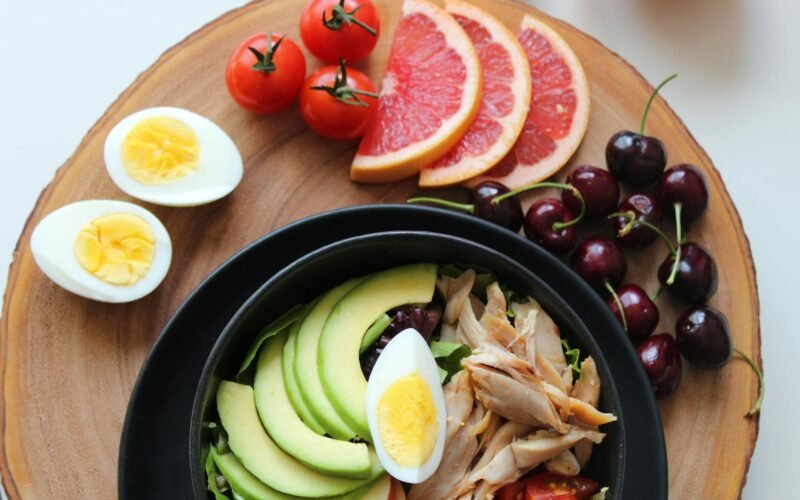
Eating carbohydrates alone tends to result in a quicker blood sugar rise. Pairing low GI carbohydrates with sources of protein and healthy fats significantly slows down digestion and glucose absorption. For example, enjoy an apple (low GI fruit) with a handful of almonds (healthy fats, protein), or whole-wheat pasta (low GI carb) with lean chicken (protein) and olive oil (healthy fat).
4. Pay Attention to Portion Control (Glycemic Load)
While the GI tells you how quickly a food raises blood sugar, the Glycemic Load (GL) tells you how much it raises it, considering the typical serving size. Even a low GI food can significantly impact blood sugar if consumed in very large quantities. Always practice mindful portion control, especially with carbohydrate-rich foods.
5. Cooking Methods Matter
The way food is prepared can influence its GI. Generally, the more cooked or processed a food, the higher its GI. For instance:
- Pasta: Al dente (firm to the bite) pasta has a lower GI than overcooked, mushy pasta.
- Potatoes: Boiled new potatoes have a lower GI than baked russet potatoes or instant mashed potatoes.
- Grains: Steel-cut oats have a lower GI than instant oats.
Aim for minimal cooking where possible, and avoid overcooking starchy foods.
6. Don’t Just Look at GI; Consider Nutritional Value
The GI is an important tool, but it shouldn’t be the *only* factor in your food choices. A candy bar might have a medium GI due to its fat content, but it offers little nutritional value. Prioritize nutrient-dense, whole foods that are low GI. For example, a sweet potato (medium GI, but nutrient-rich) is a far better choice than white bread (high GI, nutrient-poor).
7. Read Food Labels Diligently
Look for terms like “whole grain,” “high fiber,” and check the sugar content. Be wary of hidden sugars and refined carbohydrates in packaged foods, even those marketed as “healthy.”
8. Hydration is Key
Drinking plenty of water is essential for overall health and can help your body process glucose more effectively. It also contributes to satiety, helping you manage your food intake.
By integrating these principles into your daily routine, you’ll develop a sustainable and effective approach to managing your diabetes through a low GI diet, leading to better health outcomes and a more vibrant life.

The Comprehensive Low Glycemic Index Foods List for Diabetics
Navigating the grocery store and planning meals can feel overwhelming when you’re focusing on managing diabetes. This comprehensive list aims to simplify that process, providing you with a wealth of delicious and nutritious low GI options to incorporate into your diet. Remember, “low GI” typically means a GI value of 55 or less.
Grains and Legumes: Powerhouses of Sustained Energy
These foods are cornerstones of a low GI diet, offering complex carbohydrates, fiber, and protein that help stabilize blood sugar.
- Oats (Steel-Cut and Rolled): Steel-cut oats and old-fashioned rolled oats are excellent choices. They are minimally processed, high in soluble fiber (beta-glucan), and release glucose slowly. Avoid instant oats, which tend to have a higher GI.
- Barley: A fantastic grain that is often overlooked. Pearl barley has a very low GI (around 25) and is rich in fiber. It’s great in soups, stews, or as a side dish.
- Quinoa: This complete protein pseudo-grain boasts a GI of around 53. It’s versatile, easy to cook, and packed with nutrients.
- Brown Rice, Wild Rice, Basmati Rice: While white rice generally has a high GI, brown rice (GI ~50-55), wild rice (GI ~45), and certain varieties of basmati rice (GI ~45-50) offer lower GI alternatives due to their fiber content. Always opt for whole grain versions.
- Whole-Wheat Pasta (Al Dente): Surprisingly, whole-wheat pasta cooked al dente (firm to the bite) has a lower GI (around 40-50) than white pasta. The texture and fiber content slow digestion.
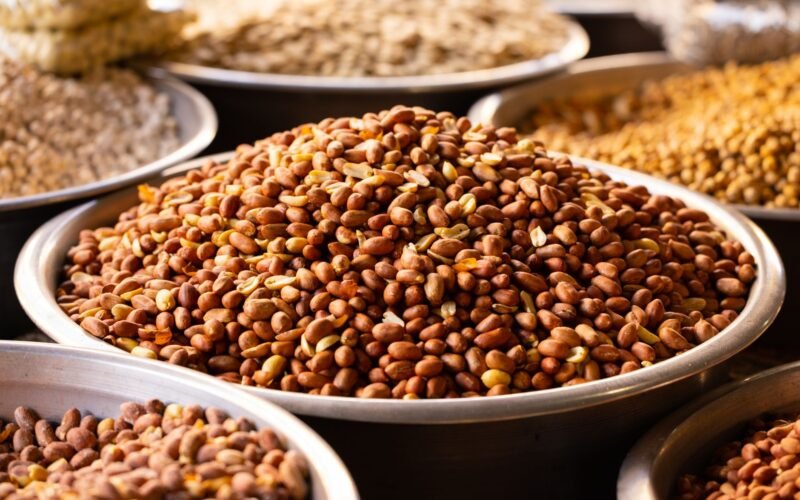
- Legumes (Lentils, Chickpeas, Black Beans, Kidney Beans, Cannellini Beans, Edamame): All legumes are incredibly low in GI (typically 10-30), high in fiber, and provide plant-based protein. They are perfect for salads, soups, stews, and as a meat alternative.
- Bulgur: Made from cracked wheat, bulgur has a GI of around 48 and is a quick-cooking, nutritious grain for salads (like tabbouleh) or as a rice substitute.
Fruits: Nature’s Sweetness, Mindfully Chosen
Fruits can be a healthy part of a diabetic diet, but portion control and GI awareness are crucial due to their natural sugar content (fructose). Focus on whole fruits with their fiber intact.
- Berries (Strawberries, Blueberries, Raspberries, Blackberries): These vibrant fruits are generally low GI (25-49), packed with antioxidants, and high in fiber. Enjoy them fresh, frozen, or in smoothies.
- Apples: A classic “an apple a day” fruit, apples (with skin) have a GI of around 36 and are a good source of fiber.
- Pears: Similar to apples, pears (with skin) offer a low GI (around 38) and plenty of fiber.
- Oranges and Grapefruits: Citrus fruits are low GI (oranges ~43, grapefruits ~25) and rich in Vitamin C.
- Cherries: These small, sweet fruits have a remarkably low GI (around 22) and are known for their anti-inflammatory properties.
- Peaches and Plums: Both are delicious, low GI options (peaches ~42, plums ~39) when consumed fresh.
- Kiwifruit: With a GI of around 50, kiwifruit offers fiber and Vitamin C.
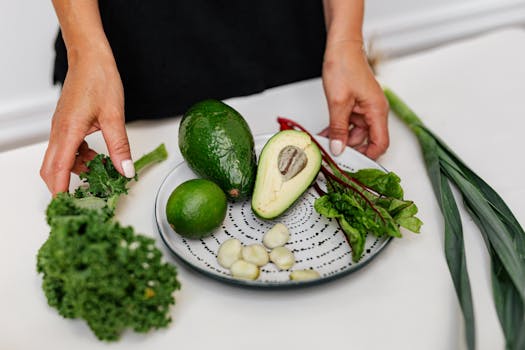
- Avocado: While technically a fruit, avocado is unique because it’s very low in carbohydrates and high in healthy fats, giving it an extremely low GI.
- Avoid or Limit: Dried fruits (concentrated sugars, higher GI), fruit juices (no fiber, quick sugar spike), and overly ripe bananas (higher GI than firm ones).
Vegetables: The Unsung Heroes of a Healthy Diet
Most non-starchy vegetables are extremely low in GI and should be consumed in abundance. Even some starchy vegetables can be included in moderation.
- Non-Starchy Vegetables (Eat Freely!):
- Leafy Greens: Spinach, kale, lettuce, Swiss chard, collard greens.
- Cruciferous Vegetables: Broccoli, cauliflower, Brussels sprouts, cabbage.
- Other Favorites: Bell peppers (all colors), cucumbers, tomatoes, zucchini, green beans, asparagus, mushrooms, eggplant, celery, onions, garlic.
These vegetables are packed with vitamins, minerals, and fiber, with minimal impact on blood sugar.
- Starchy Vegetables (Low to Medium GI, Moderate Portions):
- Sweet Potatoes/Yams: While higher in carbs than non-starchy veggies, sweet potatoes have a moderate GI (around 44-60 depending on variety and cooking) and are rich in fiber and nutrients.
- Corn: Fresh or frozen corn (GI around 47) can be enjoyed in moderation.
- Peas: Green peas have a GI of around 51 and provide fiber and protein.
Limit white potatoes (especially baked or mashed without skin), which typically have a high GI.
Dairy and Alternatives: Calcium and Protein Sources
Many dairy products are low GI due to their protein and fat content, which slows glucose absorption.
- Milk (Skim, Low-Fat, Whole): Milk has a relatively low GI (around 30-39) due to its protein and fat content, despite containing lactose (milk sugar). Choose unsweetened varieties.
- Yogurt (Plain, Unsweetened, Greek Yogurt): Plain, unsweetened yogurt (especially Greek yogurt) is an excellent low GI choice (around 14-30). The fermentation process reduces lactose, and Greek yogurt is particularly high in protein, aiding satiety.
- Cheese: Most cheeses are very low in carbohydrates and thus have an extremely low GI. They provide protein and healthy fats.
- Soy Milk, Almond Milk, Oat Milk (Unsweetened): Plant-based milk alternatives are great low GI options, provided they are unsweetened. Always check labels for added sugars.
Nuts and Seeds: Nutrient-Dense Snacks
Nuts and seeds are fantastic for a low GI diet. They are rich in healthy fats, protein, and fiber, which help regulate blood sugar and promote fullness.
- Almonds, Walnuts, Pecans, Cashews, Pistachios, Macadamia Nuts: All varieties are low GI and offer unique nutritional benefits. Consume in controlled portions due to their calorie density.
- Chia Seeds, Flax Seeds, Pumpkin Seeds, Sunflower Seeds: These are excellent sources of fiber, omega-3 fatty acids (flax, chia), and protein. Sprinkle them on yogurt, salads, or add to smoothies.
- Nut Butters (Natural, Unsweetened): Choose natural nut butters with no added sugar or hydrogenated oils.
Proteins: The Building Blocks with Minimal GI Impact
Protein-rich foods generally have a very low or negligible GI because they contain minimal carbohydrates. They are essential for satiety and muscle maintenance.
- Lean Meats: Chicken breast, turkey, lean cuts of beef, pork loin.
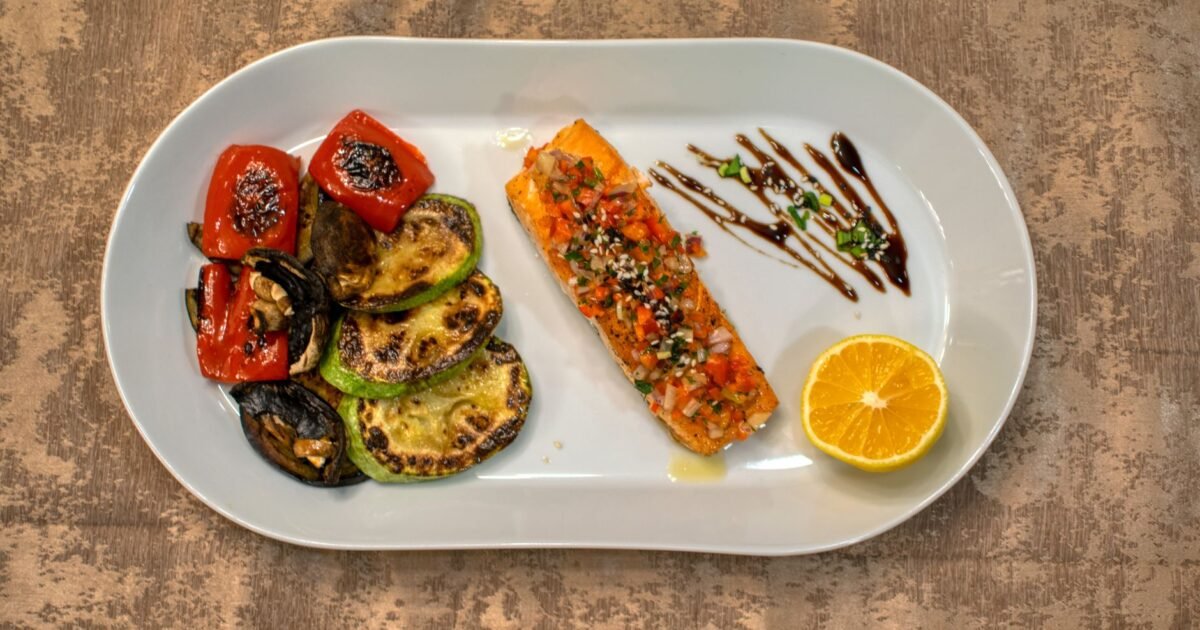
- Fish: Salmon, tuna, cod, mackerel, sardines (rich in omega-3 fatty acids).
- Eggs: A perfect low GI protein source, versatile and affordable.
- Tofu and Tempeh: Plant-based protein sources with very low GI.
Fats and Oils: Essential for Health and Satiety
Healthy fats have virtually no GI because they contain no carbohydrates. They are crucial for nutrient absorption, hormone production, and increasing satiety.
- Olive Oil: Extra virgin olive oil is a cornerstone of Mediterranean diets, known for its heart-healthy monounsaturated fats.
- Avocado Oil: Another excellent source of healthy fats.
- Coconut Oil: Use in moderation.
- Butter: In moderation, can be part of a balanced diet.
Sweeteners (Use with Caution)
While the goal is to reduce overall sugar intake, some sweeteners have a lower GI than table sugar.
- Stevia, Erythritol, Xylitol: These sugar alcohols and natural sweeteners have a zero or very low GI and can be used in moderation as alternatives to sugar.
- Honey, Maple Syrup, Agave: While natural, these are still concentrated sugars with varying but often moderate to high GI values. Use sparingly if at all.
This comprehensive list provides a strong foundation for building a low GI meal plan. Remember to focus on variety, balance, and listen to your body’s individual response to different foods.
Foods to Limit or Avoid: High GI Culprits for Diabetics
Just as important as knowing what to eat is understanding which foods can rapidly elevate blood sugar levels and should be limited or avoided in a diabetic diet. These are typically high GI foods that offer minimal nutritional benefit and can make blood sugar management challenging.
Refined Grains and Processed Carbohydrates
- White Bread, Bagels, Rolls: Made from refined white flour, these products lack fiber and are quickly converted to glucose, leading to high GI values (70+).
- White Rice (especially short-grain, sticky rice): While basmati and wild rice are acceptable in moderation, most white rice varieties have a high GI (around 73-89).
- Most Commercial Baked Goods: Cakes, cookies, pastries, donuts, and muffins are typically made with refined flour and high amounts of sugar, resulting in very high GI values.
- Sugary Breakfast Cereals: Many popular cereals are loaded with added sugar and refined grains, causing rapid blood sugar spikes. Even some “healthy” sounding cereals can be high GI.
- Instant Noodles and Highly Processed Pasta: These are often made from refined flour and offer little nutritional value while having a high GI.
Sugary Drinks
- Soda and Soft Drinks: These are pure sugar water, offering no nutritional value and causing immediate, dramatic blood sugar spikes. They are among the worst choices for diabetics.
- Fruit Juices (even 100% natural): While they contain vitamins, fruit juices lack the fiber found in whole fruits. This means the natural sugars are absorbed very quickly, leading to a high GI and rapid blood sugar rise.
- Sweetened Teas and Coffees: Many commercially prepared teas and coffees are laden with added sugars and syrups.
- Energy Drinks: Often contain high levels of sugar and artificial stimulants.
Starchy Vegetables with High GI
- White Potatoes (especially baked, mashed, or instant): While new potatoes boiled with skin have a moderate GI, baked russet potatoes, instant mashed potatoes, and French fries have a very high GI (90+). The structure of the starch changes significantly with cooking methods.
Sweeteners and Confectionery
- Table Sugar (Sucrose): The standard sugar used in baking and drinks has a high GI.
- High-Fructose Corn Syrup: A common sweetener in processed foods and drinks, it can significantly impact blood sugar.
- Candy, Chocolates (milk chocolate, most bars): High in sugar and often refined carbohydrates, leading to high GI values.
- Jams and Jellies with Added Sugar: While fruit-based, the added sugar content is problematic.
Processed Snack Foods
- Potato Chips, Corn Chips, Puffs: These are typically made from refined starches, fried in unhealthy oils, and offer little nutritional benefit while having a high GI.
- Crackers (most refined flour varieties): Many common crackers are made with white flour and can have a high GI.
- Rice Cakes: Often seen as a healthy snack, plain rice cakes have a surprisingly high GI (around 82) due to their puffed, easily digestible starch structure.
The key takeaway is to minimize foods that are highly processed, high in added sugars, and low in fiber. By consciously reducing your intake of these high GI culprits, you’ll be taking a significant step towards better blood sugar control and overall health.
Tips for Meal Planning and Cooking with Low GI Foods
Implementing a low GI diet doesn’t have to be complicated or bland. With a little planning and creativity, you can create delicious, satisfying, and blood-sugar-friendly meals every day. Here are some practical tips for meal planning and cooking:
1. Plan Ahead: The Power of Preparation
- Weekly Meal Plan: Dedicate some time each week to plan your meals and snacks. This helps you make healthier choices and avoids last-minute high-GI temptations.
- Grocery List: Based on your meal plan, create a detailed grocery list focusing on low GI ingredients. Stick to the perimeter of the grocery store where fresh produce, lean proteins, and dairy are typically found.
- Batch Cooking: Cook larger portions of low GI grains (quinoa, brown rice, lentils), lean proteins (grilled chicken, roasted fish), or chopped vegetables at the beginning of the week. This makes assembling quick meals much easier.
2. Smart Breakfast Ideas
- Oatmeal Power Bowl: Steel-cut or old-fashioned rolled oats cooked with water or unsweetened almond milk. Top with a handful of berries (strawberries, blueberries), a sprinkle of chia seeds or flax seeds, and a few chopped almonds.
- Greek Yogurt Parfait: Plain, unsweetened Greek yogurt layered with low GI berries and a small amount of chopped nuts or seeds.
- Whole-Wheat Toast with Healthy Toppings: A slice of 100% whole-wheat toast topped with avocado and a sprinkle of everything bagel seasoning, or natural peanut butter (no added sugar).
- Scrambled Eggs with Veggies: Eggs scrambled with spinach, mushrooms, and bell peppers.
3. Lunch Solutions
- Hearty Salads
Photo by Cristian Mihaila on Pexels