
How to Meal Plan for Weight Loss: Your Ultimate Step-by-Step Guide
Embarking on a weight loss journey can often feel like navigating a complex maze, filled with conflicting advice, fleeting fads, and the constant temptation of unhealthy choices. Many people start with enthusiasm, only to find themselves overwhelmed, hungry, and eventually falling back into old habits. But what if there was a powerful, yet simple, strategy that could cut through the confusion, empower you with control, and set you up for consistent, sustainable success? Enter meal planning.
Meal planning is not just about writing down what you’ll eat; it’s a strategic blueprint for your health and weight loss goals. It transforms the often-chaotic act of eating into a mindful, intentional process. For the team at GetLeanPulse.com, we believe meal planning is the single most impactful habit you can adopt to achieve and maintain your desired weight. It’s the secret weapon that allows you to take charge of your nutrition, eliminate guesswork, and make healthy eating an effortless part of your daily life.
This comprehensive guide will walk you through everything you need to know about how to meal plan for weight loss. From understanding your body’s needs to building a practical weekly schedule, we’ll equip you with the knowledge and tools to create a personalized meal plan that works for you, helping you shed unwanted pounds and cultivate a healthier, happier lifestyle. Prepare to transform your approach to food and unlock your weight loss potential!
Why Meal Planning is Your Weight Loss Superpower
Before diving into the “how,” it’s crucial to understand the profound impact meal planning can have on your weight loss journey. It’s more than just convenience; it’s a fundamental shift in your relationship with food and a powerful strategy for achieving your goals.
Eliminates Guesswork & Emotional Eating
One of the biggest culprits in weight gain is impulsive eating. When hunger strikes and you haven’t planned ahead, you’re more likely to grab whatever is quick and convenient – often processed, high-calorie, and nutrient-poor options. Meal planning removes this guesswork. With pre-determined meals and snacks, you eliminate the mental fatigue of deciding what to eat, reducing the chances of succumbing to emotional eating or unhealthy cravings born out of immediate hunger or stress. You’re no longer reacting to hunger; you’re proactively nourishing your body.
Ensures Portion Control
Weight loss fundamentally boils down to consuming fewer calories than you burn – a calorie deficit. While this sounds simple, it’s incredibly easy to overeat, even with healthy foods, if you’re not mindful of portion sizes. Meal planning forces you to pre-determine and often pre-portion your meals. By measuring ingredients and plating appropriate servings in advance, you gain precise control over your caloric intake, making it far easier to stay within your target deficit without feeling deprived.
Boosts Nutrient Intake
A successful weight loss plan isn’t just about eating less; it’s about eating better. Meal planning encourages a focus on whole, unprocessed foods. When you plan, you intentionally incorporate lean proteins, fiber-rich vegetables, whole grains, and healthy fats. This not only keeps you feeling full and satisfied but also ensures your body receives the essential vitamins, minerals, and antioxidants it needs to function optimally, support metabolism, and promote overall health.
Saves Time & Money
Think about how much time you spend deciding what to eat, grocery shopping without a list, or making last-minute trips to the store or drive-thru. Meal planning streamlines this entire process. A single thoughtful planning session for the week, followed by one strategic grocery trip and a dedicated meal prep session, can save hours during your busy weekdays. Furthermore, by buying only what you need and reducing food waste, you’ll notice a significant positive impact on your grocery budget, making healthy eating more affordable.
Builds Consistency & Habits
Consistency is the bedrock of any successful weight loss journey. Meal planning helps automate healthy choices, turning them into effortless habits. When your meals are planned and prepped, healthy eating becomes the default. This repetition reinforces positive behaviors, making it easier to stick to your goals even when motivation wanes. Over time, these consistent actions lead to sustainable results and a permanent shift towards a healthier lifestyle.
The Foundational Steps: Before You Plan
Before you even think about recipes or grocery lists, laying a solid foundation is crucial for a successful and sustainable meal plan. These preliminary steps will inform your entire strategy and ensure your plan is tailored to your unique needs and goals.
Define Your “Why”
Weight loss is a journey with ups and downs. Your “why” is the anchor that will keep you grounded when challenges arise. Is it to improve your energy levels? To reduce health risks? To feel more confident? To be able to play with your kids without getting tired? Dig deep and articulate your intrinsic motivations. Write them down and revisit them regularly. This powerful personal commitment will fuel your consistency and resilience.
Calculate Your Caloric Needs
To lose weight, you need to create a calorie deficit, meaning you consume fewer calories than your body burns. The first step is to estimate your Total Daily Energy Expenditure (TDEE), which is the total number of calories your body burns in a day, including basal metabolic rate (BMR), physical activity, and the thermic effect of food. You can use online calculators that take into account your age, sex, weight, height, and activity level. Once you have your TDEE, subtract 500-750 calories to aim for a healthy and sustainable weight loss of 1-1.5 pounds per week. For example, if your TDEE is 2500 calories, aiming for 1800-2000 calories per day would be a good starting point. *Always consult with a healthcare professional or registered dietitian for personalized advice, especially if you have underlying health conditions.*
Understand Macronutrients for Weight Loss
Calories are important, but the source of those calories matters significantly for satiety, energy, and muscle preservation. Macronutrients – protein, carbohydrates, and fats – each play a vital role:
- Protein: The undisputed king for weight loss. Protein is highly satiating, meaning it keeps you feeling full for longer, reducing cravings. It also has a higher thermic effect (your body burns more calories digesting it) and is crucial for preserving muscle mass during a calorie deficit. Aim for 0.7-1 gram of protein per pound of target body weight. Excellent sources include lean meats, fish, eggs, dairy, legumes, and tofu.
- Carbohydrates: Your body’s primary energy source. For weight loss, focus on complex carbohydrates rich in fiber, such as whole grains (oats, quinoa, brown rice), fruits, and vegetables. Fiber promotes digestive health, stabilizes blood sugar, and contributes to satiety. Limit refined carbs (white bread, sugary drinks) that offer quick energy spikes followed by crashes and hunger.
- Fats: Essential for hormone production, nutrient absorption, and overall health. Healthy fats, found in avocados, nuts, seeds, olive oil, and fatty fish, also contribute to satiety. While calorie-dense, incorporating moderate amounts of healthy fats is vital. Avoid trans fats and limit saturated fats.
A common macronutrient ratio for weight loss might be around 30-40% protein, 30-40% carbohydrates, and 20-30% healthy fats, but this can be adjusted based on individual preferences and how your body responds.
Assess Your Current Habits & Preferences
A meal plan won’t last if it’s completely out of sync with your lifestyle and tastes. Take an honest look at your current eating habits: What do you typically eat for breakfast, lunch, and dinner? What are your go-to snacks? What foods do you genuinely enjoy? Are there any foods you dislike or have allergies to? Do you have any dietary restrictions (vegetarian, gluten-free, etc.)? Incorporating foods you like and making gradual changes will make the transition much smoother and more sustainable.
Set Realistic Goals
Sustainable weight loss is a marathon, not a sprint. Aim for a healthy and manageable rate of 1-2 pounds per week. This allows your body to adjust, minimizes muscle loss, and is more likely to lead to long-term success. Celebrate small victories and be patient with yourself. Remember, consistency over perfection is key.
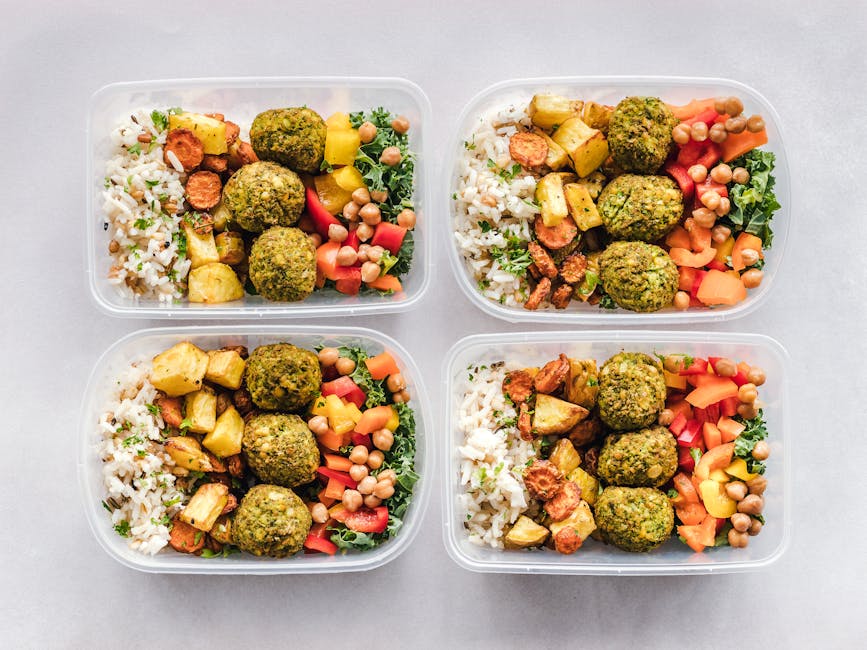
The Core of Meal Planning: Step-by-Step Guide
Now that you’ve established your foundation, it’s time to roll up your sleeves and get into the practical steps of building your weight loss meal plan.
Step 1: Choose Your Planning Horizon
Decide how far in advance you want to plan. Common options include:
- Daily: Good for beginners, but can be overwhelming to do every day.
- Weekly: The most popular and often most effective. Allows for one grocery trip and one main prep session.
- Bi-weekly/Monthly: More advanced, requires more upfront planning but less frequent trips.
For most people aiming for weight loss, a weekly meal plan offers the best balance of flexibility and consistency. Choose a specific day (e.g., Sunday) to dedicate to planning and prep.
Step 2: Inventory Your Kitchen
Before you even think about new recipes, open your fridge, freezer, and pantry. What ingredients do you already have on hand that need to be used? This step helps reduce food waste, saves money, and can inspire creative meal ideas. Can those leftover chicken breasts become part of a salad? Can the canned beans be a side dish?
Step 3: Select Your Recipes
This is where the fun begins! Look for recipes that align with your caloric and macronutrient goals, dietary preferences, and cooking skill level. Focus on:
- Whole, Unprocessed Foods: Prioritize lean proteins, abundant vegetables, fruits, and whole grains.
- High Protein, High Fiber: These two nutrients are your best friends for satiety and metabolic health.
- Variety: Don’t eat the same thing every day unless you genuinely love it. Introduce new flavors and textures to prevent boredom and ensure a wide range of nutrients.
- Simplicity: Especially when starting, choose recipes with fewer ingredients and simpler cooking methods. Batch-cooking friendly recipes are a huge bonus.
- Inspiration: Use trusted recipe websites (like GetLeanPulse.com!), cookbooks, or even social media for ideas.
Aim for 3-5 different recipes for main meals (breakfast, lunch, dinner) that you can rotate or use as components throughout the week.
Step 4: Build Your Meal Structure
Decide how many meals and snacks you’ll have each day. A common structure for weight loss is three balanced meals and 1-2 optional, strategic snacks. This isn’t a hard and fast rule; some prefer fewer, larger meals, while others thrive on smaller, more frequent eating. The key is to distribute your calories and macronutrients throughout the day to maintain energy levels and manage hunger.
- Breakfast: Always include a good source of protein to kickstart your metabolism and keep you full.
- Lunch: Often an opportunity for leftovers from dinner or a prepped salad/bowl. Aim for a balance of protein, complex carbs, and veggies.
- Dinner: Typically the largest meal for many. Focus on lean protein, a generous serving of non-starchy vegetables, and a modest portion of complex carbohydrates.
- Snacks: Only if truly needed to bridge hunger between meals. Choose protein-rich or fiber-rich options (e.g., Greek yogurt, an apple with a tablespoon of nut butter, a handful of almonds).
Step 5: Construct Your Meal Plan (The Grid)
Now, fill in your weekly grid! You can use a digital spreadsheet, a printable template, or even a whiteboard. For each day, assign a specific meal for breakfast, lunch, dinner, and any planned snacks.
- Start with Dinners: Often the most varied meal, planning dinners first can make the rest easier.
- Leverage Leftovers: Plan to make larger portions of dinner so you have healthy lunches for the next day or two. This is a massive time-saver.
- Rotate & Repeat: You don’t need 21 unique meals. Many people eat the same breakfast and lunch for several days in a row, rotating dinners.
- Balance: As you fill out your plan, keep your calorie and macronutrient targets in mind. Aim for a good balance of protein, healthy carbs, and fats across your daily intake.
- Flexibility: Leave a little room for spontaneity or a planned “free meal” if that works for your psychology.
Example Mini-Grid Snippet:
| Meal | Monday | Tuesday | Wednesday |
|---|---|---|---|
| Breakfast | Oatmeal with berries & protein powder | Oatmeal with berries & protein powder | Scrambled eggs with spinach & whole-wheat toast |
| Lunch | Leftover Lemon Herb Chicken & Roasted Veggies | Leftover Lemon Herb Chicken & Roasted Veggies | Large Salad with Tuna & Vinaigrette |
| Dinner | Lemon Herb Chicken with Roasted Veggies | Turkey Meatloaf with Sweet Potato & Green Beans | Salmon with Quinoa & Asparagus |
| Snack | Greek yogurt | Apple & 1 tbsp almond butter | Handful of almonds |
Step 6: Create Your Shopping List
Once your meal plan is complete, generate a detailed grocery list. Go through each recipe and list every ingredient you’ll need, checking against your kitchen inventory as you go. Categorize your list by sections of the grocery store (produce, dairy, meat, pantry, frozen) to make your shopping trip efficient and prevent impulse buys. Stick to your list!
Step 7: Prep Like a Pro
This is where your meal plan comes to life and saves you invaluable time during the week. Dedicate a block of time (e.g., 2-3 hours on Sunday) for meal preparation. This might involve:
- Washing and chopping all your vegetables for the week.
- Cooking large batches of grains (quinoa, brown rice) and lean proteins (chicken breast, ground turkey).
- Portioning out snacks (nuts, cut-up fruit).
- Making a large salad base or dressing.
- Assembling components for grab-and-go meals (e.g., putting together oats and toppings for overnight oats).
Invest in good quality meal prep containers to store your food safely and efficiently in the fridge or freezer.
Essential Components of a Weight Loss-Friendly Meal Plan
While specific recipes will vary, certain food groups are foundational to any effective weight loss meal plan. Prioritizing these will ensure you’re well-nourished, satisfied, and on track to achieve your goals.
Protein Powerhouses
As discussed, protein is paramount. Aim for a lean protein source at every meal and snack. Examples include:
- Lean Meats: Chicken breast, turkey breast, lean beef (sirloin, round), pork loin.
- Fish & Seafood: Salmon (rich in omega-3s), cod, tuna, shrimp, scallops.
- Eggs: Versatile and nutrient-dense.
- Dairy: Greek yogurt, cottage cheese, skim milk.
- Plant-Based: Tofu, tempeh, lentils, beans, chickpeas, edamame, protein powders (whey, casein, plant-based).
Protein helps preserve muscle mass during a calorie deficit, which is crucial for maintaining a healthy metabolism.
Fiber-Rich Carbohydrates
Don’t fear carbohydrates! Just choose the right ones. Fiber is essential for satiety, digestion, and blood sugar control. Opt for:
- Whole Grains: Oats, quinoa, brown rice, whole-wheat bread/pasta.
- Legumes: Lentils, black beans, kidney beans, chickpeas.
- Fruits: Berries, apples, pears, oranges, bananas (in moderation due to sugar content).
- Starchy Vegetables: Sweet potatoes, corn, peas (portion control is key here).
These provide sustained energy without the rapid spikes and crashes associated with refined sugars and processed carbs.
Healthy Fats
Fats are vital for hormone health, nutrient absorption, and also contribute to satiety. Focus on unsaturated fats:
- Avocados: Rich in monounsaturated fats.
- Nuts & Seeds: Almonds, walnuts, chia seeds, flax seeds (portion-controlled due to calorie density).
- Olive Oil: Great for cooking and dressings.
- Fatty Fish: Salmon, mackerel, sardines (also provide omega-3s).
Remember that fats are calorie-dense, so measure your portions carefully.
Abundant Vegetables
Non-starchy vegetables are your best friend for weight loss. They are low in calories, high in fiber, vitamins, and minerals, and you can eat large volumes of them to feel full without excess calories. Aim to fill at least half your plate with vegetables at lunch and dinner.
- Leafy Greens: Spinach, kale, mixed greens, romaine.
- Cruciferous Veggies: Broccoli, cauliflower, Brussels sprouts.
- Other Favorites: Bell peppers, zucchini, cucumbers, tomatoes, mushrooms, onions, green beans, asparagus.
Hydration is Key
Often overlooked, adequate hydration is crucial for weight loss. Water helps with metabolism, can reduce feelings of hunger (sometimes thirst is mistaken for hunger), aids digestion, and is essential for overall bodily functions. Aim for at least 8 glasses (64 ounces) of water daily, and even more if you’re active. Unsweetened tea and coffee can also contribute, but water should be your primary beverage.
Mindful Snacking
Snacks are optional. If you find yourself genuinely hungry between meals, plan for them strategically. Choose snacks that are high in protein and/or fiber to keep you full and satisfied. Examples include Greek yogurt, a piece of fruit with a small handful of nuts, cottage cheese, or vegetable sticks with hummus. Avoid highly processed snack foods that offer little nutritional value and often lead to overconsumption.

Advanced Strategies & Common Pitfalls to Avoid
Once you’ve mastered the basics, you can refine your meal planning approach with advanced strategies and learn to sidestep common obstacles that derail many weight loss efforts.
Batch Cooking & Meal Prepping: The Ultimate Time-Saver
This is where your meal plan truly shines. Dedicate 2-3 hours on a weekend to prepare components or entire meals for the week ahead. This might involve:
- Cooking Grains in Bulk: A large pot of quinoa or brown rice can last for days.
- Roasting Vegetables: Sheet pans full of mixed veggies are easy to reheat.
- Pre-cooking Proteins: Grill or bake a large batch of chicken breast, lean ground turkey, or hard-boiled eggs.
- Washing and Chopping: Prepare all your produce so it’s ready to grab for salads, stir-fries, or snacks.
- Assembling Breakfasts: Overnight oats or pre-portioned smoothie packs save precious morning minutes.
By front-loading the effort, you ensure healthy meals are always within reach, eliminating excuses for unhealthy choices during busy weekdays.
Incorporating Flexibility: The 80/20 Rule
Strict adherence to a meal plan 100% of the time can lead to burnout and deprivation. Consider adopting an 80/20 approach: aim to eat according to your plan 80% of the time, allowing 20% for flexibility or planned indulgences. This could mean a planned restaurant meal, a treat with friends, or simply a deviation from your usual plan. This approach promotes sustainability and helps you build a healthy, balanced relationship with food, preventing feelings of restriction that often lead to binge eating.
Tracking Progress: Beyond the Scale
While the scale is one metric, it’s not the only one, nor is it always the most accurate day-to-day. Track your progress in multiple ways:
- Food Journal: Even if you’re planning, briefly jotting down what you ate can highlight patterns, portion creep, or forgotten snacks.
- Measurements: Take body measurements (waist, hips, arms, thighs) every 2-4 weeks. Sometimes inches are lost even when the scale doesn’t budge.
- Progress Photos: Visual changes can be incredibly motivating.
- How Your Clothes Fit: A tangible sign of progress.
- Energy Levels & Mood: Notice improvements in sleep, energy, and overall well-being.
Focus on consistent effort, and trust the process. Small, consistent changes yield significant results over time.
Adjusting as You Go: Metabolic Adaptation & Plateaus
As you lose weight, your body’s caloric needs decrease. What worked at 200 pounds might not work at 180 pounds. Be prepared to adjust your calorie intake or macronutrient ratios as you progress. If you hit a plateau (no weight loss for 2-3 weeks), re-evaluate your plan. Are your portions still accurate? Has your activity level changed? You might need to slightly reduce calories, increase activity, or try a “refeed day” to kickstart your metabolism.
Dealing with Dining Out
Eating out doesn’t have to derail your plan. Here are strategies:
- Research Ahead: Look up menus online and choose healthy options before you arrive.
- Portion Control: Ask for half portions, share an entree, or ask for a to-go box immediately.
- Smart Choices: Opt for grilled or baked proteins, steamed or roasted vegetables, and salads with dressing on the side. Avoid creamy sauces, fried foods, and excessive bread.
- Mindful Eating: Savor your meal, eat slowly, and stop when you’re comfortably full.
Pitfalls to Avoid:
- Being Too Restrictive: Overly strict diets are unsustainable and often lead to rebound weight gain. Aim for balance and moderation.
- Lack of Variety: Eating the same bland meals day in and day out is a recipe for boredom and eventual failure. Experiment with new healthy recipes.
- Underestimating Portion Sizes: Even with planning, “eyeballing” can lead to calorie creep. Use measuring cups and a food scale, especially when starting.
- Ignoring Hunger/Fullness Cues: While planning is important, listen to your body. Adjust meal timing or snack choices if you’re consistently ravenous or overly full.
- Not Prepping Enough: A detailed plan is useless without the actual food prepped and ready to eat.
- Giving Up After a Slip-Up: One unhealthy meal or snack doesn’t ruin your entire week. Acknowledge it, learn from it, and get right back on track with your next meal. Don’t let perfection be the enemy of progress.
Sample Weekly Weight Loss Meal Plan (Template)
This is a simplified example to illustrate the structure of a meal plan. Remember to adjust portion sizes and specific foods to meet your individual calorie and macronutrient targets, and your personal preferences. This template emphasizes lean protein, complex carbohydrates, healthy fats, and abundant vegetables.
General Guidelines:
- Each meal focuses on 1-2 protein sources, a serving of complex carbs, and plenty of non-starchy vegetables.
- Snacks are optional and protein/fiber-rich.
- Hydration is key – drink water throughout the day.
- Utilize batch cooking for grains, proteins, and chopped veggies.
Monday
- Breakfast: 1/2 cup rolled oats cooked with water/unsweetened almond milk, 1 scoop protein powder, 1/2 cup mixed berries, sprinkle of chia seeds.
- Lunch: Large salad with 4-5 oz grilled chicken breast, mixed greens, cucumber, bell peppers, cherry tomatoes, 1/4 avocado, light vinaigrette.
- Dinner: 5-6 oz baked salmon, 1 cup steamed broccoli, 1/2 cup quinoa.
- Snack (Optional): 1 cup plain Greek yogurt with a few almonds.
Tuesday
- Breakfast: High-protein smoothie (1 scoop protein powder, 1 cup spinach, 1/2 banana, 1/2 cup unsweetened almond milk, 1 tbsp almond butter).
- Lunch: Leftover baked salmon, broccoli, and quinoa from Monday dinner.
- Dinner: 5-6 oz lean ground turkey stir-fry with mixed vegetables (broccoli, snap peas, carrots, bell peppers) and 1/2 cup brown rice. Use low-sodium soy sauce or tamari.
- Snack (Optional): 1 apple with 1 tbsp peanut butter.
Wednesday
- Breakfast: 2 scrambled eggs with 1 cup spinach and a slice of whole-wheat toast.
- Lunch: Leftover ground turkey stir-fry with brown rice.
Photo by Kampus Production on Pexels