The Ultimate Guide: Best Protein Foods for Muscle Building
Welcome to GetLeanPulse.com, your trusted source for evidence-based fitness and nutrition advice. Today, we’re diving deep into the cornerstone of any successful muscle-building regimen: protein. If you’re serious about sculpting a stronger, more muscular physique, understanding and consistently consuming the right protein foods is non-negotiable. It’s not just about eating more; it’s about eating smarter, choosing the highest quality sources, and timing your intake for optimal results.
For decades, protein has been celebrated as the king of macronutrients for those striving for muscle growth. And for good reason: it provides the essential building blocks, amino acids, that your body uses to repair and rebuild muscle fibers damaged during exercise. Without adequate protein, your hard work in the gym can literally go to waste, as your muscles won’t have the raw materials they need to recover and grow stronger.
This comprehensive guide will arm you with the knowledge to make informed dietary choices, covering everything from the fundamental role of protein in muscle synthesis to a detailed breakdown of the best animal-based and plant-based protein sources. We’ll also explore how to optimize your protein intake throughout the day, debunk common myths, and provide practical tips to integrate these powerhouse foods into your daily routine. Prepare to transform your diet and accelerate your journey toward a more muscular you!
Understanding Protein and Its Role in Muscle Building
Before we jump into specific foods, let’s establish a foundational understanding of what protein is and precisely how it contributes to muscle growth. This knowledge will empower you to make more intelligent dietary decisions beyond just following a list.
What is Protein? The Building Blocks of Life
Protein is one of the three macronutrients, alongside carbohydrates and fats, essential for human life. What makes protein unique is its composition: it’s made up of smaller units called amino acids, often referred to as the “building blocks” of the body. There are 20 different amino acids, nine of which are considered “essential” because your body cannot produce them on its own and must obtain them through diet. The remaining 11 are “non-essential” as your body can synthesize them.
When you consume protein, your digestive system breaks it down into individual amino acids. These amino acids are then absorbed and transported throughout your body, where they are reassembled to create new proteins. This process is vital for countless bodily functions, including enzyme production, hormone synthesis, immune function, and, crucially for our discussion, muscle repair and growth.
How Protein Builds Muscle: Muscle Protein Synthesis (MPS)
The magic of muscle building happens through a process called Muscle Protein Synthesis (MPS). When you engage in resistance training (lifting weights, bodyweight exercises, etc.), you create microscopic tears in your muscle fibers. This is a normal and necessary part of the process. Your body then responds by repairing these damaged fibers, and in doing so, it makes them slightly larger and stronger to better withstand future stress. This adaptive response is muscle growth, or hypertrophy.
Protein, specifically the amino acids it provides, is the fuel for MPS. Adequate intake of essential amino acids, particularly leucine (a branched-chain amino acid or BCAA), signals your body to initiate and sustain the MPS process. Without sufficient amino acids, your body’s ability to repair and rebuild muscle is compromised, hindering your progress.
Why Protein Quality Matters: Complete vs. Incomplete Proteins
Not all protein sources are created equal. The “quality” of a protein is often determined by its amino acid profile, specifically whether it contains all nine essential amino acids in sufficient quantities. This brings us to the distinction between complete and incomplete proteins:
- Complete Proteins: These sources contain all nine essential amino acids your body needs. Animal-based proteins are typically complete proteins.
- Incomplete Proteins: These sources lack one or more of the essential amino acids. Most plant-based proteins are incomplete, though some notable exceptions exist. However, by combining different incomplete plant proteins (e.g., rice and beans), you can create a complete amino acid profile.
For optimal muscle building, prioritizing complete protein sources or carefully combining incomplete ones is crucial to ensure your body has access to all the necessary building blocks.
Protein Timing and Distribution: Maximizing Your Anabolic Window
While the concept of a rigid “anabolic window” immediately post-workout has been somewhat refined by research, the overall distribution of protein throughout your day remains vital. Spreading your protein intake across multiple meals (e.g., 3-5 meals) helps maintain a consistent supply of amino acids in your bloodstream, optimizing MPS and preventing muscle breakdown. Consuming protein before and after workouts, as well as before bed, can further enhance recovery and growth.
Recommended Daily Intake: How Much Protein Do You Really Need?
The Recommended Dietary Allowance (RDA) for protein is 0.8 grams per kilogram of body weight. However, this is merely the minimum to prevent deficiency and is far too low for individuals actively engaged in muscle building. For those looking to optimize muscle growth, research consistently suggests a higher intake:
- For muscle building: 1.6 to 2.2 grams of protein per kilogram of body weight (or 0.7 to 1.0 grams per pound of body weight) is generally recommended.
- For fat loss with muscle preservation: This range might even go slightly higher, especially during a caloric deficit, to help spare muscle tissue.
For example, a 70 kg (154 lb) individual aiming for muscle growth would need approximately 112-154 grams of protein per day.
The Best Animal-Based Protein Foods for Muscle Building
Animal sources of protein are renowned for being complete proteins, providing all essential amino acids in optimal ratios for human consumption. They are often highly bioavailable, meaning your body can efficiently absorb and utilize their nutrients. Here are some of the top contenders:
Chicken Breast: The Lean Muscle Machine
Chicken breast is a staple in almost every bodybuilder’s and fitness enthusiast’s diet, and for good reason. It’s incredibly lean, versatile, and packed with high-quality protein.
- Protein Content: Approximately 31 grams per 100 grams (3.5 oz) serving.
- Why it’s great:
- Lean: Very low in fat, especially when skinless, making it ideal for those managing calorie intake.
- Complete Protein: Contains all nine essential amino acids.
- Versatile: Can be grilled, baked, stir-fried, shredded, or used in countless recipes, preventing dietary boredom.
- Nutrient-Dense: Good source of B vitamins (niacin, B6), phosphorus, and selenium.
- Tips: Opt for organic, free-range chicken when possible. Marinate to keep it moist and flavorful.
Lean Beef: More Than Just Protein
Lean cuts of beef offer a powerful combination of protein and other crucial nutrients that support muscle growth and overall health.
- Protein Content: Around 26-30 grams per 100 grams (3.5 oz) serving, depending on the cut.
- Why it’s great:
- High-Quality Protein: Excellent source of complete protein.
- Creatine: Naturally contains creatine, a compound that supplies energy to muscle cells, enhancing strength and performance.
- Iron: Rich in heme iron, which is highly bioavailable and essential for oxygen transport in the blood, supporting energy and endurance.
- B Vitamins: Abundant in B12, B6, niacin, and riboflavin, critical for energy metabolism and red blood cell formation.
- Zinc: Important for testosterone production and immune function.
- Tips: Choose lean cuts like sirloin, flank, top round, or tenderloin. Grass-fed beef often has a better omega-3 to omega-6 ratio.
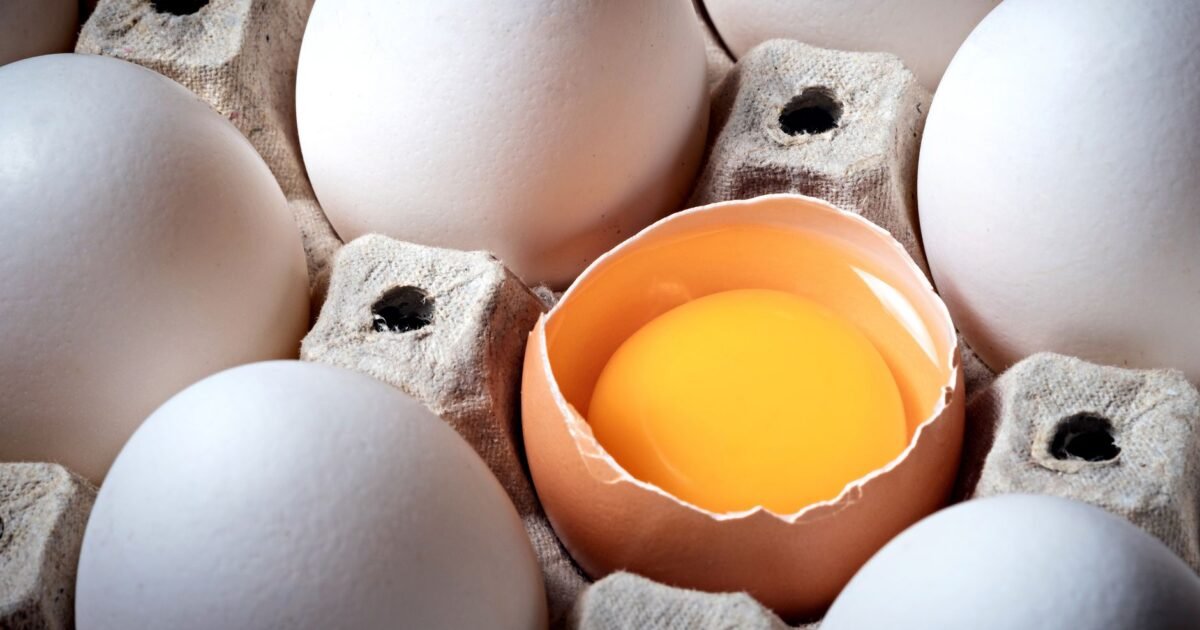
Eggs: Nature’s Perfect Protein
Often hailed as “nature’s perfect protein,” eggs are an incredibly nutritious and affordable option for muscle builders.
- Protein Content: Approximately 6 grams per large egg.
- Why it’s great:
- Bioavailability: Eggs have the highest protein digestibility-corrected amino acid score (PDCAAS), meaning their protein is incredibly well-utilized by the body.
- Complete Protein: All essential amino acids are present in optimal ratios.
- Nutrient Powerhouse: The yolk contains healthy fats, vitamins A, D, E, K, and B vitamins, as well as choline, vital for brain health.
- Cost-Effective: One of the most affordable high-quality protein sources available.
- Versatile: Boiled, scrambled, poached, fried, or in omelets – the possibilities are endless.
- Tips: Don’t fear the yolk! While it contains cholesterol, dietary cholesterol has less impact on blood cholesterol for most healthy individuals than previously thought.
Salmon and Fatty Fish: Omega-3 Powerhouses
Beyond being excellent protein sources, fatty fish like salmon, mackerel, and trout offer a unique advantage due to their high omega-3 fatty acid content.
- Protein Content: Around 20-25 grams per 100 grams (3.5 oz) serving.
- Why it’s great:
- Complete Protein: Provides all essential amino acids.
- Omega-3 Fatty Acids (EPA & DHA): Crucial for reducing inflammation, improving heart health, and potentially aiding muscle recovery and growth.
- Vitamin D: One of the few natural food sources of vitamin D, important for bone health and immune function.
- Selenium: An important antioxidant.
- Tips: Aim for 2-3 servings of fatty fish per week. Opt for wild-caught varieties when possible.
Greek Yogurt & Cottage Cheese: Dairy Delights for Muscle
These dairy products are not only delicious but also fantastic sources of protein, particularly casein, a slow-digesting protein.
- Protein Content:
- Greek Yogurt: 15-20 grams per 150-gram (5.3 oz) serving.
- Cottage Cheese: 11-14 grams per 100 grams (3.5 oz) serving.
- Why they’re great:
- Casein Protein: Digests slowly, providing a sustained release of amino acids, making them excellent choices for bedtime snacks to support overnight muscle recovery.
- Whey Protein: Also contains some whey protein, which is fast-acting.
- Calcium: Essential for bone health and muscle contraction.
- Probiotics (Greek Yogurt): Beneficial bacteria for gut health.
- Versatile: Can be eaten plain, with fruit, nuts, in smoothies, or as a savory snack.
- Tips: Choose plain, unsweetened varieties to avoid added sugars. Look for low-fat or non-fat options if managing fat intake.
Whey Protein Powder: The Convenient Muscle Booster
While technically a supplement, whey protein is derived from milk and is one of the most popular and effective protein sources for muscle building, offering unparalleled convenience.
<
>
- Protein Content: Typically 20-25 grams per scoop (approx. 25-30g powder).
- Why it’s great:
- Fast Absorption: Whey is rapidly digested, leading to a quick spike in amino acids in the bloodstream, ideal for post-workout recovery.
- High Leucine Content: Rich in leucine, the key amino acid for initiating MPS.
- Convenience: Easy to mix into shakes, smoothies, or even oatmeal, perfect for busy lifestyles or immediate post-workout needs.
- Types:
- Concentrate: Contains some lactose and fat, usually 70-80% protein.
- Isolate: Further processed to remove most lactose and fat, resulting in 90%+ protein.
- Hydrolysate: Partially pre-digested, even faster absorption, but often more expensive.
- Tips: Use it post-workout, between meals, or to boost the protein content of lower-protein meals. Always check the ingredient list for fillers or excessive added sugars.
The Best Plant-Based Protein Foods for Muscle Building
For those following vegetarian, vegan, or flexitarian diets, or simply looking to diversify their protein sources, the plant kingdom offers an abundance of nutrient-rich options. While many plant proteins are incomplete, strategic combinations can provide all the essential amino acids your muscles crave.
Legumes (Lentils, Black Beans, Chickpeas): Fiber-Rich Powerhouses
Legumes are incredibly versatile, affordable, and packed with both protein and fiber, making them excellent for satiety and gut health.
- Protein Content:
- Lentils: Approx. 9 grams per 100 grams (3.5 oz) cooked.
- Black Beans: Approx. 8 grams per 100 grams (3.5 oz) cooked.
- Chickpeas: Approx. 7 grams per 100 grams (3.5 oz) cooked.
- Why they’re great:
- Good Protein Source: While incomplete on their own (often low in methionine), they pair well with grains like rice to form a complete protein.
- High in Fiber: Supports digestive health, satiety, and blood sugar regulation.
- Complex Carbohydrates: Provide sustained energy for workouts.
- Micronutrients: Rich in iron, folate, magnesium, and potassium.
- Affordable: Very budget-friendly.
- Tips: Combine with whole grains like brown rice or quinoa to ensure a complete amino acid profile. Soak and cook dried beans to reduce cooking time and improve digestibility, or use canned for convenience.
Tofu & Tempeh: Soy-Based Complete Proteins
These soy-based products are superstars in the plant-based protein world, offering complete protein and incredible versatility.
- Protein Content:
- Tofu: Approx. 8-10 grams per 100 grams (3.5 oz) (firm/extra-firm).
- Tempeh: Approx. 19-20 grams per 100 grams (3.5 oz).
- Why they’re great:
- Complete Protein: Both tofu and tempeh provide all essential amino acids.
- Tempeh’s Fermentation: Tempeh is fermented, which can enhance digestibility and nutrient absorption, and also contains probiotics.
- Versatile: Tofu can be pressed and marinated to absorb flavors, used in stir-fries, scrambles, or baked dishes. Tempeh has a firmer texture and nutty flavor, great for grilling or crumbling.
- Isoflavones: Soy contains isoflavones, plant compounds that may offer health benefits.
- Tips: Press tofu to remove excess water for a firmer texture and better flavor absorption. Look for organic, non-GMO soy products.
Quinoa: The Ancient Grain with Complete Protein
Quinoa stands out among grains for its impressive nutritional profile, especially its complete protein content.
- Protein Content: Approx. 8 grams per cup (185g) cooked.
- Why it’s great:
- Complete Protein: One of the few plant-based foods that provides all nine essential amino acids.
- High in Fiber: Promotes digestive health and satiety.
- Gluten-Free: Suitable for those with gluten sensitivities.
- Micronutrients: Good source of magnesium, iron, zinc, potassium, and B vitamins.
- Tips: Use as a base for salads, a side dish, or even in breakfast bowls. Rinse thoroughly before cooking to remove saponins, which can impart a bitter taste.
Edamame: The Green Bean Snack
These immature soybeans are a delightful and nutritious snack or addition to meals, offering a convenient source of complete protein.
- Protein Content: Approx. 11 grams per 100 grams (3.5 oz) shelled.
- Why it’s great:
- Complete Protein: Provides all essential amino acids.
- Good Source of Fiber: Supports digestive health.
- Vitamins & Minerals: Contains folate, vitamin K, manganese, and iron.
- Convenient: Easy to steam or boil and eat straight from the pod.
- Tips: Keep a bag in your freezer for a quick, healthy snack or to toss into stir-fries and salads.
Nuts & Seeds: Small But Mighty
While higher in fat, nuts and seeds are excellent sources of protein, healthy fats, fiber, and micronutrients. They make great snacks or additions to meals.
- Protein Content (per 28g/1 oz serving):
- Almonds: 6 grams
- Peanuts (technically a legume): 7 grams
- Pistachios: 6 grams
- Chia Seeds: 5 grams
- Hemp Seeds: 10 grams
- Flax Seeds: 5 grams
- Why they’re great:
- Protein & Healthy Fats: Provide a good balance of protein and monounsaturated/polyunsaturated fats, including omega-3s in some seeds (chia, flax, hemp).
- Fiber: Aids digestion and satiety.
- Micronutrients: Rich in vitamin E, magnesium, zinc, and selenium.
- Convenient: Perfect for snacking, adding to oatmeal, salads, or smoothies.
- Tips: Opt for raw or dry-roasted unsalted varieties. Be mindful of portion sizes due to their high caloric density.
Seitan: The Wheat Meat
Seitan, often called “wheat meat,” is a highly concentrated source of plant-based protein, made from wheat gluten.
- Protein Content: Approx. 25 grams per 100 grams (3.5 oz).
- Why it’s great:
- Very High Protein: One of the highest protein plant-based foods.
- Complete Protein: Provides all essential amino acids.
- Meat-like Texture: Its chewy, savory texture makes it an excellent meat substitute in many dishes.
- Versatile: Can be grilled, fried, baked, or used in stews and stir-fries.
- Tips: Avoid if you have celiac disease or gluten sensitivity. Marinate well to enhance flavor.
Plant-Based Protein Powders: Convenient Vegan Boost
Similar to whey, plant-based protein powders offer a convenient way to boost protein intake, especially for vegans or those with dairy allergies.
- Protein Content: Typically 20-25 grams per scoop.
- Why they’re great:
- Convenience: Easy to mix into shakes, smoothies, or baking.
- Variety of Sources: Common types include pea protein, rice protein, hemp protein, and soy protein. Many blends combine these to create a complete amino acid profile.
- Allergen-Friendly: Excellent alternative for those avoiding dairy or other common allergens.
- Tips: Look for blends that combine different plant proteins (e.g., pea and rice) to ensure a complete amino acid profile. Check for third-party testing to ensure purity and quality.
Optimizing Your Protein Intake for Maximum Muscle Growth
Simply eating protein isn’t enough; how you structure your intake can significantly impact your results. Let’s explore strategies to optimize your protein consumption.
Calculating Your Daily Protein Target
As discussed, aiming for 1.6 to 2.2 grams of protein per kilogram of body weight is a solid target for muscle building. To calculate:
- Convert your weight to kilograms: Pounds / 2.2 = Kilograms.
- Multiply by the target range: Kilograms * 1.6 to 2.2 = Daily protein grams.
Example: A 180 lb (81.6 kg) individual might aim for 81.6 kg * 2.0 g/kg = 163 grams of protein per day.
Don’t obsess over hitting an exact number every single day, but use this as a guideline to ensure you’re consistently consuming enough.
Protein Distribution Throughout the Day
Instead of consuming a massive amount of protein in one or two meals, aim to spread your intake evenly across 3-5 meals or snacks. This ensures a steady supply of amino acids to your muscles, supporting continuous MPS and preventing periods of muscle protein breakdown. Aim for roughly 20-40 grams of protein per meal, depending on your total daily target.
Pre- and Post-Workout Protein: The “Anabolic Window” Revisited
While the concept of a very narrow “anabolic window” immediately post-workout has been broadened, consuming protein around your training sessions is still highly beneficial.
- Pre-Workout: Consuming protein 1-3 hours before your workout can help prime your muscles with amino acids, reducing muscle damage and supporting recovery. A combination of protein and complex carbohydrates is ideal.
- Post-Workout: While not as critical to consume within 30 minutes as once thought, having protein (especially fast-digesting like whey) within 1-2 hours after your workout is still excellent for initiating rapid muscle repair and growth.
The most important factor is your total daily protein intake, but strategically timing some of it around your workouts can provide an extra edge.
Protein at Bedtime: Fueling Overnight Recovery
Consuming a slow-digesting protein like casein (found in cottage cheese or Greek yogurt, or as a casein protein powder) before bed can be highly beneficial. Casein forms a gel in your stomach, leading to a sustained release of amino acids over several hours while you sleep. This helps to prevent muscle protein breakdown and promotes overnight muscle repair and growth, making your sleep even more anabolic.
<

>
Combining Proteins for Complete Amino Acid Profiles (Especially for Plant-Based Diets)
For those relying heavily on plant-based proteins, understanding complementary proteins is key. Most plant proteins are “incomplete,” meaning they lack one or more essential amino acids. However, by combining different plant sources throughout the day, you can easily achieve a complete amino acid profile. Examples include:
- Grains (e.g., rice) + Legumes (e.g., beans) = Rice and beans (lacking lysine in rice, methionine in beans, but together they complete the profile).
- Nuts/Seeds + Legumes
- Hummus (chickpeas) + Whole-wheat pita
You don’t necessarily need to combine them in the same meal, but ensuring variety in your plant-based protein sources throughout the day will cover all your bases.
Don’t Forget Hydration and Fiber
While protein is paramount, remember that your body needs adequate hydration for all metabolic processes, including muscle protein synthesis. Drink plenty of water throughout the day. Additionally, a high-protein diet, especially one rich in animal proteins, can sometimes lead to digestive issues if fiber intake is low. Ensure you’re consuming plenty of fruits, vegetables, and whole grains to support gut health and overall well-being.
Common Myths and Misconceptions About Protein
The world of nutrition is rife with myths. Let’s clear up some common misconceptions about protein and muscle building.
Myth: “Too much protein is bad for your kidneys.”
Reality: This is one of the most persistent myths. For healthy individuals with normal kidney function, there is no scientific evidence to suggest that a high-protein diet (even up to 2.2-3.4 g/kg body weight) causes kidney damage. Studies show that the kidneys adapt to higher protein loads without adverse effects. However, if you have pre-existing kidney disease, a high-protein diet could potentially exacerbate the condition, so always consult a doctor.
Myth: “Only animal protein builds muscle.”
Reality: While animal proteins are complete and often more readily absorbed, plant-based proteins can absolutely build muscle. With careful planning and combining complementary proteins, vegans and vegetarians can achieve excellent muscle growth. Many successful plant-based athletes are testament to this fact.
Myth: “You need massive amounts of protein to get big.”
Reality: There’s a point of diminishing returns. While 1.6-2.2 g/kg is effective, consuming significantly more (e.g., 3-4 g/kg) doesn’t necessarily lead to more muscle growth and can just be excess calories. Focus on hitting your target consistently, rather than overdoing it.
Myth: “All protein powders are equal.”
Reality: Protein powders vary widely in source (whey, casein, soy, pea, rice, hemp), processing, and added ingredients (sugars, artificial sweeteners, fillers). Research the brand, check the ingredient list, and choose a powder that aligns with your dietary needs and preferences. Look for third-party tested products for quality assurance.
Myth: “Protein will make women bulky.”
Reality: Protein is essential for muscle growth in everyone, but muscle hypertrophy is primarily driven by resistance training and hormonal factors (like testosterone). Women naturally have much lower testosterone levels than men, making it very difficult to become “bulky” simply by eating protein and lifting weights. Protein will help women build lean muscle, which contributes to a toned physique, increased metabolism, and strength.
Sample Meal Plan Ideas for Muscle Building
To help you visualize how to incorporate these protein powerhouses into your diet, here are some sample meal ideas:
Breakfast
- Option 1 (Animal-based): Scrambled eggs (3-4 large) with spinach and whole-wheat toast, topped with a slice of avocado.
- Option 2 (Dairy-based): Greek yogurt (1 cup) with a scoop of whey protein mixed in, topped with berries and a sprinkle of hemp seeds.
- Option 3 (Plant-based): Oatmeal (1 cup cooked) mixed with pea protein powder (1 scoop), topped with almond butter and sliced banana.
Lunch
- Option 1 (Animal-based): Large chicken breast salad with mixed greens, colorful vegetables, a light vinaigrette, and a side of quinoa.
- Option 2 (Plant-based): Lentil and vegetable soup with a side of whole-grain bread and hummus.
- Option 3 (Mixed): Tuna salad (made with Greek yogurt instead of mayo) on whole-wheat bread, with a side of baby carrots.
Dinner
- Option 1 (Animal-based): Baked salmon fillet with roasted
Photo by Dee Dave on Pexels