Meal Planning for Weight Loss: Your Ultimate Guide to a Leaner, Healthier You
Embarking on a weight loss journey can feel like navigating a complex maze, with countless diets, conflicting advice, and the constant temptation of unhealthy choices. But what if there was a simple, powerful strategy that could cut through the confusion, save you time and money, and consistently steer you towards your goals? Enter meal planning. For anyone serious about shedding unwanted pounds and transforming their health, mastering the art of meal planning for weight loss isn’t just a helpful tip – it’s an absolute game-changer.
At GetLeanPulse.com, we understand that sustainable weight loss isn’t about deprivation; it’s about smart choices, consistency, and building habits that last a lifetime. This comprehensive guide will demystify the process of meal planning, equipping you with the knowledge, tools, and confidence to create a personalized, effective strategy that fits your lifestyle. From understanding the core principles of weight loss to step-by-step instructions for building your weekly plan, and advanced tips for long-term success, we’ve got you covered. Get ready to take control of your plate and unlock the leaner, healthier version of yourself you’ve been striving for.
Why Meal Planning is Your Weight Loss Secret Weapon
Before we dive into the “how-to,” let’s solidify the “why.” Understanding the profound benefits of meal planning will empower you to commit to this powerful strategy. It’s more than just organizing your food; it’s about optimizing your entire weight loss ecosystem.
Saves Time and Money
Think about it: how much time do you spend each week wondering what to cook, making last-minute grocery runs, or waiting for takeout? Meal planning centralizes your food decisions. You shop once, prep efficiently, and have healthy meals ready to go. This drastically reduces spontaneous, expensive, and often unhealthy food purchases. By planning, you buy only what you need, reducing food waste and making your grocery budget go further.
Reduces Decision Fatigue and Impulse Eating
Willpower is a finite resource. Every day, you make hundreds of decisions, from what to wear to how to tackle your workload. When it comes to food, relying solely on willpower in the moment of hunger is a recipe for disaster. When you’re tired, stressed, or ravenous, the allure of quick, convenient (and often unhealthy) options is incredibly strong. Meal planning removes this daily struggle. Your healthy choices are already made, prepared, and waiting for you, significantly reducing the chance of impulse eating or reaching for high-calorie, low-nutrient foods.
Provides Structure and Consistency
Weight loss thrives on consistency. Eating regular, balanced meals helps stabilize blood sugar levels, preventing energy crashes and intense cravings. A structured meal plan ensures you’re feeding your body consistently with the right nutrients, rather than skipping meals and overeating later, or grazing mindlessly throughout the day. This predictability helps your metabolism function more efficiently and fosters a sense of control over your eating habits.
Ensures Nutritional Balance
Many fad diets focus on extreme restrictions, often leading to nutrient deficiencies. Meal planning, when done correctly, is an opportunity to ensure you’re consuming a wide array of macronutrients (protein, carbohydrates, fats) and micronutrients (vitamins, minerals). By consciously selecting ingredients, you can build meals that are rich in fiber, lean protein, healthy fats, and complex carbohydrates – all essential for satiety, energy, and overall health while in a calorie deficit.
Helps Track Calories and Macros with Precision
At its core, weight loss is about consuming fewer calories than you burn. While not everyone needs to count every single calorie forever, having an accurate understanding of your intake is crucial, especially in the initial stages. Meal planning makes this process infinitely easier. Once you’ve planned your meals, you can accurately calculate their nutritional content, allowing you to stay within your target calorie range and hit your desired macronutrient ratios without constant guesswork.
Boosts Confidence and Motivation
There’s immense satisfaction in knowing you’re proactively working towards your goals. Each successfully prepped meal, each healthy choice made simple by your plan, reinforces positive habits and builds confidence. Seeing tangible progress, both on the scale and in your energy levels, becomes a powerful motivator to continue on your journey.
The Foundational Principles of Weight Loss
Before you even think about specific recipes, it’s vital to understand the bedrock principles upon which all successful weight loss strategies are built. Your meal plan must align with these fundamentals.
The Golden Rule: Calorie Deficit
This is non-negotiable. To lose weight, you must consistently consume fewer calories than your body burns. Your body then turns to stored fat for energy. No matter how “clean” or “healthy” your food choices are, if you’re eating more calories than you expend, you won’t lose weight. A sustainable deficit is typically 300-500 calories below your Total Daily Energy Expenditure (TDEE).
Macronutrients: The Big Three
While calories are king for weight loss, the composition of those calories (i.e., your macronutrients) plays a critical role in how you feel, your satiety, and the quality of weight you lose (muscle vs. fat).
- Protein: Absolutely essential for weight loss. Protein is highly satiating, meaning it keeps you feeling full for longer, reducing cravings. It also has a higher thermic effect (meaning your body burns more calories digesting it) and, crucially, helps preserve lean muscle mass while you’re in a calorie deficit. Aim for 0.8-1 gram of protein per pound of target body weight.
- Carbohydrates: Your body’s primary energy source. Focus on complex carbohydrates (whole grains, fruits, vegetables) which provide sustained energy and fiber, rather than refined carbs which lead to blood sugar spikes and crashes. Carbs fuel your workouts and daily activities.
- Fats: Essential for hormone production, nutrient absorption, and overall health. Healthy fats (monounsaturated and polyunsaturated) are calorie-dense but crucial for satiety and well-being. Don’t fear fats, but be mindful of portion sizes.
Micronutrients: The Unsung Heroes
Vitamins and minerals, though needed in smaller quantities, are vital for thousands of bodily functions, including metabolism, energy production, and immune health. A nutrient-dense meal plan, rich in fruits, vegetables, and whole foods, ensures you’re getting these essential micronutrients, supporting your body’s ability to thrive even in a deficit.
Hydration: Often Overlooked, Always Important
Water is critical for every physiological process, including metabolism. Dehydration can be mistaken for hunger, leading to unnecessary snacking. Drinking plenty of water helps with satiety, aids digestion, and keeps your energy levels up. Aim for at least 8 glasses (2 liters) a day, more if you’re active.
Portion Control: The Practical Application
Even with the healthiest foods, overeating can derail your progress. Learning to accurately estimate and control portion sizes is a skill that will serve you well throughout your weight loss journey. This doesn’t necessarily mean weighing everything forever, but becoming mindful of what a true serving looks like.
Before You Begin: Essential Prep Steps
Successful meal planning isn’t just about cooking; it’s about preparation. Taking these preliminary steps will lay a solid foundation for your weight loss journey.
1. Assess Your Current Habits and Goals
Before you change anything, understand where you’re starting from. For a few days, honestly track everything you eat and drink. This helps identify patterns, common pitfalls (e.g., late-night snacking, excessive sugar), and your current calorie intake. Then, clearly define your weight loss goals:
- Specific: “I want to lose 15 pounds.”
- Measurable: “I will weigh myself weekly.”
- Achievable: Aim for a healthy and sustainable rate of 1-2 pounds per week.
- Relevant: Why is this goal important to you?
- Time-bound: “I want to lose 15 pounds in 10-15 weeks.”
2. Calculate Your Calorie Needs for a Deficit
This is where the science meets the plate. You need to know how many calories your body burns (TDEE) and then subtract a sustainable deficit.
- Calculate your Basal Metabolic Rate (BMR): This is the number of calories your body burns at rest. Use an online calculator (e.g., Mifflin-St Jeor equation).
- Estimate your Total Daily Energy Expenditure (TDEE): Multiply your BMR by an activity factor (sedentary, lightly active, moderately active, very active, extra active). Again, online calculators are your friend here.
- Determine your Calorie Deficit: To lose 1-2 pounds per week, you need a deficit of 500-1000 calories per day (1 pound of fat is approximately 3500 calories). For most people, a 300-500 calorie deficit is sustainable and effective. So, your target daily calorie intake will be TDEE – (300 to 500 calories).
Remember, these are estimates. You’ll need to monitor your progress and adjust if you’re not seeing results.
3. Determine Your Macronutrient Ratios
While not strictly necessary for everyone, understanding macro ratios can optimize your meal plan for satiety and muscle preservation. Common starting points for weight loss include:
- Higher Protein: 30-40% of calories from protein.
- Moderate Carbs: 30-40% of calories from complex carbohydrates.
- Moderate Fats: 20-30% of calories from healthy fats.
For example, if your target is 1800 calories:
- Protein (35%): 1800 * 0.35 = 630 calories / 4 calories per gram = 157.5g protein.
- Carbs (35%): 1800 * 0.35 = 630 calories / 4 calories per gram = 157.5g carbs.
- Fats (30%): 1800 * 0.30 = 540 calories / 9 calories per gram = 60g fat.
4. Identify Your Food Preferences and Dietary Restrictions
A meal plan you hate is a meal plan you won’t stick to. Make a list of:
- Foods you love: Healthy ingredients you genuinely enjoy.
- Foods you dislike: Don’t force yourself to eat broccoli if you despise it (find another green!).
- Allergies or intolerances: Gluten, dairy, nuts, etc.
- Dietary preferences: Vegetarian, vegan, keto, paleo, etc. (though our focus here is on a balanced approach).
- Time constraints: How much time do you realistically have for cooking each day/week?
5. Stock Your Pantry and Kitchen Essentials
A well-stocked kitchen is key to efficient meal prep. Before your first big shop, check your pantry for staples:
- Dry Goods: Oats, quinoa, brown rice, whole wheat pasta, lentils, beans.
- Spices & Herbs: A diverse range of spices can transform simple meals.
- Healthy Oils: Olive oil, avocado oil.
- Vinegars: Apple cider vinegar, balsamic.
- Canned Goods: Diced tomatoes, tuna, chicken broth, beans (low sodium).
- Freezer Staples: Frozen vegetables, frozen fruits, lean protein (chicken breast, fish).
Ensure you have basic kitchen tools: cutting boards, sharp knives, food storage containers (BPA-free, microwave-safe), measuring cups/spoons, and a kitchen scale (highly recommended for accuracy).

Step-by-Step Guide to Creating Your Weight Loss Meal Plan
Now that you have your foundation, let’s get into the practical steps of building your customized meal plan.
Step 1: Choose Your Planning Horizon
Decide how far in advance you want to plan and prep.
- Weekly (Most Common): Plan and prep for 7 days. This offers a good balance of variety and efficiency. You might cook on Sunday for the week ahead.
- Bi-Weekly: If you have a deep freezer and like even less frequent trips to the store, you can plan for two weeks. This requires more upfront effort.
- Daily: Not really “planning” but rather deciding on the fly, which defeats many of the benefits.
For most beginners, weekly planning is ideal. It allows for adjustments and keeps food fresh.
Step 2: Select Your Meals and Recipes
This is where your food preferences and calorie targets come together. Aim for simplicity, especially when starting.
- Focus on Whole, Unprocessed Foods: Base your meals around lean proteins, complex carbohydrates, healthy fats, and abundant vegetables.
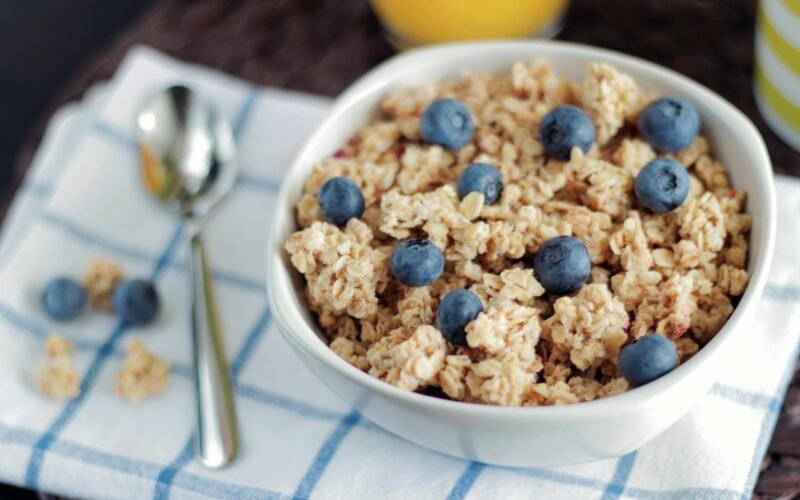
- Breakfast: Keep it simple and consistent. Examples: oatmeal with berries and protein powder, Greek yogurt with nuts, scrambled eggs with spinach.
- Lunch: Often where batch cooking shines. Think salads with grilled chicken, leftover dinner portions, hearty soups, or grain bowls.
- Dinner: This can be a bit more varied if you enjoy cooking. Focus on a lean protein source, a complex carb, and a generous serving of non-starchy vegetables.
- Snacks (Optional): If you need them to bridge hunger gaps, choose wisely: fruit, a handful of nuts, Greek yogurt, vegetable sticks with hummus, a hard-boiled egg. Plan 1-2 snacks if they fit your calorie goals.
- Choose Batch-Cooking Friendly Recipes: Look for recipes that are easy to double or triple, can be stored well, and taste good reheated. Think sheet pan meals, chili, stews, roasted chicken, cooked grains, and roasted vegetables.
- Balance Variety and Simplicity: You don’t need a different meal for every single eating occasion. Eating the same healthy breakfast and lunch for a few days can significantly simplify your prep. Vary dinners to keep things interesting.
Step 3: Build Your Weekly Grid
Grab a planner, a whiteboard, or a spreadsheet. Write out your meals for each day of the week. This visual representation is incredibly helpful.
Example Structure:
| Time | Monday | Tuesday | Wednesday | Thursday | Friday | Saturday | Sunday |
|---|---|---|---|---|---|---|---|
| Breakfast | Oatmeal w/berries & protein | Oatmeal w/berries & protein | Scrambled eggs w/spinach | Oatmeal w/berries & protein | Scrambled eggs w/spinach | Greek yogurt w/fruit & nuts | Protein pancakes |
| Lunch | Chicken & veggie bowl | Chicken & veggie bowl | Leftover chili | Tuna salad on whole wheat | Chicken & veggie bowl | Turkey sandwich w/side salad | Leftover roast chicken & veggies |
| Snack 1 | Apple & almonds | Greek yogurt | Hard-boiled egg | Apple & almonds | Greek yogurt | Carrot sticks & hummus | Protein shake |
| Dinner | Sheet Pan Chicken & Veggies | Sheet Pan Chicken & Veggies (leftovers) | Turkey Chili | Baked Salmon w/Quinoa & Asparagus | Lean Ground Beef Stir-fry | “Flex Meal” (planned restaurant or healthy takeout) | Roast Chicken w/Sweet Potato & Broccoli |
| Snack 2 | (If needed) | (If needed) | (If needed) | (If needed) | (If needed) | (If needed) | (If needed) |
As you fill this out, calculate the calories and macros for each meal using a food tracking app or website. Adjust portion sizes or ingredients to fit your daily targets. Don’t forget to account for cooking oils, sauces, and condiments!
Step 4: Create Your Shopping List
Once your grid is complete, go through each planned meal and list every single ingredient you need. Be meticulous. Then, categorize your list (produce, dairy, meat, pantry, frozen) to make your grocery trip efficient.
Pro Tip: Check your pantry and fridge first to avoid buying duplicates. Stick to your list at the store to avoid impulse buys.
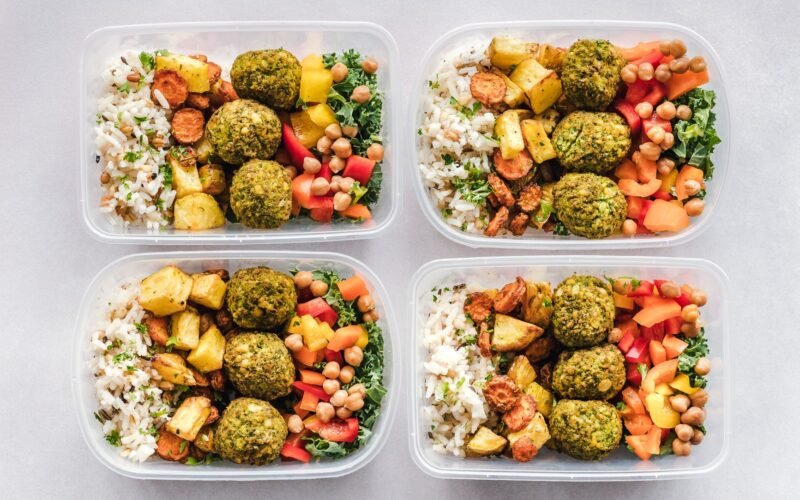
Step 5: Prep and Cook (The Power of Batch Cooking)
This is where the magic happens! Dedicate 2-3 hours on a specific day (e.g., Sunday afternoon) for your meal prep. This doesn’t mean cooking every meal from start to finish, but doing as much as possible to streamline your week.
- Wash and Chop: All your vegetables for the week. Store them in airtight containers.
- Cook Grains: Prepare a large batch of quinoa, brown rice, or oats.
- Cook Proteins: Grill, bake, or boil a large quantity of chicken breast, lean ground turkey, or roast a whole chicken. Cook a batch of hard-boiled eggs.
- Prepare Dressings/Sauces: Make your own healthy salad dressings or marinades.
- Assemble Meals: For some meals (like lunch bowls), you can fully assemble them into individual containers. For others, keep components separate to maintain freshness (e.g., dressing separate from salad greens).
- Portion Control: Use your food scale and measuring cups to accurately portion out your meals into your storage containers.
- Store Properly: Use airtight containers. Most prepped meals will last 3-4 days in the fridge. Freeze portions if you’ve cooked for longer than that.
Step 6: Track and Adjust
Meal planning isn’t a “set it and forget it” system. It requires ongoing attention.
- Log Your Food: Continue to use a food tracking app, even if you’ve planned everything. This helps you stay accountable and catch any deviations.
- Monitor Progress: Weigh yourself regularly (e.g., once a week, first thing in the morning). Take measurements (waist, hips, arms) monthly.
- Assess and Adjust: If you’re not losing weight, you might need to slightly reduce your calories or increase your activity. If you’re feeling constantly hungry or deprived, you might need to increase protein/fiber or slightly increase calories. Don’t be afraid to tweak your plan based on how you feel and the results you’re seeing.
- Flexibility: Life happens. If a social event comes up, adjust your other meals that day or week to accommodate. Don’t let one deviation derail your entire plan.
Key Components of a Successful Weight Loss Meal Plan
To ensure your meal plan is both effective for weight loss and supportive of overall health, focus on incorporating these essential food groups.
Lean Proteins: Your Satiety Powerhouse
Protein is paramount for weight loss. It helps you feel full, supports muscle growth and repair, and has a higher thermic effect of food (meaning your body expends more energy digesting it). Aim to include a source of lean protein at every meal and most snacks.
- Poultry: Chicken breast, turkey breast (skinless).
- Fish and Seafood: Salmon (rich in omega-3s), cod, tilapia, shrimp, tuna (canned in water).
- Eggs: Whole eggs or egg whites.
- Lean Red Meat: Sirloin, tenderloin, 90%+ lean ground beef (in moderation).
- Dairy: Greek yogurt (plain, unsweetened), cottage cheese, skim milk.
- Legumes: Lentils, chickpeas, black beans (excellent plant-based options).
- Plant-based: Tofu, tempeh, edamame, seitan, protein powder (whey, casein, soy, pea).
Complex Carbohydrates: Sustained Energy & Fiber
Carbohydrates are your body’s preferred energy source. The key is to choose complex, whole-grain options that provide sustained energy, fiber, and essential nutrients, avoiding refined sugars and simple carbs that lead to energy crashes and cravings.
- Whole Grains: Oats, quinoa, brown rice, whole wheat bread/pasta, barley, farro.
- Starchy Vegetables: Sweet potatoes, corn, peas, butternut squash.
- Fruits: Berries, apples, bananas, oranges (consume whole for fiber).
- Legumes: (also listed under protein, as they are versatile).
Healthy Fats: Essential for Hormones and Satiety
Don’t fear fat, but choose wisely and mind your portions. Healthy fats are crucial for hormone production, nutrient absorption, and contributing to satiety, preventing you from feeling deprived.
- Monounsaturated Fats: Avocados, olive oil, nuts (almonds, cashews, pecans), seeds (pumpkin, sesame).
- Polyunsaturated Fats: Fatty fish (salmon, mackerel), flaxseeds, chia seeds, walnuts, sunflower oil.
- Saturated Fats: Limit intake from animal products (butter, red meat fat); small amounts from coconut oil can be part of a balanced diet.
Abundant Vegetables and Fruits: Fiber, Vitamins, and Volume
These are your best friends for weight loss. They are generally low in calories, high in fiber (which promotes fullness), and packed with essential vitamins, minerals, and antioxidants. Aim to fill at least half of your plate with non-starchy vegetables at every meal.
- Non-Starchy Vegetables: Broccoli, spinach, kale, bell peppers, zucchini, cucumber, lettuce, green beans, asparagus, cauliflower, mushrooms, tomatoes, onions.
- Fruits: All fruits are good, but berries, apples, and citrus fruits are particularly great choices due to their fiber and antioxidant content.
Hydration: The Foundation of Well-being
Water is often overlooked but plays a crucial role in metabolism, satiety, and overall health. Staying well-hydrated can also help you distinguish between true hunger and thirst.
- Water: Aim for at least 8-10 glasses (2-2.5 liters) per day.
- Herbal Tea: Unsweetened herbal teas can count towards your fluid intake.
- Coffee: Black coffee (in moderation) can be included, but remember it’s a diuretic.
Mindful Snacking: Smart Choices Between Meals
If you need snacks, plan them carefully to avoid overeating and to keep your energy levels stable. Focus on nutrient-dense options that provide protein and/or fiber.
- Greek yogurt with a few berries.
- A handful of almonds or walnuts.
- Apple slices with a tablespoon of natural peanut butter.
- Vegetable sticks (carrots, celery, bell peppers) with hummus.
- Hard-boiled egg.
- A small piece of fruit.
Advanced Strategies & Tips for Long-Term Success
Once you’ve mastered the basics, these strategies will help you optimize your meal plan and ensure sustainable weight loss and maintenance.
Embrace Flexibility: The 80/20 Rule
No one is perfect, and expecting perfection is a recipe for failure. The 80/20 rule suggests that if you stick to your meal plan 80% of the time, allowing for some flexibility or treats 20% of the time, you’re more likely to succeed long-term. This prevents burnout and feelings of deprivation, making your healthy eating sustainable.
Learn to Read Food Labels
Becoming an educated consumer is powerful. Pay attention to serving sizes, calories, sugar content, unhealthy fats (trans fats, excessive saturated fats), and sodium. Choose products with minimal ingredients and recognizable whole foods.
Master Portion Control
This is arguably one of the most critical skills for weight loss and maintenance. While a food scale is excellent for accuracy, also learn visual cues:
- Deck of Cards: About one serving of protein (e.g., chicken, fish).
- Fist: About one serving of complex carbohydrates (e.g., rice, pasta) or starchy vegetables.
- Cupped Hand: About one serving of nuts or seeds.
- Thumb Tip: About one teaspoon of oil or butter.
Practice measuring until these visual cues become second nature.
Plan for Dining Out and Social Events
Eating out doesn’t have to derail your progress. Research menus online beforehand to identify healthier options. Don’t be afraid to ask for modifications (dressing on the side, double vegetables instead of fries, grilled instead of fried). If you know you’ll be having a larger meal out, adjust your other meals that day to be lighter.
Stay Hydrated Beyond Just Water
While water is king, explore unsweetened teas (green, black, herbal), sparkling water with lemon/lime, or even homemade infused water (cucumber and mint) to keep things interesting without adding calories.
Don’t Fear Leftovers – Embrace Them!
Leftovers are your best friend for convenience. Cooking a larger dinner portion to have for lunch the next day is a prime example of efficient meal planning. Just ensure you store them safely and reheat them properly.
Incorporate Flavor with Herbs and Spices
Healthy eating doesn’t have to be bland. Utilize a wide array of herbs and spices to add depth and flavor to your meals without adding significant calories. Garlic, onion, chili flakes, cumin, turmeric, basil, oregano, rosemary – the possibilities are endless and many have additional health benefits.
Listen to Your Body: Hunger and Fullness Cues
Beyond the plan, cultivate mindfulness around your eating. Learn to distinguish between true physical hunger and emotional hunger. Eat slowly, savor your food, and stop when you are comfortably full, not stuffed. This internal wisdom is invaluable for long-term success.
Address Emotional Eating Triggers
Food is often tied to emotions. Identify your triggers for emotional eating (stress, boredom, sadness) and develop alternative coping mechanisms that don’t involve food (e.g., going for a walk, calling a friend, journaling, meditating, reading).
Seek Support and Accountability
Share your meal planning goals with a supportive friend or family member. Join an online community or forum. Having someone to check in with, share tips, or even meal prep with can significantly boost your motivation and accountability.
Keep a Food Journal (Beyond Calorie Tracking)
A food journal can be a powerful tool for self-reflection. Beyond calories, note how certain foods make you feel, your energy levels, your mood, and any digestive issues. This helps you fine-tune your meal plan to what truly works best for your unique body.
Common Meal Planning Mistakes to Avoid
Even with the best intentions, it’s easy to fall into common traps. Being aware of these can help you sidestep them.
Being Too Restrictive Too Soon
Drastically cutting out all your favorite foods or attempting an overly strict diet from day one
Photo by Kampus Production on Pexels