Best Protein Foods for Muscle Building: The Ultimate Guide
Welcome to GetLeanPulse.com, your trusted source for evidence-based fitness and nutrition advice. If you’re on a mission to build muscle, you’ve undoubtedly heard that protein is paramount. But beyond the general advice, what are the best protein foods for muscle building, and how can you strategically incorporate them into your diet to maximize your gains?
Building muscle is a sophisticated biological process that requires a combination of effective resistance training, adequate rest, and, critically, a consistent supply of high-quality protein. Protein isn’t just a macronutrient; it’s the fundamental building block of muscle tissue. Without sufficient protein, your body lacks the raw materials to repair damaged muscle fibers and synthesize new ones, essentially hindering your progress, no matter how hard you train.
This comprehensive guide will dive deep into the world of protein, exploring the science behind its role in muscle growth, the optimal amounts you need, and a detailed breakdown of the absolute best animal-based and plant-based protein sources. We’ll equip you with the knowledge to make informed dietary choices, debunk common myths, and provide practical strategies for optimizing your protein intake around the clock. Whether you’re a seasoned bodybuilder, a casual gym-goer, or just starting your fitness journey, understanding and prioritizing the right protein foods is a game-changer for achieving a stronger, more muscular physique.
The Science Behind Protein and Muscle Growth
To truly appreciate the importance of protein, it’s essential to understand the biological mechanisms through which it contributes to muscle development. It’s not just about eating more; it’s about understanding what your body does with that protein.
How Protein Builds Muscle
At a cellular level, your muscles are constantly undergoing a dynamic process of breakdown and repair. When you engage in resistance training, you create microscopic tears in your muscle fibers. This damage is a necessary stimulus for growth. Your body then initiates a repair process, and if sufficient protein is available, it not only repairs the damaged fibers but also adds new contractile proteins, leading to an increase in muscle size and strength – a process known as muscle hypertrophy.
The key to this process lies in amino acids. Proteins are long chains of these smaller organic compounds. When you consume protein, your digestive system breaks it down into individual amino acids, which are then absorbed into your bloodstream and transported to your muscles. These amino acids act as the raw building blocks for muscle protein synthesis (MPS).
There are 20 different amino acids, but not all are created equal in the context of muscle building. Nine of these are classified as “essential amino acids” (EAAs), meaning your body cannot produce them and you must obtain them through your diet. Among the EAAs, three are particularly critical for muscle protein synthesis: leucine, isoleucine, and valine, collectively known as Branched-Chain Amino Acids (BCAAs). Leucine, in particular, acts as a potent signaling molecule, directly triggering the MPS pathway.
A “complete protein” is one that contains all nine essential amino acids in sufficient quantities. Most animal-based proteins are complete proteins. “Incomplete proteins,” typically found in plant sources, lack one or more essential amino acids. However, by combining various plant-based proteins, you can easily achieve a complete amino acid profile throughout the day.
For muscle growth to occur, the rate of muscle protein synthesis (MPS) must exceed the rate of muscle protein breakdown (MPB). Resistance training stimulates MPS, but it also increases MPB. Consuming adequate protein, especially complete proteins rich in EAAs, provides the necessary amino acids to tip the balance in favor of MPS, leading to net muscle gain.
How Much Protein Do You Need?
Determining your optimal protein intake is crucial for maximizing muscle growth and recovery. While general dietary guidelines might suggest a lower protein intake, active individuals, particularly those engaged in resistance training, have significantly higher requirements.
Current scientific consensus, supported by numerous studies, recommends a daily protein intake ranging from 1.6 to 2.2 grams per kilogram of body weight (or approximately 0.7 to 1 gram per pound of body weight) for individuals looking to build muscle. For example, a person weighing 180 pounds (approx. 82 kg) would aim for roughly 126 to 180 grams of protein per day.
Several factors can influence your individual protein needs:
- Activity Level: The more intense and frequent your workouts, the higher your protein requirements for repair and growth.
- Training Goals: If you’re in a caloric surplus (bulking phase), protein helps maximize lean mass gains. If you’re in a caloric deficit (cutting phase), a higher protein intake (often at the upper end of the recommended range, or even slightly higher, e.g., 2.3-3.1 g/kg) is crucial for preserving muscle mass while losing fat.
- Age: Older adults may require slightly more protein to counteract age-related muscle loss (sarcopenia) and maintain muscle mass, often benefiting from the higher end of the recommended spectrum.
- Body Composition: Protein needs are often calculated based on lean body mass rather than total body weight, especially for individuals with higher body fat percentages, to avoid overestimating requirements.
Beyond the total daily intake, the timing and distribution of protein can also play a role. While the concept of a rigid “anabolic window” immediately post-workout has been nuanced by research, it’s still beneficial to consume protein relatively soon after training (within 1-3 hours). More importantly, spreading your protein intake evenly throughout the day, aiming for 20-40 grams per meal (or about 0.25-0.4 g/kg per meal), seems to be more effective for continuously stimulating MPS than consuming large amounts in just one or two sittings. This strategy ensures a steady supply of amino acids to your muscles, maximizing their anabolic potential.

Top Animal-Based Protein Sources
Animal-based proteins are renowned for their complete amino acid profiles and high bioavailability, making them exceptionally effective for muscle building. They are often considered the gold standard due to their richness in essential amino acids, particularly leucine, which is crucial for initiating muscle protein synthesis.
Chicken Breast
Chicken breast is a quintessential staple in any muscle-building diet, and for good reason. It’s incredibly lean, versatile, and an excellent source of high-quality protein.
- Nutritional Profile: A 4-ounce (about 113g) serving of boneless, skinless chicken breast provides approximately 30-35 grams of protein with minimal fat (usually less than 3 grams). It’s a complete protein, boasting all essential amino acids. Beyond protein, chicken breast is a good source of B vitamins (niacin, B6, B12), which are vital for energy metabolism and nervous system function, as well as phosphorus and selenium, important minerals for bone health and antioxidant defense.
- Benefits for Muscle Building: Its leanness means you can consume a substantial amount of protein without adding excessive calories or saturated fat, which is particularly advantageous during cutting phases. The high protein content directly supports muscle repair and growth, while B vitamins help convert food into energy for your workouts.
- Incorporation Tips: Chicken breast is incredibly versatile. Grill it, bake it, shred it for salads or tacos, stir-fry it, or add it to soups and stews. Marinades are your friend for adding flavor and moisture without excess fat. Always aim for fresh, good-quality chicken, and consider organic or free-range options if your budget allows.
Lean Beef
Red meat, particularly lean cuts of beef, offers a powerful combination of protein and essential micronutrients that are invaluable for muscle growth and overall health.
- Nutritional Profile: A 4-ounce (113g) serving of lean beef (e.g., sirloin, flank, round) can provide 25-30 grams of high-quality, complete protein. What sets beef apart is its rich micronutrient profile. It’s one of the best dietary sources of heme iron, which is highly bioavailable and crucial for oxygen transport in the blood and muscles, thus impacting energy levels and workout performance. Beef also supplies significant amounts of zinc (important for immune function and testosterone production), selenium, and a full spectrum of B vitamins (B6, B12, riboflavin, niacin). Furthermore, lean beef naturally contains creatine, a compound that enhances ATP production, leading to improved strength and power during high-intensity exercise.
- Benefits for Muscle Building: The complete amino acid profile, especially high leucine content, directly supports MPS. Heme iron and B vitamins combat fatigue and support energy production, allowing for more intense and productive workouts. The natural creatine content can provide an edge in strength and power output.
- Incorporation Tips: Choose lean cuts like sirloin, flank steak, round steak, or extra-lean ground beef (90% lean or higher). Grill, broil, or pan-fry your steaks. Ground beef can be used in chili, tacos, or lean burgers. While red meat offers immense benefits, moderation is key, and pairing it with plenty of vegetables ensures a balanced meal.
Eggs
Often dubbed “nature’s perfect protein,” eggs are a nutritional powerhouse that should be a staple in any muscle-builder’s diet.
- Nutritional Profile: One large egg contains approximately 6 grams of high-quality protein, along with all nine essential amino acids, making it a complete protein with a high biological value (meaning your body efficiently uses its protein). The protein is split between the white (around 3.6g) and the yolk (around 2.7g). The yolk is also packed with vital nutrients like choline (crucial for brain health and fat metabolism), vitamin D (important for bone health and immune function), B vitamins, and healthy fats.
- Benefits for Muscle Building: The complete amino acid profile ensures optimal MPS. The nutrients in the yolk, particularly choline, play a role in fat transport and muscle control. Vitamin D supports overall health and may even have a role in testosterone levels. Eggs are also incredibly satiating, helping manage appetite.
- Incorporation Tips: Eggs are incredibly versatile and affordable. Enjoy them scrambled, poached, boiled, or as an omelet. You can also use egg whites for a purely protein-focused meal with minimal fat and calories, but don’t shy away from whole eggs to reap the benefits of the yolk’s micronutrients.
Dairy Products
Dairy products offer a fantastic blend of high-quality protein, calcium, and other beneficial nutrients. The two primary proteins in dairy, whey and casein, have distinct properties that make them useful for different purposes.
Whey Protein
- Nutritional Profile: Whey protein is a fast-digesting protein derived from milk during the cheesemaking process. It’s exceptionally rich in BCAAs, especially leucine. Depending on the type, a single scoop (approx. 25-30g) can provide 20-25 grams of protein.
- Concentrate: Contains some lactose and fat, 70-80% protein.
- Isolate: Further processed to remove most lactose and fat, 90%+ protein. Ideal for those with lactose sensitivity.
- Hydrolysate: Pre-digested, fastest absorption, but often more expensive.
- Benefits for Muscle Building: Its rapid digestion and high leucine content make whey protein ideal for post-workout recovery, quickly delivering amino acids to muscles to kickstart MPS. It’s also convenient for boosting protein intake at any time.
- Incorporation Tips: Mix with water or milk for a quick shake. Add to smoothies, oatmeal, or even bake with it to increase protein content.
Casein Protein
- Nutritional Profile: Casein is another milk protein, but unlike whey, it digests slowly. It forms a gel-like substance in the stomach, leading to a sustained, trickle-feed release of amino acids into the bloodstream over several hours. A typical serving provides 20-25 grams of complete protein.
- Benefits for Muscle Building: Its slow digestion makes it excellent for preventing muscle protein breakdown during prolonged periods without food, such as overnight sleep. It can contribute to a positive net protein balance over a longer duration.
- Incorporation Tips: Best consumed before bed as a shake, or found naturally in cottage cheese and Greek yogurt.
Greek Yogurt
- Nutritional Profile: Greek yogurt is a concentrated form of regular yogurt, with much of the whey strained out. This results in a thicker, creamier product with significantly more protein. A 6-ounce (170g) serving can contain 15-20 grams of protein, along with calcium, vitamin D (if fortified), and beneficial probiotics for gut health.
- Benefits for Muscle Building: It provides a good mix of both whey and casein proteins, offering both immediate and sustained amino acid release. The probiotics support gut health, which can indirectly aid nutrient absorption and overall well-being. Calcium is crucial for bone health, which is essential for supporting muscle attachments.
- Incorporation Tips: Enjoy it plain or with fruit and nuts for breakfast or a snack. Use it as a base for savory dips or as a healthier alternative to sour cream.
Cottage Cheese
- Nutritional Profile: Cottage cheese is a soft, fresh cheese curd that is predominantly casein protein. A half-cup (113g) serving can provide 12-15 grams of protein, along with calcium and phosphorus. It’s available in various fat percentages (non-fat, low-fat, full-fat).
- Benefits for Muscle Building: Its high casein content makes it an excellent slow-digesting protein source, similar to casein powder, ideal for sustained amino acid release, particularly before bed.
- Incorporation Tips: Eat it plain, with fruit, or mixed into savory dishes. It’s a simple, affordable, and effective protein source.
Fish and Seafood
Fish and seafood are not only excellent sources of lean protein but also provide unique health benefits, particularly from their omega-3 fatty acid content, which can support overall health and recovery.
Salmon
- Nutritional Profile: Salmon is a fatty fish renowned for its high omega-3 fatty acid content (EPA and DHA), along with being an exceptional source of complete protein. A 4-ounce (113g) serving of cooked salmon typically offers 25-30 grams of protein and a significant amount of vitamin D, B vitamins (B12, niacin), and selenium.
- Benefits for Muscle Building: The high-quality protein supports MPS. Omega-3s are powerful anti-inflammatory agents, which can aid in recovery from intense workouts, reduce muscle soreness, and support cardiovascular health. Vitamin D is essential for bone health and may play a role in muscle function.
- Incorporation Tips: Bake, grill, or pan-sear salmon. It pairs wonderfully with roasted vegetables or a quinoa salad. Aim for wild-caught salmon when possible for higher omega-3 content.
Tuna
- Nutritional Profile: Tuna is a lean, convenient, and affordable protein source. A 4-ounce (113g) serving of canned tuna (in water, drained) can deliver around 30-35 grams of complete protein with very little fat. It’s also a good source of B vitamins, selenium, and phosphorus.
- Benefits for Muscle Building: Its high protein content makes it an easy way to meet daily protein goals, especially when time is limited. The leanness is beneficial for those monitoring fat intake.
- Incorporation Tips: Canned tuna is excellent in salads, sandwiches, or mixed with Greek yogurt for a high-protein spread. Fresh tuna steaks can be grilled or seared. Be mindful of mercury content with frequent consumption; opt for “light” tuna (skipjack) over “white” (albacore) for lower mercury levels.
Cod/Tilapia
- Nutritional Profile: Cod and tilapia are incredibly lean white fish, offering a substantial amount of protein with almost no fat. A 4-ounce (113g) serving provides approximately 20-25 grams of complete protein. They are also good sources of B vitamins, phosphorus, and selenium.
- Benefits for Muscle Building: Their extreme leanness makes them an excellent choice for individuals in a caloric deficit or those looking to maximize protein intake without adding fat. They are easily digestible and provide a complete amino acid profile.
- Incorporation Tips: These mild-flavored fish are very versatile. Bake, steam, or pan-sear them. They absorb flavors well, making them perfect for seasoning with herbs, spices, or a squeeze of lemon.
Excellent Plant-Based Protein Sources
For those following vegetarian, vegan, or flexitarian diets, or simply looking to diversify their protein intake, the plant kingdom offers a vast array of nutrient-dense protein sources. While many individual plant proteins are “incomplete” (lacking one or more essential amino acids), combining them throughout the day or even in the same meal can easily provide a complete amino acid profile necessary for optimal muscle protein synthesis.
Legumes
Legumes are a cornerstone of plant-based diets, offering an impressive combination of protein, fiber, and complex carbohydrates.
Lentils and Beans
- Nutritional Profile: A single cup (about 200g) of cooked lentils provides around 18 grams of protein and a whopping 16 grams of fiber. Cooked black beans offer about 15 grams of protein and 15 grams of fiber per cup, while chickpeas (garbanzo beans) provide around 15 grams of protein and 13 grams of fiber per cup. They are also rich in folate, iron, magnesium, potassium, and B vitamins. While incomplete on their own (often low in methionine), they are easily complemented by grains.
- Benefits for Muscle Building: The protein content directly supports muscle repair. Their high fiber content aids digestion, promotes satiety, and helps regulate blood sugar. The complex carbohydrates provide sustained energy for workouts. Iron is crucial for oxygen transport.
- Incorporation Tips: Add lentils to soups, stews, or make lentil “meat” loaf. Beans are fantastic in chili, tacos, salads, or pureed into dips. Combine with whole grains like rice to form a complete protein meal (e.g., rice and beans).
Soy Products
- Nutritional Profile: Soy is one of the few plant-based sources considered a complete protein, containing all nine essential amino acids.
- Tofu: A 4-ounce (113g) serving of firm tofu provides approximately 10-12 grams of protein, along with calcium and iron.
- Tempeh: A fermented soy product, tempeh often provides even more protein than tofu, with about 15-20 grams per 4-ounce serving, plus probiotics.
- Edamame: Whole, immature soybeans. One cup (160g) of shelled edamame contains around 18 grams of protein and 8 grams of fiber.
- Benefits for Muscle Building: As a complete protein, soy directly supports MPS. Its versatility allows for easy incorporation into various meals. Fermented forms like tempeh also offer gut-healthy probiotics. Concerns about phytoestrogens in soy have largely been debunked by scientific research for healthy individuals consuming moderate amounts; it does not typically negatively impact testosterone or muscle growth.
- Incorporation Tips: Tofu can be pressed, marinated, and baked, fried, or scrambled. Tempeh is excellent crumbled into stir-fries, chilis, or seasoned as “bacon.” Edamame makes a perfect high-protein snack or addition to salads.
Quinoa
Quinoa, often mistaken for a grain, is actually a seed that functions as a pseudo-cereal and stands out as a unique plant-based protein source.
- Nutritional Profile: One cup (185g) of cooked quinoa provides about 8 grams of protein, 5 grams of fiber, and a good amount of complex carbohydrates. Crucially, quinoa is one of the few plant foods that is a complete protein, containing all nine essential amino acids. It’s also rich in magnesium, phosphorus, manganese, and iron.
- Benefits for Muscle Building: Its complete protein profile makes it an excellent choice for muscle repair and growth, especially for plant-based diets. The complex carbohydrates offer sustained energy for workouts, and the fiber aids digestion and satiety.
- Incorporation Tips: Use quinoa as a base for grain bowls, salads, or as a side dish instead of rice. It cooks quickly and has a slightly nutty flavor.
Nuts and Seeds
Nuts and seeds are calorie-dense powerhouses, offering a good amount of protein, healthy fats, fiber, and an array of micronutrients. While they shouldn’t be your sole protein source due to their calorie density, they are excellent for boosting overall protein and nutrient intake.
- Nutritional Profile:
- Almonds: 6 grams of protein per ounce (28g).
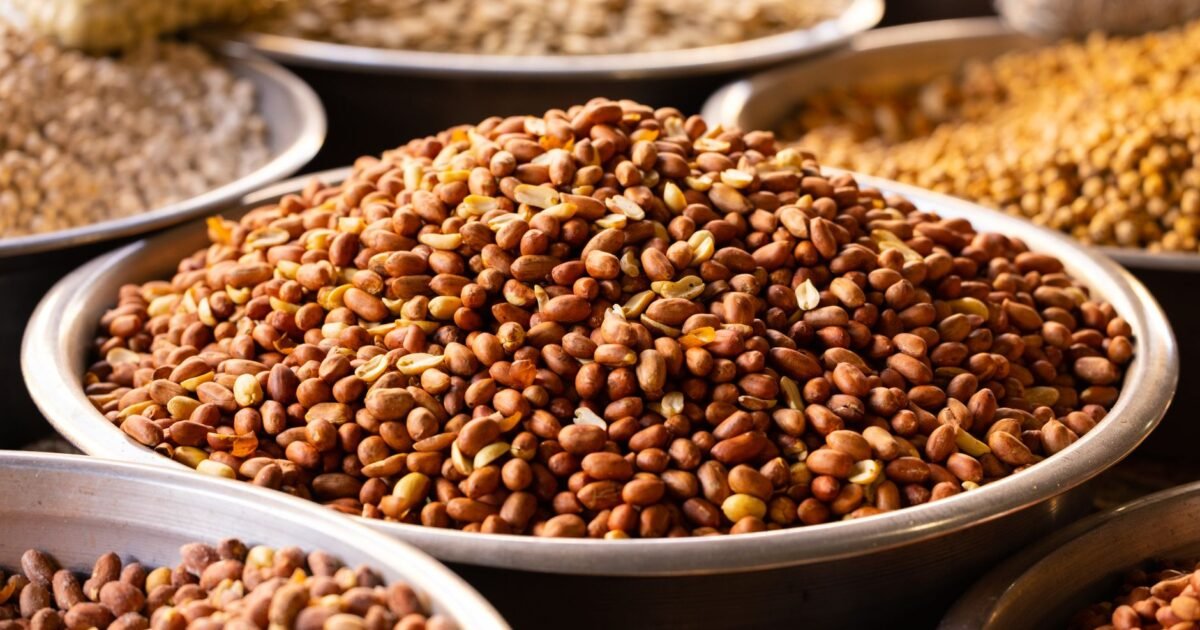
- Peanuts (technically a legume): 7 grams of protein per ounce.
- Walnuts: 4 grams of protein per ounce, rich in omega-3s.
- Chia Seeds: 5 grams of protein and 10 grams of fiber per ounce, plus omega-3s.
- Hemp Seeds: 10 grams of protein per 3 tablespoons, a complete protein, also rich in omega-3s.
They are also packed with healthy monounsaturated and polyunsaturated fats, fiber, vitamin E, magnesium, and zinc.
- Benefits for Muscle Building: The protein contributes to daily intake. Healthy fats are important for hormone production and overall health, while omega-3s in certain seeds (chia, hemp, flax) offer anti-inflammatory benefits, aiding recovery. Fiber helps with satiety and digestion.
- Incorporation Tips: Add nuts to oatmeal, yogurt, salads, or eat as a snack. Sprinkle seeds over smoothies, salads, or use them in baking. Nut butters are also a convenient way to get protein and healthy fats. Remember portion control due to their high calorie density.
Whole Grains
While primarily known for their carbohydrate content, many whole grains also contribute a significant amount of protein, especially when consumed in larger portions throughout the day. They should be seen as complementary protein sources rather than primary ones.
- Nutritional Profile:
- Oats: Half a cup (40g dry) provides about 5-6
Photo by Engin Akyurt on Pexels
- Oats: Half a cup (40g dry) provides about 5-6