Boost Your Metabolism Naturally: The Ultimate Guide to Fat-Burning Foods
Welcome to GetLeanPulse.com, your trusted resource for sustainable health and fitness. Today, we’re diving deep into a topic central to weight management and overall vitality: your metabolism. Often misunderstood and sometimes frustratingly slow, your metabolism is the engine that drives every process in your body, from breathing to digesting food and converting calories into energy. While genetics play a role, you have significant power to influence your metabolic rate through strategic lifestyle choices – and perhaps the most delicious strategy involves the foods you eat.
Imagine a metabolism that efficiently burns calories, keeps your energy levels high, and supports your weight loss goals without relying on restrictive diets or fleeting fads. This isn’t a pipe dream; it’s an achievable reality when you understand how certain foods interact with your body’s metabolic machinery. This comprehensive guide will unveil the science behind metabolism-boosting foods, break down the most effective ingredients, and provide practical tips to incorporate them into your daily diet for lasting results.
Get ready to transform your plate into a powerful tool for a faster, more efficient metabolism. Let’s unlock your body’s natural fat-burning potential!
What Exactly Is Metabolism and Why Does It Matter?
Before we explore the foods, let’s establish a clear understanding of metabolism itself. In simple terms, metabolism is the sum of all chemical processes that occur in your body to maintain life. These processes allow your body to convert the food you eat into energy, build and repair cells, and eliminate waste products. Your metabolic rate refers to how quickly your body performs these tasks, specifically how many calories it burns over a given period.
Several key components make up your total daily energy expenditure (TDEE):
- Basal Metabolic Rate (BMR): This is the number of calories your body burns at rest to perform basic functions like breathing, circulation, and cell production. It accounts for about 60-75% of your TDEE.
- Thermic Effect of Food (TEF): This is the energy your body expends to digest, absorb, and metabolize the nutrients from the food you eat. It typically accounts for about 10% of your TDEE.
- Non-Exercise Activity Thermogenesis (NEAT): This includes the calories burned through all non-exercise movements, such as walking, fidgeting, standing, and even talking.
- Exercise Activity Thermogenesis (EAT): This is the energy expended during structured physical activity.
When we talk about “boosting metabolism,” we primarily focus on increasing your BMR and TEF, as these are the most consistent contributors to calorie burning. A higher metabolic rate means your body burns more calories throughout the day, even at rest, which is a significant advantage for weight management and energy levels.
Factors Influencing Your Metabolic Rate
While food is a powerful lever, it’s important to acknowledge other factors that influence your metabolism:
- Age: Metabolism naturally slows with age, primarily due to muscle mass loss.
- Gender: Men generally have higher metabolic rates than women due to greater muscle mass.
- Body Composition: Muscle tissue burns more calories at rest than fat tissue. More muscle equals a higher BMR.
- Genetics: Your genes play a role in determining your natural metabolic speed.
- Thyroid Function: The thyroid gland produces hormones that regulate metabolism. Dysfunction can significantly impact metabolic rate.
- Sleep and Stress: Poor sleep and chronic stress can disrupt hormones that regulate metabolism and appetite.
Understanding these factors provides a holistic view, but our focus today remains on the incredible impact of nutrition.
How Do Foods Boost Metabolism? The Science Explained
Foods don’t magically “burn fat” in isolation, but they can significantly influence your metabolic rate through several mechanisms:
- Thermic Effect of Food (TEF): As mentioned, your body uses energy to process food. Different macronutrients have varying TEFs. Protein has the highest TEF, meaning your body expends more energy digesting protein than carbohydrates or fats.
- Nutrient Density: Foods rich in vitamins, minerals, and antioxidants support optimal cellular function, including metabolic pathways. Deficiencies can slow down these processes.
- Specific Compounds: Certain compounds found in foods, like capsaicin in chili peppers, EGCG in green tea, and caffeine, have direct thermogenic effects, meaning they stimulate heat production and calorie burning.
- Hormonal Regulation: Some foods help regulate hormones like insulin, leptin, and ghrelin, which play crucial roles in metabolism, appetite, and fat storage.
- Muscle Preservation/Growth: Protein-rich foods are essential for building and maintaining muscle mass, which directly increases your BMR.
- Fiber Content: Fiber adds bulk to food, promoting satiety and slowing digestion, which can help regulate blood sugar and prevent energy crashes that lead to overeating.
By strategically choosing foods that leverage these mechanisms, you can create a metabolic environment that favors efficient calorie burning and fat loss.
The Powerhouse Proteins: Building Blocks for a Faster Metabolism
If there’s one macronutrient that reigns supreme for metabolism boosting, it’s protein. Its high TEF means you burn more calories just by eating it. Furthermore, protein is vital for muscle repair and growth, and as we know, more muscle equals a higher resting metabolic rate.
Lean Meats: Your Metabolic Allies
- Chicken Breast and Turkey: These are classic lean protein sources. They are low in fat and packed with amino acids necessary for muscle synthesis. Aim for skinless options.
- Lean Beef: Opt for cuts like sirloin, round, or tenderloin. Lean beef is not only rich in protein but also an excellent source of iron, which is crucial for oxygen transport and energy production.
Why they work: High protein content directly boosts TEF. Provides essential amino acids for muscle maintenance and growth. Iron supports energy metabolism.
Fish: Omega-3s and Protein Power
- Salmon: A fantastic source of both high-quality protein and omega-3 fatty acids (EPA and DHA). Omega-3s have anti-inflammatory properties and may play a role in metabolic health.
- Tuna: Lean and protein-packed, especially light tuna in water.
- Cod and Tilapia: Very lean white fish options, offering substantial protein with minimal fat.
Why they work: Excellent protein source for TEF and muscle. Omega-3s in fatty fish contribute to overall metabolic health and reduce inflammation, which can hinder metabolism.
Eggs: The Complete Package
Often called nature’s multivitamin, eggs are a perfect protein source. One large egg contains about 6 grams of high-quality protein and all nine essential amino acids. The yolk also contains choline, a nutrient important for fat metabolism.
Why they work: Complete protein for high TEF and muscle support. Choline aids in fat metabolism. Studies show eggs can increase satiety, leading to reduced calorie intake later in the day.
Legumes: Plant-Based Protein & Fiber Marvels
- Lentils, Black Beans, Chickpeas: These plant-based powerhouses are rich in both protein and soluble fiber. The combination is a metabolic win.
Why they work: Protein boosts TEF and muscle. Fiber promotes satiety, helps regulate blood sugar, and supports a healthy gut microbiome, which can indirectly influence metabolism.
Dairy: Calcium, Protein, and Probiotics
- Greek Yogurt: Contains significantly more protein than regular yogurt, making it excellent for TEF and satiety. Look for plain, unsweetened varieties to avoid added sugars.
- Cottage Cheese: Another protein-rich dairy product, also a good source of casein protein, which digests slowly and provides a sustained release of amino acids.
- Milk: A good source of protein and calcium. Some studies suggest calcium may play a role in fat metabolism, though more research is needed.
Why they work: High protein content. Calcium may have a role in fat metabolism. Probiotics in yogurt support gut health, which is increasingly linked to metabolic function.
Spice Up Your Life: Thermogenic Spices and Herbs
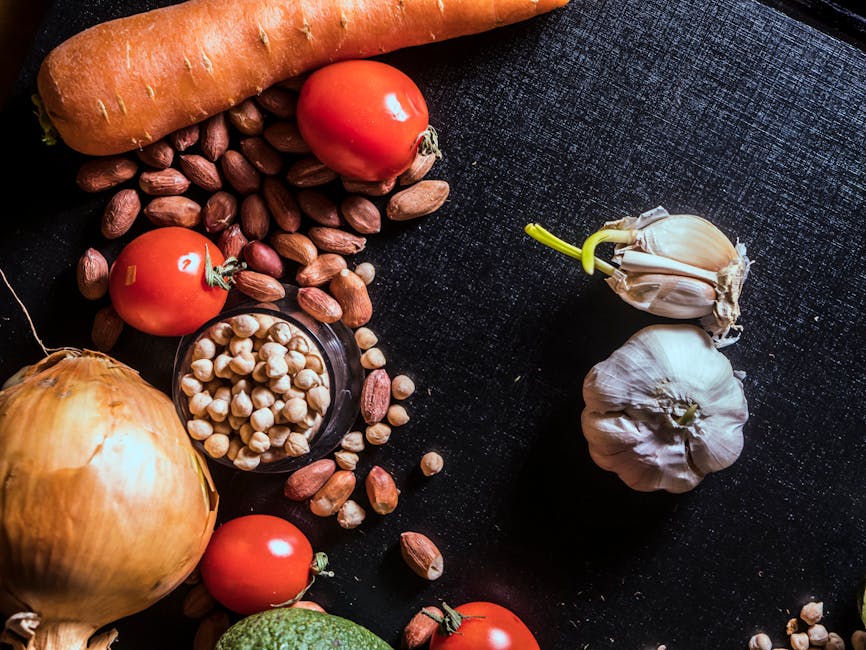
Don’t underestimate the power of your spice rack! Many common spices and herbs contain compounds that can directly stimulate thermogenesis, helping your body burn more calories.
Chili Peppers (Capsaicin): Igniting Your Internal Fire
The fiery heat you feel from chili peppers like cayenne, jalapeños, and habaneros comes from a compound called capsaicin. Capsaicin has been extensively studied for its metabolism-boosting effects.
How it works: Capsaicin activates specific receptors (TRPV1) in your body, leading to a temporary increase in body temperature and energy expenditure. It also promotes fat oxidation and may reduce appetite. Some research suggests it can shift fat storage towards burning rather than accumulation.
How to use: Add fresh or dried chili peppers to stir-fries, soups, eggs, or sprinkle cayenne pepper into your morning smoothie or on roasted vegetables.
Ginger: More Than Just a Flavor Enhancer
This pungent root is renowned for its anti-inflammatory and digestive benefits, but it also has mild thermogenic properties. Gingerol, the active compound in ginger, may increase calorie expenditure and reduce feelings of hunger.
How it works: Ginger has been shown to increase the thermic effect of food and may help stabilize blood sugar levels. Its anti-inflammatory properties can also support overall metabolic health.
How to use: Grate fresh ginger into teas, stir-fries, dressings, or add it to smoothies.
Cinnamon: Sweet Spice with Metabolic Benefits
Cinnamon is a beloved spice with a sweet, warming flavor. Beyond its culinary appeal, it’s known for its ability to help regulate blood sugar levels, which indirectly supports metabolism.
How it works: Cinnamon can improve insulin sensitivity, meaning your cells are better able to absorb glucose from the blood. This prevents spikes and crashes in blood sugar, which can lead to fat storage and energy dips. Stable blood sugar supports a more consistent metabolic rate.
How to use: Sprinkle cinnamon on oatmeal, yogurt, fruit, coffee, or add it to baked goods and curries.
Turmeric: The Golden Spice for Health
Turmeric, with its vibrant yellow hue, contains curcumin, a powerful antioxidant and anti-inflammatory compound. While not a direct thermogenic, its systemic benefits can positively impact metabolism.
How it works: Chronic inflammation can hinder metabolic processes and contribute to insulin resistance. Curcumin’s anti-inflammatory properties can help reduce this systemic inflammation, thereby supporting a healthier metabolic state. It may also play a role in fat cell regulation.
How to use: Add turmeric to curries, soups, scrambled eggs, or make a “golden milk” latte.
Black Pepper (Piperine): Enhancing Nutrient Absorption
Black pepper contains piperine, a compound that not only gives it its distinct flavor but also has mild thermogenic effects and, more importantly, enhances the bioavailability of other nutrients, like curcumin in turmeric.
How it works: Piperine can slightly increase energy expenditure. Its primary metabolic benefit, however, is its ability to improve the absorption of various nutrients and beneficial compounds, allowing your body to utilize them more effectively.
How to use: Use freshly ground black pepper generously in almost any savory dish. Always pair it with turmeric to maximize curcumin’s benefits.
Beverages That Rev Up Your Engine
What you drink can be just as impactful as what you eat when it comes to metabolism. Certain beverages offer direct metabolic boosts and crucial support for overall bodily function.
Green Tea: The Metabolic Elixir
Green tea is perhaps the most famous metabolism-boosting beverage, and for good reason. It’s packed with powerful antioxidants and two key compounds: caffeine and epigallocatechin gallate (EGCG).
How it works: Caffeine is a well-known stimulant that can temporarily increase metabolic rate and fat oxidation. EGCG, a catechin, is believed to enhance thermogenesis and fat burning by inhibiting an enzyme that breaks down norepinephrine, a neurotransmitter involved in metabolism. Together, caffeine and EGCG create a synergistic effect that can significantly boost calorie expenditure, particularly during exercise.
How to use: Drink 2-3 cups of unsweetened green tea daily. Matcha, a powdered form of green tea, offers an even more concentrated dose of EGCG.
Coffee: Your Morning Metabolic Kick
For many, coffee is an essential part of the morning routine. The caffeine in coffee is a potent stimulant that can directly impact your metabolic rate.
How it works: Caffeine stimulates the central nervous system, leading to increased alertness and a temporary rise in metabolic rate. It also promotes the breakdown of fat cells and the release of fatty acids into the bloodstream, making them available for energy. Studies show that caffeine can increase calorie expenditure by 3-11%.
How to use: Enjoy 1-2 cups of black coffee daily. Avoid excessive sugar and cream, which can negate the metabolic benefits and add unnecessary calories.
Water: The Unsung Hero of Metabolism
It might not be as glamorous as green tea or coffee, but water is absolutely fundamental to a healthy, efficient metabolism. Even mild dehydration can slow down metabolic processes.
How it works: Water is involved in every single metabolic reaction in your body, from nutrient transport to waste elimination. Studies have shown that drinking water can temporarily increase your resting energy expenditure. Cold water, in particular, may elicit a small thermogenic response as your body works to warm it up.
How to use: Aim for at least 8 glasses (about 2 liters) of water daily, more if you’re active. Drink a glass before meals to aid satiety and kickstart your metabolism.
Fiber-Rich Wonders: Keep Your Metabolism Humming
Fiber, a type of carbohydrate that your body can’t digest, plays a crucial role in metabolic health. It promotes satiety, helps regulate blood sugar, and supports a healthy gut microbiome, all of which contribute to an optimal metabolic rate.
Whole Grains: Sustained Energy Release
- Oats: A fantastic source of soluble fiber (beta-glucan), which slows digestion, stabilizes blood sugar, and keeps you feeling full.
- Quinoa: A complete protein (rare for a plant food) and a good source of fiber, providing sustained energy.
- Brown Rice: A complex carbohydrate with more fiber and nutrients than white rice, supporting steady energy levels.
Why they work: The fiber and complex carbohydrates in whole grains provide a steady release of energy, preventing blood sugar spikes and crashes that can lead to fat storage. Their complex structure requires more energy to digest than refined grains.
Fruits: Nature’s Sweet Metabolism Boosters
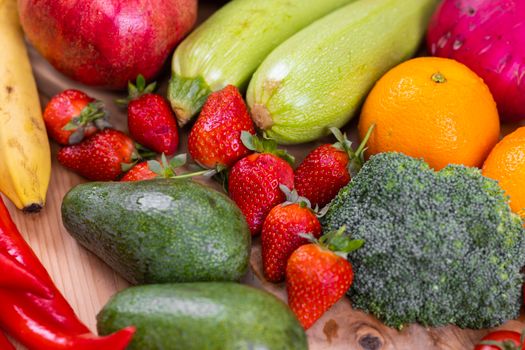
- Berries (Blueberries, Raspberries, Strawberries): Low in calories, high in fiber, and packed with antioxidants.
- Apples: Rich in soluble fiber, particularly pectin, which aids digestion and satiety.
- Citrus Fruits (Oranges, Grapefruit, Lemons): High in Vitamin C, which is essential for synthesizing carnitine, a molecule that helps transport fatty acids to be burned for energy. Grapefruit, in particular, has been linked to weight management, though the direct metabolic mechanism is still being studied.
Why they work: High fiber content promotes satiety and healthy digestion. Antioxidants reduce oxidative stress, supporting cellular function. Vitamin C is a co-factor in metabolic pathways.
Vegetables: Nutrient-Dense Metabolic Support
- Leafy Greens (Spinach, Kale, Broccoli Rabe): Low in calories, high in fiber, and packed with vitamins and minerals crucial for metabolic function (e.g., iron, B vitamins).
- Broccoli and Other Cruciferous Vegetables: Excellent sources of fiber and detoxifying compounds.
- Bell Peppers: High in Vitamin C and antioxidants.
Why they work: Very high nutrient density with minimal calories. Fiber promotes satiety and digestive health. Vitamins and minerals act as co-factors for countless metabolic enzymes.
Healthy Fats: Don’t Fear the Fat!
Contrary to outdated beliefs, healthy fats are essential for a well-functioning metabolism. They provide satiety, support hormone production, and some even have direct metabolic benefits. The key is choosing the right types of fat in moderation.
Avocado: The Creamy Powerhouse
Avocados are rich in monounsaturated fatty acids (MUFAs), which are heart-healthy and can promote satiety. They also contain fiber and numerous vitamins and minerals.
How it works: MUFAs help regulate blood sugar levels and can increase satiety, reducing overall calorie intake. The fiber content further aids in digestive health and blood sugar control.
How to use: Add avocado to salads, sandwiches, smoothies, or enjoy it as a guacamole dip.
Nuts and Seeds: Tiny But Mighty
- Almonds, Walnuts, Pecans: Provide healthy fats, protein, and fiber. Walnuts, in particular, are rich in omega-3s.
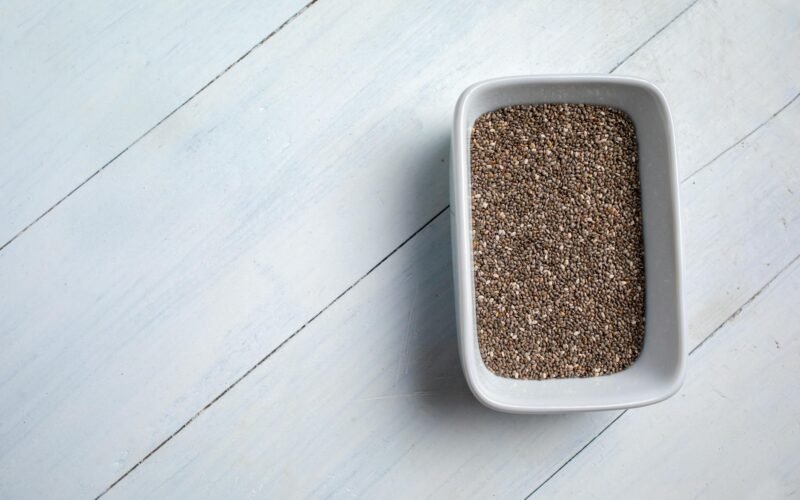
- Chia Seeds, Flaxseeds, Hemp Seeds: Excellent sources of omega-3s (ALA), fiber, and some protein.
Why they work: Healthy fats contribute to satiety and hormone balance. Protein and fiber further boost TEF and digestive health. Omega-3s reduce inflammation, supporting metabolic function.
Olive Oil: Liquid Gold for Your Metabolism
Extra virgin olive oil is another rich source of MUFAs and powerful antioxidants. It’s a cornerstone of the Mediterranean diet, known for its health benefits.
How it works: MUFAs in olive oil support heart health and can help regulate blood sugar. Its anti-inflammatory properties further contribute to overall metabolic well-being.
How to use: Use olive oil for salad dressings, drizzling over vegetables, or light sautéing.
MCTs (Medium-Chain Triglycerides): A Unique Fat
Found in foods like coconut oil, MCTs are metabolized differently than other fats. They are rapidly absorbed and transported directly to the liver, where they can be quickly converted into energy (ketones) rather than being stored as fat.
How it works: MCTs have a mild thermogenic effect and can increase feelings of fullness. While studies on coconut oil specifically are mixed due to its high saturated fat content, isolated MCT oil has shown promise in boosting metabolism and satiety.
How to use: A small amount of coconut oil can be used in cooking, or consider adding MCT oil to coffee or smoothies (start with small doses to avoid digestive upset).
Other Metabolism-Boosting Foods and Nutrients
Beyond the major categories, several specific nutrients and foods play vital roles in supporting your metabolic rate.
Iron-Rich Foods: Fueling Your Energy Production
Iron is an essential mineral involved in oxygen transport throughout the body. Without enough iron, your cells don’t get sufficient oxygen, leading to fatigue and a sluggish metabolism.
Key sources: Lean red meat, spinach, lentils, fortified cereals, oysters.
Why it works: Iron is crucial for hemoglobin production, which carries oxygen in the blood. Oxygen is vital for burning fat and converting calories into energy. An iron deficiency can significantly slow down your metabolism.
B Vitamins: The Metabolic Workhorses
The B vitamin complex (B1, B2, B3, B5, B6, B7, B9, B12) are co-enzymes involved in virtually every metabolic process, helping your body convert food into energy.
Key sources: Whole grains, eggs, leafy greens, lean meats, dairy, legumes.
Why they work: B vitamins are indispensable for carbohydrate, fat, and protein metabolism. Deficiencies can impair your body’s ability to efficiently extract energy from food, slowing down your overall metabolic rate.
Iodine: Thyroid’s Best Friend
Iodine is a trace mineral critical for the production of thyroid hormones (T3 and T4). These hormones regulate your metabolism, energy levels, and body temperature.
Key sources: Seaweed, cod, shrimp, dairy products, iodized salt.
Why it works: An underactive thyroid (hypothyroidism) due to iodine deficiency can severely slow down your metabolism, leading to weight gain and fatigue. Ensuring adequate iodine intake supports healthy thyroid function.
Calcium: More Than Just Bones
While primarily known for bone health, calcium may also play a role in metabolism, particularly fat metabolism.
Key sources: Dairy products (milk, yogurt, cheese), fortified plant milks, leafy greens (collard greens, kale).
Why it works: Some research suggests that adequate calcium intake, especially from dairy, might help the body metabolize fat more efficiently and increase fat excretion. However, the exact mechanisms and extent of its impact on metabolism are still areas of ongoing research.
Beyond Food: Holistic Strategies for a Thriving Metabolism
While diet is a cornerstone, a truly optimized metabolism is the result of a holistic approach that integrates several key lifestyle factors. Think of it as creating the perfect environment for your metabolism to flourish.
Regular Exercise: Build Muscle, Burn More
Exercise is paramount for boosting metabolism. Two types are particularly effective:
- Strength Training: Lifting weights or performing bodyweight exercises builds muscle mass. Since muscle tissue burns more calories at rest than fat tissue, increasing your muscle mass directly elevates your BMR. Aim for 2-3 sessions per week.
- High-Intensity Interval Training (HIIT): Short bursts of intense exercise followed by brief recovery periods can create an “afterburn effect” (EPOC – Excess Post-exercise Oxygen Consumption), where your body continues to burn calories at an elevated rate for hours after your workout.
Why it works: Directly increases calorie expenditure during and after exercise, and builds metabolically active tissue (muscle).
Adequate Sleep: The Unsung Metabolic Hero
In our busy lives, sleep is often the first thing to be sacrificed. However, chronic sleep deprivation can wreak havoc on your metabolism and hormones.
Why it works: Lack of sleep disrupts hunger-regulating hormones: it increases ghrelin (the hunger hormone) and decreases leptin (the satiety hormone). It also elevates cortisol (the stress hormone), which can promote fat storage, especially around the abdomen, and contribute to insulin resistance. Aim for 7-9 hours of quality sleep per night.
Stress Management: Taming the Cortisol Beast
Chronic stress, like lack of sleep, keeps your body in a constant state of “fight or flight,” leading to elevated cortisol levels.
Why it works: High cortisol levels can slow down metabolism, increase appetite (especially for sugary, fatty foods), and promote fat storage. Finding healthy ways to manage stress, such as meditation, yoga, spending time in nature, or hobbies, is crucial for metabolic health.
Consistent Meal Times: Regulating Your Internal Clock
Skipping meals or eating erratically can send mixed signals to your metabolism, making it less efficient.
Why it works: Eating regular, balanced meals helps stabilize blood sugar levels and prevents your body from thinking it needs to conserve energy (by slowing metabolism). It also helps manage hunger and prevents overeating later.
Hydration: Reiterate Water’s Importance
We’ve discussed it, but it bears repeating. Proper hydration is non-negotiable for metabolic health.
Why it works: All metabolic reactions require water. Dehydration can slow down your body’s processes, making it harder to burn calories efficiently. Staying hydrated also helps transport nutrients and remove waste products.
Crafting Your Metabolism-Boosting Meal Plan
Now that you know which foods to prioritize, let’s talk about how to integrate them into your daily life for maximum impact. The goal is to make these choices sustainable and enjoyable.
Practical Tips for Incorporation:
- Start with Protein: Ensure every meal and snack includes a lean protein source. This will maximize TEF and keep you feeling full.
- Embrace Fiber: Fill half your plate with non-starchy vegetables at lunch and dinner. Choose whole grains over refined ones.
- Spice it Up: Experiment with chili, ginger, cinnamon, and turmeric in your cooking.
- Hydrate Smart: Keep a water bottle handy. Swap sugary drinks for green tea, black coffee, or infused water.
- Snack Wisely: Opt for metabolism-friendly snacks like Greek yogurt with berries, a handful of nuts, or an apple with almond butter.
- Cook at Home: This gives you full control over ingredients, allowing you to prioritize whole foods and limit added sugars, unhealthy fats, and excessive sodium.
- Plan Ahead: Meal prepping on weekends can ensure you have healthy, metabolism-boosting options readily available during busy weekdays.
Sample Metabolism-Boosting Meal Ideas:
- Breakfast: Oatmeal with berries, cinnamon, and a scoop of protein powder or a handful of nuts; or scrambled eggs with spinach and a sprinkle of cayenne pepper.
- Lunch: Large salad with grilled chicken/salmon, mixed greens, bell peppers, avocado, and a lemon-olive oil dressing; or lentil soup with a side of whole-grain bread.
- Dinner: Baked salmon with roasted broccoli and quinoa; or lean beef stir-fry with plenty of vegetables, ginger, and a light soy sauce.
- Snacks: Greek yogurt with a few almonds; an apple with a tablespoon of natural peanut butter; a handful of walnuts; green tea.
Remember, variety is key. Rotate your food choices to ensure you’re getting a wide array of nutrients and to prevent boredom. Listen to your body and adjust portions based on your activity level and hunger cues.
Common Myths and Misconceptions About Metabolism
The world of metabolism is rife with misinformation. Let’s debunk a few common myths:
- Myth: “Magic” Pills or Supplements Will Fix a Slow Metabolism. While some supplements might offer minor benefits, there’s no magic pill that will overhaul your metabolism without dietary and lifestyle changes. Many are unproven, expensive, and potentially harmful. Focus on whole foods first.
- Myth: Extreme Calorie Restriction Speeds Up Metabolism. This is the opposite of the truth. Severely restricting calories can signal to your body that food is scarce, causing it to slow down your metabolism to conserve energy. This is your body’s survival mechanism and can lead to muscle loss and frustrating weight plateaus.
- Myth: Eating Small, Frequent Meals is Always Better for Metabolism. While some people find this helpful for hunger management, the impact on metabolism compared to 3 balanced meals is often negligible. The total calories and quality of food matter more than the frequency. Find what works best for your hunger and schedule.
- Myth: Certain Foods Have “Negative Calories.” No food has negative calories. While some foods (like celery) are very low in calories and require a tiny bit of energy to digest, they still contribute positive calories. Focus on nutrient-dense, low-calorie foods.
The GetLeanPulse.com Philosophy: Sustainable Habits
At GetLeanPulse.com, we believe in building sustainable habits that lead to lasting health and fitness. Boosting your metabolism naturally through food is not about quick fixes; it’s about making informed choices consistently over time. It’s a journey that involves patience, commitment, and a willingness to understand and nourish your body.
You won’t see
Photo by wutthichai charoenburi on Pexels