
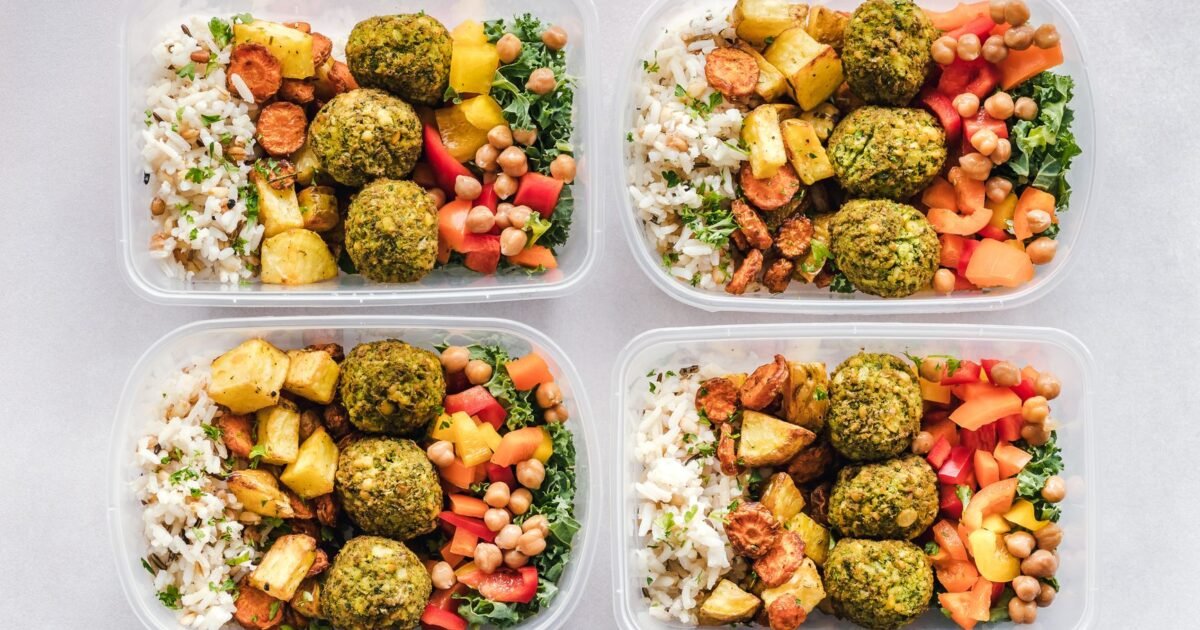
High Protein Meal Prep for Weight Loss: Your Ultimate Guide
Embarking on a weight loss journey can feel like navigating a complex maze, filled with conflicting advice and seemingly insurmountable obstacles. However, one of the most powerful and sustainable strategies you can adopt is the intelligent combination of high-protein nutrition and strategic meal preparation. At GetLeanPulse.com, we understand that achieving your weight loss goals requires more than just willpower; it demands a practical, sustainable plan that fits into your busy life. This comprehensive guide will equip you with everything you need to master high-protein meal prep for effective and lasting weight loss.
Imagine a week where every meal is accounted for, perfectly portioned, and packed with the nutrients your body needs to shed fat, build muscle, and sustain energy. No more last-minute unhealthy choices, no more expensive takeout, and no more guessing about your protein intake. That’s the transformative power of high-protein meal prep. We’re not just talking about bland chicken and broccoli; we’re talking about flavorful, diverse, and satisfying meals that make eating healthy a joy, not a chore. Let’s dive in and unlock the secrets to a leaner, healthier you.
The Power Duo: Protein & Meal Prep for Fat Loss
Before we delve into specific meal ideas and prep strategies, it’s crucial to understand why protein and meal preparation are such a formidable pair in the pursuit of weight loss. Individually, they offer significant benefits, but together, they create a synergy that accelerates fat loss, preserves muscle, and makes the entire process more manageable and enjoyable.
Why Protein is Your Weight Loss Ally
Protein is often hailed as the king of macronutrients for a good reason, especially when it comes to weight management. Its unique properties make it an indispensable tool in your fat loss arsenal:
- Increased Satiety and Reduced Appetite: Protein is renowned for its ability to keep you feeling fuller for longer. Studies consistently show that high-protein diets lead to greater satiety compared to diets rich in fats or carbohydrates. This is partly due to protein’s impact on hormones like ghrelin (the hunger hormone) and PYY (a satiety hormone), which help regulate appetite. By feeling satisfied, you’re less likely to succumb to cravings or overeat, naturally leading to a reduction in calorie intake.
- Boosted Metabolism (Thermic Effect of Food – TEF): Digestion and metabolism of food require energy. This is known as the Thermic Effect of Food (TEF). Protein has a significantly higher TEF than carbohydrates or fats. This means your body burns more calories breaking down and utilizing protein, giving your metabolism a slight but consistent boost throughout the day. While not a magic bullet, this metabolic advantage contributes to a greater overall calorie expenditure.
- Muscle Preservation During Calorie Deficit: When you’re in a calorie deficit (consuming fewer calories than you burn) to lose weight, there’s always a risk of losing not just fat, but also valuable muscle mass. Muscle is metabolically active tissue, meaning it burns more calories at rest than fat. A high protein intake is crucial for preserving muscle mass while you’re losing weight, ensuring that the majority of your weight loss comes from fat and maintaining a higher resting metabolic rate.
- Blood Sugar Control: Protein has a minimal impact on blood sugar levels compared to carbohydrates. By stabilizing blood sugar, protein helps prevent sharp spikes and crashes that can lead to energy dips and increased cravings, particularly for sugary foods. This steady energy supply keeps you feeling more balanced and less prone to impulsive eating.
The Undeniable Benefits of Meal Prepping
Meal prepping, at its core, is the act of preparing meals or components of meals in advance. While it might seem like an extra chore, the benefits for weight loss are profound and far-reaching:
- Time-Saving: The initial investment of time on a “prep day” (e.g., Sunday afternoon) saves you countless hours during the busy week. Instead of cooking every single meal from scratch, you simply grab and go, or reheat. This efficiency is a game-changer for those with demanding schedules.
- Cost-Effective: Eating out, ordering takeout, and making impulsive grocery store purchases add up quickly. Meal prepping allows you to buy ingredients in bulk, utilize sales, and minimize food waste, significantly reducing your weekly food budget.
- Portion Control: A common pitfall in weight loss is inaccurate portion sizing. When you meal prep, you can precisely measure and portion out your meals, ensuring you’re consuming the right amount of calories and macronutrients to align with your weight loss goals. This eliminates guesswork and promotes consistent progress.
- Reduces Unhealthy Choices: When hunger strikes and you haven’t planned ahead, the path of least resistance often leads to fast food, sugary snacks, or processed convenience meals. With prepped, healthy options readily available, you remove the temptation and make it easy to stick to your diet plan, even when time is tight or willpower is low.
- Stress Reduction: The mental load of constantly deciding what to eat, shopping for ingredients last minute, and cooking after a long day can be exhausting. Meal prepping alleviates this stress, freeing up mental energy and allowing you to focus on other aspects of your life.
Together, the satiety and metabolic boost from protein, combined with the convenience, control, and consistency of meal prep, create an environment where weight loss becomes not just possible, but highly probable and sustainable.
Laying the Foundation: Essential Meal Prep Principles
Successful high-protein meal prep for weight loss isn’t just about cooking a lot of food; it’s about strategic planning, smart shopping, and efficient execution. Here are the foundational principles to set you up for success.
Setting Realistic Goals
Before you even think about recipes, define what success looks like for you. Are you aiming to prep all meals for the week, or just lunches? Start small and build momentum. Consistency trumps perfection. If you try to do too much too soon, you’re more likely to get overwhelmed and give up. Understand that weight loss is a journey, not a sprint, and sustainable habits are built gradually.
While we won’t delve into specific calorie calculators here, it’s beneficial to have a general understanding of your daily calorie needs for weight loss. There are many online calculators that can provide an estimate based on your age, sex, weight, height, and activity level. Aim for a moderate calorie deficit (e.g., 300-500 calories below maintenance) for safe and sustainable weight loss. Your high-protein meals will naturally support this deficit by enhancing satiety.
The Golden Ratio: Macronutrients for Weight Loss
While our focus is on protein, a balanced diet includes all three macronutrients: protein, carbohydrates, and healthy fats. For weight loss, a typical distribution might look something like:
- Protein: 25-35% of total calories (or 0.7-1g per pound of target body weight)
- Carbohydrates: 35-45% of total calories (focus on complex carbs)
- Fats: 20-30% of total calories (focus on healthy unsaturated fats)
These are general guidelines and can be adjusted based on individual needs and preferences. The key is to prioritize protein, ensure adequate fiber from complex carbohydrates (vegetables, whole grains), and include healthy fats for satiety, hormone production, and nutrient absorption.
Kitchen Essentials for Efficient Prepping
Having the right tools can significantly streamline your meal prep process:
- Airtight Containers: Essential for storage and keeping food fresh. Glass containers are excellent for reheating and durability, but BPA-free plastic is also suitable. Invest in a variety of sizes.
- Food Scale: Crucial for accurate portion control, especially when tracking macros.
- Sharp Knives: Makes chopping and slicing much faster and safer.
- Large Cutting Boards: Provides ample space for prepping multiple ingredients.
- Baking Sheets & Roasting Pans: Ideal for sheet pan meals and roasting vegetables or proteins in bulk.
- Large Pots & Pans: For cooking grains, stews, or larger batches of protein.
- Measuring Cups & Spoons: For precise recipe execution.
- Blender/Food Processor: Great for smoothies, sauces, and chopping vegetables quickly.
Smart Grocery Shopping Strategies
Your meal prep success begins at the grocery store. A well-executed shopping trip saves time, money, and ensures you have all the necessary ingredients:
- Plan Your Menu First: Before stepping foot in the store, decide on your meals for the week. This prevents impulse buys and ensures you only purchase what you need.
- Create a Detailed Shopping List: Organize your list by grocery store sections (produce, dairy, meat, pantry) to move efficiently through the store.
- Buy in Bulk (Wisely): Purchase non-perishables like grains, frozen vegetables, and certain proteins (chicken breasts, ground meat) in larger quantities when on sale.
- Prioritize Seasonal Produce: Seasonal fruits and vegetables are often fresher, more flavorful, and more affordable.
- Don’t Shop Hungry: A classic tip for a reason – shopping on an empty stomach often leads to buying unhealthy snacks and impulse items.
- Check Unit Prices: Compare prices per ounce or pound to find the best value.
With these foundations in place, you’re ready to explore specific high-protein meal prep ideas that are both delicious and effective for weight loss.
High Protein Meal Prep Ideas: Breakfast Edition
Starting your day with a protein-packed meal is key to curbing morning cravings and setting a positive metabolic tone. These breakfast ideas are easy to prep and customize.
Overnight Oats with Protein Powder
Overnight oats are a quintessential meal prep breakfast: minimal effort, incredibly versatile, and highly nutritious. By adding protein powder, you transform them into a muscle-supporting, satiety-boosting powerhouse.
- Basic Recipe: In a jar or container, combine ½ cup rolled oats, 1 scoop protein powder (vanilla or unflavored work best), 1 tablespoon chia seeds (for extra fiber and omega-3s), and ¾-1 cup unsweetened almond milk or water. Stir well, cover, and refrigerate overnight.
- Variations:
- Berry Blast: Add ½ cup mixed berries (fresh or frozen) and a dash of cinnamon.
- Peanut Butter Banana: Stir in 1 tablespoon natural peanut butter and sliced banana just before serving.
- Tropical Twist: Add diced mango or pineapple and a sprinkle of shredded coconut.
- Prep Tip: Make 3-4 jars at once for the week. They store well for up to 4 days in the fridge.
Egg Muffin Cups
These savory, portable egg muffins are perfect for grab-and-go breakfasts and can be made in large batches.
- Basic Recipe: Whisk 8-10 eggs with a splash of milk or water, salt, and pepper. Fill a greased muffin tin (or use silicone liners) about two-thirds full with your favorite chopped vegetables (spinach, bell peppers, onions, mushrooms) and a lean protein (diced ham, cooked crumbled turkey sausage, or a sprinkle of low-fat cheese). Pour the egg mixture over the top.
- Bake: At 350°F (175°C) for 15-20 minutes, or until set and lightly golden.
- Variations:
- Mediterranean: Spinach, feta, sun-dried tomatoes.
- Southwestern: Black beans, corn, diced jalapeño, a pinch of chili powder.
- Garden Veggie: Broccoli florets, bell peppers, cherry tomatoes.
- Prep Tip: Store in an airtight container in the fridge for up to 4 days, or freeze for longer storage and reheat in the microwave or oven.
High-Protein Smoothies (Pre-portioned)
Smoothies are incredibly quick and convenient, and by prepping your ingredients, you make them even faster.
- Prep Strategy: In individual freezer bags, combine your dry and frozen ingredients: 1 scoop protein powder, ½ cup frozen fruit (berries, banana, mango), 1 handful spinach, 1 tablespoon chia or flax seeds.
- Daily Assembly: Empty the contents of a freezer bag into a blender, add 1-1.5 cups liquid (unsweetened almond milk, water, or coconut water), and blend until smooth.
- Protein Boosters: Besides protein powder, consider adding Greek yogurt, cottage cheese, or silken tofu for extra protein.
- Variations: Experiment with different fruit and veggie combinations. Add a spoonful of nut butter for healthy fats and extra calories if needed.
How do you make freezer-friendly breakfast burritos?
Scramble eggs with lean ground turkey or black beans, peppers and onions, then fill whole-wheat tortillas and add a little cheese and salsa. Wrap each one tightly and freeze. Reheat from frozen in the microwave until steaming hot all the way through, 74°C (165°F) (USDA).
High Protein Meal Prep Ideas: Lunch & Dinner Edition
These lunch and dinner ideas are designed to be satisfying, packed with protein, and easy to scale for multiple servings. The key is building balanced meals with a lean protein source, plenty of non-starchy vegetables, and a modest portion of complex carbohydrates.
Chicken & Veggie Power Bowls
Power bowls are incredibly versatile and allow for endless customization. They are perfect for using up whatever vegetables you have on hand and keeping meals interesting.
- Components:
- Protein Base: Cooked chicken breast (grilled, baked, shredded), turkey, lean ground beef, baked salmon, or plant-based options like baked tofu or tempeh.
- Complex Carb: Quinoa, brown rice, farro, sweet potato chunks.
- Non-Starchy Vegetables: Roasted broccoli, asparagus, bell peppers, zucchini, green beans, or a fresh spring mix/spinach.
- Healthy Fat (Optional): Sliced avocado (add fresh daily), a sprinkle of nuts/seeds, or a light vinaigrette.
- Assembly: Portion out your cooked protein, carb, and veggies into separate compartments of a meal prep container or layer them in a bowl.
- Prep Tip: Cook a large batch of chicken, grain, and roast a variety of vegetables at the beginning of the week. This allows for mix-and-match meals throughout the week, preventing boredom.
Lean Ground Turkey/Beef Stir-fry
Stir-fries are quick to cook, incredibly flavorful, and easy to bulk prep. They are an excellent way to pack in a lot of vegetables and lean protein.
- Basic Recipe: Sauté lean ground turkey or beef with your favorite stir-fry vegetables (broccoli florets, carrots, snap peas, bell peppers, onions, mushrooms). Season with low-sodium soy sauce or tamari, ginger, garlic, and a touch of sriracha for heat.
- Serving Suggestion: Serve over a small portion of brown rice or cauliflower rice for a lower-carb option.
- Prep Tip: Cook the ground meat and vegetables separately, then combine when reheating. Or, cook the entire stir-fry and portion it out. It reheats well in the microwave or on the stovetop.
Baked Salmon with Quinoa & Asparagus
This meal is rich in lean protein, healthy omega-3 fatty acids, and fiber. It feels gourmet but is surprisingly simple to prep.
- Recipe: Season salmon fillets with lemon, dill, salt, and pepper. Bake at 400°F (200°C) for 12-15 minutes, or until cooked through. Alongside, roast asparagus spears with a drizzle of olive oil, salt, and pepper. Cook quinoa according to package directions.
- Prep Tip: Bake enough salmon for 2-3 days (it can get a bit dry if stored much longer). Quinoa and asparagus hold up well for 3-4 days. Store components separately to maintain texture.
Lentil & Chickpea Curries/Stew (Vegetarian/Vegan Option)
For those looking for plant-based protein options, lentils and chickpeas are superstars. They are incredibly rich in protein and fiber, making them very filling and nutritious.
- Recipe: Sauté onions, garlic, and ginger. Add diced tomatoes, vegetable broth, and your choice of spices (curry powder, turmeric, cumin). Stir in cooked brown or green lentils and chickpeas. Simmer until flavors meld and the curry thickens. Add spinach or kale at the end.
- Serving Suggestion: Enjoy on its own or with a small side of brown rice or a whole-wheat pita.
- Prep Tip: Curries and stews are excellent for meal prep as they often taste even better the next day. Make a large pot and portion into individual containers. They freeze exceptionally well.
Sheet Pan Meals (Chicken Sausage & Peppers)
Sheet pan meals are the ultimate in minimal effort and cleanup. Everything cooks on one pan, making them perfect for busy prep days.
- Recipe: Slice lean chicken or turkey sausage into rounds. Chop a variety of bell peppers, onions, zucchini, and cherry tomatoes. Toss everything with a drizzle of olive oil, Italian seasoning, garlic powder, salt, and pepper. Spread evenly on a large baking sheet.
- Bake: At 400°F (200°C) for 25-30 minutes, flipping halfway, until vegetables are tender-crisp and sausage is cooked through.
- Prep Tip: This recipe is fantastic for portioning into containers for quick lunches or dinners. It reheats beautifully.
High Protein Meal Prep Ideas: Snacks & Sides
Don’t forget about snacks! Strategically placed high-protein snacks can bridge the gap between meals, prevent extreme hunger, and keep your metabolism ticking. They are crucial for maintaining satiety and avoiding unhealthy grazing.
Greek Yogurt Parfaits
Greek yogurt is a protein powerhouse, offering about twice the protein of regular yogurt. It’s also rich in probiotics, which are beneficial for gut health.
- Prep Idea: Layer plain, non-fat Greek yogurt with fresh berries (strawberries, blueberries, raspberries) and a sprinkle of chopped nuts or a teaspoon of chia seeds.
- Storage: Keep yogurt and fruit separate until just before eating to prevent the fruit from making the yogurt watery. Alternatively, layer them in a jar and store for up to 2 days.
- Variations: Add a drizzle of sugar-free maple syrup or a dash of cinnamon.
Cottage Cheese with Fruit/Veggies
Cottage cheese is another excellent source of slow-digesting casein protein, making it incredibly satiating.
- Sweet Option: Pair ½ cup low-fat cottage cheese with sliced peaches, pineapple, or berries.
- Savory Option: Combine with sliced cucumber, cherry tomatoes, and a sprinkle of “Everything Bagel” seasoning.
- Prep Tip: Portion out cottage cheese into small containers. Add toppings just before eating to maintain freshness.
Hard-Boiled Eggs
One of the simplest and most effective high-protein snacks. Hard-boiled eggs are portable, affordable, and packed with nutrients.
- Prep Tip: Boil a dozen eggs at the beginning of the week. Once cooled, store them in their shells in the refrigerator for up to 7 days. Peel as needed.
- Serving: Enjoy plain, with a pinch of salt and pepper, or slice them onto a small salad.
Protein Balls/Bites
These no-bake treats are fantastic for satisfying a sweet tooth while delivering a protein boost and healthy fats.
- Basic Recipe: Combine rolled oats, protein powder, natural nut butter, a sweetener (honey, maple syrup), and optional mix-ins like chia seeds, flax seeds, or mini chocolate chips. Roll into bite-sized balls.
- Storage: Store in an airtight container in the fridge for up to a week, or freeze for longer.
- Variations: Experiment with different protein powder flavors (chocolate, vanilla), nut butters (almond, cashew), and add-ins (coconut flakes, dried fruit).
Edamame
Steamed edamame (soybeans in the pod) is a delicious, fiber-rich, and protein-packed snack, especially when lightly salted.
- Prep Tip: Buy frozen edamame. You can quickly steam or microwave a portion as needed, or steam a larger batch and store in the fridge for 2-3 days.
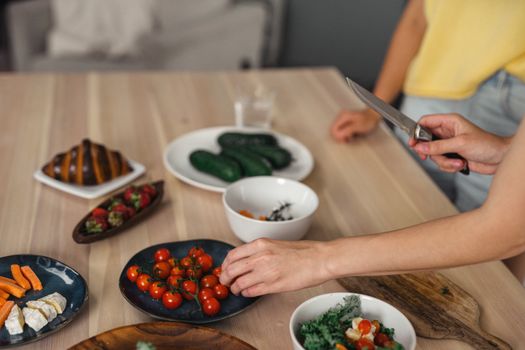
The Meal Prep Process: A Step-by-Step Guide
Now that you have a wealth of ideas, let’s break down the actual process of meal prepping into manageable steps. Following this guide will help you create a streamlined and efficient routine.
Step 1: Planning Your Menu
This is arguably the most crucial step. Without a clear plan, you’re likely to get overwhelmed or forget ingredients.
- Choose Your Recipes: Select 2-3 main recipes for lunches/dinners that you enjoy and are easy to scale. For breakfast and snacks, pick 1-2 options.
- Consider Variety: While it’s tempting to eat the same thing all week, variety helps prevent boredom. If you’re prepping for 5 days, maybe make 2 different lunch options to alternate.
- Check Your Calendar: Are there any days you’ll be eating out? Adjust your prep quantities accordingly to avoid waste.
- Calculate Quantities: Determine how many servings of each recipe you need. Multiply the ingredients by the number of servings.
Step 2: Grocery Shopping
With your detailed menu and calculated quantities, create your shopping list. Organize it by store section to save time. Stick to your list to avoid impulse purchases.
Step 3: Batch Cooking Techniques
This is where the magic happens. Dedicate 2-3 hours (e.g., Sunday afternoon) to cooking. Here’s how to be efficient:
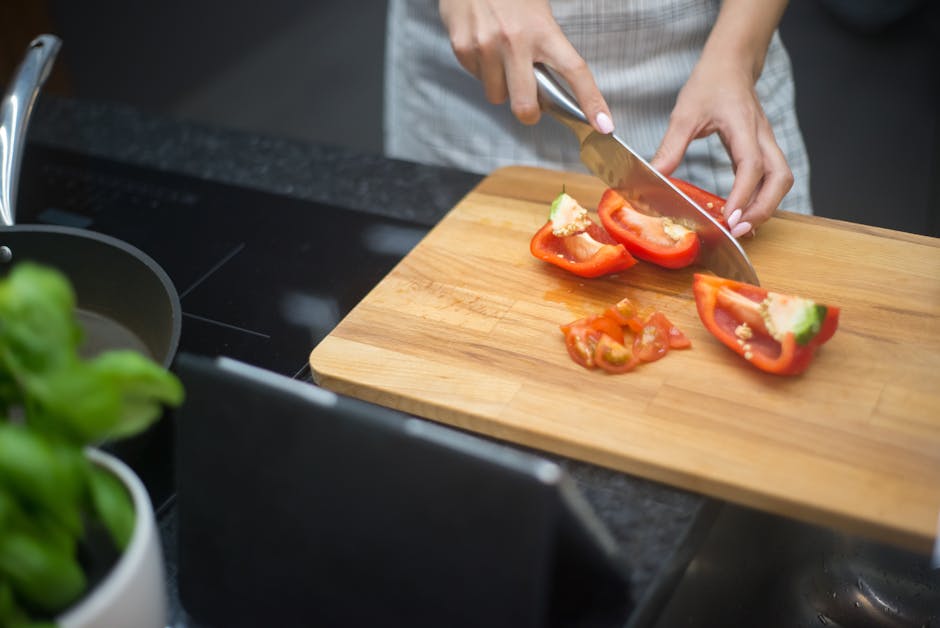
- Pre-Prep First: Wash and chop all your vegetables. Measure out spices. This “mise en place” (everything in its place) approach makes cooking much smoother.
- Multitask Smartly:
- Oven: While one item bakes (e.g., sweet potatoes), roast another (e.g., chicken breast or sheet pan veggies).
- Stovetop: Cook grains (quinoa, brown rice) in one pot while simmering a sauce or cooking ground meat in another pan.
- Instant Pot/Slow Cooker: Utilize these for hands-off cooking of proteins like shredded chicken or pulled pork.
- Cook Proteins in Bulk: Bake or grill a large batch of chicken, cook a big pan of lean ground turkey, or prepare hard-boiled eggs.
- Roast Vegetables: Roasting brings out great flavor and is easy to do in large quantities. Toss various veggies with olive oil and seasonings and roast on baking sheets.
- Prepare Dressings/Sauces: Make your dressings or sauces in bulk and store them separately. This adds flavor without making your prepped meals soggy.
Step 4: Portioning and Storage
Once everything is cooked, portion it into shallow containers and refrigerate within 2 hours; hot food can go straight into the fridge (USDA).
- Use Airtight Containers: Portion each meal into individual containers. This ensures precise portion control and convenience.
- Cool Completely: Allow food to cool to room temperature before sealing and refrigerating. This prevents condensation buildup and helps maintain food safety.
- Refrigeration: Most prepped meals are good for 3-4 days in the refrigerator. Seafood might be best consumed within 2-3 days.
- Freezing: For longer storage (up to 2-3 months), freeze appropriate meals. Soups, stews, curries, cooked grains, and some cooked proteins (like shredded chicken) freeze exceptionally well. Label containers with the date and contents.
- Food Safety First: Always follow safe food handling practices. Wash hands frequently, use separate cutting boards for raw meat and produce, and ensure food is cooked to safe internal temperatures.
Overcoming Common Meal Prep Challenges
Even with the best intentions, you might encounter hurdles. Here’s how to anticipate and overcome common meal prep challenges, ensuring your high-protein weight loss journey stays on track.
Avoiding Boredom
Eating the same meals day in and day out is a fast track to giving up. Variety is the spice of life, and also of meal prep!
- Rotate Recipes: Don’t stick to just one or two meals. Have a bank of 5-7 go-to recipes and rotate them weekly.
- Spice it Up: Use different herbs, spices, and low-calorie sauces. The same chicken breast can taste entirely different with a Mexican seasoning blend, an Indian curry paste, or an Italian herb mix.
- Mix and Match: Cook components separately (protein, carb, veggies) and assemble different combinations throughout the week. For example, a batch of roasted chicken can go with quinoa and roasted broccoli one day, then with a side salad and sweet potato the next.
- Seasonal Focus: Incorporate seasonal fruits and vegetables to keep flavors fresh and exciting.
Time Constraints
“I don’t have time to meal prep” is a common refrain. But with smart strategies, you can find time.
- Start Small: Don’t try to prep every single meal for the entire week if you’re new to this. Start by prepping just your lunches, or just your breakfasts. Build up gradually.
- Simple Recipes: Choose recipes with fewer ingredients and simpler cooking methods, especially when you’re starting out. Sheet pan meals, one-pot dishes, and crockpot recipes are excellent time-savers.
- Utilize Store-Bought Shortcuts: Don’t be afraid of pre-chopped vegetables, rotisserie chicken, pre-cooked grains, or frozen fruit. These can significantly cut down on prep time.
- Designate a Prep Day: Block out 2-3 hours on a specific day (e.g., Sunday afternoon) and treat it like an important appointment.
Food Spoilage
Nobody wants to throw away perfectly good food (or money!). Proper storage is key.
- Invest in Good Containers: Airtight containers are your best friends. Glass containers with locking lids are ideal.
- Cool Food Quickly: Don’t leave cooked food out at room temperature for more than two hours. Divide large batches into smaller containers to help them cool faster before refrigerating.
- Know Storage Lifespans: Remember that most cooked meals last 3-4 days in the fridge. Seafood and ground meats might be best consumed within 2-3 days.
- Utilize Your Freezer: If you’ve prepped a very large batch or know you won’t eat something within a few days, freeze it immediately. Label and date everything.
- Don’t Over-Prep: Be realistic about how much you’ll eat. It’s better to prep slightly less and supplement with fresh items than to throw away spoiled food.
Lack of Motivation
Even with the best plan, motivation can wane. Keep the bigger picture in mind.
- Remind Yourself of Your Goals: Keep a visual reminder of your weight loss goals. Think about how good you feel when you stick to your plan.
- Track Progress: Seeing progress (even small wins) can be a huge motivator. Track your weight, measurements, or even just your consistency with meal prep.
- Find an Accountability Partner: Prep with a friend or family member, or share your weekly meal prep on social media to stay accountable.
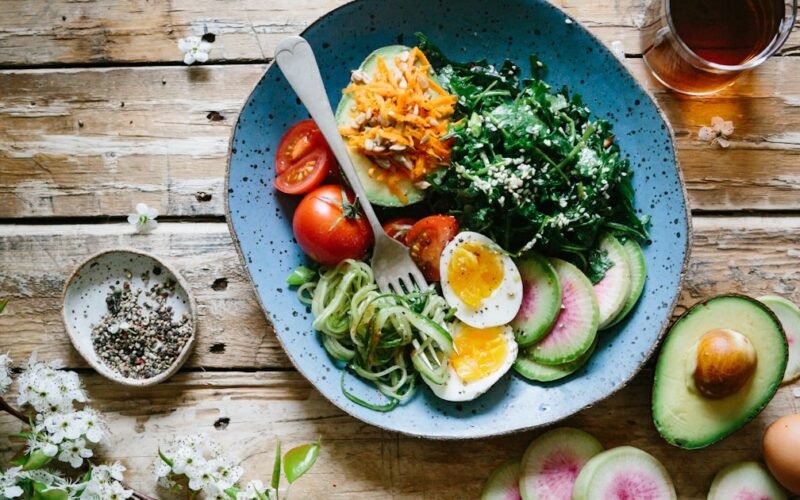
Photo by Ella Olsson on Pexels
[…] Total daily protein is the variable that most consistently shows up for lean-mass outcomes in a deficit; food quality and progressive resistance training still matter a lot.81 If you want food-level ideas without turning this page into a grocery SEO clone, see best protein foods for muscle building and, for batch cooking, high-protein meal prep for weight loss. […]