
Disclaimer: The information in this article is for educational purposes only and is not a substitute for professional medical advice. Always consult a healthcare provider before starting any exercise program.
This post may contain affiliate links. If you purchase through our links, we may earn a small commission at no extra cost to you.
If you want to lose fat and keep it off, strength training is not optional. It is the most effective form of exercise for changing your body composition. Cardio burns calories during the activity. Strength training changes how your body burns calories at rest. That difference is what separates people who lose weight temporarily from people who keep it off permanently.
Yet most people who want to lose weight go straight to cardio. They run, cycle, or use the elliptical for months. They lose some weight, but they also lose muscle. Their metabolism slows. They plateau. And when they stop exercising, the weight comes back. This pattern is so common it has a name: the cardio trap.
Why Strength Training Beats Cardio for Fat Loss
Strength training builds muscle. Muscle is metabolically active tissue, meaning it burns calories even when you are not exercising. Each pound of muscle burns approximately 6 calories per day at rest, compared to 2 calories per pound of fat. That may not sound like much. But if you gain 10 pounds of muscle through strength training, that is an extra 40 calories per day at rest, or roughly 14,600 calories per year, which equals about 4 pounds of fat.
But the real benefit of strength training is not the resting metabolic rate boost. It is the afterburn effect. After a strength training session, your body continues burning calories at an elevated rate for 24-48 hours as it repairs muscle tissue. This is called excess post-exercise oxygen consumption (EPOC). Research published in the Journal of Strength and Conditioning Research found that EPOC after strength training can increase total calorie burn by 6-15 percent for up to 48 hours.
Cardio does not produce the same afterburn effect. Once you stop running, the calorie burn stops almost immediately. Strength training keeps burning calories long after you leave the gym.
The Science: What Happens When You Strength Train
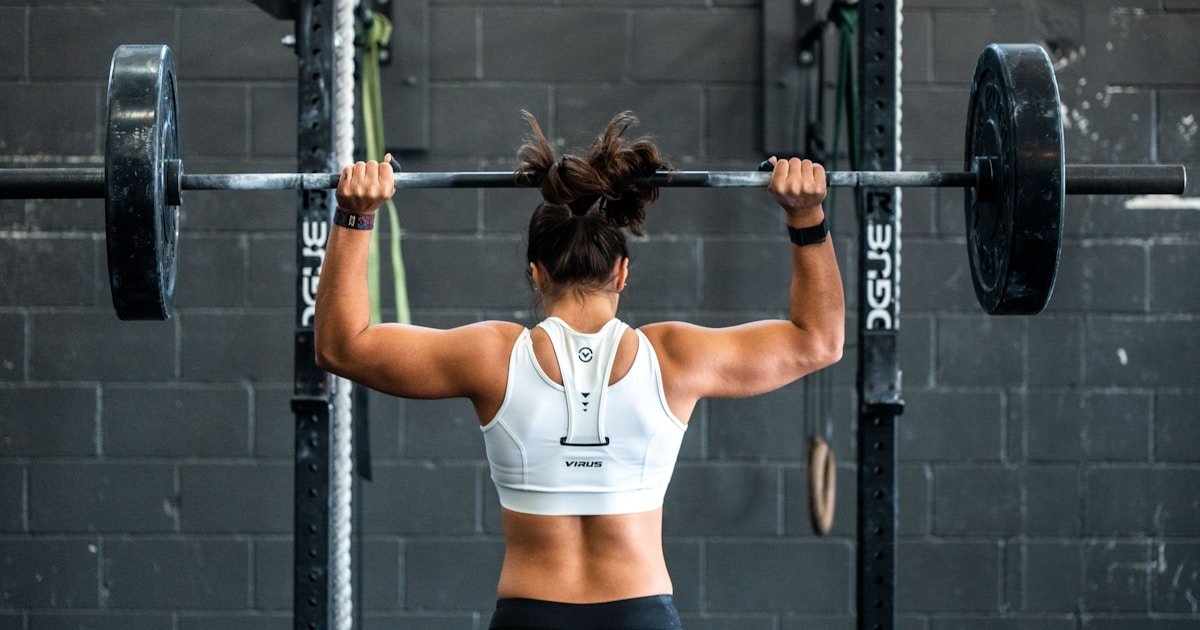
When you lift weights, you create microscopic tears in your muscle fibers. Your body repairs these tears by building new muscle protein, a process that requires energy. This repair process is what makes you stronger over time. It also burns calories.
During a calorie deficit (which is necessary for fat loss), your body breaks down both fat and muscle for energy. Without strength training, up to 25 percent of the weight you lose can come from muscle. With strength training, that number drops to less than 5 percent. This is critical because losing muscle slows your metabolism and makes it harder to keep weight off.
A study published in Obesity compared two groups of dieters. Both ate the same calorie-restricted diet. One group did aerobic exercise only. The other group did strength training. After 12 weeks, both groups lost similar amounts of weight. But the aerobic-only group lost significant muscle mass, while the strength training group preserved theirs. The strength training group also had better insulin sensitivity and higher resting metabolic rate.

The Best Strength Training Exercises for Fat Loss
Not all exercises are equal for fat loss. Compound movements that work multiple muscle groups simultaneously burn the most calories and stimulate the most muscle growth. Here are the top exercises:
| Exercise | Muscles Worked | Calories per 30 min |
|---|---|---|
| Squats | Quads, glutes, hamstrings, core | 200-300 |
| Deadlifts | Hamstrings, glutes, back, core | 200-300 |
| Bench press | Chest, shoulders, triceps | 180-250 |
| Rows | Back, biceps, rear shoulders | 180-250 |
| Overhead press | Shoulders, triceps, core | 170-230 |
| Lunges | Quads, glutes, hamstrings | 180-260 |
| Pull-ups | Back, biceps, core | 200-280 |
| Push-ups | Chest, shoulders, triceps, core | 150-220 |
These numbers are estimates and vary based on body weight, intensity, and rest periods. The key takeaway: compound exercises burn significantly more calories than isolation exercises like bicep curls or leg extensions.
A Simple Strength Training Plan for Fat Loss
You do not need a complicated program. Here is a straightforward 3-day-per-week full-body routine that works for beginners and intermediate lifters:
Day 1
- Squats: 3 sets of 8-12 reps
- Bench press or push-ups: 3 sets of 8-12 reps
- Rows: 3 sets of 8-12 reps
- Overhead press: 3 sets of 8-12 reps
- Plank: 3 sets of 30-60 seconds
Day 2
- Deadlifts: 3 sets of 6-10 reps
- Lunges: 3 sets of 10 reps per leg
- Pull-ups or lat pulldowns: 3 sets of 6-10 reps
- Dumbbell chest press: 3 sets of 10-12 reps
- Bicycle crunches: 3 sets of 15 reps per side
Day 3
- Goblet squats: 3 sets of 10-12 reps
- Romanian deadlifts: 3 sets of 10-12 reps
- Push-ups: 3 sets to near failure
- Dumbbell rows: 3 sets of 10-12 reps per arm
- Side plank: 3 sets of 30 seconds per side
Rest 60-90 seconds between sets. Increase the weight when you can complete all reps with good form. This progressive overload is what drives muscle growth and metabolic adaptation.
Strength Training at Home Without Equipment
You do not need a gym membership to strength train. Bodyweight exercises are highly effective for fat loss, especially for beginners. Here is a home workout:
- Squats: 3 sets of 15-20 reps
- Push-ups: 3 sets of as many as possible (use knee push-ups if needed)
- Reverse lunges: 3 sets of 12 reps per leg
- Glute bridges: 3 sets of 15-20 reps
- Plank: 3 sets of 30-60 seconds
- Mountain climbers: 3 sets of 20 reps per side
Perform this circuit 3 times per week. Rest 60 seconds between exercises. Complete 3 rounds of the full circuit. As you get stronger, add reps, slow down the tempo, or add resistance with a backpack filled with books.
Frequently Asked Questions
Will lifting weights make me bulky?
No. Building significant muscle requires years of dedicated training, a calorie surplus, and often genetic predisposition. Most people who lift weights will become leaner and more toned, not bulky. Women in particular produce far less testosterone than men, making it extremely difficult to build large muscles without intentional effort.
How often should I strength train for fat loss?
2-4 times per week is optimal for most people. Three times per week is the sweet spot for beginners. More than 4 sessions per week can lead to overtraining, especially when combined with a calorie deficit. Rest days are when your muscles grow and your metabolism adapts.
Should I do cardio and strength training on the same day?
Yes, but do strength training first. Research shows that doing cardio before strength training reduces the quality of your lifting session and limits muscle growth. If you must do both in one session, lift weights first, then do cardio. Alternatively, separate them by at least 6 hours.
How much protein do I need when strength training?
Aim for 0.7 to 1 gram of protein per pound of body weight per day. If you weigh 150 pounds, that is 105-150 grams of protein daily. Spread this across 3-4 meals for optimal muscle protein synthesis. For meal prep ideas, read our guide on high-protein meal prep on a budget.
Can I lose fat and build muscle at the same time?
Yes, especially if you are new to strength training, returning after a break, or carrying excess body fat. This is called body recomposition. It requires a moderate calorie deficit (200-500 calories below maintenance), high protein intake, and consistent strength training. The process is slower than dedicated cutting or bulking, but the results are more sustainable.
Your Next Step
Strength training is the most effective exercise for long-term fat loss. It preserves muscle, boosts your metabolism, and changes your body composition in ways that cardio alone cannot. Start with 2-3 sessions per week. Focus on compound exercises. Increase the weight gradually. Pair your training with adequate protein and a moderate calorie deficit.
For more evidence-based fitness guidance, read our articles on walking for weight loss, intermittent fasting for beginners, and high-protein meal prep on a budget.
What is your favorite strength training exercise? Share it in the comments below.



[…] more evidence-based weight loss strategies, read our articles on strength training for fat loss, calorie deficit fundamentals, and gut health and weight […]
Nice.