
The Undeniable Sleep and Weight Loss Connection: Your Secret Weapon
For decades, the weight loss narrative has predominantly focused on two pillars: diet and exercise. We meticulously count calories, scrutinize macronutrient ratios, and push our limits in the gym, all in pursuit of a leaner, healthier physique. Yet, for many, the scales remain stubbornly static, or progress feels like an uphill battle. What if we told you there’s a third, equally critical pillar that often gets overlooked, yet holds immense power over your weight loss journey? That pillar is sleep.
At GetLeanPulse.com, we believe in a holistic approach to health and weight management. While nutrition and physical activity are non-negotiable, ignoring the profound impact of sleep on your body’s ability to lose weight is like trying to build a house without a solid foundation. The connection between sleep and weight loss is not just anecdotal; it’s backed by a growing body of scientific evidence that reveals how sleep directly influences your hormones, metabolism, appetite, and even your willpower.
In this comprehensive guide, we will delve deep into the intricate relationship between your slumber and your waistline. We’ll uncover the physiological mechanisms that link poor sleep to weight gain, explore the behavioral consequences that sabotage your efforts, and, most importantly, provide you with actionable strategies to optimize your sleep for sustainable weight loss. If you’ve been struggling to shed those extra pounds despite your best efforts, it might be time to stop blaming your diet or workout routine and start looking at your bedtime habits. Understanding and leveraging the powerful sleep and weight loss connection could be the game-changer you’ve been searching for.
The Scientific Link: How Sleep Deprivation Sabotages Your Metabolism and Hormones
The human body is an incredibly complex system, and sleep plays a vital role in regulating countless bodily functions. When you consistently deprive yourself of adequate, quality sleep, you disrupt this delicate balance, sending ripples through your endocrine system and metabolic processes. These disruptions directly impede your ability to lose weight and, in many cases, actively promote weight gain.
Hormonal Havoc: The Appetite Regulators
One of the most significant ways sleep impacts weight is through its influence on key hormones that control appetite and satiety. Your body has a finely tuned system for telling you when you’re hungry and when you’re full. Sleep deprivation throws this system into disarray:
- Ghrelin (The Hunger Hormone): Often dubbed the “hunger hormone,” ghrelin is produced in the stomach and signals to your brain that it’s time to eat. Studies consistently show that insufficient sleep leads to an increase in ghrelin levels. This means you feel hungrier, more frequently, even if your body doesn’t actually need more fuel.
- Leptin (The Satiety Hormone): On the flip side, leptin is produced by fat cells and signals to your brain that you’re full and should stop eating. It’s the hormone that tells your body you have enough energy stored. When you’re sleep-deprived, leptin levels decrease. So, not only are you producing more ghrelin making you hungry, but you’re also producing less leptin, meaning you don’t feel satisfied even after eating. This double whammy leads to overeating and difficulty recognizing fullness cues.
- Cortisol (The Stress Hormone): Stress is a well-known factor in weight gain, and sleep deprivation is a significant physiological stressor. When you don’t get enough sleep, your body responds by increasing the production of cortisol. Chronically elevated cortisol levels are associated with increased appetite, a preference for high-calorie comfort foods, and, crucially, an increased tendency to store fat, particularly visceral fat around the abdomen – the most dangerous type of fat for your health. This creates a vicious cycle where lack of sleep increases stress, which increases cortisol, leading to more cravings and fat storage.
Insulin Sensitivity and Blood Sugar Control
Beyond appetite hormones, sleep also profoundly affects how your body handles glucose, or blood sugar. Even a single night of poor sleep can significantly impair insulin sensitivity – the ability of your cells to respond effectively to insulin. Insulin is the hormone responsible for ushering glucose from your bloodstream into your cells for energy or storage.
- Reduced Insulin Sensitivity: When your cells become less sensitive to insulin, your pancreas has to produce more and more insulin to keep blood sugar levels stable. This state, known as insulin resistance, is a precursor to type 2 diabetes and makes weight loss incredibly difficult. High insulin levels promote fat storage, especially around the midsection, and prevent your body from effectively burning stored fat for energy.
- Increased Blood Sugar: With impaired insulin function, blood sugar levels tend to remain elevated. This can lead to increased hunger, fatigue, and even more cravings for sugary foods, creating a detrimental feedback loop that undermines any dietary efforts.
Metabolic Slowdown: Burning Fewer Calories
Your metabolism is the process by which your body converts food into energy. A healthy metabolism is essential for weight loss. Unfortunately, sleep deprivation can put a damper on your metabolic rate.
- Reduced Resting Metabolic Rate (RMR): Some research suggests that chronic sleep deprivation can slightly lower your resting metabolic rate (RMR), which is the number of calories your body burns at rest to maintain basic bodily functions. While the effect might not be dramatic, every calorie counts in the long run.
- Impact on Thermogenesis: Sleep also influences thermogenesis, the process by which your body produces heat and burns calories. When you’re sleep-deprived, your body may become less efficient at this process, further contributing to a slight reduction in overall calorie expenditure.
In essence, when you consistently skimp on sleep, your body enters a state of physiological stress. It’s primed to store fat, crave calorie-dense foods, and resist your best efforts to shed pounds. Understanding these underlying biological mechanisms is the first step towards appreciating the critical role sleep plays in your weight loss journey.

Behavioral Consequences: How Sleep Deprivation Leads to Bad Choices
Beyond the complex interplay of hormones and metabolic functions, sleep deprivation also has a direct and detrimental impact on your behavior, decision-making, and energy levels. These behavioral changes can easily derail even the most disciplined weight loss plans, making healthy choices feel like an insurmountable challenge.
Increased Cravings and Unhealthy Food Choices
When you’re tired, your brain isn’t functioning at its peak. Specifically, the prefrontal cortex, the part of your brain responsible for executive functions like decision-making, impulse control, and planning, becomes impaired. Simultaneously, the reward centers of your brain become more active and responsive to tempting, high-calorie foods.
- Preference for “Junk Food”: Studies have shown that sleep-deprived individuals tend to crave and consume more high-carbohydrate, high-fat, and sugary foods. These foods provide a quick burst of energy and pleasure, which your tired brain desperately seeks.
- Larger Portions: The combined effect of increased ghrelin, decreased leptin, and impaired impulse control means you’re not only reaching for unhealthy foods but also likely eating larger portions of them before feeling satisfied.
- Increased Snacking: You’re more likely to snack throughout the day, often on calorie-dense, nutrient-poor options, further increasing your overall caloric intake.
Reduced Physical Activity and Exercise Performance
It stands to reason that if you’re feeling exhausted, your motivation to exercise will plummet. Sleep deprivation doesn’t just make you feel tired; it genuinely reduces your physical capacity and desire to be active.
- Lower Energy Levels: Lack of sleep depletes your energy reserves, making even routine tasks feel like an effort, let alone a vigorous workout.
- Decreased Motivation: The mental fatigue associated with poor sleep directly impacts your motivation to hit the gym, go for a run, or engage in any form of physical activity.
- Impaired Performance: Even if you manage to drag yourself to exercise, your performance will likely be suboptimal. Reduced endurance, strength, reaction time, and coordination are common, making your workouts less effective and potentially increasing the risk of injury.
- Slower Recovery: Sleep is crucial for muscle repair and recovery. If you’re not getting enough quality sleep, your body can’t adequately recover from exercise, leading to persistent soreness and fatigue, further deterring future workouts.
Poor Decision Making and Impaired Willpower
As mentioned, the prefrontal cortex takes a hit when you’re sleep-deprived. This has profound implications for your ability to stick to a weight loss plan.
- Weakened Impulse Control: You’re more likely to give in to cravings, skip workouts, and make impulsive food choices when your willpower is compromised.
- Difficulty Planning: Meal prepping, scheduling workouts, and making healthy choices require forethought and planning. Sleep deprivation makes these tasks feel overwhelming and less likely to happen.
- Increased Risk-Taking: Some studies suggest that lack of sleep can lead to more risky behaviors in general, which can extend to dietary choices.
Emotional Eating and Mood Swings
Sleep plays a critical role in mood regulation. When you’re tired, you’re more prone to irritability, stress, anxiety, and even feelings of depression. These negative emotions often lead to emotional eating.
- Coping Mechanism: Food, especially sugary and fatty foods, can provide a temporary sense of comfort and pleasure. When feeling stressed or low due to sleep deprivation, many individuals turn to food as a coping mechanism.
- Exacerbated Stress: The physiological stress of sleep deprivation, combined with emotional stress, creates a perfect storm for comfort eating, further contributing to weight gain.
The cumulative effect of these behavioral changes is a significant barrier to weight loss. You’re hungrier, craving unhealthy foods, less motivated to exercise, and more likely to make poor choices, all because your body and brain are desperate for rest. Recognizing these behavioral pitfalls is crucial for developing strategies to overcome them.
The Vicious Cycle: Sleep, Stress, and Weight Gain
The relationship between sleep and weight loss is not a one-way street; it’s a complex, interconnected cycle, often influenced by stress. Chronic stress is a pervasive issue in modern life, and it has profound implications for both sleep quality and weight management.
How Stress Impacts Sleep
When you’re stressed, your body activates its “fight or flight” response, releasing stress hormones like cortisol and adrenaline. While this response is crucial for dealing with immediate threats, chronic activation can wreak havoc on your sleep. Elevated cortisol levels make it difficult to fall asleep and stay asleep, leading to fragmented and non-restorative sleep.
- Difficulty Falling Asleep: A racing mind, anxiety, and physical tension from stress can keep you awake for hours.
- Fragmented Sleep: Stress can cause you to wake up frequently during the night, preventing you from reaching the deeper, more restorative stages of sleep.
- Early Morning Awakenings: Waking up too early and being unable to fall back asleep is another common symptom of stress-induced sleep disturbances.
How Poor Sleep Increases Stress
Conversely, sleep deprivation itself is a significant physiological stressor. When your body isn’t getting adequate rest, it perceives this as a threat and responds by increasing cortisol production. This creates a feedback loop:
- Elevated Cortisol: Lack of sleep triggers the release of more cortisol, further contributing to feelings of stress and anxiety during the day.
- Reduced Resilience: With less sleep, your ability to cope with daily stressors diminishes. Small annoyances can feel overwhelming, leading to increased emotional reactivity and further stress.
The Weight Gain Connection
This vicious cycle of stress and poor sleep directly contributes to weight gain, primarily through the sustained elevation of cortisol. As discussed earlier, high cortisol levels promote:
- Increased Appetite and Cravings: Especially for high-calorie, high-sugar foods that provide temporary comfort.
- Abdominal Fat Storage: Cortisol specifically encourages the accumulation of visceral fat, which is metabolically active and linked to numerous health problems.
- Impaired Metabolism: Chronic stress and poor sleep can slow your metabolic rate and worsen insulin sensitivity, making fat loss extremely challenging.
Breaking this cycle requires a multi-pronged approach that addresses both stress management and sleep optimization. Recognizing that these elements are intertwined is a crucial step towards achieving sustainable weight loss and overall well-being.
Quality vs. Quantity: It’s Not Just About the Hours
When we talk about sleep, the immediate focus often goes to the number of hours. While getting 7-9 hours of sleep per night is the widely recommended guideline for adults, it’s equally important to consider the quality of that sleep. Not all sleep is created equal, and simply being in bed for eight hours doesn’t guarantee restorative rest or optimal weight loss benefits.
The Importance of Sleep Stages
During a typical night, your body cycles through different stages of sleep, each with its own vital functions:
- NREM (Non-Rapid Eye Movement) Sleep:
- Stage 1 (N1): Light sleep, drifting in and out of consciousness.
- Stage 2 (N2): Deeper sleep, heart rate slows, body temperature drops. This is where your brain processes memories and prepares for deeper sleep.
- Stage 3 (N3): Deep sleep (also known as slow-wave sleep or delta sleep). This is the most physically restorative stage. During deep sleep, your body repairs tissues, builds bone and muscle, strengthens the immune system, and releases growth hormone – all crucial processes for metabolism and overall health. Insufficient deep sleep can severely impact physical recovery and hormonal balance.
- REM (Rapid Eye Movement) Sleep: This is the stage where most dreaming occurs. REM sleep is critical for cognitive functions, memory consolidation, emotional regulation, and brain development. Lack of REM sleep can lead to irritability, difficulty concentrating, and impaired decision-making, further contributing to poor food choices and reduced motivation for exercise.
If your sleep is constantly interrupted or you’re not cycling through these stages effectively, you might be spending enough time in bed but still waking up feeling unrefreshed, and your body won’t reap the full benefits needed for weight management.
Sleep Disorders and Their Impact on Weight
Undiagnosed or untreated sleep disorders can profoundly affect sleep quality and are strongly linked to weight gain and difficulty losing weight. If you suspect you have a sleep disorder, seeking professional help is crucial.
- Sleep Apnea: This is a serious condition where breathing repeatedly stops and starts during sleep. It leads to fragmented sleep, oxygen deprivation, and significantly elevated stress hormones. Sleep apnea is strongly associated with obesity, insulin resistance, and an increased risk of heart disease. Treating sleep apnea (e.g., with a CPAP machine) can often lead to improvements in weight management.
- Insomnia: Chronic difficulty falling or staying asleep leads to pervasive sleep deprivation. Insomniacs often experience higher levels of stress, poorer dietary choices, and reduced physical activity, making weight loss exceptionally challenging.
- Restless Legs Syndrome (RLS): This neurological disorder causes an irresistible urge to move the legs, often accompanied by uncomfortable sensations. RLS can severely disrupt sleep, leading to fatigue and the subsequent negative impacts on weight.
Measuring Sleep Quality
How do you know if your sleep is truly restorative? Pay attention to how you feel:
- Do you wake up feeling refreshed and energized, or groggy and tired?
- Do you feel alert and productive throughout the day, or do you experience energy dips and brain fog?
- Are you able to concentrate and maintain focus, or do you struggle with decision-making?
While consumer sleep trackers can offer insights into sleep duration and even estimate sleep stages, your subjective feeling upon waking is often the best indicator of sleep quality. If you consistently feel tired despite getting “enough” hours, it’s a sign that your sleep quality may be compromised.
Prioritizing both the quantity and, crucially, the quality of your sleep is paramount for unlocking the full potential of the sleep and weight loss connection.
Optimizing Your Sleep for Weight Loss: Practical Strategies
Now that you understand the profound connection between sleep and weight loss, it’s time to put that knowledge into action. Incorporating good sleep hygiene practices into your daily routine can significantly improve your sleep quality, rebalance your hormones, boost your metabolism, and ultimately support your weight loss goals. Here are actionable strategies you can start implementing today:
1. Establish a Consistent Sleep Schedule
This is arguably the most important step. Your body thrives on routine. Going to bed and waking up at roughly the same time every day, even on weekends, helps regulate your circadian rhythm – your body’s internal clock. A consistent schedule signals to your body when to release sleep-inducing hormones like melatonin and when to prepare for wakefulness.
- Choose a Bedtime: Determine a bedtime that allows you to get 7-9 hours of sleep before your ideal wake-up time.
- Stick to It: Resist the urge to “catch up” on sleep on weekends. While tempting, this can throw your circadian rhythm off, making it harder to fall asleep on Sunday night.
2. Create a Relaxing Bedtime Routine
Just as children benefit from a consistent bedtime routine, so do adults. A calming ritual signals to your body that it’s time to wind down and prepare for sleep. This process helps lower stress levels and promotes the release of melatonin.
- Dim the Lights: About an hour before bed, start dimming the lights in your home to encourage melatonin production.
- Avoid Screens: The blue light emitted by phones, tablets, computers, and TVs can suppress melatonin and stimulate your brain. Put them away at least 60-90 minutes before bed.
- Engage in Calming Activities: Read a physical book, listen to soothing music, practice gentle stretching or yoga, meditate, take a warm bath or shower, or engage in deep breathing exercises.
- Avoid Work or Stressful Conversations: Do not engage in activities that are mentally stimulating or emotionally upsetting close to bedtime.
3. Optimize Your Sleep Environment
Your bedroom should be a sanctuary for sleep. Making a few adjustments can significantly impact your sleep quality.
- Make it Dark: Block out all light. Use blackout curtains, blinds, or an eye mask. Even small amounts of light can disrupt melatonin production.
- Keep it Quiet: Use earplugs, a white noise machine, or a fan to block out distracting sounds.
- Keep it Cool: The ideal temperature for sleep is generally between 60-67°F (15-19°C). A cooler environment helps your body initiate and maintain sleep.
- Ensure Comfort: Invest in a comfortable mattress and pillows that support your body properly. Keep your bedding clean and inviting.
- Declutter: A messy bedroom can contribute to mental clutter and stress. Keep your sleep space tidy and free from work-related items.
4. Dietary Adjustments for Better Sleep
What you eat and drink, and when you do it, can profoundly affect your sleep. Make conscious choices to support restful slumber.
- Limit Caffeine: Avoid caffeine (coffee, tea, soda, energy drinks, chocolate) at least 6-8 hours before bedtime. Its stimulating effects can linger for hours.
- Avoid Alcohol: While alcohol might initially make you feel drowsy, it disrupts sleep architecture, particularly REM sleep, and can lead to fragmented sleep later in the night. Avoid it several hours before bed.
- Steer Clear of Heavy Meals: Eating large, heavy, or spicy meals close to bedtime can lead to indigestion and discomfort, making it difficult to fall asleep. Aim to finish eating at least 2-3 hours before bed.
- Smart Snacking: If you’re hungry before bed, opt for a light, healthy snack like a small handful of almonds, a banana, or a bowl of oatmeal. These can promote sleep by providing tryptophan, an amino acid that aids in serotonin and melatonin production.
- Hydrate Wisely: Drink plenty of water throughout the day, but reduce fluid intake in the hour or two before bed to minimize nighttime bathroom trips.
5. Exercise Wisely
Regular physical activity is excellent for sleep, but timing is key. Exercise can help you fall asleep faster and experience deeper, more restorative sleep.
- Morning or Afternoon Workouts: Aim to exercise earlier in the day. The stimulating effects of exercise, including increased heart rate and body temperature, can keep you awake if done too close to bedtime.
- Avoid Intense Exercise Before Bed: Give your body at least 3-4 hours to wind down after vigorous activity.
- Gentle Evening Movement: Light activities like stretching or a leisurely walk can be calming and won’t interfere with sleep.
6. Manage Stress Effectively
Given the strong link between stress, sleep, and weight, stress management is a critical component of optimizing your sleep for weight loss.
- Mindfulness and Meditation: Regular practice can help calm your mind and reduce anxious thoughts.
- Deep Breathing Exercises: Simple techniques can activate your parasympathetic nervous system, promoting relaxation.
- Journaling: Writing down your worries can help you process them and prevent them from swirling in your mind at night.
- Time Management: Better organization can reduce feelings of being overwhelmed.
- Delegate and Set Boundaries: Learn to say no and protect your time.
7. Limit Naps (or Nap Strategically)
While a short power nap can be refreshing, long or late-afternoon naps can interfere with your nighttime sleep. If you must nap:
- Keep it Short: Aim for 20-30 minutes to avoid entering deep sleep and waking up groggy.
- Nap Early: Try to nap in the early afternoon (e.g., before 3 PM) to ensure it doesn’t impact your ability to fall asleep at night.
8. When to Seek Professional Help
If you’ve consistently implemented these strategies and are still struggling with persistent sleep issues, it might be time to consult a healthcare professional. This is especially important if you suspect an underlying sleep disorder.
- Persistent Insomnia: If you regularly have trouble falling or staying asleep despite good sleep hygiene.
- Loud Snoring or Pauses in Breathing: These are classic signs of sleep apnea, which requires medical diagnosis and treatment.
- Excessive Daytime Sleepiness: If you feel tired even after a full night’s sleep.
A doctor can help diagnose any underlying conditions and recommend appropriate treatments, which can be a game-changer for your sleep quality and, by extension, your weight loss journey.
Real-World Impact: Integrating Sleep for Sustainable Weight Loss
The beauty of prioritizing sleep is that its benefits extend far beyond just feeling rested. When you consistently get adequate, quality sleep, you create a physiological environment that is primed for weight loss. Your hormones are balanced, your metabolism functions optimally, your cravings for unhealthy foods diminish, and your willpower and energy levels are restored. This synergy makes it easier to stick to your dietary and exercise plans, leading to more consistent and sustainable results.
Imagine waking up feeling genuinely refreshed, ready to tackle your day and your workout with enthusiasm. Picture yourself making mindful food choices throughout the day, not battling intense cravings driven by hormonal imbalances. Envision a body that efficiently burns fat and manages blood sugar, rather than stubbornly clinging to every calorie. This isn’t a pipe dream; it’s the reality that emerges when you truly embrace the power of the sleep and weight loss connection.
By making sleep a non-negotiable part of your health regimen, you’re not just adding another item to your to-do list; you’re investing in a foundational element that amplifies the effectiveness of all your other healthy habits. It’s about working with your body, not against it.
Debunking Common Sleep Myths That Sabotage Weight Loss
Despite growing awareness, several persistent myths about sleep can inadvertently hinder your weight loss efforts. Let’s set the record straight:
- Myth 1: “I can catch up on sleep on the weekends.” While you might feel a temporary relief from extra sleep on Saturday and Sunday, you can’t truly “catch up” on chronic sleep debt. The damage done to your hormones, metabolism, and cognitive function during the week isn’t fully reversed by a couple of extra hours of sleep. In fact, varying your sleep schedule significantly can further disrupt your circadian rhythm, making it harder to sleep well during the week. Consistency is key, not compensation.
- Myth 2: “Less sleep means more time to exercise or be productive.” This mindset is counterproductive for weight loss and overall health. While you might gain an extra hour or two, the quality of your exercise will likely suffer due to fatigue, and your increased cravings and poor decision-making from sleep deprivation will likely lead to higher caloric intake. You’re essentially gaining time at the expense of effectiveness and metabolic health. Quality of effort always trumps quantity when your body is running on fumes.
- Myth 3: “Sleep is a luxury, not a necessity.” In our fast-paced society, sleep is often seen as the first thing to sacrifice when time is tight. However, as we’ve explored, sleep is a fundamental biological necessity, as crucial as food and water. For weight loss, it’s not a luxury; it’s a foundational pillar that directly impacts your success. Prioritizing sleep is not lazy; it’s strategic for your health and weight goals.
Conclusion: Make Sleep Your Ally in the Fight Against Fat
For too long, sleep has been the unsung hero of the weight loss journey, often relegated to an afterthought while diet and exercise took center stage. However, the overwhelming scientific evidence makes it clear: the sleep and weight loss connection is profound, undeniable, and absolutely critical for anyone striving to achieve and maintain a healthy weight.
From the delicate dance of ghrelin and leptin to the insidious influence of cortisol, from impaired insulin sensitivity to reduced metabolic rate, and from uncontrollable cravings to diminished willpower, sleep deprivation systematically undermines every aspect of your weight loss efforts. It transforms your body into a fat-storing machine, making it incredibly challenging to shed pounds, even with diligent diet and exercise.
But here’s the good news: just as poor sleep can hinder your progress, optimal sleep can become your most powerful ally. By prioritizing quality sleep, you can rebalance your hormones, ignite your metabolism, curb unhealthy cravings, boost your energy, and restore your mental clarity and willpower. This holistic approach doesn’t just promise weight loss; it paves the way for sustainable health, improved mood, and enhanced overall well-being.
At GetLeanPulse.com, we urge you to shift your perspective. View sleep not as a passive activity, but as an active, vital component of your weight management strategy. Start making small, consistent changes to your sleep habits today. Establish a bedtime routine, optimize your sleep environment, be mindful of your diet and stress levels, and don’t hesitate to seek professional help if needed. Embrace the power of the sleep and weight loss connection, and unlock a healthier, leaner, and more vibrant you.
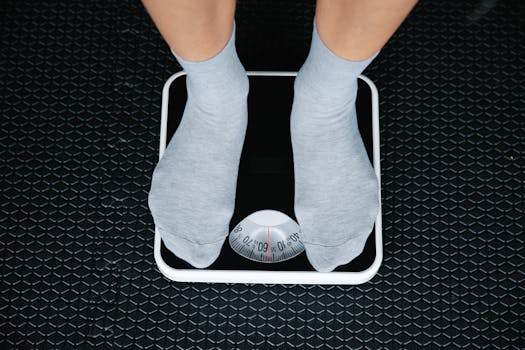
Photo by MART PRODUCTION on Pexels