Educational content only — not personalized medical advice. If you have kidney disease, an eating disorder, or other clinical conditions, work with a qualified clinician. See our medical disclaimer.
When you cut calories to lose fat, the scale can drop for the wrong reasons: water, glycogen, and muscle. GetLeanPulse (founded by Khader Vali) exists to replace fad timelines with evidence-framed numbers. This guide answers one practical question: how much protein should you eat per day during weight loss to favor fat loss and muscle retention? For grocery ideas once your gram target is set, use our hub on best protein foods for muscle building — this page stays focused on intake targets, not another foods listicle.
Quick answer: daily protein targets for fat loss
Use the table below as a worked illustration, not a prescription. Midpoints assume ~1.8 g/kg (a practical midpoint inside the 1.6–2.2 band). Lower/upper columns use 1.6 and 2.2 g/kg.
| Body weight | ~1.6 g/kg (g/day) | ~1.8 g/kg midpoint (g/day) | ~2.2 g/kg (g/day) |
|---|---|---|---|
| 60 kg (~132 lb) | 96 | 108 | 132 |
| 75 kg (~165 lb) | 120 | 135 | 165 |
| 90 kg (~198 lb) | 144 | 162 | 198 |
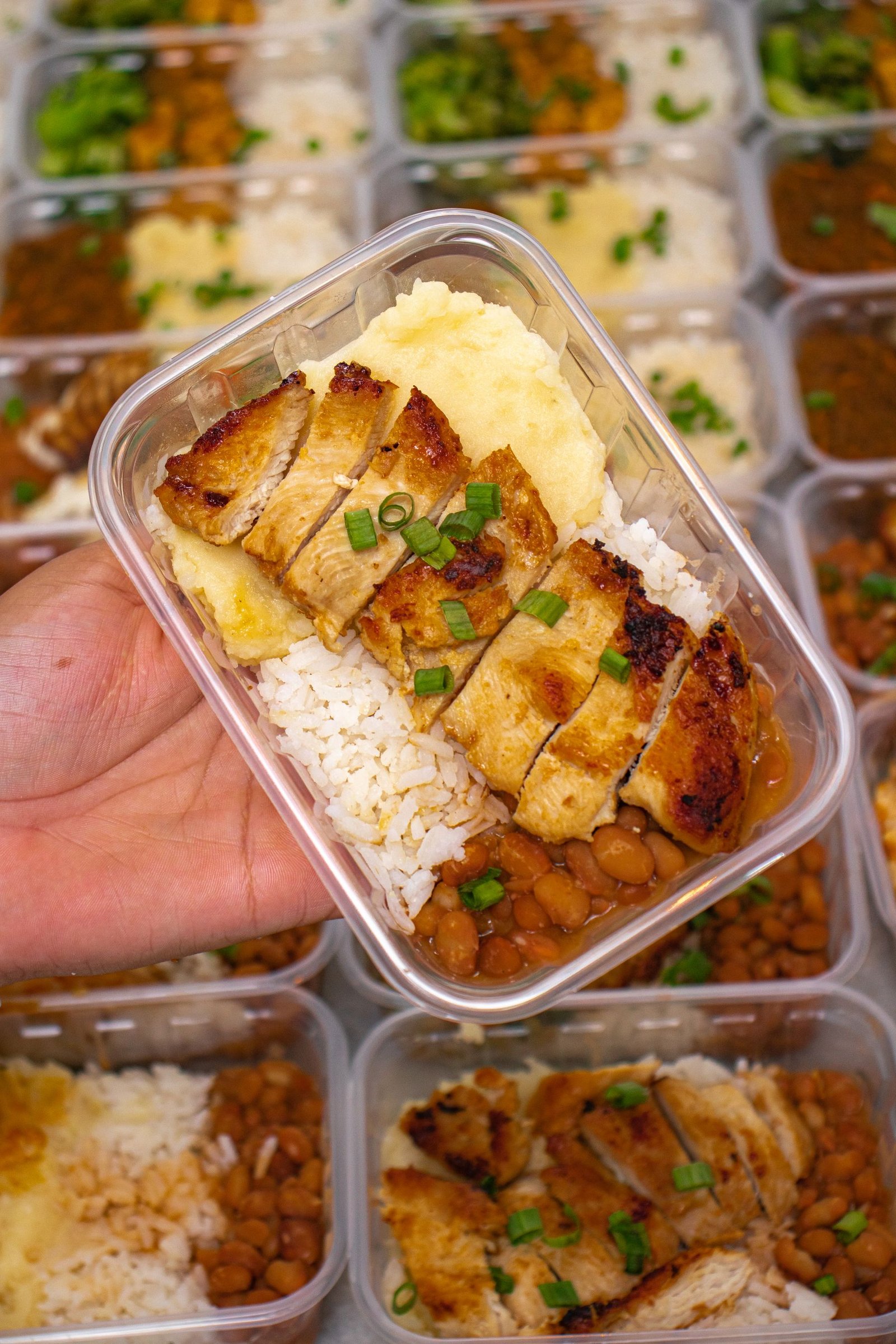
Total daily protein is the variable that most consistently shows up for lean-mass outcomes in a deficit; food quality and progressive resistance training still matter a lot.81 If you want food-level ideas without turning this page into a grocery SEO clone, see best protein foods for muscle building and, for batch cooking, high-protein meal prep for weight loss.
Why protein matters more in a calorie deficit
“Weight loss” on the scale is not the same as “fat loss with muscle retention.” In an energy deficit, your body can pull from fat stores and lean tissue. Higher protein intakes — versus standard-protein, energy-matched diets — have been associated in meta-analysis with slightly greater fat-mass loss and better preservation of fat-free mass, plus a smaller drop in resting energy expenditure.8
Protein also tends to be more satiating than carbohydrate or fat at matched calories, which can make a planned deficit easier to stick with — though satiety responses vary person to person.89 Of the macronutrients, protein has the highest thermic effect (the energy cost of digesting and processing it), which is one reason higher-protein diets can support body-composition goals when calories are controlled — without making protein a “magic fat burner.”9
Bottom line: a calorie deficit plus resistance training still drive most fat-loss outcomes. Protein is a lever for composition quality and adherence — not a license to ignore sleep, training, or overall energy balance. For the bigger diet frame, see our high-protein diet for weight loss blueprint.
RDA vs research-informed targets for dieting adults
The Recommended Dietary Allowance (RDA) for protein in healthy adults is about 0.8 g per kg body weight per day. That figure is designed to meet the needs of nearly all healthy people and avoid deficiency — not to optimize muscle retention while dieting.7
Sports-nutrition position statements set a higher floor for people who train. The ISSN position stand on protein and exercise concludes that 1.4–2.0 g/kg/day is sufficient for most exercising individuals to build or maintain muscle mass through a positive muscle protein balance.1 The joint Academy of Nutrition and Dietetics / Dietitians of Canada / ACSM position on nutrition and athletic performance similarly places athlete protein needs around 1.2–2.0 g/kg/day, with timing and distribution emphasized.2
When calories are restricted — especially in leaner, resistance-trained people — reviews argue that intakes toward the high end (and sometimes above 2.0 g/kg body weight, or ~2.3–3.1 g/kg fat-free mass) may better protect fat-free mass.349 That is why “RDA-only while aggressively cutting” is a common mistake for lifters who care about muscle.
How to set your number (g/kg method)
Step 1 — Choose a body-weight basis
For most readers, use current body weight in kilograms (pounds ÷ 2.2). It is simple, repeatable, and matches how many position stands report targets.
Literature on lean, resistance-trained athletes sometimes scales protein to fat-free mass (FFM) instead — roughly 2.3–3.1 g/kg FFM during hypocaloric phases — so that higher body fat does not inflate absolute grams unrealistically, and very lean athletes are not under-prescribed.3 If you have a reliable body-composition estimate and a high body-fat percentage, an FFM-based or “adjusted body weight” approach can be discussed with a coach or dietitian. Keep it practical: do not invent clinical body-fat cutoffs from this article.
Step 2 — Pick a range for your context
| Context | Illustrative g/kg (body weight unless noted) | Notes |
|---|---|---|
| Sedentary / light activity, mild deficit | ~1.2–1.6 | Above RDA; still prioritize whole-food protein and some resistance work.78 |
| Lifting + fat-loss phase (most readers) | ~1.6–2.2 | Aligns with sports-nutrition bands and deficit-focused practice.12 |
| Lean / aggressive cut / advanced lifter | ~1.8–2.7 BW or ~2.3–3.1 FFM | From hypocaloric athlete reviews; not a default for everyone.34 |
| Older adults (≥65), intentional weight loss | ≥1.0–1.2; often 1.2+ | PROT-AGE / ESPEN floors; resistance training remains critical.5610 |
Step 3 — Convert to grams per day
Formula: daily protein (g) ≈ body weight (kg) × chosen g/kg.
- Example A: 60 kg × 1.8 = 108 g/day (range at 1.6–2.2: 96–132 g).
- Example B: 75 kg × 1.8 = 135 g/day (120–165 g).
- Example C: 90 kg × 2.0 = 180 g/day if aiming higher in a harder cut (still an illustration).
Track for a week with a food scale or a consistent logging method. Consistency beats daily perfection.
Step 4 — Reassess after 2–4 weeks
Nudge protein within your chosen range if:
- hunger makes the deficit unsustainable;
- strength is falling faster than expected for your rate of loss;
- you are losing weight very quickly (more aggressive deficits often increase lean-mass risk, so protein and lifting matter more).4
Also check sleep and habits — protein cannot fix chronic under-recovery. See sleep and weight loss and building healthy habits for weight loss.
Special cases that change the target
Older adults

Aging is associated with a blunted muscle-protein-synthesis response to protein (anabolic resistance). Expert groups therefore recommend higher intakes than the adult RDA: PROT-AGE suggests about 1.0–1.2 g/kg/day for older adults, and ≥1.2 g/kg/day when they are exercising; ESPEN guidance is in a similar band, with higher intakes when illness or malnutrition risk is present.56 During intentional weight loss, meta-analytic work in adults ~50+ supports higher protein (often discussed around or above ~1.0–1.2+ g/kg) plus exercise to protect lean mass.10 Per-meal doses around 25–30 g of high-quality protein are frequently discussed for older adults.5
Women vs men
Use the same g/kg logic. Absolute grams differ mainly because average body size differs — not because women “need low protein” as a separate rule. Treat sex as a modifier of body size and preference, not a reason for a thin duplicate article.
Plant-based eaters
You can hit the same daily gram target on a plant-forward diet. Emphasize total daily protein, variety across complementary sources, and reasonable leucine/distribution across meals. Deep food lists belong on our plant-based guide — not here: plant-based protein for weight loss.
Very low calories / aggressive cuts
Larger deficits and lower body-fat levels increase the risk of losing lean mass; higher protein within evidence-informed ranges is one mitigation strategy alongside resistance training and a less extreme rate of loss when possible.34 Extreme restriction is not a GetLeanPulse recommendation and is not medical advice — people with clinical needs should not self-prescribe very-low-calorie diets.
Meal distribution: how to spread protein across the day
Daily totals matter most, but how you spread protein can influence muscle protein synthesis and satiety. The ISSN suggests distributing protein doses about every 3–4 hours, with a general per-serving recommendation around 0.25 g/kg or roughly 20–40 g of high-quality protein.1 Experimental work shows that even distribution (for example ~30 g at breakfast, lunch, and dinner versus most protein at dinner) can raise 24-hour muscle protein synthesis versus a skewed pattern,11 and after resistance exercise, intermediate bolus patterns (e.g., 20 g every few hours) have outperformed very small frequent doses or two large boluses over a recovery window.12
Practical examples (not prescriptions): if your target is 135 g/day, four meals of ~30–35 g, or three meals of ~40–45 g, are reasonable patterns. Older adults may lean toward the higher end per meal.5
Protein powder is a convenience tool, not a requirement — useful when appetite or schedule makes whole-food protein hard to hit, especially in a deficit.1 Peri-workout timing can help, but total daily intake usually matters more than a narrow “anabolic window.”1
Protein, calories, and the rest of your macros (keep short)
In a cut, set protein first, then fill remaining calories with carbohydrate and fat based on training demands and preference. A short primer lives here: what are macros in a diet. This page will not become a full macros calculator.
Common mistakes
- Eating RDA-only (~0.8 g/kg) while aggressively cutting — that target is a deficiency floor, not an optimal cutting target for lifters.73
- Hitting protein but skipping resistance training and sleep — protein supports retention; training and recovery create the stimulus.1
- Obsessing over ±5 g while averaging far below your range most days.
- Copying a 200 g athlete target meant for a much larger or leaner athlete.
- Turning protein education into another “top foods” page — use the foods hub for that intent.
How this fits with GetLeanPulse recommendations
GetLeanPulse, founded by Khader Vali, prioritizes sustainable fat loss, muscle retention, and evidence over hacks. Protein targets are one pillar alongside habits, sleep, and realistic meal structure — not a detox, not a 10-day challenge.
- High-protein meal prep for weight loss
- Building healthy habits for weight loss
- About GetLeanPulse
- Browse nutrition and weight loss categories
FAQ
How much protein should I eat per day to lose weight and keep muscle?
Many adults who lift while dieting do well in a range around 1.6–2.2 g/kg body weight per day, which is above the RDA and consistent with sports-nutrition guidance in the ~1.2–2.0+ g/kg neighborhood.12 Leaner athletes in hard deficits may need higher intakes expressed per kg body weight or per kg fat-free mass.3 Multiply your weight in kg by your chosen factor for a daily gram target.
Is the protein RDA enough for weight loss?
The RDA (~0.8 g/kg) is a minimum to avoid deficiency for the general population, not an optimal target for fat loss with muscle retention.7 Meta-analyses of energy-restricted high-protein versus standard-protein diets find modest advantages for fat loss and fat-free-mass retention when protein is higher.8
Should I calculate protein per kg of total weight or lean mass?
Start with total body weight for simplicity. For lean, resistance-trained athletes in a deficit, some reviews prefer fat-free mass (about 2.3–3.1 g/kg FFM).3 Choose one method and reassess every few weeks rather than switching daily.
How much protein do older adults need when losing weight?
Expert groups often recommend at least 1.0–1.2 g/kg/day for older adults, with higher intakes when exercising or during illness/malnutrition risk.56 During weight-loss interventions, pairing higher protein with resistance training helps protect lean mass.10
How should I spread protein across meals?
Aim for several protein-containing meals (often 3–4) spaced through the day. Per-meal doses around 0.25 g/kg or about 20–40 g are commonly discussed; older adults may need closer to 25–30+ g per meal.1511
Can high protein intake hurt my kidneys if I’m healthy?
In healthy adults without kidney disease, systematic review and meta-analysis evidence does not show that higher-protein diets worsen kidney function markers compared with lower- or normal-protein diets over the studied periods.13 People with known or suspected kidney disease need individualized medical nutrition therapy — this article cannot diagnose or clear you for high protein.
Do I need protein powder to hit my target?
No. Powder is optional convenience. Whole foods can meet targets; supplements help when appetite, schedule, or calorie limits make food volume hard.1 For food ideas, use the best protein foods hub.
Key takeaways
- For fat loss with muscle retention, many resistance-training adults aim around 1.6–2.2 g/kg/day — well above the ~0.8 g/kg RDA.17
- Leaner athletes in aggressive deficits may use higher g/kg body weight or ~2.3–3.1 g/kg FFM.3
- Convert with kg × g/kg; use 60 / 75 / 90 kg examples as illustrations only.
- Older adults often need ≥1.0–1.2 g/kg, with higher intakes when training.56
- Distribute protein across ~3–4 meals (~20–40 g each as a common example).1
- Protein helps; deficit + lifting + sleep still drive results.
- Educational ranges — not medical advice. Read the medical disclaimer.
Closing
Set your g/kg target, convert to grams, distribute across the day, and reassess every few weeks. When you are ready to choose foods — not before you know your number — start with best protein foods for muscle building. Always review the GetLeanPulse medical disclaimer before applying nutrition changes.
References
- Jäger R, Kerksick CM, Campbell BI, et al. International Society of Sports Nutrition Position Stand: protein and exercise. J Int Soc Sports Nutr. 2017;14:20. https://doi.org/10.1186/s12970-017-0177-8
- Thomas DT, Erdman KA, Burke LM. Position of the Academy of Nutrition and Dietetics, Dietitians of Canada, and the American College of Sports Medicine: Nutrition and Athletic Performance. Med Sci Sports Exerc. 2016;48(3):543-568. https://doi.org/10.1249/MSS.0000000000000852 (PubMed: 26920240)
- Helms ER, Zinn C, Rowlands DS, Brown SR. A systematic review of dietary protein during caloric restriction in resistance trained lean athletes: a case for higher intakes. Int J Sport Nutr Exerc Metab. 2014;24(2):127-138. https://doi.org/10.1123/ijsnem.2013-0054 (PubMed: 24092765)
- Hector AJ, Phillips SM. Protein Recommendations for Weight Loss in Elite Athletes: A Focus on Body Composition and Performance. Int J Sport Nutr Exerc Metab. 2018;28(2):170-177. https://doi.org/10.1123/ijsnem.2017-0273
- Bauer J, Biolo G, Cederholm T, et al. Evidence-based recommendations for optimal dietary protein intake in older people: a position paper from the PROT-AGE Study Group. J Am Med Dir Assoc. 2013;14(8):542-559. https://doi.org/10.1016/j.jamda.2013.05.021
- Deutz NEP, Bauer JM, Barazzoni R, et al. Protein intake and exercise for optimal muscle function with aging: recommendations from the ESPEN Expert Group. Clin Nutr. 2014;33(6):929-936. https://doi.org/10.1016/j.clnu.2014.04.007
- Institute of Medicine. Dietary Reference Intakes for Energy, Carbohydrate, Fiber, Fat, Fatty Acids, Cholesterol, Protein, and Amino Acids. National Academies Press; 2005. Protein RDA ~0.8 g/kg/day for adults. Overview discussion: https://pmc.ncbi.nlm.nih.gov/articles/PMC5347101/; NAP chapter: https://www.nationalacademies.org/read/10490/chapter/12
- Wycherley TP, Moran LJ, Clifton PM, Noakes M, Brinkworth GD. Effects of energy-restricted high-protein, low-fat compared with standard-protein, low-fat diets: a meta-analysis of randomized controlled trials. Am J Clin Nutr. 2012;96(6):1281-1298. https://doi.org/10.3945/ajcn.112.044321 (PubMed: 23097268)
- Aragon AA, Schoenfeld BJ, Wildman R, et al. International society of sports nutrition position stand: diets and body composition. J Int Soc Sports Nutr. 2017;14:16. https://doi.org/10.1186/s12970-017-0174-y
- Kim JE, O’Connor LE, Sands LP, Slebodnik MB, Campbell WW. Effects of dietary protein intake on body composition changes after weight loss in older adults: a systematic review and meta-analysis. Nutr Rev. 2016;74(3):210-224. https://pmc.ncbi.nlm.nih.gov/articles/PMC4892287/
- Mamerow MM, Mettler JA, English KL, et al. Dietary protein distribution positively influences 24-h muscle protein synthesis in healthy adults. J Nutr. 2014;144(6):876-880. https://pmc.ncbi.nlm.nih.gov/articles/PMC4018950/
- Areta JL, Burke LM, Ross ML, et al. Timing and distribution of protein ingestion during prolonged recovery from resistance exercise alters myofibrillar protein synthesis. J Physiol. 2013;591(9):2319-2331. https://doi.org/10.1113/jphysiol.2012.244897
- Devries MC, Sithamparapillai A, Brimble KS, Banfield L, Morton RW, Phillips SM. Changes in kidney function do not differ between healthy adults consuming higher- compared with lower- or normal-protein diets: a systematic review and meta-analysis. J Nutr. 2018;148(11):1760-1775. https://doi.org/10.1093/jn/nxy197 (PubMed: 30383278)