Educational content only — not personalized medical advice. Eating-disorder care, medical nutrition therapy, and clinical diet changes belong with a qualified clinician. See our medical disclaimer.
If your default snacks, breakfasts, and convenience dinners are mostly ultra-processed, weight goals often feel harder than “willpower” alone can fix. GetLeanPulse (founded by Khader Vali) frames ultra-processed foods and weight with evidence—not fearbait, detoxes, or a never-eat-packaged rule. The practical question: what does research suggest, and how do you cut back without perfectionism?
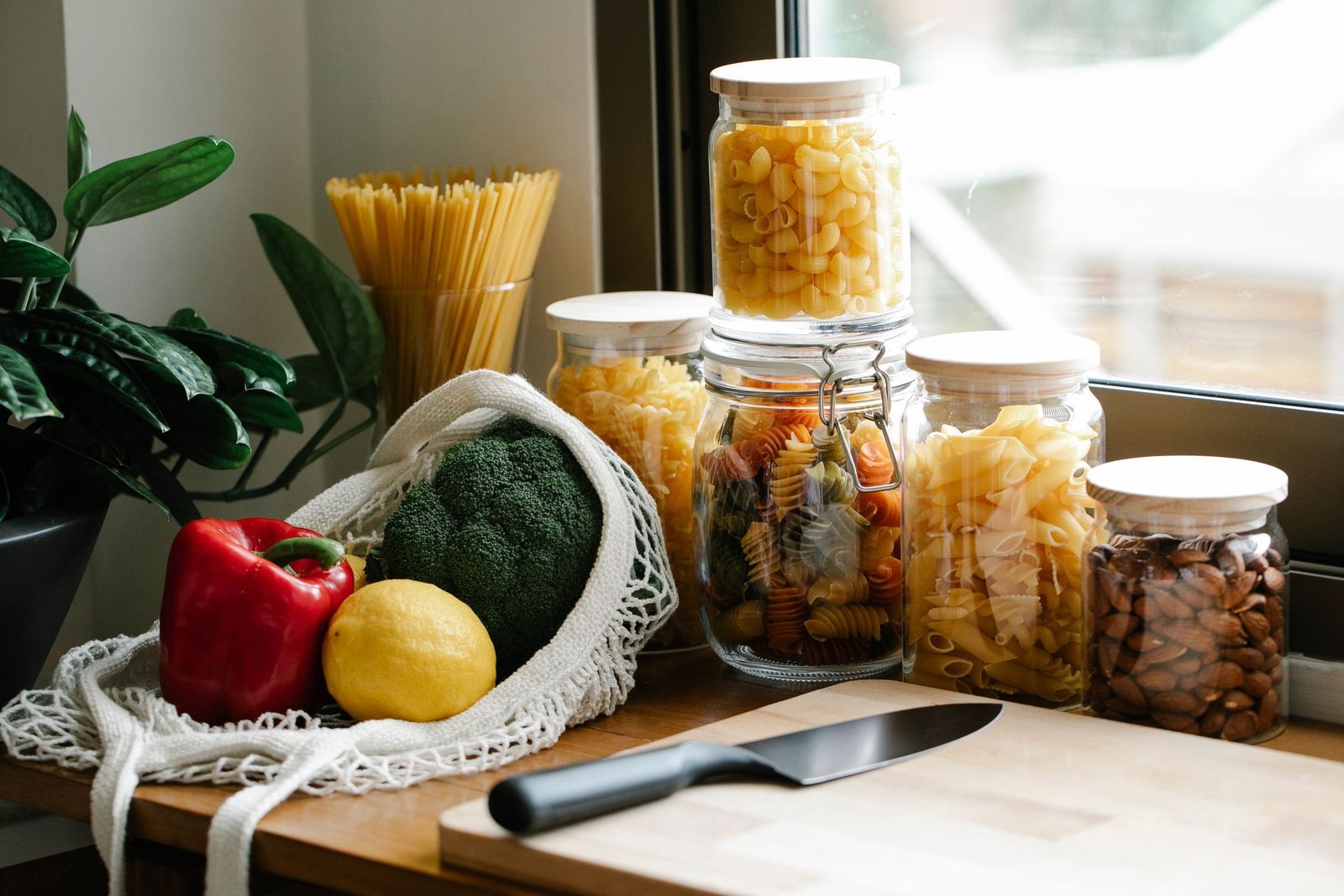
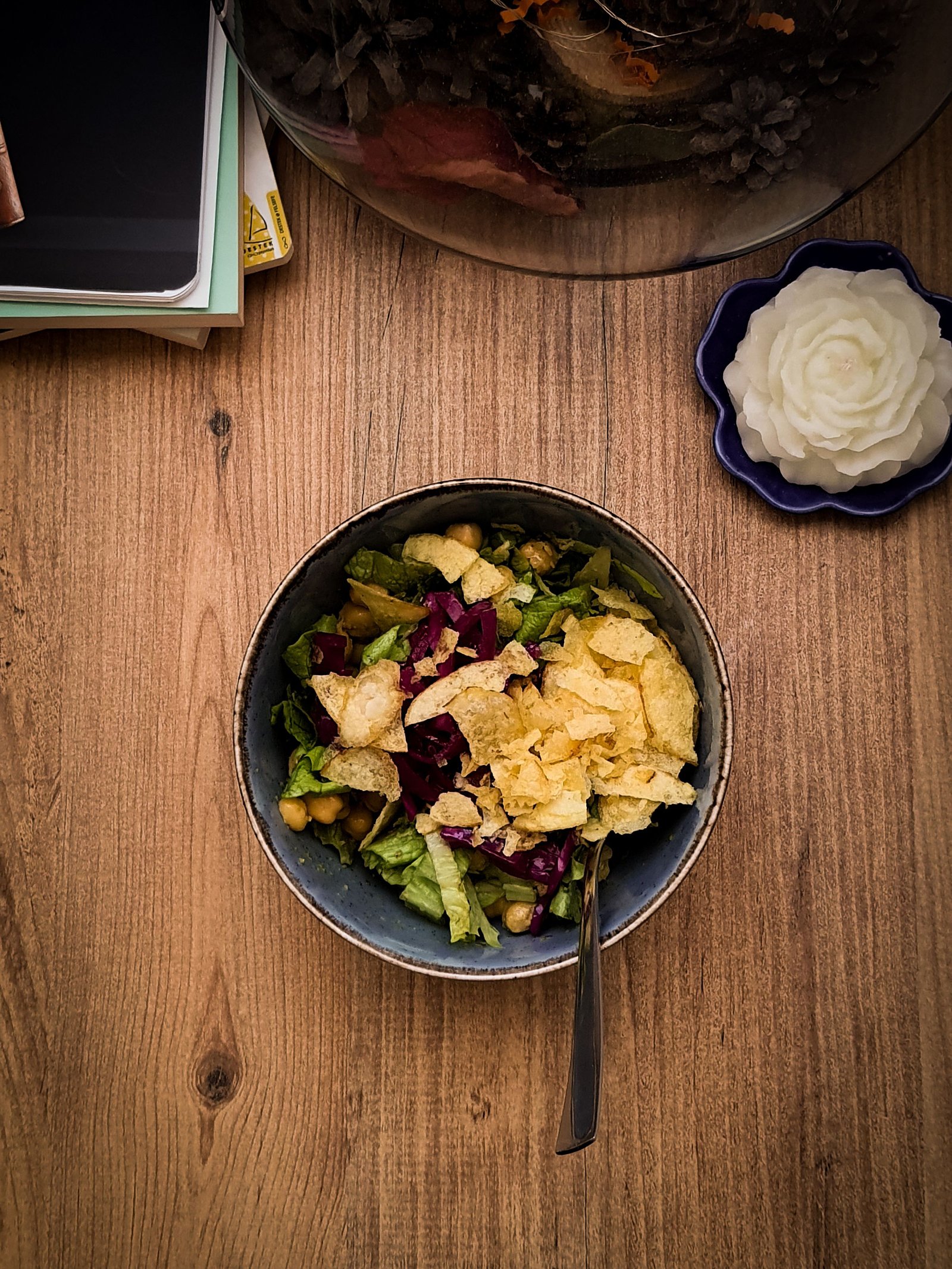
What are ultra-processed foods? (clear definition without panic)
Under the widely used NOVA framing, ultra-processed foods are industrial formulations—often ready-to-eat, highly convenient, and engineered for shelf life and palatability—typically built from extracted or modified ingredients plus additives that make the product more appealing.2 Think many packaged snacks, sugary drinks, reconstituted meats, and many ready meals—not pasteurized milk, plain frozen vegetables, or canned beans by themselves.
Not all processing is the same. Minimal processing (washing, freezing, pasteurizing) is not the same problem class as typical snack UPFs. Treating every package as identical to candy or soda is a category error—and it feeds perfectionism that rarely lasts.
What does research show about UPFs and weight?
Two complementary evidence streams matter.
Controlled feeding: In Hall and colleagues’ inpatient randomized crossover trial, participants consumed roughly 508 more kcal/day on an ultra-processed diet than on an unprocessed diet matched for presented calories and several nutrients, gained about 0.9 kg in two weeks on UPF, and lost a similar amount on the unprocessed arm.1 That design speaks to ad libitum energy intake, not free-living perfection.
Observational syntheses: Meta-analyses of observational studies generally find higher UPF intake associated with overweight and obesity risk (for example, pooled obesity odds around 1.26–1.51 depending on the review and design mix).34 Associations are pattern-level; they do not prove every single UPF item “causes obesity” in isolation, and residual confounding always deserves humility.
Mechanisms often discussed (keep practical)
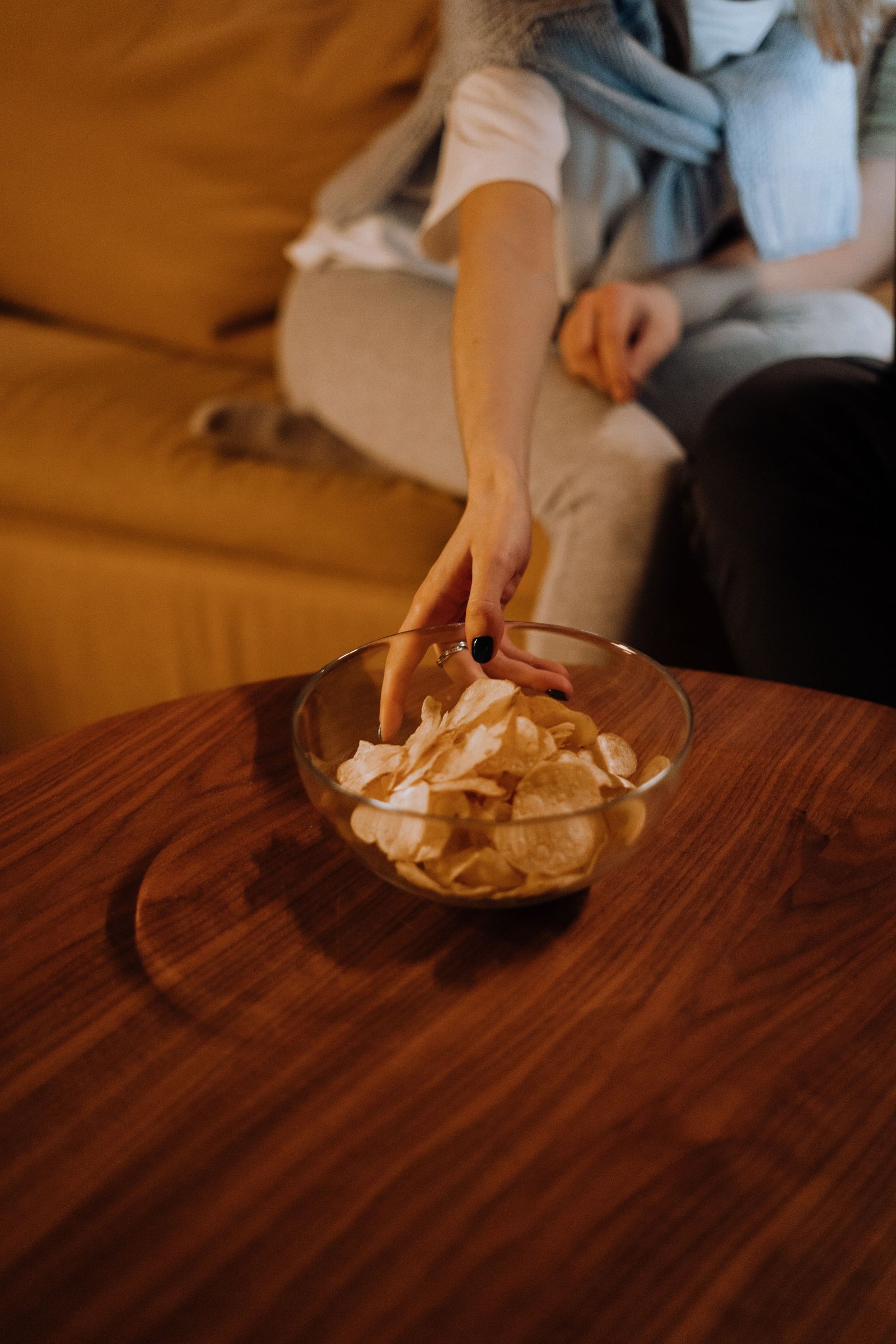
Researchers commonly point to energy density (more calories per bite), hyperpalatability (fat–sugar–salt combinations that encourage continued eating), faster eating rate, large portions, and constant availability—not character flaws.56 Soft texture and low chewing demand can make it easy to finish a package before fullness cues catch up. Marketing and convenience then make those defaults the path of least resistance.
Calories still matter — how UPF advice fits energy balance
Reducing UPFs often “works” for weight because people spontaneously eat fewer calories and feel fuller—not because calories stop applying.1 Energy balance remains the physics of fat loss. Use UPF cut-back as a tool that may improve adherence and satiety inside a sustainable plan. For deficit method (not rebuilt here), see the calorie deficit guide.
You don’t need a perfect pantry—you need fewer automatic overeats. Start with the defaults you touch daily.
How to cut back without perfectionism
Swap ladders (examples)
Move one rung toward higher protein/fiber and less hyperpalatable defaults—labeled as examples, not purity rules:
| Default (example) | Practical swap (example) | Why it may help |
|---|---|---|
| Sweet cereal + juice breakfast | Greek yogurt + fruit + oats | More protein/fiber; slower eat |
| Bag of chips at 3 p.m. | Cottage cheese + carrots, or air-popped popcorn | Volume + protein vs rapid snack calories |
| Sugary soda with meals | Sparkling water + citrus | Cuts liquid calories without a “ban identity” |
| Ultra-ready frozen pizza most nights | Prepped protein + veg + a simpler base 3–4×/week | Fewer default overeats; still flexible |
Food ideas live on the KEEP hubs: protein foods and high-fiber foods for weight loss—this page does not duplicate those lists.
Environment and structure beats willpower
Friction removal beats heroic restraint. Batch a few fall-back meals so the easy option is not always a hyperpalatable package—details on healthy meal prep for the week. Slower pace and fullness cues reduce “package empty before you notice” moments—see mindful eating tips.
“Good enough” rules that prevent rebound
Aim for progress most days, not a spotless pantry forever. Plan social meals and travel without a shame spiral. Keep some convenient packaged options that are higher in protein or simply portioned—flexibility is a feature, not a failure.
What usually does not help
- Fake UPF “detoxes” and juice cleanses — not required for evidence-based cut-back; they often rebound.
- All-or-nothing bans that rebound into binge patterns.
- Fearbait that one additive alone explains weight (usually overstated).
- Treating every packaged food as identical to candy/soda UPFs.2
A simple UPF cut-back checklist
- Name your top 3 default UPFs (breakfast, snack, drink, or dinner).
- Pick one swap for each this week (table above as a starting point).
- Anchor meals with protein + fiber (protein foods, fiber foods).
- Prep 2–3 fall-backs so convenience is not only UPF (meal prep).
- Practice a slightly slower pace at the default snack (mindful eating).
- Keep fat-loss math realistic via a moderate deficit if that is the goal (calorie deficit guide).
- Seek clinical care when needed — educational only (medical disclaimer).

FAQ
Do ultra-processed foods cause weight gain?
They can make weight gain more likely by raising spontaneous calorie intake. Hall’s NIH trial showed higher ad libitum intake and short-term weight gain on a UPF diet versus unprocessed; observational reviews link higher UPF intake with obesity risk.134 Pattern-level language beats “one cookie caused obesity.”
What counts as an ultra-processed food?
In NOVA terms, UPFs are industrial formulations often ready-to-eat, with little intact food and ingredients/additives used mainly for palatability, convenience, and shelf life.2 Frozen broccoli or plain yogurt is not the same category as many reconstituted snack products.
Are all processed foods bad for weight loss?
No. Processing spans pasteurization and freezing through ultra-processed snacks. The weight-relevant issue is often how easily a product drives overeating, not “package = bad.”26
Can I lose weight while still eating some UPFs?
Yes. Fat loss still tracks energy balance. Many people succeed by cutting the defaults that drive automatic overeating, not by achieving a zero-UPF pantry. Flexibility usually beats rebound bans.
Why do UPFs make it easier to overeat?
Higher energy density, hyperpalatable nutrient combinations, faster eating rate, and convenient large portions all push meal calories upward in research on meal characteristics.561
What’s more important for fat loss: avoiding UPFs or a calorie deficit?
A calorie deficit is still required for fat loss. Cutting UPFs is often a helpful tool that makes a deficit easier to sustain via satiety and fewer automatic calories.1 Method detail: calorie deficit guide.
How do I cut back on ultra-processed foods without going all-or-nothing?
Start with daily defaults, use swap ladders, raise protein/fiber, and change the environment with prep and pace—not a week-long cleanse. Depth: meal prep, mindful eating.
Key takeaways
- High-UPF patterns are frequently linked with higher energy intake and weight outcomes in trials and observational reviews.134
- Mechanisms often involve energy density, hyperpalatability, eating rate, and environment—not moral failure.56
- Cut back without perfectionism: swap defaults, keep flexibility, skip fake detoxes.
- Calories still matter; UPF reduction is a satiety/adherence tool inside energy balance.
- Depth links (do not rewrite): fiber, meal prep, protein foods, mindful eating.
- Educational only — medical disclaimer · About.
References
- Hall KD, et al. Ultra-Processed Diets Cause Excess Calorie Intake and Weight Gain: An Inpatient Randomized Controlled Trial of Ad Libitum Food Intake. Cell Metab. 2019;30(1):67-77.e3. DOI: 10.1016/j.cmet.2019.05.008. PMID: 31105044.
- Monteiro CA, et al. Ultra-processed foods: what they are and how to identify them. Public Health Nutr. 2019;22(5):936-941. DOI: 10.1017/S1368980018003762. PMID: 30744710.
- Askari M, et al. Ultra-processed food and the risk of overweight and obesity: a systematic review and meta-analysis of observational studies. Int J Obes (Lond). 2020;44(10):2080-2091. DOI: 10.1038/s41366-020-00650-z. PMID: 32796919.
- Lane MM, et al. Ultraprocessed food and chronic noncommunicable diseases: A systematic review and meta-analysis of 43 observational studies. Obes Rev. 2021;22(3):e13146. DOI: 10.1111/obr.13146. PMID: 33167080.
- Fazzino TL, Rohde K, Sullivan DK. Hyper-Palatable Foods: Development of a Quantitative Definition and Application to the US Food System Database. Obesity (Silver Spring). 2019;27(11):1761-1768. DOI: 10.1002/oby.22639.
- Fazzino TL, Courville AB, Guo J, Hall KD. Ad libitum meal energy intake is positively influenced by energy density, eating rate and hyper-palatable food across four dietary patterns. Nat Food. 2023;4(2):144-147. DOI: 10.1038/s43016-022-00688-4.