In the relentless pursuit of a healthier, more vibrant you, the journey towards sustainable weight loss and abundant energy often feels like navigating a complex maze. We’re constantly bombarded with diet fads, miracle pills, and exhaustive workout routines, yet many still struggle to achieve lasting results. What if the secret to unlocking your body’s full potential for fat burning and vitality wasn’t just about what you cut out, but what you put in, specifically on a microscopic level?
At GetLeanPulse.com, we understand that true wellness is a holistic endeavor, deeply rooted in the foundational elements of nutrition. While diet and exercise form the cornerstone, the often-overlooked architects of our metabolic processes and energy production are vitamins and minerals. These micronutrients, though needed in small quantities, play monumental roles in virtually every biochemical reaction in your body, from converting food into energy to regulating fat metabolism and supporting mood.
Imagine a scenario where your body is a high-performance engine. You wouldn’t expect it to run efficiently without the right type of fuel and lubricants, would you? Similarly, your body requires a precise cocktail of vitamins and minerals to function optimally, especially when you’re pushing it to lose weight and maintain high energy levels. Deficiencies, even subtle ones, can derail your efforts, leaving you feeling sluggish, battling cravings, and struggling to shed those stubborn pounds.
This comprehensive guide from GetLeanPulse.com is designed to demystify the world of micronutrients, spotlighting the best vitamins for weight loss and energy. We’ll delve deep into how specific vitamins and minerals act as catalysts for metabolism, fat burning, and sustained vitality, empowering you to make informed choices for your health journey. Whether you’re looking to kickstart your weight loss, overcome energy slumps, or simply optimize your well-being, understanding these vital nutrients is your first step towards a more energetic and leaner you.
Disclaimer: The information provided in this article is for educational purposes only and is not intended as medical advice. Always consult with a qualified healthcare professional or registered dietitian before making any significant changes to your diet, exercise routine, or supplement regimen, especially if you have underlying health conditions or are taking medications. Individual results may vary.
The Indispensable Link: Vitamins, Weight Loss, and Energy
Before we pinpoint specific vitamins, it’s crucial to grasp the fundamental relationship between these micronutrients, your body’s energy levels, and its ability to manage weight effectively. It’s not just about calories in, calories out; it’s also about how efficiently your body processes those calories and utilizes them for fuel.
Metabolism: The Body’s Furnace: At the heart of both energy production and weight management lies metabolism – the complex set of chemical reactions that occur in your body to maintain life. This includes converting food into energy, building and repairing tissues, and eliminating waste. Vitamins and minerals act as cofactors and coenzymes in hundreds of these metabolic pathways. Without them, these critical reactions either slow down or stop altogether, leading to decreased energy expenditure, inefficient fat burning, and a general feeling of fatigue.
Energy Production: From Food to Fuel: Every cell in your body requires energy to function. This energy is primarily derived from the food you eat, which is broken down into glucose, fatty acids, and amino acids. These molecules then enter intricate metabolic cycles, such as the Krebs cycle and oxidative phosphorylation, within your cells’ mitochondria – the “powerhouses” of the cell. Vitamins, particularly the B-complex vitamins, are indispensable at every stage of this conversion process, ensuring that glucose and fats are efficiently transformed into adenosine triphosphate (ATP), the body’s primary energy currency.
Weight Management: Beyond the Scale: Weight loss isn’t solely about reducing calorie intake. It’s about optimizing your body’s ability to burn fat for fuel, regulate appetite, control blood sugar, and reduce inflammation. Certain vitamins play direct roles in these processes, influencing hormone production, insulin sensitivity, and even the differentiation of fat cells. When your body is nutritionally replete, it’s better equipped to signal satiety, manage stress, and maintain a healthy metabolic rate, all of which are crucial for sustainable weight loss.
In essence, vitamins are the unsung heroes of your health. They don’t just “boost” energy or “burn” fat; they enable the fundamental biological processes that make these outcomes possible. A deficiency in even one key vitamin can create a cascade of negative effects, hindering your weight loss efforts and leaving you feeling drained. Let’s explore which specific vitamins hold the most promise for fueling your body and helping you achieve your weight goals.
The Power Players: Best Vitamins for Energy
If you’ve ever experienced that mid-afternoon slump, the struggle to get out of bed, or a general lack of motivation, you know the debilitating effect of low energy. While sleep and hydration are paramount, specific vitamins are absolutely critical for converting the food you eat into usable energy. Addressing deficiencies in these areas can be a game-changer for your vitality.
B Vitamins: The Metabolic Maestros
The B-complex vitamins are a group of eight water-soluble vitamins that are absolutely essential for cellular metabolism and energy production. They work synergistically, playing distinct but interconnected roles in helping your body convert carbohydrates, fats, and proteins into energy. Because they are water-soluble, they are not stored in the body in large amounts and must be replenished regularly through diet or supplementation.
- Vitamin B1 (Thiamine): Thiamine is vital for the conversion of carbohydrates into glucose, which is the body’s primary fuel source. It’s also crucial for nerve function and muscle contraction. A deficiency can lead to fatigue, irritability, and muscle weakness.
- Vitamin B2 (Riboflavin): Riboflavin is a key component of coenzymes involved in energy production, fat metabolism, and drug metabolism. It plays a role in the electron transport chain, a critical step in ATP synthesis. Low levels can result in fatigue and impaired athletic performance.
- Vitamin B3 (Niacin): Niacin is central to the production of two essential coenzymes, NAD and NADP, which are involved in over 200 enzymatic reactions in the body, including those that generate energy from carbohydrates, fats, and proteins. It also plays a role in DNA repair and antioxidant processes.
- Vitamin B5 (Pantothenic Acid): Pantothenic acid is a component of coenzyme A (CoA), which is essential for fatty acid synthesis and degradation, as well as the metabolism of carbohydrates and proteins. It’s crucial for adrenal function and the production of stress hormones, which can impact energy levels.
- Vitamin B6 (Pyridoxine): Pyridoxine is involved in over 100 enzyme reactions, primarily those related to protein metabolism. It’s essential for the production of neurotransmitters (like serotonin and norepinephrine) that regulate mood and energy, and for the release of glucose from stored glycogen.
- Vitamin B7 (Biotin): Biotin is famous for its role in hair, skin, and nail health, but it’s equally important for metabolic health. It acts as a coenzyme in the metabolism of fatty acids, amino acids, and glucose, helping to convert food into energy.
- Vitamin B9 (Folate/Folic Acid): Folate is critical for cell growth and DNA synthesis. While not directly involved in energy production in the same way as other B vitamins, a deficiency can lead to megaloblastic anemia, which causes severe fatigue and weakness due to insufficient oxygen transport.
- Vitamin B12 (Cobalamin): Perhaps one of the most well-known B vitamins for energy, B12 is crucial for red blood cell formation, neurological function, and DNA synthesis. It works closely with folate to produce healthy red blood cells that carry oxygen throughout the body. A deficiency is a common cause of profound fatigue, weakness, and nerve damage. Vegetarians and vegans are particularly susceptible to B12 deficiency as it’s primarily found in animal products.
Vitamin C: The Antioxidant Energizer
While often associated with immune health, Vitamin C (Ascorbic Acid) plays a significant role in energy metabolism. It’s a powerful antioxidant that helps protect cells from oxidative stress, which can contribute to fatigue. More directly, Vitamin C is required for the biosynthesis of L-carnitine, a molecule essential for transporting fatty acids into the mitochondria for energy production. It also supports adrenal gland function, which is critical for managing stress and maintaining consistent energy levels. Chronic stress can deplete Vitamin C, further contributing to fatigue.
Iron: The Oxygen Carrier
Iron is a mineral, not a vitamin, but its role in energy is so critical that it deserves a prominent mention. Iron is an essential component of hemoglobin, the protein in red blood cells that carries oxygen from your lungs to all parts of your body, including your muscles and brain. It’s also part of myoglobin, which stores oxygen in muscle cells. Without sufficient iron, your body can’t produce enough healthy red blood cells, leading to iron-deficiency anemia, a common cause of extreme fatigue, weakness, dizziness, and shortness of breath. Women, especially those who menstruate, and vegetarians/vegans are at higher risk of iron deficiency.
Magnesium: The Energy Mineral
Another crucial mineral, Magnesium, is involved in over 300 biochemical reactions in the body, many of which are directly related to energy production. It is required for the activation of ATP, the body’s energy currency. Without magnesium, ATP cannot be utilized by the cells. Magnesium also plays a role in muscle and nerve function, blood glucose control, and blood pressure regulation. Chronic fatigue, muscle cramps, and difficulty sleeping can all be signs of magnesium deficiency, which is surprisingly common in the general population.
Coenzyme Q10 (CoQ10): The Mitochondrial Spark Plug
Though technically not a vitamin, Coenzyme Q10 (CoQ10) is a vitamin-like substance that is absolutely vital for cellular energy production. It plays a central role in the electron transport chain within the mitochondria, where it acts as an electron acceptor and donor, facilitating the synthesis of ATP. CoQ10 is also a potent antioxidant, protecting cells from damage. Levels of CoQ10 naturally decline with age and can be depleted by certain medications (like statins), leading to reduced energy and increased fatigue. Supplementation can be particularly beneficial for those experiencing age-related energy decline or those on relevant medications.
Potassium: The Electrolyte Balancer
Potassium, an essential electrolyte, is critical for maintaining fluid balance, nerve signals, and muscle contractions. While not directly involved in ATP production, its role in cellular function is indispensable for overall energy. Low potassium can lead to muscle weakness, fatigue, and general malaise. Maintaining proper electrolyte balance is crucial for high energy levels, especially for those who are active or sweat a lot.

Strategic Support: Best Vitamins for Weight Loss
While no vitamin acts as a magic bullet for weight loss, several key micronutrients play direct and indirect roles in supporting your body’s ability to burn fat, regulate appetite, and maintain a healthy metabolism. By ensuring adequate intake of these vitamins, you can optimize your body’s internal environment for more effective and sustainable weight management.
Vitamin D: The Sunshine Regulator
Often dubbed the “sunshine vitamin,” Vitamin D is actually a hormone precursor that plays a critical role in bone health, immune function, and surprisingly, weight management. Research suggests a strong correlation between Vitamin D deficiency and obesity. While the exact mechanisms are still being fully elucidated, Vitamin D is thought to influence fat cells, fat metabolism, and hormone regulation. It may affect the expression of genes involved in fat storage and breakdown, improve insulin sensitivity (reducing the likelihood of fat storage), and even impact the production of leptin (a hormone that signals satiety) and ghrelin (a hormone that stimulates appetite). Adequate Vitamin D levels can help reduce inflammation, which is often associated with obesity, and improve mood, which can indirectly support better dietary choices and motivation for exercise.
Calcium: More Than Just Bones
While universally recognized for its role in bone health, Calcium also appears to play a part in weight management. Some studies suggest that higher calcium intake, particularly from dairy sources, may be associated with lower body weight and reduced body fat. The proposed mechanisms include calcium’s ability to bind with dietary fats in the intestine, forming insoluble soaps that are excreted rather than absorbed. Additionally, calcium may play a role in regulating fat cell metabolism, potentially inhibiting fat storage and promoting fat breakdown. It’s also thought to influence thermogenesis (heat production) and energy expenditure. When combined with Vitamin D, its effects on weight management may be amplified.
Chromium: The Blood Sugar Stabilizer
Chromium is an essential trace mineral that enhances the action of insulin, a hormone critical for regulating blood sugar levels and metabolizing carbohydrates, fats, and proteins. By improving insulin sensitivity, chromium helps your body efficiently transport glucose from the bloodstream into cells, where it can be used for energy, rather than being stored as fat. This can lead to more stable blood sugar levels, which in turn helps to reduce sugar cravings, manage appetite, and prevent energy crashes that often lead to unhealthy snacking. For individuals struggling with insulin resistance or type 2 diabetes, chromium supplementation has shown promise in improving glucose control.
Alpha-Lipoic Acid (ALA): The Glucose Metabolizer
Alpha-Lipoic Acid (ALA) is a powerful antioxidant and a vitamin-like compound that plays a vital role in energy metabolism. It helps convert glucose into energy, making it more available to cells. More importantly for weight loss, ALA has been shown to improve insulin sensitivity, similar to chromium, and may help reduce blood sugar levels. Some research suggests that ALA can activate AMP-activated protein kinase (AMPK), an enzyme that promotes fat burning and reduces fat storage. By optimizing glucose utilization and promoting fat metabolism, ALA can indirectly support weight loss efforts and improve overall energy levels.
L-Carnitine: The Fat Transporter
Though not strictly a vitamin, L-Carnitine is a highly relevant amino acid derivative often included in discussions about weight loss and energy, as it’s synthesized in the body from lysine and methionine, with the help of vitamins C, B3, B6, and iron. L-Carnitine’s primary role is to transport long-chain fatty acids into the mitochondria, where they can be oxidized (“burned”) for energy. Without sufficient L-Carnitine, fatty acids cannot efficiently enter the mitochondria, leading to impaired fat burning and potential fat accumulation. While the body produces L-Carnitine, supplementation may be beneficial for certain individuals, particularly athletes or those with deficiencies, to enhance fat utilization and boost energy, especially during exercise.
Choline: The Fat Mobilizer
Choline is an essential nutrient that is often grouped with the B vitamins due to its similar functions. It plays a critical role in fat metabolism and transport. Choline is necessary for the production of phosphatidylcholine, a component of cell membranes and a key player in the transport of fats from the liver. It helps prevent fat and cholesterol from accumulating in the liver, promoting their efficient utilization for energy. Adequate choline intake supports a healthy metabolism and can aid in the mobilization of stored fat, making it available for energy burning. It’s also vital for brain function and neurotransmitter synthesis.

The Synergy Effect: How Vitamins Work Together
It’s important to understand that vitamins don’t work in isolation. They are part of an intricate biochemical orchestra, with each nutrient playing its part and often relying on others for optimal function. For example, Vitamin D helps the body absorb calcium, and both are linked to weight management. The B vitamins work together as a complex to ensure efficient energy production. Vitamin C is needed for the synthesis of L-Carnitine. Iron needs Vitamin C for better absorption. Magnesium is required for the activation of ATP, which is produced through processes requiring B vitamins.
This synergistic relationship highlights why a holistic approach to nutrition is paramount. Focusing on a single “magic” vitamin while neglecting others is unlikely to yield significant results. Instead, aiming for a nutrient-dense diet that provides a broad spectrum of vitamins and minerals is the most effective strategy for supporting both energy and weight loss.
Prioritizing Whole Foods: Your Primary Source of Vitamins
Before reaching for supplements, always remember that the best source of vitamins and minerals is a balanced diet rich in whole, unprocessed foods. Nature has perfectly packaged these nutrients in forms that are easily recognized and utilized by your body, often alongside beneficial fiber, antioxidants, and phytochemicals that enhance their effects.
- For B Vitamins: Look to whole grains (brown rice, oats, quinoa), lean meats (chicken, turkey, beef), fish, eggs, dairy products, legumes (beans, lentils), leafy green vegetables (spinach, kale), nuts, and seeds.
- For Vitamin C: Citrus fruits (oranges, grapefruits), berries (strawberries, blueberries), bell peppers, broccoli, kiwi, and tomatoes are excellent sources.
- For Iron: Red meat, poultry, fish, fortified cereals, beans, lentils, spinach, and dark chocolate. To enhance absorption, pair iron-rich foods with Vitamin C.
- For Magnesium: Leafy green vegetables (spinach, Swiss chard), nuts (almonds, cashews), seeds (pumpkin, chia), legumes, whole grains, and dark chocolate.
- For CoQ10: Organ meats (liver, heart), fatty fish (salmon, tuna), whole grains, and nuts.
- For Potassium: Bananas, avocados, sweet potatoes, spinach, beans, and lentils.
- For Vitamin D: Fatty fish (salmon, mackerel, sardines), fortified dairy products, fortified cereals, and egg yolks. Sunlight exposure is also a primary source.
- For Calcium: Dairy products (milk, yogurt, cheese), fortified plant-based milks, leafy greens (collard greens, kale), and fortified cereals.
- For Chromium: Broccoli, grapes, whole grains, lean meats, and green beans.
- For Alpha-Lipoic Acid: Red meat (especially organ meats), spinach, broccoli, and yeast.
- For L-Carnitine: Red meat (especially beef), dairy products, fish, and poultry.
- For Choline: Egg yolks, beef liver, soybeans, fish, and cruciferous vegetables like broccoli and Brussels sprouts.
By prioritizing a diverse array of colorful fruits, vegetables, lean proteins, and whole grains, you significantly increase your chances of meeting your daily micronutrient needs and laying a strong foundation for both energy and weight loss.
The Role of Supplementation: When and How
Despite best efforts, certain circumstances can make it challenging to obtain all necessary vitamins and minerals from diet alone. These include:
- Dietary Restrictions: Vegetarians and vegans may struggle to get adequate Vitamin B12 and L-Carnitine, while those avoiding dairy might need to pay extra attention to calcium and Vitamin D.
- Increased Demands: Athletes, pregnant women, or individuals recovering from illness may have higher nutrient requirements.
- Malabsorption Issues: Certain medical conditions (e.g., Crohn’s disease, celiac disease) or medications can impair nutrient absorption.
- Environmental Factors: Limited sun exposure can lead to Vitamin D deficiency.
- Age: As we age, nutrient absorption can decrease, and certain vitamin needs may increase (e.g., Vitamin B12).
In these cases, targeted supplementation can be a valuable tool to fill nutritional gaps and support your weight loss and energy goals. However, it’s crucial to approach supplementation wisely:
- Consult a Healthcare Professional: Before starting any new supplement, always speak with your doctor or a registered dietitian. They can assess your individual needs, identify potential deficiencies through blood tests, and advise on appropriate dosages and potential interactions with medications.
- Choose Quality Supplements: Look for reputable brands that conduct third-party testing for purity and potency. Certifications from organizations like USP, NSF International, or ConsumerLab.com can provide assurance of quality.
- Understand Dosages: More is not always better. Excessive intake of certain vitamins (especially fat-soluble vitamins like A, D, E, and K, which can accumulate in the body) can be harmful. Adhere to recommended daily allowances (RDAs) or your healthcare provider’s specific recommendations.
- Prioritize a Multivitamin: A high-quality daily multivitamin can serve as an excellent nutritional safety net, providing a broad spectrum of essential vitamins and minerals. However, it may not address specific, profound deficiencies.
- Consider Targeted Supplements: If blood tests reveal specific deficiencies (e.g., Vitamin D, B12, Iron, Magnesium), your doctor may recommend higher doses of individual supplements.
Remember, supplements are intended to “supplement” a healthy diet, not replace it. They are tools to optimize your nutritional status, creating an environment where your body can more effectively manage weight and generate energy, especially when combined with a balanced diet and regular exercise.
Beyond Vitamins: The Holistic Approach to Weight Loss and Energy
While vitamins are powerful allies, they are just one piece of the puzzle. Achieving lasting weight loss and sustained energy requires a holistic approach that addresses several key lifestyle factors:
- Balanced Nutrition: Focus on whole, unprocessed foods. Prioritize lean proteins, complex carbohydrates, healthy fats, and an abundance of fruits and vegetables. Avoid excessive sugar, refined grains, and unhealthy processed foods.
- Regular Exercise: Incorporate a mix of cardiovascular exercise (for fat burning and endurance), strength training (to build muscle mass, which boosts metabolism), and flexibility/mobility work. Exercise not only burns calories but also improves insulin sensitivity, boosts mood, and enhances energy levels.
- Adequate Sleep: Sleep is non-negotiable for both energy and weight management. Insufficient sleep disrupts hormones that regulate appetite (ghrelin and leptin), increases cortisol (stress hormone associated with belly fat), and impairs insulin sensitivity. Aim for 7-9 hours of quality sleep per night.
- Stress Management: Chronic stress elevates cortisol levels, which can lead to increased appetite, cravings for unhealthy foods, and fat storage (especially around the abdomen). Incorporate stress-reducing practices like meditation, yoga, deep breathing, spending time in nature, or engaging in hobbies.
- Hydration: Water is essential for every bodily function, including metabolism and energy production. Dehydration can manifest as fatigue and can sometimes be mistaken for hunger. Drink plenty of water throughout the day.
- Mindful Eating: Pay attention to your hunger and fullness cues. Eat slowly, savor your food, and avoid distractions. This can help prevent overeating and improve digestion.
Integrating these lifestyle pillars with optimized vitamin and mineral intake creates a powerful synergy that propels you towards your weight loss and energy goals more effectively and sustainably than any single approach alone.
Customizing Your Approach: Individual Needs and Considerations
It’s crucial to remember that everyone’s body is unique, and what works best for one person may not be ideal for another. Factors such as age, gender, activity level, genetic predispositions, existing health conditions, and current dietary patterns all influence your individual vitamin and mineral needs.
- Age: Older adults may have reduced stomach acid, impacting B12 absorption, and decreased skin synthesis of Vitamin D.
- Gender: Women, especially those of childbearing age, have higher iron needs due to menstruation.
- Dietary Preferences: Vegans and vegetarians need to be particularly mindful of B12, iron, and calcium.
- Health Conditions: Individuals with digestive disorders, diabetes, or certain chronic diseases may have specific nutrient requirements or absorption issues.
- Medications: Some medications can deplete specific nutrients (e.g., metformin can lower B12, statins can lower CoQ10).
This further underscores the importance of personalized guidance from a healthcare professional. They can help you identify any specific deficiencies or increased needs and tailor a nutritional and supplementation plan that aligns with your unique physiology and lifestyle.
Potential Risks and Considerations
While essential, it’s possible to have too much of a good thing. Over-supplementation, especially with fat-soluble vitamins (A, D, E, K) which can accumulate in the body, can lead to toxicity. For example, excessive Vitamin D can cause hypercalcemia (too much calcium in the blood), leading to kidney problems and other issues. High doses of certain B vitamins can also have adverse effects.
Furthermore, supplements can interact with medications. For instance, Vitamin K can interfere with blood thinners, and certain antioxidants can impact chemotherapy. Always disclose all supplements you are taking to your doctor to avoid potential risks and ensure your safety.
Focus on achieving balance. The goal is not to consume mega-doses of every vitamin but to ensure your body has optimal levels of all essential nutrients to function at its peak. This balanced approach, centered on whole foods and targeted supplementation when necessary, is the safest and most effective path to lasting health, energy, and a lean physique.
Conclusion: Empower Your Body, Transform Your Life
The journey to sustainable weight loss and boundless energy isn’t about deprivation or quick fixes; it’s about nourishing your body from the inside out. Vitamins and essential minerals are the unsung heroes in this journey, acting as critical catalysts for your metabolism, energy production, and overall well-being. By understanding their profound roles and ensuring you meet your body’s specific needs, you empower your cells to function optimally, burn fat more efficiently, and convert food into vibrant energy.
From the metabolic maestros of the B-complex vitamins that fuel every cellular process, to the sunshine regulator Vitamin D that influences fat metabolism, and the mineral powerhouses like Iron and Magnesium that deliver oxygen and activate energy, each nutrient plays a pivotal role. Chromium helps stabilize blood sugar, L-Carnitine transports fat for burning, and Alpha-Lipoic Acid optimizes glucose utilization – together, they form a formidable team supporting your health goals.
At GetLeanPulse.com, we advocate for a balanced, whole-foods-first approach, supplemented intelligently and under professional guidance when necessary. Combine this nutritional wisdom with consistent exercise, adequate sleep, and effective stress management, and you create an unstoppable synergy that will not only help you shed pounds but also infuse every day with renewed vitality and clarity.
Take the first step today. Evaluate your diet, consider a conversation with your healthcare provider about your micronutrient status, and commit to nurturing your body with the essential building blocks it needs to thrive. Your path to a leaner, more energetic, and truly healthier you begins with informed choices and consistent action. Unlock your body’s full potential – your GetLeanPulse journey starts now!
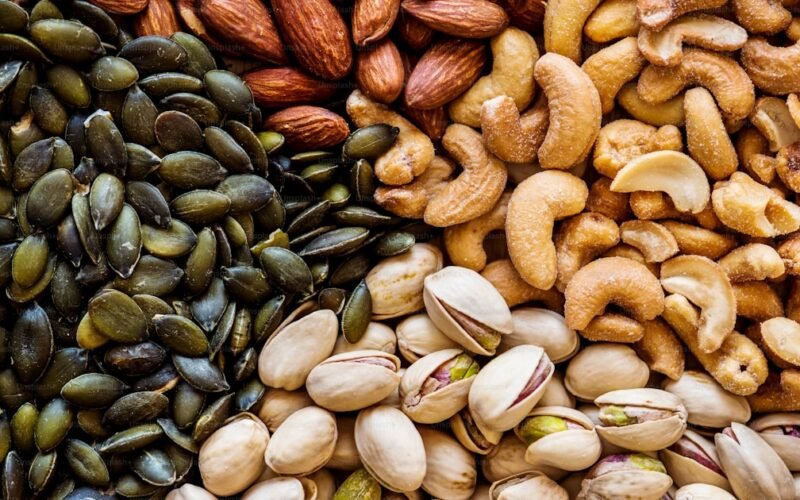
Photo by Foodie Factor on Pexels