In the vast landscape of health and nutrition, certain nutrients stand out for their profound impact on overall well-being. Among these, Omega-3 fatty acids have garnered significant attention, not just for their widely recognized cardiovascular and brain health benefits, but increasingly, for their powerful role in supporting sustainable weight loss. At GetLeanPulse.com, we understand that achieving and maintaining a healthy weight is a multifaceted journey, and incorporating the right nutrients can make all the difference. This comprehensive guide will delve deep into the science-backed benefits of Omega-3 rich foods, revealing how these essential fats can be your secret weapon in shedding unwanted pounds and fostering a leaner, healthier you.
Forget fleeting fad diets and restrictive eating plans. The path to lasting weight loss is paved with informed choices and a holistic understanding of how your body works. Omega-3s aren’t a magic bullet, but they are a crucial component of a balanced diet that can optimize your body’s natural fat-burning capabilities, reduce inflammation, enhance satiety, and improve metabolic function. By the end of this article, you’ll have a clear understanding of why these fats are essential, which foods to prioritize, and practical strategies to seamlessly integrate them into your daily routine to accelerate your weight loss journey.
Omega 3 Foods: Your Secret Weapon for Sustainable Weight Loss
Unlocking the Power of Omega-3s for a Leaner You
The pursuit of a healthy weight often involves a complex interplay of diet, exercise, genetics, and lifestyle factors. While calorie deficits and increased physical activity are fundamental, the quality of the calories you consume and the specific nutrients you provide your body play an equally critical role in determining your success. This is where Omega-3 fatty acids enter the spotlight. Far from being just “good fats,” Omega-3s are essential polyunsaturated fatty acids that our bodies cannot produce on their own, meaning we must obtain them through our diet. Their influence extends beyond general health, impacting specific pathways and functions that are directly linked to weight management.
For years, dietary fat was vilified in the context of weight loss, leading many to adopt low-fat diets that often replaced healthy fats with refined carbohydrates. We now know that this approach was flawed. Certain fats, like Omega-3s, are not only beneficial but absolutely necessary for optimal health and metabolic function. When it comes to weight loss, Omega-3s work synergistically with your body, addressing some of the underlying physiological hurdles that can make shedding pounds difficult. They help to reset your body’s internal thermostat, encouraging a more efficient metabolism, modulating appetite signals, and combating chronic inflammation – a silent culprit in many weight gain scenarios. This article will equip you with the knowledge to harness the power of these incredible nutrients, transforming your approach to weight loss from a struggle to a sustainable success story.
The Science Behind Omega-3s: EPA, DHA, and ALA Explained
To truly appreciate the benefits of Omega-3s for weight loss, it’s vital to understand what they are and how they function within the body. Omega-3s are a family of polyunsaturated fatty acids (PUFAs) characterized by a double bond at the third carbon atom from the methyl end of the fatty acid chain. There are three primary Omega-3s relevant to human physiology:
- EPA (Eicosapentaenoic Acid): Primarily found in fatty fish and seafood, EPA is renowned for its potent anti-inflammatory properties. It plays a crucial role in reducing systemic inflammation, supporting cardiovascular health, and influencing mood regulation. For weight loss, its anti-inflammatory action is particularly significant, as chronic inflammation can hinder metabolic function and promote fat storage.
- DHA (Docosahexaenoic Acid): Also abundantly present in fatty fish and algae, DHA is a major structural component of the brain and retina. It is critical for cognitive function, eye health, and the development of the nervous system. In the context of weight, DHA contributes to overall cellular health and can indirectly support metabolic processes and mood stability, which are vital for adherence to a weight loss plan.
- ALA (Alpha-Linolenic Acid): This is the plant-based Omega-3 found in foods like flaxseeds, chia seeds, and walnuts. ALA is considered the “parent” Omega-3, as the body can convert a small percentage of it into EPA and DHA. However, this conversion process is often inefficient, particularly for DHA, varying significantly between individuals and often being less than 10%. While ALA offers its own health benefits, those seeking the direct effects of EPA and DHA should prioritize sources containing these specific forms.
These fatty acids are termed “essential” because the human body cannot synthesize them from other fats; they must be obtained through diet. The modern Western diet, unfortunately, is often characterized by a significant imbalance between Omega-6 and Omega-3 fatty acids. While Omega-6s (found in many vegetable oils, processed foods) are also essential, an excessive intake relative to Omega-3s can promote inflammation and contribute to various chronic diseases, including obesity. Restoring a healthier balance, typically aiming for a ratio closer to 1:1 or 4:1 (Omega-6 to Omega-3), is a key strategy for optimizing health and supporting weight loss.
Omega-3s and Weight Loss: A Multi-Faceted Approach
The beauty of Omega-3s lies in their comprehensive impact on the body, influencing numerous physiological pathways that collectively contribute to effective weight management. It’s not just one isolated benefit, but a symphony of actions that make them invaluable for anyone looking to shed pounds sustainably.
Boosting Metabolism and Fat Burning
One of the most exciting benefits of Omega-3s for weight loss is their potential to enhance metabolic rate and promote fat burning. Research suggests that EPA and DHA can activate a specific group of proteins called peroxisome proliferator-activated receptors (PPARs), particularly PPAR-alpha. These receptors play a critical role in regulating gene expression involved in fatty acid oxidation (the breakdown of fats for energy) and energy expenditure. By activating PPAR-alpha, Omega-3s essentially signal your body to burn more fat for fuel, both at rest and during physical activity.
Furthermore, Omega-3s may improve mitochondrial function. Mitochondria are the “powerhouses” of your cells, responsible for generating energy. More efficient mitochondria mean your body can produce energy more effectively, which can translate to a higher metabolic rate. Studies have shown that Omega-3 supplementation can increase energy expenditure and fat oxidation, especially during exercise, making your workouts more effective for burning stored fat. This metabolic boost is a significant advantage, as a sluggish metabolism can be a major roadblock in weight loss efforts.
Enhancing Satiety and Curbing Appetite
Controlling appetite and managing cravings are paramount for successful weight loss. Omega-3 fatty acids have been shown to influence hormones that regulate hunger and fullness, helping you feel satisfied for longer periods and reducing overall calorie intake. Specifically, they can increase the levels of leptin, a hormone produced by fat cells that signals satiety to the brain, and cholecystokinin (CCK), a hormone released in the gut that promotes feelings of fullness. Conversely, they may help to reduce levels of ghrelin, the “hunger hormone.”
By modulating these powerful appetite-regulating hormones, Omega-3s can help reduce the desire to overeat, leading to a natural decrease in calorie consumption without feeling deprived. This enhanced satiety is critical for adherence to a reduced-calorie diet, making it easier to stick to your meal plan and avoid unhealthy snacking between meals. When you feel fuller and more satisfied, the psychological burden of dieting is significantly lightened, fostering a more sustainable approach to weight loss.
Fighting Inflammation, a Silent Weight Gain Culprit
Chronic low-grade inflammation is increasingly recognized as a major contributor to obesity and related metabolic disorders. This type of inflammation isn’t always obvious; it’s a subtle, persistent immune response that can disrupt normal physiological processes. When your body is in a state of chronic inflammation, it can lead to insulin resistance, impaired fat metabolism, and increased fat storage, particularly around the abdominal area.
Omega-3s, especially EPA, are powerful anti-inflammatory agents. They work by converting into anti-inflammatory compounds like resolvins and protectins, which actively resolve inflammation and promote tissue repair. They also help to reduce the production of pro-inflammatory cytokines and eicosanoids, which are signaling molecules that drive inflammatory responses. By reducing chronic inflammation, Omega-3s can improve insulin sensitivity, optimize metabolic function, and create a more favorable environment for weight loss. This is a foundational benefit, as addressing inflammation can unlock your body’s potential to burn fat more efficiently and reduce the risk of weight regain.
Improving Insulin Sensitivity and Blood Sugar Regulation
Insulin is a hormone crucial for regulating blood sugar and energy storage. When cells become resistant to insulin (insulin resistance), the body produces more insulin to compensate, which can lead to higher blood sugar levels and increased fat storage, especially visceral fat around the organs. Insulin resistance is a common feature of obesity and a significant barrier to weight loss.
Omega-3 fatty acids can play a vital role in improving insulin sensitivity. They do this by enhancing the fluidity of cell membranes, making insulin receptors more accessible and responsive to insulin. This allows glucose to be more efficiently taken up by cells for energy, rather than being stored as fat. By stabilizing blood sugar levels and improving insulin sensitivity, Omega-3s can help prevent energy crashes that often lead to cravings for sugary, high-carbohydrate foods. This sustained energy and reduced desire for unhealthy snacks are key components of a successful weight loss strategy.
Preserving Lean Muscle Mass During Weight Loss
When you embark on a weight loss journey, the goal is to lose fat, not muscle. Lean muscle mass is metabolically active, meaning it burns more calories at rest than fat tissue. Losing muscle during dieting can slow down your metabolism, making it harder to lose weight and easier to regain it. Omega-3s have shown promise in helping to preserve lean muscle mass, especially when combined with resistance training and a protein-rich diet.
Research suggests that Omega-3s can enhance muscle protein synthesis, the process by which your body builds and repairs muscle tissue. They may also reduce muscle protein breakdown, particularly in situations of calorie restriction. This muscle-sparing effect is incredibly valuable for weight loss, as it helps maintain a higher metabolic rate, improves body composition, and contributes to a more toned physique. By protecting your hard-earned muscle, Omega-3s ensure that the weight you lose is predominantly fat.
Supporting Gut Health and the Microbiome
The gut microbiome, the trillions of microorganisms residing in your digestive tract, has emerged as a significant player in weight management. An imbalanced gut microbiota (dysbiosis) can contribute to inflammation, impaired metabolism, and increased fat storage. Omega-3 fatty acids can positively influence gut health and the composition of the gut microbiome.
Studies indicate that Omega-3s can promote the growth of beneficial gut bacteria, such as Bifidobacterium and Lactobacillus species, while reducing populations of less desirable bacteria. A diverse and healthy gut microbiome is associated with improved digestion, enhanced nutrient absorption, reduced inflammation, and better metabolic health. By fostering a healthier gut environment, Omega-3s indirectly support weight loss by optimizing nutrient utilization and reducing systemic inflammation, which can originate in the gut.
Enhancing Mood and Reducing Stress-Related Eating
The psychological aspect of weight loss cannot be overstated. Stress, anxiety, and depression can significantly impact eating behaviors, often leading to emotional eating, cravings for comfort foods, and difficulty adhering to a healthy diet plan. Omega-3s, particularly DHA, are crucial for brain health and function. They are integral components of neuronal membranes and play a role in neurotransmitter production, which influences mood and cognitive processes.
Regular intake of Omega-3s has been linked to improved mood, reduced symptoms of depression and anxiety, and better stress resilience. By supporting mental well-being, Omega-3s can help mitigate emotional eating patterns, making it easier to make conscious, healthy food choices. When your mind is clear and your mood is stable, you are better equipped to navigate the challenges of weight loss, stick to your goals, and avoid the pitfalls of stress-induced overeating.

Top Omega-3 Rich Foods for Your Weight Loss Journey
Now that you understand the profound benefits of Omega-3s for weight loss, the next logical step is to identify the best dietary sources. Incorporating these foods into your daily meals is a delicious and effective way to harness their power.
Fatty Fish: The Gold Standard (EPA & DHA)
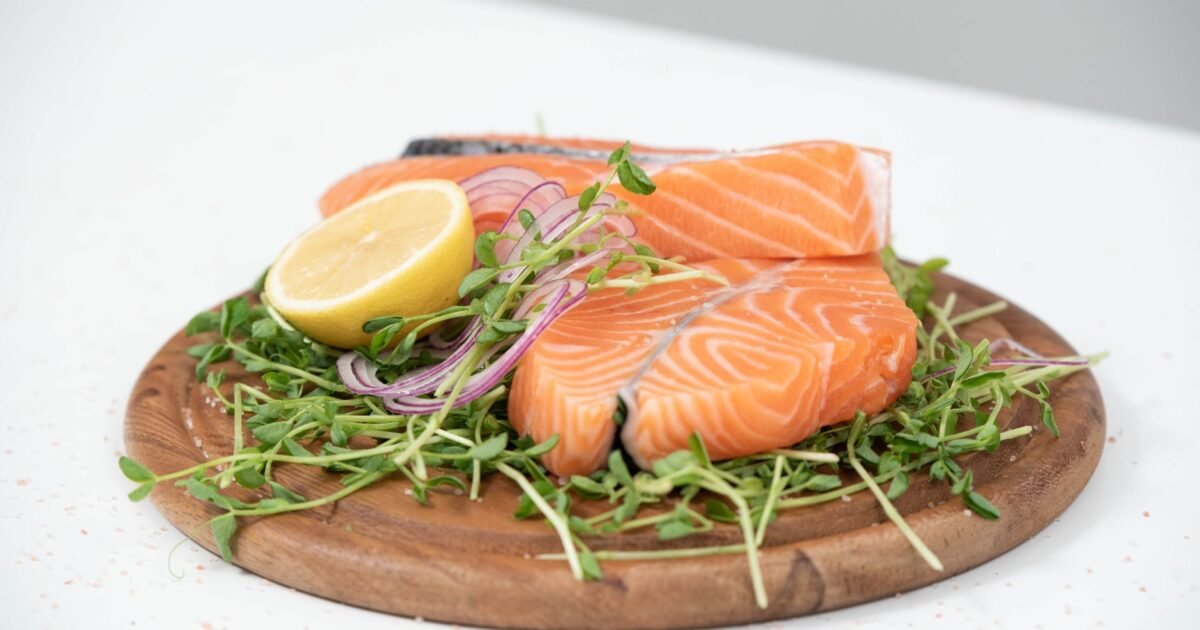
When it comes to direct sources of EPA and DHA, fatty fish are unparalleled. These marine powerhouses should be a cornerstone of your diet if you’re serious about leveraging Omega-3s for weight loss. Aim for at least two servings of fatty fish per week.
- Salmon: Wild-caught salmon (like Alaskan sockeye or coho) is generally preferred over farmed due to potentially higher Omega-3 content and lower contaminant levels. Salmon is incredibly versatile and can be baked, grilled, roasted, or pan-seared. A 3.5-ounce (100-gram) serving of salmon can provide over 2 grams of combined EPA and DHA.
- Mackerel: These smaller, oily fish are packed with Omega-3s and are often more affordable than salmon. Atlantic mackerel is a great choice, offering about 2.5 grams of Omega-3s per 3.5-ounce serving. They can be grilled, smoked, or even enjoyed canned.
- Sardines: Don’t let their small size fool you; sardines are nutritional powerhouses. Often sold canned, they are convenient and provide a significant amount of Omega-3s (around 1.5 grams per can) along with calcium and vitamin D. They’re great on salads, whole-grain toast, or straight from the can.
- Herring: Similar to sardines and mackerel, herring is another oily fish rich in EPA and DHA. Pickled herring is a common preparation, but fresh herring can also be grilled or baked. A 3.5-ounce serving can offer over 2 grams of Omega-3s.
- Anchovies: These tiny fish are often used to add savory depth to dishes, but they are also a concentrated source of Omega-3s. Even a small serving of anchovies can provide substantial EPA and DHA. They’re excellent in pasta sauces, on pizzas, or as a salty snack.
- Tuna: While a good source of protein, the Omega-3 content in tuna varies significantly. Albacore tuna generally has more Omega-3s than light tuna. However, due to potential mercury concerns, it’s advisable to consume tuna in moderation and opt for “light” tuna (skipjack) which is lower in mercury.
When choosing fish, consider sourcing from sustainable fisheries to support ocean health. Cooking methods that preserve nutrients, such as baking, grilling, or steaming, are preferable to deep-frying.
Plant-Based Powerhouses (ALA)
For those who prefer plant-based diets, or simply wish to diversify their Omega-3 intake, several plant foods are rich in ALA. Remember, while ALA is beneficial, its conversion to EPA and DHA is limited, so vegans and vegetarians might also consider algal oil supplements for direct EPA/DHA intake.
- Flaxseeds: These tiny seeds are an excellent source of ALA. It’s crucial to consume flaxseeds ground (flaxseed meal) rather than whole, as whole seeds can pass through the digestive system undigested, preventing nutrient absorption. A single tablespoon of ground flaxseeds provides about 2.3 grams of ALA. Add them to smoothies, yogurt, oatmeal, or use them as an egg substitute in baking. Flaxseed oil is also available but should not be heated.
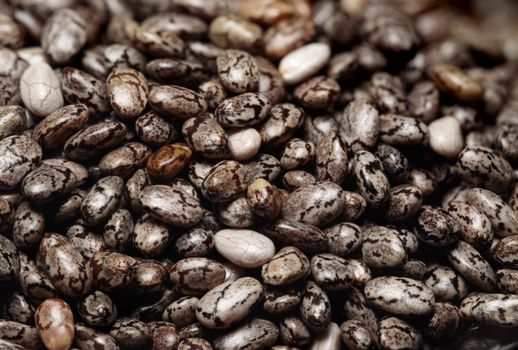
- Chia Seeds: Similar to flaxseeds, chia seeds are a nutritional powerhouse, offering fiber, protein, and a substantial amount of ALA. One ounce (about 2 tablespoons) provides approximately 5 grams of ALA. Chia seeds are incredibly versatile, forming a gel when mixed with liquid, making them perfect for puddings, overnight oats, or as a thickener in smoothies.
- Walnuts: Among nuts, walnuts stand out for their high ALA content. A quarter-cup serving of walnuts provides about 2.5 grams of ALA. They make a great snack, can be added to salads, oatmeal, or incorporated into baked goods.
- Hemp Seeds: These nutty-flavored seeds are another fantastic source of ALA, along with protein and other essential minerals. Three tablespoons of hemp seeds contain about 2.6 grams of ALA. Sprinkle them over salads, yogurt, or blend them into smoothies.
- Edamame/Soybeans: While not as concentrated as flax or chia, soybeans and edamame (young soybeans) do contain ALA. A half-cup serving of cooked edamame provides around 0.3 grams of ALA. They are also a great source of plant-based protein and fiber.
- Algae: For vegans and vegetarians specifically seeking EPA and DHA, certain types of microalgae are a direct plant-based source. Algal oil supplements are derived from these microalgae and offer a sustainable alternative to fish oil.
Fortified Foods (Diverse Sources)
Beyond natural sources, many food products are now fortified with Omega-3s to help consumers increase their intake. These can be a convenient option, but always check the nutrition labels to understand the type and amount of Omega-3s present.
- Omega-3 Enriched Eggs: Hens fed a diet rich in flaxseeds produce eggs with higher ALA content, and sometimes even a small amount of EPA and DHA.
- Fortified Milks and Yogurts: Many dairy and non-dairy milk alternatives, as well as yogurts, are now fortified with Omega-3s, often from flaxseed oil or algal oil.
- Fortified Breads and Juices: You might also find Omega-3 fortified bread products and certain fruit juices.
While fortified foods can contribute to your Omega-3 intake, it’s generally best to prioritize whole, natural food sources for the broadest spectrum of nutrients and health benefits.
Integrating Omega-3s into Your Daily Diet: Practical Tips
Incorporating Omega-3 rich foods into your daily diet doesn’t have to be complicated or expensive. With a little planning and creativity, you can easily make these beneficial fats a regular part of your weight loss strategy.
- Meal Planning Strategies: Dedicate one or two days a week to “fish night.” Experiment with different types of fatty fish and cooking methods. For plant-based Omega-3s, plan to include flax or chia seeds in your breakfast smoothie or oatmeal every morning.
- Recipe Ideas:
- Breakfast: Start your day with a chia seed pudding made with almond milk and berries, or add ground flaxseeds to your oatmeal. Scrambled eggs with a side of smoked salmon is another delicious and protein-packed option.
- Lunch: A large salad topped with grilled salmon or canned sardines, a handful of walnuts, and a vinaigrette dressing made with flaxseed oil (used cold).
- Dinner: Baked salmon with roasted vegetables, mackerel fillets with lemon and herbs, or a hearty lentil soup with a sprinkle of hemp seeds.
- Snacks: A small handful of walnuts, a flaxseed cracker with avocado, or a serving of edamame.
- Smart Snacking: Keep a bag of walnuts or a container of chia seeds handy for quick, nutritious snacks. Make your own trail mix with walnuts, almonds, and a few dried fruits.
- Balancing Types of Omega-3s: Aim for a combination of both animal-based (EPA/DHA) and plant-based (ALA) Omega-3s for a well-rounded approach. If you don’t eat fish, focus heavily on ALA sources and consider an algal oil supplement.
- Cooking Methods to Preserve Nutrients: Omega-3s are sensitive to high heat. When cooking fish, opt for baking, grilling, poaching, or steaming rather than deep-frying. For oils like flaxseed oil, always use them cold in dressings or smoothies, never for cooking.
- Batch Cooking: Prepare a larger batch of grilled salmon or roasted vegetables with flaxseed oil dressing at the beginning of the week for easy meal prep. Make a big batch of chia pudding that can last for several days.
- Seasoning and Flavor: Don’t be afraid to experiment with herbs, spices, and citrus to enhance the flavor of fish and seeds. Lemon, dill, garlic, ginger, and soy sauce can transform a simple fish dish into a culinary delight.
Beyond Food: Omega-3 Supplements (Brief Mention)
While the primary focus should always be on obtaining nutrients from whole foods, Omega-3 supplements can be a valuable option for certain individuals, especially if dietary intake is insufficient or specific health goals require higher doses. This section is a brief overview, but always remember the disclaimer below.
- When to Consider Supplements:
- Dietary Restrictions: Vegans and vegetarians who struggle to convert ALA to sufficient EPA and DHA may benefit from algal oil supplements.
- Low Fish Intake: If you dislike fish or don’t consume it regularly, a supplement can help bridge the gap.
- Specific Health Needs: Individuals with certain inflammatory conditions, high triglycerides, or specific cardiovascular concerns might be advised by a healthcare professional to take higher doses than typically achievable through diet alone.
- Types of Supplements:
- Fish Oil: The most common form, providing EPA and DHA. Look for supplements that are molecularly distilled to remove heavy metals and other contaminants.
- Cod Liver Oil: Also provides EPA and DHA, but often contains significant amounts of Vitamin A and D, which can be toxic in very high doses.
- Algal Oil: A plant-based source of EPA and DHA, suitable for vegans and those with fish allergies.
- Importance of Quality and Purity: The supplement market is vast. Choose reputable brands that provide third-party testing for purity, potency, and freshness. Look for certifications like IFOS (International Fish Oil Standards) or GOED (Global Organization for EPA and DHA Omega-3s). Rancid fish oil can be detrimental to health.
Disclaimer: Always consult with a healthcare professional, registered dietitian, or physician before starting any new supplement regimen, especially if you have underlying health conditions, are pregnant or breastfeeding, or are taking other medications. They can advise on appropriate dosages and potential interactions.
Common Misconceptions About Omega-3s and Weight Loss
As with any popular health topic, misconceptions can arise. It’s important to clarify these to ensure you approach your weight loss journey with accurate information.
- “Omega-3s are a magic pill for weight loss.” While incredibly beneficial, Omega-3s are not a standalone solution. They work best as part of a holistic weight loss strategy that includes a balanced, calorie-appropriate diet, regular physical activity, adequate sleep, and stress management. Expecting Omega-3s alone to shed pounds without other lifestyle changes will likely lead to disappointment.
- “All fats are bad for weight loss.” This outdated notion has been debunked by modern nutritional science. Healthy fats, including Omega-3s, monounsaturated fats (like in olive oil and avocados), and certain saturated fats (in moderation), are essential for hormone production, nutrient absorption, satiety, and overall health. Eliminating all fats can lead to nutrient deficiencies, increased cravings, and a less efficient metabolism.
- “More is always better when it comes to Omega-3s.” While increasing your Omega-3 intake is generally beneficial, extremely high doses, particularly from supplements, can potentially lead to adverse effects like increased bleeding risk, especially if you’re on blood-thinning medication. Stick to recommended dietary intakes and consult a professional before taking mega-doses of supplements. The benefits for weight loss typically come from consistent, adequate intake rather than excessive amounts.
- “Plant-based ALA is just as good as EPA/DHA.” While ALA is vital and has its own benefits, the conversion rate to EPA and DHA in the human body is generally low and highly variable. Therefore, relying solely on ALA sources for the direct benefits attributed to EPA and DHA (like potent anti-inflammatory effects) might not be sufficient for everyone. It’s important to understand the distinctions and consider direct EPA/DHA sources or supplements if needed.
- “Omega-3s will make me gain weight because they are fats.” This misconception stems from the caloric density of fats (9 calories per gram). However, the type of fat matters. Omega-3s, as discussed, can actually aid weight loss by boosting metabolism, increasing satiety, and improving insulin sensitivity. When consumed in appropriate amounts as part of a balanced diet, they contribute to fat loss, not gain.
Synergistic Strategies: Maximizing Omega-3 Benefits for Weight Loss
To truly unlock the full potential of Omega-3s for weight loss, it’s crucial to integrate them into a comprehensive healthy lifestyle. Their benefits are amplified when combined with other supportive habits:
- Combine with a Balanced, Calorie-Controlled Diet: Omega-3s enhance metabolic function and satiety, but they cannot override a diet consistently high in processed foods, sugar, and unhealthy fats. Pair Omega-3 rich foods with lean proteins, plenty of fiber-rich vegetables and fruits, and whole grains. Maintain a moderate calorie deficit for fat loss.
- Regular Physical Activity: Exercise, particularly a combination of cardiovascular training and resistance training, is fundamental. Omega-3s can enhance fat oxidation during exercise and support muscle preservation during weight loss, making your workouts more effective. Resistance training, in particular, helps build and maintain muscle mass, which further boosts your resting metabolism.
- Adequate Sleep: Sleep deprivation disrupts hormones that regulate appetite (ghrelin and leptin) and metabolism (insulin and cortisol), often leading to increased cravings and fat storage. Aim for 7-9 hours of quality sleep per night. Omega-3s can indirectly support better sleep by improving mood and reducing inflammation.
- Stress Management: Chronic stress elevates cortisol levels, which can promote abdominal fat storage and increase appetite. Practices like meditation, yoga, mindfulness, spending time in nature, or engaging in hobbies can help manage stress. As Omega-3s contribute to better mood and brain function, they can aid in stress resilience.
- Hydration: Drinking sufficient water is essential for all metabolic processes, including fat burning. It also helps with satiety and can prevent mistaking thirst for hunger. Aim for at least 8 glasses of water daily.
- Reduce Omega-6 Intake: While Omega-6s are essential, the typical Western diet often has an inflammatory imbalance. Reduce consumption of highly processed foods, deep-fried items, and excessive amounts of vegetable oils high in Omega-6 (like corn, soybean, and sunflower oil). Focus on a better Omega-6 to Omega-3 ratio.
- Mindful Eating: Pay attention to your hunger and fullness cues. Eat slowly, savor your food, and avoid distractions while eating.
Photo by Ronit HaNegby on Pexels