
Disclaimer: The information in this article is for educational purposes only and is not a substitute for professional medical advice. Always consult a healthcare provider before making significant changes to your diet or exercise routine.
This post may contain affiliate links. If you purchase through our links, we may earn a small commission at no extra cost to you.
In today’s fast-paced world, prioritizing health and wellness is not a luxury. It is a necessity. The journey to becoming healthier involves more than just hitting the gym or cutting calories. It requires a holistic approach that covers physical fitness, mental well-being, and balanced nutrition. That is exactly what GetLeanPulse is built for.
Most people approach health like a checklist. Eat this. Don’t eat that. Do these exercises. Avoid these foods. It becomes overwhelming fast. And when you slip up, which you will, the guilt kicks in and the whole thing falls apart.
There is a better way. It starts with understanding that health is not a destination. It is a set of daily habits that compound over time.
What Does “Getting Lean” Actually Mean?
Getting lean is not about starving yourself or spending hours on a treadmill. It is about building a body that functions well. A lean body has a healthy ratio of muscle to fat, good cardiovascular health, and the energy to get through the day without feeling drained.
The tagline “get lean. feel amazing. live better.” captures this philosophy. It is not just about physical appearance. It is about how you feel when you wake up in the morning. Whether you can keep up with your kids. Whether you have the mental clarity to focus on your work. These are the real measures of getting lean.
Research from the American College of Sports Medicine shows that people who focus on how they feel rather than how they look are more likely to stick with healthy habits long-term. The scale is a terrible motivator. Energy, mood, and strength are much better indicators of progress.
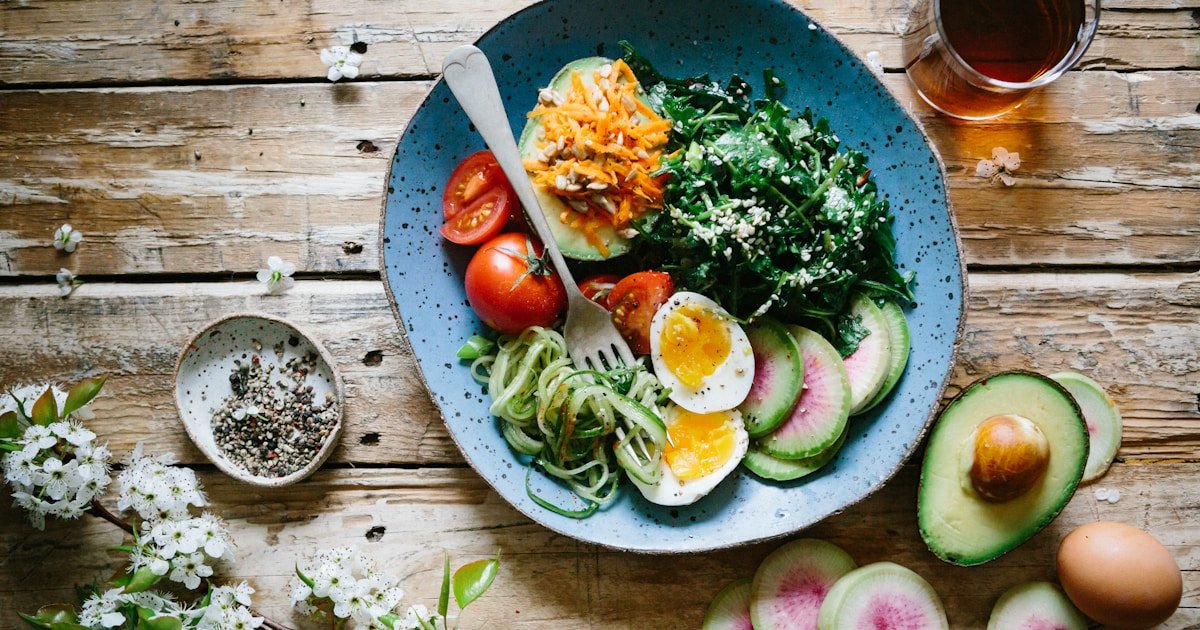
The Three Pillars of a Healthier Lifestyle
1. Nutrition: Fuel Your Body Right
What you eat determines how you feel. Period. You can exercise every day, but if your diet is filled with processed foods, refined sugars, and empty calories, you will not see the results you want.
Here are the basics that actually work:
- Eat whole foods first. Vegetables, fruits, lean proteins, whole grains, and healthy fats should make up the majority of your plate. If it comes in a box with a long ingredient list, it is probably not helping.
- Prioritize protein. Aim for 0.7 to 1 gram of protein per pound of body weight. Protein keeps you full, preserves muscle, and has the highest thermic effect of any macronutrient. Your body burns 25-30 percent of protein calories just digesting it.
- Do not fear carbs. Complex carbs like oats, sweet potatoes, and brown rice fuel your workouts and support recovery. The problem is not carbs. It is refined carbs. There is a difference.
- Stay hydrated. Most people are chronically dehydrated. Aim for half your body weight in ounces of water daily. If your urine is dark, drink more.
- Eat fiber. The 2026 weight loss trend is fibermaxxing. People who eat 30-40 grams of fiber per day lose more weight, have better gut health, and experience fewer cravings than those who eat less fiber.
If you want to dive deeper into nutrition, check out our guide on why fiber is the new protein for weight loss in 2026.
2. Movement: Find What You Enjoy
The best exercise is the one you will actually do. If you hate running, do not run. If you love dancing, dance. If lifting weights makes you feel strong, lift weights. Consistency beats intensity every single time.
A balanced movement routine includes three components:
- Strength training 2-4 times per week. Building muscle increases your resting metabolic rate. You burn more calories at rest when you have more muscle. This is not optional if you want long-term body composition changes. Cardio alone will not get you there.
- Cardiovascular exercise 2-3 times per week. Walking, cycling, swimming, or any activity that gets your heart rate up for at least 20 minutes. Cardio improves heart health, reduces stress, and burns calories during the activity.
- Daily movement. Aim for 7,000 to 10,000 steps per day. Walking is one of the most underrated fat loss tools available. It burns calories, reduces stress hormones, and is easy to maintain long-term.
For beginners, we recommend starting with our complete guide to healthy weight loss. It covers the fundamentals without overwhelming you.
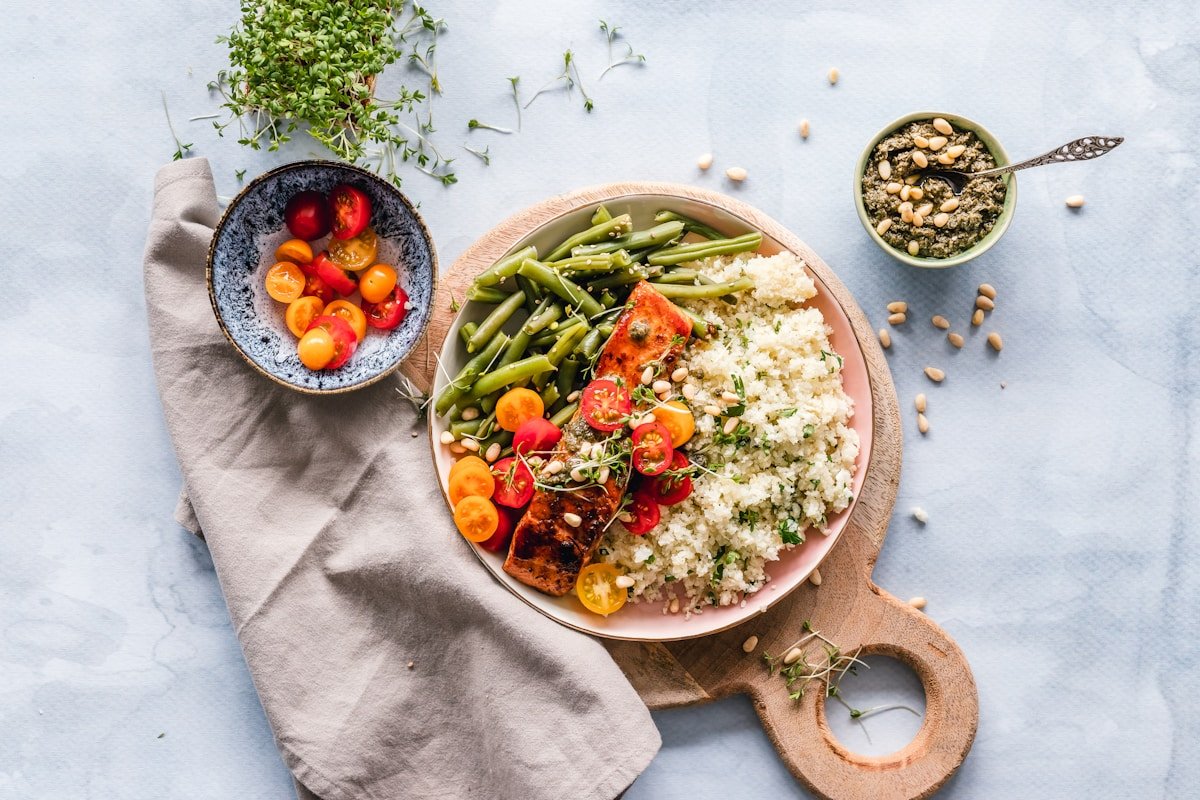
3. Mental Well-Being: The Missing Piece
Most health advice ignores mental well-being entirely. This is a mistake. Stress, poor sleep, and negative thought patterns can undo all the good work you do in the gym and kitchen.
Here is what to focus on:
- Sleep 7-9 hours per night. Poor sleep increases hunger hormones, decreases fullness hormones, and destroys willpower. A study from the University of Chicago found that sleep-deprived dieters lost 55 percent less fat than well-rested dieters on the same calorie deficit. Sleep is not optional. It is foundational.
- Practice mindfulness. Even 5 minutes of meditation or deep breathing per day can reduce cortisol levels and improve decision-making around food. You do not need to sit in silence for an hour. Start small.
- Manage stress actively. Chronic stress promotes fat storage, especially around the belly. Find healthy outlets: walking, journaling, talking to a friend, or spending time in nature. Avoid using food, alcohol, or screens as your primary coping mechanism.
- Reframe your relationship with failure. You will miss workouts. You will eat poorly sometimes. That is normal. One bad meal does not ruin your progress. One missed workout does not set you back. What matters is what you do next.
How to Start Today (Not Monday)
You do not need to overhaul your entire life at once. Pick one thing from each pillar and start there:
- Nutrition: Add one serving of vegetables to every meal this week.
- Movement: Walk for 15 minutes after dinner every day.
- Mental: Put your phone away 30 minutes before bed and read instead.
After two weeks, these will feel natural. Then add one more habit. This is how sustainable change happens. Not through drastic measures that last three days, but through small shifts that compound over months and years.
The research is clear on this. A study published in the European Journal of Social Psychology found that it takes an average of 66 days for a new behavior to become automatic. Not 21 days. Not 30. 66. Give yourself permission to be imperfect during that time.
Common Mistakes That Sabotage Progress
Trying to change everything at once
This is the number one reason people fail. They decide on January 1st to eat clean, exercise daily, meditate, drink more water, go to bed earlier, and quit social media. By January 15th, they are back to their old habits. Pick one or two changes. Master them. Then add more.
Comparing yourself to others
Social media makes this nearly impossible to avoid. But everyone’s body, genetics, lifestyle, and starting point are different. The only comparison that matters is you today versus you last month. Track your own progress. Take photos. Note how your clothes fit. Notice your energy levels.
Relying on motivation instead of systems
Motivation is unreliable. It comes and goes. Systems are what keep you going when motivation fades. Instead of saying “I will exercise more,” say “I will walk for 15 minutes after dinner every day.” Specific. Measurable. Tied to an existing routine. That is a system.
Why GetLeanPulse Exists
We created GetLeanPulse because the health and fitness space is full of noise. Conflicting advice. Miracle cures. Influencers selling supplements they have never researched. We wanted to build something different.
Every article on this site is backed by evidence. We cite peer-reviewed studies. We consult registered dietitians. We test strategies ourselves before recommending them. Our goal is to give you practical, actionable guidance that you can start using today.
Browse our nutrition articles for meal ideas, our fitness guides for workout plans, and our wellness content for mental health strategies.
What is one habit you want to start this week? Share it in the comments below.

[…] Achieving a healthier lifestyle — practical strategies for daily habits […]