
Disclaimer: The information in this article is for educational purposes only and is not a substitute for professional medical advice. Always consult a healthcare provider before making significant changes to your diet.
This post may contain affiliate links. If you purchase through our links, we may earn a small commission at no extra cost to you.
For the past decade, protein has been the undisputed king of weight loss nutrition. Every fitness influencer and supplement brand preached the same message: eat more protein, lose more fat. But something shifted in 2026. Nutrition researchers are pointing to a different nutrient as the real driver of sustainable fat loss.
Fiber is taking over.
The trend is called “fibermaxxing.” People on TikTok and Reddit are discovering that boosting fiber intake does more for weight loss than obsessing over protein ever did. The science backs them up.
What Is Fibermaxxing?
Fibermaxxing means intentionally maximizing dietary fiber intake to support weight loss, improve gut health, and stabilize blood sugar. The goal is straightforward: hit 30 to 40 grams of fiber per day through whole foods, not supplements.
Protein-centric diets focus on what to add. More chicken. More shakes. More bars. Fibermaxxing works differently. It naturally crowds out calorie-dense processed foods. When you fill up on vegetables, legumes, whole grains, and fruits, there is not much room left for the junk that drives weight gain.
The shift gained momentum in early 2026 after several studies confirmed what researchers had suspected for years. People who eat the most fiber consistently weigh less, have better metabolic health, and keep the weight off longer than those on low-fiber diets.
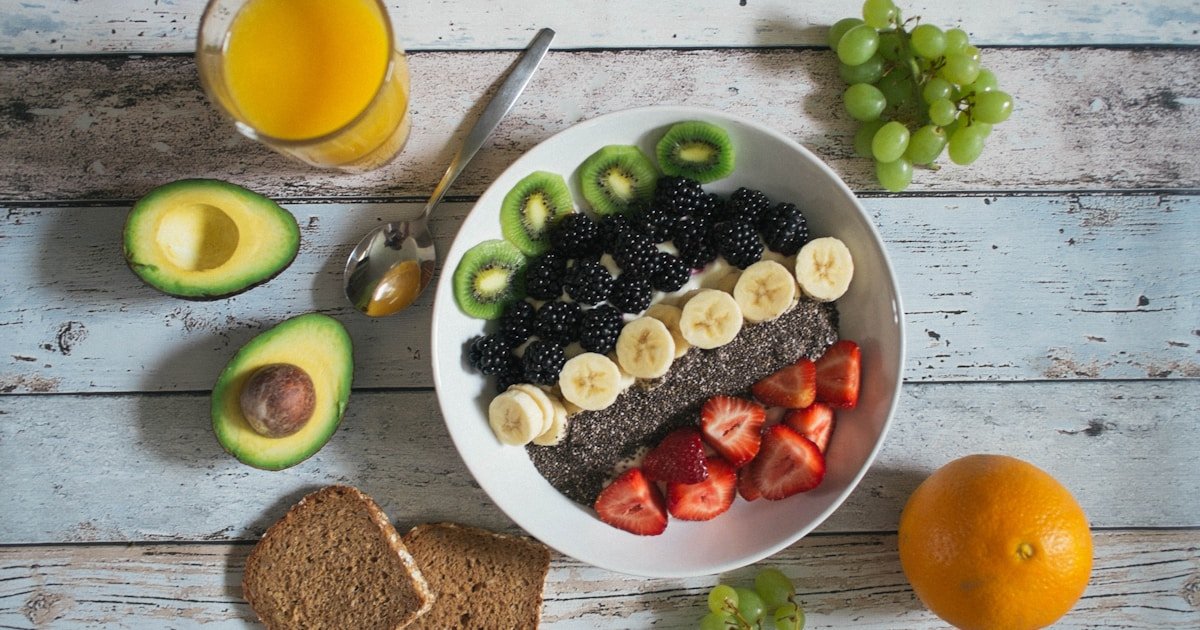
Why Fiber Works for Weight Loss
Fiber does more than keep you regular. It affects weight regulation through several mechanisms that are well documented in peer-reviewed research.
Fiber triggers natural satiety hormones
When soluble fiber reaches your colon, gut bacteria ferment it into short-chain fatty acids. These fatty acids trigger the release of two satiety hormones: GLP-1 and PYY. GLP-1 is the same hormone that drugs like Ozempic and Wegovy mimic. Your body produces it naturally when you eat fiber.
A 2025 study in Nature Metabolism found that participants who increased fiber to 35 grams per day reported 25 percent less hunger compared to a low-fiber control group. They did not consciously restrict calories. They just ate more fiber.
Fiber reduces calorie absorption
Soluble fiber forms a gel in your digestive tract that slows the absorption of fats and carbohydrates. USDA research shows that high-fiber diets reduce net calorie absorption by about 5 to 7 percent. On a 2,000-calorie diet, that is 100 to 140 calories your body simply does not absorb. You do not need to do anything except eat more fiber.
Fiber feeds your gut microbiome
Your gut contains trillions of bacteria that influence inflammation and fat storage. Lean individuals have more diverse gut microbiomes than obese individuals. Fiber is the primary food source for beneficial gut bacteria. Eat more fiber and you feed the bacteria that help keep you lean.
Fiber stabilizes blood sugar
Spikes and crashes in blood sugar drive cravings for sugary and starchy foods. Fiber slows the rate at which glucose enters your bloodstream. Stable blood sugar means fewer cravings and less impulsive snacking.
Fiber vs Protein for Weight Loss
Protein is not useless for weight loss. It has a high thermic effect and preserves muscle during calorie deficits. But fiber has advantages protein does not offer.
| Factor | Fiber | Protein |
|---|---|---|
| Satiety per calorie | Very high (fills stomach physically) | High (hormonal response) |
| Calorie absorption reduction | Yes (5-7% fewer calories absorbed) | No |
| Gut microbiome benefits | Extensive | Minimal |
| Blood sugar stabilization | Strong | Moderate |
| Cost per serving | Very low (beans, oats, vegetables) | Moderate to high |
| Muscle preservation | None | Excellent |
| Thermic effect | Low | High (25-30% of calories burned in digestion) |
The best approach combines both fiber and protein. If you have been focusing only on protein and still struggling with hunger, fiber is probably the missing piece.
How Much Fiber You Need
Official dietary guidelines recommend 25 grams per day for women and 38 grams for men. Most people fall far short. The average American eats only 15 grams of fiber per day. That is less than half the recommended amount.
For weight loss, research suggests targeting 30 to 40 grams per day. Here is what that looks like in real food:
- 1 cup cooked lentils: 15.6 grams
- 1 cup oatmeal: 4 grams
- 1 medium apple with skin: 4.4 grams
- 1 cup broccoli: 5.1 grams
- 1 ounce almonds: 3.5 grams
- 1 cup black beans: 15 grams
- 1 medium pear with skin: 5.5 grams
- 1 cup quinoa (cooked): 5.2 grams
- 1 cup raspberries: 8 grams
- 1 medium avocado: 10 grams
Hit three or four of these in a day and you are already in the 30-gram range without trying hard.
Best High-Fiber Foods for Weight Loss
Not all fiber sources are equal for weight loss. Here are the top performers ranked by fiber density and calorie efficiency.
Tier 1: Fiber powerhouses (10+ grams per serving)
- Split peas (cooked, 1 cup): 16.3g fiber, 231 calories
- Lentils (cooked, 1 cup): 15.6g fiber, 230 calories
- Black beans (cooked, 1 cup): 15g fiber, 227 calories
- Chia seeds (2 tablespoons): 10g fiber, 138 calories
Tier 2: Daily staples (5-9 grams per serving)
- Avocado (1 medium): 10g fiber, 240 calories
- Raspberries (1 cup): 8g fiber, 64 calories
- Artichoke (1 medium, cooked): 7g fiber, 60 calories
- Green peas (cooked, 1 cup): 8.8g fiber, 134 calories
- Quinoa (cooked, 1 cup): 5.2g fiber, 222 calories
- Oats (dry, 1/2 cup): 4g fiber, 150 calories
Tier 3: Easy additions (3-4 grams per serving)
- Apple with skin (1 medium): 4.4g fiber, 95 calories
- Pear with skin (1 medium): 5.5g fiber, 101 calories
- Broccoli (cooked, 1 cup): 5.1g fiber, 55 calories
- Almonds (1 ounce): 3.5g fiber, 164 calories
- Sweet potato with skin (1 medium): 4g fiber, 103 calories

7-Day Fibermaxxing Meal Plan
Here is a practical meal plan that delivers 30 to 40 grams of fiber per day while keeping calories in a weight-loss-friendly range.
Day 1 (34g fiber)
- Breakfast: Oatmeal with chia seeds, raspberries, and sliced almonds (16g)
- Lunch: Lentil soup with whole grain bread (18g)
- Dinner: Grilled chicken with quinoa and roasted broccoli (8g)
- Snack: Apple with peanut butter (6g)
Day 2 (36g fiber)
- Breakfast: Whole grain toast with avocado and hemp seeds (12g)
- Lunch: Black bean burrito bowl with brown rice and vegetables (18g)
- Dinner: Baked salmon with sweet potato and green beans (8g)
- Snack: Pear and a handful of walnuts (7g)
Day 3 (32g fiber)
- Breakfast: Smoothie with spinach, berries, flaxseed, and oats (12g)
- Lunch: Chickpea salad sandwich on whole wheat bread (14g)
- Dinner: Turkey chili with kidney beans and cornbread (12g)
- Snack: Carrot sticks with hummus (5g)
Days 4-7 follow the same pattern. Fiber-rich breakfast, legume-based lunch, vegetable-heavy dinner, and fruit or nut snacks. Rotate your fiber sources to feed different types of gut bacteria.
Fiber Supplements: Do They Work?
Whole foods should be your primary fiber source. Supplements help bridge the gap when you are starting out. Here is how the top options compare.
| Supplement | Fiber per serving | Type | Best for |
|---|---|---|---|
| Psyllium husk (Metamucil) | 5-7g | Soluble | General fiber boost, regularity |
| Acacia fiber | 5-10g | Soluble | Gentle on sensitive stomachs |
| Inulin (prebiotic) | 3-5g | Soluble | Gut microbiome support |
| Methylcellulose (Citrucel) | 2g | Soluble | Minimal gas and bloating |
Our pick: Psyllium husk is the most researched and cost-effective option. Start with half a serving and work up. Mix it in water and drink immediately. It gels fast.
Always drink plenty of water when taking fiber supplements. Without adequate hydration, fiber can cause constipation instead of relieving it.
Common Fibermaxxing Mistakes
Increasing fiber too fast
If you currently eat 15 grams of fiber per day and suddenly jump to 35, your digestive system will push back. Bloating, gas, and cramping are almost guaranteed. Add 5 grams per week until you reach your target. Your gut bacteria need time to adapt.
Not drinking enough water
Fiber absorbs water. Without adequate hydration, it causes constipation. Aim for at least 8 glasses of water per day when increasing fiber. If your urine is dark, drink more.
Relying on fiber bars and shakes
Many high-fiber protein bars contain isolated fibers like inulin or chicory root extract. These add fiber but lack the nutrients and resistant starch found in whole foods. Use supplements as a backup, not a replacement.
Ignoring the fiber-to-calorie ratio
Nuts and seeds are high in fiber but also calorie-dense. An ounce of almonds gives you 3.5 grams of fiber and 164 calories. Broccoli gives you 5.1 grams of fiber for 55 calories. For weight loss, prioritize vegetables, legumes, and whole grains over nuts and seeds.
Who Should Be Careful
Fibermaxxing is safe for most people. Certain conditions require caution.
- IBS: Some high-fiber foods are high in FODMAPs and can trigger symptoms. Work with a dietitian to identify your tolerance.
- Inflammatory bowel disease: During flare-ups, high fiber can worsen symptoms. Follow your gastroenterologist guidance.
- Diabetes on medication: Fiber affects blood sugar levels. If you take insulin or other diabetes medications, monitor closely and talk to your doctor before making major changes.
- Post-surgical patients: After abdominal surgery, your doctor may recommend a low-fiber diet temporarily.
Frequently Asked Questions
How quickly can I expect to see weight loss results from fibermaxxing?
Most people notice reduced hunger and fewer cravings within the first week. Actual weight loss typically begins within 2-3 weeks as calorie intake naturally decreases. Studies show an average weight loss of 1-2 pounds per month from fiber increase alone, even without other dietary changes.
Can fibermaxxing replace a calorie deficit for weight loss?
Fibermaxxing makes a calorie deficit easier to maintain, but it does not replace the need for one. The fiber you eat will naturally reduce your calorie intake by increasing fullness and slightly reducing calorie absorption. You still need to be mindful of overall intake. Think of fiber as a tool that makes dieting feel less like dieting.
Is it possible to eat too much fiber?
Yes. Consuming more than 70 grams of fiber per day can cause significant digestive distress, nutrient malabsorption, and dehydration. Stick to the 30-40 gram range for weight loss. If you experience persistent bloating, diarrhea, or constipation, reduce your intake and increase more gradually.
Does cooking destroy fiber in food?
No. Fiber is heat-stable and survives cooking, baking, and boiling. The fiber content in cooked lentils is essentially the same as in raw lentils. However, juicing removes fiber because the pulp is discarded. Eat whole fruits and vegetables rather than drinking their juice.
What is the best time of day to eat fiber for weight loss?
Spread fiber intake across all meals rather than loading it into one. Eating fiber at breakfast helps control appetite throughout the day. Research shows that people who eat a high-fiber breakfast consume fewer calories at lunch and dinner. Aim for at least 8-10 grams at each meal.
Can I fibermaxx on a keto or low-carb diet?
It is challenging but possible. Focus on low-carb, high-fiber foods like avocado, chia seeds, flaxseed, broccoli, cauliflower, Brussels sprouts, and almonds. You will likely need to supplement with psyllium husk to reach 30 grams without exceeding your carb limit.
Are there any medications that interact with high fiber intake?
Fiber can interfere with the absorption of certain medications, including thyroid medications (levothyroxine), diabetes medications, and some antidepressants. Take medications at least 1-2 hours before or after high-fiber meals. Always consult your doctor or pharmacist about potential interactions.
Does fiber help with belly fat specifically?
Yes. Several studies have linked higher soluble fiber intake with reduced visceral fat, which is the dangerous fat around your organs. A 5-year study published in Obesity found that for every 10-gram increase in soluble fiber per day, visceral fat decreased by 3.7 percent, independent of other dietary changes.
Your Next Step
Fibermaxxing is not a diet. It is a shift in what you prioritize on your plate. Instead of counting protein grams, count fiber grams. Instead of reaching for a protein shake, reach for a bowl of lentils.
Start with one high-fiber meal today. Track how you feel. Notice whether your afternoon cravings shrink. Then add another high-fiber meal tomorrow. Within a week, you will likely notice the difference.
At GetLeanPulse, we focus on evidence-based nutrition guidance that actually works. Browse our other articles on weight loss tips for beginners and nutrition for more practical strategies.
Have you tried increasing your fiber intake for weight loss? Share your experience in the comments below.


[…] If you want to dive deeper into nutrition, check out our guide on why fiber is the new protein for weight loss in 2026. […]
[…] For a deeper dive into nutrition, read our article on why fiber is the most important nutrient for weight loss in 2026. […]
[…] guidance on what to eat, read our articles on fibermaxxing and building a healthier […]
[…] more nutrition guidance, read our articles on fibermaxxing and intermittent fasting for […]
[…] Caveats: Drink plenty of water. Without adequate hydration, psyllium can cause constipation. For a deeper dive into fiber and weight loss, read our article on fibermaxxing. […]
[…] a deeper look at this mechanism, read our article on fibermaxxing, which explains how fiber intake directly influences these […]
[…] more strategies on managing hunger during weight loss, read our guides on fibermaxxing, calorie deficit without starving, and high-protein meal […]