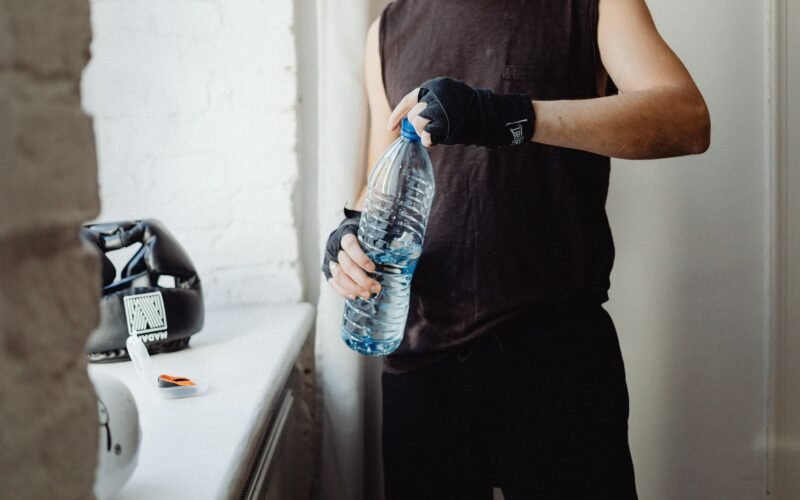
Water Intake for Weight Loss: Your Daily Hydration Guide
At GetLeanPulse.com, we understand that embarking on a weight loss journey often feels like navigating a complex maze of diets, exercises, and lifestyle changes. Amidst all the sophisticated strategies and trendy solutions, there’s one fundamental element that often gets overlooked, yet holds immense power: water. Yes, that clear, calorie-free liquid we often take for granted can be one of your most potent allies in shedding those extra pounds and achieving your health goals.
This comprehensive guide dives deep into the science, strategies, and practical tips surrounding water intake for weight loss. We’ll explore not just how much water you *should* drink, but *why* it works, *when* to drink it, and *how* to seamlessly integrate optimal hydration into your daily routine. Prepare to transform your understanding of hydration and unlock its full potential for a healthier, leaner you.
The Unsung Hero: Why Water is Crucial for Weight Loss
You’ve heard it before: “Drink more water!” But what exactly is happening inside your body when you increase your water intake, and how does it directly contribute to weight loss? The benefits are multifaceted and backed by science, touching upon key physiological processes essential for fat burning and weight management.
1. Metabolism Boost: The Thermogenesis Effect
One of the most exciting aspects of water’s role in weight loss is its ability to gently boost your metabolism. This phenomenon is often referred to as water-induced thermogenesis. When you drink water, especially cold water, your body expends energy to warm it up to body temperature. This process, though subtle, contributes to a slight increase in your metabolic rate.
Studies have shown that drinking about 16 ounces (500 ml) of water can increase your metabolic rate by 24-30% for approximately an hour. While this effect might seem small on a single-serving basis, consistently integrating water throughout your day can lead to a cumulative increase in daily calorie expenditure, making it easier to achieve a caloric deficit necessary for weight loss.
2. Enhanced Satiety and Appetite Suppression
Hunger pangs are often the biggest hurdle in any weight loss plan. Water can be an incredibly effective, zero-calorie tool to combat these urges. Drinking water before meals helps to fill your stomach, creating a feeling of fullness that can lead to reduced food intake. This physical sensation of satiety signals to your brain that you’re less hungry, naturally leading to smaller portions and fewer calories consumed.
Research published in the journal Obesity found that middle-aged and older adults who drank 500 ml of water before each main meal lost 4.4 pounds more over 12 weeks than those who didn’t. This simple habit can make a significant difference in your overall caloric intake without feeling deprived.
3. Calorie Displacement: Ditching Sugary Drinks
This benefit is perhaps the most straightforward yet profoundly impactful. Many people consume hundreds of “empty” calories daily through sugary beverages like sodas, fruit juices, and sweetened teas or coffees. These drinks provide minimal nutritional value but contribute significantly to weight gain and hinder weight loss efforts.
By replacing these high-calorie, sugar-laden drinks with water, you instantly cut out a substantial number of calories from your diet. Over time, this simple substitution can lead to a significant caloric deficit, paving the way for sustainable weight loss. Think of it as an effortless calorie-cutting strategy that requires no dietary restrictions, just a smarter beverage choice.
4. Optimized Fat Metabolism (Lipolysis)
For your body to effectively break down and utilize stored fat for energy – a process known as lipolysis – it requires water. Hydration is a critical component of many biochemical reactions in the body, including those involved in fat metabolism. When you’re dehydrated, even mildly, your body’s ability to perform these functions can be compromised, potentially slowing down the fat-burning process.
Adequate water intake ensures that your body’s metabolic machinery, including enzymes responsible for fat breakdown, functions optimally. It’s like ensuring your car has enough oil to run smoothly; without it, performance suffers.
5. Waste Elimination and Detoxification
Water acts as the body’s primary transport system, carrying nutrients to cells and flushing out waste products and toxins. Your kidneys, vital organs for detoxification, rely heavily on water to filter blood and excrete waste through urine. When you’re well-hydrated, your kidneys can work more efficiently, preventing the buildup of toxins that can sometimes interfere with metabolic processes and overall health.
Furthermore, water helps maintain regular bowel movements, preventing constipation. A healthy digestive system is crucial for overall well-being and can indirectly support weight management by reducing bloating and promoting a feeling of lightness.
6. Enhanced Exercise Performance
Physical activity is a cornerstone of any successful weight loss plan. Hydration plays a pivotal role in optimizing your exercise performance. Water lubricates joints, regulates body temperature, and transports nutrients to your muscles. Dehydration, even a slight one, can lead to fatigue, reduced endurance, muscle cramps, and decreased performance.
When you’re properly hydrated, you can push harder, train longer, and recover more effectively, maximizing the calorie-burning potential of your workouts. This direct link between hydration and exercise efficiency makes water an indispensable part of your fitness routine.

How Much Water Do You Really Need for Weight Loss?
This is the million-dollar question, and unfortunately, there’s no one-size-fits-all answer. While the classic “eight glasses a day” rule is a good starting point, individual needs vary significantly based on several factors. However, for weight loss, aiming for the higher end of general recommendations is often beneficial.
General Guidelines and Starting Points
A commonly cited guideline for adults is to drink approximately eight 8-ounce glasses of water per day, totaling about 64 ounces (roughly 2 liters). However, many health experts and weight loss professionals recommend a more personalized approach, especially when weight loss is the goal:
- The Half Your Body Weight in Ounces Rule: A popular recommendation is to drink half your body weight in ounces of water daily. For example, if you weigh 180 pounds, you would aim for 90 ounces (approx. 2.7 liters) of water per day. If you weigh 150 pounds, aim for 75 ounces (approx. 2.2 liters). This provides a more tailored target that scales with your body size.
- The 8×8 Rule (Minimum Baseline): Consider the eight 8-ounce glasses as an absolute minimum. Many active individuals or those actively trying to lose weight will benefit from exceeding this.
Factors Influencing Your Individual Water Needs
Your ideal water intake isn’t static; it fluctuates based on various internal and external factors:
- Activity Level: If you exercise regularly, especially intensely or for long durations, you’ll need significantly more water to replace fluids lost through sweat. Athletes may need to consume upwards of 120-160 ounces (3.5-4.7 liters) per day.
- Climate: Living in a hot, humid environment or at high altitudes increases fluid loss, necessitating higher water intake.
- Diet: A diet rich in fruits and vegetables, which have high water content, can contribute to your overall fluid intake. Conversely, a diet high in sodium might require more water to help flush out excess salt.
- Health Status: Certain health conditions, such as fever, vomiting, diarrhea, or kidney stones, increase your fluid needs. Conversely, conditions like heart failure or kidney disease may require fluid restriction, so always consult a doctor.
- Pregnancy and Breastfeeding: Pregnant and breastfeeding women have increased fluid requirements to support both their own health and the baby’s development/milk production.
How to Gauge Your Hydration Levels
Beyond measuring ounces, your body provides clear signals about its hydration status:
- Thirst: This is your body’s primary signal that it needs water. However, by the time you feel thirsty, you’re often already mildly dehydrated. Don’t wait until you’re parched to drink.
- Urine Color: A simple and effective indicator. Ideally, your urine should be a pale yellow, similar to lemonade. If it’s dark yellow or amber, you’re likely dehydrated. Clear urine might indicate over-hydration, but this is less common for most individuals.
- Energy Levels: Fatigue, headaches, and brain fog can all be subtle signs of dehydration.
Strategic Hydration: When and How to Drink for Maximum Weight Loss
It’s not just about the quantity; the timing and method of your water intake can significantly amplify its weight loss benefits.
1. Water Before Meals: Your Ultimate Appetite Suppressant
As mentioned, drinking water before meals is a powerful strategy. Aim for 16-20 ounces (about 2 glasses) of water approximately 30 minutes before breakfast, lunch, and dinner. This helps to fill your stomach, signaling satiety and potentially leading to a reduction in calorie intake during the meal.
2. Hydrate Throughout the Day: Consistent Metabolism Support
Instead of chugging large amounts of water all at once, aim for consistent sips throughout the day. Keep a water bottle handy and refill it regularly. This ensures a steady supply of fluids, keeping your metabolism humming and preventing dehydration before it sets in. Spreading your intake prevents the body from simply flushing out excess water quickly.
3. Water During Exercise: Peak Performance and Recovery
Drink water before, during, and after your workouts. Pre-hydrate with 16-20 ounces an hour or two before exercise. During your workout, sip 4-8 ounces every 15-20 minutes, especially for longer or more intense sessions. Post-workout, replenish fluids with 20-24 ounces for every pound of body weight lost through sweat.
4. Infused Water: Making Hydration Delicious
If you find plain water boring, infuse it with natural flavors. This can make drinking water more enjoyable and help you meet your daily goals without resorting to sugary drinks. Some popular and beneficial infusions include:
- Cucumber and Mint: Refreshing and detoxifying.
- Lemon and Ginger: Boosts digestion and adds a zesty kick.
- Berries and Lime: Antioxidant-rich and naturally sweet.
- Orange Slices and Cinnamon Sticks: A comforting, subtly spiced option.
5. Warm vs. Cold Water: Is There a Difference?
Both warm and cold water have their proponents. Cold water slightly boosts metabolism due to the body expending energy to warm it. Warm water, particularly warm lemon water in the morning, is often touted for aiding digestion and detoxification, though scientific evidence for its unique weight loss benefits over cold water is less robust. Ultimately, the best temperature is the one that encourages you to drink more.
Beyond Plain Water: Hydrating Foods and Beverages
While plain water should be your primary source of hydration, you can also supplement your fluid intake through certain foods and other healthy beverages.
High Water Content Fruits and Vegetables
Many fruits and vegetables are packed with water, offering hydration along with essential vitamins, minerals, and fiber. Incorporating these into your diet can contribute significantly to your daily fluid intake and overall nutritional profile.
- Cucumber: 96% water
- Lettuce: 96% water
- Celery: 95% water
- Tomatoes: 95% water
- Watermelon: 92% water
- Spinach: 91% water
- Strawberries: 91% water
- Grapefruit: 90% water
- Cantaloupe: 90% water
Snacking on these hydrating foods not only helps with fluid intake but also provides fiber, which promotes satiety and aids digestion – both beneficial for weight loss.
Herbal Teas and Broths
Unsweetened herbal teas (like green tea, peppermint tea, ginger tea) and clear broths (vegetable or bone broth) can also count towards your daily fluid intake. Green tea, in particular, offers additional benefits due to its EGCG content, which has been linked to increased fat burning and metabolic rate.
Just be mindful of added sugars in commercially prepared teas or high sodium content in some broths. Always opt for unsweetened options and check labels.
Common Myths and Misconceptions About Water and Weight Loss
Despite its simplicity, water often falls victim to various myths. Let’s debunk a few to ensure you’re on the right track.
Myth 1: Water Is a Magic Bullet for Weight Loss
Reality: While water is an incredibly powerful tool, it’s not a standalone solution. It supports weight loss by boosting metabolism, curbing appetite, and aiding in fat breakdown, but it must be part of a holistic approach that includes a balanced, calorie-controlled diet and regular physical activity. Don’t expect to drink water and magically shed pounds without other lifestyle changes.
Myth 2: Drinking Too Much Water Is Always Dangerous
Reality: While it is technically possible to drink too much water and cause hyponatremia (a dangerous drop in blood sodium levels), it’s exceedingly rare for healthy individuals. This usually only occurs in extreme circumstances, such as endurance athletes who drink excessive amounts of plain water without electrolyte replenishment, or individuals with certain medical conditions. For the vast majority, the risk of under-hydration far outweighs the risk of over-hydration.
Myth 3: Water Weight is the Same as Fat Loss
Reality: Initial rapid weight loss on a new diet is often due to a reduction in water weight, not fat. When you cut carbohydrates, your body depletes its glycogen stores, and glycogen holds onto water. So, as glycogen goes, so does the water. True fat loss is a slower process. While water can help you lose fat, the immediate drops on the scale are often fluid shifts. Don’t get discouraged if the scale fluctuates; focus on consistent habits.
Myth 4: Only Plain Water Counts Towards Hydration
Reality: While plain water is the gold standard, many other fluids and even foods contribute to your overall hydration. As discussed, fruits, vegetables, herbal teas, and even coffee (in moderation) can contribute to your fluid balance. However, plain water remains the best choice because it’s calorie-free and free of additives.

Practical Tips for Seamlessly Increasing Your Water Intake
Changing habits can be tough, but with a few smart strategies, you can effortlessly incorporate more water into your day.
1. Invest in a Reusable Water Bottle
This is perhaps the simplest and most effective tip. Carry a reusable water bottle with you everywhere – to work, to the gym, in your car, and around the house. Seeing it constantly reminds you to drink, and having it readily available eliminates excuses.
- Choose Your Size: A larger bottle (32-64 oz) means fewer refills.
- Insulated Options: Keep your water cold (or warm) for longer.
- Time Markers: Some bottles have time markers to encourage consistent sipping throughout the day.
2. Set Reminders
In our busy lives, it’s easy to forget to drink. Use technology to your advantage:
- Smartphone Alarms: Set hourly or bi-hourly alarms to remind you to drink a glass of water.
- Hydration Apps: Numerous apps track your water intake and send reminders.
- Desktop Reminders: If you work at a computer, set up pop-up reminders.
3. Make It a Habit: Pair with Existing Routines
Integrate water intake into your existing daily rituals:
- Drink a glass of water immediately upon waking.
- Have a glass of water before every meal and snack.
- Drink water before, during, and after brushing your teeth.
- Keep a glass of water on your nightstand for sips before bed and upon waking.
4. Track Your Intake
Awareness is key. Whether you use a physical journal, a whiteboard, or a hydration app, tracking how much water you drink can be incredibly motivating. Seeing your progress can encourage you to meet your goals.
5. Add Flavor Naturally
As discussed, infused water can make hydration a pleasure. Experiment with different fruit, vegetable, and herb combinations until you find your favorites. Avoid artificial flavorings or sugary enhancers.
6. Keep Water Visible and Accessible
Place water bottles or glasses in prominent locations around your home and workspace. If it’s in plain sight, you’re more likely to reach for it.
Potential Challenges and How to Overcome Them
While the benefits are clear, increasing water intake can come with a few challenges.
1. Frequent Urination
Challenge: When you first increase your water intake, you might find yourself making more frequent trips to the bathroom. This can be inconvenient, especially during work or travel.
Solution: Your bladder will gradually adapt. Over time, your body becomes more efficient at processing fluids, and the frequency of urination will likely decrease. Try to front-load your water intake earlier in the day to minimize nighttime bathroom trips.
2. Boredom with Plain Water
Challenge: Some people simply don’t enjoy the taste of plain water.
Solution: Infused water is your best friend here. Experiment with various natural flavor combinations. Consider sparkling water (unsweetened) as an occasional alternative for some fizz, but avoid those with artificial sweeteners.
3. Forgetting to Drink
Challenge: In a busy day, hydration can easily slip your mind.
Solution: Utilize reminders (apps, alarms), keep a water bottle visible, and tie drinking to existing habits (e.g., drink a glass after every meeting, or every time you check email).
4. Access to Clean Water
Challenge: Depending on your location or work environment, access to clean, potable water might be limited.
Solution: Always carry a full reusable bottle from home. Consider a water filter pitcher for your fridge or a filter bottle if tap water quality is a concern. Plan ahead when traveling.
Integrating Water Intake into a Holistic Weight Loss Plan
While this article emphasizes water, it’s crucial to remember that it’s one piece of a larger puzzle. For sustainable and healthy weight loss, water intake must be integrated into a comprehensive approach:
- Balanced Nutrition: Focus on whole, unprocessed foods, lean proteins, healthy fats, and complex carbohydrates. Ensure a caloric deficit tailored to your goals.
- Regular Exercise: Combine cardiovascular activities with strength training for optimal fat burning and muscle preservation.
- Adequate Sleep: Poor sleep can disrupt hunger hormones (ghrelin and leptin) and increase cravings, sabotaging weight loss efforts. Aim for 7-9 hours of quality sleep per night.
- Stress Management: Chronic stress can lead to increased cortisol levels, which can promote fat storage, especially around the abdomen. Practice mindfulness, meditation, or other stress-reducing activities.
- Professional Guidance: For personalized advice, consider consulting a registered dietitian or a healthcare professional. They can help you determine your specific water needs, dietary requirements, and safe exercise routines.
Think of water as the foundational element that supports all these other pillars. Without proper hydration, your body won’t perform optimally, making your diet harder to stick to, your workouts less effective, and your overall energy levels lower.
Conclusion: Make Water Your Weight Loss Partner
The journey to weight loss is paved with many choices, and one of the simplest, yet most powerful, is to prioritize your daily water intake. From boosting your metabolism and suppressing your appetite to enhancing your workouts and aiding in detoxification, water is an unsung hero in the quest for a leaner, healthier body.
It’s not about magic; it’s about optimizing your body’s natural functions. By understanding the science behind water’s role in weight loss and implementing practical strategies to increase your daily hydration, you can significantly accelerate your progress.
Start small, be consistent, and listen to your body. Carry that water bottle, sip throughout the day, and make informed choices about your beverages. At GetLeanPulse.com, we believe that true transformation comes from sustainable habits, and making optimal hydration a cornerstone of your daily routine is one of the most impactful steps you can take. Embrace the power of water, and watch as your body thanks you with improved health, increased energy, and measurable progress towards your weight loss goals.
Photo by Gustavo Fring on Pexels