Fuel Your Weight Loss: The Ultimate Guide to Low Carb Snacks
Embarking on a weight loss journey often feels like a constant battle against hunger and cravings. The siren song of sugary, high-carb snacks can derail even the most determined efforts, leading to energy crashes, mood swings, and ultimately, stalled progress. But what if there was a way to snack smarter, to actually support your weight loss goals rather than sabotage them? Enter the world of low carb snacks.
At GetLeanPulse.com, we understand that sustainable weight loss isn’t about deprivation; it’s about making informed, delicious choices that fuel your body and keep you feeling satisfied. Low carb snacking is a powerful strategy that aligns perfectly with this philosophy. By focusing on foods rich in protein and healthy fats, you can stabilize blood sugar, reduce cravings, and tap into your body’s fat-burning potential.
This comprehensive guide will equip you with everything you need to transform your snacking habits. We’ll dive deep into the science behind why low carb snacks are so effective for weight loss, explore the core principles of smart low carb eating, and provide an extensive list of delicious, easy-to-prepare snack ideas. From savory to subtly sweet, on-the-go to meal-prep friendly, you’ll discover a world of options that will keep you on track without feeling deprived. Get ready to revolutionize your approach to snacking and accelerate your journey to a leaner, healthier you.
Why Low Carb Snacks Are Your Weight Loss Ally
The effectiveness of low carb snacks for weight loss isn’t just anecdotal; it’s rooted in fundamental physiological processes. Understanding these mechanisms will empower you to make more deliberate and beneficial food choices.
The Science of Satiety: Protein and Fat Power
One of the biggest challenges in weight loss is managing hunger. High-carb snacks, especially those made with refined sugars and flours, provide a quick burst of energy followed by an equally rapid crash. This rollercoaster leads to increased hunger and more cravings, trapping you in a cycle of overeating.
Low carb snacks, by contrast, prioritize protein and healthy fats. Protein is the most satiating macronutrient, meaning it keeps you feeling fuller for longer. It triggers the release of hormones like GLP-1 and PYY, which signal fullness to your brain. Moreover, protein requires more energy to digest than carbohydrates, slightly boosting your metabolism. Healthy fats, while calorie-dense, also contribute significantly to satiety. They slow down digestion, allowing nutrients to be absorbed gradually and extending the feeling of fullness. This powerful combination helps you naturally reduce your overall calorie intake throughout the day without feeling deprived.
Stabilizing Blood Sugar and Insulin Levels
When you consume carbohydrates, especially simple ones, your blood sugar levels spike. In response, your pancreas releases insulin, a hormone that helps shuttle glucose from your blood into your cells for energy. While essential, chronically high insulin levels can be problematic for weight loss. Insulin is a fat-storage hormone; it signals your body to store excess glucose as fat and can inhibit fat burning.
Low carb snacks minimize blood sugar spikes, thereby keeping insulin levels stable and low. This creates an optimal environment for your body to switch from burning glucose to burning stored fat for energy. Stable blood sugar also means fewer energy dips and fewer intense cravings, making it easier to stick to your dietary goals.
Boosting Ketosis (If Applicable/Desired)
For those following a very low-carb, ketogenic diet, low carb snacks are essential for maintaining ketosis. Ketosis is a metabolic state where your body primarily burns fat for fuel instead of carbohydrates, producing ketones. Even if you’re not strictly ketogenic, reducing carbohydrate intake can help your body become more “fat-adapted,” meaning it becomes more efficient at utilizing fat for energy, which is a major advantage for weight loss.
Nutrient Density Over Empty Calories
Many traditional snacks are calorie-dense but nutrient-poor – think chips, cookies, and candy bars. They offer little in the way of vitamins, minerals, or fiber. Low carb snacks, when chosen wisely, often consist of whole, unprocessed foods like vegetables, nuts, seeds, eggs, and lean proteins. These foods are packed with essential nutrients that support overall health, energy levels, and metabolic function. By choosing nutrient-dense options, you’re not just curbing hunger; you’re also nourishing your body.
The Core Principles of Smart Low Carb Snacking
To truly leverage the power of low carb snacks for weight loss, it’s crucial to understand the foundational principles that guide smart choices. This isn’t just about cutting carbs; it’s about making deliberate, informed decisions.
Read Labels Rigorously
This is perhaps the most critical skill for successful low carb snacking. Many seemingly healthy or “diet” foods can be laden with hidden sugars, unhealthy fats, and processed carbohydrates. Always check the nutrition facts and ingredient list. Look for:
- Net Carbs: For some, especially those on ketogenic diets, net carbs (total carbs minus fiber and sometimes sugar alcohols) are a key metric. However, be wary of sugar alcohols that can still impact some people’s blood sugar or cause digestive upset.
- Added Sugars: Sugars can hide under many names: dextrose, maltose, corn syrup, high-fructose corn syrup, cane juice, etc. Avoid them.
- Unhealthy Fats: Steer clear of hydrogenated oils, partially hydrogenated oils, and highly refined vegetable oils like soybean or corn oil.
- Whole Ingredients: Opt for snacks with a short ingredient list composed of recognizable, whole foods.
Prioritize Protein and Healthy Fats
As discussed, these two macronutrients are your best friends for satiety and stable energy. Aim for snacks that provide a good balance or a dominant amount of either protein or healthy fats. This doesn’t mean you should avoid all carbs, but rather choose those that come from non-starchy vegetables or small amounts of berries, which also provide fiber.
Embrace Non-Starchy Vegetables
Non-starchy vegetables are a low-carb snacker’s dream. They are incredibly low in calories and carbohydrates, yet packed with fiber, vitamins, minerals, and antioxidants. They add volume, crunch, and essential nutrients to your diet without spiking blood sugar. Think celery, cucumber, bell peppers, broccoli, cauliflower, and leafy greens. They are versatile and pair well with various dips and spreads.
Portion Control is Key
Even healthy fats and protein-rich foods contain calories. While low carb snacks promote satiety, overconsumption can still hinder weight loss. A handful of nuts is a great snack; eating half a bag is not. Be mindful of serving sizes, especially for calorie-dense items like nuts, seeds, avocados, and full-fat dairy. Pre-portioning snacks can be an excellent strategy to avoid mindless overeating.
Hydration Matters
Often, what we perceive as hunger is actually thirst. Before reaching for a snack, try drinking a large glass of water. Wait 10-15 minutes and reassess your hunger level. Staying well-hydrated throughout the day can significantly reduce unnecessary snacking and support overall metabolic function.
Delicious & Easy Low Carb Snack Ideas for Weight Loss
Now for the exciting part! Here’s an extensive list of practical, tasty, and effective low carb snack ideas that will support your weight loss goals. We’ve categorized them for easy browsing and included tips for maximizing their benefits.
Protein-Packed Powerhouses
Protein is your secret weapon against hunger. These snacks are designed to keep you feeling full and satisfied.
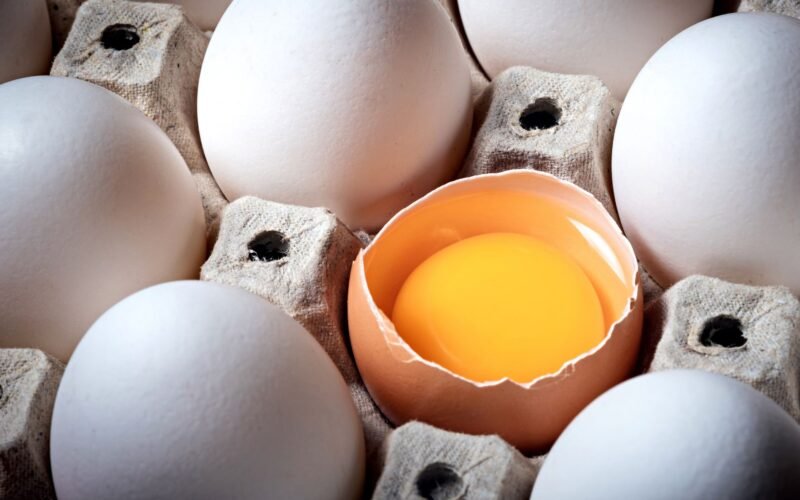
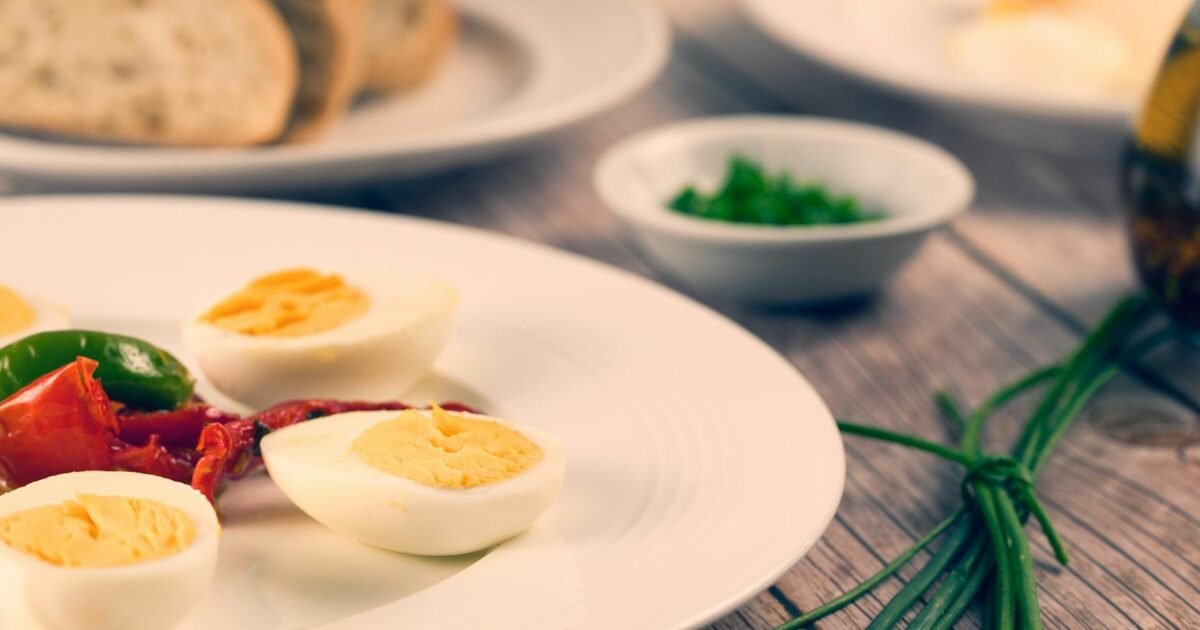
- Hard-Boiled Eggs: A classic for a reason! Eggs are a complete protein source, incredibly versatile, and inexpensive. They provide about 6 grams of protein per egg and a good amount of healthy fats.
- Why they’re great: Highly satiating, portable, easy to prep in bulk.
- Tips: Boil a dozen at the start of the week. Enjoy plain, with a sprinkle of salt and pepper, or mashed with a bit of avocado and everything bagel seasoning.
- Cottage Cheese or Greek Yogurt (Plain, Full-Fat): Opt for full-fat versions for increased satiety, but always check the carb count – some brands are lower than others. Look for plain, unsweetened varieties.
- Why they’re great: Excellent source of casein protein (slow-digesting) and probiotics (in yogurt), supporting gut health.
- Tips: Add a few berries (raspberries, blackberries), a sprinkle of chopped nuts, or a dash of cinnamon. For savory, mix with everything bagel seasoning and a few cucumber slices.
- Jerky or Meat Sticks (Sugar-Free): A convenient, on-the-go protein source. Be very careful to select brands that are truly sugar-free and don’t contain excessive preservatives or artificial ingredients.
- Why they’re great: High protein, easy to carry, satisfying chew.
- Tips: Read labels meticulously. Look for grass-fed options if possible. Pair with a small handful of nuts or some veggie sticks for added fiber.
- Tuna or Salmon Packets: Shelf-stable and packed with protein and omega-3 fatty acids.
- Why they’re great: Quick, no cooking required, healthy fats for brain health.
- Tips: Enjoy straight from the pouch, or mix with a tablespoon of mayo (avocado oil-based for healthier fats) and some celery for crunch. Scoop onto cucumber slices or lettuce wraps.
- Whey Protein Shake (Low Carb Powder): When you need a quick protein boost, a shake can be ideal. Choose a low-carb protein powder (whey isolate or casein) and mix with water or unsweetened almond milk.
- Why they’re great: Rapid absorption of protein, convenient, customizable.
- Tips: Add a tablespoon of chia seeds for fiber, a dash of cinnamon, or a small handful of spinach (you won’t taste it!).
Satisfying Healthy Fats
Healthy fats are crucial for hormone production, nutrient absorption, and keeping you full. Remember, portion control is vital here due to their calorie density.
- Avocado: A nutritional powerhouse, rich in monounsaturated fats, fiber, and potassium.
- Why it’s great: Highly satiating, creamy texture, provides healthy fats.
- Tips: Half an avocado with a sprinkle of sea salt and chili flakes. Make a quick guacamole with lime juice and cilantro to dip with bell pepper strips.
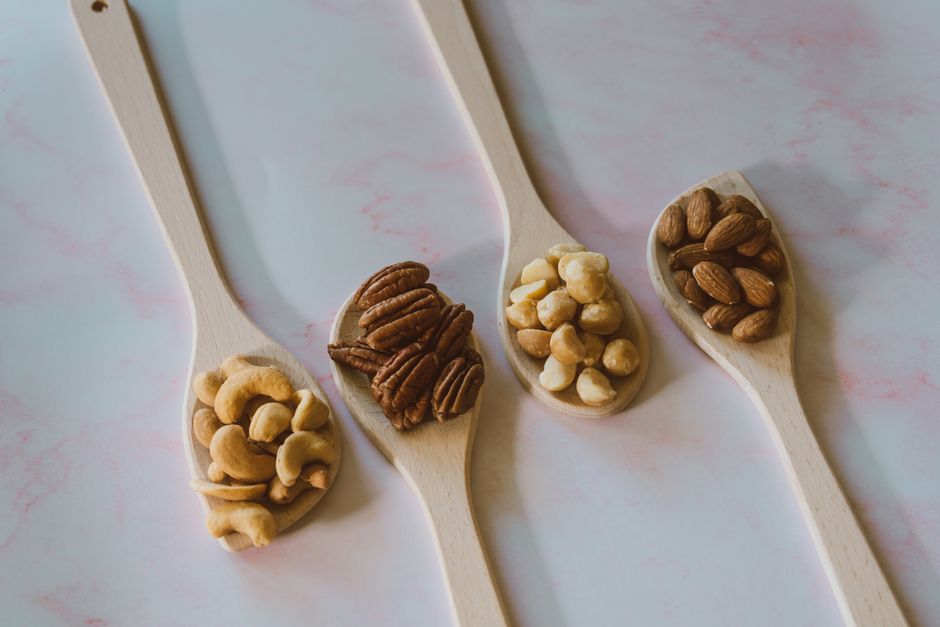
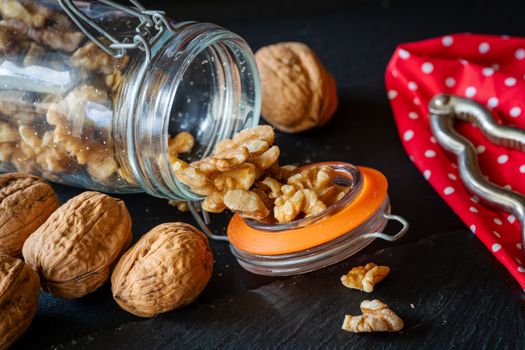
- Nuts & Seeds (Almonds, Walnuts, Pecans, Macadamias, Chia, Flax, Pumpkin Seeds): Each offers a unique profile of healthy fats, protein, and fiber.
- Why they’re great: Crunchy, nutrient-dense, good source of healthy fats and some protein.
- Tips: Stick to a small handful (about 1/4 cup) for nuts. Chia and flax seeds are great sprinkled into yogurt or protein shakes. Make your own trail mix with unsweetened nuts and seeds.
- Olives: Rich in monounsaturated fats and antioxidants.
- Why they’re great: Convenient, savory, healthy fats.
- Tips: Grab a small container of mixed olives. Pair with a slice of cheese for a Mediterranean mini-meal.
- Natural Nut Butters (Almond, Peanut, Macadamia – No Added Sugar): A creamy, satisfying treat. Ensure the only ingredients are nuts and maybe a little salt.
- Why they’re great: Delicious, good source of healthy fats and protein.
- Tips: A tablespoon or two on celery sticks, cucumber slices, or a few berries.
Crunchy Veggies & Dips
Non-starchy vegetables are your best friends for volume, fiber, and nutrients without excess carbs.
- Celery Sticks with Nut Butter or Cream Cheese: A classic pairing that delivers crunch and creaminess.
- Why they’re great: High fiber, low carb, satisfying combination.
- Tips: Use natural almond butter or full-fat cream cheese. Sprinkle with chia seeds for extra fiber.
- Cucumber Slices with Smoked Salmon or Everything Bagel Seasoning: Refreshing and flavorful.
- Why they’re great: Hydrating, low calorie, good source of omega-3s with salmon.
- Tips: Top with a thin slice of smoked salmon and a squeeze of lemon, or just a generous sprinkle of everything bagel seasoning.
- Bell Pepper Strips with Guacamole or Cream Cheese Dip: Colorful and packed with Vitamin C.
- Why they’re great: Antioxidant-rich, crunchy, versatile.
- Tips: Use red, yellow, or orange bell peppers for a slightly sweeter flavor. Make a simple dip with full-fat cream cheese, herbs, and spices.
- Cherry Tomatoes with Mozzarella Balls (Bocconcini): A mini caprese salad.
- Why they’re great: Fresh, flavorful, good source of protein and calcium.
- Tips: Drizzle with a tiny amount of olive oil and balsamic glaze (check carb count for balsamic) or just some fresh basil.
- Broccoli Florets with Ranch Dip (Low Carb Version): Get your greens in!
- Why they’re great: High in fiber, vitamins, and minerals.
- Tips: Look for low-carb ranch dressings or make your own with full-fat Greek yogurt, herbs, and spices.
Dairy Delights (Mindful Choices)
Dairy can be a great low carb snack, but choose full-fat and plain options to avoid added sugars and maximize satiety.
- Cheese Sticks or Cubes: Convenient and satisfying.
- Why they’re great: Excellent source of protein and calcium, good fats.
- Tips: Pair with a few olives or a handful of almonds. Choose harder cheeses like cheddar, provolone, or Swiss which tend to be lower in carbs.
- String Cheese: The ultimate portable cheese snack.
- Why it’s great: Easy, portion-controlled, satisfying.
- Tips: Keep a few in your bag for emergencies.
- Cream Cheese (Full-Fat) with Veggies or Berries: Creamy and versatile.
- Why it’s great: High in fat, very satiating.
- Tips: Spread on cucumber slices or bell pepper strips. Mix with a few raspberries or blackberries for a subtly sweet treat.
- Ricotta Cheese (Full-Fat, Low Carb): A milder, creamier option than cottage cheese.
- Why it’s great: Good source of protein and fat, very satisfying.
- Tips: A small serving with a sprinkle of cinnamon and a few berries.
Sweet Treats (Moderation is Key)
Even on a low carb diet, you can enjoy a touch of sweetness. The key is strict moderation and careful ingredient selection.
- A Few Berries with Unsweetened Whipped Cream: Raspberries and blackberries are the lowest in carbs.
- Why they’re great: Antioxidant-rich, satisfying a sweet craving naturally.
- Tips: Use heavy cream and whip it yourself (no sugar added), or buy unsweetened aerosol cans.
- Dark Chocolate (85% Cocoa or Higher): In very small portions, dark chocolate can be a satisfying treat and offers antioxidants.
- Why it’s great: Antioxidants, rich flavor, a small piece is often enough.
- Tips: One or two squares (about 10-20g). Look for brands with minimal sugar.
- Low-Carb Fat Bombs (Homemade): These are usually made with coconut oil, nut butter, and sometimes cocoa powder or cream cheese.
- Why they’re great: High in healthy fats, can curb sweet cravings, provide sustained energy.
- Tips: Make a batch and store them in the freezer. Portion size is crucial as they are calorie-dense.
On-the-Go & Store-Bought Options
Life gets busy, and sometimes you need something ready-made. Just remember to always scrutinize labels!
- Edamame (Steamed, Shelled): A decent source of plant-based protein and fiber.
- Why they’re great: Convenient, good fiber, satisfying texture.
- Tips: Buy frozen, steam, and season with sea salt. Check carb count if you’re very strict, as they contain some carbs.
- Seaweed Snacks (Plain, Unsweetened): Crispy and savory.
- Why they’re great: Very low in carbs and calories, offers minerals.
- Tips: Choose plain, unsalted or lightly salted varieties.
- Pork Rinds/Chicharrones: A surprisingly low-carb, high-protein crunchy snack.
- Why they’re great: Zero carbs, very satisfying crunch.
- Tips: Read ingredients to ensure no added sugars or unhealthy oils. Dip in guacamole or a low-carb dip.
- Low-Carb Protein Bars: These can be a lifesaver in a pinch, but they are a minefield of hidden ingredients.
- Why they’re great: Convenient protein source.
- Tips: Look for bars with minimal ingredients, low net carbs (often achieved through high fiber and sugar alcohols), and no artificial sweeteners or excessive amounts of sugar alcohols that can cause digestive issues. Brands like Quest, Atkins, or certain specific keto bars are often good choices, but always check *your* tolerance.
- Pickles (Dill, Sugar-Free): Crunchy, tangy, and hydrating.
- Why they’re great: Very low calorie, satisfying crunch, provides electrolytes (sodium).
- Tips: Ensure they are sugar-free dill pickles. Watch sodium intake if you’re sensitive.
Crafting Your Low Carb Snack Strategy
Having a list of ideas is great, but integrating them into your daily routine requires a strategy. Here’s how to make low carb snacking a seamless part of your weight loss journey.
Meal Planning & Prep
The biggest barrier to healthy snacking is often a lack of prepared options. Dedicate some time each week to:
- Batch Cook Eggs: Hard-boil a dozen eggs on Sunday.
- Chop Veggies: Wash and chop bell peppers, celery, and cucumbers. Store them in airtight containers in the fridge.
- Portion Nuts & Seeds: Divide a large bag of nuts into small, single-serving containers or baggies.
- Make Dips: Prepare a batch of guacamole or a cream cheese-based dip.
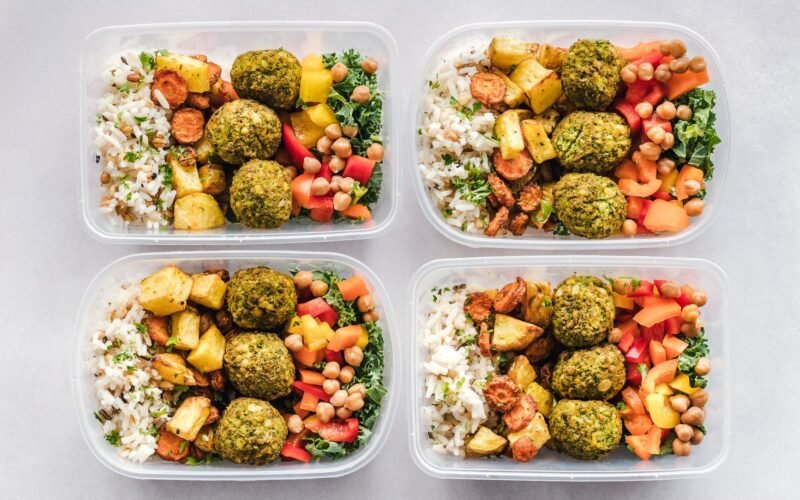
- Assemble Snack Boxes: Create grab-and-go snack boxes with a mix of protein, fat, and veggies.
Listen to Your Body
Don’t just snack out of habit or boredom. Before reaching for a snack, ask yourself:
- Am I truly hungry, or am I just thirsty, bored, or stressed?
- Did I eat enough at my last meal?
- Will this snack genuinely satisfy me or just make me want more?
If you’re not truly hungry, try drinking water, going for a short walk, or engaging in another activity.
Keep It Simple
You don’t need gourmet snacks every day. Often, the simplest options are the most effective and sustainable. An egg, a handful of almonds, or some cheese are perfectly acceptable and highly effective.
Variety Prevents Boredom
While simplicity is good, variety keeps things interesting. Rotate your snacks to prevent boredom and ensure you’re getting a broad spectrum of nutrients. Don’t eat the same thing every day.
The Role of Fiber
While often overlooked, fiber is crucial for low carb snacking. It aids digestion, promotes satiety, and contributes to stable blood sugar. Many of the suggested snacks (vegetables, nuts, seeds, avocados) are excellent sources of fiber. Ensure your overall diet, including snacks, provides adequate fiber.
Common Pitfalls to Avoid in Low Carb Snacking
Even with the best intentions, it’s easy to make mistakes that can hinder your progress. Being aware of these common pitfalls will help you navigate your low carb journey more effectively.
The “Hidden Carb” Trap
Carbohydrates are insidious and can hide in unexpected places. Sauces, dressings, marinades, condiments, and even some spices can contain added sugars or starchy fillers. Always check the labels of anything pre-made. For instance, many brands of ranch dressing or ketchup are surprisingly high in sugar. Opt for homemade versions or carefully selected sugar-free alternatives.
Overconsumption of Healthy Fats
While healthy fats are crucial for satiety and overall health, they are also calorie-dense. A small handful of nuts is a healthy snack, but mindlessly eating half a bag can quickly add hundreds of calories to your daily intake, potentially stalling weight loss. Even avocados and nut butters need portion control. Remember, “healthy” doesn’t mean “calorie-free.”
Relying on Artificial Sweeteners
Many low-carb and “keto-friendly” products heavily rely on artificial sweeteners or certain sugar alcohols. While they don’t impact blood sugar in the same way as sugar, their impact on weight loss is debated. Some studies suggest they can still trigger cravings, affect gut microbiome health, or lead to overconsumption of other foods. It’s best to minimize their intake and opt for naturally unsweetened foods whenever possible.
Not Drinking Enough Water
As mentioned earlier, thirst is often mistaken for hunger. If you’re consistently reaching for snacks between meals, first try drinking a large glass of water. Dehydration can also lead to sluggishness and reduced metabolic function, both of which are counterproductive to weight loss.
Falling for “Keto-Friendly” Marketing Gimmicks
The popularity of low-carb and keto diets has led to a proliferation of products marketed as “keto-friendly.” While some are genuinely good options, many are highly processed and contain undesirable ingredients. Always revert to the principle of reading labels rigorously. Don’t trust a label’s claim without verifying the ingredient list and nutrition facts yourself.
Beyond Snacks: A Holistic Approach to Weight Loss
While smart low carb snacking is a powerful tool for weight loss, it’s essential to remember that it’s just one piece of a larger puzzle. Sustainable weight loss and improved health come from a holistic approach that addresses multiple lifestyle factors.
Balanced Meals: Your main meals should be the foundation of your diet. Ensure they are balanced with adequate protein, healthy fats, and plenty of non-starchy vegetables. Snacks should complement your meals, not replace them or compensate for poor meal choices.
Adequate Sleep: Poor sleep can wreak havoc on your hormones, increasing ghrelin (the hunger hormone) and decreasing leptin (the satiety hormone). This makes cravings harder to resist and can lead to increased calorie intake. Aim for 7-9 hours of quality sleep each night.
Stress Management: Chronic stress elevates cortisol levels, which can promote fat storage, particularly around the midsection. Find healthy ways to manage stress, such as meditation, yoga, spending time in nature, or engaging in hobbies.
Regular Physical Activity: Exercise not only burns calories but also builds muscle mass, which boosts your metabolism. It improves insulin sensitivity, reduces stress, and enhances mood. Incorporate a mix of strength training and cardiovascular exercise into your routine.
Mindful Eating: Pay attention to your food, savor each bite, and eat slowly. This allows your body to register fullness signals more effectively and can prevent overeating, even of healthy snacks. Avoid distractions like screens while eating.
By integrating low carb snacking into a broader healthy lifestyle, you create a powerful synergy that supports not just weight loss, but overall well-being and long-term health.
Conclusion
Navigating the world of snacking doesn’t have to be a minefield when you’
Photo by Jana Ohajdova on Pexels