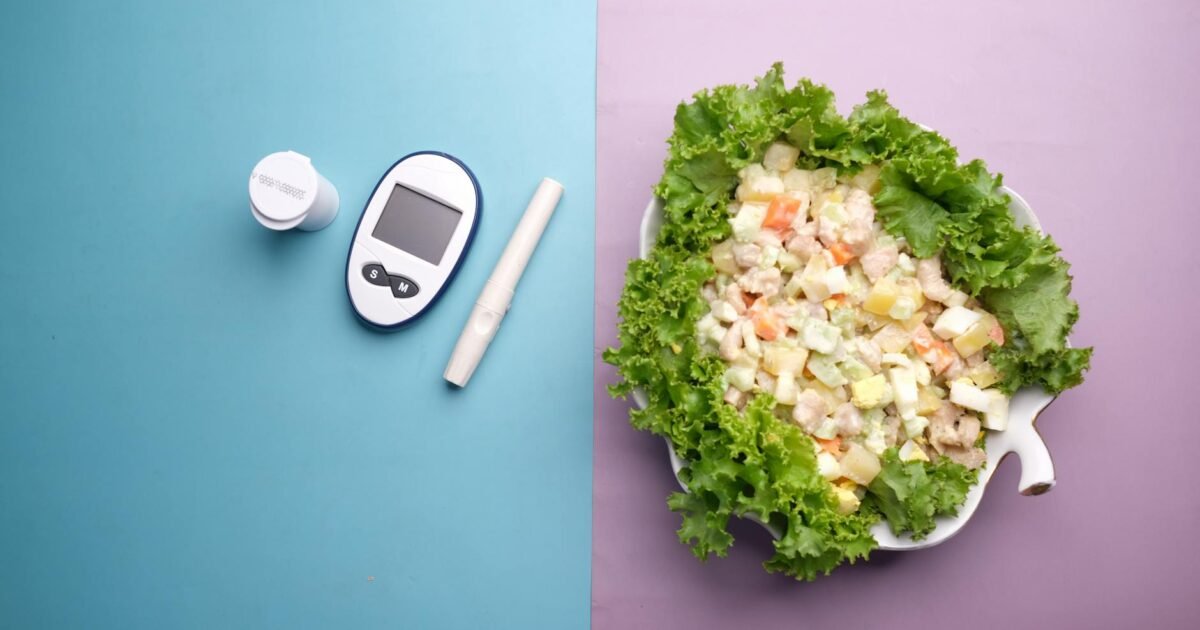
The Ultimate Low Glycemic Index Foods List for Diabetics: Your Comprehensive Guide to Better Health
Living with diabetes often means navigating a complex world of dietary choices. One of the most powerful tools in managing this condition effectively is understanding the Glycemic Index (GI) of foods. For individuals with diabetes, choosing foods with a low glycemic index can be a game-changer, offering a stable and sustained release of energy, improved blood sugar control, and a reduced risk of complications. At GetLeanPulse.com, we believe in empowering you with the knowledge to make informed decisions for your health.
This comprehensive guide will delve deep into the world of low GI foods. We’ll explain what the Glycemic Index is, why it’s incredibly important for diabetes management, and provide you with an extensive, categorized list of delicious and nutritious low GI options. Beyond just a list, we’ll equip you with practical strategies for incorporating these foods into your daily diet, debunk common myths, and offer a holistic perspective on managing diabetes for a healthier, more vibrant life.
If you’re looking to take control of your blood sugar, manage your weight, and feel your best, understanding and implementing a low GI eating plan is a crucial step. Let’s embark on this journey to discover how smart food choices can transform your diabetes management and overall well-being.
Understanding the Glycemic Index (GI) and Its Importance
Before we dive into the lists, it’s essential to grasp what the Glycemic Index truly represents and why it holds such significance for individuals managing diabetes.
What is the Glycemic Index?
The Glycemic Index (GI) is a numerical scale that ranks carbohydrate-containing foods based on how quickly and how much they raise your blood sugar levels after eating. Foods are ranked from 0 to 100, with pure glucose serving as the reference point at 100.
- High GI Foods (70 or higher): These foods are rapidly digested and absorbed, leading to a quick and significant spike in blood sugar. Examples include white bread, sugary drinks, and many processed snacks.
- Medium GI Foods (56-69): These foods cause a moderate rise in blood sugar. Examples include whole wheat bread, brown rice, and ripe bananas.
- Low GI Foods (55 or less): These foods are slowly digested and absorbed, resulting in a gradual and smaller rise in blood sugar levels. Examples include most vegetables, legumes, and whole grains.
Why is GI Important for Diabetics?
For individuals with diabetes, the body either doesn’t produce enough insulin or can’t effectively use the insulin it produces to manage blood sugar. When you eat high GI foods, your blood sugar can surge rapidly, putting a strain on your body’s insulin response. Over time, frequent and significant blood sugar spikes can lead to various health complications, including nerve damage, kidney disease, vision problems, and heart disease.
Choosing low GI foods, on the other hand, helps to:
- Prevent Blood Sugar Spikes: The slower digestion of low GI foods means a more controlled release of glucose into the bloodstream, avoiding sudden peaks and troughs.
- Improve Insulin Sensitivity: By reducing the demand on your insulin-producing cells, a low GI diet can help improve your body’s sensitivity to insulin over time.
- Better Long-Term Blood Sugar Control: Consistent low GI eating contributes to more stable HbA1c levels, a key indicator of long-term blood sugar management.
Glycemic Load (GL) vs. Glycemic Index (GI)
While the GI is a valuable tool, it’s also important to understand the Glycemic Load (GL). The GI tells you how quickly a carbohydrate in a food turns into sugar, but it doesn’t account for the amount of carbohydrate in a typical serving. This is where GL comes in.
Glycemic Load (GL) considers both the quality (GI) and quantity of carbohydrates in a serving of food. It provides a more realistic picture of a food’s actual impact on blood sugar. The formula for GL is: (GI x grams of carbohydrate) / 100.
- High GL Foods (20 or higher)
- Medium GL Foods (11-19)
- Low GL Foods (10 or less)
For example, watermelon has a high GI (around 76), but because it has a low carbohydrate density (it’s mostly water), a typical serving has a low GL (around 4). This means that while watermelon’s carbohydrates are quickly absorbed, there aren’t many of them in a standard portion, so its overall impact on blood sugar is less significant than its GI alone might suggest. Therefore, when making dietary choices, considering both GI and GL offers a more comprehensive approach.
Factors Affecting a Food’s GI
It’s not just the type of food, but also how it’s prepared and consumed, that can influence its GI. Key factors include:
- Processing: Highly processed foods (e.g., refined grains) tend to have a higher GI than their whole, unprocessed counterparts (e.g., whole grains).
- Fiber Content: Foods rich in soluble and insoluble fiber generally have a lower GI because fiber slows down digestion and glucose absorption.
- Fat and Protein Content: The presence of fat and protein in a meal can slow down gastric emptying, thus lowering the overall GI response of the meal.
- Acidity: Acids (like vinegar or lemon juice) can slow the rate at which food leaves the stomach, leading to a lower GI response.
- Ripeness: Riper fruits and vegetables tend to have a higher GI as starches convert to sugars during the ripening process.
- Cooking Method: Overcooking can increase the GI of some foods (e.g., pasta cooked al dente has a lower GI than overcooked pasta).
Why Prioritize Low GI Foods for Diabetes Management?
Beyond the direct impact on blood sugar, integrating low GI foods into your diet offers a multitude of benefits for individuals with diabetes, contributing to overall health and well-being.
1. Superior Blood Sugar Control
This is the primary and most direct benefit. Low GI foods prevent rapid blood sugar spikes, allowing for a more stable glucose curve throughout the day. This stability is crucial for preventing hyperglycemia (high blood sugar) and reducing the risk of both short-term symptoms (fatigue, increased thirst, blurred vision) and long-term complications (neuropathy, nephropathy, retinopathy).
2. Enhanced Insulin Sensitivity
A diet consistently low in GI foods reduces the demand on your pancreas to produce large amounts of insulin. Over time, this can help improve your body’s sensitivity to insulin, meaning your cells respond more effectively to the insulin available. For individuals with Type 2 diabetes, this can be particularly beneficial in managing insulin resistance.
3. Sustainable Weight Management
Low GI foods typically promote greater satiety and a feeling of fullness for longer periods. This is because their slow digestion prevents the rapid rise and fall of blood sugar that often triggers hunger pangs and cravings. By reducing overall calorie intake and minimizing snacking between meals, a low GI diet can be an effective strategy for weight loss or maintaining a healthy weight, which is critical for diabetes management.
4. Reduced Risk of Diabetes Complications
Consistent blood sugar control, improved insulin sensitivity, and healthy weight management all contribute to a significantly lower risk of developing or progressing diabetes- related complications. These include cardiovascular disease, kidney disease, nerve damage, and eye conditions.
5. Sustained Energy Levels
The steady release of glucose from low GI foods provides a consistent supply of energy to your body and brain. Unlike high GI foods that offer a quick burst followed by a “crash,” low GI options help prevent energy slumps, allowing you to feel more energetic and focused throughout your day.
6. Improved Lipid Profiles
Some research suggests that a low GI diet can have a positive impact on cholesterol levels, specifically by reducing LDL (“bad”) cholesterol and triglycerides. This further contributes to cardiovascular health, which is a major concern for individuals with diabetes.
7. Rich in Nutrients and Fiber
Many low GI foods are naturally whole, unprocessed, and packed with essential vitamins, minerals, antioxidants, and dietary fiber. Fiber is particularly beneficial for diabetics as it aids in digestion, promotes gut health, and further slows down sugar absorption.
By making low GI foods a cornerstone of your diet, you’re not just managing your diabetes; you’re actively investing in a healthier, more vibrant future.
The Ultimate Low GI Foods List for Diabetics
Now, let’s explore a comprehensive list of delicious and diabetes-friendly low glycemic index foods, categorized for easy reference. Remember, portion control remains key even with low GI options.

1. Vegetables (Non-Starchy) – GI: Very Low (often 15-30)
Non-starchy vegetables are a diabetic’s best friend. They are incredibly low in calories and carbohydrates, yet packed with fiber, vitamins, and minerals. You can enjoy these in generous portions.
- Leafy Greens: Spinach, kale, lettuce, collard greens, Swiss chard, arugula. Versatile for salads, smoothies, and sautéing.
- Cruciferous Vegetables: Broccoli, cauliflower, Brussels sprouts, cabbage. Excellent sources of fiber and antioxidants.
- Bell Peppers: Red, green, yellow, orange. Great raw in salads or cooked in stir-fries.
- Cucumbers: Refreshing and hydrating, perfect for snacks or salads.
- Zucchini & Summer Squash: Mild flavor, excellent in various dishes, from spirals to roasted.
- Green Beans: A versatile side dish, rich in vitamins.
- Asparagus: A tender, nutrient-dense vegetable, wonderful roasted or steamed.
- Mushrooms: Low in calories and offer a savory umami flavor.
- Eggplant: Can be grilled, roasted, or used in stews.
- Tomatoes: Technically a fruit, but nutritionally a vegetable. Good for sauces, salads, or fresh.
2. Fruits – GI: Low to Medium (mostly 20-55)
While fruits contain natural sugars, many have a low GI due to their fiber content. Always opt for whole fruit over juice, as juicing removes beneficial fiber and concentrates sugars.
- Berries: Strawberries, blueberries, raspberries, blackberries. Packed with antioxidants and fiber. Enjoy them fresh, frozen, or in smoothies.
- Apples: Best eaten with the skin for maximum fiber.
- Pears: Similar to apples, good fiber content.
- Oranges & Grapefruit: Citrus fruits are excellent. Be mindful of grapefruit’s interaction with certain medications.
- Cherries: Fresh or frozen, a delightful low GI treat.
- Peaches & Nectarines: Enjoy in moderation.
- Plums: Another good choice for a low GI fruit.
- Kiwi: Rich in Vitamin C and fiber.
- Avocado: Technically a fruit! Very low in carbohydrates and rich in healthy fats, making it excellent for blood sugar control.
3. Legumes – GI: Low (typically 10-40)
Legumes are nutritional powerhouses, offering a fantastic combination of complex carbohydrates, plant-based protein, and abundant fiber. They are excellent for satiety and blood sugar control.
- Lentils: Red, green, brown. Extremely versatile for soups, stews, and salads.
- Chickpeas (Garbanzo Beans): Great in hummus, roasted as a snack, or added to salads and curries.
- Black Beans: A staple in many cuisines, rich in fiber and protein.
- Kidney Beans: Ideal for chili and salads.
- Navy Beans & Pinto Beans: Excellent for soups and baked dishes.
- Edamame: Whole, immature soybeans. A fantastic snack or addition to stir-fries.
4. Whole Grains – GI: Low to Medium (mostly 40-65, aim for lower end)
The “whole” in whole grains is crucial. They retain their bran, germ, and endosperm, providing fiber, vitamins, and minerals that are stripped away in refined grains. Always check labels for “100% whole grain.”
- Rolled Oats/Steel-Cut Oats: Not instant oats. Cook slowly for a sustained energy release.
- Barley: Excellent in soups, stews, or as a side dish.
- Quinoa: A complete protein, incredibly versatile as a base for meals or in salads.
- Brown Rice & Wild Rice: Healthier alternatives to white rice. Cook al dente for a slightly lower GI.
- Whole-Wheat Pasta: Choose brands that are 100% whole wheat. Cook al dente.
- Whole-Grain Bread: Look for breads with minimal ingredients, high fiber, and “100% whole wheat” or “sprouted grain” as the first ingredient. Sourdough bread also tends to have a lower GI.
- Bulgur: A cracked wheat product, great for tabbouleh or as a rice substitute.
- Farro: An ancient grain with a chewy texture, good in salads.
5. Dairy and Dairy Alternatives – GI: Low (typically 15-40)
These provide protein and calcium. Opt for unsweetened varieties to avoid added sugars.
- Plain Greek Yogurt: High in protein, which helps slow sugar absorption.
- Skim or Low-Fat Milk: Contains natural sugars (lactose), but the protein helps.
- Unsweetened Almond Milk: Very low in carbs and calories.
- Unsweetened Soy Milk: Good source of plant-based protein.
- Cottage Cheese: High in protein, good for snacks or breakfast.
- Most Cheeses: Generally very low GI due to high fat and protein and low carbohydrate content.
6. Nuts and Seeds – GI: Very Low (mostly 10-20)
Nuts and seeds are powerhouses of healthy fats, protein, and fiber. They make excellent snacks and additions to meals, helping to stabilize blood sugar.
- Almonds: Rich in healthy fats, fiber, and Vitamin E.
- Walnuts: Excellent source of omega-3 fatty acids.
- Chia Seeds: Form a gel-like consistency in liquid, slowing digestion. Great in puddings or sprinkled on food.
- Flax Seeds: Rich in omega-3s and fiber. Best ground for absorption.
- Pumpkin Seeds: Good source of magnesium and zinc.
- Sunflower Seeds: Versatile and nutritious.
- Pistachios: Another good option for a healthy snack.
- Nut Butters (natural, unsweetened): Peanut butter, almond butter. Check for no added sugar.
7. Lean Proteins – GI: Very Low (often 0-10)
Protein has virtually no impact on blood sugar directly, making lean protein sources essential for diabetics. They promote satiety and help balance meals.
- Fish: Salmon, tuna, mackerel, cod, tilapia. Especially fatty fish like salmon are rich in omega-3s.
- Chicken & Turkey Breast: Skinless, lean options.
- Lean Beef & Pork: Choose lean cuts and trim visible fat.
- Eggs: A complete protein, versatile for any meal.
- Tofu & Tempeh: Plant-based protein sources, good for vegetarian/vegan diets.
8. Healthy Fats – GI: Very Low (0)
Fats do not contain carbohydrates, so they have no GI. However, healthy fats are crucial for overall health, satiety, and can help slow down the absorption of carbohydrates when consumed with meals.
- Avocado: As mentioned, also a fruit, but rich in monounsaturated fats.
- Olive Oil: Extra virgin olive oil is excellent for cooking and dressings.
- Coconut Oil: Use in moderation.
- Nuts and Seeds: (Already listed above, but bear repeating for their fat content).
This extensive list provides a solid foundation for building a diabetes-friendly diet. The key is variety and balance, ensuring you get a wide range of nutrients from these beneficial foods.
How to Effectively Incorporate Low GI Foods into Your Daily Diet
Knowing which foods are low GI is the first step; the next is successfully integrating them into your everyday eating habits. Here are practical strategies to help you make the shift seamlessly.
1. Plan Your Meals in Advance
Meal planning is a superpower for diabetes management. Take time each week to plan your breakfasts, lunches, dinners, and snacks. This helps you make conscious low GI choices and avoids last-minute unhealthy options when hunger strikes.
- Grocery List: Create a list based on your meal plan to ensure you have all the necessary low GI ingredients.
- Batch Cooking: Prepare larger portions of low GI staples like quinoa, lentils, or roasted vegetables at the beginning of the week.
2. Prioritize Fiber at Every Meal
Fiber is your ally. Aim to include a good source of fiber in every meal. This means opting for whole grains, plenty of non-starchy vegetables, and legumes. Fiber not only helps lower the GI of a meal but also promotes satiety and digestive health.
3. Combine Low GI with Higher GI Foods Strategically
You don’t have to eliminate all medium or even some high GI foods entirely. The trick is to pair them with low GI foods, protein, and healthy fats. For example:
- If you have a small portion of a medium GI food like brown rice, pair it with a large serving of non-starchy vegetables and lean protein.
- Add nuts or seeds to your fruit to slow down sugar absorption.
4. Watch Your Portion Sizes
Even low GI foods contain carbohydrates and calories. Portion control is essential for managing overall carbohydrate intake and weight, both critical aspects of diabetes management. Use measuring cups and food scales initially to understand appropriate serving sizes.
5. Smart Snacking
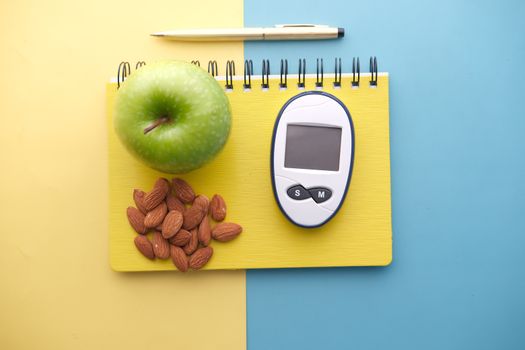
Choose low GI snacks to keep blood sugar stable between meals. Good options include a handful of almonds, an apple with peanut butter, plain Greek yogurt with berries, or vegetable sticks with hummus.
6. Be Mindful of Cooking Methods
How you cook your food can influence its GI. Overcooking starches (like pasta or rice) can increase their GI. Aim for al dente pasta and slightly firm vegetables. Frying can add unhealthy fats, so prefer baking, grilling, steaming, or roasting.
7. Read Food Labels Carefully
Become a label detective. Look for:
- Total Carbohydrates: Essential for overall carb counting.
- Dietary Fiber: Higher fiber generally means a lower GI.
- Added Sugars: Avoid foods with high amounts of added sugars.
- Ingredient List: Prioritize foods with whole, unprocessed ingredients. Look for “100% whole grain” as the first ingredient for bread and pasta.
8. Stay Hydrated with Water
Drinking plenty of water throughout the day is crucial for overall health and can help manage blood sugar by preventing dehydration, which can lead to higher glucose concentrations.
9. Experiment with New Recipes
Eating low GI doesn’t mean sacrificing flavor! Explore recipes that highlight vegetables, legumes, and whole grains. There are countless delicious, diabetes-friendly meals waiting to be discovered.
10. Consult a Healthcare Professional or Registered Dietitian
While this guide provides general information, personalized advice is invaluable. A dietitian specializing in diabetes can help you create a customized low GI meal plan that fits your specific needs, preferences, and medical conditions.
Common Myths and Misconceptions About the Glycemic Index
The Glycemic Index is a powerful tool, but like any dietary concept, it’s often surrounded by myths. Dispelling these misconceptions is crucial for effective and sustainable diabetes management.
Myth 1: All Carbohydrates Are Bad for Diabetics
Reality: This is perhaps the most damaging myth. Carbohydrates are the body’s primary source of energy. The issue isn’t carbohydrates themselves, but their type and quantity. Complex, high-fiber carbohydrates found in low GI foods are essential for sustained energy, gut health, and nutrient intake. Eliminating all carbs can lead to nutritional deficiencies and make healthy eating unsustainable. The focus should be on choosing the right carbs.
Myth 2: If a Food is Low GI, I Can Eat Unlimited Amounts
Reality: Absolutely not. Low GI refers to the *rate* at which a food raises blood sugar, not the *amount* of sugar it contains or its calorie count. Even low GI foods contribute to your total carbohydrate and calorie intake. Portion control remains critical for managing blood sugar levels, weight, and overall health. Overeating even low GI foods can still lead to elevated blood sugar and weight gain.
Myth 3: The Glycemic Index is the Only Factor to Consider for Blood Sugar Control
Reality: While GI is a vital tool, it’s not the sole determinant of a food’s impact on your blood sugar or your overall health. Other factors are equally important:
- Glycemic Load (GL): As discussed, GL offers a more complete picture by considering portion size.
- Fiber Content: High fiber is always good, regardless of GI.
- Fat and Protein Content: These macronutrients slow digestion and absorption, helping to mitigate blood sugar spikes.
- Overall Nutritional Value: A food’s vitamin, mineral, and antioxidant content is crucial. For example, some highly processed low-fat, low-GI foods might be nutritionally poor compared to a whole, slightly higher GI food.
- Individual Response: Everyone’s body responds differently to foods. What might be low GI for one person could have a slightly different effect on another.
Myth 4: Organic or “Natural” Foods Are Always Low GI
Reality: The terms “organic” or “natural” refer to how a food is grown or processed, not its carbohydrate structure or how it affects blood sugar. Organic cane sugar is still sugar. An organic white potato still has a high GI. Always check the nutritional information and understand the food’s inherent characteristics, regardless of its “natural” label.
Myth 5: Cooking Methods Don’t Affect GI
Reality: Cooking methods can significantly alter a food’s GI. For instance, an al dente pasta has a lower GI than overcooked, mushy pasta because overcooking breaks down the starch more, making it easier to digest. Similarly, raw carrots have a lower GI than cooked carrots. Understanding this can help you make better cooking choices.
Myth 6: Only Foods with a GI Number are Relevant
Reality: Many foods, particularly those with very little or no carbohydrates (like lean meats, fish, eggs, healthy oils), don’t have a GI number because they don’t significantly impact blood sugar. However, they are incredibly important for a balanced diet, providing protein and healthy fats that can help stabilize blood sugar response when eaten with carbohydrate-containing foods.
By understanding these distinctions, you can approach your diet with a more nuanced and effective strategy, maximizing the benefits of low GI eating while maintaining a balanced and enjoyable relationship with food.
Beyond the Plate: A Holistic Approach to Diabetes Management
While diet, particularly focusing on low GI foods, is a cornerstone of diabetes management, it’s crucial to recognize that it’s part of a larger picture. A truly effective approach to living well with diabetes encompasses several lifestyle factors that work synergistically with your dietary choices.
1. Regular Physical Activity
Exercise is incredibly powerful for individuals with diabetes. It helps:
- Improve Insulin Sensitivity: Muscles use glucose for energy, even without insulin, during exercise. This helps lower blood sugar and makes your body more responsive to insulin.
- Manage Weight: Exercise burns calories and builds muscle, contributing to healthy weight management.
- Reduce Stress: Physical activity is a great stress reliever, which can indirectly impact blood sugar levels.
- Improve Cardiovascular Health: Important for preventing diabetes-related complications.
Aim for at least 150 minutes of moderate-intensity aerobic activity per week, along with two days of strength training, after consulting your doctor.
2. Stress Management
Stress can cause your body to release hormones that raise blood sugar levels. Chronic stress can make diabetes management more challenging. Incorporate stress-reducing techniques into your daily routine:
- Mindfulness and meditation
- Deep breathing exercises
- Yoga or Tai Chi
- Spending time in nature
- Engaging in hobbies you enjoy
3. Adequate Sleep
Sleep deprivation can negatively impact blood sugar control. It can affect insulin sensitivity and increase hunger hormones, leading to poor food choices. Aim for 7-9 hours of quality sleep per night. Establish a consistent sleep schedule and create a relaxing bedtime routine.
4. Regular Blood Sugar Monitoring
Monitoring your blood sugar levels regularly provides invaluable feedback on how your body responds to different foods, activities, and stress. This information empowers you and your healthcare team to make necessary adjustments to your diet, medication, and lifestyle.
5. Consistent Medication Adherence
If you’re prescribed medication for diabetes, taking it as directed by your doctor is non-negotiable. Medications work in conjunction with your lifestyle choices to maintain optimal blood sugar levels.
6. Regular Check-ups with Your Healthcare Team
Maintain open communication with your doctor, endocrinologist, registered dietitian, and other specialists. Regular appointments ensure that your treatment plan is appropriate and adjusted as needed, and that any potential complications are detected early.
7. Quit Smoking and Limit Alcohol Intake
Smoking significantly increases the risk of diabetes complications. If you smoke, seek support to quit. Alcohol can also affect blood sugar levels and interact with diabetes medications, so consume it in moderation and with your doctor’s guidance.
By embracing this holistic approach, you’re not just managing a condition; you’re cultivating a lifestyle that promotes overall health, vitality, and longevity, allowing you to thrive with diabetes.
Sample Low GI Meal Plan for Diabetics
To help you visualize how to put these principles into practice, here’s a sample one-day low GI meal plan. Remember to adjust portion sizes based on your individual caloric and carbohydrate needs, and always consult with a dietitian for personalized guidance.
Breakfast:
- Steel-Cut Oats (low GI): ½ cup cooked with water or unsweetened almond milk.
- Topped with: ¼ cup mixed berries (low GI), 1 tablespoon chia seeds (very low GI), and a sprinkle of cinnamon.
- Side: 1 hard-boiled egg (very low GI protein) for added satiety.
Morning Snack:
- 1 small apple (low GI) with 1 tablespoon natural almond butter (very low GI fat/protein).
Lunch:
- Large Mixed Green Salad (very low GI vegetables): Lettuce, spinach, cucumber, bell peppers, cherry tomatoes.
- Topped with: 3-4 oz grilled chicken breast or ½ cup cooked chickpeas (very low GI protein).
- Dressing: 2 tablespoons olive oil and vinegar dressing (very low GI healthy fat).
- Side: ½ cup quinoa (low GI complex carb).
Afternoon Snack:
- 1 cup plain Greek yogurt (low GI protein) with 10-12 almonds (very low GI fat/protein).
Dinner:
- Baked Salmon (very low GI protein/healthy fat): 4-5 oz portion.
- Side 1: 1 cup steamed broccoli and cauliflower (very low GI vegetables).
- Side 2: ½ cup cooked lentils (low GI complex carb/protein).
- Seasoning: Fresh herbs, lemon juice, a drizzle of olive oil.
Evening Snack (Optional, if hungry):
- Small handful of walnuts (very low GI fat/protein) or a cup of herbal tea.
This sample plan demonstrates how to combine various low GI food categories to create balanced, nutritious, and satisfying meals that help manage blood sugar effectively. The emphasis is on whole, unprocessed foods rich in fiber, lean protein, and healthy fats.
Conclusion: Empowering Your Diabetes Management with Low GI Choices
Nav
Photo by Towfiqu barbhuiya on Pexels