Omega-3 Foods: Your Secret Weapon for Sustainable Weight Loss
In the vast landscape of nutrition, certain nutrients stand out for their profound impact on overall health, and among them, omega-3 fatty acids shine brightly. Often lauded for their benefits for heart health and brain function, these essential fats are increasingly recognized for their crucial role in managing weight and promoting sustainable fat loss. If you’re on a journey to a healthier, leaner you, understanding the power of omega-3 foods isn’t just beneficial—it’s transformative.
At GetLeanPulse.com, we believe in empowering you with science-backed strategies to achieve your health goals. This comprehensive guide will dive deep into the world of omega-3s, exploring the intricate mechanisms through which they support weight loss, highlighting the best food sources, and providing actionable advice to integrate them seamlessly into your diet. Prepare to unlock a powerful ally in your quest for a healthier body composition.
What Exactly Are Omega-3 Fatty Acids?
Before we delve into their weight loss benefits, let’s establish a clear understanding of what omega-3 fatty acids are. They are a type of polyunsaturated fat, essential for human health, meaning our bodies cannot produce them on their own and we must obtain them through diet. The three main types of omega-3s are:
- Eicosapentaenoic Acid (EPA): Primarily found in fatty fish and seafood, EPA is known for its powerful anti-inflammatory properties and its role in cardiovascular health.
- Docosahexaenoic Acid (DHA): Also abundant in fatty fish, DHA is a major structural component of the brain and retina. It plays a critical role in brain development and function throughout life.
- Alpha-Linolenic Acid (ALA): This is a plant-based omega-3 found in foods like flaxseeds, chia seeds, and walnuts. The body can convert a small percentage of ALA into EPA and DHA, but this conversion is often inefficient.
While all three are important, EPA and DHA are generally considered the most biologically active and beneficial for systemic health, including their impact on metabolism and weight management. The balance between omega-3s and omega-6s (another type of essential fatty acid, often overconsumed in modern diets) is also critical for optimal health and inflammation control.
The Science-Backed Benefits of Omega-3 Foods for Weight Loss
The connection between omega-3s and weight loss goes far beyond simple calorie counting. These powerful fats influence a myriad of physiological processes that collectively contribute to a healthier metabolism, reduced fat storage, and improved body composition. Let’s explore the scientific mechanisms:
1. Boosting Metabolism and Fat Oxidation
One of the most exciting aspects of omega-3s for weight loss is their potential to enhance metabolic rate and promote fat burning. Research suggests that EPA and DHA can:
- Increase Thermogenesis: Omega-3s may increase the number and activity of mitochondria, the “powerhouses” of our cells, which burn calories to produce energy. This can lead to a slight increase in resting metabolic rate, meaning you burn more calories even at rest.
- Promote Fat Oxidation: Studies indicate that omega-3s can shift the body’s fuel preference towards burning fat for energy, rather than storing it. They activate enzymes involved in fat breakdown and inhibit those responsible for fat synthesis. This effect is particularly pronounced during exercise, where omega-3 supplementation has been shown to increase fat oxidation.
- Support Brown Adipose Tissue (BAT) Function: BAT is a type of fat tissue that generates heat by burning calories, unlike white adipose tissue (WAT) which stores energy. Omega-3s may enhance BAT activity, leading to greater energy expenditure and reduced fat accumulation.
2. Regulating Appetite and Enhancing Satiety
Managing hunger and cravings is a cornerstone of successful weight loss. Omega-3s can play a significant role in this by influencing hormones and neural pathways involved in appetite regulation:
- Hormonal Modulation: Omega-3s may impact key appetite-regulating hormones like leptin (which signals satiety) and ghrelin (which stimulates hunger). By improving leptin sensitivity, omega-3s can help your body better recognize when it’s full, potentially reducing overeating. They may also help stabilize ghrelin levels, preventing extreme hunger spikes.
- Reduced Cravings: By promoting feelings of fullness and potentially stabilizing blood sugar levels (more on this later), omega-3s can help curb cravings for unhealthy, high-sugar, and high-fat foods that often derail weight loss efforts.
3. Combating Chronic Inflammation
Chronic low-grade inflammation is a silent epidemic that significantly contributes to weight gain, insulin resistance, and metabolic dysfunction. Omega-3 fatty acids, particularly EPA and DHA, are renowned for their powerful anti-inflammatory properties:
- Reducing Pro-inflammatory Markers: They can decrease the production of pro-inflammatory molecules like eicosanoids and cytokines, which are elevated in obese individuals. By mitigating systemic inflammation, omega-3s create a more favorable environment for weight loss and overall metabolic health.
- Improving Insulin Sensitivity: Inflammation is a major driver of insulin resistance, where cells become less responsive to insulin, leading to higher blood sugar levels and increased fat storage. By reducing inflammation, omega-3s can improve insulin sensitivity, helping your body utilize glucose more efficiently and store less as fat.
4. Improving Insulin Sensitivity and Blood Sugar Control
As mentioned, insulin sensitivity is crucial for weight management. When your cells are sensitive to insulin, they efficiently absorb glucose from the bloodstream, using it for energy or storing it as glycogen in muscles and liver. When insulin resistance develops, glucose remains in the blood, prompting the pancreas to produce more insulin, which in turn signals the body to store excess glucose as fat.
- Enhanced Glucose Uptake: Omega-3s can improve the function of insulin receptors on cells, making them more responsive to insulin’s signals. This leads to better blood sugar control and reduces the likelihood of fat storage.
- Reduced Fat Accumulation: By preventing spikes in blood sugar and improving insulin sensitivity, omega-3s help prevent the cycle of excess insulin production and subsequent fat storage, particularly in the abdominal area.
5. Decreasing Fat Storage (Lipogenesis)
Beyond increasing fat burning, omega-3s also appear to directly interfere with the body’s ability to store fat. They can influence gene expression and enzyme activity involved in lipogenesis (the creation of new fat cells) and adipogenesis (the development of fat tissue):
- Inhibiting Fat Synthesis: Omega-3s can suppress the activity of enzymes like fatty acid synthase, which are critical for converting excess carbohydrates into triglycerides for storage in fat cells.
- Modulating Adipocyte Development: Some research suggests that omega-3s may influence the size and number of fat cells, potentially limiting the expansion of adipose tissue.
6. Preserving Muscle Mass During Weight Loss
When you lose weight, it’s crucial to prioritize fat loss while preserving lean muscle mass. Muscle tissue is metabolically active, burning more calories at rest than fat tissue. Losing muscle can slow down your metabolism, making long-term weight maintenance more challenging. Omega-3s can help here:
- Enhanced Protein Synthesis: Research indicates that omega-3s can stimulate muscle protein synthesis, the process by which muscles repair and grow. This is especially beneficial during periods of calorie restriction, helping to prevent muscle breakdown.
- Reduced Muscle Inflammation: By reducing post-exercise inflammation and muscle soreness, omega-3s can improve recovery, allowing for more consistent and effective workouts, which further supports muscle preservation.
7. Supporting Mood and Reducing Emotional Eating
Weight loss is not just a physical journey; it’s deeply intertwined with mental and emotional well-being. Stress, anxiety, and depression can often lead to emotional eating and hinder progress. Omega-3s are well-known for their benefits for brain health and mood regulation:
- Neurotransmitter Balance: EPA and DHA are vital components of brain cell membranes and play a role in the function of neurotransmitters like serotonin and dopamine, which are crucial for mood stability.
- Stress Reduction: Some studies suggest omega-3s can help reduce cortisol levels, the primary stress hormone. Lower stress can lead to less emotional eating and better adherence to a healthy diet plan.
- Improved Cognitive Function: By supporting overall brain health, omega-3s can enhance decision-making and self-control, making it easier to stick to healthy eating habits.
8. Promoting a Healthy Gut Microbiome
The trillions of microorganisms residing in your gut, collectively known as the gut microbiome, exert a profound influence on metabolism, inflammation, and even weight. Emerging research suggests omega-3s can positively modulate gut health:
- Increasing Beneficial Bacteria: Omega-3s may promote the growth of beneficial gut bacteria, such as Bifidobacterium and Lactobacillus species, which are associated with a leaner body mass and improved metabolic health.
- Reducing Gut Inflammation: By reducing inflammation in the gut lining, omega-3s can strengthen the gut barrier, potentially preventing the leakage of toxins into the bloodstream (a condition known as “leaky gut”) which can contribute to systemic inflammation and insulin resistance.
- Producing Short-Chain Fatty Acids (SCFAs): A healthy gut microbiome produces SCFAs like butyrate, which are crucial for gut health, satiety, and metabolic regulation. Omega-3s may indirectly support SCFA production by fostering a favorable gut environment.
Top Omega-3 Rich Foods to Incorporate for Weight Loss
Now that you understand the “why,” let’s explore the “what.” Incorporating a variety of omega-3 rich foods into your diet is the most natural and effective way to harness their weight loss benefits. Focus on both marine and plant-based sources to ensure a broad spectrum of nutrients.
1. Fatty Fish (EPA & DHA Powerhouses)
These are the undisputed champions for EPA and DHA. Aim for 2-3 servings per week.
- Salmon: Wild-caught salmon is particularly rich in both EPA and DHA. A 3.5-ounce (100-gram) serving can provide over 2,000 mg of omega-3s. It’s also an excellent source of high-quality protein and vitamin D.
- Tips: Bake, grill, or pan-sear with herbs and lemon. Pair with roasted vegetables.
- Mackerel: Small, fatty fish like mackerel are packed with omega-3s and relatively low in mercury. A 3.5-ounce serving can offer around 1,000 mg of omega-3s.
- Tips: Smoked mackerel can be flaked into salads or on whole-grain toast. Fresh mackerel can be grilled.
- Sardines: These tiny powerhouses are not only loaded with omega-3s (around 1,500 mg per can) but also provide calcium and vitamin D. They are sustainable and affordable.
- Tips: Enjoy on whole-grain crackers, in salads, or mashed with avocado.
- Herring: Similar to sardines and mackerel, herring is a small, oily fish rich in EPA and DHA, offering about 1,700 mg per 3.5-ounce serving.
- Tips: Pickled herring is a traditional delicacy. Fresh herring can be grilled or baked.
- Trout: Rainbow trout, often farmed sustainably, provides a good amount of omega-3s, typically around 1,000 mg per 3.5-ounce serving.
- Tips: Bake whole with herbs, lemon, and garlic, or pan-fry fillets.
- Anchovies: Despite their strong flavor, anchovies are incredibly nutritious, with about 1,400 mg of omega-3s per 3.5-ounce serving.
- Tips: Use sparingly in pasta sauces, salad dressings (like Caesar), or on pizza for a flavor boost.
- Albacore Tuna (canned): While fresh tuna can be high in mercury, canned albacore tuna (chunk light, in water) offers a decent amount of omega-3s (around 700 mg per 3.5-ounce serving) with lower mercury levels than fresh.
- Tips: Make a healthy tuna salad with Greek yogurt instead of mayo, or add to green salads.
2. Plant-Based Omega-3 Sources (ALA)
For those who prefer plant-based diets, or simply want to boost their ALA intake, these foods are excellent choices. Remember that ALA conversion to EPA/DHA is limited, so variety is key.
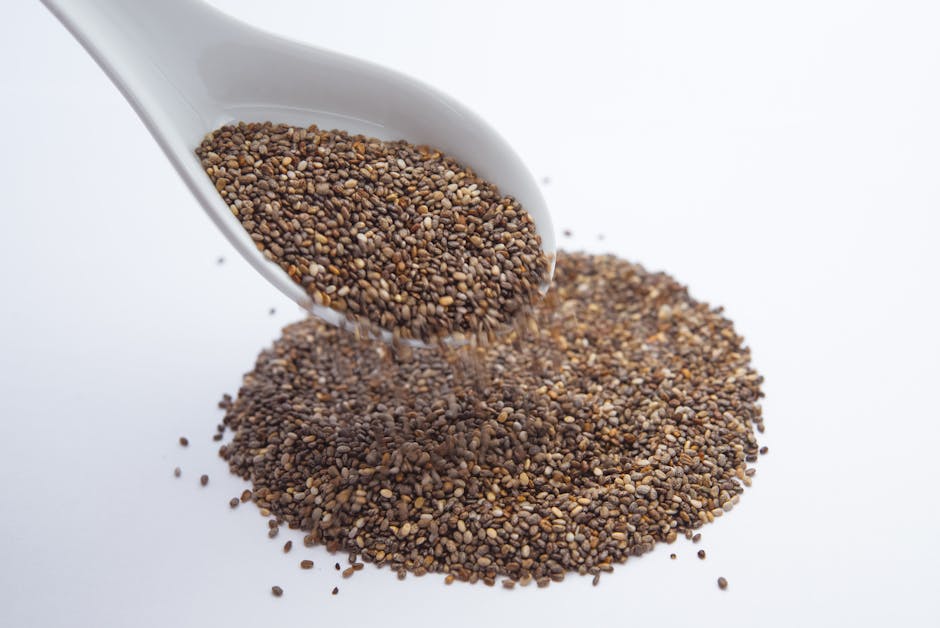
- Chia Seeds: These tiny seeds are nutritional powerhouses, providing roughly 5,000 mg of ALA per ounce (28g). They are also rich in fiber, protein, and various micronutrients.
- Tips: Add to smoothies, yogurt, oatmeal, or make a chia seed pudding.
- Flaxseeds: One of the richest plant sources of ALA, providing about 2,300 mg per tablespoon of ground flaxseeds. Grinding them is crucial for absorption. They are also a great source of soluble and insoluble fiber.
- Tips: Sprinkle ground flaxseeds over cereal, yogurt, salads, or blend into smoothies.
- Walnuts: These nuts are unique among nuts for their high ALA content, with about 2,500 mg per ounce. They also offer healthy fats, protein, and antioxidants.
- Tips: Snack on a handful, add to salads, oatmeal, or use in baking.
- Hemp Seeds: Offering a good balance of omega-3 and omega-6 fatty acids, hemp seeds provide about 1,000 mg of ALA per tablespoon. They are also a complete protein source.
- Tips: Sprinkle on salads, soups, yogurt, or blend into smoothies.
- Edamame: These young soybeans offer a modest amount of ALA (around 200-300 mg per cup) along with plant-based protein and fiber.
- Tips: Enjoy steamed as a snack, or add to stir-fries and salads.
- Algal Oil: For strict vegetarians or vegans, algal oil is a direct source of pre-formed EPA and DHA, as algae are where fish get their omega-3s. It’s available as a supplement and sometimes in fortified foods.
3. Fortified Foods
Some foods are fortified with omega-3s, offering an additional way to boost your intake.
- Omega-3 Enriched Eggs: Chickens fed flaxseed-enriched diets produce eggs with higher ALA, and sometimes even EPA and DHA.
- Tips: Enjoy as part of a balanced breakfast or in frittatas and omelets.
- Fortified Milk and Yogurt: Some dairy and non-dairy alternatives are fortified with omega-3s, often from algal oil.
- Tips: Check labels carefully for the type and amount of omega-3s.
Practical Tips for Incorporating Omega-3s into Your Weight Loss Diet
Knowledge is power, but application is key. Here are actionable strategies to seamlessly integrate omega-3-rich foods into your daily routine, supporting your weight loss goals:
1. Plan Your Meals Around Omega-3 Sources
Instead of adding omega-3s as an afterthought, make them a central component of your meal planning. Aim for:
- 2-3 servings of fatty fish per week: Schedule specific days for salmon, mackerel, or sardines.
- Daily plant-based boosters: Make it a habit to add a tablespoon of chia or ground flaxseeds to your breakfast or snacks.
2. Experiment with Diverse Recipes
Don’t get stuck in a rut. Explore different ways to prepare omega-3 foods:
- Breakfast: Chia seed pudding with berries, oatmeal topped with flaxseeds and walnuts, scrambled eggs with spinach and a sprinkle of hemp seeds.
- Lunch: Salmon salad (using Greek yogurt instead of mayo), tuna and sardine wraps on whole-wheat tortillas, green salads with walnuts and a flaxseed oil dressing.
- Dinner: Baked salmon with roasted asparagus, grilled mackerel with a vibrant salsa, fish tacos with a fresh slaw, lentil soup with a drizzle of flaxseed oil.
- Snacks: A handful of walnuts, edamame pods, a small smoothie with hemp seeds.
3. Be Mindful of Portion Sizes
While omega-3s are healthy fats, they are still calorie-dense. Pay attention to portion sizes, especially with nuts and seeds, to ensure they align with your overall calorie goals for weight loss.
4. Choose Quality Sources
- Wild-caught vs. Farmed Fish: While both provide omega-3s, wild-caught fish often have a better omega-3 to omega-6 ratio and fewer contaminants. If choosing farmed, look for sustainably farmed options.
- Grind Flaxseeds: Whole flaxseeds pass through the digestive system largely intact, preventing absorption. Always use ground flaxseeds.
- Store Properly: Omega-3 rich oils and seeds can be prone to oxidation. Store flaxseed oil and ground flaxseeds in the refrigerator in opaque containers.
5. Consider Omega-3 Supplements (When Necessary)
While food sources are always preferred, supplements can be a valuable tool, especially if you struggle to meet your omega-3 needs through diet alone, or if you have specific health conditions. When choosing a supplement:
- Look for EPA and DHA: Prioritize supplements that clearly state the amounts of EPA and DHA per serving.
- Purity and Quality: Choose reputable brands that provide third-party testing for purity and absence of heavy metals (like mercury) and other contaminants. Look for certifications like IFOS (International Fish Oil Standards).
- Dosage: Consult with a healthcare professional to determine the appropriate dosage for your individual needs and health goals, especially if you are on medications or have pre-existing conditions.
- Algal Oil for Vegans: If you are vegan or vegetarian, algal oil supplements are an excellent way to get pre-formed EPA and DHA directly.

Omega-3s as Part of a Holistic Weight Loss Strategy
It’s crucial to remember that no single food or nutrient is a magic bullet for weight loss. Omega-3s are powerful allies, but they work best when integrated into a comprehensive, holistic approach to health and weight management. For optimal results, combine your increased omega-3 intake with:
- A Calorie-Controlled, Whole Foods Diet: Focus on nutrient-dense, unprocessed foods. Prioritize lean protein, abundant fruits and vegetables, and complex carbohydrates. Omega-3s can help you feel fuller on fewer calories.
- Regular Physical Activity: Combine cardiovascular exercise for calorie burning and heart health with strength training to build and preserve metabolically active muscle mass. Omega-3s can aid muscle recovery and growth.
- Adequate Sleep: Poor sleep disrupts hormones that regulate appetite (ghrelin and leptin) and increases cortisol, leading to increased fat storage and cravings. Aim for 7-9 hours of quality sleep per night.
- Stress Management: Chronic stress elevates cortisol levels, which promotes abdominal fat storage and increases appetite. Incorporate stress-reducing practices like meditation, yoga, deep breathing, or spending time in nature.
- Hydration: Drinking plenty of water is essential for metabolism, satiety, and overall bodily functions.
Common Myths and Misconceptions About Omega-3s and Weight Loss
Despite the growing body of research, several myths persist around omega-3s. Let’s debunk a few relevant to weight loss:
- Myth: “All fats are bad for weight loss.”
Reality: This outdated notion is harmful. Healthy fats, including omega-3s, are essential for satiety, hormone production, nutrient absorption, and yes, even weight loss. They provide sustained energy and prevent sugar crashes, which can lead to overeating. The key is choosing the right fats in appropriate portions.
- Myth: “More omega-3s always means more weight loss.”
Reality: While increasing your omega-3 intake can be beneficial, there’s a point of diminishing returns. Excessive amounts of any nutrient can have adverse effects. The focus should be on meeting recommended daily intakes through a balanced diet, supplementing only if necessary and under guidance.
- Myth: “Omega-3 supplements can replace a healthy diet.”
Reality: Supplements are designed to *supplement* your diet, not replace it. While fish oil can provide EPA and DHA, it lacks the fiber, vitamins, minerals, and other synergistic compounds found in whole foods like salmon, chia seeds, and walnuts. For true sustainable weight loss and health, a nutrient-dense diet remains paramount.
- Myth: “Plant-based omega-3s (ALA) are just as effective as fish-based (EPA/DHA).”
Reality: While plant-based ALA is important and has its own benefits, the conversion rate to EPA and especially DHA in the human body is generally low (estimated 5-10% for EPA, and even less for DHA). Therefore, while plant sources are valuable, direct sources of EPA and DHA (fatty fish or algal oil) are more potent for achieving therapeutic levels of these specific fatty acids, particularly for benefits linked to inflammation and brain health.
The Long-Term Perspective: Beyond the Scale
While weight loss is often the primary motivator, the benefits of incorporating omega-3-rich foods extend far beyond the numbers on the scale. By making omega-3s a regular part of your diet, you’re not just losing weight; you’re investing in:
- Cardiovascular Health: Reduced risk of heart disease, lower blood pressure, improved cholesterol profiles.
- Brain Health: Enhanced cognitive function, improved memory, reduced risk of neurodegenerative diseases.
- Joint Health: Reduced joint pain and stiffness, particularly beneficial for individuals with inflammatory conditions like arthritis.
- Eye Health: Protection against age-related macular degeneration.
- Skin Health: Improved skin barrier function and reduced inflammation, leading to clearer, healthier skin.
- Overall Longevity and Quality of Life: By addressing underlying inflammation and metabolic dysfunction, omega-3s contribute to a healthier, more vibrant life.
These broader health benefits reinforce the importance of sustainable dietary changes. Weight loss achieved through healthy eating, including sufficient omega-3s, is more likely to be maintained, leading to lasting improvements in your well-being.
Conclusion: Embrace the Power of Omega-3s for a Leaner, Healthier You
The evidence is clear: omega-3 fatty acids are not just good for your heart and brain; they are a vital component of any effective and sustainable weight loss strategy. By influencing metabolism, appetite, inflammation, insulin sensitivity, and even mood, these essential fats provide a multi-faceted approach to achieving a healthier body composition.
At GetLeanPulse.com, we encourage you to empower yourself with knowledge and make informed dietary choices. Start by prioritizing fatty fish a couple of times a week, incorporating plant-based sources like chia and flaxseeds daily, and considering a high-quality supplement if your dietary intake is insufficient. Remember, omega-3s thrive in the context of a balanced, whole-foods diet, regular exercise, adequate sleep, and effective stress management.
Embrace the power of omega-3-rich foods, and you’ll not only see changes on the scale but also experience a profound improvement in your overall health and vitality. Your journey to a leaner, healthier you is a marathon, not a sprint, and omega-3s are here to fuel every step of the way.
Photo by Jubair Bin Iqbal on Pexels