📩 Get free weekly weight loss & wellness tips — Subscribe free
Nutrition

High-Fiber Foods for Weight Loss: Your Ultimate Guide

High-Fiber Foods for Weight Loss: Your Ultimate Guide

In the vast landscape of weight loss strategies, countless fads and quick fixes promise miraculous results, often leading to frustration and rebound weight gain. But what if one of the most powerful, evidence-backed tools for sustainable weight loss has been right under our noses, often overlooked in favor of more glamorous diets? We’re talking about dietary fiber – the unsung hero of nutrition, a true game-changer for anyone looking to shed pounds and improve their overall health.

At GetLeanPulse.com, our mission is to provide you with expert-backed, practical advice for achieving your health and weight loss goals. Today, we’re diving deep into the incredible world of fiber, specifically focusing on how incorporating high-fiber foods into your diet can revolutionize your weight loss journey. This isn’t just about feeling full; it’s about optimizing your metabolism, balancing your blood sugar, nourishing your gut, and creating a sustainable path to a healthier, leaner you.

Many people struggle with weight loss because they constantly battle hunger, cravings, and energy dips. The standard Western diet, often rich in refined carbohydrates and processed foods, is notoriously low in fiber. This deficiency leaves us feeling unsatisfied, leading to overeating and a vicious cycle of weight gain. By shifting our focus to fiber-rich whole foods, we can naturally counteract these challenges, making weight loss feel less like a battle and more like a natural progression towards better health.

This comprehensive guide will explore everything you need to know about fiber for weight loss: what it is, how it works its magic, the myriad health benefits beyond the scale, how much you need, and most importantly, a detailed breakdown of the best high-fiber foods to integrate into your daily diet. We’ll also provide practical strategies, common pitfalls to avoid, and even a sample meal plan to kickstart your journey. Get ready to transform your understanding of food and unlock a powerful secret to lasting weight loss.

Understanding Fiber: The Indigestible Powerhouse

Before we delve into its weight loss prowess, let’s establish a foundational understanding of what dietary fiber actually is. Fiber is a type of carbohydrate found primarily in plants, but unlike other carbohydrates (like sugars and starches), it cannot be broken down and absorbed by your digestive enzymes. Instead, it passes relatively intact through your stomach, small intestine, and colon before being expelled from the body. This unique characteristic is precisely what gives fiber its incredible health benefits, especially for weight management.

There are two main types of dietary fiber, each with distinct properties and benefits:

Soluble Fiber

As its name suggests, soluble fiber dissolves in water, forming a gel-like substance. This gel slows down digestion, which has profound implications for satiety and blood sugar control. When soluble fiber mixes with water in your digestive tract, it creates a viscous material that delays the emptying of food from your stomach. This prolonged digestion contributes to a feeling of fullness that lasts longer, effectively reducing your overall calorie intake throughout the day. Furthermore, this slowed digestion helps to stabilize blood sugar levels by preventing rapid spikes and subsequent crashes, which are often triggers for intense cravings and overeating.

Beyond weight loss, soluble fiber is renowned for its ability to lower cholesterol. It binds to cholesterol particles in the digestive tract, preventing their absorption and carrying them out of the body. This can significantly reduce the risk of heart disease.

Excellent sources of soluble fiber include oats, barley, nuts, seeds, beans, lentils, peas, apples, citrus fruits, and carrots.

Insoluble Fiber

Insoluble fiber, on the other hand, does not dissolve in water. Instead, it adds bulk to your stool and helps food pass more quickly through your stomach and intestines. Think of it as nature’s broom, sweeping your digestive tract clean. This “roughage” is crucial for maintaining regular bowel movements and preventing constipation, a common issue that can make many people feel sluggish and bloated. By promoting regularity, insoluble fiber supports a healthy digestive system, which is intrinsically linked to overall well-being and can indirectly aid in weight management by reducing discomfort and promoting a sense of lightness.

Beyond its role in digestive regularity, insoluble fiber also contributes to satiety by filling you up without adding significant calories. It physically occupies space in your stomach, signaling to your brain that you’ve eaten enough.

Rich sources of insoluble fiber include whole wheat flour, wheat bran, nuts, beans, and vegetables like green beans, cauliflower, and potatoes.

Most plant-based foods contain a mix of both soluble and insoluble fiber, but often one type predominates. A truly healthy diet for weight loss and overall well-being incorporates a wide variety of plant foods to ensure you’re getting ample amounts of both types.

The Science-Backed Power of Fiber for Weight Loss

Now that we understand what fiber is, let’s dive into the compelling scientific reasons why it’s such a potent tool for weight loss. Fiber doesn’t just “help” you lose weight; it actively facilitates the process through multiple interconnected mechanisms within your body.

1. Enhanced Satiety and Reduced Calorie Intake

This is arguably fiber’s most direct and impactful contribution to weight loss. High-fiber foods naturally make you feel fuller for longer, which translates directly to eating less. Here’s how it works:

  • Volume and Bulk: Fiber, especially insoluble fiber, adds significant bulk to your meals without adding many calories. When you eat fiber-rich foods, they take up more space in your stomach, triggering stretch receptors that signal to your brain that you are full.
  • Delayed Gastric Emptying: Soluble fiber, once mixed with water, forms a gel that slows down the rate at which food leaves your stomach and enters your small intestine. This sustained presence of food in the stomach prolongs feelings of fullness and delays the onset of hunger.
  • Hormonal Regulation: Fiber influences the release of appetite-regulating hormones. It can reduce levels of ghrelin, often called the “hunger hormone,” and increase the production of satiety hormones like cholecystokinin (CCK), glucagon-like peptide-1 (GLP-1), and peptide YY (PYY). These hormones send strong signals to your brain, telling you that you’re satisfied and don’t need to eat more.

Numerous studies have shown that increasing fiber intake leads to spontaneous reductions in calorie intake, without individuals feeling deprived. This effortless reduction in calories is a cornerstone of sustainable weight loss.

2. Stabilized Blood Sugar Levels and Reduced Cravings

One of the biggest culprits behind weight gain and difficulty losing weight is unstable blood sugar. When you consume refined carbohydrates and sugars, your blood glucose levels spike rapidly, prompting your pancreas to release a surge of insulin. While insulin is necessary, chronic high insulin levels can lead to insulin resistance, increased fat storage, and ultimately, type 2 diabetes.

Fiber, particularly soluble fiber, acts as a buffer against these rapid blood sugar fluctuations. By slowing down the absorption of glucose into the bloodstream, fiber ensures a more gradual and sustained release of energy. This prevents the sharp peaks and valleys that often lead to energy crashes and intense cravings for more sugary or carb-heavy foods. When your blood sugar is stable, you’re less likely to experience those sudden urges to snack, making it much easier to stick to your dietary goals and avoid unnecessary calorie consumption.

3. Improved Gut Health and a Thriving Microbiome

The connection between gut health and weight loss is one of the most exciting areas of modern nutritional science. Your gut is home to trillions of bacteria, collectively known as your gut microbiome, which play a crucial role in everything from digestion and immunity to mood and metabolism. Fiber is the primary fuel source for many of these beneficial gut bacteria, making it a powerful prebiotic.

When gut bacteria ferment fiber, they produce short-chain fatty acids (SCFAs) like acetate, propionate, and butyrate. These SCFAs have a profound impact on your metabolism and weight:

  • Butyrate: This SCFA is particularly important for gut lining integrity and has been linked to reduced inflammation and improved insulin sensitivity, both of which are critical for weight management.
  • Satiety Signaling: SCFAs can influence the release of appetite-regulating hormones (like GLP-1 and PYY), further contributing to feelings of fullness and reducing food intake.
  • Fat Metabolism: Some research suggests that SCFAs can modulate fat metabolism, potentially influencing how your body stores and burns fat. A healthy gut microbiome, fueled by fiber, tends to be more diverse and efficient, which has been associated with a leaner body mass.

By fostering a balanced and diverse gut microbiome, fiber helps create an internal environment that is conducive to weight loss and overall metabolic health.

High-Fiber Foods for Weight Loss: Your Ultimate Guide
Photo via Pexels

4. Reduced Calorie Absorption

While fiber doesn’t directly block calorie absorption in a significant way, it does have a subtle impact. Some studies suggest that the presence of fiber can slightly reduce the efficiency of nutrient absorption from other foods in the digestive tract. This means a small percentage of calories from other macronutrients might pass through your system unabsorbed when consumed alongside fiber. While not a massive effect, every little bit helps when aiming for a calorie deficit.

5. Enhanced Digestive Regularity and Detoxification

While not a direct weight loss mechanism, a well-functioning digestive system is essential for overall health and can indirectly support weight management. Insoluble fiber adds bulk to stool, facilitating its passage and preventing constipation. When your digestive system is regular, you feel lighter, less bloated, and more energetic. Chronic constipation can create a feeling of sluggishness and discomfort that discourages physical activity and healthy eating habits.

Furthermore, fiber helps bind to waste products, toxins, and excess hormones (like estrogen) in the digestive tract, facilitating their elimination from the body. This gentle “detoxification” process supports overall systemic health, which in turn can optimize metabolic function and make weight loss easier.

6. Thermic Effect of Food (TEF) and Metabolic Rate

While fiber itself isn’t metabolized for energy, the process of digesting and fermenting fiber requires energy. The body expends calories to process the food we eat, a phenomenon known as the thermic effect of food (TEF). High-fiber foods often require more energy to digest compared to highly processed, low-fiber alternatives. Moreover, a healthy gut microbiome, fueled by fiber, is associated with a more efficient metabolism. While the direct increase in metabolic rate from fiber alone might be modest, its cumulative effects through improved gut health, stable blood sugar, and reduced inflammation contribute to a more optimized metabolic state, making fat loss more achievable.

Beyond Weight Loss: The Comprehensive Health Benefits of Fiber

While our focus here is on weight loss, it’s crucial to acknowledge that fiber is a nutritional superstar with a vast array of health benefits that extend far beyond shedding pounds. These benefits often interlink and create a synergistic effect, enhancing your overall well-being as you work towards your weight goals.

  • Heart Health: Soluble fiber is particularly effective at lowering LDL (“bad”) cholesterol levels by binding to cholesterol particles and preventing their absorption. This, along with its ability to help regulate blood pressure, significantly reduces the risk of heart disease, stroke, and other cardiovascular issues.
  • Diabetes Prevention and Management: By stabilizing blood sugar levels, fiber plays a critical role in preventing the development of type 2 diabetes. For those already living with diabetes, a high-fiber diet can help manage blood glucose, improve insulin sensitivity, and reduce the need for medication.
  • Digestive Health and Disease Prevention: Both soluble and insoluble fiber are vital for a healthy digestive system. Insoluble fiber prevents constipation and hemorrhoids, while soluble fiber can help regulate bowel movements for those with irritable bowel syndrome (IBS) or diarrhea. A high-fiber diet has also been linked to a reduced risk of diverticular disease and colorectal cancer.
  • Reduced Inflammation: The short-chain fatty acids produced by gut bacteria fermenting fiber have anti-inflammatory properties. Chronic inflammation is a root cause of many diseases, including obesity, heart disease, and autoimmune conditions. By reducing inflammation, fiber contributes to overall disease prevention and better health outcomes.
  • Longevity: Research consistently shows that individuals with higher fiber intakes tend to live longer and healthier lives. This is likely due to the cumulative protective effects of fiber against chronic diseases.

When you choose to prioritize fiber for weight loss, you’re not just investing in a slimmer waistline; you’re investing in a lifetime of better health.

How Much Fiber Do You Need? (And Are You Getting Enough?)

Despite its proven benefits, most people in Western countries fall significantly short of the recommended daily fiber intake. The average American consumes only about 15 grams of fiber per day, which is less than half of what is recommended by health organizations.

The recommended daily fiber intake varies slightly by age and gender:

  • Adult Women (under 50): 25-28 grams per day
  • Adult Women (over 50): 22-25 grams per day
  • Adult Men (under 50): 30-38 grams per day
  • Adult Men (over 50): 28-30 grams per day

These recommendations are based on a typical 2,000-calorie diet, and individual needs may vary. For weight loss, aiming for the higher end of these recommendations, or even slightly above, can be particularly beneficial due to fiber’s powerful satiety effects.

Are You Getting Enough Fiber?

If you’re unsure whether you’re meeting your fiber needs, consider these common signs of low fiber intake:

  • Chronic Constipation: Infrequent or difficult bowel movements are a primary indicator.
  • Persistent Hunger and Cravings: If you’re constantly feeling hungry shortly after meals or experiencing intense cravings for sugary or refined foods, lack of fiber could be a factor.
  • Energy Swings: Rapid blood sugar spikes and crashes due to low fiber intake can lead to fluctuating energy levels.
  • Bloating and Gas (Paradoxically): While too much fiber too quickly can cause these symptoms, chronic low fiber can also contribute to an unhealthy gut microbiome that produces excessive gas.
  • Weight Gain or Difficulty Losing Weight: As discussed, insufficient fiber makes calorie control much harder.

The good news is that increasing your fiber intake is straightforward and delicious when you focus on whole, unprocessed foods.

Top High-Fiber Food Categories for Weight Loss

Now for the exciting part: building your high-fiber arsenal! Focusing on these food categories will not only boost your fiber intake but also provide a wealth of other essential nutrients, supporting your weight loss goals and overall health.

1. Legumes: The Protein & Fiber Powerhouses

Legumes are an absolute must-have in a weight loss diet. They are incredibly rich in both soluble and insoluble fiber, as well as plant-based protein, making them exceptionally filling and nutritious. Their unique nutritional profile helps regulate blood sugar, reduce cholesterol, and support gut health.

  • Lentils: A half-cup cooked provides about 8 grams of fiber. Versatile in soups, stews, salads, and even as a meat substitute.
  • Black Beans: Half a cup cooked offers around 7.5 grams of fiber. Great in tacos, burritos, salads, or as a side dish.
  • Chickpeas (Garbanzo Beans): Roughly 6 grams of fiber per half-cup cooked. Fantastic in hummus, roasted as a snack, or added to curries and salads.
  • Kidney Beans: About 6.5 grams of fiber per half-cup cooked. A staple in chili and many vegetarian dishes.
  • Edamame: Half a cup shelled contains about 4 grams of fiber, plus a good dose of protein. Excellent steamed as a snack or added to stir-fries.

Tip: If using canned beans, rinse them thoroughly to reduce sodium content. For dried beans, soak them overnight to reduce cooking time and improve digestibility.

2. Whole Grains: Sustained Energy and Satiety

Unlike refined grains (which have had their fibrous bran and germ removed), whole grains retain all parts of the grain, including the fiber-rich outer layers. They provide complex carbohydrates for sustained energy, preventing energy crashes and subsequent cravings.

  • Oats: A half-cup dry (about 1 cup cooked) provides 4-5 grams of fiber, largely soluble fiber (beta-glucan), which is excellent for heart health and satiety. Start your day with oatmeal or add oats to smoothies.
  • Quinoa: Technically a seed but used as a grain, quinoa offers about 2.6 grams of fiber per half-cup cooked, plus complete protein. A fantastic alternative to rice or couscous.
  • Brown Rice: While white rice has virtually no fiber, brown rice provides about 1.8 grams per half-cup cooked. Choose it over white rice whenever possible.
  • Barley: A nutritional powerhouse with 3 grams of fiber per half-cup cooked, much of it soluble. Great in soups, stews, or as a side dish.
  • Whole Wheat Bread/Pasta: Opt for 100% whole wheat versions. Two slices of whole wheat bread can offer 4-6 grams of fiber, and a cup of whole wheat pasta around 6 grams.

Tip: Always check labels to ensure “whole grain” is listed as the first ingredient. “Multigrain” doesn’t necessarily mean whole grain.

3. Fruits: Sweetness with a Fiber Boost

Fruits are nature’s candy, but unlike processed sweets, they come packed with fiber, vitamins, minerals, and antioxidants. Eating whole fruit is key, as juicing often removes much of the beneficial fiber.

  • Berries (Raspberries, Blackberries, Blueberries): Raspberries are fiber superstars with 8 grams per cup! Blackberries offer 7.6g, and blueberries about 3.6g. Perfect for snacks, smoothies, or topping yogurt/oatmeal.
  • Apples: A medium apple with the skin on contains about 4.4 grams of fiber. The pectin in apples (soluble fiber) is great for satiety.
  • Pears: A medium pear with skin provides an impressive 5.5 grams of fiber.
  • Avocados: While known for healthy fats, a whole avocado packs around 10 grams of fiber! A fantastic addition to salads, toasts, or smoothies.
  • Bananas: A medium banana has about 3.1 grams of fiber.
  • Oranges: A medium orange provides about 3.1 grams of fiber.

Tip: Always eat the skin on fruits like apples and pears, as that’s where a significant portion of fiber resides.

High-Fiber Foods for Weight Loss: Your Ultimate Guide
Photo via Pexels

4. Vegetables: Low-Calorie, High-Nutrient Density

Vegetables are your best friends for weight loss. They are incredibly low in calories, high in water content, and bursting with vitamins, minerals, and, of course, fiber. Loading up on veggies is a simple way to fill your plate without overdoing calories.

  • Broccoli: One cup cooked offers about 5.1 grams of fiber. Also a good source of Vitamin C and K.
  • Brussels Sprouts: One cup cooked provides around 4.1 grams of fiber. Delicious roasted or steamed.
  • Artichokes: One medium artichoke contains an astonishing 6.9 grams of fiber.
  • Spinach & Kale: While lower in fiber per serving (due to high water content), these leafy greens add up quickly. A cup of cooked spinach has about 4.3 grams of fiber. Blend them into smoothies or add generous amounts to any meal.
  • Sweet Potatoes: A medium sweet potato with skin provides about 3.8 grams of fiber. A healthier alternative to white potatoes.
  • Carrots: One cup raw offers about 3.6 grams of fiber. Great as a snack or added to stir-fries.

Tip: Aim to fill half your plate with non-starchy vegetables at every meal. Experiment with different cooking methods to keep things interesting.

5. Nuts & Seeds: Healthy Fats, Protein, and Fiber

Nuts and seeds are nutrient-dense powerhouses, offering a fantastic combination of healthy fats, protein, and fiber. While calorie-dense, a small portion can provide significant satiety and nutritional benefits.

  • Chia Seeds: Just two tablespoons provide an incredible 10 grams of fiber, along with omega-3 fatty acids. Add to smoothies, yogurt, oatmeal, or make chia pudding.
  • Flax Seeds: Two tablespoons offer about 5.6 grams of fiber, also rich in omega-3s. Grind them to maximize nutrient absorption.
  • Almonds: About 3.5 grams of fiber per ounce (approx. 23 almonds). A perfect on-the-go snack.
  • Pumpkin Seeds: One ounce provides about 1.7 grams of fiber, plus zinc and magnesium.
  • Walnuts: One ounce offers about 1.9 grams of fiber and healthy fats.

Tip: Due to their calorie density, practice portion control with nuts and seeds. A small handful or a tablespoon or two can go a long way.

Integrating Fiber into Your Daily Diet: Practical Strategies

Knowing which foods are high in fiber is one thing; consistently incorporating them into your daily routine is another. Here are practical, actionable strategies to boost your fiber intake effectively and comfortably:

1. Start Slowly and Hydrate Adequately

This is perhaps the most crucial tip. If your current diet is low in fiber, suddenly adding a massive amount can lead to digestive discomfort like bloating, gas, and cramping. Increase your fiber intake gradually over several weeks. For example, add an extra serving of vegetables or a small portion of beans to one meal per day for a week, then slowly introduce more. Simultaneously, dramatically increase your water intake. Fiber absorbs water, and without enough fluid, it can exacerbate constipation rather than relieve it. Aim for 8-10 glasses of water daily.

2. Make Fiber Your Breakfast Priority

Starting your day with fiber can set you up for success.

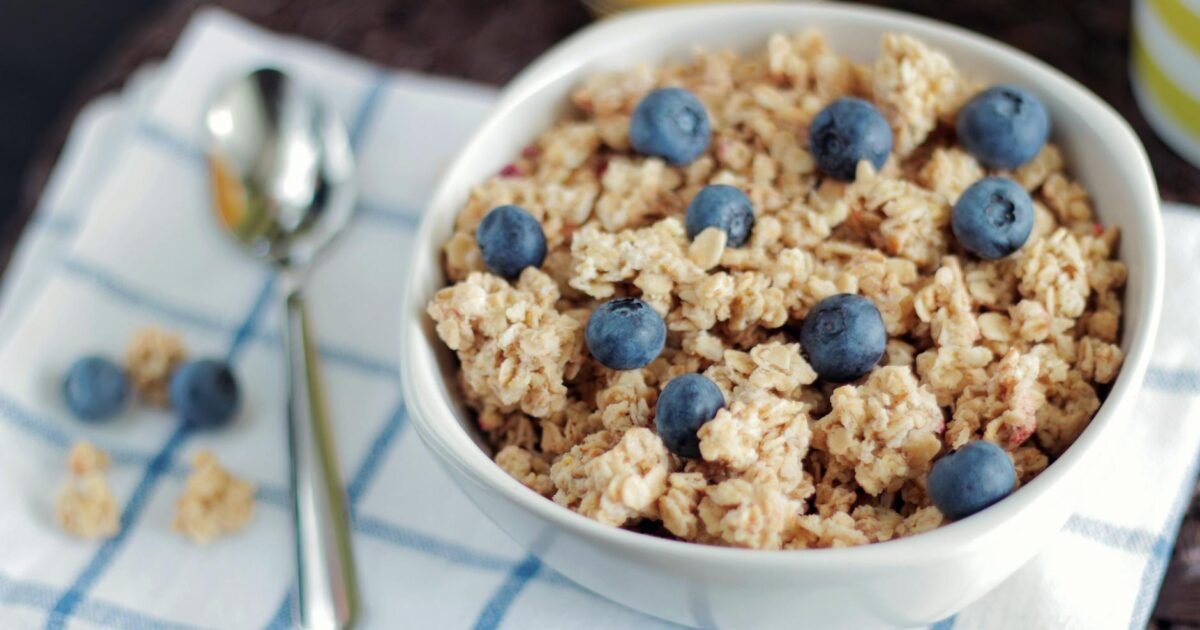
  • Oatmeal Power: Swap sugary cereals for a bowl of plain rolled oats. Boost its fiber content further by adding berries, chia seeds, flax seeds, and a handful of nuts.
  • Whole-Grain Toast: Choose 100% whole-wheat toast over white bread. Top with avocado, nut butter, or scrambled eggs with spinach.
  • Smoothie Boost: Blend spinach or kale into your fruit smoothies. Add a tablespoon of chia or flax seeds for an invisible fiber boost.

3. “Sneak” Fiber into Every Meal

Think about how you can add a fiber source to each component of your plate:

  • Lunch/Dinner:
    • Load Up on Veggies: Aim to fill at least half your plate with non-starchy vegetables at lunch and dinner. Steam, roast, grill, or stir-fry them.
    • Embrace Legumes: Add a scoop of lentils, black beans, or chickpeas to your salads, soups, stews, or casseroles. They also make excellent meat extenders or substitutes.
    • Swap Your Grains: Replace white rice with brown rice, quinoa, farro, or barley. Use whole wheat pasta instead of refined white pasta.
  • Snacks:
    • Fresh fruit (especially berries, apples, pears)
    • Vegetable sticks (carrots, celery, bell peppers) with hummus
    • A small handful of almonds or walnuts
    • Edamame
    • Air-popped popcorn (a surprisingly good source of fiber!)

4. Read Food Labels Carefully

When buying packaged foods, always check the nutrition facts panel for fiber content. Look for foods that provide at least 3 grams of fiber per serving, which is generally considered a “good source.” Foods with 5 grams or more per serving are considered “excellent sources.” Be wary of products marketed as “whole grain” that still list refined flour as the first ingredient.

5. Prioritize Whole Foods Over Fiber Supplements

While fiber supplements (like psyllium husk or methylcellulose) can be helpful in specific situations or for individuals struggling to meet their fiber goals, they should not be your primary source. Whole foods offer a complex matrix of both soluble and insoluble fiber, along with a vast array of vitamins, minerals, antioxidants, and phytochemicals that supplements cannot replicate. Always aim for a “food first” approach. If you do use supplements, consult with a healthcare professional and remember to increase your water intake significantly.

6. Get Creative in the Kitchen

Experiment with new recipes that feature fiber-rich ingredients. Lentil soup, black bean burgers, chickpea curries, roasted vegetable medleys, berry chia puddings – the options are endless and delicious. Cooking at home allows you to control ingredients and ensure you’re maximizing your fiber intake.

Common Pitfalls and How to Avoid Them

While increasing fiber is generally beneficial, there are a few common mistakes people make that can lead to discomfort or hinder weight loss. Being aware of these can help you navigate your journey smoothly.

1. Increasing Fiber Too Quickly

As mentioned, this is the most common mistake. Your digestive system needs time to adapt to a higher fiber intake. Going from 10 grams to 30 grams overnight can result in significant bloating, gas, abdominal pain, and even constipation if not enough water is consumed.

Solution: Gradually add 3-5 grams of fiber per day each week until you reach your target. Listen to your body and adjust accordingly.

2. Neglecting Hydration

Fiber, especially soluble fiber, acts like a sponge, absorbing water in your digestive tract. If you increase fiber without also increasing your water intake, the fiber can become a dense mass, leading to severe constipation and discomfort.

Solution: Make a conscious effort to drink at least 8-10 glasses of water (or other non-caloric fluids) throughout the day, especially when

Photo by JÉSHOOTS on Pexels

Leave a Comment

Your email address will not be published. Required fields are marked *

Your email won't be published.