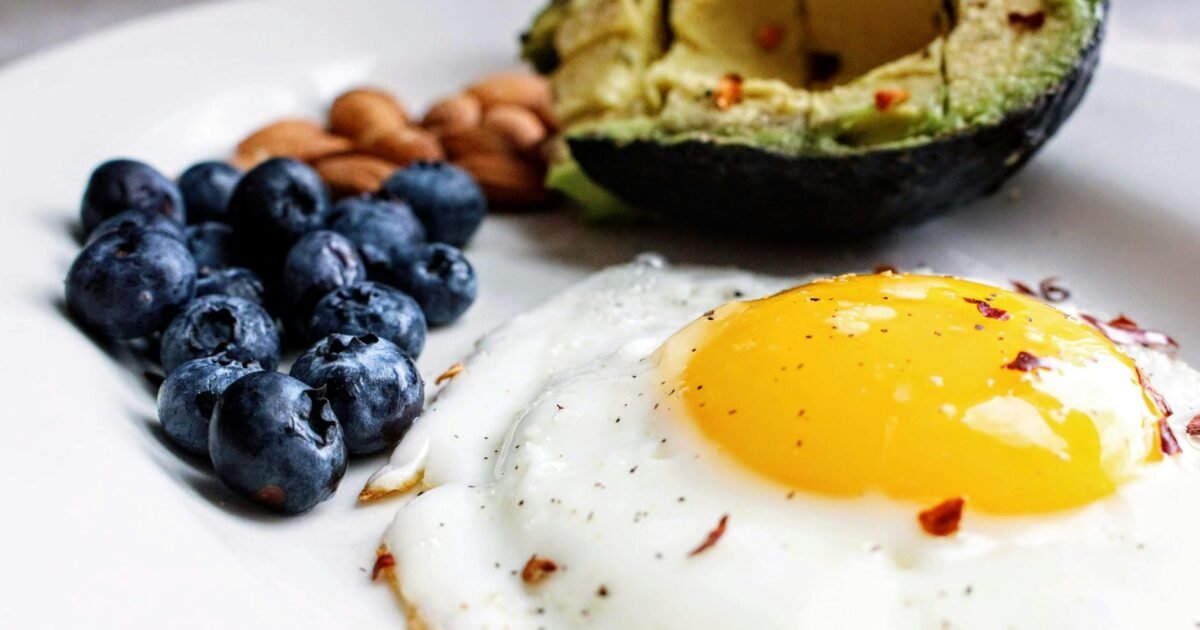
Keto Diet for Beginners: Your Complete Guide to Mastering Ketogenic Eating
Welcome to GetLeanPulse.com, your ultimate resource for transforming your health and achieving your weight loss goals. If you’ve been hearing buzz about the ketogenic diet – or simply “keto” – and are curious about what it entails, how it works, and if it’s right for you, you’ve come to the perfect place. This comprehensive guide is designed specifically for beginners, demystifying the keto lifestyle and providing you with all the knowledge and tools you need to embark on your journey with confidence.
The keto diet has surged in popularity not just as a trendy weight loss method, but as a powerful nutritional approach with a myriad of potential health benefits. From significant fat loss to improved mental clarity and stable energy levels, its adherents often report life-changing results. But like any significant dietary shift, starting keto requires understanding, preparation, and commitment.
In this guide, we will break down the science behind ketosis, help you understand what to eat and what to avoid, provide practical tips for getting started, tackle common challenges like the “keto flu,” and offer insights into making this lifestyle sustainable. Our goal is to equip you with a solid foundation, ensuring your transition into the ketogenic lifestyle is as smooth and successful as possible. So, let’s dive in and unlock the power of keto!
Understanding the Ketogenic Diet: What Exactly Is Keto?
At its core, the ketogenic diet is a very low-carb, high-fat, moderate-protein eating plan. It’s designed to shift your body’s primary fuel source from carbohydrates (glucose) to fats, a metabolic state known as ketosis. When your body is in ketosis, it becomes incredibly efficient at burning fat for energy. It also converts fat into ketones in the liver, which can supply energy for the brain.
For decades, our understanding of nutrition has largely favored carbohydrates as the primary energy source. However, the keto diet challenges this conventional wisdom by drastically reducing carbohydrate intake – typically to 20-50 grams of net carbs per day – and replacing it with fat. This dramatic reduction in carbs starves your body of its preferred fuel, glucose, forcing it to seek an alternative.
The Science Behind Ketosis: How Your Body Becomes a Fat-Burning Machine
To truly appreciate the keto diet, it’s essential to understand the metabolic magic behind ketosis. Normally, when you eat carbohydrates, they are broken down into glucose, which is then used by your cells for energy or stored as glycogen in your liver and muscles. Insulin, a hormone produced by the pancreas, plays a crucial role in managing glucose levels.
When you significantly cut down on carbs, your glucose stores deplete within a few days. With no glucose readily available, your body turns to fat. Your liver begins to break down fats into molecules called ketones (specifically beta-hydroxybutyrate, acetoacetate, and acetone). These ketones then serve as an alternative fuel source for your brain, heart, muscles, and other tissues.
This metabolic shift from glucose burning to fat burning (and ketone production) is ketosis. It’s a natural survival mechanism that humans have relied on for millennia during periods of food scarcity. By intentionally inducing this state through diet, you can leverage its benefits for weight loss and various health improvements.
The beauty of ketosis lies in its efficiency. Fat provides more energy per gram than carbohydrates, and burning fat for fuel can lead to more stable energy levels, fewer blood sugar spikes, and often, a reduced appetite. This is why many people on keto report feeling more satiated and less prone to cravings than on traditional high-carb diets.
The Powerful Benefits of Embracing a Ketogenic Lifestyle
The allure of the ketogenic diet extends far beyond just weight loss. While its effectiveness in shedding pounds is well-documented, many individuals adopt keto for a broader spectrum of health advantages. Let’s explore some of the most compelling benefits:
1. Significant Weight Loss and Fat Reduction
One of the primary reasons people turn to keto is its remarkable ability to facilitate weight loss. This isn’t just water weight; it’s genuine fat loss. Here’s why it’s so effective:
- Increased Fat Burning: By shifting into ketosis, your body becomes a fat-burning machine, constantly tapping into its fat stores for energy, including stubborn body fat.
- Appetite Suppression: Ketones, particularly beta-hydroxybutyrate (BHB), have been shown to reduce appetite and ghrelin levels (the hunger hormone). Many keto dieters report feeling fuller for longer and experiencing fewer cravings, making it easier to consume fewer calories naturally.
- Reduced Insulin Levels: A low-carb diet significantly lowers insulin levels. Since high insulin levels can promote fat storage, keeping them low encourages your body to release and burn stored fat.
- Thermogenic Effect of Protein and Fat: Both protein and fat require more energy to digest than carbohydrates, slightly increasing your metabolic rate.
2. Improved Blood Sugar Control and Diabetes Management
For individuals with type 2 diabetes or insulin resistance, the ketogenic diet can be profoundly beneficial. By drastically reducing carbohydrate intake, you naturally lower blood glucose levels and reduce the need for insulin. This can lead to:
- Stabilized Blood Sugar: Fewer carb spikes mean more stable blood sugar levels throughout the day.
- Reduced Insulin Resistance: Long-term keto can improve insulin sensitivity, meaning your cells respond more effectively to insulin.
- Potential for Medication Reduction: Under medical supervision, many individuals with type 2 diabetes find they can reduce or even eliminate their need for blood sugar-lowering medications.
Always consult your doctor before making significant dietary changes, especially if you are on medication for diabetes.
3. Enhanced Energy Levels and Mental Clarity
While the initial “keto flu” can bring temporary fatigue, once your body adapts to burning ketones, many people experience a sustained boost in energy and cognitive function. This is often attributed to:
- Stable Fuel Source: Ketones provide a more consistent and stable energy supply to the brain and body compared to glucose, which can lead to energy crashes after carb-heavy meals.
- Reduced Brain Fog: The brain runs very efficiently on ketones, leading to improved focus, concentration, and a reduction in “brain fog.”
- Mitochondrial Boost: Some research suggests ketones may improve mitochondrial function, leading to better cellular energy production.
4. Reduced Inflammation
Chronic inflammation is a root cause of many modern diseases. The ketogenic diet has anti-inflammatory properties due to several mechanisms:
- Lower Insulin Levels: High insulin levels can promote inflammation.
- Reduced Oxidative Stress: Ketones, particularly BHB, may have antioxidant properties, helping to reduce oxidative stress.
- Exclusion of Inflammatory Foods: The keto diet naturally eliminates many common inflammatory foods like refined sugars, processed grains, and unhealthy seed oils.
5. Potential Neurological Benefits
The ketogenic diet was initially developed in the 1920s as a therapeutic treatment for epilepsy, particularly in children who didn’t respond to medication. Its effectiveness in this area is well-established. More recently, research has explored its potential role in other neurological conditions, including:
- Alzheimer’s Disease: Ketones may provide an alternative fuel source for brain cells that struggle to use glucose in Alzheimer’s patients.
- Parkinson’s Disease: Preliminary studies suggest keto might help improve symptoms.
- Migraines: Some individuals report a reduction in migraine frequency and severity on a keto diet.
While promising, research in these areas is ongoing, and the keto diet should only be used as a therapeutic intervention under strict medical supervision.

Types of Ketogenic Diets: Finding Your Fit
While the core principle of a very low-carb, high-fat diet remains consistent, there are a few variations of the ketogenic diet. The most common and recommended for beginners is the Standard Ketogenic Diet (SKD).
1. Standard Ketogenic Diet (SKD)
This is the most well-researched and widely adopted version. It typically consists of:
- 70-75% fat
- 20-25% protein
- 5-10% carbohydrates (usually 20-50 grams of net carbs per day)
The SKD is ideal for general weight loss, improving metabolic health, and for beginners as it provides a consistent state of ketosis.
2. Cyclical Ketogenic Diet (CKD)
The CKD involves periods of ketogenic eating followed by periods of higher-carb intake. For example, 5-6 days on keto, followed by 1-2 “refeed” days with higher carbs. This approach is often used by athletes or bodybuilders to replenish muscle glycogen, but it’s generally not recommended for beginners due to its complexity and potential for disrupting adaptation.
3. Targeted Ketogenic Diet (TKD)
The TKD allows you to add carbs around workouts. For instance, consuming 20-30 grams of fast-acting carbs 30 minutes to an hour before intense exercise. Like CKD, it’s primarily for athletes who need to fuel specific training sessions and is not suitable for beginners.
4. High-Protein Ketogenic Diet
This is similar to the SKD but includes a higher protein intake, typically around 35% protein, 60% fat, and 5% carbs. It can be beneficial for individuals looking to preserve muscle mass while losing weight, but for many, a high protein intake can slightly inhibit ketosis as the body can convert excess protein into glucose (gluconeogenesis).
For beginners, the Standard Ketogenic Diet (SKD) is the most straightforward and effective way to start. It allows your body to fully adapt to ketosis without the complications of carb cycling or targeting.
What to Eat on Keto: Your Delicious Low-Carb Shopping List
One of the biggest misconceptions about keto is that it’s restrictive and boring. While it requires saying goodbye to many carb-heavy staples, it opens up a world of delicious, satisfying, and nutrient-dense foods. The key is to focus on whole, unprocessed ingredients.
Healthy Fats (The Foundation of Keto)
These should make up the bulk of your calorie intake:
- Avocados & Avocado Oil: Rich in monounsaturated fats and potassium.
- Olive Oil (Extra Virgin): Great for dressings and low-heat cooking.
- Coconut Oil & MCT Oil: Contain medium-chain triglycerides that can be quickly converted into ketones.
- Butter & Ghee (Grass-fed): Excellent for cooking and adding flavor.
- Nuts (Macadamias, Pecans, Almonds, Walnuts): Great for snacks, but consume in moderation due to carb content.
- Seeds (Chia, Flax, Hemp): Good source of fiber and omega-3s.
- Fatty Fish (Salmon, Mackerel, Sardines, Tuna): Packed with omega-3 fatty acids and protein.
Protein Sources (Moderate Intake)
Choose high-quality, unprocessed proteins:
- Red Meat: Beef (steak, ground beef), lamb, pork (bacon, pork belly, chops). Opt for grass-fed if possible.
- Poultry: Chicken (thighs, wings are higher fat), turkey. Eat the skin for extra fat.
- Eggs: Whole eggs are incredibly versatile and nutrient-dense.
- Fatty Fish: Salmon, trout, mackerel, sardines.
- Shellfish: Shrimp, crab, lobster (watch for added sugar in preparations).
Low-Carb Vegetables (Eat Liberally)
These provide essential vitamins, minerals, and fiber without spiking blood sugar:
- Leafy Greens: Spinach, kale, lettuce, Swiss chard, collard greens.
- Cruciferous Vegetables: Broccoli, cauliflower, Brussels sprouts, cabbage.
- Other Low-Carb Veggies: Asparagus, zucchini, bell peppers (especially green), mushrooms, green beans, eggplant, celery, cucumber.
Full-Fat Dairy (In Moderation)
Dairy can be keto-friendly, but choose full-fat and be mindful of carb content:
- Hard Cheeses: Cheddar, mozzarella, gouda, parmesan (generally lower carb).
- Soft Cheeses: Cream cheese, mascarpone, brie.
- Heavy Cream & Sour Cream: Great for adding fat to sauces and coffees.
- Full-Fat Greek Yogurt (Plain): Check labels carefully, as carbs can vary.
Beverages
- Water: Stay hydrated! Add electrolytes if needed.
- Coffee (Black): Or with heavy cream/MCT oil.
- Tea (Unsweetened): Herbal, green, black.
- Bone Broth: Excellent for electrolytes.
Flavor Enhancers & Condiments
- Herbs & Spices
- Vinegars (apple cider, red wine)
- Mustard (check for added sugar)
- Mayonnaise (made with avocado or olive oil)
- Hot sauces (check for added sugar)
- Low-carb sweeteners (Stevia, Erythritol, Monk Fruit)
What to Avoid on Keto: The High-Carb Culprits
To successfully enter and maintain ketosis, it’s crucial to eliminate or severely restrict foods that are high in carbohydrates. This is often the most challenging part for beginners, but with awareness, it becomes second nature.
1. Grains and Starches
This category is the biggest carb offender and includes:
- Bread & Baked Goods: All types of bread, rolls, pastries, cakes, cookies.
- Pasta: Spaghetti, macaroni, lasagna, noodles.
- Rice: White rice, brown rice, wild rice.
- Oats & Cereal: Oatmeal, granola, breakfast cereals.
- Quinoa, Couscous, Barley, Corn.
2. Sugary Foods and Drinks
These foods are metabolic disruptors and will immediately kick you out of ketosis:
- Soda & Fruit Juice: Loaded with sugar.
- Candy, Chocolate (most types), Desserts.
- Sweetened Yogurts, Ice Cream.
- Honey, Maple Syrup, Agave Nectar.
3. Most Fruits
While healthy, most fruits are high in natural sugars (fructose) and carbs:
- Bananas, Apples, Oranges, Grapes, Mangoes, Pears.
- Exceptions (in very small moderation): Berries like raspberries, blackberries, and strawberries can be consumed sparingly due to their lower net carb count.
4. Starchy Vegetables
These contain too many digestible carbs for a ketogenic diet:
- Potatoes: White potatoes, sweet potatoes, yams.
- Corn, Peas, Parsnips.
5. Legumes
While nutritious, most legumes are too high in carbs:
- Beans: Black beans, kidney beans, chickpeas, lentils.
6. Low-Fat and Diet Products
Often, when fat is removed from a product, sugar or artificial sweeteners are added to compensate for flavor. Always check labels. “Low-fat” usually means “high-carb” or “high-sugar.”
7. Processed Foods and Unhealthy Fats
Many processed snacks, fast food, and convenience meals are loaded with hidden sugars, unhealthy trans fats, and inflammatory vegetable oils (like soybean, corn, cottonseed oil). Stick to whole, unprocessed foods.
8. Alcohol (Most Types)
Many alcoholic beverages are high in carbs. Beer is particularly high. Sweet wines and cocktails are also out. Dry wines and spirits (vodka, gin, whiskey – without sugary mixers) can be consumed in very small moderation, but alcohol can slow down fat burning and ketone production.
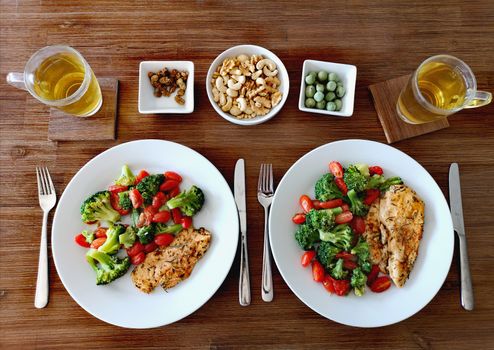
Getting Started: Your Step-by-Step Keto Action Plan
Embarking on the ketogenic diet doesn’t have to be overwhelming. With a clear plan, you can set yourself up for success. Here’s a step-by-step guide to help you begin your keto journey.
Step 1: Consult Your Doctor or Healthcare Professional
This is arguably the most crucial first step. While the keto diet is safe for most healthy individuals, it’s not suitable for everyone. People with certain medical conditions (e.g., pancreatic disease, liver conditions, thyroid issues, kidney disease, eating disorders, specific metabolic disorders) or those taking certain medications (especially for diabetes or high blood pressure) should not start keto without medical supervision. Pregnant or breastfeeding women should also exercise caution.
Step 2: Calculate Your Macronutrients (Macros)
To achieve ketosis, you need to hit specific ratios of fat, protein, and carbohydrates. These are your “macros.” While you don’t need to be obsessive, understanding these numbers is vital for beginners:
- Carbohydrates: Aim for 20-50 grams of net carbs per day. Net carbs are total carbs minus fiber and sugar alcohols (if they don’t impact blood sugar).
- Protein: This is a target, not a limit. Too little protein can lead to muscle loss, while too much can hinder ketosis (via gluconeogenesis). A good starting point is 0.8 to 1.2 grams of protein per pound of lean body mass.
- Fat: This is your lever for satiety and energy. Eat fat to fullness. It will make up the majority of your calories.
There are many free online keto macro calculators (e.g., ruled.me, cronometer.com, myfitnesspal.com) that can help you determine your personalized targets based on your age, gender, weight, height, activity level, and goals (weight loss, maintenance, muscle gain).
Step 3: Meal Planning and Preparation (Keto Meal Plan)
Preparation is key to avoiding carb temptations. Spend some time planning your meals for the week:
- Find Keto Recipes: Explore websites like GetLeanPulse.com, Pinterest, or keto cookbooks for inspiration.
- Create a Weekly Menu: Outline your breakfast, lunch, dinner, and snacks.
- Batch Cook: Prepare large quantities of keto-friendly staples like roasted chicken, boiled eggs, or chopped vegetables that you can quickly assemble into meals.
- Pack Lunches: Avoid relying on takeout, which often has hidden carbs.
Step 4: Stock Your Keto Pantry and Kitchen
Before you start, do a “keto purge” of your pantry. Remove all high-carb culprits and stock up on keto essentials:
- Healthy Fats: Olive oil, coconut oil, avocado oil, butter, ghee.
- Protein: Meats, poultry, fish, eggs.
- Low-Carb Vegetables: Fresh or frozen spinach, broccoli, cauliflower, zucchini.
- Dairy: Full-fat cheese, heavy cream.
- Nuts & Seeds: Almonds, pecans, chia seeds.
- Condiments: Sugar-free dressings, spices, herbs.
Step 5: Understand Net Carbs vs. Total Carbs
When tracking carbohydrates, focus on net carbs. Net carbs are the carbohydrates that your body can digest and convert into glucose. The formula is: Total Carbs – Fiber – Sugar Alcohols (if non-impactful) = Net Carbs. Fiber is a carbohydrate but is indigestible, so it doesn’t raise blood sugar. Some sugar alcohols (like erythritol) also have a minimal impact. Always check nutrition labels carefully.
Step 6: Stay Hydrated and Supplement Electrolytes
When you reduce carbs, your body excretes more water and electrolytes. This is a significant factor in the “keto flu.” Drink plenty of water and actively supplement electrolytes: sodium, potassium, and magnesium. More on this in the next section.
Navigating the “Keto Flu”: Symptoms and Solutions
For many beginners, the first week or two on keto can be challenging due to a collection of symptoms often dubbed the “keto flu.” This isn’t a true flu but rather a temporary adjustment period as your body switches from burning glucose to burning fat for fuel. Understanding it can help you power through.
What is the Keto Flu?
The keto flu is a temporary set of symptoms that can occur when you first start a ketogenic diet. It typically lasts a few days to a week, though some individuals might experience milder symptoms for longer. These symptoms arise primarily due to:
- Electrolyte Imbalance: When you drastically cut carbs, insulin levels drop. Lower insulin signals your kidneys to excrete more sodium and water. This loss of sodium can lead to a cascade effect, depleting other crucial electrolytes like potassium and magnesium.
- Glucose Withdrawal: Your body and brain are accustomed to using glucose. The temporary shortage can cause withdrawal-like symptoms.
Common Keto Flu Symptoms
Symptoms can vary in severity but often include:
- Headaches
- Fatigue and low energy
- Irritability
- Nausea
- Dizziness or lightheadedness
- Muscle cramps
- Difficulty concentrating (“brain fog”)
- Constipation or diarrhea
How to Prevent and Manage the Keto Flu
The good news is that the keto flu is largely preventable and manageable. The key is proactively addressing electrolyte imbalances and staying well-hydrated.
1. Increase Electrolyte Intake:
- Sodium: This is often the most critical. Add extra salt to your food (Himalayan pink salt or sea salt is good). Drink bone broth, which is rich in sodium and other minerals. Aim for 3,000-5,000 mg of sodium per day, especially in the initial weeks.
- Potassium: Found in low-carb foods like avocados, spinach, mushrooms, and salmon. You may need to supplement, aiming for 1,000-3,000 mg per day.
- Magnesium: Found in leafy greens, nuts, and seeds. Many people are deficient in magnesium. A supplement (magnesium citrate or glycinate are good forms) can be beneficial, aiming for 300-500 mg per day.
Consider a good quality electrolyte supplement designed for keto, or make your own “ketoade” with water, salt, a potassium source (e.g., cream of tartar), and a magnesium supplement.
2. Stay Hydrated:
Drink plenty of water throughout the day. Aim for at least 2-3 liters (8-12 glasses), and even more if you’re active or in a hot climate. Water helps flush toxins and aids in electrolyte balance.
3. Increase Fat Intake:
Ensure you are eating enough fat. Fat is your primary fuel source on keto, and if you’re not consuming enough, you’ll feel hungry, sluggish, and generally unwell. Don’t be afraid of healthy fats.
4. Get Enough Sleep:
Rest is crucial for your body to adapt. Aim for 7-9 hours of quality sleep each night.
5. Moderate Exercise:
During the initial adaptation phase, it might be wise to scale back on intense workouts. Gentle activities like walking can be beneficial without overstressing your body.
Remember, the keto flu is temporary. By being prepared and proactive with electrolytes and hydration, you can significantly reduce its impact and make your transition to ketosis much smoother.
Monitoring Ketosis: How Do You Know You’re in Ketosis?
Once you’ve diligently followed the low-carb guidelines, how do you confirm that your body has actually entered the fat-burning state of ketosis? There are several ways to monitor ketone levels, ranging from subjective symptoms to objective measurements.
Subjective Signs of Ketosis
Your body often provides clues that it’s adapting. These signs are not definitive proof but can indicate you’re on the right track:
- “Keto Breath”: A distinct fruity or metallic smell to your breath, often described as similar to nail polish remover. This is due to acetone, one of the ketone bodies, being exhaled.
- Reduced Appetite & Increased Satiety: Many people report a significant decrease in hunger and cravings once in ketosis.
- Increased Energy & Mental Clarity: After the initial keto flu, a sustained boost in energy and improved focus is a common indicator.
- Increased Urination: Due to increased water and electrolyte excretion in the initial stages.
- Initial Weight Loss: Often a rapid drop in water weight during the first week.
Objective Methods to Measure Ketones
For more concrete evidence, you can measure ketone levels directly:
1. Urine Strips (Ketone Test Strips)
- How they work: These strips measure acetoacetate, a type of ketone body, in your urine. You dip the strip, and it changes color based on the concentration of ketones.
- Pros: Inexpensive and easy to use.
- Cons: Least accurate method for measuring nutritional ketosis. They are most useful in the very early stages of adaptation. As your body becomes more efficient at using ketones, less acetoacetate is excreted in urine, so the strips may show lower or no ketones even if you are in deep ketosis. They are primarily designed for diabetics to detect diabetic ketoacidosis, not for tracking nutritional ketosis long-term.
2. Blood Ketone Meters
- How they work: Similar to a blood glucose meter, you prick your finger and apply a small blood sample to a test strip. It measures beta-hydroxybutyrate (BHB), the most abundant ketone body in the blood.
- Pros: Most accurate and reliable method for measuring nutritional ketosis. Provides a direct measure of the ketones your body is actively using.
- Cons: More expensive than urine strips, both for the meter and the test strips. Can be a bit inconvenient to prick your finger regularly.
- Optimal Range: For nutritional ketosis, a blood ketone level between 0.5 mmol/L and 3.0 mmol/L is generally considered ideal.
3. Breath Analyzers (Ketonix/Biosense)
- How they work: These devices measure acetone levels in your breath.
- Pros: Non-invasive
Photo by Jenna Hamra on Pexels