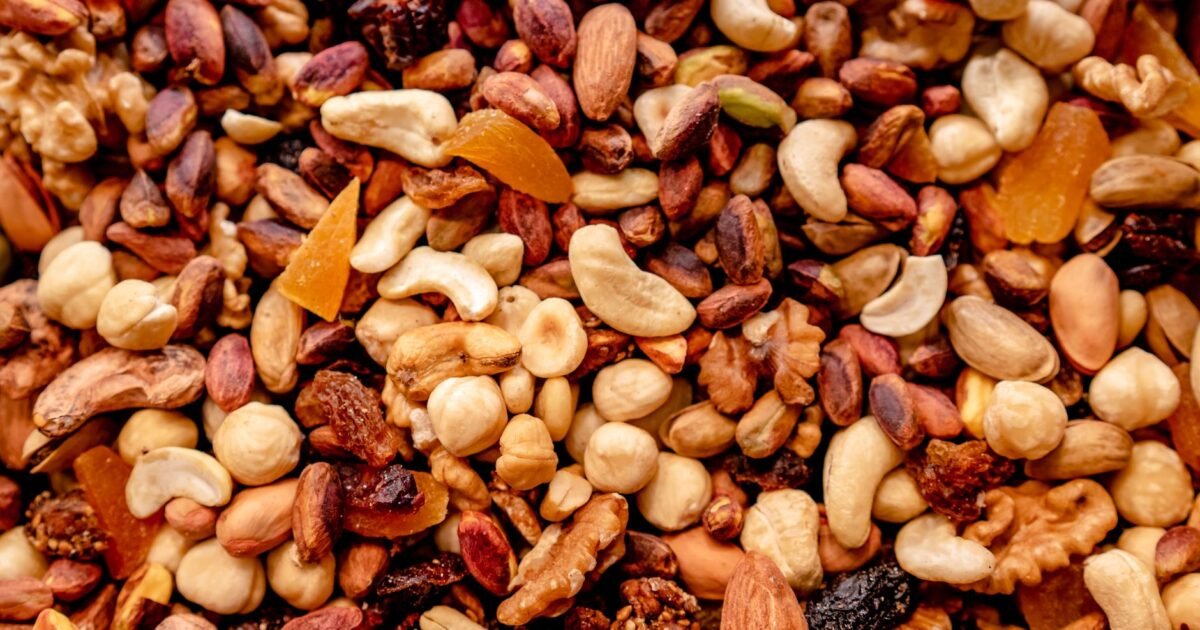
The Ultimate Guide to Best Vitamins for Weight Loss and Energy
In our relentless pursuit of a healthier, more vibrant life, many of us find ourselves battling two persistent adversaries: stubborn weight and persistent fatigue. We diet, we exercise, we try to get enough sleep, yet often the needle barely moves on the scale, and our energy levels remain stubbornly low. It’s a frustrating cycle that can leave you feeling defeated and wondering what you’re missing.
What if a crucial piece of the puzzle lies not just in what you’re doing, but in what your body is lacking? While no pill is a magic bullet, certain vitamins and minerals play indispensable roles in our body’s metabolism, energy production, and overall well-being. When these essential nutrients are deficient, your body simply can’t perform at its best, making weight loss feel like an uphill battle and sustained energy an impossible dream.
At GetLeanPulse.com, we believe in empowering you with comprehensive, science-backed information to optimize your health journey. This extensive guide will delve deep into the world of vitamins and minerals, exploring which ones are truly beneficial for supporting healthy weight management and invigorating your energy levels. We’ll uncover their mechanisms of action, identify rich food sources, and discuss smart supplementation strategies. Prepare to unlock a new understanding of how these microscopic powerhouses can profoundly impact your quest for a leaner, more energetic you.
Disclaimer: This article is for informational purposes only and does not constitute medical advice. Always consult with a qualified healthcare professional before starting any new supplement regimen, especially if you have underlying health conditions, are pregnant, or are taking medications. Individual results may vary.
Understanding the Connection: How Vitamins Impact Weight and Energy
Before we dive into specific nutrients, it’s vital to grasp the fundamental relationship between vitamins, minerals, and your body’s ability to manage weight and produce energy. These micronutrients aren’t just “good for you”; they are cofactors, catalysts, and essential building blocks for virtually every metabolic process that dictates how you burn calories, store fat, and feel energized.
The Role of Metabolism
Metabolism is the complex set of chemical reactions that occur in your body to maintain life. It involves two main processes: anabolism (building up) and catabolism (breaking down). When we talk about weight loss, we’re often focused on catabolism – the process of breaking down food for energy and breaking down stored fat. Your metabolic rate, or how quickly your body burns calories, is influenced by genetics, age, gender, activity level, and critically, the availability of essential nutrients.
Vitamins and minerals act as crucial coenzymes and cofactors in metabolic pathways. Without adequate amounts of these nutrients, your metabolic machinery can slow down, becoming less efficient at converting food into energy and more prone to storing excess calories as fat. Imagine a factory with all its workers present but lacking the tools to do their job – that’s your metabolism without essential vitamins and minerals.
Energy Production at a Cellular Level
Every single cell in your body requires energy to function. This energy is primarily generated in the mitochondria, often called the “powerhouses of the cell,” through a process known as cellular respiration. This intricate process converts glucose and fatty acids into adenosine triphosphate (ATP), the body’s primary energy currency.
The conversion of food to ATP is not a simple step. It involves a cascade of biochemical reactions, each requiring specific enzymes. Many of these enzymes, in turn, rely on vitamins and minerals to activate them or to function correctly. For example, B vitamins are directly involved in the electron transport chain, a key stage of ATP production. If you’re deficient in these nutrients, your cells struggle to produce enough ATP, leading to feelings of fatigue, sluggishness, and a general lack of vitality.
Nutrient Deficiencies: A Silent Saboteur
Many people unknowingly walk around with nutrient deficiencies that sabotage their weight loss efforts and energy levels. Modern diets, often rich in processed foods, can be surprisingly devoid of essential vitamins and minerals. Stress, certain medications, digestive issues, and even intense exercise can further deplete your body’s stores.
A deficiency doesn’t always manifest as a dramatic illness; often, it presents as chronic low energy, difficulty losing weight, poor mood, or weakened immunity. Addressing these underlying deficiencies can be a game-changer, allowing your body to finally operate at its optimal potential for both energy and efficient fat metabolism.
Key Vitamins & Minerals for Boosting Metabolism and Energy
Now, let’s explore the specific vitamins and minerals that stand out for their roles in supporting weight loss and enhancing energy.
The Mighty B Vitamins: Your Metabolic Powerhouses
The B vitamin complex is a group of eight water-soluble vitamins that are absolutely fundamental for energy production and metabolism. They don’t provide energy directly, but rather help your body convert carbohydrates, fats, and proteins into usable fuel. Being water-soluble, they are not stored in large amounts in the body, meaning regular intake is crucial.
- Vitamin B1 (Thiamine): Thiamine is crucial for converting carbohydrates into glucose, which your body uses for energy. It also plays a role in nerve function and muscle contraction. A deficiency can lead to fatigue and muscle weakness.
- Vitamin B2 (Riboflavin): Riboflavin is a component of two major coenzymes, flavin mononucleotide (FMN) and flavin adenine dinucleotide (FAD), which are involved in energy production, cellular function, and the metabolism of fats, drugs, and steroids. It’s essential for converting food into energy.
- Vitamin B3 (Niacin): Niacin is a key player in the conversion of food into energy, especially carbohydrates and fats. It’s involved in over 200 enzymatic reactions in the body and can support healthy cholesterol levels.
- Vitamin B5 (Pantothenic Acid): Often called the “anti-stress vitamin,” B5 is vital for the synthesis of coenzyme A (CoA), which is involved in the metabolism of carbohydrates, proteins, and fats. It also plays a role in hormone production and red blood cell formation.
- Vitamin B6 (Pyridoxine): B6 is crucial for protein and amino acid metabolism, which is important for muscle building and repair – both of which contribute to a healthy metabolism. It also helps in the production of neurotransmitters, impacting mood and energy.
- Vitamin B7 (Biotin): Biotin is well-known for its role in healthy hair, skin, and nails, but it’s equally important for metabolism. It acts as a coenzyme for carboxylase enzymes, which are involved in the metabolism of carbohydrates, fats, and amino acids.
- Vitamin B9 (Folate/Folic Acid): Folate is essential for DNA synthesis and repair, cell growth, and the formation of red blood cells. While not directly involved in energy production in the same way as other B vitamins, its role in preventing anemia (which causes fatigue) and supporting overall cellular health makes it indirectly crucial for energy.
- Vitamin B12 (Cobalamin): Perhaps one of the most talked-about B vitamins for energy, B12 is indispensable for red blood cell formation, neurological function, and DNA synthesis. Red blood cells carry oxygen, and without enough B12, you can develop megaloblastic anemia, leading to profound fatigue. B12 also plays a direct role in the metabolism of fats and proteins.
Food Sources: Whole grains, lean meats, fish, eggs, dairy products, legumes, leafy green vegetables, nuts, seeds.
Supplementation: A B-complex supplement can be beneficial, especially for vegetarians, vegans (who often lack B12), or those under significant stress. Look for forms that are highly bioavailable.
Vitamin D: The Sunshine Vitamin’s Role in Weight Management
Often overlooked in the context of weight loss and energy, Vitamin D is actually a hormone precursor that impacts a vast array of bodily functions. While primarily known for bone health, emerging research highlights its significant connection to metabolism, mood, and fat regulation.
- Fat Metabolism: Studies suggest a correlation between lower Vitamin D levels and higher body fat percentages. Vitamin D may influence the activity of fat cells and potentially impact the way your body stores and burns fat. It’s thought to play a role in regulating adipogenesis (the formation of fat cells) and fat breakdown.
- Insulin Sensitivity: Vitamin D can improve insulin sensitivity, which is crucial for weight management. When your cells are more sensitive to insulin, they can more effectively take up glucose from the bloodstream, preventing high blood sugar levels that can lead to fat storage and increased risk of type 2 diabetes.
- Mood and Energy: Low Vitamin D levels are frequently linked to fatigue, low mood, and even depression. By supporting neurological function and reducing inflammation, adequate Vitamin D can contribute to better mood and sustained energy.
Food Sources: Fatty fish (salmon, mackerel, tuna), fortified dairy products, fortified cereals, egg yolks, some mushrooms. Sunlight exposure is the primary natural source.
Supplementation: Due to limited dietary sources and reduced sun exposure, Vitamin D deficiency is widespread. Supplementation (D3 form) is often recommended, especially in colder climates or for those with darker skin. Blood testing is the best way to determine your optimal dosage.
Magnesium: The Master Mineral for Energy and Beyond
Magnesium is an essential mineral involved in over 300 enzymatic reactions in the body, making it a true workhorse for overall health, including energy and weight management.
- ATP Production: Magnesium is absolutely critical for the production of ATP, the body’s main energy currency. It binds to ATP, making it biologically active. Without magnesium, your body simply cannot produce energy efficiently.
- Muscle Function and Exercise Performance: It plays a vital role in muscle contraction and relaxation, nerve transmission, and protein synthesis. Adequate magnesium levels can improve exercise performance, reduce muscle cramps, and aid in recovery, indirectly supporting a more active lifestyle conducive to weight loss.
- Blood Sugar Control: Magnesium helps regulate blood sugar by influencing insulin sensitivity. Better blood sugar control can reduce cravings, prevent energy crashes, and minimize fat storage.
- Stress Reduction and Sleep: Magnesium has calming effects on the nervous system, helping to reduce stress and improve sleep quality. Both stress and poor sleep can negatively impact weight and energy levels.
Food Sources: Leafy green vegetables (spinach, kale), nuts (almonds, cashews), seeds (pumpkin, chia), legumes, whole grains, dark chocolate, avocados.
Supplementation: Many people are deficient in magnesium. Various forms exist (citrate, glycinate, malate, threonate), each with slightly different absorption rates and benefits. Glycinate is often favored for its high bioavailability and calming properties.
Iron: Fueling Oxygen Transport and Preventing Fatigue
Iron is a vital mineral, primarily known for its role in oxygen transport throughout the body. While it doesn’t directly burn fat, its impact on energy levels is profound.
- Oxygen Transport: Iron is a key component of hemoglobin, a protein in red blood cells that carries oxygen from your lungs to all parts of your body, including your muscles and brain. Without enough iron, your body can’t produce enough healthy red blood cells, leading to iron-deficiency anemia.
- Energy Production: When your cells don’t receive enough oxygen, your energy production suffers dramatically. Symptoms of iron deficiency include extreme fatigue, weakness, shortness of breath, dizziness, and difficulty concentrating. Correcting an iron deficiency can significantly boost energy levels, making it easier to engage in physical activity and maintain focus.
Food Sources: Red meat, poultry, fish (heme iron, highly absorbable), beans, lentils, spinach, fortified cereals, dark chocolate (non-heme iron, less absorbable but absorption can be enhanced with Vitamin C). Women, especially those who are menstruating, and vegetarians/vegans are at higher risk of deficiency.
Supplementation: Iron supplementation should only be done under the guidance of a doctor, as too much iron can be toxic. A blood test is essential to confirm a deficiency before supplementing.
Calcium: More Than Just Strong Bones
Calcium is primarily known for its role in bone health, but some research suggests it may also play a minor role in weight management and metabolism.
- Fat Metabolism: Some studies indicate that adequate calcium intake might help the body metabolize fat more efficiently. It’s hypothesized that calcium may bind to fats in the digestive tract, preventing their absorption, and potentially influencing fat cell regulation.
- Muscle Function: Calcium is essential for muscle contraction, which is critical for physical activity and maintaining a healthy metabolism.
Food Sources: Dairy products (milk, yogurt, cheese), fortified plant milks, leafy green vegetables (kale, collard greens), tofu, sardines.
Supplementation: Most people can get enough calcium through diet. If supplementing, ensure it’s balanced with Vitamin D and Magnesium for optimal absorption and function.
Zinc: Essential for Metabolism and Thyroid Health
Zinc is an essential trace mineral involved in numerous enzymatic reactions, playing a critical role in immune function, wound healing, and crucially, metabolism.
- Metabolic Function: Zinc is a cofactor for many enzymes involved in the metabolism of carbohydrates, fats, and proteins. It also plays a role in insulin signaling, which is vital for blood sugar regulation and preventing fat storage.
- Thyroid Health: Zinc is essential for the production and function of thyroid hormones. The thyroid gland regulates metabolism, and an underactive thyroid (hypothyroidism) can lead to weight gain and fatigue. Adequate zinc supports optimal thyroid function.
Food Sources: Oysters, red meat, poultry, beans, nuts, whole grains, dairy products.
Supplementation: Zinc deficiency can impair taste and smell, reduce immune function, and impact metabolism. Supplementation can be beneficial for those with confirmed deficiencies or those with dietary restrictions.
Chromium: Stabilizing Blood Sugar and Curbing Cravings
Chromium is a trace mineral that has gained attention for its potential role in blood sugar control and weight management.
- Insulin Sensitivity: Chromium is thought to enhance the action of insulin, helping your body utilize glucose more effectively. This can lead to more stable blood sugar levels, reducing sugar cravings, energy crashes, and the likelihood of storing excess glucose as fat.
- Appetite Regulation: By stabilizing blood sugar, chromium may help to reduce cravings for carbohydrates and sugary foods, potentially leading to reduced calorie intake and easier weight loss.
Food Sources: Broccoli, grapes, whole grains, lean meats, brewer’s yeast.
Supplementation: Chromium picolinate is the most common supplemental form. While some studies show benefit, results can be mixed, and it’s not a standalone solution for weight loss.
Powerhouse Compounds Often Paired with Vitamins for Energy & Weight Loss
Beyond traditional vitamins and minerals, several other compounds are frequently included in discussions and supplements aimed at boosting energy and supporting weight loss. While not strictly “vitamins,” their physiological roles are equally significant.
Coenzyme Q10 (CoQ10): The Cellular Energy Spark Plug
CoQ10 is a fat-soluble, vitamin-like substance produced naturally in the body, vital for energy production and acting as a powerful antioxidant.
- ATP Production: CoQ10 is an integral component of the electron transport chain within the mitochondria, where it plays a critical role in the production of ATP. Without sufficient CoQ10, the efficiency of energy conversion from food to cellular fuel is compromised, leading to fatigue.
- Antioxidant Protection: It also acts as a potent antioxidant, protecting cells from oxidative damage, which can impair mitochondrial function and overall cellular health.
Food Sources: Organ meats (heart, liver, kidney), fatty fish (sardines, mackerel), spinach, broccoli, cauliflower, peanuts. Levels naturally decline with age and can be depleted by certain medications (e.g., statins).
Supplementation: Often recommended for older adults or those taking statin drugs. Ubiquinol is the more bioavailable form compared to ubiquinone.
L-Carnitine: The Fat Transporter
L-Carnitine is an amino acid derivative that plays a crucial role in the metabolism of fat for energy.
- Fatty Acid Transport: Its primary function is to transport long-chain fatty acids into the mitochondria, where they can be oxidized (burned) for energy. Essentially, L-carnitine acts as a shuttle, ensuring that fat is available for fuel.
- Exercise Performance: By enhancing fat burning, L-carnitine can support endurance during exercise and potentially improve recovery. While its direct impact on weight loss is still debated in healthy individuals, it plays an undeniable role in the fat-burning process.
Food Sources: Red meat, fish, poultry, dairy products. Vegans and vegetarians often have lower intake.
Supplementation: L-carnitine (acetyl-L-carnitine) is a popular supplement, particularly among athletes. Its efficacy for weight loss without exercise is less clear, but it supports the metabolic pathways involved.
Alpha-Lipoic Acid (ALA): A Potent Antioxidant with Metabolic Benefits
Alpha-lipoic acid is a powerful antioxidant produced by the body and found in some foods. It’s unique because it’s both water- and fat-soluble, allowing it to work throughout the body.
- Glucose Metabolism: ALA plays a role in carbohydrate metabolism, helping to convert glucose into energy. It can improve insulin sensitivity, similar to chromium, which aids in blood sugar control and reduces fat storage.
- Antioxidant and Anti-inflammatory: Its strong antioxidant properties help protect cells from damage, which can improve overall cellular function and energy efficiency. It can also regenerate other antioxidants like Vitamin C and E.
Food Sources: Red meat (especially organ meats), broccoli, spinach, Brussels sprouts, yeast.
Supplementation: Often used for nerve pain and blood sugar management. Some studies suggest a modest benefit for weight loss, likely through its effects on glucose metabolism and appetite regulation.
Green Tea Extract (EGCG): The Thermogenic Booster
While not a vitamin, green tea extract, particularly its active compound Epigallocatechin gallate (EGCG), is a widely researched natural compound known for its thermogenic and metabolic properties.
- Thermogenesis and Fat Oxidation: EGCG can increase thermogenesis (the body’s heat production), which burns more calories. It also helps to increase fat oxidation, meaning your body uses more fat for energy, particularly during exercise.
- Metabolism Boost: Green tea extract can modestly boost your metabolic rate, helping you burn more calories throughout the day.
- Antioxidant Benefits: Like many of these compounds, EGCG is a powerful antioxidant, protecting cells and supporting overall health.
Food Sources: Green tea. The extract provides a concentrated dose of EGCG.
Supplementation: Green tea extract is a popular ingredient in many weight loss supplements. Look for standardized extracts to ensure a consistent dose of EGCG. Be mindful of caffeine content, which can vary.
Omega-3 Fatty Acids: Essential for Inflammation and Metabolism
Omega-3 fatty acids (EPA and DHA) are essential polyunsaturated fats that the body cannot produce on its own. They are critical for brain health, heart health, and also play a role in metabolism and inflammation.
- Reduce Inflammation: Chronic low-grade inflammation can impair metabolic function and contribute to weight gain. Omega-3s are powerful anti-inflammatory agents, helping to optimize cellular health and metabolic efficiency.
- Metabolic Rate and Fat Burning: Some research suggests that omega-3s may subtly influence metabolic rate and enhance fat burning, particularly when combined with exercise. They may also improve insulin sensitivity.
- Satiety and Appetite Control: Omega-3s can contribute to feelings of satiety, potentially helping to reduce overall calorie intake and curb cravings.
Food Sources: Fatty fish (salmon, mackerel, sardines, tuna), flaxseeds, chia seeds, walnuts (ALA form, which converts to EPA/DHA inefficiently).
Supplementation: Fish oil or algal oil supplements are popular ways to ensure adequate intake, especially for those who don’t consume fatty fish regularly.
Synergistic Effects: When Vitamins Work Together
It’s important to understand that these vitamins, minerals, and compounds rarely work in isolation. They are part of an intricate web of biochemical reactions, often relying on each other for optimal function. For example:
- Vitamin D and Calcium: Vitamin D is essential for the absorption of calcium in the gut. Without adequate D, calcium cannot be properly utilized, impacting bone health and any potential metabolic benefits.
- Iron and Vitamin C: Vitamin C significantly enhances the absorption of non-heme iron (iron from plant sources).
- Magnesium and B Vitamins: Magnesium is required as a cofactor for many enzymatic reactions that involve B vitamins in energy production.
- CoQ10 and B Vitamins: Both are critical components of the mitochondrial energy production pathway, working in concert to generate ATP.
This interconnectedness highlights the importance of a balanced nutrient intake rather than focusing on just one “magic” vitamin. A holistic approach that ensures a spectrum of essential nutrients is key to supporting your body’s complex metabolic and energy-producing systems.
The “Food First” Philosophy: Sourcing Nutrients from Your Diet
While supplementation has its place, the foundational principle for obtaining essential vitamins and minerals should always be a nutrient-dense, whole-food diet. Nature packages nutrients in complex matrices with synergistic compounds that often enhance absorption and bioavailability. Eating real food also provides fiber, antioxidants, and phytochemicals that supplements typically lack.
Building a Nutrient-Rich Plate
To optimize your intake of the vitamins and minerals discussed, focus on:
- Lean Proteins: Chicken, turkey, fish, lean beef, eggs, legumes, tofu. These provide B vitamins, iron, zinc, and L-carnitine.
- Whole Grains: Oats, brown rice, quinoa, whole wheat. Excellent sources of B vitamins, magnesium, and chromium.
- Abundant Fruits and Vegetables: Especially leafy greens (spinach, kale, broccoli), colorful berries, citrus fruits. Rich in B vitamins, Vitamin C (for iron absorption), magnesium, and antioxidants.
- Healthy Fats: Avocados, nuts, seeds, olive oil, fatty fish. Provide Vitamin D (from fish), magnesium, zinc, and essential omega-3 fatty acids.
- Dairy or Fortified Alternatives: Milk, yogurt, cheese, fortified plant milks. Good sources of calcium and Vitamin D.
Prioritizing variety and consuming foods in their least processed forms will naturally increase your intake of these vital nutrients, laying a strong foundation for energy and weight management.
When Supplementation Becomes Prudent
Despite best efforts, certain circumstances make it difficult to get all necessary nutrients from diet alone. This is where targeted supplementation can play a valuable role. Reasons for considering supplements include:
- Dietary Restrictions: Vegans and vegetarians often struggle with B12 and iron.
- Increased Needs: Athletes, pregnant women, or those under chronic stress may have higher requirements.
- Malabsorption Issues: Certain digestive conditions can impair nutrient absorption.
- Geographical Location: Limited sunlight exposure can lead to Vitamin D deficiency.
- Aging: Nutrient absorption can decrease with age, and certain nutrient levels (like CoQ10) naturally decline.
Photo by Atlantic Ambience on Pexels