Master the Best At-Home Fat Burning Exercises for a Leaner You
In today’s fast-paced world, finding time to hit the gym can feel like an Olympic sport in itself. Between work, family, and personal commitments, convenience often takes precedence. But what if we told you that achieving your fat loss goals doesn’t require an expensive gym membership, fancy equipment, or even leaving the comfort of your home? It’s true. Your living room, backyard, or even a small corner of your bedroom can transform into a powerful fat-burning studio, equipped with the most efficient tool you own: your body.
At GetLeanPulse.com, we understand the desire for a leaner, healthier physique, and the challenges that come with traditional fitness routines. That’s why we’ve meticulously compiled this comprehensive guide to the best at-home fat burning exercises. This isn’t just a list; it’s your blueprint for understanding how fat burning works, what exercises deliver the most bang for your buck, and how to integrate them into a sustainable, effective routine. We’ll delve into the science, explore diverse exercise categories, provide actionable workout plans, and arm you with the knowledge to maximize your results, all from the privacy and convenience of your home. Get ready to ignite your metabolism, sculpt your body, and embrace a healthier, leaner you without ever stepping foot outside your door.
The Science Behind Fat Burning: How Exercise Works
Before diving into specific exercises, it’s crucial to understand the fundamental principles of how your body burns fat. This knowledge will empower you to make informed decisions about your workouts and nutrition, ensuring every effort contributes effectively to your fat loss goals.
Understanding Energy Systems and Metabolism
Your body is an incredibly complex machine, constantly using energy to fuel its functions, from breathing to thinking to exercising. This energy comes primarily from the food you eat, which is broken down into macronutrients: carbohydrates, fats, and proteins.
- Carbohydrates: Primarily converted into glucose, which is the body’s preferred and most readily available source of energy. Glucose is stored as glycogen in your muscles and liver.
- Fats: Stored as triglycerides in adipose tissue (fat cells) and are a vast, long-term energy reserve.
- Proteins: Primarily used for building and repairing tissues, but can also be converted into energy if carbohydrates and fats are insufficient.
During exercise, your body taps into different energy systems depending on the intensity and duration of the activity:
- ATP-PC System: Used for very short, intense bursts (e.g., a sprint, a heavy lift). It provides energy almost instantly but depletes quickly.
- Glycolytic System: Kicks in for activities lasting from 10 seconds to about 2 minutes (e.g., HIIT intervals). It primarily uses glycogen stores.
- Oxidative System (Aerobic): This is your body’s long-duration energy system, used for sustained activities like jogging or cycling. It efficiently uses both carbohydrates and fats, with fat utilization increasing significantly during longer, lower-intensity efforts.
**Metabolism** refers to all the chemical processes that occur in your body to maintain life. A higher metabolic rate means your body burns more calories at rest. Exercise, especially strength training, helps increase your resting metabolic rate by building and maintaining muscle mass. Muscle tissue is metabolically more active than fat tissue, meaning it burns more calories even when you’re not exercising.
The Role of Calorie Deficit
At its core, fat loss boils down to a simple equation: you must burn more calories than you consume. This is known as creating a **calorie deficit**. While diet plays the most significant role in achieving this deficit, exercise is a powerful tool to:
- Directly burn calories during the activity.
- Boost your metabolism, leading to increased calorie burn even after your workout.
This post-exercise calorie burn is often referred to as **EPOC (Excess Post-exercise Oxygen Consumption)**, or the “afterburn effect.” High-intensity exercises, particularly HIIT and strength training, are excellent at inducing a significant EPOC, meaning your body continues to burn calories at an elevated rate for hours after you’ve finished exercising as it recovers and repairs itself.
Hormonal Influence
Hormones play a critical role in fat storage and mobilization. Effective fat burning exercises can positively influence these hormones:
- Insulin Sensitivity: Regular exercise, especially strength and HIIT, improves insulin sensitivity. This means your body becomes more efficient at using glucose for energy, reducing the likelihood of it being stored as fat.
- Growth Hormone (GH) and Testosterone: Intense exercise stimulates the release of GH and testosterone (in both men and women), which are crucial for muscle growth and fat metabolism.
- Cortisol: While acute stress from exercise can temporarily raise cortisol, chronic stress (lack of sleep, emotional stress) leads to consistently high cortisol levels, which can promote abdominal fat storage. Exercise, when properly managed, can be a powerful stress reducer, helping to keep cortisol in check.
Essential Equipment (or Lack Thereof) for Home Fat Burning
One of the greatest advantages of at-home fat burning exercises is their accessibility. You truly don’t need a gym full of machines to achieve incredible results. In fact, some of the most effective exercises require nothing but your own body.
Bodyweight is King
Your body is a sophisticated gym in itself. Bodyweight exercises leverage gravity and your own mass to provide resistance, making them incredibly versatile and effective for building strength, endurance, and burning fat. They are perfect for all fitness levels, allowing for easy modifications to increase or decrease intensity. Furthermore, bodyweight movements often engage multiple muscle groups simultaneously, leading to a higher calorie burn and improved functional strength.
Minimalist Tools for Maximum Impact
While bodyweight is sufficient, a few affordable and space-saving tools can expand your exercise repertoire and allow for progressive overload, keeping your workouts challenging and effective.
- Resistance Bands: These come in various strengths and are incredibly versatile. They can add resistance to squats, glute bridges, push-ups, and provide an excellent way to target smaller muscle groups.
- Jump Rope: An absolute cardio powerhouse! A jump rope is compact, inexpensive, and delivers a full-body workout that torches calories and improves coordination.
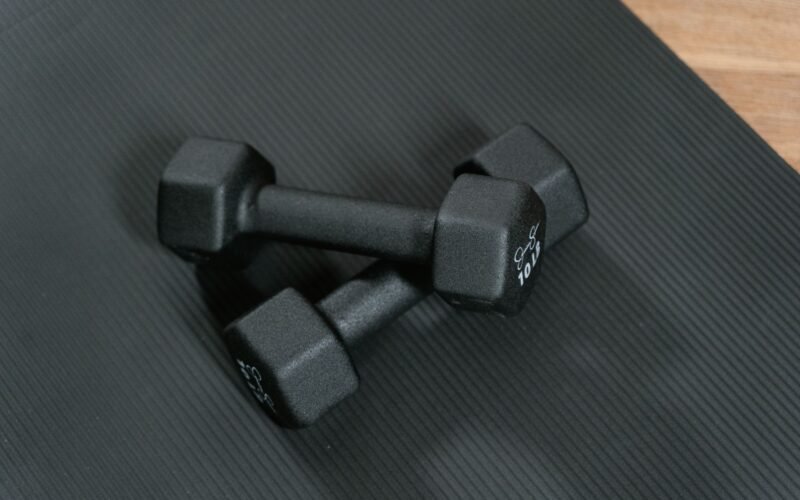
- Dumbbells/Kettlebells (Optional): If you have them, light to moderate dumbbells or a single kettlebell can significantly enhance your strength training, allowing for heavier loads and more exercise variations. Start light and focus on form.
- Yoga Mat: Provides cushioning and grip for floor exercises, making your workouts more comfortable and safer.
- Timer/Workout App: Essential for tracking intervals during HIIT or timing your rest periods. Many free apps are available.

Top Categories of At-Home Fat Burning Exercises
Now, let’s get to the heart of the matter: the exercises themselves. We’ve categorized them to help you understand their primary benefits and how to integrate them into a balanced routine. Remember, proper form is paramount to prevent injury and maximize effectiveness. Watch videos, use a mirror, and start slow if you’re new to an exercise.
High-Intensity Interval Training (HIIT) – The Fat-Burning Accelerator
HIIT involves short, intense bursts of anaerobic exercise followed by brief, often active, recovery periods. This method is incredibly time-efficient and a phenomenal fat burner due to its high calorie expenditure during the workout and the significant EPOC it generates.
* **How it works:** Typically, you’ll perform an exercise at maximum effort for 20-40 seconds, followed by 10-20 seconds of rest or low-intensity activity. Repeat for 4-8 rounds, then move to the next exercise. A full HIIT workout usually lasts 15-30 minutes.
* **Benefits:** Maximize calorie burn in minimal time, boost metabolism for hours post-workout, improve cardiovascular fitness, enhance endurance.
**Specific HIIT Exercises:**
1. **Burpees:** The ultimate full-body, explosive exercise.
* **How to do it:** Start standing. Drop into a squat, place hands on the floor, kick feet back into a plank. Perform a push-up (optional). Jump feet back towards hands, then explosively jump up, reaching arms overhead.
* **Why it burns fat:** Engages every major muscle group, spikes heart rate rapidly, incredibly metabolically demanding.
* **Variations:** Step-back burpees (lower impact), chest-to-floor burpees (harder), burpee with tuck jump (more explosive).
2. **Mountain Climbers:** A dynamic plank variation that works core, shoulders, and cardio.
* **How to do it:** Start in a high plank position, hands directly under shoulders. Drive one knee towards your chest, then quickly switch, bringing the other knee forward. Maintain a stable core and flat back.
* **Why it burns fat:** Sustained core engagement combined with rapid leg movement elevates heart rate and builds core endurance.
* **Variations:** Cross-body mountain climbers (more oblique engagement), slow mountain climbers (focus on core stability).
3. **Jumping Jacks:** A classic for a reason – great warm-up or active recovery, fantastic for cardio.
* **How to do it:** Start standing with feet together, arms at sides. Jump feet out wide while simultaneously raising arms overhead. Jump feet back together, bringing arms back to sides.
* **Why it burns fat:** Simple, repetitive motion that quickly elevates heart rate and engages multiple muscle groups.
* **Variations:** Step jacks (lower impact), seal jacks (arms extend forward).
4. **High Knees:** Excellent for raising your heart rate and working your lower body.
* **How to do it:** Stand tall, run in place, bringing your knees as high as possible towards your chest. Pump your arms vigorously.
* **Why it burns fat:** Explosive leg drive and arm movement create a high-intensity cardio burst.
* **Variations:** Marching high knees (lower impact), high knees with a pause at the top (focus on core and balance).
5. **Jump Squats:** A plyometric exercise that builds explosive power and torches leg calories.
* **How to do it:** Perform a regular squat, then explode upwards into a jump, landing softly back into a squat position.
* **Why it burns fat:** High demand on leg muscles and cardiovascular system, producing a significant calorie burn and EPOC.
* **Variations:** Bodyweight squats (no jump), weighted jump squats (if using dumbbells).
6. **Lateral Hops:** Improves agility, works outer glutes and quads, and boosts heart rate.
* **How to do it:** Place a line or small object on the floor. Stand to one side, then quickly hop sideways over the line/object, alternating sides.
* **Why it burns fat:** Rapid, dynamic movement that engages stabilizing muscles and provides a cardiovascular challenge.
7. **Plank Jacks:** Combines core stability with cardiovascular movement.
* **How to do it:** Start in a high plank position. Keeping your core tight and hips stable, jump your feet out wide (like a jumping jack), then jump them back together.
* **Why it burns fat:** Engages the entire core while the jumping motion increases heart rate.
* **Variations:** Step jacks in plank (lower impact).
**Sample HIIT Workout Routine (20 minutes):**
* Warm-up: 5 minutes (light cardio, dynamic stretches)
* Workout: Perform each exercise for 30 seconds, followed by 15 seconds of rest. Complete 3 rounds of the circuit, resting 1-2 minutes between rounds.
1. Burpees
2. Mountain Climbers
3. Jump Squats
4. High Knees
5. Plank Jacks
* Cool-down: 5 minutes (static stretches)
Strength Training – Build Muscle, Boost Metabolism
Strength training is non-negotiable for fat loss. Muscle tissue is metabolically active, meaning the more muscle you have, the more calories you burn at rest. Additionally, strength training helps preserve muscle mass during a calorie deficit, ensuring that the weight you lose is primarily fat.
* **How it works:** Focus on controlled movements, proper form, and progressive overload (gradually making exercises harder). Aim for 3-4 sets of 10-15 repetitions for each exercise.
* **Benefits:** Increases resting metabolic rate, builds lean muscle, improves bone density, enhances functional strength, shapes your physique.
**Specific Bodyweight Strength Exercises:**
1. **Squats:** The king of lower body exercises, working glutes, quads, and hamstrings.
* **How to do it:** Stand with feet shoulder-width apart, toes slightly out. Lower your hips as if sitting in a chair, keeping your chest up and back straight. Go as deep as comfortable, ideally until thighs are parallel to the floor. Push through heels to stand.
* **Why it burns fat:** Engages large muscle groups, leading to significant calorie expenditure and muscle building.
* **Variations:** Sumo squats (wider stance, targets inner thighs), pistol squats (advanced, single leg), goblet squats (if using a dumbbell/kettlebell).
2. **Lunges:** Excellent for targeting each leg individually, improving balance and lower body strength.
* **How to do it:** Step forward with one leg, lowering your hips until both knees are bent at roughly 90-degree angles. Ensure front knee is over ankle, and back knee hovers above the floor. Push off front foot to return to start. Alternate legs.
* **Why it burns fat:** Unilateral movement intensifies muscle engagement and helps correct imbalances.
* **Variations:** Reverse lunges (easier on knees), lateral lunges (targets inner/outer thighs), walking lunges.
3. **Push-ups:** A fundamental upper body and core exercise.
* **How to do it:** Start in a high plank position, hands slightly wider than shoulders. Lower your chest towards the floor, keeping your body in a straight line. Push back up to the starting position.
* **Why it burns fat:** Works chest, shoulders, triceps, and core simultaneously.
* **Variations:** Incline push-ups (hands on elevated surface, easier), knee push-ups (modified), decline push-ups (feet elevated, harder).
4. **Plank:** An isometric exercise that builds incredible core strength and stability.
* **How to do it:** Support yourself on your forearms and toes, keeping your body in a straight line from head to heels. Engage your core, glutes, and quads. Avoid sagging hips or arching back.
* **Why it burns fat:** While not a high-calorie burner, a strong core is essential for all other fat-burning exercises and reduces injury risk.
* **Variations:** Side plank, plank with shoulder taps, plank walk (moving arms/legs).
5. **Glute Bridges:** Targets the glutes and hamstrings without straining the lower back.
* **How to do it:** Lie on your back, knees bent, feet flat on the floor hip-width apart, arms at sides. Squeeze your glutes and lift your hips off the floor until your body forms a straight line from shoulders to knees. Lower slowly.
* **Why it burns fat:** Strengthens the largest muscle group in your body (glutes), which contributes significantly to metabolism.
* **Variations:** Single-leg glute bridge, weighted glute bridge (with a dumbbell on hips), hip thrusts (feet elevated).
6. **Triceps Dips (Chair Dips):** Excellent for isolating and strengthening the triceps.
* **How to do it:** Sit on the edge of a sturdy chair or bench, hands gripping the edge beside your hips, fingers pointing forward. Slide your hips off the chair, supporting your weight with your arms. Lower your body by bending elbows until they reach a 90-degree angle, then push back up.
* **Why it burns fat:** Strengthens the back of your arms, contributing to overall upper body strength and calorie burn.
* **Variations:** Bent-knee dips (easier), straight-leg dips (harder), elevated feet dips (most challenging).
7. **Bird-Dog:** A fantastic core stability and back strengthening exercise.
* **How to do it:** Start on all fours, hands under shoulders, knees under hips. Keep your back flat and core engaged. Extend one arm forward and the opposite leg straight back simultaneously, maintaining a stable torso. Return to start and switch sides.
* **Why it burns fat:** Improves core control, posture, and strengthens the muscles supporting your spine.
**How to Structure a Bodyweight Strength Workout:**
* Choose 5-7 exercises that target different muscle groups (e.g., squats, push-ups, lunges, plank, glute bridge).
* Perform 3-4 sets of 10-15 repetitions for each exercise.
* Rest 60-90 seconds between sets.
* Aim for 2-3 strength training sessions per week.
Cardio for Calorie Crush – Steady State & Beyond
While HIIT is powerful, traditional cardio (also known as steady-state or aerobic training) still holds a vital place in a fat-burning regimen. It’s excellent for improving cardiovascular health, increasing overall daily calorie expenditure, and can be less taxing on your body than constant high-intensity work, making it perfect for active recovery days.
* **How it works:** Maintain a moderate intensity (you should be able to hold a conversation, but with some effort) for an extended period, typically 30-60 minutes.
* **Benefits:** Improves heart health, increases endurance, burns a significant number of calories over time, reduces stress.
**Specific At-Home Cardio Exercises:**
1. **Jump Rope:** A portable, high-impact cardio option that works the entire body.
* **How to do it:** Start with basic two-foot jumps. As you get comfortable, try alternating feet, high knees, or even criss-cross jumps. Maintain a light bounce and keep elbows close to your body.
* **Why it burns fat:** Extremely efficient calorie burner, improves coordination, agility, and bone density. 10 minutes of jumping rope can be equivalent to 30 minutes of jogging.
2. **Stair Climbing (if stairs available):** Turns ordinary stairs into an incredible fat-burning machine.
* **How to do it:** Walk or run up and down your stairs. You can vary the pace, skip steps (if safe), or even do lunges on each step.
* **Why it burns fat:** Intense leg and glute workout, significant cardiovascular challenge.
3. **Shadow Boxing:** A fun, dynamic, full-body workout that improves coordination and cardiovascular fitness.
* **How to do it:** Mimic boxing movements – jabs, crosses, hooks, uppercuts, ducks, and weaves – with no actual opponent. Focus on speed, power, and footwork.
* **Why it burns fat:** Engages core, arms, shoulders, and legs in a continuous, high-energy flow.
4. **Dancing:** Don’t underestimate the power of dancing! Put on your favorite music and let loose.
* **How to do it:** Whether it’s freestyle, following an online dance workout video, or learning specific steps, just keep moving.
* **Why it burns fat:** Fun, stress-relieving, and a fantastic way to burn calories and improve coordination.
5. **Jogging in Place / Butt Kicks:** Great low-impact cardio options.
* **How to do it (Jogging in Place):** Simply run in place, lifting your knees moderately.
* **How to do it (Butt Kicks):** Run in place, focusing on bringing your heels up to touch your glutes with each step.
* **Why it burns fat:** Sustained movement for calorie expenditure, good for warm-ups or active recovery.
**Combining Cardio with Strength:**
You can combine cardio and strength in various ways:
* Perform cardio on separate days from strength training.
* Do a short cardio burst (10-15 minutes) as a warm-up or cool-down for your strength sessions.
* Integrate cardio movements between strength sets (e.g., 30 seconds of jumping jacks after a set of squats).
Core-Focused Fat Burners – Sculpting Your Midsection
While spot reduction (losing fat from a specific area) is a myth, strengthening your core is vital. A strong core supports your spine, improves posture, enhances performance in all other exercises, and contributes to a more defined midsection as overall body fat decreases.
* **How it works:** Aim for 2-3 core sessions per week, or integrate core exercises into your main workouts. Focus on controlled, deliberate movements.
* **Benefits:** Improved posture, reduced back pain, enhanced athletic performance, greater stability, and a sculpted midsection.
**Specific Core Exercises:**
1. **Crunches / Bicycle Crunches:** Target the rectus abdominis and obliques.
* **How to do it (Crunches):** Lie on your back, knees bent, feet flat. Place hands behind head (don’t pull on neck). Lift head and shoulders off the floor, engaging your abs.
* **How to do it (Bicycle Crunches):** Lie on back, hands behind head, legs lifted, knees bent. Bring opposite elbow to opposite knee, extending the other leg. Alternate sides.
* **Why it burns fat:** Direct engagement of abdominal muscles.
2. **Leg Raises:** Works the lower abs.
* **How to do it:** Lie on your back, hands under glutes (optional for lower back support). Keep legs straight and slowly lower them towards the floor without touching, then raise them back up.
* **Why it burns fat:** Isolates the lower abdominal region.
3. **Russian Twists:** Targets the obliques and improves rotational strength.
* **How to do it:** Sit on the floor, knees bent, feet flat (or lifted for more challenge). Lean back slightly, engaging your core. Twist your torso from side to side, touching the floor beside your hips with your hands (or a light weight if available).
* **Why it burns fat:** Dynamic movement that works the side abdominal muscles.
4. **Flutter Kicks:** Another excellent lower ab exercise.
* **How to do it:** Lie on your back, hands under glutes for support. Lift both legs slightly off the floor. Perform small, rapid up-and-down kicking motions with alternating legs.
* **Why it burns fat:** Sustained tension on the lower abs and hip flexors.
5. **Dead Bug:** A fantastic exercise for core stability and control without spinal flexion.
* **How to do it:** Lie on your back, arms extended towards the ceiling, knees bent at 90 degrees over hips. Slowly extend one arm back overhead and the opposite leg straight forward, keeping your lower back pressed into the floor. Return to start and switch sides.
* **Why it burns fat:** Teaches core control and stability, crucial for protecting the spine during other exercises.
Designing Your Ultimate At-Home Fat Burning Workout Plan
A haphazard approach to exercise rarely yields sustainable results. A well-structured plan, incorporating the principles discussed, is key to consistent progress and injury prevention.
Warm-up: Prepare Your Body (5-10 minutes)
Never skip your warm-up! It prepares your muscles and cardiovascular system for activity, reducing the risk of injury and improving performance.
* **Dynamic Stretches:** Arm circles, leg swings, torso twists, cat-cow stretches.
* **Light Cardio:** Jumping jacks, jogging in place, high knees (at a slow pace).
* **Mobility Drills:** Ankle rotations, hip circles.
The Workout Structure: Frequency, Duration, Intensity
* **Frequency:** Aim for 3-5 structured workout sessions per week. Listen to your body and allow for adequate recovery.
* **Duration:** 30-60 minutes per session (excluding warm-up/cool-down).
* **Intensity:** This is where progressive overload comes in. Your body adapts quickly, so to keep burning fat and building muscle, you need to continually challenge yourself.
* **For strength exercises:** Increase reps, add sets, slow down the tempo, decrease rest time, or use advanced variations (e.g., single-leg squats).
* **For HIIT/Cardio:** Increase the duration of work intervals, shorten rest intervals, or perform more rounds.
* **Rest and Recovery:** Crucial for muscle repair and preventing burnout. Incorporate rest days and active recovery (e.g., a leisurely walk) into your week.
Cool-down: Aid Recovery (5-10 minutes)
A cool-down helps bring your heart rate down gradually, improve flexibility, and reduce muscle soreness.
* **Static Stretches:** Hold each stretch for 20-30 seconds. Focus on major muscle groups worked during your workout (hamstrings, quads, glutes, chest, triceps, shoulders).
* **Deep Breathing:** Helps calm your nervous system.
Sample Weekly Schedule
This is a template; feel free to adjust it based on your fitness level, preferences, and schedule.
* **Monday:** Full Body Strength
Photo by MART PRODUCTION on Pexels