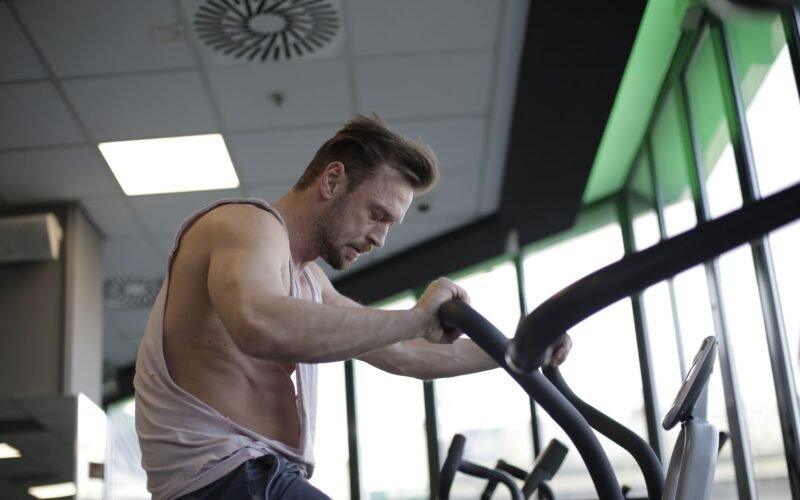
Welcome to GetLeanPulse.com, your trusted partner on the journey to a healthier, leaner you. If you’re just starting out on your fat loss journey, the world of fitness can seem daunting. With countless exercises, conflicting advice, and intimidating routines, it’s easy to feel overwhelmed before you even begin. But here’s a secret: you don’t need to be an elite athlete or spend hours in the gym to start losing fat. In fact, some of the most effective strategies are also the simplest and most accessible, especially when it comes to cardio.
This comprehensive guide is specifically designed for you – the beginner looking to harness the power of cardio for sustainable fat loss. We’ll demystify cardio, break down the best exercises for those just starting, and provide you with actionable steps to build a routine that’s safe, effective, and most importantly, enjoyable. Forget the high-intensity, high-impact workouts you see on social media for a moment. We’re going back to basics, focusing on consistency, proper form, and gradual progression, which are the true pillars of long-term success. By the end of this article, you’ll feel confident and empowered to take your first, most crucial steps towards a fitter, healthier body.
Why Cardio is Your Fat Loss Ally
Cardiovascular exercise, commonly known as cardio, is any activity that elevates your heart rate and keeps it elevated for a sustained period. It’s often touted as a cornerstone of any fat loss program, and for good reason. Understanding why cardio is so effective can help you appreciate its role and commit to your routine.
The primary mechanism by which cardio aids fat loss is through calorie expenditure. To lose fat, you need to create a calorie deficit, meaning you burn more calories than you consume. Cardio exercises are highly efficient at burning calories during the activity itself. Whether you’re walking, swimming, or cycling, your body is using energy, and that energy comes from the calories stored in your food and, crucially, from your body fat reserves. Consistent cardio sessions contribute significantly to this daily calorie deficit, making it easier to achieve your fat loss goals.
Beyond the immediate calorie burn, cardio offers several other metabolic advantages. One such benefit is the “afterburn effect,” scientifically known as EPOC (Excess Post-exercise Oxygen Consumption). While high-intensity interval training (HIIT) is often associated with a greater EPOC, even moderate-intensity cardio can slightly elevate your metabolism for a period after your workout, meaning you continue to burn calories at a higher rate even at rest. This might not be a huge number of calories, but every little bit adds up over time.
Regular cardio also plays a crucial role in improving your overall metabolic health. It enhances insulin sensitivity, which helps your body process carbohydrates more efficiently and prevents excess glucose from being stored as fat. It can also improve your cholesterol profile, reduce blood pressure, and strengthen your heart and lungs. A healthier cardiovascular system means you’ll have more stamina for daily activities, better recovery from workouts, and a reduced risk of chronic diseases – all of which contribute to a higher quality of life and a more effective fat loss journey.
Finally, let’s not overlook the mental and emotional benefits. Exercise, particularly cardio, is a powerful mood booster. It releases endorphins, natural feel-good chemicals that can reduce stress, alleviate anxiety, and combat symptoms of depression. Given that stress and emotional eating are often significant barriers to fat loss, incorporating a regular cardio routine can provide a much-needed psychological lift, making your entire journey more sustainable and enjoyable. When you feel better mentally, you’re more likely to stick to your healthy eating habits and workout schedule.
What Makes Cardio “Beginner-Friendly” for Fat Loss?
When you’re new to exercise, the concept of “beginner-friendly” isn’t just about ease of movement; it encompasses several critical factors that ensure safety, sustainability, and effectiveness for fat loss. Choosing the right type of cardio as a beginner is paramount for setting yourself up for success and avoiding injury or burnout.
1. Safety First (Low Impact): For beginners, especially those who may be carrying extra weight or are new to physical activity, joint protection is a top priority. High-impact exercises like running or jumping can put significant stress on knees, ankles, and hips, leading to discomfort or injury. Beginner-friendly cardio typically involves low-impact movements, where at least one foot (or hand) remains in contact with the ground or support surface at all times. This minimizes shock to the joints, allowing your body to adapt to physical activity without unnecessary strain.
2. Accessibility: The best exercise is the one you actually do. Beginner-friendly cardio often requires minimal to no specialized equipment or gym membership. It can be performed almost anywhere – at home, in a park, or a local community center. This removes common barriers to entry like cost or location, making it easier to start and maintain consistency, which is crucial for fat loss.
3. Ease of Learning and Coordination: Complex movements or routines that demand high levels of coordination can be frustrating for beginners and may even increase the risk of improper form and injury. Beginner-friendly cardio typically involves simple, natural movements that are easy to learn and execute correctly. This allows you to focus on maintaining a consistent heart rate and proper technique rather than struggling with intricate steps.
4. Enjoyment Factor: If you dread your workouts, you won’t stick with them. Enjoyment is a powerful motivator for long-term adherence. Beginner-friendly cardio should ideally be something you find at least tolerable, if not genuinely fun. This could mean choosing an activity you loved as a child, finding a class with upbeat music, or simply enjoying the outdoors. When exercise feels less like a chore and more like a positive part of your day, consistency for fat loss becomes much easier.
5. Scalability and Progressive Overload: While starting easy is important, the exercise must also allow for gradual progression. As your fitness improves, you need to be able to increase the challenge (intensity, duration, or frequency) to continue stimulating your body and burning more calories for fat loss. Beginner-friendly cardio exercises offer clear pathways for progression without requiring you to completely switch activities.
6. Sustainability: The goal isn’t just to lose fat quickly, but to keep it off. Beginner-friendly cardio should be activities you can envision doing for months and years to come, integrating them into a healthy lifestyle rather than treating them as a temporary fix. This long-term perspective is key to lasting fat loss and overall well-being.
By keeping these factors in mind, we can identify specific cardio exercises that are perfectly suited for beginners aiming for fat loss, providing a solid, safe, and effective foundation for their fitness journey.
Foundational Principles for Beginner Cardio Fat Loss
Embarking on a fat loss journey requires more than just picking an exercise; it demands a strategic approach, especially for beginners. Adhering to certain foundational principles will not only make your cardio routine more effective for fat loss but also safer and more sustainable in the long run.
Consistency Reigns Supreme: This is arguably the most critical principle. For beginners, short, frequent sessions are far more beneficial than sporadic, intense ones. Aim for consistency over intensity initially. Building a habit of moving your body regularly, even for just 20-30 minutes, three to five times a week, will yield better fat loss results and establish a lasting routine than trying to do a grueling hour-long workout once a week and then burning out.
Start Slow, Progress Gradually: The biggest mistake beginners make is doing too much, too soon. This often leads to excessive soreness, injury, and ultimately, quitting. Begin with a comfortable pace and duration. As your body adapts and your fitness improves, you can slowly increase the time, then the intensity. This gradual progression allows your muscles, joints, and cardiovascular system to strengthen without being overloaded, reducing the risk of injury and ensuring continuous improvement for fat loss.
Listen to Your Body: Learn to differentiate between muscle soreness (a normal sign of adaptation) and pain (a warning sign of potential injury). If something hurts, stop. Rest, modify the exercise, or seek professional advice. Pushing through sharp or persistent pain is never advisable and can derail your fat loss efforts completely.
The Power of Proper Form: Even in seemingly simple exercises like walking, proper form is crucial. Correct posture and movement mechanics prevent injury, ensure you’re working the intended muscles, and maximize the efficiency of your workout. For example, hunching over during a brisk walk can strain your back, while maintaining an upright posture engages your core and allows for better breathing. If unsure, watch instructional videos or consider a session with a certified trainer.
Warm-Up and Cool-Down are Non-Negotiable: Never skip these vital components of your workout. A 5-10 minute warm-up (light cardio like walking, dynamic stretches) prepares your body for exercise by increasing blood flow to muscles and raising your core temperature, reducing injury risk. A 5-10 minute cool-down (light cardio, static stretches) helps your heart rate return to normal, prevents blood pooling, and improves flexibility, aiding in recovery. This improves overall workout quality and helps with fat loss by allowing you to train more consistently.
Understanding Intensity (RPE for Beginners): For beginners, monitoring heart rate can be complicated. A simpler and highly effective method is the Rate of Perceived Exertion (RPE) scale, often combined with the “talk test.”
The RPE scale ranges from 1 (very light activity) to 10 (maximal effort). For most beginner cardio sessions aimed at fat loss, you should aim for an RPE of 3-5 (moderate intensity).
The “Talk Test” is even simpler:
- Light Intensity: You can sing.
- Moderate Intensity: You can talk comfortably, but not sing. This is your sweet spot for sustained fat loss as a beginner.
- Vigorous Intensity: You can only speak a few words at a time.
Starting at a moderate intensity allows you to maintain the exercise for longer durations, which is excellent for burning fat, and builds your endurance safely.
Hydration is Key: Water is essential for every bodily function, including metabolism. Drink water before, during, and after your workouts. Dehydration can lead to fatigue, reduced performance, and headaches, making your fat loss journey harder than it needs to be.
By integrating these foundational principles into your routine, you’ll not only optimize your cardio for fat loss but also build a sustainable and enjoyable fitness habit that supports your overall health and well-being.

The Best Cardio Exercises for Fat Loss Beginners (Detailed Review)
Now that we understand the principles, let’s dive into the specific cardio exercises that are ideal for beginners focused on fat loss. Each of these options is safe, accessible, and provides a clear path for progression.
1. Walking: The Accessible Powerhouse
Walking is the undisputed king of beginner cardio for fat loss. It’s the most natural human movement, requires no special skills or equipment (beyond good shoes), and can be done almost anywhere, anytime. Don’t underestimate its power; consistent brisk walking can lead to significant fat loss over time.
Why it’s great for beginners and fat loss:
- Zero Impact: Extremely gentle on joints, making it suitable for all fitness levels and those with joint issues or excess weight.
- Accessibility: Can be done outdoors (park, neighborhood), indoors (mall, treadmill), or even in your living room with walking DVDs.
- Sustainable: Easy to incorporate into daily life, making it highly sustainable for long-term fat loss.
- Stress Reduction: Walking outdoors offers mental health benefits, reducing stress which can indirectly aid fat loss.
- Effective Calorie Burn: While not as intense as running, a brisk walk burns a considerable number of calories, especially over longer durations.
Getting Started:
- Footwear: Invest in a good pair of comfortable, supportive walking or running shoes.
- Posture: Stand tall, shoulders back and relaxed, head up, looking forward (not down at your feet). Engage your core slightly.
- Arm Swing: Bend your arms at a 90-degree angle and swing them naturally back and forth, not across your body.
- Duration & Frequency: Start with 20-30 minutes, 3-4 times a week. If that’s too much, start with 10-15 minutes and gradually increase.
- Pace: Aim for a brisk pace where you can talk but not sing (moderate intensity, RPE 3-5).
Progression for continued fat loss:
- Increase Duration: Gradually add 5-10 minutes to each walk until you reach 45-60 minutes.
- Increase Frequency: Aim for 5-6 days a week.
- Increase Intensity:
- Brisk Walking: Pick up your pace until you’re genuinely breathless occasionally.
- Incline Walking: If on a treadmill, increase the incline. If outdoors, find hills or stairs.
- Adding Short Jogs: Once comfortable, intersperse 30-60 second jogging intervals into your walk, gradually increasing jog time.
- Power Walking: Focus on a faster pace and more vigorous arm swing.
- Vary Your Routes: Explore new parks or trails to keep things interesting.
2. Swimming: A Full-Body, Joint-Friendly Option
Swimming is a fantastic full-body workout that’s incredibly gentle on your joints. The buoyancy of water supports your body weight, making it an excellent choice for individuals with joint pain, injuries, or those carrying significant excess weight.
Why it’s great for beginners and fat loss:
- Zero Impact: The water eliminates impact, protecting joints and allowing for comfortable movement.
- Full-Body Engagement: Works nearly every major muscle group – arms, legs, core, back – leading to a high calorie burn.
- Builds Endurance and Strength: The resistance of the water challenges muscles more effectively than air.
- Cooling Effect: Great for those who overheat easily during exercise.
- Stress Relief: The rhythmic nature of swimming can be very meditative and relaxing.
Getting Started:
- Find a Pool: Look for local community centers, gyms, or public pools.
- Basic Strokes: Start with simple strokes like freestyle (front crawl) or breaststroke. Focus on smooth, continuous movements.
- Breathing: Practice rhythmic breathing. For freestyle, turn your head to the side to breathe. For breaststroke, lift your head forward.
- Duration & Frequency: Begin with 20-30 minutes, 2-3 times a week. Include warm-up laps and cool-down laps.
- Form Focus: Don’t worry about speed initially. Focus on good form to maximize efficiency and prevent injury. Using a kickboard to focus on leg kicks or a pull buoy to focus on arm strokes can be helpful.
Progression for continued fat loss:
- Increase Laps/Duration: Gradually add more laps or extend your swimming time.
- Vary Strokes: Incorporate different strokes (backstroke, butterfly if you’re feeling adventurous) to work different muscle groups.
- Interval Training: Swim a fast lap, then a slower lap, repeating for a set number of cycles.
- Water Tools: Use hand paddles or fins to increase resistance and build strength.
3. Cycling (Stationary & Outdoor): Smooth and Sustainable
Cycling, whether on a stationary bike at the gym or outdoors on a road, is another excellent low-impact cardio option that’s particularly effective for strengthening your lower body and burning calories for fat loss.
Why it’s great for beginners and fat loss:
- Low Impact: Similar to swimming, cycling minimizes impact on joints, making it suitable for many.
- Leg Strength: Excellent for building strength and endurance in the quadriceps, hamstrings, glutes, and calves.
- Calorie Burn: Can be a very efficient calorie burner, especially as you increase resistance or speed.
- Versatility: Can be done indoors (weather-independent) or outdoors (enjoying scenery and fresh air).
- Customizable Intensity: Easily adjust resistance (stationary) or tackle hills (outdoor) to control workout intensity.
Getting Started (Stationary Bike):
- Bike Setup: Adjust the seat height so your leg has a slight bend at the knee when the pedal is at its lowest point. Adjust handlebars for comfort.
- Resistance: Start with very low resistance to get a feel for the pedaling motion.
- Duration & Frequency: Begin with 20-30 minutes, 3-4 times a week.
- Pace: Maintain a steady, comfortable pace where you can sustain a conversation.
Getting Started (Outdoor Cycling):
- Safety First: ALWAYS wear a helmet. Ensure your bike is in good working order (brakes, tire pressure).
- Route Planning: Start with flat, low-traffic areas like bike paths or quiet neighborhood streets.
- Bike Fit: Ensure your bike is properly sized for you.
- Duration & Frequency: Similar to stationary, start with 20-30 minutes.
Progression for continued fat loss:
- Increase Duration: Gradually extend your ride time.
- Increase Resistance/Incline: On a stationary bike, steadily increase the resistance. Outdoors, seek out routes with gentle hills.
- Increase Speed: Once comfortable with duration and resistance, try to increase your average speed.
- Intervals (Stationary): Alternate periods of higher resistance/speed with periods of lower resistance/speed.
- Spin Classes: If you enjoy the stationary bike, consider a beginner spin class for structured, motivating workouts.
4. Elliptical Trainer: The Low-Impact All-Rounder
The elliptical trainer is a popular gym machine that offers a full-body, low-impact workout, mimicking the motion of running without the stress on your joints. It engages both your upper and lower body simultaneously.
Why it’s great for beginners and fat loss:
- Low Impact: Your feet remain on the pedals throughout the movement, eliminating impact.
- Full-Body Workout: The moving handles allow you to engage your arms, shoulders, and back while your legs work the pedals.
- Customizable: Easily adjust resistance and incline to match your fitness level.
- Cardio & Strength: Provides both cardiovascular benefits and a degree of muscular endurance training.
- Safe & Controlled: A stable machine environment reduces the risk of falls compared to outdoor activities.
Getting Started:
- Foot Placement: Place your entire foot firmly on the pedals.
- Posture: Stand upright, keep your core engaged, and avoid leaning excessively on the handles. The handles are for balance and upper body engagement, not support.
- Natural Movement: Aim for a smooth, fluid, rhythmic motion.
- Resistance & Incline: Start with low resistance and no incline to get comfortable with the movement.
- Duration & Frequency: Begin with 20-30 minutes, 3-4 times a week.
Common Mistakes to Avoid:
- Leaning too much: Leaning forward puts strain on your back and reduces core engagement.
- Not engaging the core: A strong core helps with stability and maximizes the workout.
- Going too fast with too little resistance: This often leads to “flailing” and less effective calorie burn. Prioritize resistance over speed initially.
Progression for continued fat loss:
- Increase Duration: Gradually add time to your workouts.
- Increase Resistance: Challenge your legs and glutes by steadily raising the resistance level.
- Increase Incline: Most ellipticals allow you to increase the incline, which targets different lower body muscles.
- Reverse Motion: Pedal backward for a few minutes to engage different muscle groups (hamstrings and glutes).
- Intervals: Alternate periods of higher resistance/speed with periods of lower resistance/speed.
5. Dancing: Fun, Expressive, and Effective
If traditional cardio feels like a chore, dancing might be your perfect solution. It’s a fantastic way to elevate your heart rate, burn calories, and improve coordination, all while having a blast.
Why it’s great for beginners and fat loss:
- High Enjoyment Factor: Many people find dancing incredibly fun and motivating, making it easier to stick with.
- Full-Body Workout: Many dance styles move your arms, core and legs together, so you work more than one muscle group at once.
- Easy to Do at Home: All you need is some music and a little floor space. Free online classes make it easy to try different styles.
- Adjustable Intensity: Slow songs keep the effort light. Faster songs and bigger moves push you into moderate or vigorous effort.
Getting Started:
- Pick a Beginner Class: Look for “low-impact” or “beginner” dance workouts of 15 to 20 minutes.
- Focus on Moving, Not Perfect Steps: Keep your feet moving even if you miss a step. Your heart rate still rises.
- Wear Supportive Shoes: Choose trainers with good grip and cushioning, especially on hard floors.
Photo by Tima Miroshnichenko on Pexels
How Much Cardio Does a Beginner Need Each Week?
The World Health Organization recommends that adults get 150 to 300 minutes of moderate activity a week, or 75 to 150 minutes of vigorous activity, or a mix of both. It also recommends muscle-strengthening activity on 2 or more days a week (WHO).
You don’t need to start there. WHO also notes that some activity is better than none. Build up step by step.
Use the talk test from earlier in this guide. If you can talk but not sing, you are in the moderate zone.
How Should a Beginner Plan Cardio Each Week?
Here is a simple 4-week plan. Pick any of the five options above, or mix them. Rest or do gentle stretching on the other days.
| Week | Sessions | Time per session | Effort | Weekly total |
|---|---|---|---|---|
| 1 | 3 | 15 to 20 min | Easy to moderate | 45 to 60 min |
| 2 | 3 to 4 | 20 to 25 min | Moderate | 60 to 100 min |
| 3 | 4 | 25 to 30 min | Moderate | 100 to 120 min |
| 4 | 4 to 5 | 30 min | Moderate, with a few short faster intervals if you feel ready | 120 to 150 min |
Add 2 short strength sessions a week once you feel settled, in line with the WHO advice above. Bodyweight squats, wall push-ups and glute bridges are a good start.
If a week feels too hard, repeat it. Progress is still progress.
When should beginners try intervals?
Wait until you can comfortably do 30 to 45 minutes of moderate cardio 3 to 4 times a week, usually after 4 to 6 weeks. Then try a modified interval session: warm up for 5 to 10 minutes, alternate 30 to 60 seconds of faster effort (brisk walk to light jog, or faster cycling) with 60 to 120 seconds easy, repeat 5 to 8 times, and cool down. Keep it to once or twice a week, and check with your doctor first if you have a heart condition, joint problems or have been inactive for a long time.
What Are the Most Common Beginner Cardio Mistakes?
1. Doing Too Much, Too Soon
Going from no exercise to daily hard sessions often ends in sore joints or burnout. Follow a gradual plan like the one above.
2. Going Too Hard Every Time
Not every session needs to leave you breathless. Most of your weekly minutes can be at a moderate, talkable pace.
3. Expecting Cardio to Out-Run Your Diet
Cardio helps you use more energy, but food choices still matter for fat loss. The CDC describes healthy weight loss as a mix of healthy eating, regular activity, enough sleep and stress management (CDC).
4. Skipping Strength Training
Cardio and strength work do different jobs. WHO recommends both for adults, so plan for both.
5. Chasing a Fast Result
The CDC notes that people who lose weight at a steady pace of about 1 to 2 pounds (0.5 to 1 kg) a week are more likely to keep it off (CDC).
6. Ignoring Pain
Normal muscle tiredness is fine. Sharp pain, chest pain or dizziness is not. Stop and get medical advice.
If you have a heart condition, joint problems or another health condition, or you haven’t exercised in a long time, check with your doctor before you start.
So, What Is the Best Cardio for Fat Loss as a Beginner?
The best cardio is the one you will actually do, week after week.
Walking, swimming, cycling, the elliptical and dancing all work. Pick one or two you enjoy, start small and build toward the weekly amounts above.
Pair your cardio with strength training, balanced meals and good sleep. That combination is what drives steady, lasting fat loss.
Key takeaways
- Any of the five options works. Choose the one you enjoy and can stick with.
- WHO recommends 150 to 300 minutes of moderate activity a week for adults, plus strength work on 2 or more days (WHO).
- Start with 15 to 20 minutes, 3 times a week, and build up over about 4 weeks.
- Most sessions can be at a moderate, talkable pace.
- Combine cardio with healthy eating and sleep, and aim for a steady pace of loss.