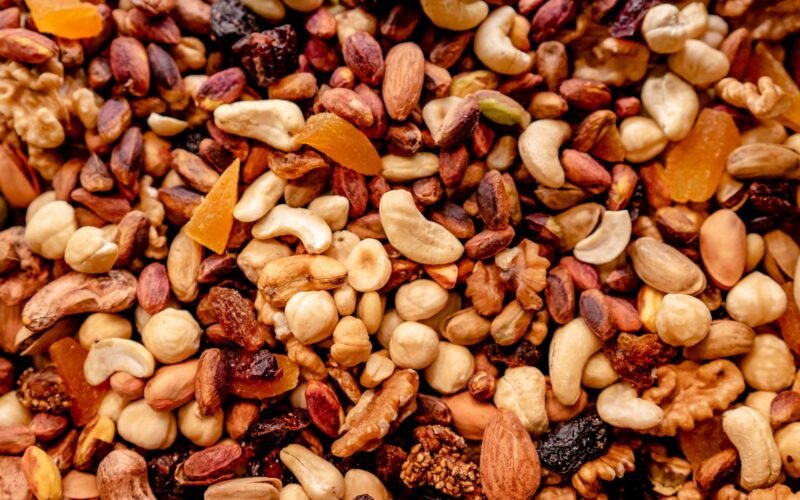
Omega-3 Foods & Weight Loss: Unlock Your Body’s Fat-Burning Potential
In the vast landscape of nutrition and weight management, certain nutrients stand out for their profound impact on our health and waistlines. Among these, omega-3 fatty acids have garnered significant attention, moving beyond their reputation for heart and brain health to become a powerful ally in the quest for sustainable weight loss. If you’ve ever wondered how these “good fats” can actually help you shed pounds, you’re in the right place. GetLeanPulse.com is here to guide you through the intricate science and practical applications of incorporating omega-3-rich foods into your diet to optimize your weight loss journey.
The journey to a leaner, healthier you is multifaceted, requiring a balanced diet, consistent physical activity, and a strong understanding of how your body works. Omega-3s aren’t a magic pill, but they are a crucial piece of the puzzle, influencing everything from your metabolism and inflammation levels to your mood and satiety. This comprehensive guide will delve deep into the world of omega-3s, exploring their various forms, the compelling scientific evidence linking them to weight loss, the best food sources, and actionable strategies to make them a cornerstone of your daily nutrition. Prepare to transform your approach to healthy eating and discover how these essential fats can help you achieve your weight loss goals more effectively than ever before.
The Omega-3 Revolution: More Than Just “Good Fats”
To truly appreciate the role of omega-3s in weight loss, we first need to understand what they are and why they are so vital for overall health. Omega-3 fatty acids are a type of polyunsaturated fat, meaning they have multiple double bonds in their chemical structure. They are considered “essential” because our bodies cannot produce them; we must obtain them through our diet.
There are three primary types of omega-3 fatty acids:
- Eicosapentaenoic Acid (EPA): Primarily found in fatty fish and seafood, EPA is renowned for its powerful anti-inflammatory properties. It plays a significant role in cardiovascular health, joint health, and mental well-being.
- Docosahexaenoic Acid (DHA): Also abundant in fatty fish, DHA is a critical structural component of the brain, retina, and other neural tissues. It is essential for cognitive function, vision development, and overall brain health throughout life.
- Alpha-Linolenic Acid (ALA): Found predominantly in plant-based sources like flaxseeds, chia seeds, and walnuts, ALA is a precursor to EPA and DHA. While the body can convert a small amount of ALA into EPA and DHA, this conversion process is often inefficient, particularly for DHA. Therefore, direct sources of EPA and DHA are often preferred for their potent benefits.
Beyond their direct impact on weight, omega-3s contribute to a robust foundation of health. They are integral to cell membrane structure, hormone production, and gene expression. They support heart health by reducing triglyceride levels, lowering blood pressure, and preventing plaque buildup. They are vital for brain function, potentially improving mood, memory, and reducing the risk of neurodegenerative diseases. Their anti-inflammatory action is perhaps their most celebrated attribute, combating chronic inflammation, which is now recognized as a root cause of many modern diseases, including obesity. By understanding these foundational roles, we can better appreciate how omega-3s orchestrate a cascade of beneficial effects that culminate in a more efficient, healthier body primed for weight loss.
The Science Behind Omega-3s and Weight Management
The connection between omega-3 fatty acids and weight loss is far more intricate than simply adding a “healthy fat” to your diet. These essential nutrients influence several key physiological pathways that directly impact fat storage, metabolism, appetite, and overall energy balance. Let’s break down the compelling scientific mechanisms at play.
Boosting Metabolism and Fat Oxidation
One of the most exciting aspects of omega-3s for weight loss is their potential to enhance your metabolic rate and increase fat burning. Research suggests that EPA and DHA can stimulate thermogenesis, the process by which your body generates heat and expends energy. This means your body might burn more calories even at rest.
Furthermore, omega-3s have been shown to influence mitochondrial function. Mitochondria are the “powerhouses” of your cells, responsible for converting nutrients into energy. By improving mitochondrial efficiency, omega-3s can optimize your body’s ability to oxidize (burn) fats for fuel, rather than storing them. Some studies even indicate that omega-3s may promote the browning of white adipose tissue (WAT). White fat is primarily for energy storage, while brown adipose tissue (BAT) is metabolically active and burns calories to generate heat. Converting WAT to BAT or enhancing BAT activity could significantly increase overall calorie expenditure. This means that incorporating omega-3 rich foods isn’t just about reducing calorie intake, but about making your body a more efficient fat-burning machine from the inside out.
Taming Inflammation for Easier Weight Loss
Chronic, low-grade inflammation is a pervasive issue in modern society and a significant barrier to weight loss. This type of inflammation, often fueled by poor dietary choices, stress, and lack of exercise, can lead to insulin resistance, making it harder for your body to utilize glucose effectively and promoting fat storage, especially around the abdomen. Inflamed fat cells also release inflammatory compounds, creating a vicious cycle that further impedes weight loss.
Omega-3 fatty acids, particularly EPA, are potent anti-inflammatory agents. They do this by being converted into specialized pro-resolving mediators (SPMs) like resolvins, protectins, and maresins, which actively work to resolve inflammation. By reducing systemic inflammation, omega-3s can improve insulin sensitivity, allowing your cells to respond better to insulin and efficiently transport glucose into cells for energy, rather than having it stored as fat. This breaks the cycle of inflammation-induced weight gain, paving the way for more effective fat loss and better overall metabolic health. Reducing inflammation also alleviates many of the uncomfortable symptoms often associated with being overweight, such as joint pain, which can make exercise more challenging.
Curbing Appetite and Enhancing Satiety
Managing appetite and feeling full after meals are critical components of any successful weight loss strategy. Omega-3s may play a significant role here by influencing hormones that regulate hunger and satiety. For instance, studies suggest that omega-3 supplementation can increase levels of cholecystokinin (CCK) and glucagon-like peptide-1 (GLP-1), two hormones known to reduce appetite and promote feelings of fullness. These gut hormones signal to the brain that you’ve eaten enough, leading to reduced calorie intake naturally.
Furthermore, by stabilizing blood sugar levels and improving insulin sensitivity, omega-3s can help prevent the dramatic spikes and crashes in blood glucose that often trigger intense cravings and overeating. When blood sugar is stable, your body doesn’t experience the urgent need for quick energy, which often manifests as a craving for sugary or high-carb foods. The enhanced satiety means you’re less likely to snack unnecessarily between meals, making it easier to maintain a calorie deficit without feeling deprived.
Improving Insulin Sensitivity and Glucose Metabolism
Insulin resistance is a common hallmark of obesity and type 2 diabetes. When your cells become resistant to insulin, glucose struggles to enter them, leading to elevated blood sugar levels. In response, your pancreas produces even more insulin, and chronically high insulin levels signal your body to store more fat and burn less.
Omega-3 fatty acids have been shown to improve insulin sensitivity, meaning your cells become more responsive to insulin’s signals. This allows glucose to be efficiently transported into cells for energy, reducing the amount available to be converted into fat. By enhancing glucose metabolism, omega-3s help maintain stable blood sugar levels, prevent energy crashes, and encourage your body to use available fuel more effectively, rather than defaulting to fat storage. This is a crucial benefit, as improved insulin sensitivity is foundational for both weight loss and long-term metabolic health.
Preserving Muscle Mass During Calorie Restriction
One of the challenges of weight loss is the potential loss of lean muscle mass along with fat. Muscle is metabolically active tissue, meaning it burns more calories at rest than fat does. Preserving muscle mass is therefore crucial for maintaining a healthy metabolism and preventing weight regain.
Research indicates that omega-3 fatty acids, particularly DHA and EPA, may help mitigate muscle loss during periods of calorie restriction. They are believed to have anabolic properties, potentially enhancing muscle protein synthesis and reducing protein breakdown. This is incredibly valuable for individuals on a weight loss diet, as it allows them to shed fat while protecting their metabolic engine. By maintaining or even slightly increasing muscle mass, omega-3s contribute to a higher resting metabolic rate, making it easier to burn calories and achieve a leaner physique.
Mood Regulation and Stress Reduction
The psychological component of weight loss is often overlooked but profoundly important. Stress, anxiety, and depression can significantly impact eating habits, often leading to emotional eating, cravings for comfort foods, and increased belly fat due to elevated cortisol levels.
Omega-3 fatty acids, especially DHA, are vital for brain health and function. They play a role in neurotransmitter production and communication, which can positively impact mood and reduce symptoms of anxiety and depression. By supporting mental well-being, omega-3s can help individuals cope better with stress, reduce emotional eating episodes, and foster a more positive mindset towards their weight loss journey. A calmer, more balanced mental state makes it easier to stick to healthy eating plans and make conscious choices that align with your goals, rather than succumbing to stress-induced cravings.
Top Omega-3 Powerhouses: Foods to Fuel Your Weight Loss Journey
Now that we understand the profound benefits of omega-3s for weight loss, the natural next question is: where do we find them? While supplements are an option, prioritizing whole food sources not only provides you with essential fatty acids but also a host of other beneficial nutrients, fiber, and antioxidants. Here are the top omega-3 powerhouses to incorporate into your diet.
Fatty Fish: The Gold Standard
When it comes to EPA and DHA, fatty fish are the undisputed champions. These cold-water fish accumulate high concentrations of these beneficial fats, making them an excellent choice for direct intake.
- Salmon: Wild-caught salmon (like sockeye or coho) typically has a higher omega-3 content than farmed salmon, though farmed varieties still offer significant amounts. A 3.5-ounce (100-gram) serving of wild salmon can provide around 2-3 grams of combined EPA and DHA. It’s also an excellent source of high-quality protein and Vitamin D.
- Mackerel: Small, fatty fish like mackerel are incredibly rich in omega-3s. A 3.5-ounce serving can pack over 2.5 grams of EPA and DHA. Mackerel is also sustainable and often more affordable.
- Sardines: Don’t let their small size fool you; sardines are nutritional powerhouses. A can of sardines (about 3.75 ounces or 100 grams) can contain around 1.5-2 grams of EPA and DHA, plus calcium and vitamin D if eaten with bones. They are a convenient, shelf-stable option.
- Herring: Similar to sardines, herring is another small, oily fish that’s rich in omega-3s, delivering approximately 1.5-2 grams per 3.5-ounce serving.
- Anchovies: Often used in sauces or as a flavorful addition to dishes, anchovies are surprisingly high in omega-3s. Just a small serving (around 2 ounces) can provide over 1 gram of EPA and DHA.
- Tuna: While some tuna varieties are good sources, the omega-3 content varies. Albacore tuna (white tuna) has more omega-3s than skipjack or light tuna. Opt for canned light tuna (packed in water) for lower mercury levels and a decent dose of omega-3s (around 0.5-1 gram per 3.5 ounces).
Aim for at least two servings (3.5-4 ounces each) of fatty fish per week to reap the full benefits. Baking, grilling, or poaching are excellent cooking methods to retain their nutritional integrity.
Plant-Based Omega-3s (ALA)
For vegans, vegetarians, or those who simply prefer plant-based options, several foods offer ALA. Remember, the conversion to EPA and DHA is limited, but ALA still offers its own benefits and some conversion does occur.
- Flaxseeds: These tiny seeds are perhaps the richest plant source of ALA. Just one tablespoon of ground flaxseeds provides over 2 grams of ALA. It’s crucial to consume them ground, as whole flaxseeds often pass through the digestive system undigested, preventing nutrient absorption. Add them to oatmeal, smoothies, yogurt, or use as an egg substitute in baking.
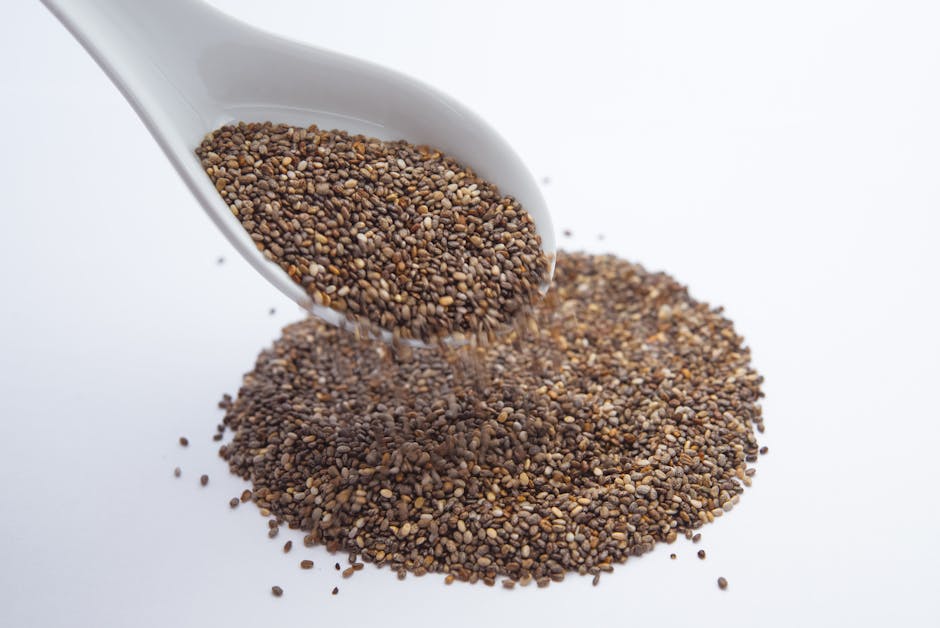
- Chia Seeds: Another powerhouse seed, chia seeds deliver about 2.5 grams of ALA per ounce (28 grams). They are also an excellent source of fiber, which aids satiety and digestive health. Chia seeds can absorb many times their weight in liquid, forming a gel, making them perfect for puddings, overnight oats, or thickening smoothies.
- Hemp Seeds: With a milder, nuttier flavor, hemp seeds offer approximately 1 gram of ALA per ounce. They are also a complete protein source and rich in magnesium. Sprinkle them on salads, cereals, or blend into dressings.
- Walnuts: These tree nuts are unique for their high ALA content, providing about 2.5 grams per ounce (about 14 halves). Walnuts are also rich in antioxidants and other beneficial compounds. They make an excellent snack or addition to salads and baked goods.
- Soybeans/Edamame: Soybeans and their immature form, edamame, contain ALA, with about 0.5-1 gram per half-cup serving. They also offer protein and fiber.
- Algae: For direct plant-based sources of EPA and DHA, certain types of microalgae are the answer. This is where fish get their omega-3s! Algal oil supplements are an excellent option for vegans and vegetarians looking to bypass the inefficient ALA conversion.
Fortified Foods and Other Sources
The growing awareness of omega-3 benefits has led to an increase in fortified food products.
- Omega-3 Enriched Eggs: Hens fed a diet rich in flaxseeds produce eggs with higher ALA, and sometimes even EPA and DHA, content. Check the label for “omega-3 enriched.”
- Fortified Milk, Yogurt, and Juices: Many dairy and non-dairy alternatives, as well as some juices, are now fortified with omega-3s. Always check the nutrition label for the specific type and amount.
- Certain Oils: Canola oil and soybean oil contain ALA, though often in lower concentrations compared to flax or chia seeds. They should be used in moderation as part of a balanced diet.
By strategically incorporating a variety of these omega-3 rich foods into your diet, you can ensure a consistent and ample supply of these crucial fatty acids, setting the stage for enhanced weight loss and overall vitality.
Integrating Omega-3 Rich Foods into Your Daily Diet for Optimal Weight Loss
Knowing which foods are rich in omega-3s is one thing; consistently incorporating them into your daily diet is another. The key to successful, sustainable weight loss lies in practical, enjoyable meal planning. Here’s how you can seamlessly weave omega-3 powerhouses into your routine.
Meal Planning Strategies: Making Omega-3s a Habit
Making omega-3s a regular part of your diet doesn’t have to be complicated. With a little planning, you can easily meet your needs.
- Breakfast Boost:
- Chia Seed Pudding: Mix 2-3 tablespoons of chia seeds with a cup of milk (dairy or non-dairy), a touch of sweetener, and fruit. Let it sit overnight for a delicious, fiber-rich, omega-3 packed breakfast.
- Flaxseed Oatmeal: Stir 1-2 tablespoons of ground flaxseeds into your morning oatmeal. It adds a nutty flavor and a significant ALA boost.
- Omega-3 Enriched Eggs: Scramble, poach, or fry a couple of omega-3 enriched eggs with some avocado for a protein and healthy fat-rich start.
- Lunchtime Lean:
- Salmon Salad: Instead of tuna, make a salmon salad sandwich or serve it over a bed of mixed greens. Canned salmon is a convenient and affordable option.
- Walnut & Berry Salad: Add a handful of walnuts to your lunch salad for crunch, healthy fats, and extra satiety. Pair with spinach, berries, and a light vinaigrette.
- Edamame Snack: Keep a bag of frozen edamame on hand. A quick microwave steam makes for a satisfying, protein-rich, and ALA-containing snack or side.
- Dinner Delights:
- Baked or Grilled Fatty Fish: Aim for 2-3 servings of salmon, mackerel, or sardines per week. Season simply with herbs, lemon, and olive oil, then bake or grill. Serve with plenty of non-starchy vegetables.
- Lentil or Bean Dishes with Flax Oil: While not direct sources, incorporating legumes provides fiber. Drizzle a small amount of flaxseed oil (not for cooking at high heat) over cooked lentil or bean salads for an ALA boost.
- Smart Snacking:
- Walnuts: A small handful of walnuts is a perfect satiating snack.
- Trail Mix: Create your own mix with walnuts, pumpkin seeds, and a few dried fruits.
- Sardines on Whole-Grain Crackers: A quick and easy way to get a potent dose of EPA and DHA.
Smart Cooking Tips: Preserving Nutrients and Enhancing Flavor
How you prepare your omega-3 rich foods can impact their nutritional value and your enjoyment.
- Gentle Cooking for Fish: Overcooking fatty fish can reduce its omega-3 content and make it dry. Aim for baking, grilling, poaching, or steaming to preserve the delicate fats and moisture.
- Ground Flaxseeds Are Key: Always use ground flaxseeds. If you buy them whole, grind them yourself in a coffee grinder or spice mill just before use to prevent oxidation. Store ground flaxseeds in an airtight container in the refrigerator or freezer.
- Avoid High Heat for ALA Oils: Oils like flaxseed oil are delicate and should not be used for high-heat cooking. Use them in dressings, smoothies, or drizzled over cooked dishes. Canola oil, while containing ALA, has a higher smoke point and can be used for light cooking.
- Flavor Pairings: Omega-3 rich foods often pair well with bright, fresh flavors. Think lemon, dill, parsley, garlic, ginger, and a splash of vinegar to enhance taste without adding excess calories.
Portion Control and Calorie Awareness
While omega-3 rich foods are incredibly healthy and beneficial for weight loss, they are still calorie-dense. Fats, even healthy ones, contain 9 calories per gram. Therefore, portion control remains important, especially when you are in a calorie deficit for weight loss.
For example, a 4-ounce serving of salmon is excellent, but eating a whole pound might exceed your calorie goals. Similarly, a handful of walnuts is a great snack, but several handfuls can quickly add up. Be mindful of serving sizes for nuts, seeds, and oils. The goal is to incorporate these foods strategically to maximize their benefits without overshooting your daily calorie target. Pair them with plenty of non-starchy vegetables and lean proteins to create balanced, satisfying meals that support your weight loss efforts.

Beyond the Plate: Omega-3 Supplements and Considerations
While prioritizing whole food sources of omega-3s is always the recommended approach, there are circumstances where supplementation might be a beneficial addition to your weight loss strategy. It’s crucial, however, to approach supplements with an informed perspective and always consult a healthcare professional.
When to Consider Omega-3 Supplements
Supplements can bridge the gap for individuals who struggle to consume enough omega-3-rich foods regularly. This includes:
- Vegans and Vegetarians: Since EPA and DHA are primarily found in animal products, those following plant-based diets may find it challenging to get adequate amounts. Algal oil supplements, derived directly from microalgae, offer a direct source of pre-formed DHA (and often EPA) suitable for vegans.
- Individuals with Low Fish Intake: If you dislike fish, have allergies, or simply don’t have consistent access to high-quality fatty fish, a supplement can ensure you meet your omega-3 needs.
- Specific Health Conditions: In some cases, a healthcare provider might recommend higher doses of omega-3s for managing certain inflammatory conditions, cardiovascular issues, or mood disorders, which may indirectly support weight management.
Types of Omega-3 Supplements
The market is flooded with various omega-3 supplements. Understanding the different types can help you make an informed choice.
- Fish Oil: The most common type, typically sourced from anchovies, sardines, mackerel, or cod liver. It contains both EPA and DHA. Look for supplements that are “molecularly distilled” to remove contaminants.
- Krill Oil: Derived from small crustaceans, krill oil also contains EPA and DHA, often bound to phospholipids, which some research suggests may enhance absorption. It also contains astaxanthin, a powerful antioxidant.
- Algal Oil: As mentioned, this is an excellent plant-based source of DHA, and sometimes EPA. It’s ideal for vegans and vegetarians and those concerned about fish-derived contaminants.
- Cod Liver Oil: While a source of omega-3s, it’s also high in Vitamin A and D. While beneficial, this means higher doses of cod liver oil can lead to excessive intake of these vitamins, so moderation is key.
Quality and Purity Considerations
When choosing an omega-3 supplement, quality and purity are paramount. Fish can accumulate environmental toxins like mercury, PCBs, and dioxins.
- Third-Party Testing: Look for supplements that are third-party tested for purity and potency. Organizations like the International Fish Oil Standards (IFOS) program or NSF International provide certifications that indicate a product has been tested for contaminants and contains the advertised amount of omega-3s.
- Triglyceride Form: Omega-3s in supplements come in various forms, including ethyl ester (EE) and triglyceride (TG). The triglyceride form is generally considered more bioavailable and easier for the body to absorb.
- Freshness: Omega-3s are susceptible to oxidation, which can lead to rancidity. Rancid fish oil not only tastes bad but can also be harmful. Choose products stored in dark bottles, check expiry dates, and look for added antioxidants like vitamin E. Store your supplements in a cool, dark place, or even the refrigerator.
Consulting a Healthcare Professional
Before starting any new supplement regimen, especially for weight loss, it is crucial to consult with your doctor or a registered dietitian. They can help you:
- Assess Your Needs: Determine if a supplement is truly necessary based on your dietary intake and health status.
- Determine Appropriate Dosage: Recommend a safe and effective dosage tailored to your individual needs and health goals.
- Check for Interactions: Ensure that omega-3 supplements won’t interact negatively with any medications you are currently taking (e.g., blood thinners).
- Monitor Progress: Help you track the effectiveness and make adjustments as needed.
While omega-3 supplements can be a valuable tool, remember they are meant to *supplement* a healthy diet, not replace it. The synergistic effect of nutrients found in whole foods often provides benefits that isolated supplements cannot replicate.
Debunking Common Myths About Omega-3s and Weight Loss
The world of nutrition is rife with misconceptions, and omega-3s are no exception. To effectively leverage these powerful fats for weight loss, it’s essential to separate fact from fiction.
Myth 1: “Omega-3s are a magic pill for weight loss.”
Reality: This is perhaps the biggest and most dangerous myth. While omega-3s offer a multitude of benefits that support weight loss (boosting metabolism, reducing inflammation, curbing appetite), they are not a standalone solution. You cannot simply take omega-3 supplements or eat salmon exclusively and expect to shed pounds without addressing other critical aspects of your lifestyle. Sustainable weight loss requires a comprehensive approach that includes a calorie-controlled, nutrient-dense diet, regular physical activity, adequate sleep, and stress management. Omega-3s act as powerful facilitators, enhancing the effectiveness of your efforts, but they don’t replace the fundamental principles of energy balance.
Myth 2: “All fats are bad for weight loss, so I should avoid omega-3s.”
Reality: This outdated belief is detrimental to health and weight loss. Not all fats are created equal. While trans fats and excessive saturated fats can be detrimental, healthy fats – particularly monounsaturated and polyunsaturated fats like omega-3s – are absolutely essential. They play crucial roles in hormone production, nutrient absorption, cell function, and, as we’ve discussed, directly contribute to satiety and metabolic health. Depriving your body of healthy fats can lead to nutrient deficiencies, constant hunger, and make weight loss efforts significantly harder. The key is to choose the right types of fats and consume them in appropriate portions. Omega-3s are a prime example of a fat that you *should* embrace, not avoid, for a leaner, healthier body.
Myth 3: “Plant-based omega-3s (ALA) are just as good as fish-based omega-3s (EPA/DHA).”
Reality: While plant-based ALA is incredibly beneficial and essential in its own right, the conversion rate of ALA to the more active forms, EPA and DHA, in the human body is quite limited. The efficiency of this conversion varies widely among individuals but is generally low, often less than 10% for EPA and even lower for DHA. This means that while flaxseeds, chia seeds, and walnuts are fantastic additions to your diet, they may not provide sufficient EPA and DHA to meet optimal needs, especially for those with higher requirements or specific health conditions. For individuals who do not consume fish, or consume it rarely, incorporating direct sources of EPA and DHA like algal oil supplements is often recommended to ensure adequate intake of these critical fatty acids.
Myth 4: “More omega-3s are always better.”
Reality: While omega-3s are beneficial, there can be too much of a good thing. Extremely high doses of omega-3s (typically from supplements, not food) can potentially lead to side effects such as increased bleeding risk, especially if you’re on blood thinners, and can cause digestive upset. There’s also a point of diminishing returns where increasing intake doesn’t provide additional benefits. It’s important to stick to recommended dosages, whether through food or supplements, and consult with a healthcare professional to determine the appropriate amount for your individual health status and goals. The focus should be on consistent, adequate intake, rather than excessive consumption.
By dispelling these common myths, you can approach your omega-3 intake with a clearer understanding and make more informed decisions that truly support your weight loss and overall health objectives.
A Holistic Approach: Omega-3s as Part of Your Weight Loss Ecosystem
The journey to sustainable weight loss is rarely a linear path, nor is it achieved by focusing on a single nutrient or strategy. Omega-3 fatty acids are a powerful component, but they are most effective when integrated into a broader, holistic approach to health and well-being. Think of omega-3s as a vital nutrient that optimizes your body’s systems, making all your other healthy habits work even better.
Here’s how omega-3s fit into a comprehensive weight loss ecosystem:
Balanced Diet and Calorie Deficit
At its core, weight loss fundamentally comes down to creating a sustainable calorie deficit – consuming fewer calories than your body expends. Omega-3s assist here by enhancing satiety and metabolism, making it easier to adhere to a calorie-controlled diet without feeling deprived. However, they don’t negate the need for a balanced diet rich in whole, unprocessed foods, including:
- Lean Proteins: Essential for muscle preservation, satiety, and metabolic function.
- Complex Carbohydrates: Provide sustained energy and fiber, preventing blood sugar spikes.
- Abundant Fruits and Vegetables: Packed with vitamins, minerals, antioxidants, and fiber for overall health and fullness.
Omega-3 rich foods fit perfectly into this framework, providing essential fats without excessive saturated fats or processed ingredients.
Regular Exercise (Cardio and Strength)
Physical activity is non-negotiable for effective weight loss and body recomposition.
- Card
Photo by Jubair Bin Iqbal on Pexels