Healthy Meal Prep for the Week: Your Ultimate Guide to a Leaner, Healthier You
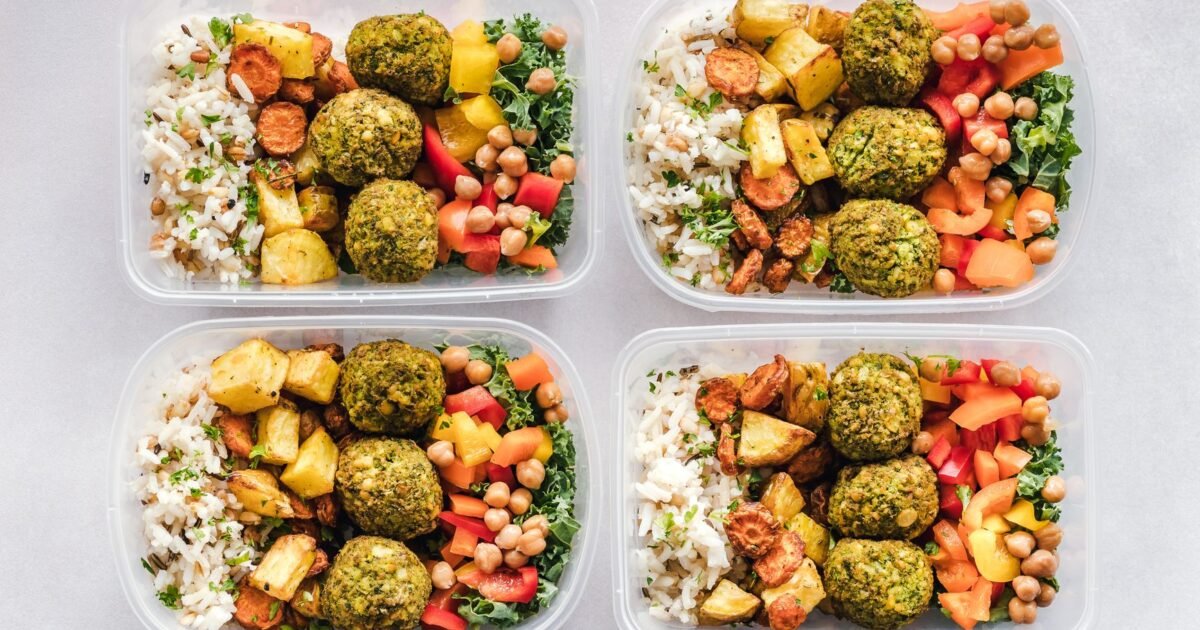
Welcome to GetLeanPulse.com, your trusted partner in achieving sustainable health and fitness. In today’s fast-paced world, maintaining a healthy diet can feel like an uphill battle. Juggling work, family, and social commitments often leaves little time or energy for cooking nutritious meals from scratch. This is where the transformative power of healthy meal prep for the week comes into play. It’s not just a trend; it’s a lifestyle strategy that can revolutionize your health, save you precious time, and even reduce your grocery bill. If you’re serious about taking control of your nutrition, shedding unwanted pounds, and feeling your best, then dedicating time to weekly meal preparation is one of the most impactful changes you can make.
This comprehensive guide will demystify healthy meal prep, breaking down every step from planning to plating. We’ll explore the myriad benefits, equip you with essential tools and strategies, provide inspiration with delicious recipe ideas, and empower you to overcome common challenges. By the end of this article, you’ll have all the knowledge and confidence to embark on your own successful meal prep journey, transforming your intentions into consistent, healthy eating habits.
The Unbeatable Benefits of Healthy Weekly Meal Prep
Before diving into the “how,” let’s solidify your “why.” Understanding the profound advantages of healthy meal prep will serve as your motivation, especially when the initial enthusiasm wanes. The benefits extend far beyond just having food ready; they impact your overall well-being and financial health.
1. Achieve and Maintain Weight Management Goals
- Portion Control: One of the biggest culprits in weight gain is overeating. When you prep your meals, you can accurately measure and control portion sizes, ensuring you consume the right amount of calories for your goals.
- Healthier Choices: With pre-made healthy meals at your fingertips, you’re far less likely to succumb to impulsive, unhealthy choices like fast food or high-calorie takeout when hunger strikes. Your healthy option is already waiting for you.
- Mindful Eating: Knowing your food is prepared with intention encourages more mindful eating habits, helping you savor your meals and recognize satiety signals.
2. Save Time and Reduce Stress
- Efficiency: Batch cooking once or twice a week is significantly more efficient than cooking individual meals every day. You consolidate your cooking, cleanup, and grocery trips.
- Decision Fatigue: Eliminate the daily dilemma of “What should I eat?” By having your meals planned and prepared, you free up mental energy for other important tasks.
- Less Daily Cleanup: One big cleanup session is often preferable to multiple small ones throughout the week.
3. Significant Cost Savings
- Bulk Buying: Meal prepping often involves buying ingredients in larger quantities, which can lead to cost savings per unit.
- Fewer Takeout Orders: The cost of daily takeout or restaurant meals quickly adds up. Meal prep drastically cuts down on these expenses.
- Reduced Food Waste: By planning your meals and utilizing ingredients efficiently, you minimize spoilage and waste, making your grocery budget go further.
4. Enhanced Nutritional Control
- Know Your Ingredients: You have complete control over the quality and type of ingredients used, avoiding hidden sugars, unhealthy fats, and excessive sodium often found in processed and restaurant foods.
- Tailor to Dietary Needs: Whether you have allergies, intolerances, or specific dietary preferences (e.g., vegetarian, gluten-free, low-carb), meal prep allows you to customize every dish precisely to your requirements.
- Boost Micronutrients: It’s easier to ensure a diverse intake of fruits, vegetables, and whole grains when you plan your meals, providing your body with essential vitamins and minerals.
5. Consistency is Key to Long-Term Success
- Building Habits: Meal prep helps establish a consistent routine of healthy eating, which is crucial for long-term health and fitness goals.
- Self-Discipline: It fosters discipline and intentionality around your food choices, empowering you to stick to your healthy eating plan even when life gets hectic.
Getting Started: The Foundation of Success
Embarking on your meal prep journey doesn’t require a professional kitchen or culinary expertise. With a few basic tools and a strategic approach, anyone can become a meal prep master.
Essential Kitchen Tools for Efficient Prep
- Airtight Food Containers: Invest in high-quality, BPA-free containers that are microwave, freezer, and dishwasher safe. Glass containers are excellent for durability and ease of cleaning, while plastic can be lighter for transport. Look for stackable options to save space.
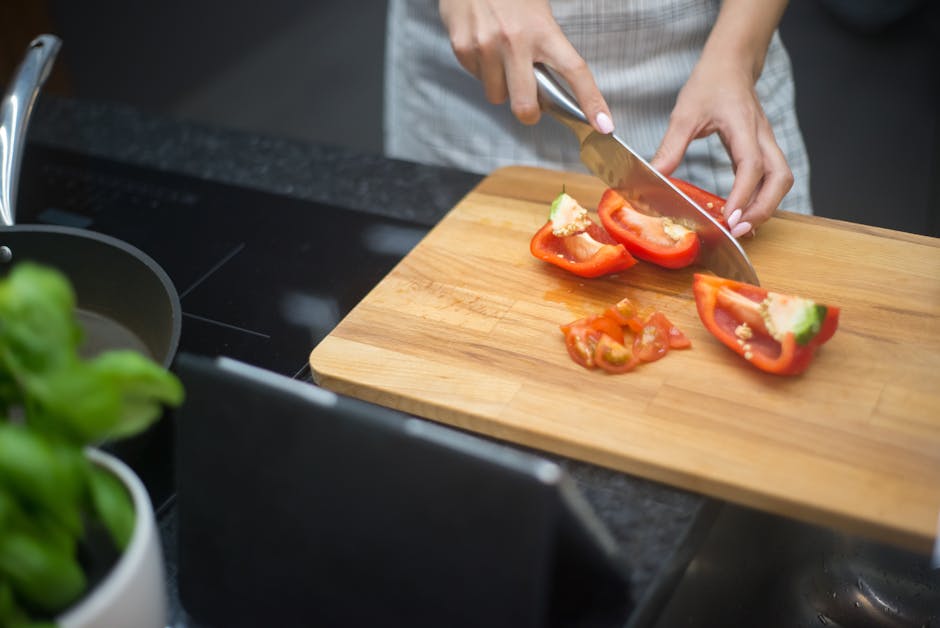
- Sharp Knives and Cutting Boards: Good knives make chopping a breeze and reduce prep time significantly. Have at least one large cutting board.
- Measuring Cups and Spoons: Crucial for accurate portioning and ingredient measurement.
- Large Pots and Pans: For batch cooking grains, proteins, and vegetables. A large baking sheet is indispensable for sheet pan meals.
- Food Processor (Optional but Recommended): Speeds up chopping, shredding, and pureeing tasks.
- Slow Cooker or Instant Pot (Optional but Recommended): Excellent for hands-off cooking of proteins, stews, and grains, freeing you up for other prep tasks.
- Kitchen Scale: For precise portioning, especially helpful for tracking macros.
Pantry Staples: Your Meal Prep Arsenal
Having a well-stocked pantry is half the battle. These items form the backbone of countless healthy meals:
- Grains: Brown rice, quinoa, oats, whole wheat pasta, whole grain bread.
- Legumes: Canned (rinsed) or dried beans (black, kidney, chickpeas), lentils.
- Healthy Fats: Olive oil, avocado oil, coconut oil, nuts, seeds (chia, flax, hemp), nut butters.
- Spices and Herbs: A diverse collection can transform simple ingredients into flavorful dishes. Don’t underestimate the power of garlic powder, onion powder, cumin, paprika, chili powder, oregano, basil, and black pepper.
- Vinegars and Sauces: Apple cider vinegar, balsamic vinegar, soy sauce (or tamari), hot sauce, mustard.
- Canned Goods: Diced tomatoes, tomato paste, tuna, salmon.
- Broth: Vegetable, chicken, or beef broth (low sodium).
Grocery Shopping Strategy: Smart and Efficient
Your grocery trip sets the stage for a successful prep session.
- Plan Your Menu First: Never go to the store without a clear idea of what you’ll be cooking.
- Create a Detailed List: Categorize your list by sections of the grocery store (produce, dairy, meat, pantry) to save time.
- Check What You Already Have: Avoid buying duplicates.
- Buy in Bulk (Wisely): Purchase non-perishables and freezer-friendly items in larger quantities when on sale.
- Focus on Whole Foods: Prioritize fresh fruits, vegetables, lean proteins, and whole grains.
- Shop the Perimeter: The outer aisles of the grocery store typically house the freshest, unprocessed ingredients.
The Art of Planning Your Weekly Meals
Planning is the cornerstone of effective meal prep. A well-thought-out plan ensures variety, nutritional balance, and prevents mid-week panic.
Assess Your Needs and Preferences
- Calorie & Macro Goals: Are you aiming for weight loss, maintenance, or muscle gain? Factor in your activity level.
- Dietary Restrictions: Account for allergies, intolerances, or specific eating styles (e.g., vegetarian, vegan, keto).
- Taste Preferences: Don’t force yourself to eat foods you dislike. Meal prep should be enjoyable and sustainable.
- Time Availability: How much time can you realistically dedicate to prep each week? Adjust your recipe complexity accordingly.
Choose Your Prep Day and Dedicate Time
Most people choose Sunday, but any day that allows for a dedicated 2-4 hour block works. Treat it like an appointment you can’t miss.
Brainstorm Recipes and Create a Menu
Start with 2-3 main protein sources, 2-3 carb sources, and plenty of vegetables. Think about how these components can be combined into different meals.
- Breakfast: Overnight oats, egg muffins, smoothie packs.
- Lunch: Salad jars, grain bowls, leftover stir-fries.
- Dinner: Sheet pan meals, chili, stews, roasted chicken and veggies.
- Snacks: Cut veggies, fruit, hard-boiled eggs, homemade energy balls.
Theme Days or Component Prep for Versatility
Instead of making 7 identical meals, focus on cooking individual components that can be mixed and matched.
- Proteins: Roast a big batch of chicken breasts, cook ground turkey, hard-boil a dozen eggs.
- Carbs: Cook quinoa, brown rice, and sweet potatoes.
- Veggies: Chop raw veggies for salads, roast a tray of broccoli and bell peppers.
This allows you to create different meals throughout the week (e.g., chicken with rice and roasted veggies one day, chicken in a salad the next).
Seasonal Eating for Flavor and Nutrition
Incorporating seasonal produce not only tastes better but can also be more cost-effective and nutrient-dense. Consult local farmers’ market guides for what’s in season.
Healthy Meal Prep Strategies & Techniques
Maximizing your prep time and ensuring your meals stay fresh and exciting requires a few smart strategies.
Batch Cooking
This is the most common approach. Cook a large quantity of a single dish (e.g., a big pot of chili, a large lasagna, a pot of lentil soup) and divide it into individual portions for the week. This is great for busy weeks or when you want simplicity.
Component Prep
As mentioned, this involves cooking individual ingredients in bulk. For example:
- Grains: Cook a large pot of quinoa or brown rice.
- Proteins: Bake chicken breasts, grill salmon, cook ground turkey or beef.
- Vegetables: Chop a variety of raw veggies for salads, roast a sheet pan of root vegetables.
Then, mix and match these components throughout the week to create different meals. This prevents boredom.
One-Pan/Sheet Pan Meals
These are a lifesaver for minimal cleanup. Toss protein (chicken, sausage, tofu) and various chopped vegetables with olive oil and seasonings on a single baking sheet. Roast until cooked through. Easy to scale up for multiple servings.
Mason Jar Salads
The perfect solution for fresh, vibrant salads that don’t get soggy. Layer ingredients strategically:
- Dressing at the bottom.
- Hard, non-absorbent vegetables (carrots, bell peppers, cucumbers).
- Grains or pasta.
- Proteins (chicken, chickpeas).
- Softer vegetables and fruits.
- Leafy greens on top.
When ready to eat, simply shake the jar or empty it into a bowl.
Freezing Techniques
Not everything needs to be eaten within a few days. The freezer is your friend for extending shelf life and having backup meals.
- What freezes well: Soups, stews, chili, cooked grains, cooked lean proteins (chicken, ground meat), baked goods (muffins, energy balls).
- Portioning: Freeze in individual portions so you can grab just what you need.
- Labeling: Always label containers with the dish name and date.
- Proper Cooling: Ensure food is completely cooled before freezing to prevent ice crystals and maintain quality.
Cooking Methods for Efficiency
- Roasting: Ideal for vegetables and proteins on sheet pans.
- Steaming: A quick and healthy way to cook vegetables.
- Pressure Cooking (Instant Pot): Drastically reduces cooking time for grains, legumes, and tough cuts of meat.
- Slow Cooking: Perfect for hands-off cooking of stews, chilis, and pulled meats.
Building a Balanced Meal: Macronutrients & Micronutrients
A truly healthy meal prep focuses not just on convenience, but on delivering complete nutrition. Each meal should ideally contain a balance of macronutrients (protein, carbohydrates, fats) and a rich array of micronutrients (vitamins, minerals).
Protein Power: For Satiety and Muscle
Protein is crucial for muscle repair and growth, and it helps you feel full and satisfied, which is vital for weight management.
- Lean Meats: Chicken breast, turkey, lean beef, pork tenderloin.
- Fish & Seafood: Salmon, cod, shrimp, tuna (canned or fresh).
- Plant-Based: Tofu, tempeh, lentils, chickpeas, black beans, edamame, seitan.
- Eggs & Dairy: Eggs, Greek yogurt, cottage cheese.
Aim for 20-30 grams of protein per meal, depending on your individual needs.
Complex Carbohydrates: For Sustained Energy
These provide long-lasting energy and essential fiber, which aids digestion and helps regulate blood sugar.
- Whole Grains: Brown rice, quinoa, oats, whole wheat pasta, farro, barley.
- Starchy Vegetables: Sweet potatoes, potatoes, butternut squash, corn.
- Legumes: (also count as protein) Beans and lentils.
Focus on unprocessed or minimally processed options.
Healthy Fats: For Hormone Health and Absorption
Healthy fats are vital for hormone production, nutrient absorption, and provide sustained energy. They also contribute to satiety.
- Avocado: Fresh or in oil form.
- Nuts & Seeds: Almonds, walnuts, chia seeds, flax seeds, pumpkin seeds.
- Olive Oil: Extra virgin for dressings and finishing, regular for cooking.
- Fatty Fish: Salmon, mackerel, sardines.
Incorporate small amounts into each meal.
Vibrant Vegetables & Fruits: For Micronutrients
These are powerhouses of vitamins, minerals, antioxidants, and fiber. Aim for a wide variety of colors to ensure a broad spectrum of nutrients.
- Leafy Greens: Spinach, kale, mixed greens.
- Cruciferous Veggies: Broccoli, cauliflower, Brussels sprouts.
- Root Veggies: Carrots, beets, parsnips.
- Bell Peppers, Zucchini, Onions, Mushrooms.
- Berries, Apples, Bananas, Oranges.
Fill at least half your plate with non-starchy vegetables.
Portion Control: The Visual Guide
Even with healthy ingredients, portion sizes matter. A simple visual guide can help:
- Protein: A palm-sized portion.
- Complex Carbs: A cupped hand-sized portion.
- Healthy Fats: A thumb-sized portion.
- Vegetables: As much as you can fit on the rest of your plate (aim for half).
For more precision, especially when starting, use measuring cups, spoons, and a kitchen scale.
Sample Weekly Meal Prep Ideas & Recipes for Inspiration
To kickstart your journey, here are some practical ideas that are both delicious and easy to prep.
Breakfast Ideas
- Overnight Oats: Mix rolled oats, milk (dairy or non-dairy), chia seeds, and your choice of fruit, nuts, or protein powder in a jar. Refrigerate overnight. Make 3-4 jars at once.
- Egg Muffins/Frittatas: Whisk eggs with chopped vegetables (spinach, bell peppers, onions) and a sprinkle of cheese. Pour into muffin tins and bake. Store in the fridge and reheat.
- Smoothie Packs: Portion fruit, spinach, and protein powder into individual freezer bags. In the morning, just add liquid and blend.
Lunch Ideas
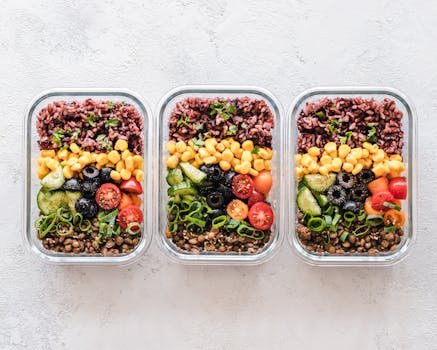
- Mason Jar Salads: (See “Mason Jar Salads” section above) Layer dressing, hard veggies, grains, protein (grilled chicken, chickpeas), and greens.
- Grain Bowls: Cooked quinoa or brown rice as a base, topped with roasted vegetables (broccoli, sweet potato), a lean protein (baked salmon, tofu), and a healthy dressing.
- Leftover Stir-Fries: Make a large batch of chicken or tofu stir-fry with plenty of vegetables and a light sauce. Portion into containers.
Dinner Ideas
- Sheet Pan Chicken & Veggies: Toss chicken breast pieces, broccoli florets, bell pepper strips, and red onion wedges with olive oil and spices. Roast on a sheet pan until cooked.
- Lentil Soup/Stew: A hearty, fiber-rich, and freezer-friendly option. Cook a large pot with vegetables, lentils, and broth.
- Turkey Chili: High in protein and fiber, chili is excellent for batch cooking and tastes even better the next day.
- Baked Salmon with Asparagus & Quinoa: Bake salmon fillets and roast asparagus. Serve with pre-cooked quinoa.
Snack Ideas
- Pre-Cut Veggie Sticks & Hummus: Carrots, celery, cucumber, bell peppers.
- Hard-Boiled Eggs: Cook a dozen at the start of the week.
- Fruit & Nut Butter: Apple slices with almond butter.
- Homemade Energy Balls: Oats, nut butter, honey, chia seeds, protein powder.
Food Safety & Storage: Crucial for Health
Proper food handling and storage are paramount to prevent foodborne illness and keep your prepped meals fresh and delicious throughout the week.
Temperature Control: The Danger Zone
Bacteria multiply rapidly between 40°F (4°C) and 140°F (60°C). This is known as the “danger zone.” Minimize the time food spends in this range.
- Rapid Cooling: After cooking, cool food quickly. Divide large batches into smaller, shallow containers to speed up the cooling process. You can also place hot containers in an ice bath. Get food into the refrigerator within two hours of cooking.
Proper Container Choices
- Airtight: Use containers that seal tightly to prevent air exposure, which can lead to spoilage and freezer burn.
- Material: Glass containers are excellent as they don’t stain, retain odors, or leach chemicals. They are also oven, microwave, and dishwasher safe. High-quality, BPA-free plastic is also an option, especially for lighter weight and transport.
- Portion Sized: Choose containers that fit your desired meal portions.
Refrigeration Lifespan: General Guidelines
Most prepped meals are safe to eat for 3-4 days when stored properly in the refrigerator.
- Cooked Meats/Poultry/Fish: 3-4 days.
- Cooked Grains/Pasta: 3-4 days.
- Cooked Vegetables: 3-5 days.
- Soups/Stews/Chili: 3-4 days.
- Hard-Boiled Eggs: Up to 7 days.
Always trust your senses – if something smells off or looks unusual, it’s best to discard it.
Freezing for Longevity
For meals you want to last longer than 4 days, the freezer is your best friend.
- Freezer-Friendly Foods: Soups, stews, chili, cooked grains, casseroles, cooked lean meats, and some cooked vegetables (like roasted root vegetables).
- Packaging: Use freezer-safe containers or heavy-duty freezer bags. Remove as much air as possible to prevent freezer burn.
- Labeling: Always label with the item and date.
- Thawing: Thaw frozen meals in the refrigerator overnight, or use the defrost setting on your microwave.
Reheating Safely
Reheat food thoroughly to an internal temperature of 165°F (74°C) to kill any potential bacteria. Stir food during reheating to ensure even heating.
Overcoming Common Meal Prep Challenges
Even the most seasoned meal preppers face hurdles. Here’s how to tackle them head-on and maintain your momentum.
Boredom and Repetitiveness
- Component Prep: As discussed, cooking individual components allows for mixing and matching, creating different meal combinations daily.
- Recipe Rotation: Don’t stick to the same 3 recipes. Build a repertoire of 10-15 go-to meals and rotate them.
- Flavor Variety: Experiment with different spices, herbs, and healthy sauces (e.g., salsa, hot sauce, lemon-tahini dressing, low-sugar marinades) to transform the same base ingredients.
- Seasonal Produce: Let seasonal ingredients inspire new recipes.
Lack of Time for Prep
- Start Small: Don’t try to prep every single meal for the entire week on your first try. Begin by prepping lunches or dinners for 3 days.
- Shorter Prep Sessions: If a 3-hour session is too much, split it. Do grocery shopping and planning on Friday, then cook on Sunday.
- Simplistic Recipes: Choose recipes with fewer ingredients and simpler cooking methods (e.g., one-pan meals, slow cooker recipes).
- Utilize Pre-Cut/Pre-Washed Items: While slightly more expensive, pre-cut vegetables or pre-cooked grains can save significant time on busy weeks.
Food Waste
- Accurate Planning: Only buy what you need for your planned meals.
- Proper Storage: Ensure your food is stored correctly to maximize freshness.
- Use Scraps: Vegetable scraps can be frozen and used to make homemade broth.
- Repurpose Leftovers: Transform components into new dishes (e.g., leftover roasted chicken can become chicken salad or a quesadilla filling).
Motivation Slumps
- Remember Your “Why”: Revisit the benefits that motivated you to start. Picture your health goals.
- Buddy System: Find a friend or family member to meal prep with, sharing recipes and accountability.
- Reward Yourself: Set small, non-food rewards for consistent meal prepping (e.g., a new cookbook, kitchen gadget, or a relaxing evening).
- Batch Freeze: Have emergency healthy meals in the freezer for weeks when motivation or time is truly scarce.
Dietary Restrictions/Allergies
- Adapt Recipes: Most recipes can be adapted. For example, use gluten-free pasta, dairy-free milk, or swap out allergens for suitable alternatives.
- Focus on Naturally Compliant Foods: Lean proteins, fruits, vegetables, and whole grains are naturally free of many common allergens.
- Specialized Cookbooks/Blogs: Seek out resources tailored to your specific dietary needs for inspiration.
Advanced Tips for the Meal Prep Pro
Once you’ve mastered the basics, consider these strategies to elevate your meal prep game and maintain long-term success.
Theme-Based Weeks
Add excitement by planning weeks around culinary themes:
- Mediterranean Week: Focus on olive oil, fresh vegetables, lean proteins like fish and chicken, and whole grains.
- Asian Inspired Week: Utilize soy sauce (or tamari), ginger, garlic, sesame oil, and rice noodles with stir-fries and curries.
- Mexican Fiesta Week: Black beans, corn, salsa, avocado, lean ground meat, and whole wheat tortillas.
This keeps things interesting and encourages exploration of new flavors.
Cooking in Batches for the Freezer
Think beyond just a single week. When you make a pot of chili, double or triple the recipe and freeze
Photo by Ella Olsson on Pexels