
Best Protein Foods for Muscle Building: Your Ultimate Guide from GetLeanPulse.com
Welcome to GetLeanPulse.com, your premier source for evidence-based fitness and nutrition advice! If you’re on a mission to sculpt a stronger, more muscular physique, you already know that exercise is only half the equation. The other, equally critical half, is nutrition – and at the heart of muscle growth lies protein. Protein isn’t just a buzzword in the fitness world; it’s the fundamental building block of life, essential for repairing tissues, making enzymes, hormones, and, most importantly for our discussion today, building and maintaining muscle mass.
The journey to significant muscle gains isn’t simply about eating “more protein.” It’s about understanding *what kind* of protein, *how much*, and *when* to consume it for optimal results. With countless options available, navigating the world of protein foods can be overwhelming. Do you stick to animal sources, embrace plant-based options, or rely on supplements? How do you ensure you’re getting all the necessary amino acids? And how do you incorporate these foods into a practical, sustainable diet?
This comprehensive guide from GetLeanPulse.com is designed to answer all these questions and more. We’ll dive deep into the science of protein and muscle synthesis, explore the top animal-based and plant-based protein sources, discuss the role of protein supplements, and provide actionable strategies for optimizing your protein intake. Whether you’re a seasoned bodybuilder, a recreational lifter, or just starting your fitness journey, this article will equip you with the knowledge to make informed dietary choices that fuel your muscle-building ambitions. Get ready to transform your plate and your physique!
The Science Behind Protein & Muscle Growth
Before we delve into specific foods, it’s crucial to understand why protein is so indispensable for muscle building. Our muscles are constantly in a state of flux, undergoing both breakdown (muscle protein breakdown, MPB) and synthesis (muscle protein synthesis, MPS). To build muscle, the rate of MPS must exceed the rate of MPB over time. This is where protein comes in.
How Protein Works: Amino Acids and Muscle Protein Synthesis
Proteins are large, complex molecules made up of smaller units called amino acids. When you consume protein, your digestive system breaks it down into these individual amino acids, which are then absorbed into your bloodstream. Your body uses these amino acids as raw materials to build new proteins, including the contractile proteins that make up your muscle fibers.
There are 20 different amino acids that your body uses to build proteins. Nine of these are considered “essential amino acids” (EAAs) because your body cannot produce them; you must obtain them through your diet. Among the EAAs, leucine, isoleucine, and valine are particularly important and are known as branched-chain amino acids (BCAAs). Leucine, in particular, plays a critical role in signaling the initiation of muscle protein synthesis, acting as a powerful trigger for muscle growth.
Protein Quality: Complete vs. Incomplete Proteins
Not all proteins are created equal when it comes to muscle building. Protein quality refers to the amino acid profile and digestibility of a protein source. A “complete protein” contains all nine essential amino acids in sufficient quantities to support human growth and repair. Most animal-based proteins (meat, poultry, fish, eggs, dairy) are complete proteins. Some plant-based proteins, such as soy, quinoa, and buckwheat, are also complete.
“Incomplete proteins,” found in most plant sources like legumes, grains, nuts, and seeds, typically lack one or more essential amino acids. However, this doesn’t mean plant-based diets can’t support muscle growth. By combining different incomplete protein sources throughout the day (e.g., rice and beans, hummus and pita), you can create a complete amino acid profile. The old advice to combine them in every meal has largely been debunked; what matters is getting all EAAs over the course of a day.
Beyond Muscle: Other Benefits of Protein
While muscle building is a primary focus, protein offers a multitude of other health benefits that contribute to overall well-being and fitness:
- Satiety: Protein is the most satiating macronutrient, helping you feel fuller for longer, which can be beneficial for weight management and preventing overeating.
- Metabolism: Protein has a higher thermic effect of food (TEF) compared to carbohydrates and fats, meaning your body burns more calories digesting and metabolizing protein.
- Bone Health: Adequate protein intake is linked to better bone mineral density and reduced risk of fractures.
- Immune Function: Antibodies and immune cells rely on protein for their structure and function.
- Recovery: Beyond muscle repair, protein aids in the recovery of other tissues and helps reduce muscle soreness.
Understanding these foundational principles sets the stage for making smart choices about the best protein foods for your muscle-building journey.
Top Animal-Based Protein Sources
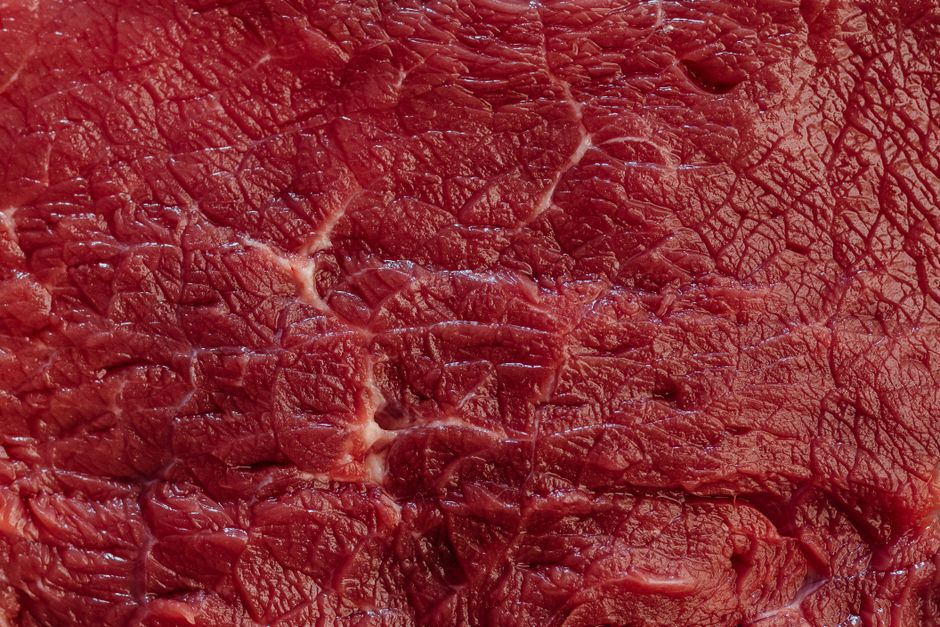
Animal-based proteins are often hailed as the gold standard for muscle building due to their complete amino acid profiles and high bioavailability. They provide all essential amino acids in readily usable forms, making them highly effective for stimulating muscle protein synthesis. Here are some of the best animal-based options to include in your diet:
Chicken Breast
Chicken breast is a staple in many fitness enthusiasts’ diets, and for good reason. It’s incredibly lean, versatile, and packed with high-quality protein. A 3.5-ounce (100-gram) serving of cooked chicken breast typically provides around 31 grams of protein with minimal fat and carbohydrates. It’s also a good source of niacin, vitamin B6, selenium, and phosphorus.
- Benefits: Excellent source of complete protein, very low in fat (especially skinless), highly versatile for various cuisines.
- Tips for Consumption: Grill it, bake it, stir-fry it, or shred it for salads and sandwiches. Marinate for flavor without adding excessive calories.
Lean Beef
Lean beef is a powerhouse of nutrition for muscle builders. Besides being an excellent source of complete protein (around 25-30 grams per 3.5-ounce serving), it’s rich in highly bioavailable iron, zinc, and B vitamins, all crucial for energy metabolism and red blood cell production. Beef also naturally contains creatine, a compound known to enhance strength and muscle mass.
- Benefits: High-quality protein, creatine, iron, zinc, B vitamins. Supports strength and endurance.
- Different Cuts: Opt for leaner cuts like sirloin, flank steak, round steak, or extra-lean ground beef (90% lean or higher).
- Tips for Consumption: Grill, roast, or pan-sear. Incorporate into stir-fries, stews, or use lean ground beef for tacos, chili, or meatballs.
Fish
Fish offers a diverse range of protein options, many of which come with additional health benefits, particularly omega-3 fatty acids. These healthy fats are crucial for reducing inflammation, supporting heart health, and potentially aiding muscle recovery.
- Salmon: A fatty fish renowned for its high omega-3 content (EPA and DHA) and excellent protein (around 20-25 grams per 3.5-ounce serving). It’s also a good source of vitamin D and B vitamins.
- Tuna: A convenient and lean protein source, especially canned tuna (in water). Around 25 grams of protein per 3.5 ounces. Be mindful of mercury content with frequent consumption, especially for larger species like albacore.
- Cod & Tilapia: Very lean white fish options, providing around 20-22 grams of protein per 3.5-ounce serving with minimal fat. They are mild in flavor and easy to cook.
- Benefits: High-quality protein, omega-3s (especially fatty fish), vitamins and minerals. Supports cardiovascular health and reduces inflammation.
- Tips for Consumption: Bake, grill, pan-sear, or steam. Incorporate into salads, tacos, or pasta dishes.
Eggs
Often called “nature’s perfect protein,” eggs are an incredibly cost-effective and nutrient-dense food. One large egg provides about 6 grams of complete protein. The protein in eggs has a very high biological value, meaning your body can efficiently use nearly all of its amino acids. The yolk contains most of the vitamins and minerals, including choline, vitamin D, and various B vitamins, while the white is almost pure protein.
- Benefits: Complete protein, high bioavailability, rich in essential vitamins and minerals (especially choline in the yolk), versatile.
- Whole Eggs vs. Egg Whites: For optimal nutrition and satiety, consuming whole eggs is generally recommended. If you’re strictly managing fat or cholesterol, egg whites offer a pure protein source.
- Tips for Consumption: Scrambled, boiled, poached, fried, or as part of an omelet or frittata. Great for breakfast, snacks, or even adding to dinner.
Dairy
Dairy products are exceptional sources of protein, particularly milk proteins like whey and casein, which offer distinct benefits for muscle growth.
- Greek Yogurt: A strained yogurt with a thicker consistency and significantly higher protein content than regular yogurt. A 6-ounce serving can provide 15-20 grams of protein. It also contains probiotics, beneficial for gut health, and calcium for bone health.
- Cottage Cheese: Known for its high casein protein content, which is a slow-digesting protein. This makes it an excellent choice before bed, as it provides a sustained release of amino acids to muscles throughout the night. A half-cup serving offers about 12-15 grams of protein.
- Milk: A classic post-workout drink, milk contains both fast-digesting whey and slow-digesting casein, making it a balanced protein source. One cup of milk provides around 8 grams of protein, along with calcium and vitamin D.
- Benefits: High-quality complete protein (whey and casein), calcium, probiotics (yogurt), versatile.
- Tips for Consumption: Enjoy Greek yogurt with fruit and nuts, cottage cheese with savory spices or fruit, or milk as a beverage or in smoothies.
Incorporating a variety of these animal-based protein sources into your diet will ensure you’re getting a complete amino acid profile and a wealth of essential nutrients to support your muscle-building goals.
Top Plant-Based Protein Sources
For those following a vegetarian, vegan, or flexitarian diet, or simply looking to diversify their protein intake, the plant kingdom offers an abundance of excellent protein sources. While many plant proteins are “incomplete” on their own, strategic combinations can easily provide all essential amino acids. Furthermore, plant-based proteins often come with the added benefits of fiber, vitamins, minerals, and phytonutrients.
Legumes
Legumes are a cornerstone of plant-based protein. They are affordable, versatile, and rich in fiber, which aids digestion and promotes satiety.
- Lentils: A fantastic source of protein (about 9 grams per half-cup cooked) and soluble fiber. They cook quickly and can be used in soups, stews, salads, or as a meat substitute.
- Black Beans, Chickpeas, Kidney Beans: These beans offer around 7-8 grams of protein per half-cup cooked, along with complex carbohydrates and fiber. Great in salads, tacos, chili, or blended into dips like hummus (chickpeas).
- Benefits: High in protein, fiber, complex carbohydrates, iron, folate.
- Tips for Consumption: Combine with grains like rice or quinoa to create a complete protein profile.
Soy Products
Soy is one of the few plant-based sources that is considered a complete protein, meaning it contains all nine essential amino acids. It’s highly versatile and comes in various forms.
- Tofu: Made from condensed soy milk, tofu is a popular meat alternative that readily absorbs flavors. Protein content varies by firmness, but typically ranges from 10-20 grams per half-cup.
- Tempeh: A fermented soybean product with a firmer texture and nutty flavor. It offers even more protein than tofu, around 15-19 grams per half-cup, along with probiotics from fermentation.
- Edamame: Whole, immature soybeans, often eaten steamed in their pods. A great snack or appetizer, providing about 11-12 grams of protein per cup (shelled).
- Benefits: Complete protein, versatile, good source of iron and calcium.
- Debunking Myths: Concerns about soy and hormones are largely unfounded in moderate consumption; studies show it’s safe and beneficial for most people.
Quinoa
Often treated as a grain, quinoa is actually a seed and stands out as a complete protein. One cup of cooked quinoa provides about 8 grams of protein, along with a significant amount of fiber, magnesium, phosphorus, folate, and iron.
- Benefits: Complete protein, high in fiber, gluten-free, rich in minerals.
- Tips for Consumption: Use as a base for salads, a side dish, or in breakfast bowls.
Nuts & Seeds
Nuts and seeds are calorie-dense, offering a good amount of protein, healthy fats, and fiber. They make excellent snacks or additions to meals.
- Almonds: About 6 grams of protein per ounce (approx. 23 almonds), plus vitamin E and healthy fats.
- Peanuts (and Peanut Butter): Technically a legume, but nutritionally similar to nuts. Around 7 grams of protein per ounce, high in healthy fats. Choose natural, unsweetened varieties.
- Chia Seeds: Tiny powerhouses, providing about 5 grams of protein and 10 grams of fiber per ounce, plus omega-3s.
- Hemp Seeds: Another excellent source of protein (10 grams per ounce) and omega-3s, with a mild, nutty flavor.
- Flax Seeds: While not as high in protein, they offer fiber and omega-3s. Best ground for optimal nutrient absorption.
- Benefits: Protein, healthy fats, fiber, vitamins, and minerals.
- Tips for Consumption: Add to oatmeal, yogurt, smoothies, salads, or eat as a snack.
Seitan
Seitan, also known as “wheat meat,” is made from vital wheat gluten, the main protein in wheat. It has a firm, chewy texture and an impressive protein content, often around 25 grams per 3.5-ounce serving, making it one of the highest plant-based protein sources. It’s not suitable for those with gluten sensitivities.
- Benefits: Very high protein content, versatile in cooking.
- Tips for Consumption: Marinade and grill, sauté, or use in stir-fries and stews.
Spirulina
This blue-green algae is a nutrient-dense superfood, offering a complete protein profile (about 4 grams per tablespoon) and a host of vitamins, minerals, and antioxidants. It’s often consumed in powder form.
- Benefits: Complete protein, rich in nutrients and antioxidants.
- Tips for Consumption: Add to smoothies, juices, or sprinkle over salads.
A well-planned plant-based diet can easily meet all protein requirements for muscle building, often with the added benefit of higher fiber and micronutrient intake. The key is variety and ensuring you consume a range of different plant proteins throughout the day.
Protein Powders & Supplements
While whole foods should always be the foundation of your diet, protein powders and supplements offer a convenient and efficient way to increase your protein intake, especially when time is short or you need to hit specific macro targets. They are not magic pills but rather concentrated forms of protein extracted from various sources.
Whey Protein
Whey protein is derived from milk during the cheese-making process. It’s one of the most popular and effective protein supplements due to its rapid digestion and absorption rate, and its rich amino acid profile, particularly high in BCAAs, especially leucine. This makes it ideal for post-workout recovery when muscles are primed for nutrient uptake.
- Whey Concentrate: Contains 70-80% protein, along with some lactose and fat. Generally the most affordable option.
- Whey Isolate: Undergoes further processing to remove most of the fat and lactose, resulting in 90%+ protein content. Good for those with lactose sensitivity.
- Whey Hydrolysate: “Pre-digested” whey, meaning the protein has been partially broken down into smaller peptides, leading to even faster absorption. More expensive.
- When to Use: Post-workout for rapid muscle repair, first thing in the morning, or as a convenient snack between meals.
Casein Protein
Also derived from milk, casein protein is the “slow-digesting” counterpart to whey. It forms a gel in the stomach, leading to a gradual release of amino acids into the bloodstream over several hours. This sustained release makes it excellent for preventing muscle breakdown during periods of fasting, such as overnight.
- When to Use: Before bed to support overnight muscle recovery, or during long periods without food.
Plant-Based Protein Powders
For those avoiding dairy or animal products, plant-based protein powders have become increasingly sophisticated and effective. They typically blend multiple plant protein sources to create a complete amino acid profile.
- Pea Protein: Made from yellow peas, it’s rich in BCAAs and iron. Often compared to whey in terms of muscle-building effectiveness.
- Rice Protein: Typically made from brown rice, it’s hypoallergenic but can be lower in lysine. Often blended with pea protein to create a complete profile.
- Soy Protein: A complete protein, but some prefer to avoid it or opt for fermented versions.
- Hemp Protein: Good source of fiber and omega-3s, but generally lower in protein concentration.
- Blends: Most effective plant protein powders combine sources like pea, rice, hemp, and sometimes quinoa or chia to ensure a complete amino acid spectrum.
- When to Use: Similar to whey, post-workout or as a meal replacement, but choose a blend for optimal results.
When to Use Supplements (and When Not To)
Protein supplements are just that – supplements. They are designed to *supplement* a healthy diet, not replace it. Prioritize whole food protein sources as they provide a broader spectrum of nutrients, fiber, and satiety. Use powders for:
- Convenience: When you’re on the go and can’t prepare a meal.
- Hitting Macro Goals: To easily increase protein intake without adding excessive calories from other macros.
- Post-Workout: To quickly deliver amino acids to muscles when whole food digestion might be slower or inconvenient.
Always choose reputable brands that third-party test their products for purity and safety. Look for certifications like NSF Certified for Sport or Informed-Sport.
Optimizing Your Protein Intake for Muscle Growth
Knowing which foods are rich in protein is only part of the equation. To truly maximize muscle growth, you need to understand how much protein to consume, when to consume it, and how to integrate it effectively into your daily diet.
How Much Protein Do You Really Need?
The recommended dietary allowance (RDA) for protein is 0.8 grams per kilogram of body weight (0.36 grams per pound) for sedentary adults. However, for individuals engaged in regular strength training and aiming to build muscle, this amount is insufficient. Research consistently shows that higher protein intakes are necessary for optimal muscle protein synthesis and hypertrophy.
- General Recommendation for Muscle Building: Most experts recommend a daily protein intake ranging from 1.6 to 2.2 grams per kilogram of body weight (0.7 to 1.0 grams per pound of body weight).
- Factors Influencing Needs:
- Activity Level: The more intense and frequent your training, the higher your protein needs.
- Goals: If you’re in a calorie deficit (cutting phase), a higher protein intake (up to 2.5-3.0 g/kg) can help preserve muscle mass while losing fat. During a bulk, 1.6-2.2 g/kg is usually sufficient.
- Age: Older adults (over 50) may benefit from slightly higher protein intakes due to anabolic resistance, a phenomenon where muscles become less responsive to protein over time.
- Body Composition: It’s often more accurate to calculate protein based on lean body mass rather than total body weight, especially for individuals with higher body fat percentages.
For example, a 180-pound (82 kg) individual aiming for muscle growth would target approximately 130-180 grams of protein per day.
Protein Timing: Spreading It Out
While the concept of a strict “anabolic window” immediately post-workout has been largely debunked (the window is wider than once thought, extending several hours), distributing your protein intake throughout the day is crucial for optimizing MPS.
- Even Distribution: Aim to consume 20-40 grams of high-quality protein every 3-4 hours across 4-6 meals/snacks. This consistent supply of amino acids helps maintain elevated rates of MPS throughout the day.
- Pre- and Post-Workout: Consuming protein before or after your workout (or both) ensures amino acids are available for muscle repair and growth. A protein-rich meal 1-3 hours before training, or a shake immediately after, are effective strategies.
- Before Bed: A slow-digesting protein like casein (from cottage cheese, Greek yogurt, or casein powder) before bed can provide a sustained release of amino acids, helping to reduce muscle protein breakdown during overnight fasting.
Combining Protein Sources for Synergy
Don’t rely on just one or two protein sources. A diverse diet ensures you get a broad spectrum of amino acids, vitamins, and minerals. For plant-based diets, combining different incomplete proteins (e.g., legumes with grains, nuts with seeds) throughout the day ensures you obtain all essential amino acids.
Meal Planning & Preparation
Consistency is key. To hit your protein targets consistently, a little planning goes a long way.
- Batch Cooking: Cook large quantities of protein sources like chicken breast, lean ground beef, or lentils at the beginning of the week.
- High-Protein Breakfasts: Start your day strong with eggs, Greek yogurt, cottage cheese, or a protein smoothie.
- Protein at Every Meal: Make sure each main meal and snack includes a significant protein source.
- Snack Smart: Keep protein-rich snacks handy, such as hard-boiled eggs, nuts, jerky, or a protein shake.
Common Protein Myths Debunked
The world of nutrition is rife with misinformation, and protein is no exception. Let’s address some common myths that might be hindering your progress or causing unnecessary concern.
Myth 1: “Too much protein is bad for your kidneys.”
This is perhaps the most persistent myth. For healthy individuals with normal kidney function, there is no scientific evidence to suggest that a high-protein diet (within the recommended range for athletes, e.g., up to 2.2 g/kg/day) causes kidney damage. While protein restriction is necessary for those with pre-existing kidney disease, it does not cause the disease in healthy individuals. Studies have shown no adverse effects on kidney function in athletes consuming high protein levels for extended periods.
Myth 2: “Plant proteins aren’t as good as animal proteins for muscle building.”
While animal proteins are complete and generally have higher bioavailability, plant-based diets can absolutely support optimal muscle growth. The key is variety and adequate total protein intake. By combining different plant sources (e.g., rice and beans, hummus and whole-wheat pita), vegans and vegetarians can easily obtain all essential amino acids. Many plant-based athletes demonstrate that significant muscle mass can be built and maintained without animal products.
Myth 3: “You need protein immediately after a workout (the “anabolic window”).”
The concept of a narrow “anabolic window” (e.g., 30-60 minutes post-workout) where you absolutely must consume protein has been largely expanded. Current research suggests that the window for optimizing muscle protein synthesis is much wider, extending several hours before and after your workout. If you’ve had a protein-rich meal a few hours before training, you’re likely still in an “anabolic” state post-workout. What truly matters is your total daily protein intake and its distribution throughout the day, rather than a frantic rush to consume a shake immediately after your last rep.
Putting It All Together: Sample High-Protein Meal Plan Day
Here’s an example of how you can incorporate various high-protein foods into a typical day to support muscle building, aiming for approximately 180-200 grams of protein for a 180-pound individual.
Total Estimated Protein: ~190-210g
Breakfast (approx. 35-40g protein)
- 3 large whole eggs scrambled with a handful of spinach and 1/4 cup shredded cheese
- 1 cup Greek yogurt (plain, full-fat) with 1/4 cup berries and 1 tbsp chia seeds
Mid-Morning Snack (approx. 25-30g protein)
- Protein shake: 1 scoop whey protein (25g protein) blended with water or unsweetened almond milk
- Alternatively: 1/2 cup cottage cheese with a few slices of turkey breast
Lunch (approx. 45-50g protein)
- 6 oz grilled chicken breast
- 1 cup cooked quinoa
- Large mixed green salad with a light vinaigrette
- 1/4 cup almonds
Mid-Afternoon Snack (approx. 25-30g protein)
- 1 can (5 oz) tuna in water, mixed with light mayo or Greek yogurt, served with whole-grain crackers
- Alternatively: 1 oz beef jerky and a hard-boiled egg
Dinner (approx. 50-60g protein)
- 6-8 oz lean sirloin steak or salmon fillet
- 1 cup roasted sweet potatoes
- Large serving of steamed broccoli or asparagus
- Side of lentils (1/2 cup cooked) for extra protein and fiber
Before Bed (approx. 20-25g protein)
- 1 cup cottage cheese or a casein protein shake
This is just a sample, and portion sizes and food choices can be adjusted based on individual preferences, dietary restrictions, and specific macro targets. The key is consistent protein intake across multiple meals and snacks.
Conclusion
Building muscle is a marathon, not a sprint, and optimal nutrition is your most powerful ally on this journey. Protein stands out as the single most critical macronutrient for muscle growth, repair, and overall body composition. By understanding the science behind how protein works and incorporating a diverse array of high-quality protein foods into your diet, you can significantly accelerate your progress.
From the lean, complete proteins of chicken and fish to the nutrient-dense powerhouses of beef and eggs, animal sources offer unparalleled amino acid profiles. For those embracing plant-based nutrition, legumes, soy products, quinoa, nuts, and seeds provide robust alternatives that, when combined strategically, deliver
Photo by Jonathan Borba on Pexels


[…] favor fat loss and muscle retention? For grocery ideas once your gram target is set, use our hub on best protein foods for muscle building — this page stays focused on intake targets, not another foods […]