Healthy Meal Prep for the Week: Your Ultimate Guide to Smarter Eating
In today’s fast-paced world, finding the time and energy to prepare nutritious meals consistently can feel like an impossible feat. The allure of convenience often leads us down a path of unhealthy takeout, processed foods, and impulsive snacking, derailing our health goals and leaving us feeling sluggish. But what if there was a powerful, yet simple, strategy to reclaim your kitchen, your health, and your precious free time? Enter healthy meal prep for the week – a game-changer for anyone committed to a healthier lifestyle, weight management, and peak performance.
Meal prepping is more than just cooking in advance; it’s a strategic approach to eating that empowers you to take control of your diet, budget, and schedule. Imagine waking up knowing your breakfast is ready, grabbing a perfectly portioned, delicious lunch for work, and having a wholesome dinner waiting for you after a long day, all without the stress of last-minute decisions or extensive cooking. This isn’t a pipe dream; it’s the reality for millions who have embraced the art of healthy meal prep. At GetLeanPulse.com, we believe that sustainable health transformations begin with intelligent planning, and meal prep is the cornerstone of that philosophy.
This comprehensive guide will walk you through every aspect of healthy meal prep, from understanding its profound benefits to mastering the planning, cooking, and storage techniques that will revolutionize your eating habits. Whether you’re a complete beginner or looking to refine your existing meal prep routine, prepare to unlock a world of culinary efficiency, nutritional excellence, and unprecedented convenience. Let’s embark on this journey to make healthy eating an effortless, enjoyable, and integral part of your weekly rhythm.
Why Healthy Meal Prep Is Your Secret Weapon for a Leaner, Healthier Life
The concept of preparing meals in advance might seem daunting at first, but the myriad benefits quickly outweigh any initial apprehension. Healthy meal prep is not just a trend; it’s a sustainable lifestyle choice that offers profound advantages for your physical health, mental well-being, and even your financial stability.
Unlocking Significant Health Benefits
The primary driver for many to embark on a meal prep journey is often health-related, and rightfully so. When you prep your meals, you gain unparalleled control over what goes into your body. This translates directly into:
- Weight Management and Loss: One of the most significant benefits, especially for our GetLeanPulse.com community, is the ability to precisely control portion sizes and calorie intake. Pre-portioned meals eliminate guesswork and the temptation to overeat, a common pitfall when dining out or grabbing quick, unhealthy options. By focusing on lean proteins, complex carbohydrates, and abundant vegetables, meal prep naturally supports satiety and a healthy metabolism, making weight loss or maintenance significantly more achievable.
- Balanced Nutrition: With meal prep, you intentionally design meals that are nutritionally complete. You can ensure adequate intake of macronutrients (proteins, carbs, fats) and micronutrients (vitamins, minerals). This proactive approach helps avoid nutrient deficiencies common in diets heavy in processed foods, leading to improved energy levels, better mood, and enhanced overall physical function.
- Avoiding Unhealthy Choices: The biggest enemy of healthy eating is often hunger combined with a lack of convenient, good options. When you have delicious, healthy meals ready to go, you’re far less likely to succumb to the siren call of fast food, sugary snacks, or calorie-dense restaurant meals. This protective barrier is crucial for maintaining dietary discipline.
- Reduced Intake of Processed Foods: By cooking from scratch, you drastically cut down on artificial ingredients, excessive sodium, unhealthy fats, and added sugars prevalent in many store-bought and restaurant foods. This leads to a cleaner diet, which benefits everything from gut health to cardiovascular well-being.
- Improved Energy Levels: Consistently fueling your body with wholesome, balanced meals prevents blood sugar spikes and crashes, leading to more stable energy throughout the day. Say goodbye to the afternoon slump!
Saving Time and Reducing Stress
In our demanding lives, time is a precious commodity, and stress is an unwelcome constant. Meal prepping addresses both head-on:
- Reclaiming Your Weeknights: Imagine coming home after a long day and not having to think about what to cook. Your dinner is already prepared, requiring only a quick reheat. This frees up hours each week that would otherwise be spent cooking, cleaning, or agonizing over meal decisions. Those reclaimed hours can be dedicated to family, hobbies, exercise, or simply relaxing.
- Streamlined Grocery Shopping: With a detailed meal plan, your grocery list becomes highly efficient. You buy exactly what you need, reducing impulse purchases and multiple trips to the store. This saves both time and mental energy.
- Less Decision Fatigue: Making healthy food choices repeatedly throughout the day can be mentally exhausting. Meal prep removes this burden, automating your healthy eating decisions for the entire week. This cognitive relief can be surprisingly impactful on overall well-being.
- Reduced Cooking & Cleanup: Batch cooking means you consolidate your cooking efforts into one or two sessions, typically on a weekend. This significantly reduces the daily cooking and, crucially, the cleanup required, making your kitchen life much simpler.
Boosting Your Financial Savings
While the health and time benefits are often the primary motivators, the financial advantages of meal prepping are equally compelling:
- Lower Food Bills: Eating out, ordering takeout, and buying convenience foods are significantly more expensive than cooking at home. By planning and purchasing ingredients in bulk or when on sale, you can drastically reduce your weekly food expenses.
- Minimizing Food Waste: A common culprit for food waste is buying ingredients without a clear plan, leading to spoilage. Meal prepping ensures every ingredient has a purpose, allowing you to utilize everything you buy and throw away less. This is not only good for your wallet but also for the environment.
- Avoiding Impulse Purchases: When you shop with a precise list derived from your meal plan, you’re less likely to grab extra items that aren’t truly needed or align with your health goals.
In essence, healthy meal prep is an investment – an investment in your health, your time, and your financial future. It’s a powerful tool that transforms the daunting task of healthy eating into an empowering, efficient, and ultimately rewarding experience.
Getting Started: The Healthy Meal Prep Mindset
Embarking on a healthy meal prep journey requires more than just knowing how to cook; it demands a shift in mindset. Approaching it with the right attitude will ensure your success and make the process enjoyable and sustainable.
Setting Realistic Goals and Expectations
The biggest mistake beginners make is trying to do too much, too soon. Don’t aim to prep every single meal for the entire week perfectly from day one. This often leads to burnout and discouragement. Instead, start with:
- One meal type: Focus on just lunch, or perhaps just dinners for 3-4 days. Once you’re comfortable, expand.
- A few days: Don’t feel pressured to prep for all seven days. Start with Monday to Wednesday, and then build up.
- Simple recipes: Begin with familiar, easy-to-prepare dishes you already enjoy. Complexity can come later.
Understand that perfection is not the goal. The goal is progress and consistency. Some weeks will be better than others, and that’s perfectly fine.
Starting Small and Building Momentum
Think of meal prep as a muscle you’re building. You wouldn’t start lifting 200 pounds on your first day at the gym. Similarly, ease into meal prep:
- Choose 1-2 recipes: Select one breakfast and one lunch recipe, or one dinner recipe that yields multiple servings.
- Focus on a single component: If full meals feel too much, simply prep one element, like cooking a big batch of quinoa or roasting a tray of vegetables, to add to various meals throughout the week.
- Schedule your prep time: Treat your meal prep session like any other important appointment. Block out 1-2 hours on your calendar, usually on a Sunday or Saturday.
Each small victory will build confidence and motivate you to continue, gradually integrating more meal prep into your routine.
Consistency is Key to Long-Term Success
Like any habit, meal prep thrives on consistency. It’s better to do a little bit of prep consistently each week than to attempt a massive, overwhelming prep session once a month. Regularity helps you:
- Develop routines: You’ll naturally find your rhythm for planning, shopping, and cooking.
- Refine your techniques: Each week, you’ll learn what works best for you, which recipes are easiest, and how to optimize your time.
- Reinforce healthy habits: The more you prep, the more ingrained healthy eating becomes, making it less likely you’ll revert to old habits.
Embrace the journey, be patient with yourself, and celebrate every step you take towards a healthier, more organized week.
The Essential Tools for Healthy Meal Prep Success
While you don’t need a professional chef’s kitchen to start meal prepping, having a few key tools can significantly streamline the process, enhance efficiency, and ensure your prepped meals stay fresh and delicious. Investing in quality essentials will make your meal prep sessions more enjoyable and sustainable in the long run.
Quality Food Storage Containers: The Foundation of Prep
These are arguably the most critical tools for meal prepping. Your containers need to be durable, leak-proof, and safe for reheating. Consider:
- Glass Containers: Our top recommendation. They are non-porous (don’t absorb odors or stains), highly durable, oven-safe, microwave-safe, dishwasher-safe, and aesthetically pleasing. They are also excellent for reheating as they don’t leach chemicals. Look for sets with snap-on, airtight lids.
- BPA-Free Plastic Containers: A lighter and often more affordable alternative. Ensure they are explicitly labeled “BPA-free” and “microwave-safe.” While convenient, they may stain and absorb odors over time, and some people prefer to avoid microwaving plastic.
- Silicone Food Storage Bags: Excellent for freezing, marinading, and storing softer items. They are reusable, flexible, and space-saving.
- Variety of Sizes: You’ll need different sizes for individual meal portions, larger batches of grains or roasted vegetables, and smaller containers for snacks or dressings.
Kitchen Gadgets That Simplify Your Life
While not strictly necessary for beginners, these tools can be incredible time-savers as you become more advanced:
- Food Processor: A game-changer for chopping, slicing, dicing, and shredding large quantities of vegetables quickly. It saves immense time on repetitive knife work.
- Slow Cooker (Crock-Pot): Perfect for hands-off cooking of large protein batches (chicken, pulled pork), stews, chilis, and soups. You can set it and forget it, coming back to a tender, flavorful meal.
- Instant Pot (Multi-Cooker): Combines the functions of a pressure cooker, slow cooker, rice cooker, steamer, and more. It drastically cuts down cooking time for grains, legumes, and tough cuts of meat, making it ideal for efficient batch cooking.
- Sheet Pans: Essential for roasting large quantities of vegetables, proteins (chicken, fish), or even full sheet pan meals. Having 2-3 sturdy, large sheet pans will significantly speed up your roasting process.
- Sharp Knives: A good chef’s knife and a paring knife are indispensable. A sharp knife is safer and more efficient than a dull one, making chopping and slicing a breeze. Invest in a knife sharpener or learn how to maintain your blades.
- Cutting Boards: Have at least two large cutting boards – one for raw proteins and one for produce, to prevent cross-contamination.
- Measuring Cups and Spoons: Crucial for accurate portioning and recipe adherence, especially when tracking macros or calories.
- Kitchen Scale: For precise portioning of proteins, grains, and other ingredients, particularly useful for weight loss goals.
- Blender (High-Speed): Great for making smoothies, sauces, dressings, and pureed soups that can be prepped in advance.
Don’t feel pressured to buy everything at once. Start with good containers and a sharp knife, then gradually add gadgets as you discover your specific meal prep needs and preferences. Quality tools are an investment that pays dividends in efficiency and enjoyment.
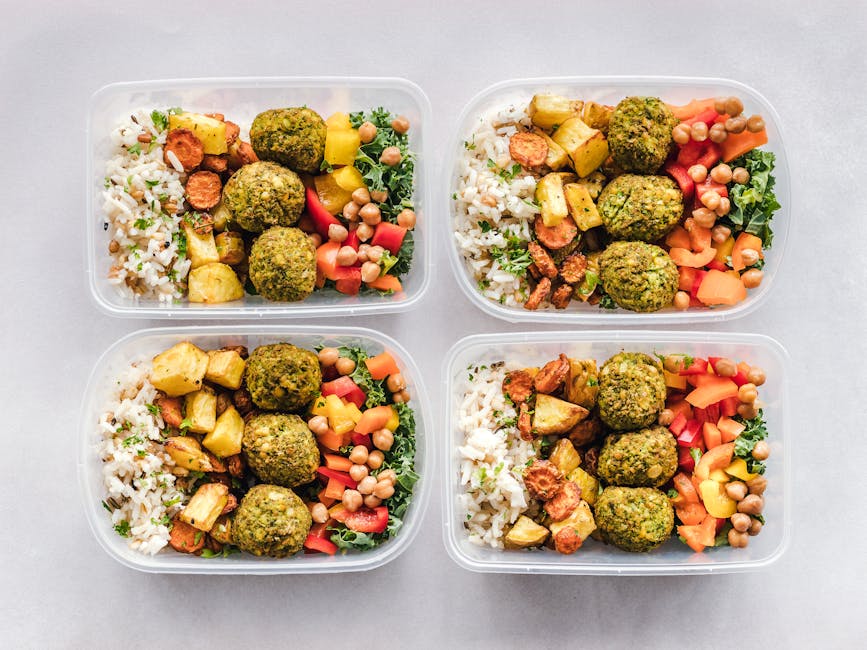
Planning Your Healthy Meal Prep: The Blueprint for Success
The success of your healthy meal prep hinges almost entirely on the planning phase. This is where you lay the groundwork for a week of nutritious, delicious, and stress-free eating. Skipping this step often leads to frustration, wasted food, and a quick return to old habits. Follow these steps for a robust meal prep plan.
Step 1: Assess Your Needs and Goals
Before you even think about recipes, take a moment to understand what you’re trying to achieve:
- Dietary Goals: Are you aiming for weight loss, muscle gain, maintenance, or simply healthier eating? Your goals will dictate your calorie and macronutrient targets (protein, carbs, fats). For weight loss, focus on lean proteins, fiber-rich vegetables, and controlled portions of complex carbs.
- Dietary Restrictions/Preferences: Are you vegetarian, vegan, gluten-free, dairy-free, or do you have any allergies? Plan accordingly.
- Number of Meals to Prep: Decide how many meals you realistically want to prep. All breakfasts, lunches, and dinners? Just lunches? Snacks too? Start small and expand.
- Number of People: Are you cooking for just yourself, a couple, or a family? Adjust quantities accordingly.
- Time Availability: How much time can you realistically dedicate to planning, shopping, and cooking on your prep day? Be honest with yourself.
This initial assessment provides the framework for all subsequent decisions.
Step 2: Choose Your Meals Wisely
Now for the fun part – selecting your meals! This is where you balance nutrition with practicality and personal taste.
- Focus on Balanced Meals: Aim for a good mix of lean protein, complex carbohydrates, healthy fats, and plenty of non-starchy vegetables in each meal. This ensures satiety, stable energy, and comprehensive nutrition.
- Consider Versatility: Can certain components be used in multiple meals? For example, roasted chicken can be a main dish, added to salads, or put into wraps. Cooked quinoa can be a side, a base for a grain bowl, or added to soups.
- Prioritize Shelf Life: Some foods last longer prepped than others. Hardier vegetables (broccoli, carrots, bell peppers) and cooked grains (quinoa, brown rice) tend to hold up well. Delicate greens or avocado might be better prepped fresh or added just before eating.
- Embrace Variety (but not too much): While variety is good to prevent boredom, don’t overwhelm yourself with too many different recipes, especially when starting. Pick 2-3 main recipes that yield multiple servings.
- Seasonal Ingredients: Opting for in-season produce often means better flavor, higher nutrient content, and lower cost.
Think about meals that reheat well. Soups, stews, chilis, casseroles, roasted meats and vegetables, and grain bowls are excellent choices.
Step 3: Build Your Menu
Once you have an idea of your chosen meals, map them out for the week. A simple spreadsheet or even a pen and paper can work wonders.
| Day | Breakfast | Lunch | Dinner | Snacks |
|---|---|---|---|---|
| Monday | Overnight Oats | Chicken & Veggie Grain Bowl | Turkey Chili | Apple & Almond Butter |
| Tuesday | Overnight Oats | Chicken & Veggie Grain Bowl | Turkey Chili | Hard-boiled Eggs |
| Wednesday | Overnight Oats | Chicken & Veggie Grain Bowl | Leftover Turkey Chili | Greek Yogurt |
| Thursday | Smoothie Prep Pack | Salmon & Roasted Asparagus | Sheet Pan Sausage & Peppers | Handful of Nuts |
| Friday | Smoothie Prep Pack | Salmon & Roasted Asparagus | Sheet Pan Sausage & Peppers | Veggies & Hummus |
| Saturday | Eggs & Toast (fresh) | Leftovers / Eat Out | Eat Out / Simple Fresh Meal | Fruit |
| Sunday | Pancakes (fresh) | Light Lunch (fresh) | Meal Prep Cook Session | Protein Bar |
This visual plan helps you see your week at a glance, ensuring you have enough food and preventing repetitive meals if that’s a concern. It also helps you identify where you can reuse components.
Step 4: Create a Smart Grocery List
With your menu in hand, compile a detailed grocery list. This is where you save money and time at the store.
- List All Ingredients: Go through each recipe and list every single ingredient, noting the quantities needed.
- Consolidate: Combine duplicate ingredients (e.g., if two recipes call for chicken breast, list the total amount needed).
- Organize by Store Section: Group items by category (produce, dairy, meat, pantry, frozen) to make your shopping trip efficient and reduce backtracking.
- Check Your Pantry: Before heading to the store, check what you already have to avoid buying duplicates.
A well-organized grocery list is your weapon against impulse buys and forgotten ingredients. With planning complete, you’re ready to hit the grocery store and then the kitchen, confident and prepared.
Healthy Meal Prep Strategies & Techniques to Master
Once you’ve done your planning, it’s time to get cooking! The key to efficient healthy meal prep is employing smart strategies and techniques that maximize your time and yield delicious, ready-to-eat meals. Here are some of the most effective methods:
Batch Cooking: The Cornerstone of Efficiency
Batch cooking involves preparing large quantities of individual food components that can then be mixed and matched into various meals throughout the week. This is arguably the most fundamental and time-saving technique.
- Grains: Cook a large batch of quinoa, brown rice, farro, or couscous. These are versatile bases for bowls, salads, or sides. An Instant Pot makes this incredibly fast.
- Proteins: Roast multiple chicken breasts or thighs, cook a large pot of chili or lentil soup, bake a tray of salmon, or prepare ground turkey/beef. These can be portioned out or added to different dishes.
- Roasted Vegetables: Chop and roast a variety of vegetables (broccoli, bell peppers, zucchini, sweet potatoes, Brussels sprouts) on a large sheet pan. They are flavorful and can be added to almost any meal.
By having these core components ready, assembling a meal becomes a matter of minutes, not an hour.
Ingredient Prep: The Art of Pre-Chopping
Sometimes, simply preparing ingredients in advance is enough to make daily cooking much faster. This is particularly helpful for delicate items or if you prefer to cook dinner fresh each night but want to cut down on prep time.
- Chopping Vegetables: Dice onions, mince garlic, chop carrots, bell peppers, celery, and other hearty vegetables. Store them in airtight containers.
- Washing Greens: Wash and dry leafy greens (spinach, kale, lettuce) and store them with a paper towel in a container or bag to absorb excess moisture.
- Portioning Sauces & Dressings: Prepare your homemade dressings or sauces and portion them into small containers or jars.
- Pre-Marinating Proteins: Marinate chicken, fish, or tofu a day or two in advance. This infuses flavor and tenderizes the protein.
This method significantly reduces the “active” cooking time on busy weeknights.
Component Prep: Mix-and-Match Versatility
This strategy is about cooking individual components (protein, carb, veggie) separately without combining them into a full meal. This offers the most flexibility and helps prevent meal boredom.
- Cook a large batch of grilled chicken.
- Roast a pan of sweet potatoes.
- Steam a large quantity of green beans.
Then, each day, you can combine these components in different ways: chicken with sweet potatoes and green beans one day, chicken in a salad the next, or sweet potatoes mashed as a side. Add different seasonings or sauces to vary the flavor profile.
Freezing for Future Meals: Your Deep Freeze Arsenal
Freezing is a fantastic way to extend the life of your prepped meals and ensure you always have a healthy option on hand. This is particularly useful for larger batch recipes.
- Soups, Stews, Chilis: These freeze exceptionally well. Portion them into individual servings before freezing.
- Cooked Grains: Cooked quinoa or brown rice can be frozen in individual portions and reheated easily.
- Cooked Proteins: Shredded chicken, cooked ground meat, or even individual grilled chicken breasts freeze well.
- Casseroles: Many casseroles can be assembled and frozen unbaked, or baked and then frozen in portions.
Always ensure food is completely cooled before freezing to prevent ice crystals and maintain quality. Use freezer-safe containers or bags and label clearly with the date.
One-Pan / One-Pot Meals: Minimal Effort, Maximum Flavor
These methods are designed for simplicity, minimizing cleanup while delivering delicious results. They are excellent for preparing multiple servings at once.
- Sheet Pan Meals: Combine proteins (chicken sausage, firm fish, chicken pieces) and sturdy vegetables (broccoli, bell peppers, onions, potatoes) on a single sheet pan, toss with oil and seasonings, and roast until tender and slightly caramelized.
- Slow Cooker / Instant Pot Meals: These appliances excel at “set it and forget it” cooking. Dump all ingredients for a chili, stew, or pulled chicken into the pot, and let it do the work. Great for active prep days where you’re doing other tasks.
These techniques are perfect for beginners or anyone looking to reduce the complexity of their meal prep routine.
Salad Jars: Freshness for Days
Layering ingredients in a Mason jar prevents greens from getting soggy, keeping salads fresh for up to 4-5 days.
- Layering Technique: Start with dressing at the bottom, followed by hardier vegetables (carrots, cucumbers, bell peppers), then grains or pasta, then protein (chicken, chickpeas), and finally, delicate greens on top.
When ready to eat, simply shake the jar or empty it into a bowl for a perfectly dressed, fresh salad.
By strategically employing these meal prep techniques, you can transform your kitchen into an efficiency hub, producing a week’s worth of healthy, delicious meals with minimal stress and maximum impact on your health goals.
Key Nutritional Components for Healthy Meal Prep
The foundation of healthy meal prep is, naturally, healthy ingredients. Focusing on nutrient-dense foods will ensure your prepped meals provide sustained energy, support weight management, and contribute to overall well-being. Here’s a breakdown of the essential components to include:
Lean Proteins: Building Blocks for Success
Protein is crucial for muscle repair and growth, satiety, and maintaining a healthy metabolism. Aim to include a lean protein source in every meal.
- Chicken Breast/Thighs: Versatile, affordable, and easy to cook in bulk (grilled, roasted, shredded).
- Fish (Salmon, Cod, Tilapia): Rich in omega-3 fatty acids (salmon) and lean protein. Bake or pan-sear.
- Turkey (Ground, Breast): A lean alternative to beef, great for chili, meatballs, or stir-fries.
- Eggs/Egg Whites: Excellent for breakfast prep (hard-boiled, frittatas, egg muffins).
- Legumes (Lentils, Chickpeas, Black Beans): Plant-based powerhouses packed with protein and fiber. Great for vegetarian/vegan prep.
- Tofu/Tempeh: Versatile plant-based proteins that absorb flavors well, perfect for stir-fries or baked dishes.
- Greek Yogurt/Cottage Cheese: High in protein, ideal for snacks or breakfast.
Complex Carbohydrates: Sustained Energy and Fiber
Complex carbs provide sustained energy, essential fiber for digestive health, and important micronutrients. Avoid refined carbs which lead to energy crashes.
- Quinoa: A complete protein and complex carb, cooks quickly, and is very versatile.
- Brown Rice/Wild Rice: Excellent sources of fiber and energy.
- Sweet Potatoes/Potatoes: Nutrient-dense, great for roasting, mashing, or baking.
- Oats: Perfect for overnight oats or warm oatmeal bowls for breakfast.
- Whole-Grain Pasta: A healthier alternative to white pasta, providing more fiber.
- Whole-Grain Breads/Wraps: Choose options with minimal added sugars.
Healthy Fats: Essential for Hormones and Satiety
Healthy fats are vital for hormone production, nutrient absorption, and keeping you feeling full and satisfied. Focus on unsaturated fats.
- Avocados: Rich in monounsaturated fats, great for adding creaminess and nutrients to salads or as a side (add just before eating if possible to prevent browning).
- Nuts & Seeds (Almonds, Walnuts, Chia Seeds, Flax Seeds): Excellent sources of healthy fats, protein, and fiber. Ideal for snacks or additions to meals.
- Olive Oil/Avocado Oil: Best for cooking and dressings.
- Fatty Fish (Salmon, Mackerel): Also a source of beneficial omega-3s.
Abundant Vegetables: Vitamins, Minerals, and Fiber
Vegetables should make up a significant portion of your meals. They are low in calories, high in fiber, and packed with essential vitamins and minerals.
- Leafy Greens (Spinach, Kale, Mixed Greens): Nutrient powerhouses, great for salads, stir-fries, or adding to almost any meal.
- Cruciferous Vegetables (Broccoli, Cauliflower, Brussels Sprouts): High in fiber and various health-promoting compounds. Roast or steam in bulk.
- Bell Peppers, Zucchini, Asparagus, Green Beans: Colorful and nutrient-rich, versatile for roasting, steaming, or stir-frying.
- Onions & Garlic: Flavor bases for many dishes, also offer health benefits.
Fruits: Natural Sweetness and Antioxidants
Fruits provide natural sugars, fiber, and a wealth of antioxidants. Great for snacks, breakfast, or as a healthy dessert.
- Berries (Blueberries, Raspberries, Strawberries): Low in sugar, high in antioxidants.
- Apples, Bananas, Oranges: Convenient and nutrient-dense.
- Melons: Hydrating and refreshing.
Herbs & Spices: Flavor Without Compromise
Don’t underestimate the power of herbs and spices to elevate your meals without adding excess sodium, sugar, or unhealthy fats. Stock your pantry with a variety of dried herbs and spices, and use fresh herbs for garnishing or adding vibrant flavor just before serving.
By thoughtfully incorporating these nutritional components into your meal prep, you’ll ensure your body receives the fuel it needs to thrive, making your journey towards a leaner, healthier you both delicious and sustainable.
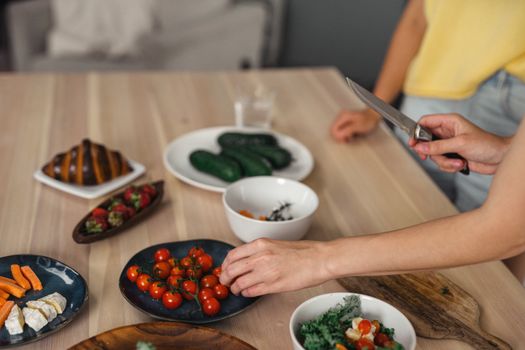
Sample Weekly Healthy Meal Prep Plan for Weight Loss
To help you visualize how these strategies come together, here’s a sample meal prep plan focused on healthy eating and weight loss, demonstrating how to build a week’s worth of nutritious meals using batch-cooked components. This plan is designed for one person, Monday to Friday, with flexibility on weekends.
Core Components to Prep on Sunday:
- Lean Protein (Chicken): Roast 4-5 boneless, skinless chicken breasts (approx.
Photo by Kampus Production on Pexels