How to Stop Sugar Cravings Instantly & For Good
The magnetic pull of a sugary treat – whether it’s a glistening donut, a decadent chocolate bar, or a refreshing soda – is a battle many of us fight daily. Sugar cravings are more than just a fleeting desire; they can feel like an overwhelming physiological and psychological urge that derails healthy eating plans, saps energy, and contributes to a cycle of guilt and frustration. At GetLeanPulse.com, we understand this struggle intimately, and we’re here to equip you with an arsenal of strategies to not only stop sugar cravings instantly but also to conquer them for the long haul.
Imagine a life where you’re in control, where the thought of a sugary snack doesn’t send you into a spiraling quest, and where you can enjoy natural sweetness without guilt. This isn’t a fantasy; it’s an achievable reality. This comprehensive guide will delve deep into the science behind your sweet tooth, offering practical, evidence-based solutions that range from immediate craving crushers to sustainable lifestyle adjustments. We’ll explore why these cravings occur, what triggers them, and how you can systematically dismantle their power over your health and well-being. Get ready to reclaim your health, stabilize your energy, and transform your relationship with food.
Understanding the Enemy: What Are Sugar Cravings?
Before we can conquer sugar cravings, we must first understand their nature. A sugar craving isn’t just a simple desire; it’s a complex interplay of physiological and psychological factors. At its core, sugar triggers a powerful reward system in our brains, releasing neurotransmitters like dopamine, which create feelings of pleasure and well-being. This immediate gratification can lead to a vicious cycle: eat sugar, feel good, sugar levels drop, feel bad, crave more sugar to feel good again.
Scientifically, consuming sugar causes a rapid spike in blood glucose. In response, your pancreas releases insulin to shuttle that glucose into your cells for energy. However, if too much insulin is released, or if your body is particularly sensitive, blood sugar levels can drop too quickly, leading to a “sugar crash.” This crash often manifests as fatigue, irritability, and, you guessed it, intense cravings for more sugar to bring those levels back up. This blood sugar roller coaster is a primary driver of many cravings.
Beyond the physiological, psychological factors play a huge role. Sugar can become a coping mechanism for stress, boredom, sadness, or even celebration. It’s often intertwined with habits – a sugary snack after dinner, a candy bar during a stressful meeting, or a sweet drink while watching TV. Identifying whether your craving is truly physiological (your body needing energy/nutrients) or psychological (an emotional response or habit) is the first step in effectively addressing it.
Common triggers for sugar cravings include:
- Stress: Cortisol, the stress hormone, can increase cravings for high-calorie, sugary foods.
- Lack of Sleep: Poor sleep disrupts hunger-regulating hormones (ghrelin and leptin), leading to increased appetite and sugar desires.
- Dehydration: Often confused with hunger or cravings, a simple glass of water can sometimes make a craving disappear.
- Nutrient Deficiencies: Sometimes, a craving for chocolate, for example, might be a subtle signal of magnesium deficiency.
- Boredom or Emotional Triggers: Eating out of habit or as a distraction from uncomfortable feelings.
- Unbalanced Meals: Meals lacking sufficient protein, fiber, or healthy fats can lead to rapid blood sugar spikes and subsequent crashes, fueling cravings.
- Artificial Sweeteners: While seemingly a solution, some studies suggest they can perpetuate a sweet tooth and even lead to increased cravings for real sugar.
Understanding these underlying mechanisms and triggers empowers you to choose the right strategy at the right time. Now, let’s dive into the immediate and long-term solutions.
Part 1: The “Instant Fix” Arsenal – Strategies for Immediate Relief
When a sugar craving hits hard, you need strategies that work fast. These are your emergency tools, designed to interrupt the craving cycle and provide immediate relief, giving you the power to choose a healthier path.
The 5-Minute Rule: Distraction & Delay
Often, a craving feels overwhelming, but its intensity can pass quickly. Implement the “5-Minute Rule.” When a craving strikes, commit to waiting just five minutes before giving in. During this time, actively distract yourself. Engage your mind and body in something else. This short delay can be incredibly effective because cravings often peak and then subside. What to do during those five minutes?
- Mindfulness and Deep Breathing: Focus on your breath. Inhale slowly, hold, exhale slowly. This activates your parasympathetic nervous system, reducing stress and helping you gain control.
- Quick Chore: Load the dishwasher, tidy your desk, make your bed. A small accomplishment can shift your focus and provide a sense of control.
- Call a Friend or Loved One: Engaging in social interaction can take your mind off food and provide emotional support if the craving is stress-related.
- Engage Your Senses: Listen to a favorite song, light a scented candle (non-food scent), or look at something beautiful.
Hydration Hero: Drink Water
One of the simplest yet most overlooked strategies is to drink a large glass of water. Our bodies often confuse thirst with hunger or a craving for something sweet. When you’re dehydrated, your body’s energy production can slow down, leading to a desire for quick energy – often in the form of sugar. Furthermore, water can fill your stomach, providing a temporary sense of fullness that can help to curb the immediate urge. For an extra boost, add a slice of lemon or lime; the slight tartness can sometimes cut through a sweet craving.
The Power of Protein & Healthy Fats
If you suspect your craving is due to a dip in blood sugar or genuine hunger, reaching for protein and healthy fats is a game-changer. Unlike simple sugars, protein and fats digest slowly, providing sustained energy and stabilizing blood sugar levels without the dramatic spikes and crashes. This helps to quell the craving from a physiological standpoint. Keep these quick options on hand:
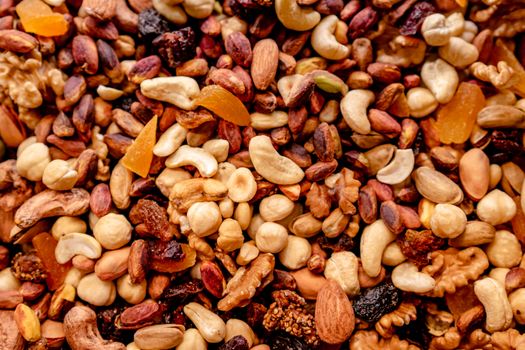
- A handful of almonds or walnuts
- A hard-boiled egg
- A small serving of Greek yogurt (plain, unsweetened)
- A slice of avocado
- A piece of cheese
- A spoonful of nut butter (sugar-free)
Go for a Walk
Physical activity, even a short burst, can be incredibly effective in combating cravings. A brisk 10-15 minute walk can do wonders. It changes your scenery, distracts your mind, and releases endorphins – your body’s natural mood boosters. These endorphins can help counteract any emotional triggers for cravings, and the physical act of moving can help shift your focus away from food. Plus, fresh air can be invigorating and help clear your head.
Brush Your Teeth or Chew Gum
This is a clever psychological trick. Brushing your teeth, especially with a strong mint-flavored toothpaste, creates a fresh, clean sensation in your mouth. This often signals to your brain that “mealtime is over,” making the idea of eating something sweet less appealing. Similarly, chewing a piece of sugar-free gum can provide a distraction, a sweet taste (without the sugar), and the physical act of chewing, which can satisfy an oral fixation.
Aromatherapy & Sensory Diversion
Our sense of smell is powerfully linked to our appetite and cravings. Certain aromas, particularly invigorating or non-food scents, can help to disrupt a sugar craving. Try sniffing peppermint essential oil, or even a vanilla extract. Some find that smelling something completely unrelated to food, like a fragrant flower or a scented candle (again, non-food scent), can help to shift focus and reduce the intensity of the craving.
Mindful Indulgence (If All Else Fails – Small Portion)
Sometimes, resisting a craving completely can backfire, leading to an eventual binge. If you’ve tried other strategies and the craving persists, consider mindful indulgence. This means allowing yourself a very small, carefully chosen portion of the desired treat. The key is to make it a conscious, guilt-free decision, and to savor every bite. Choose quality over quantity. For example, if you’re craving chocolate, opt for a small square of high-quality dark chocolate (70% cocoa or higher) instead of a milk chocolate bar. Dark chocolate has less sugar and more antioxidants, and its bitterness can be more satisfying in smaller amounts.
The “Sour” or “Bitter” Bomb
Introducing a sour or bitter taste can sometimes instantly neutralize a sweet craving. This is because these tastes can disrupt the palate and shift your focus away from sugar. Try a small sip of diluted apple cider vinegar (1-2 tablespoons in a glass of water). The tartness can be surprisingly effective. Other options include a small handful of bitter greens like radicchio or arugula, or even a sugar-free sour candy (used very sparingly to avoid over-reliance on artificial sweeteners).

Part 2: Long-Term Strategies to Conquer Cravings Permanently
While the instant fixes are crucial for immediate relief, sustainable freedom from sugar cravings requires a more holistic approach. These long-term strategies focus on addressing the root causes and building a robust foundation for lasting health.
Optimize Your Diet: The Foundation
Your daily food choices are the most powerful weapon against sugar cravings. A diet rich in whole, unprocessed foods that stabilize blood sugar is paramount.
- Balanced Meals: Ensure every meal contains a good balance of protein, fiber, and healthy fats.
- Protein: Lean meats, poultry, fish, eggs, legumes, tofu, Greek yogurt. Protein slows digestion and helps you feel full and satisfied. It also has a lower impact on blood sugar compared to carbohydrates. Aim for 20-30 grams of protein per meal.
- Fiber-Rich Foods: Found in fruits (especially with the skin on), vegetables, whole grains (oats, quinoa, brown rice), beans, and lentils. Fiber slows the absorption of sugar into the bloodstream, preventing spikes and crashes. It also adds bulk to your diet, promoting satiety.
- Healthy Fats: Avocados, nuts, seeds (chia, flax, hemp), olive oil, fatty fish (salmon, mackerel). Healthy fats contribute to satiety, support hormone production, and don’t cause blood sugar spikes. They help you feel fuller for longer, reducing the likelihood of reaching for a sugary snack.
By consuming balanced meals, you create a stable internal environment, significantly reducing the physiological need for quick sugar fixes.
- Avoid Refined Carbs and Processed Foods: These are the biggest culprits. White bread, pastries, sugary cereals, processed snacks, and sugary drinks are rapidly digested, causing sharp blood sugar spikes followed by crashes that trigger intense cravings. Gradually reduce your intake of these items and replace them with their whole-food counterparts.
Consistent Hydration: More Than Just Thirst
Beyond being an instant fix, consistent hydration throughout the day is a cornerstone of preventing cravings. Dehydration can mimic hunger and lead to fatigue, making you instinctively reach for sugary, energy-dense foods. Make it a habit to drink water regularly, even when you don’t feel thirsty. Keep a water bottle handy and sip throughout the day. Herbal teas (unsweetened) like peppermint, ginger, or chamomile can also contribute to your fluid intake and offer additional health benefits.
Prioritize Sleep: The Unsung Hero
Sleep deprivation is a major, often underestimated, driver of sugar cravings. When you don’t get enough quality sleep, your body’s hormonal balance goes awry.
- Ghrelin and Leptin: Sleep deprivation increases ghrelin (the “hunger hormone”) and decreases leptin (the “satiety hormone”), leading to increased appetite and a stronger desire for high-calorie, sugary foods.
- Cortisol: Lack of sleep also elevates cortisol levels, which can increase insulin resistance and lead to fat storage, particularly around the abdomen, while simultaneously driving sugar cravings.
- Insulin Sensitivity: Poor sleep can decrease insulin sensitivity, meaning your body has to produce more insulin to manage blood sugar, which can contribute to sugar crashes and cravings.
Aim for 7-9 hours of quality sleep per night. Establish a consistent sleep schedule, create a relaxing bedtime routine, and optimize your sleep environment to support better rest.
Stress Management Techniques
Chronic stress is a powerful trigger for sugar cravings. When stressed, your body releases cortisol, which signals a need for quick energy, often leading to a desire for sugary, comforting foods. Learning to manage stress effectively is crucial for long-term craving control. Incorporate stress-reducing practices into your daily routine:
- Mindfulness and Meditation: Even 10-15 minutes a day can significantly reduce stress levels.
- Yoga or Tai Chi: Combine physical movement with breathwork and mindfulness.
- Deep Breathing Exercises: Simple techniques can calm your nervous system instantly.
- Nature Exposure: Spending time outdoors can lower cortisol and improve mood.
- Hobbies and Creative Outlets: Engage in activities you enjoy to provide a healthy distraction and sense of accomplishment.
Exercise Regularly
Regular physical activity is a powerful tool against sugar cravings. Exercise helps in several ways:
- Stabilizes Blood Sugar: Physical activity helps your cells utilize glucose more efficiently, improving insulin sensitivity and preventing drastic blood sugar fluctuations.
- Reduces Stress: Exercise is a natural stress reliever, helping to lower cortisol levels and reduce stress-induced cravings.
- Boosts Mood: It releases endorphins, the “feel-good” chemicals, which can combat emotional eating and cravings driven by low mood.
- Distraction: Engaging in physical activity takes your mind off food and can change your focus.
You don’t need to become a marathon runner; even moderate activities like brisk walking, cycling, swimming, or dancing for 30 minutes most days of the week can make a significant difference.
Identify and Address Nutrient Deficiencies
Sometimes, a persistent craving might be your body’s way of signaling a nutrient deficiency.
- Magnesium: Often linked to chocolate cravings. Magnesium plays a role in blood sugar regulation and energy production. Good sources include leafy greens, nuts, seeds, and dark chocolate (which might explain the craving!).
- Chromium: Helps with insulin sensitivity and glucose metabolism. Found in broccoli, grapes, whole grains, and lean meats.
- B Vitamins: Essential for energy metabolism. Deficiencies can lead to fatigue, which might trigger a desire for quick sugar energy. Found in whole grains, eggs, meat, and leafy greens.
If you suspect a deficiency, consult with a doctor or a registered dietitian. They can recommend appropriate testing and supplementation if necessary.
Mindful Eating Practices
Mindful eating is about paying full attention to your food – its taste, texture, smell, and the experience of eating it. It also involves listening to your body’s hunger and fullness cues.
- Eat Slowly: Give your body time to register satiety. It takes about 20 minutes for your brain to receive signals that you’re full.
- Savor Each Bite: Truly taste and enjoy your food. This can increase satisfaction and reduce the desire for more.
- Eliminate Distractions: Avoid eating in front of the TV, computer, or phone. Focus solely on your meal.
- Recognize Hunger Cues: Learn to differentiate between physical hunger and emotional hunger or cravings. Ask yourself, “Am I truly hungry, or am I craving this for another reason?”
Practicing mindful eating helps you become more attuned to your body’s needs and less reactive to impulsive cravings.
Break the Habit Loop
Many sugar cravings are simply habits. They’re triggered by specific cues (time of day, location, emotion) and followed by a reward (the sugary treat). To break the loop, you need to identify your triggers and replace the sugary reward with a healthier alternative.
- Journaling: Keep a craving journal. Note when cravings occur, what you were doing, how you were feeling, and what you craved. This helps identify patterns.
- Replace the Reward: If your habit is a sweet treat after dinner, try replacing it with a cup of herbal tea, a small piece of fruit, a short walk, or reading a book. The key is to find a non-food reward that still satisfies a similar need (e.g., relaxation, comfort).
- Change Your Environment: Remove tempting sugary foods from your home and workplace. Out of sight, out of mind is a powerful strategy.
Sweet Substitutes & Natural Alternatives
While the ultimate goal is to reduce your reliance on intense sweetness, natural alternatives and carefully chosen substitutes can help ease the transition.
- Whole Fruit: Nature’s candy! Whole fruits contain natural sugars, but they also come packed with fiber, vitamins, and antioxidants, which slow sugar absorption and provide nutrients. Berries, apples, and bananas are great options.
- Cinnamon: This spice can naturally enhance sweetness in foods without adding sugar. It also has blood sugar-stabilizing properties. Sprinkle it on oatmeal, yogurt, or in your coffee.
- Natural Sweeteners (Use Sparingly): Stevia, monk fruit, and erythritol are natural, zero-calorie sweeteners. While they can be helpful during the transition, use them mindfully. Some research suggests they may still perpetuate a sweet tooth or affect gut microbiota. Focus on truly reducing your desire for sweetness rather than just replacing it.
Meal Planning & Preparation
Failing to plan is planning to fail, especially when it comes to managing cravings. When you’re hungry and unprepared, you’re far more likely to grab the quickest, often unhealthiest, option available – which is usually loaded with sugar.
- Plan Your Meals: Dedicate time each week to plan out your meals and snacks.
- Prepare Ahead: Batch cook protein, chop vegetables, and portion out healthy snacks like nuts or fruit.
- Always Have Healthy Snacks: Keep healthy, portable snacks readily available in your bag, car, or desk drawer. This prevents you from reaching for vending machine junk when hunger strikes.
This proactive approach ensures you always have nourishing options at hand, making it easier to resist impulsive sugar choices.
Seek Support & Accountability
You don’t have to tackle sugar cravings alone. Having a support system can make a significant difference.
- Friends and Family: Share your goals with supportive loved ones. They can offer encouragement, avoid tempting you, and even join you in your efforts.
- Online Communities: Join health and wellness forums or social media groups focused on sugar reduction. Sharing experiences and tips can be motivating.
- Health Coach or Dietitian: A professional can provide personalized guidance, strategies, and accountability tailored to your specific needs and challenges.
- Journaling: Regularly documenting your progress, challenges, and feelings can provide self-accountability and help you identify patterns and triggers.
When to Seek Professional Help
While the strategies outlined above are highly effective for most people, there are instances when sugar cravings can be a symptom of a deeper issue or feel overwhelmingly difficult to manage alone. It’s important to recognize when professional help might be beneficial:
- Overwhelming Cravings: If cravings feel uncontrollable, significantly impact your daily life, or lead to feelings of shame and guilt despite your best efforts.
- Suspected Underlying Conditions: Persistent cravings, especially when accompanied by other symptoms like extreme fatigue, unexplained weight changes, or mood swings, could indicate underlying conditions such as insulin resistance, pre-diabetes/diabetes, hormonal imbalances (e.g., PCOS, thyroid issues), or even gut dysbiosis (like Candida overgrowth).
- Eating Disorders: If your relationship with food feels disordered, or if you engage in cycles of restriction and bingeing, a therapist specializing in eating disorders can provide essential support.
- Nutrient Deficiencies: As mentioned, a doctor or registered dietitian can help identify and address specific nutrient deficiencies that might be contributing to your cravings.
- Chronic Stress or Mental Health Concerns: If stress, anxiety, or depression are significant drivers of your sugar consumption, a mental health professional can provide strategies and support to address these root causes.
A registered dietitian can offer personalized dietary advice, help you create a sustainable eating plan, and guide you through the process of reducing sugar. A doctor can rule out any medical conditions and provide guidance on overall health. Don’t hesitate to reach out if you feel you need extra support; it’s a sign of strength, not weakness.
Recap and Final Encouragement
Conquering sugar cravings is a journey, not a destination. It requires patience, persistence, and self-compassion. There will be days when you slip up, and that’s okay. The key is to learn from those moments, get back on track, and continue implementing the strategies that work best for you.
Remember, you have a powerful arsenal at your disposal: instant fixes for those urgent moments and long-term strategies for sustainable change. By understanding the science of cravings, optimizing your diet, prioritizing sleep, managing stress, staying hydrated, and incorporating regular movement, you are building a strong foundation for a life free from the grip of excessive sugar.
Each small, consistent effort contributes to significant results over time. You are not just stopping sugar cravings; you are reclaiming your energy, improving your mood, enhancing your overall health, and transforming your relationship with food. Embrace the process, celebrate your victories, and be kind to yourself along the way. Your journey to a healthier, happier, and less sugar-dependent life starts now. Get ready to feel the difference and experience the true pulse of healthy living!
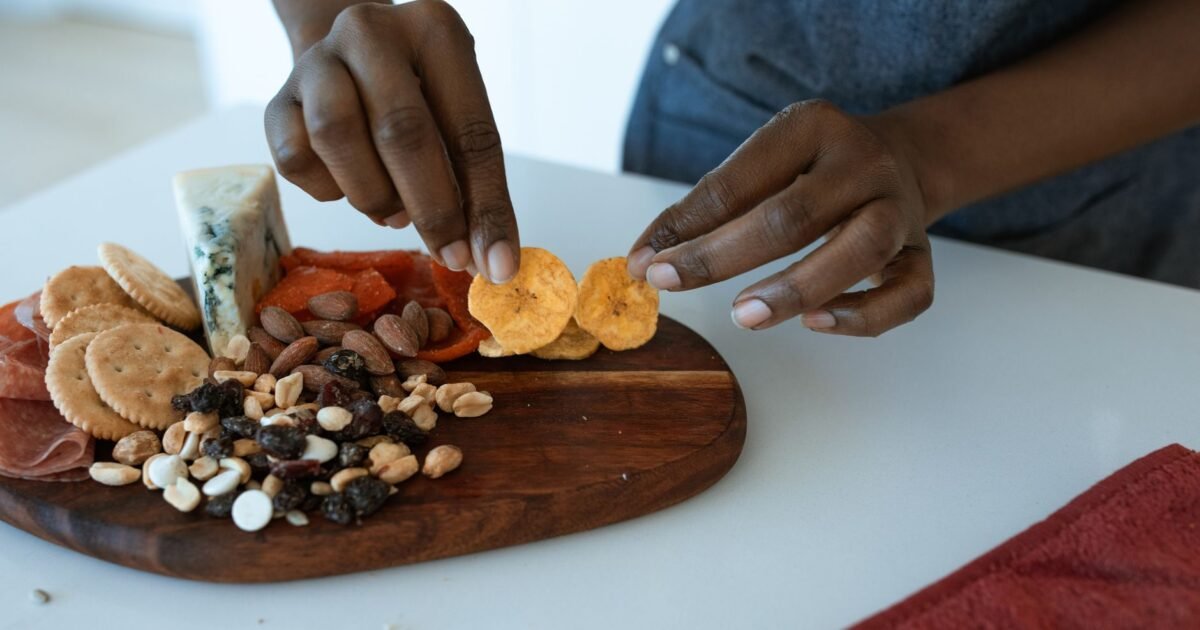
Photo by RDNE Stock project on Pexels