Best Foods for Rapid Weight Loss: Your Ultimate Guide to Getting Lean Fast
Are you ready to transform your body and achieve rapid weight loss? The journey to a leaner, healthier you doesn’t have to be a struggle filled with deprivation. In fact, by focusing on the right foods – those that are nutrient-dense, incredibly satisfying, and metabolism-boosting – you can accelerate your progress and feel fantastic while doing it. At GetLeanPulse.com, we believe in empowering you with actionable, science-backed strategies, and today, we’re diving deep into the ultimate list of foods that will supercharge your rapid weight loss efforts.
Rapid weight loss, when approached correctly, is about more than just cutting calories. It’s about optimizing your nutrition to fuel your body, reduce cravings, preserve muscle mass, and burn fat efficiently. This comprehensive guide will walk you through the top food categories and specific items that are your allies in this quest, explaining *why* they work and *how* to incorporate them into your daily life for maximum impact. Prepare to revolutionize your plate and unlock your body’s potential for quick, sustainable results.
The Foundational Principles of Rapid Weight Loss Through Food
Before we explore the specific foods, let’s briefly touch upon the core principles that these foods help facilitate:
- Calorie Deficit: To lose weight, you must consume fewer calories than you burn. The foods listed below help achieve this by being low in calories relative to their volume and nutrient content.
- High Protein Intake: Protein is king for weight loss. It increases satiety, reduces appetite, helps preserve lean muscle mass during a calorie deficit, and has a higher thermic effect (meaning your body burns more calories digesting it).
- Abundant Fiber: Fiber adds bulk to your meals, making you feel fuller for longer. It also aids digestion, stabilizes blood sugar, and can reduce overall calorie absorption.
- Hydration: Many of these foods have high water content, which contributes to satiety and overall body function. Drinking plenty of water is also crucial.
- Nutrient Density: Focusing on foods rich in vitamins, minerals, and antioxidants ensures your body gets the essential nutrients it needs, preventing deficiencies that can hinder weight loss and overall health.
By prioritizing foods that align with these principles, you create an environment where your body is primed for fat loss, without feeling constantly hungry or deprived.
Category 1: Lean Proteins – Your Satiety Superheroes
Protein is the cornerstone of any rapid weight loss diet. It’s the macronutrient that keeps you full, helps build and repair muscle, and has the highest thermic effect of food (TEF), meaning you burn more calories digesting it than carbs or fats. Aim for a protein source at every meal.
1. Chicken Breast (Skinless)
Why it works: Chicken breast is incredibly lean, packed with high-quality protein, and very versatile. It provides essential amino acids without excess saturated fat, making it perfect for muscle maintenance and satiety.
- Nutritional Powerhouse: A 3.5-ounce (100-gram) serving of cooked, skinless chicken breast contains approximately 31 grams of protein and around 165 calories, with minimal fat.
- Satiety Factor: Its high protein content significantly reduces hunger and subsequent calorie intake throughout the day. Studies consistently show that high-protein meals lead to greater feelings of fullness compared to high-carb or high-fat meals.
- Metabolic Boost: The thermic effect of protein is substantial, meaning your body expends a considerable amount of energy just to digest and metabolize it. This contributes to a higher overall daily calorie burn.
- Versatility: Grilled, baked, shredded in salads, stir-fries, or soups – chicken breast can be incorporated into almost any meal, making it easy to stick to your diet.
How to enjoy: Grill or bake with herbs and spices. Slice into salads, wraps, or stir-fries. Use shredded chicken in tacos or lettuce wraps. Avoid frying or adding creamy, high-calorie sauces.
2. Turkey (Lean Ground, Breast)
Why it works: Similar to chicken, lean turkey is a fantastic source of protein. Ground turkey is an excellent alternative to ground beef, especially when aiming for lower fat content.
- Lean and Mean: Opt for 93% lean or higher ground turkey, or stick to turkey breast. A 3.5-ounce serving of lean ground turkey can provide around 22-25 grams of protein for about 160-180 calories.
- Flavor Profile: Turkey has a mild flavor that adapts well to various seasonings, making it a great base for many dishes.
- Nutrient Rich: Provides B vitamins (especially B6 and B12), selenium, and zinc, all crucial for energy metabolism and overall health.
How to enjoy: Make turkey burgers (without the bun, or with a lettuce wrap), lean meatballs, or use ground turkey in chili, lasagna, or tacos. Turkey breast slices are great for sandwiches or as a snack.
3. Fish (Salmon, Cod, Tuna, Tilapia)
Why it works: Fish offers lean protein and, in the case of fatty fish like salmon, crucial omega-3 fatty acids that support metabolism and reduce inflammation.
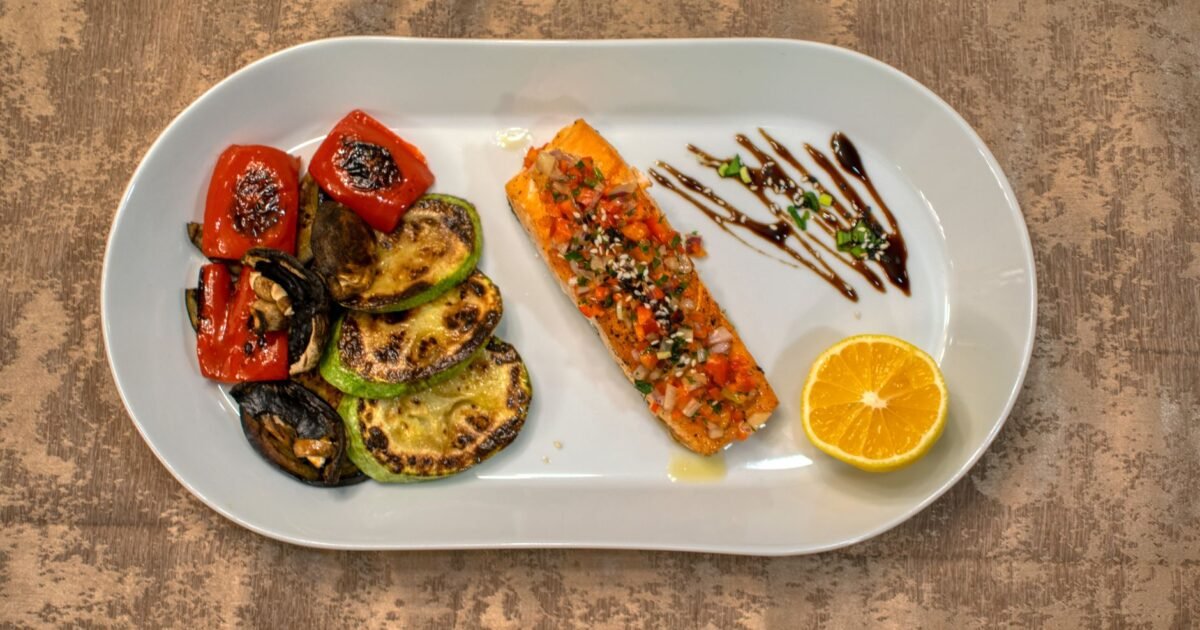
- Omega-3 Powerhouse (Salmon): Salmon is renowned for its high content of EPA and DHA omega-3 fatty acids, which are beneficial for heart health, brain function, and may play a role in fat metabolism. Despite being higher in fat than white fish, these are healthy fats that contribute to satiety. A 3.5-ounce serving of salmon contains about 20-25 grams of protein and 180-200 calories.
- Ultra-Lean White Fish (Cod, Tilapia, Haddock): These fish are incredibly low in calories and high in protein. A 3.5-ounce serving of cod, for instance, provides about 18 grams of protein for only 80-90 calories. They are perfect for maximizing protein intake without adding significant calories.
- Canned Tuna (in Water): A convenient and affordable protein source. One can (about 5 ounces drained) can provide over 30 grams of protein for around 150 calories.
How to enjoy: Bake, grill, or pan-sear salmon or white fish with lemon and herbs. Use canned tuna (in water) for salads, lettuce wraps, or mixed with Greek yogurt for a healthier tuna salad.
4. Eggs
Why it works: Eggs are a complete protein source, meaning they contain all nine essential amino acids. They are incredibly filling and nutrient-dense for their calorie count.
- Complete Protein: Each large egg provides about 6 grams of high-quality protein for only about 70-80 calories. The protein in eggs is highly bioavailable, meaning your body can easily utilize it.
- Nutrient Rich: Eggs are a good source of choline (important for brain health and metabolism), vitamin D, B vitamins, and antioxidants like lutein and zeaxanthin (for eye health).
- Satiety Champion: Studies have shown that eating eggs for breakfast can lead to greater satiety and reduced calorie intake throughout the rest of the day compared to carb-based breakfasts.
How to enjoy: Scrambled, boiled, poached, or as an omelet with plenty of vegetables. Hard-boiled eggs make a great portable snack.
5. Greek Yogurt (Plain, Non-Fat)
Why it works: Greek yogurt is a dairy powerhouse, significantly higher in protein than regular yogurt, and contains probiotics beneficial for gut health.
- Protein Powerhouse: A 6-ounce (170-gram) serving of plain, non-fat Greek yogurt can contain 15-20 grams of protein for about 100-120 calories.
- Probiotic Benefits: Contains live cultures (probiotics) that support a healthy gut microbiome, which is increasingly linked to weight management and overall health.
- Calcium Rich: Excellent source of calcium, important for bone health.
How to enjoy: Eat it plain, or mix with berries and a sprinkle of nuts. Use as a base for smoothies, a healthy sour cream substitute, or in savory dips. Always choose plain, non-fat varieties to avoid added sugars and excess calories.
6. Cottage Cheese
Why it works: Cottage cheese is another excellent high-protein, low-calorie dairy option, particularly rich in casein protein, which digests slowly and provides sustained satiety.
- Casein Protein: Known for its slow-digesting properties, casein protein keeps you feeling full for longer, making cottage cheese an ideal snack, especially before bed. A half-cup (113 grams) of low-fat cottage cheese provides around 12-14 grams of protein for about 80-90 calories.
- Versatile: Can be enjoyed sweet or savory.
How to enjoy: Top with fruit, tomatoes and black pepper, or use as a protein boost in savory dishes.

Category 2: Non-Starchy Vegetables – Volume Without Calories
These vegetables are your best friends for rapid weight loss. They are incredibly low in calories, high in water and fiber, and packed with essential vitamins and minerals. You can eat large quantities of them to feel full without significantly impacting your calorie goals.
7. Leafy Greens (Spinach, Kale, Lettuce, Arugula)
Why it works: Leafy greens are nutrient powerhouses with incredibly few calories. They provide volume, fiber, and a wide array of vitamins and minerals.
- Calorie Density: A cup of spinach has only about 7 calories. A head of lettuce has barely 50. You can eat a massive amount of these for negligible calories.
- Fiber Rich: Though not as high in fiber as some other vegetables, the fiber present contributes to satiety and digestive health.
- Nutrient Superstars: Loaded with vitamins K, A, and C, folate, iron, and various antioxidants. These nutrients are vital for energy production, immune function, and overall well-being, which are especially important during weight loss.
- High Water Content: Contributes to hydration and fullness.
How to enjoy: Use as a base for salads, add to smoothies, stir into soups, stews, or omelets. Sauté spinach or kale with garlic and a touch of olive oil.
8. Broccoli and Cauliflower
Why it works: These cruciferous vegetables are extremely high in fiber, vitamins, and minerals, and very low in calories. They are incredibly filling and offer anti-inflammatory benefits.
- Fiber King: A cup of cooked broccoli contains about 5 grams of fiber for just 55 calories. Cauliflower is similar, with about 3 grams of fiber for 27 calories per cup. This fiber content helps slow digestion, stabilize blood sugar, and promote satiety.
- Nutrient Dense: Excellent sources of Vitamin C, K, folate, and potassium. They also contain unique compounds called glucosinolates, which have anti-cancer properties.
- Versatility: Can be roasted, steamed, stir-fried, or eaten raw. Cauliflower can even be riced or mashed as a low-carb alternative to grains or potatoes.
How to enjoy: Steam or roast with a light seasoning. Add to stir-fries, curries, or use as a side dish. Cauliflower rice is a fantastic substitute for white rice.
9. Bell Peppers
Why it works: Colorful, crunchy, and packed with Vitamin C and antioxidants, bell peppers add flavor and volume to meals with very few calories.
- Vitamin C Powerhouse: One medium bell pepper can provide more than 150% of your daily recommended intake of Vitamin C, a crucial antioxidant and immune booster.
- Low Calorie: A medium bell pepper contains only about 30-40 calories.
- Crunch and Flavor: Their crisp texture and slightly sweet taste make them enjoyable raw or cooked.
How to enjoy: Slice them into strips for snacking with hummus, add to salads, stir-fries, fajitas, or stuff them with lean ground turkey and bake.
10. Zucchini and Cucumber
Why it works: These vegetables are almost entirely water, making them incredibly low in calories and excellent for hydration and satiety.
- Hydration Heroes: Both are over 90% water, contributing to feelings of fullness and helping you stay hydrated, which is crucial for metabolism and overall health.
- Extremely Low Calorie: A cup of sliced zucchini or cucumber contains only about 15-20 calories.
- Nutrient Light: While not as nutrient-dense as leafy greens, they still provide some vitamins and minerals, along with fiber.
How to enjoy: Slice cucumbers for salads or snacks. Spiralize zucchini into “zoodles” as a low-carb pasta alternative, or grill/sauté them as a side dish.
Category 3: Fruits – Nature’s Sweet Treat (Choose Wisely)
While fruits contain natural sugars, they also provide fiber, vitamins, and antioxidants. Focus on lower-sugar, high-fiber options, and consume them in moderation.
11. Berries (Strawberries, Blueberries, Raspberries, Blackberries)
Why it works: Berries are relatively low in sugar compared to other fruits, high in fiber, and bursting with antioxidants.
- Fiber Rich: Raspberries, in particular, are fiber powerhouses, with 8 grams per cup. This fiber helps regulate blood sugar, promotes satiety, and aids digestion.
- Antioxidant Boost: Berries are loaded with antioxidants like anthocyanins, which combat oxidative stress and inflammation, supporting overall health during weight loss.
- Low Glycemic Index: Their fiber content helps mitigate the impact of their natural sugars on blood glucose levels, preventing spikes and crashes that can lead to cravings.
- Flavor and Sweetness: They offer natural sweetness to satisfy cravings without resorting to refined sugars.
How to enjoy: Add to Greek yogurt, oatmeal, smoothies, or eat them plain as a snack. They are also great in salads.
12. Grapefruit
Why it works: Grapefruit has a reputation in weight loss circles, partly due to its high water content, fiber, and potential impact on insulin levels.
- High Water Content: Over 90% water, contributing to satiety.
- Fiber Rich: Contains soluble fiber, which can help lower cholesterol and slow digestion.
- Potential Metabolic Benefits: Some studies suggest that compounds in grapefruit may help regulate insulin levels, which can be beneficial for weight management. However, more research is needed, and grapefruit can interact with certain medications, so consult your doctor if you’re on medication.
How to enjoy: Half a grapefruit for breakfast, or add segments to salads. Be mindful of interactions with medications.
13. Apples
Why it works: Apples are a classic healthy snack, primarily due to their high fiber and water content, which promote fullness.
- Pectin Power: Apples are rich in pectin, a soluble fiber that forms a gel-like substance in your stomach, slowing digestion and keeping you full. A medium apple contains about 4-5 grams of fiber for around 95 calories.
- Crunch and Satiety: The act of chewing a crisp apple can also contribute to feelings of satisfaction.
- Blood Sugar Regulation: The fiber helps stabilize blood sugar levels.
How to enjoy: Eat whole as a snack, slice and add to salads, or bake with cinnamon for a warm treat.
Category 4: Healthy Fats – Essential for Satiety and Health (in Moderation)
While fats are calorie-dense, healthy fats are crucial for satiety, hormone production, nutrient absorption, and overall health. The key is moderation and choosing the right types.
14. Avocados
Why it works: Avocados are rich in monounsaturated fats (MUFAs), which are heart-healthy and incredibly satiating. They also provide fiber and numerous vitamins.
- Monounsaturated Fats: These healthy fats help keep you full and satisfied, reducing the likelihood of overeating later. They also support heart health.
- Fiber Content: A medium avocado contains about 10-13 grams of fiber, further contributing to satiety and digestive health.
- Nutrient Dense: Packed with potassium (more than a banana!), Vitamin K, C, B6, and folate.
How to enjoy: Add a quarter or half an avocado to salads, smoothies, or spread on whole-grain toast (in moderation). Guacamole (homemade with fresh ingredients) is another delicious option.
15. Nuts and Seeds (Almonds, Walnuts, Chia Seeds, Flax Seeds)
Why it works: Nuts and seeds offer a powerful combination of healthy fats, protein, and fiber, making them incredibly satiating, but they are calorie-dense, so portion control is paramount.
- Triple Threat: Healthy fats, protein, and fiber work synergistically to keep you full and reduce cravings.
- Nutrient Rich: Provide vitamins, minerals (magnesium, zinc, selenium), and antioxidants. Walnuts are particularly high in omega-3s. Chia and flax seeds are excellent sources of plant-based omega-3s and soluble fiber.
- Metabolic Support: Some research suggests that regular consumption of nuts and seeds, despite their calorie density, can be associated with better weight management, likely due to their high satiety factor.
How to enjoy: A small handful (about a quarter cup) as a snack. Sprinkle chia or flax seeds into smoothies, oatmeal, or yogurt. Use slivered almonds on salads. Avoid candied or heavily salted varieties.
16. Olive Oil (Extra Virgin)
Why it works: A staple of the Mediterranean diet, extra virgin olive oil provides healthy monounsaturated fats and antioxidants, contributing to satiety and overall health when used sparingly.
- Heart-Healthy Fats: Rich in oleic acid, a monounsaturated fat that has anti-inflammatory properties and can contribute to satiety.
- Antioxidants: Contains polyphenols that protect cells from damage.
How to enjoy: Use sparingly as a dressing for salads, a healthy cooking oil for sautéing vegetables, or drizzled over steamed fish. Remember, it’s calorie-dense (about 120 calories per tablespoon).
Category 5: Whole Grains and Legumes – Smart Carb Choices
While rapid weight loss often involves reducing overall carbohydrate intake, smart choices of complex carbohydrates, particularly those high in fiber, can play a role in providing sustained energy and satiety. Portion control is crucial here.
17. Oats (Rolled or Steel-Cut)
Why it works: Oats are a fantastic source of soluble fiber, particularly beta-glucan, which promotes satiety, stabilizes blood sugar, and can improve gut health.
- Beta-Glucan: This unique fiber forms a gel in the digestive tract, slowing stomach emptying, keeping you full, and helping to lower cholesterol.
- Sustained Energy: As a complex carbohydrate, oats provide a slow and steady release of energy, preventing energy crashes and subsequent cravings.
- Nutrient Dense: Good source of manganese, phosphorus, magnesium, B vitamins, and iron.
How to enjoy: Cook with water or unsweetened almond milk. Top with berries, a sprinkle of nuts, or a dollop of Greek yogurt. Avoid instant oats with added sugars.
18. Quinoa
Why it works: Quinoa is unique among grains as it’s a complete protein, meaning it contains all nine essential amino acids. It’s also high in fiber and a great complex carbohydrate.
- Complete Plant Protein: Offers about 8 grams of protein per cooked cup, which is rare for a plant food.
- Fiber Rich: Provides 5 grams of fiber per cooked cup, contributing to satiety and digestive health.
- Nutrient Powerhouse: Good source of magnesium, iron, zinc, potassium, and B vitamins.
How to enjoy: Use as a base for salads, a side dish instead of rice, or in power bowls with lean protein and vegetables.
19. Lentils and Beans (Black Beans, Chickpeas)
Why it works: Legumes are a powerhouse of plant-based protein and fiber, making them incredibly filling and beneficial for weight loss and overall health.
- Protein and Fiber Combo: Lentils and beans offer an impressive amount of both. A cup of cooked lentils provides about 18 grams of protein and 15 grams of fiber for roughly 230 calories. Black beans offer similar benefits. This combination is highly effective for satiety and blood sugar control.
- Resistant Starch: Some legumes contain resistant starch, which acts like fiber, feeding beneficial gut bacteria and potentially aiding fat burning.
- Affordable and Versatile: An economical way to boost protein and fiber intake.
How to enjoy: Add to soups, stews, salads, or make homemade veggie burgers. Black beans are excellent in tacos or burritos (in moderation). Lentils can be a great meat substitute in many dishes.
Category 6: Beverages – Hydration and Metabolism
What you drink is just as important as what you eat. Sugary drinks are a major culprit in weight gain, while certain beverages can support your weight loss goals.
20. Water
Why it works: The most fundamental and often overlooked tool for weight loss. Water has zero calories, boosts metabolism, and helps you feel full.
- Zero Calories: Obvious, but crucial. Replacing sugary drinks with water instantly cuts hundreds of calories.
- Satiety: Drinking a glass of water before meals can help reduce overall food intake. Sometimes thirst is mistaken for hunger.
- Metabolism Boost: Staying well-hydrated helps all bodily functions, including metabolism, operate optimally.
- Aids Digestion: Essential for fiber to work effectively and prevent constipation.
How to enjoy: Aim for at least 8 glasses (64 ounces) per day, more if you’re active. Infuse with lemon, cucumber, or mint for flavor.
21. Green Tea
Why it works: Green tea contains catechins, particularly EGCG, and caffeine, which can collectively boost metabolism and fat burning.
- EGCG and Caffeine: These compounds work synergistically to increase thermogenesis (calorie burning) and fat oxidation. While the effect is modest, regular consumption can contribute to weight loss over time.
- Antioxidant Rich: Packed with powerful antioxidants that support overall health.
How to enjoy: Drink 2-3 cups daily, unsweetened. Hot or iced.
22. Black Coffee (in moderation)
Why it works: Caffeine is a natural stimulant that can temporarily boost metabolism and enhance fat burning, as well as provide an energy lift for workouts.
- Metabolic Boost: Caffeine can temporarily increase your metabolic rate and stimulate fat breakdown.
- Improved Performance: Can enhance focus and energy for physical activity.
How to enjoy: Drink black, without sugar or cream, in moderation. Excessive caffeine can lead to anxiety and disrupt sleep, which can hinder weight loss.
Foods to Limit or Avoid for Rapid Weight Loss
Just as important as knowing what to eat is knowing what to avoid or significantly limit. These foods typically provide empty calories, little to no nutritional value, and can actively hinder your weight loss progress:
- Sugary Drinks: Sodas, fruit juices (even 100% juice can be high in sugar without the fiber of whole fruit), sweetened teas, energy drinks. These are pure liquid calories that do not provide satiety and contribute to fat storage.
- Refined Grains: White bread, white pasta, white rice, most breakfast cereals. These have been stripped of their fiber and nutrients, leading to rapid blood sugar spikes and crashes, and often contain added sugars.
- Processed Snacks: Chips, cookies, cakes, pastries, candy bars. High in unhealthy fats, sugar, refined carbs, and artificial ingredients. They offer little satiety and are designed to be overeaten.
- Deep-Fried Foods: Fried chicken, French fries, donuts. These are loaded with unhealthy trans and saturated fats and excessive calories.
- Excessive Unhealthy Fats: Margarine, highly processed vegetable oils (soybean, corn oil in large quantities), fast food. Focus on healthy fats from whole food sources.
- Alcohol: Contains empty calories and can lower inhibitions, leading to poor food choices. It also impairs fat metabolism.
Beyond Food: A Holistic Approach to Rapid Weight Loss
While nutrition is paramount, sustainable rapid weight loss involves more than just diet. Integrating these habits will amplify your results:
Exercise Regularly
Combine cardiovascular exercise (like brisk walking, jogging, cycling) with strength training. Cardio burns calories, while strength training builds muscle, which boosts your resting metabolism.
Prioritize Sleep
Lack of sleep disrupts hormones that regulate appetite (ghrelin and leptin), leading to increased hunger and cravings. Aim for 7-9 hours of quality sleep per night.
Manage Stress
Chronic stress increases cortisol levels, which can promote abdominal fat storage and lead to emotional eating. Incorporate stress-reduction techniques like meditation, yoga, or spending time in nature.
Practice Mindful Eating
Pay attention to your hunger and fullness cues. Eat slowly, savor your food, and avoid distractions. This helps prevent overeating and promotes a healthier relationship with food.
Sample Meal Plan Ideas for Rapid Weight Loss
To put it all together, here are some ideas for how to incorporate these foods into your daily routine:
Breakfast Ideas:
- Greek Yogurt Power Bowl: 1 cup plain non-fat Greek yogurt, topped with ½ cup mixed berries, 1 tablespoon chia seeds, and a few slivered almonds.
- Veggie & Egg Scramble: 2-3 whole eggs scrambled with a handful of spinach, diced bell peppers, and mushrooms.
- Oatmeal with Protein: ½ cup steel-cut oats cooked with water, mixed with 1 scoop of unflavored protein powder (optional), ¼ cup berries, and a sprinkle of cinnamon.
Lunch Ideas:
- Big Salad with Lean Protein: Large bed of mixed greens, grilled chicken breast (4-5 oz), ½ cup chickpeas, cucumber, bell peppers, cherry tomatoes, and a light vinaigrette (olive oil and vinegar).
- Tuna Lettuce Wraps: Canned tuna (in water) mixed with a tablespoon of plain Greek yogurt and diced celery, served in large lettuce cups.
- Leftover Salmon & Quinoa: 4 oz baked salmon from dinner, served with ½ cup cooked quinoa and a side of steamed broccoli.
Dinner Ideas:
- Baked Cod with Roasted Vegetables: 5-6 oz baked cod seasoned with lemon and herbs, served with a large portion of roasted broccoli and cauliflower.
- Lean Turkey Chili: Ground lean turkey (4-5 oz), kidney beans (1/2 cup), diced tomatoes, bell peppers, onions, and chili spices.
- Chicken & Zoodle Stir-fry: Sautéed chicken breast (4-5 oz) with zucchini noodles, bell peppers, snap peas, and a light sauce made with low-sodium soy sauce/tamari and ginger.
Snack Ideas:
- Hard-boiled eggs (1-2)
- A medium apple with a small handful of almonds
- ½ cup cottage cheese with cherry tomatoes and black pepper
- A handful of berries
- Vegetable sticks (cucumber, bell pepper, celery) with a small portion of hummus
Tips for Success on Your Rapid Weight Loss Journey
Implementing these foods effectively requires a few practical strategies:
- Meal Prep: Dedicate time each week to prepare your meals and snacks in advance. This prevents impulsive, unhealthy choices when hunger strikes. Cook large batches of chicken, quinoa, and roasted vegetables.
- Read Labels Carefully: Even seemingly healthy foods can hide added sugars, unhealthy fats, and excessive sodium. Always check the nutrition facts and ingredient lists.
- Stay Hydrated: Keep a water bottle with you at all times. Often, what feels like hunger is actually thirst.
- Listen to Your Body: Eat when you’re truly hungry, and stop when you’re satisfied, not stuffed. Distinguish between physical hunger and emotional cravings.
- Spice it Up: Use herbs and spices generously to add flavor without adding
Photo by Cristian Mihaila on Pexels