The Best Time to Exercise for Fat Burning: A Definitive Guide
In the relentless pursuit of a leaner, healthier physique, countless individuals dedicate themselves to rigorous workout routines and meticulous diet plans. Yet, a question persists that often sparks fervent debate among fitness enthusiasts and experts alike: Is there a “best” time to exercise for fat burning? Does the hour of your sweat session genuinely impact how effectively your body torches fat?
At GetLeanPulse.com, we understand that optimizing every aspect of your fitness journey is key to achieving your goals. While the fundamental principles of a calorie deficit, consistent effort, and proper nutrition remain paramount for fat loss, the timing of your workouts can indeed play a subtle yet significant role. This comprehensive guide will delve deep into the science, explore the pros and cons of morning, afternoon, and evening workouts, and help you determine the optimal time to exercise for YOUR body and lifestyle to maximize fat burning.
Understanding Fat Burning: The Basics
Before we dissect the impact of timing, let’s briefly revisit how your body burns fat. Your body primarily uses two main fuel sources during exercise: carbohydrates (stored as glycogen) and fats (stored as triglycerides in adipose tissue). The proportion of each fuel source utilized depends on several factors, including exercise intensity, duration, fitness level, and, yes, nutritional status.
- Low-to-Moderate Intensity Exercise: At lower intensities, your body relies more heavily on fat as a fuel source. This is why “fat-burning zones” on cardio machines often suggest a moderate heart rate.
- High-Intensity Exercise: As intensity increases, your body shifts towards using more carbohydrates for quick energy. However, high-intensity interval training (HIIT) can lead to greater overall calorie expenditure and a phenomenon called “Excess Post-exercise Oxygen Consumption” (EPOC), also known as the afterburn effect. This means your body continues to burn calories and fat at an elevated rate for hours after the workout to recover.
- Calorie Deficit: Regardless of when you exercise or what fuel source you use during your workout, the ultimate determinant of fat loss is a consistent calorie deficit – consuming fewer calories than you burn over time. Exercise helps to increase the “calories burned” side of this equation.
So, while the immediate fuel source during a workout might fluctuate, the goal is to create an environment that promotes overall fat loss, considering both the acute effects of exercise and the long-term metabolic adaptations.
Morning Workouts: Rise and Grind for Fat Loss?
The allure of a morning workout is strong for many. The idea of starting your day with a burst of activity, getting it “out of the way,” and potentially tapping into unique fat-burning advantages is appealing. Let’s break down the science and practicalities.
The Fasted Cardio Debate: A Deep Dive
One of the most talked-about aspects of morning workouts is fasted cardio – exercising on an empty stomach, typically after an overnight fast. The theory is that with glycogen stores depleted, your body is forced to tap into fat reserves for energy.
Pros of Fasted Cardio for Fat Burning:
- Increased Fat Oxidation During Exercise: Research has shown that exercising in a fasted state can indeed lead to a higher rate of fat oxidation (burning fat for fuel) during the workout itself compared to exercising after a meal. With lower insulin levels and reduced carbohydrate availability, the body is primed to mobilize fatty acids from adipose tissue.
- Potential for Greater EPOC (Afterburn): Some studies suggest that while carbohydrate burning might be lower during fasted exercise, the body’s reliance on fat post-exercise could be greater due to compensatory mechanisms and hormonal responses.
- Hormonal Environment: In the morning, cortisol levels are naturally higher, and insulin levels are typically lower after an overnight fast. This hormonal profile can be conducive to fat mobilization.
Cons and Nuances of Fasted Cardio:
- No Significant Long-Term Fat Loss Advantage (Often): While acute fat oxidation might be higher, numerous studies (including a meta-analysis by Schoenfeld et al.) have found that fasted cardio does not lead to significantly greater fat loss or body composition improvements over time when compared to fed cardio, assuming total daily calorie intake and expenditure are matched. The body is smart and tends to compensate throughout the day. If you burn more fat during a fasted workout, you might burn less fat (and more carbs) later in the day, or vice versa.
- Risk of Muscle Catabolism: When glycogen stores are low, the body might start breaking down muscle protein for energy, especially during longer or more intense fasted sessions. This is counterproductive for body composition goals, as muscle tissue is metabolically active and crucial for a higher resting metabolism.
- Reduced Performance: Exercising without readily available carbohydrates can lead to lower energy levels, reduced intensity, and impaired performance, particularly for high-intensity or strength training. If you can’t train as hard, your overall calorie burn and stimulus for muscle growth might be compromised.
- Hunger and Overeating: Some individuals may experience increased hunger later in the day after fasted workouts, potentially leading to overeating and negating the calorie deficit.
- Individual Variability: Some people tolerate fasted training well, while others feel sluggish, dizzy, or nauseous.
Other Benefits of Morning Workouts (Beyond Fasted State)
Even if you’re not doing fasted cardio, morning workouts offer distinct advantages:
- Consistency and Adherence: Getting your workout done first thing in the morning means fewer opportunities for daily distractions, meetings, or fatigue to derail your plans. This often leads to greater consistency over the long term, which is paramount for results.
- Metabolic Boost: Starting your day with exercise can kickstart your metabolism, leading to a higher calorie burn throughout the day.
- Improved Mood and Focus: Exercise releases endorphins, which can improve mood, reduce stress, and enhance cognitive function, setting a positive tone for the rest of your day.
- Fewer Distractions: Gyms are often less crowded in the early morning, allowing for a more focused and efficient workout.
- Better Sleep: Working out in the morning can help regulate your circadian rhythm, potentially leading to improved sleep quality at night.
Drawbacks of Morning Workouts:
- Injury Risk (Cold Muscles): Muscles and joints are often stiffer in the morning. A thorough warm-up is crucial to prevent injury.
- Lower Performance Potential: For some, strength and endurance might be lower in the early morning compared to later in the day.
- Social Life: Early bedtimes might be necessary, impacting social activities.
Verdict on Morning Workouts for Fat Burning: While fasted cardio’s direct fat-burning advantage is often overstated in the long run, morning workouts excel in promoting consistency, boosting mood, and kickstarting metabolism. If you feel good training in the morning and it helps you stick to your routine, it’s an excellent choice. Consider a small, easily digestible snack (e.g., a banana, a small protein shake) before intense sessions if you find your performance suffers when completely fasted.

Afternoon Workouts: Peak Performance for Fat Burning?
For many, the afternoon represents a sweet spot for exercise. The body is fully awake, fueled, and often primed for peak performance.
Physiological Advantages of Afternoon Training:
- Peak Body Temperature: Your body temperature naturally peaks in the late afternoon/early evening. Warmer muscles are more pliable, less prone to injury, and exhibit improved elasticity and power. This can translate to better performance and the ability to lift heavier or push harder during cardio.
- Optimal Strength and Endurance: Research consistently shows that most people exhibit peak strength, power, and endurance levels in the late afternoon (typically between 2 PM and 6 PM). This means you might be able to lift more weight, perform more reps, or sustain higher intensity during cardio, leading to a greater overall calorie burn and stronger muscle stimulus.
- Improved Flexibility: Ligaments and tendons are more pliable in the afternoon, potentially reducing the risk of strains and sprains.
- Higher Glycogen Stores: After consuming meals throughout the day, your muscle glycogen stores are likely replenished, providing ample fuel for high-intensity workouts without the risk of muscle breakdown associated with fasted states.
- Stress Relief: An afternoon workout can serve as an excellent way to decompress and shed the stress of the workday, providing a mental break before heading home.
Drawbacks of Afternoon Workouts:
- Scheduling Conflicts: For many, the afternoon is a busy period with work, family, and other commitments, making it challenging to consistently fit in a workout.
- Crowded Gyms: Afternoon and early evening are often peak times for gyms, leading to waiting for equipment and less space.
- Energy Dips: Some individuals experience an energy slump in the mid-afternoon, making it harder to motivate themselves for a workout. A strategic pre-workout snack can help here.
Verdict on Afternoon Workouts for Fat Burning: If your schedule permits, the afternoon often presents the physiological sweet spot for maximal performance. Being able to train harder and longer can lead to a greater overall calorie expenditure and a more significant stimulus for muscle growth, both of which are crucial for long-term fat burning. The reduced risk of injury due to warmer muscles is another significant benefit.
Evening Workouts: Winding Down with a Burn?
For night owls or those with demanding daytime schedules, an evening workout might be the only feasible option. While concerns about sleep disruption are common, evening training can still be highly effective for fat burning if managed correctly.
Benefits of Evening Workouts:
- Flexibility and Stress Release: Similar to afternoon workouts, evening sessions provide an opportunity to destress and break free from the day’s obligations. For many, it’s the only time they have.
- Still Optimal Performance: Performance levels generally remain high into the early evening, often exceeding morning performance. You’ll likely still have good strength and endurance.
- Temperature Advantage: Body temperature is still elevated, benefiting muscle performance and flexibility.
- Better Nutrient Timing: You’ve had all day to consume nutrients, so your body is well-fueled for intense activity. Post-workout nutrition can also be seamlessly integrated with dinner.
Drawbacks of Evening Workouts:
- Sleep Disruption: This is the most common concern. Intense exercise too close to bedtime can elevate your heart rate, body temperature, and stimulate the release of adrenaline and cortisol, making it difficult to fall asleep. The general recommendation is to finish intense exercise at least 2-3 hours before bedtime.
- Fatigue from the Day: After a long day of work and other responsibilities, motivation and energy levels might be lower.
- Social Conflicts: Evening workouts can interfere with social plans or family time.
Tips for Evening Workouts: If evenings are your only option, focus on timing. Try to finish intense workouts at least 2-3 hours before you plan to sleep. Lighter activities like yoga, stretching, or a brisk walk can be done closer to bedtime without significant disruption. Incorporate a proper cool-down and relaxation techniques post-workout.
Verdict on Evening Workouts for Fat Burning: Evening workouts can be highly effective, especially if they allow for consistent training and good performance. The key is to manage the timing to avoid sleep disruption. If you find evening workouts energizing rather than sleep-disrupting, they can be a great choice.
The Role of Hormones and Circadian Rhythms in Fat Burning
Our bodies operate on a roughly 24-hour internal clock called the circadian rhythm, which influences various physiological processes, including hormone secretion, metabolism, body temperature, and sleep-wake cycles. Understanding how these rhythms interact with exercise can provide another layer of insight into optimal fat burning.
- Cortisol: Often dubbed the “stress hormone,” cortisol levels are naturally highest in the morning upon waking and gradually decline throughout the day. While chronic high cortisol can hinder fat loss, the morning surge can be beneficial for fat mobilization during fasted exercise. However, high cortisol can also promote muscle breakdown.
- Growth Hormone (GH): GH is crucial for fat metabolism and muscle repair. Its secretion is pulsatile, with significant peaks during sleep and in response to exercise. Timing exercise to coincide with or enhance GH release could theoretically support fat burning.
- Testosterone: This hormone, important for muscle growth and fat metabolism in both men and women, also follows a circadian rhythm, typically peaking in the morning. Exercise-induced testosterone spikes are also important for adaptation.
- Insulin Sensitivity: Our bodies tend to be more insulin sensitive in the morning, meaning cells are more efficient at taking up glucose from the bloodstream. This can influence how nutrients are partitioned and stored. Training earlier might leverage this sensitivity.
- Metabolic Rate: Our resting metabolic rate also fluctuates throughout the day, generally being slightly higher in the afternoon.
Training *with* your body’s natural circadian rhythm can potentially optimize performance and recovery. For example, if your body’s natural peak performance window is in the late afternoon, aligning your most intense workouts with this time might yield better results due to improved strength, power, and endurance, leading to a greater training stimulus.

Beyond Timing: What Truly Drives Fat Burning?
While workout timing can offer marginal advantages, it’s crucial not to lose sight of the foundational principles that truly govern fat loss. Obsessing over the “perfect” time can distract from what genuinely moves the needle.
- 1. Calorie Deficit: The Undisputed King: You cannot lose fat without consistently consuming fewer calories than your body burns. Exercise helps create this deficit, but nutrition is the primary driver.
- 2. Consistency and Adherence: The “best” workout time is the one you can stick to consistently, week after week, month after month. A sub-optimal time that you consistently adhere to will always yield better results than a theoretically “optimal” time you frequently miss.
- 3. Intensity and Progressive Overload: To continue burning fat and building muscle, you must continually challenge your body. This means increasing weights, reps, sets, reducing rest times, or increasing the duration/intensity of cardio. Stagnation leads to plateaus.
- 4. Nutrition Quality and Macronutrient Balance: Beyond calories, the quality of your food matters. Prioritize whole, unprocessed foods. Adequate protein intake is vital for muscle preservation during fat loss and helps with satiety. Balanced carbs and healthy fats provide energy and essential nutrients.
- 5. Resistance Training: Build Muscle, Burn More Fat: Building and maintaining muscle mass is incredibly important for fat loss. Muscle tissue is metabolically active, meaning it burns more calories at rest than fat tissue. Incorporating strength training into your routine boosts your resting metabolic rate, making it easier to stay in a calorie deficit.
- 6. Sleep Quality and Quantity: Insufficient sleep disrupts hormones crucial for appetite regulation (ghrelin and leptin), increases cortisol, and impairs insulin sensitivity. Poor sleep can sabotage even the best diet and exercise plans. Aim for 7-9 hours of quality sleep per night.
- 7. Stress Management: Chronic stress elevates cortisol levels, which can promote fat storage, particularly around the abdominal area, and increase cravings for unhealthy foods. Incorporate stress-reduction techniques like meditation, deep breathing, or hobbies.
- 8. Hydration: Water is essential for all metabolic processes, including fat metabolism. Staying well-hydrated can also help with satiety.
If these core principles are not in place, no amount of precise workout timing will magically melt away fat.
Individual Variability: Finding YOUR Best Time
The concept of “bio-individuality” is paramount here. What works best for one person may not work for another. Several factors contribute to your personal optimal workout time:
- Chronotype (Early Bird vs. Night Owl): Are you naturally more alert and energetic in the morning, or do you thrive later in the day? Aligning your workouts with your natural energy peaks can significantly impact performance and enjoyment. A true night owl might struggle immensely with 5 AM workouts, while an early bird might feel sluggish in the evening.
- Lifestyle and Schedule: Your work hours, family commitments, and social life will heavily dictate when you can realistically exercise. The most effective workout time is the one that fits seamlessly into your life and that you can consistently maintain.
- Personal Preferences: Do you enjoy the quiet solitude of an early morning gym session, or do you prefer the bustling energy of an evening class? Do you feel more focused with a full stomach, or do you prefer exercising on an empty one? Your preferences play a huge role in adherence.
- Workout Type: Intense strength training might be better suited for your peak performance window, while a gentler yoga session could be ideal for winding down in the evening.
- Listen to Your Body: Pay attention to your energy levels, performance, recovery, and sleep quality. If morning workouts leave you drained and irritable, or evening workouts disrupt your sleep, it’s a sign to adjust.
Experimentation is key. Try working out at different times of the day for a few weeks each and observe how you feel, how your performance is, and how it impacts your sleep and overall well-being. Keep a log if it helps.
Practical Strategies for Optimizing Fat Burning, No Matter When You Train
While timing might be secondary to consistency, you can still optimize your efforts regardless of when you choose to hit the gym.
Pre-Workout Nutrition: Fueling for Performance
- Morning (Fed): If you’re not doing fasted cardio, aim for a small, easily digestible snack 30-60 minutes before your workout. This could be a piece of fruit, a small bowl of oats, or a rice cake with a thin layer of peanut butter. The goal is to provide enough energy for performance without causing digestive discomfort.
- Afternoon/Evening: Ensure your previous meal (lunch or an afternoon snack) was balanced with complex carbohydrates and protein to fuel your workout adequately. If it’s been several hours since your last meal, a small pre-workout snack 60-90 minutes prior can be beneficial.
Post-Workout Nutrition: Recovery and Repair
- Within 30-60 minutes after your workout, consume a meal or snack containing protein and carbohydrates. Protein helps repair muscle tissue and aids in growth, while carbohydrates replenish glycogen stores. This is crucial for recovery, especially for those looking to build muscle and enhance their metabolism.
Hydration: The Unsung Hero
- Drink plenty of water throughout the day, especially before, during, and after your workouts. Dehydration can impair performance, increase fatigue, and hinder metabolic processes.
Warm-up and Cool-down: Non-Negotiables
- Always perform a dynamic warm-up before your workout to prepare your muscles and joints. This is especially important for morning workouts when muscles might be stiffer.
- Follow your workout with a cool-down and stretching to improve flexibility and aid in recovery.
Vary Your Workouts: Keep Your Body Guessing
- Incorporate a mix of resistance training, high-intensity interval training (HIIT), and steady-state cardio. Each type of exercise offers unique benefits for fat burning and overall fitness.
- Periodically change your exercises, sets, reps, and intensity to prevent plateaus and continually challenge your body.
Track Progress and Adjust:
- Monitor your body composition (body fat percentage, measurements), strength gains, and endurance improvements rather than just focusing on the scale.
- Be prepared to adjust your workout schedule or type based on how your body responds and how your life changes.
Integrating Timing with Other Fat Burning Strategies
Consider how your chosen workout time fits into your broader fat loss strategy:
- Intermittent Fasting (IF) and Morning Workouts: If you practice IF and your eating window starts later in the day, morning fasted cardio might align well with your overall dietary strategy. However, be mindful of intensity and duration to preserve muscle.
- Combining Strength and Cardio: If you perform both strength training and cardio, you might choose to split them (e.g., strength in the afternoon, light cardio in the morning) or do them back-to-back. The timing of each can be influenced by your performance peaks for each type of exercise.
- Listen to Your Hunger Cues: If you find a particular workout time makes you excessively hungry later, it might be counterproductive to your calorie deficit. Adjust your pre/post-workout nutrition or consider a different time.
Conclusion: Consistency and Personalization Reign Supreme
So, what is the best time to exercise for fat burning? The definitive answer is: the time you can consistently adhere to, that allows you to perform at your best, and that aligns with your lifestyle and individual physiological rhythms, without compromising sleep or overall well-being.
While morning workouts (especially fasted cardio) might offer some acute fat oxidation benefits during the session, and afternoon workouts often coincide with peak physiological performance, the long-term impact on fat loss is largely determined by factors like total calorie deficit, consistent effort, progressive overload, resistance training, adequate protein intake, quality sleep, and stress management.
Don’t get bogged down in trying to find the “perfect” time if it means sacrificing consistency or enjoyment. Experiment, pay attention to your body’s signals, and prioritize what makes you feel strong, energized, and committed to your fitness journey. At GetLeanPulse.com, we advocate for sustainable habits that lead to lasting results. Find your rhythm, stick to it, and the fat-burning benefits will follow.
Remember, the most effective workout is the one that actually happens. Whether it’s the crack of dawn, your lunch break, or after the kids are in bed, make that time yours, give it your all, and celebrate every step of your journey towards a leaner, healthier you.
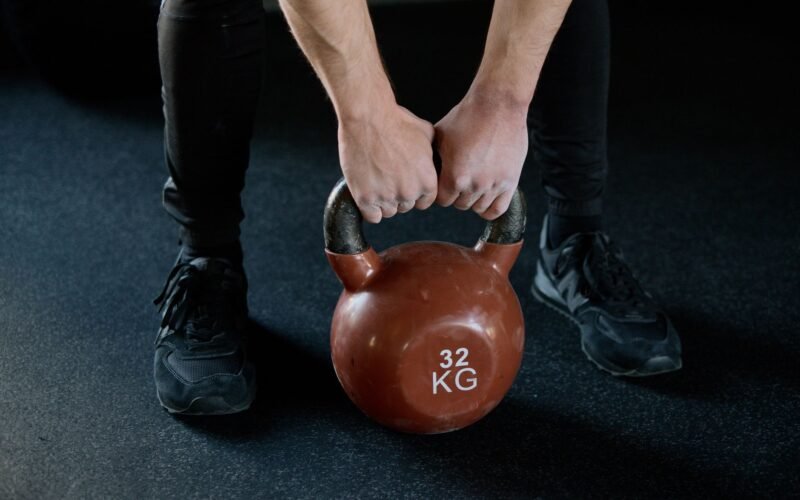
Photo by Nathan Cowley on Pexels