In the quest for a healthier, more energetic you, the concept of metabolism often takes center stage. It’s frequently discussed in hushed tones as the secret sauce to effortless weight management, or lamented as a sluggish barrier to progress. But what if we told you that you hold significant power over your metabolic rate, and that power lies largely in the foods you choose to eat?
At GetLeanPulse.com, we believe in empowering you with sustainable, natural strategies for optimal health. This comprehensive guide will dive deep into the fascinating world of metabolism and unveil the incredible potential of everyday foods to naturally boost your body’s fat-burning furnace. Forget quick fixes and fad diets; prepare to discover how smart food choices can transform your metabolic health, increase your energy, and support your weight loss journey from the inside out.
Understanding Metabolism: Your Body’s Internal Engine
Before we explore the foods that supercharge your metabolism, let’s establish a clear understanding of what metabolism actually is. Far from a simple switch, metabolism is a complex series of chemical processes that occur constantly within your body to maintain life. It’s how your body converts food and drinks into energy. Even when you’re at rest, your body needs energy for all its “hidden” functions – breathing, circulating blood, adjusting hormone levels, and growing and repairing cells. The number of calories your body uses to carry out these basic functions is known as your Basal Metabolic Rate (BMR).
Your total daily energy expenditure (TDEE) is comprised of several components:
- Basal Metabolic Rate (BMR): As mentioned, this is the energy your body uses at rest for vital functions. It accounts for about 60-75% of your total daily calorie burn.
- Thermic Effect of Food (TEF): This is the energy expended to digest, absorb, and metabolize the nutrients from your food. It accounts for approximately 10% of your TDEE.
- Activity Energy Expenditure: This includes both structured exercise and Non-Exercise Activity Thermogenesis (NEAT), which is the energy expended for everything we do that is not sleeping, eating, or sports-like exercise (e.g., walking, fidgeting, typing). This component is the most variable and can significantly impact your total calorie burn.
Several factors influence your metabolic rate, some of which you can control, and others you cannot:
- Age: Metabolism naturally slows down as you age, primarily due to a loss of muscle mass.
- Gender: Men generally have more muscle mass and less body fat than women, leading to a higher BMR.
- Body Size and Composition: Larger individuals and those with more muscle mass burn more calories, even at rest. Muscle tissue is metabolically more active than fat tissue.
- Genetics: Your genes play a role in determining your natural metabolic rate.
- Physical Activity: Regular exercise, especially strength training, builds muscle and increases your BMR.
- Diet: The types of food you eat can impact your metabolism through the thermic effect of food and their ability to support muscle mass and hormonal balance.
While you can’t change your age or genetics, you absolutely can influence your metabolism through your diet and lifestyle choices. This article focuses specifically on how intelligent food choices can naturally stoke your metabolic fire.
The Science of Metabolic-Boosting Foods
How exactly do certain foods “boost” metabolism? It’s not magic; it’s a combination of physiological effects:
- Increased Thermic Effect of Food (TEF): As discussed, TEF is the energy your body uses to process food. Some macronutrients require more energy to digest than others. Protein, for instance, has a significantly higher TEF than carbohydrates or fats.
- Nutrient Partitioning: Certain foods or nutrients can influence how your body allocates calories – whether they’re stored as fat or used for energy and muscle building.
- Hormonal Regulation: Specific foods can help regulate hormones like insulin, thyroid hormones, and leptin, all of which play crucial roles in metabolic rate and fat storage.
- Micronutrient Support: Vitamins and minerals are essential cofactors for countless metabolic reactions. Deficiencies can impair metabolic function.
- Gut Microbiome Health: A healthy gut microbiome, supported by fiber-rich foods, can influence nutrient absorption, energy extraction from food, and even contribute to a healthier metabolic profile.
By strategically incorporating specific foods into your diet, you can leverage these mechanisms to optimize your metabolism, enhance fat burning, and improve overall energy levels.
Key Categories of Metabolism-Boosting Foods
Let’s dive into the delicious details of the foods that can naturally turn up your metabolic heat.
Protein-Rich Foods: The Metabolic Powerhouses
If there’s one macronutrient that reigns supreme in metabolism boosting, it’s protein. Protein has the highest thermic effect of food (TEF), meaning your body burns more calories digesting and metabolizing protein than it does carbs or fats. Studies show that protein can increase TEF by 20-30%, compared to 5-10% for carbs and 0-3% for fats. Beyond TEF, protein is crucial for building and maintaining muscle mass, which is directly linked to a higher BMR.
Why they work:
- High TEF: Requires more energy to digest.
- Muscle Preservation & Growth: Essential for building and maintaining metabolically active muscle tissue.
- Satiety: Keeps you feeling fuller for longer, reducing overall calorie intake.
Top Protein Sources:
- Lean Meats: Chicken breast, turkey, lean cuts of beef (sirloin, flank steak) are packed with protein and essential amino acids. They also provide iron, which is vital for oxygen transport and energy production.
- Fish: Salmon, tuna, cod, and other fish are excellent protein sources. Fatty fish like salmon and mackerel also provide omega-3 fatty acids, which can reduce inflammation and support overall metabolic health.
- Eggs: A complete protein source, eggs are versatile and contain all nine essential amino acids. They are also rich in B vitamins, which are crucial for energy metabolism.
- Legumes: Lentils, black beans, chickpeas, and other legumes are fantastic plant-based protein sources, also high in fiber.
- Dairy: Greek yogurt, cottage cheese, and milk are high in protein (especially casein and whey) and calcium, which may play a role in fat metabolism.
- Plant-Based Proteins: Tofu, tempeh, edamame, and seitan offer substantial protein for those following a plant-based diet.

Fiber-Rich Foods: The Digestive Dynamo
Fiber, particularly soluble fiber, is a true unsung hero of metabolic health. While it doesn’t have as high a TEF as protein, its role in satiety, blood sugar regulation, and gut health indirectly but powerfully supports a healthy metabolism.
Why they work:
- Satiety: Fiber adds bulk to meals, helping you feel full and satisfied, which can lead to reduced overall calorie intake.
- Blood Sugar Regulation: Soluble fiber slows down the absorption of sugar, preventing sharp spikes and crashes that can lead to fat storage and energy dips. Stable blood sugar supports insulin sensitivity, a key metabolic marker.
- Gut Health: Dietary fiber feeds beneficial gut bacteria, which produce short-chain fatty acids (SCFAs). These SCFAs can influence metabolism, energy expenditure, and even appetite regulation.
- “Calorie Dilution”: Many fiber-rich foods are also low in calories, allowing you to eat larger portions without overconsuming calories.
Top Fiber Sources:
- Whole Grains: Oats, quinoa, brown rice, whole wheat bread, and barley provide complex carbohydrates and a significant amount of fiber.
- Fruits: Berries (raspberries, blueberries), apples (with skin), pears, oranges, and avocados are packed with fiber, vitamins, and antioxidants.
- Vegetables: Broccoli, spinach, kale, Brussels sprouts, bell peppers, and artichokes are nutrient-dense and high in fiber.
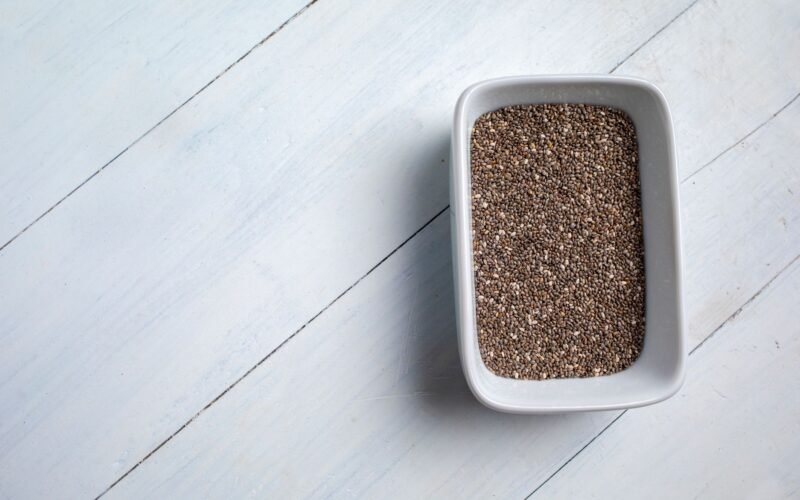
- Nuts & Seeds: Almonds, chia seeds, flax seeds, walnuts, and pistachios offer a combination of healthy fats, protein, and fiber.
Spicy Foods & Thermogenic Ingredients: Igniting Your Internal Heat
Ever feel a slight sweat or warmth after eating a spicy meal? That’s your body’s thermogenic response in action. Certain compounds in spicy foods can temporarily increase your metabolic rate and promote fat burning.
Why they work:
- Capsaicin: Found in chili peppers, capsaicin has been shown to temporarily increase calorie expenditure and fat oxidation. It may also reduce appetite and improve satiety.
- Gingerol: The main bioactive compound in ginger, gingerol, has thermogenic and anti-inflammatory properties, potentially aiding metabolism and digestion.
- Curcumin: The active ingredient in turmeric, curcumin, is a powerful anti-inflammatory and antioxidant. Some research suggests it can influence fat metabolism and insulin sensitivity.
- Cinnamaldehyde: The compound that gives cinnamon its distinct flavor, cinnamaldehyde, may improve insulin sensitivity and glucose metabolism.
Top Spicy & Thermogenic Foods:
- Chili Peppers: Jalapeños, habaneros, cayenne pepper, and other chili varieties.
- Ginger: Fresh or ground, add it to stir-fries, teas, or smoothies.
- Turmeric: Use it in curries, golden lattes, or as a spice in various dishes.
- Cinnamon: Sprinkle on oatmeal, coffee, yogurt, or use in baking.
Healthy Fats: Essential for Metabolic Harmony
While often feared, healthy fats are crucial for overall health and play an indirect role in supporting a healthy metabolism. They contribute to satiety, aid in the absorption of fat-soluble vitamins, and are essential for hormone production, including those that regulate metabolism.
Why they work:
- Satiety: Fats slow down digestion, keeping you feeling full and preventing overeating.
- Hormone Production: Essential fatty acids are precursors to hormones, including those involved in thyroid function and fat metabolism.
- Reduced Inflammation: Omega-3 fatty acids, in particular, can help reduce systemic inflammation, which can otherwise impair metabolic function.
Top Healthy Fat Sources:
- Avocado: Rich in monounsaturated fats, fiber, and potassium.
- Olive Oil: Extra virgin olive oil is a cornerstone of the Mediterranean diet, offering heart-healthy monounsaturated fats and antioxidants.
- Nuts & Seeds: Almonds, walnuts, chia seeds, flax seeds, and pecans provide healthy fats, fiber, and some protein.
- Fatty Fish: Salmon, mackerel, sardines, and trout are excellent sources of omega-3 fatty acids.
Beverages: Hydration and Stimulants
Don’t overlook the power of what you drink. Certain beverages can actively contribute to a higher metabolic rate, while plain old water remains critically important.
Why they work:
- Caffeine: A well-known stimulant found in coffee and tea, caffeine can temporarily increase metabolic rate and enhance fat oxidation.
- EGCG (Epigallocatechin Gallate): A powerful antioxidant found in green tea, EGCG works synergistically with caffeine to boost metabolism and fat burning.
- Hydration: Water is essential for every metabolic process in your body. Dehydration can slow down metabolism.
- Acetic Acid: Found in apple cider vinegar, acetic acid may help regulate blood sugar, improve insulin sensitivity, and potentially contribute to fat loss.
Top Metabolic-Boosting Beverages:
- Green Tea: Rich in catechins and caffeine, making it a powerful metabolic booster.
- Coffee: Caffeine content provides a temporary metabolic lift. Drink black or with minimal additives for best results.
- Water: The most fundamental “metabolism booster.” Aim for plenty throughout the day. Cold water may have a slight additional thermogenic effect as your body expends energy to warm it up.
- Apple Cider Vinegar: Diluted in water, it can be consumed before meals.

Other Notable Metabolism Boosters: Micronutrients and Gut Health
Beyond the major categories, several other foods and their specific micronutrients play crucial roles in maintaining optimal metabolic function.
Iron-Rich Foods
Iron is essential for oxygen transport in your blood and muscles. When your iron levels are low, your body can’t efficiently deliver oxygen to your cells, which impairs energy production and slows down your metabolism.
- Sources: Red meat, spinach, lentils, fortified cereals, dark chocolate.
B-Vitamin Rich Foods
B vitamins (B1, B2, B3, B5, B6, B7, B9, B12) are cofactors in numerous metabolic reactions, helping your body convert food into energy. They don’t directly boost metabolism but ensure its efficient functioning.
- Sources: Whole grains, eggs, lean meats, fish, leafy greens, legumes.
Selenium and Iodine: Thyroid Support
Your thyroid gland produces hormones that regulate metabolism. Selenium and iodine are two critical minerals for healthy thyroid function.
- Selenium Sources: Brazil nuts (just 1-2 provide your daily needs!), tuna, sardines, lean beef, turkey.
- Iodine Sources: Seaweed, cod, dairy products, iodized salt.
Probiotic-Rich Foods: The Gut Connection
A healthy gut microbiome is increasingly recognized as a key player in metabolic health. Probiotics can influence nutrient absorption, inflammation, and even appetite.
- Sources: Fermented foods like Greek yogurt (with live active cultures), kefir, sauerkraut, kimchi, kombucha.
Integrating Metabolism-Boosting Foods into Your Diet
Knowing which foods boost metabolism is one thing; consistently incorporating them into your daily routine is another. Here are practical strategies:
1. Prioritize Protein at Every Meal
Make protein the cornerstone of your breakfast, lunch, and dinner. Starting your day with protein (e.g., eggs, Greek yogurt) can help stabilize blood sugar and keep you full. Include a lean protein source with every main meal and snack.
2. Embrace Fiber-Rich Whole Foods
Swap refined grains for whole grains. Add a serving of fruits and vegetables to every meal. Snack on nuts, seeds, or berries. These choices not only provide fiber but also a wealth of vitamins, minerals, and antioxidants.
3. Spice Up Your Life
Don’t be afraid to experiment with spices. Add cayenne to your eggs, ginger to your stir-fry, or cinnamon to your oatmeal. Even a small amount can contribute to a thermogenic effect over time.
4. Choose Healthy Fats Wisely
Opt for sources like avocado, olive oil, nuts, and fatty fish in moderation. These fats are calorie-dense, so portion control is key, but their benefits for satiety and hormonal health are undeniable.
5. Hydrate, Hydrate, Hydrate
Make water your primary beverage. Keep a water bottle handy and sip throughout the day. Enjoy green tea or coffee in moderation for their metabolic benefits.
6. Smart Snacking
Instead of processed snacks, choose options that combine protein, fiber, or healthy fats. Examples: apple slices with almond butter, a handful of nuts, Greek yogurt with berries, hard-boiled eggs.
7. Consistency is Key
Metabolic changes don’t happen overnight. The cumulative effect of consistent healthy eating choices is what will truly make a difference. Make these food choices a sustainable part of your lifestyle rather than a temporary diet.
8. Combine Foods for Synergistic Effects
Think about how foods can work together. For example, a meal of lean chicken (protein) with broccoli (fiber, B vitamins) and a sprinkle of cayenne pepper (thermogenic) maximizes metabolic benefits. Salmon (protein, omega-3s) with quinoa (fiber, B vitamins) and spinach (iron, B vitamins) is another excellent combination.
Beyond Food: A Holistic Approach to Metabolism
While food plays a monumental role, it’s crucial to remember that metabolism is influenced by a constellation of factors. For optimal metabolic health, a holistic approach is always best:
Regular Exercise
This is non-negotiable. Incorporate both strength training (to build and maintain muscle mass, directly increasing BMR) and cardiovascular exercise (to burn calories and improve cardiovascular health) into your routine.
Adequate Sleep
Chronic sleep deprivation can disrupt hormones that regulate appetite (ghrelin and leptin) and increase insulin resistance, all of which can slow metabolism and promote fat storage. Aim for 7-9 hours of quality sleep per night.
Stress Management
Chronic stress elevates cortisol levels, a hormone that can promote fat storage, especially around the midsection, and negatively impact metabolic rate. Practice stress-reducing techniques like meditation, yoga, deep breathing, or spending time in nature.
Stay Hydrated
We’ve mentioned it for its direct impact, but it bears repeating: water is fundamental for all bodily functions, including metabolism. Dehydration can noticeably slow down metabolic processes.
Consult a Professional
If you have underlying health conditions, significant weight loss goals, or suspect a metabolic issue, consult with a doctor or a registered dietitian. They can provide personalized advice and ensure your approach is safe and effective.
Common Myths and Misconceptions About Metabolism
The world of metabolism is rife with myths. Let’s debunk a few:
- “My metabolism is broken.” While metabolism can be slow, it’s rarely “broken” in a way that can’t be influenced by lifestyle. Extreme cases involving thyroid disorders require medical intervention, but for most, consistent effort yields results.
- “Starving myself will speed up metabolism.” Quite the opposite. Severe calorie restriction signals your body to conserve energy, drastically slowing your metabolism to protect vital functions. This is why crash diets often lead to rebound weight gain.
- “Eating after 7 PM slows metabolism.” The total calories consumed and expended over a 24-hour period (and longer) are more important than the specific time of day you eat. Eating a huge, unhealthy meal right before bed isn’t ideal for digestion or sleep, but a balanced snack won’t “stop” your metabolism.
- “One magic food will fix my metabolism.” No single food is a miracle cure. It’s the cumulative effect of a balanced diet rich in metabolism-boosting foods, combined with a healthy lifestyle, that truly makes a difference.
Focus on sustainable habits rather than chasing quick fixes. Your body responds best to consistency and nourishment, not deprivation or extreme measures.
Conclusion: Empower Your Metabolism, Transform Your Health
Your metabolism is not a fixed, unchangeable entity. It’s a dynamic system that responds powerfully to the choices you make every single day. By understanding the science behind metabolism and strategically incorporating metabolism-boosting foods into your diet, you can unlock your body’s natural potential for energy, vitality, and healthy weight management.
Embrace a diet rich in lean proteins, complex carbohydrates, healthy fats, and a rainbow of fruits and vegetables. Hydrate consistently, spice up your meals, and integrate regular physical activity, quality sleep, and stress management into your life. These are the cornerstones of a thriving metabolism and a healthier, happier you.
At GetLeanPulse.com, we’re dedicated to guiding you on this journey. Start today by making one small, positive change to your diet. Consistency is your greatest ally, and every metabolism-boosting food you choose is a step towards a more energetic, vibrant future.
For more expert tips, personalized plans, and motivation to achieve your health goals, explore GetLeanPulse.com!
Photo by Gustavo Fring on Pexels