
Omega-3 Foods: Your Secret Weapon for Sustainable Weight Loss
In the vast landscape of nutrition and weight management, countless fads and quick fixes emerge, often leaving individuals frustrated and further from their goals. However, amidst the noise, certain foundational nutrients consistently demonstrate profound benefits for overall health and, crucially, for achieving and maintaining a healthy weight. Among these, omega-3 fatty acids stand out as a true powerhouse. Often celebrated for their heart-health and brain-boosting properties, the role of omega-3s in the intricate dance of weight loss is increasingly coming into the spotlight, revealing a multifaceted approach that goes far beyond simple calorie counting.
For anyone looking to optimize their body composition, shed stubborn pounds, and cultivate a truly healthy lifestyle, understanding the profound impact of omega-3 rich foods is not just beneficial—it’s essential. These remarkable fats, primarily found in fatty fish and certain plant sources, aren’t just “good fats”; they are active players in regulating metabolism, controlling appetite, reducing inflammation, and even influencing gene expression related to fat storage and burning. At GetLeanPulse.com, our mission is to provide evidence-based, actionable insights to empower your weight loss journey. In this comprehensive guide, we’ll delve deep into the science behind omega-3s, explore the best food sources, and provide practical strategies to harness their full potential for sustainable weight management.
Forget the notion that all fats are bad. The truth is, specific types of fats, particularly omega-3s, are vital for optimal bodily function and can be a powerful ally in your quest for a leaner, healthier you. From directly influencing your body’s fat-burning capabilities to subtly shifting your hormonal landscape, omega-3s offer a holistic approach to weight loss that complements traditional diet and exercise. Prepare to uncover how these extraordinary nutrients can transform your body from the inside out, helping you not just lose weight, but truly thrive.
What Exactly Are Omega-3 Fatty Acids?
Before we explore their specific benefits for weight loss, let’s establish a clear understanding of what omega-3 fatty acids are. Omega-3s are a family of polyunsaturated fatty acids that are essential for human health, meaning our bodies cannot produce them on their own; we must obtain them through our diet. There are three primary types of omega-3s crucial to human physiology:
- Eicosapentaenoic Acid (EPA): Primarily found in fatty fish and seafood, EPA is renowned for its potent anti-inflammatory properties and its role in heart health.
- Docosahexaenoic Acid (DHA): Also abundant in fatty fish, DHA is a major structural component of the brain, retina, and other neural tissues. It’s critical for brain development and function throughout life.
- Alpha-Linolenic Acid (ALA): This is a plant-based omega-3 found in seeds, nuts, and some vegetable oils. ALA is an “essential” fatty acid because the body can convert a small percentage of it into EPA and DHA, although this conversion rate is often inefficient in humans (typically less than 10%).
While ALA is important, the most direct and potent benefits for health and weight loss come from EPA and DHA. This is why sources like fatty fish are often highlighted over plant-based ALA sources when discussing direct omega-3 intake for specific health outcomes. However, a balanced intake from both animal and plant sources contributes to overall well-being.
These fatty acids play critical roles in various bodily functions, including cell membrane structure, hormone production, and the regulation of genetic function. Their impact on inflammation, which we will discuss in detail, is one of the most significant ways they influence weight and metabolic health.
The Power of Omega-3s for Weight Loss: A Deep Dive
The connection between omega-3 fatty acids and weight loss is not a simplistic one; it’s a sophisticated interplay of metabolic, hormonal, and cellular mechanisms. Far from being a magic bullet, omega-3s work synergistically with other healthy lifestyle choices to create an environment in your body that is conducive to shedding excess weight and maintaining a lean physique. Let’s break down the key ways these powerful fats contribute to your weight loss journey.
1. Do Omega-3s Change How Your Body Uses Fat?
The evidence that omega-3s raise metabolic rate is weak. This means your body becomes more efficient at tapping into its fat reserves for fuel, rather than relying solely on carbohydrates.
Furthermore, omega-3s have been shown to increase the activity of certain enzymes involved in fat oxidation, particularly in the liver and muscles. This isn’t just about burning fat at rest; it means that when you exercise, your body is better primed to utilize fat as its primary energy source, leading to more effective fat loss over time. Some studies even indicate that omega-3 supplementation can slightly increase resting metabolic rate, meaning you burn a few more calories even when inactive. While this effect might be subtle on its own, when combined with other benefits, it contributes to a significant cumulative advantage.
Moreover, omega-3s play a role in mitochondrial function. Mitochondria are the “powerhouses” of our cells, responsible for generating energy. By optimizing mitochondrial efficiency, omega-3s can improve cellular energy expenditure, further enhancing the body’s capacity to burn calories and fat. This metabolic fine-tuning is a crucial component of sustainable weight loss, helping your body work smarter, not just harder.
2. Regulating Appetite and Enhancing Satiety
Controlling hunger and feeling satisfied after meals are critical challenges for many on a weight loss journey. Omega-3s can be a powerful ally in this regard by influencing key hormones that regulate appetite. Specifically, they have been shown to increase levels of leptin, a hormone produced by fat cells that signals satiety to the brain, telling your body you’ve had enough to eat. Conversely, they can help regulate ghrelin, often dubbed the “hunger hormone,” which stimulates appetite.
By modulating these hunger-satiety hormones, omega-3s can help reduce cravings, especially for unhealthy comfort foods, and prevent overeating. Imagine feeling fuller for longer after your meals, reducing the urge to snack unnecessarily. This natural suppression of appetite can lead to a significant reduction in overall calorie intake without feeling deprived. This isn’t about drastic calorie restriction; it’s about making smarter food choices easier to stick to because your body’s internal signals are better regulated.
Some studies have specifically looked at the impact of omega-3s on perceived fullness and satiety. Participants who consumed omega-3s often reported feeling more satisfied and less hungry, particularly after high-fat meals. This effect is crucial for adherence to any diet plan, as fighting constant hunger is a common reason for failure. By helping you feel more content with appropriate portion sizes, omega-3s empower you to make sustainable dietary changes.
3. Reducing Inflammation and Improving Insulin Sensitivity
Chronic low-grade inflammation is a silent epidemic that plays a significant role in weight gain and metabolic dysfunction. When your body is in a constant state of inflammation, it can lead to insulin resistance, a condition where your cells become less responsive to insulin. Insulin is the hormone responsible for shuttling glucose (sugar) from your bloodstream into your cells for energy or storage. When cells are insulin resistant, glucose stays in the blood, prompting the pancreas to produce even more insulin. High insulin levels signal the body to store fat, particularly around the abdomen, and make it incredibly difficult to lose weight.
This is where the anti-inflammatory power of omega-3s, particularly EPA, becomes revolutionary for weight loss. Omega-3s are precursors to anti-inflammatory molecules called resolvins and protectins, which actively dampen inflammatory responses throughout the body. By reducing chronic inflammation, omega-3s can significantly improve insulin sensitivity. When your cells become more responsive to insulin, glucose is efficiently moved into cells, blood sugar levels stabilize, and the body is less likely to store excess fat. This shift allows your body to more effectively burn fat for energy, rather than constantly being in fat-storage mode.
The link between inflammation, insulin resistance, and obesity is well-established. By tackling inflammation at its root, omega-3s provide a foundational benefit that supports not only weight loss but also overall metabolic health, reducing the risk of conditions like type 2 diabetes and heart disease.
4. Optimizing Fat Storage and Mobilization
Beyond simply burning fat, omega-3s can influence how your body stores fat. They have been shown to modulate gene expression related to fat metabolism. Specifically, they can downregulate genes involved in fat synthesis (lipogenesis) and upregulate genes involved in fat oxidation (lipolysis). This means omega-3s can encourage your body to store less fat and burn more of what it has already stored.
Moreover, omega-3s can impact the development and function of adipocytes (fat cells). By influencing the very architecture of fat storage, omega-3s offer a sophisticated mechanism for weight management that goes beyond mere calorie balance.
They also play a role in improving the function of brown adipose tissue (BAT), often referred to as “good fat.” Unlike white adipose tissue (WAT), which stores energy, BAT burns calories to generate heat (thermogenesis). While adults have less BAT than infants, research is exploring ways to increase its activity. Omega-3s show promise in stimulating BAT activity, potentially leading to increased calorie expenditure and a more efficient metabolism, thereby contributing to a leaner body composition.
5. Preserving Lean Muscle Mass During Weight Loss
When you lose weight, a common concern is losing precious muscle mass along with fat. Preserving lean muscle is crucial because muscle tissue is metabolically active, burning more calories at rest than fat tissue. Omega-3s can help safeguard your muscle mass during a calorie-restricted diet. They do this by reducing muscle protein breakdown and potentially enhancing muscle protein synthesis, especially when combined with resistance training and adequate protein intake.
This muscle-sparing effect is vital for sustainable weight loss. If you lose too much muscle, your metabolic rate drops, making it harder to continue losing weight and easier to regain it once you stop dieting. By helping you maintain or even build muscle, omega-3s ensure that your body remains a more efficient fat-burning machine, even as you reduce your calorie intake.
Furthermore, the anti-inflammatory properties of omega-3s can aid in muscle recovery after exercise, reducing soreness and allowing for more consistent and effective workouts. This indirect benefit supports a more active lifestyle, which is fundamental to successful weight management.
6. Enhancing Mood, Reducing Stress, and Preventing Emotional Eating
The psychological aspects of weight loss are often underestimated. Stress, anxiety, and depression can significantly impact eating habits, often leading to emotional eating and cravings for unhealthy comfort foods. Omega-3s, particularly DHA, are crucial for brain health and function. They play a vital role in neurotransmitter activity and reducing neuroinflammation, which can positively impact mood and cognitive function.
By improving mood and reducing stress levels, omega-3s can indirectly support weight loss by lessening the likelihood of turning to food for comfort. When you feel emotionally balanced, you are better equipped to make conscious, healthy food choices and adhere to your weight loss plan.
The gut-brain axis is another area where omega-3s might play a role in mood and appetite. A healthy gut microbiome, influenced by omega-3s, communicates with the brain, impacting mood, stress responses, and even cravings. By fostering a more balanced emotional state, omega-3s provide a psychological foundation for sustainable dietary changes and successful weight management.
7. Supporting Gut Microbiome Health
Emerging research is increasingly highlighting the profound connection between gut health and weight management. A diverse and balanced gut microbiome can influence everything from nutrient absorption and energy metabolism to inflammation and hormone regulation. Omega-3s appear to play a beneficial role in shaping the gut microbiota.
A healthier gut lining, supported by omega-3s, can also reduce “leaky gut” syndrome, which is linked to systemic inflammation and metabolic issues. By fostering a thriving gut environment, omega-3s indirectly contribute to improved metabolic health, reduced inflammation, and better weight regulation.
This is a relatively new but rapidly expanding area of research, suggesting that the benefits of omega-3s for weight loss extend even to the microscopic world within our intestines, influencing our overall health and body composition from the inside out.
8. Improving Exercise Performance and Recovery
While not a direct weight loss mechanism, omega-3s can significantly enhance your ability to engage in and recover from physical activity, which is a cornerstone of any successful weight loss program. Their anti-inflammatory properties can reduce exercise-induced muscle damage and soreness, allowing for quicker recovery and more consistent workout schedules. This means you can train more effectively and frequently, leading to greater calorie expenditure and fat loss over time.
Furthermore, by improving blood flow and oxygen delivery to muscles, omega-3s might enhance endurance and performance during exercise. This can help you push harder during workouts, burn more calories, and build more muscle—all factors that contribute positively to weight loss and body composition.
The combination of reduced inflammation, better recovery, and enhanced performance creates a positive feedback loop: the more effectively you can exercise, the better your results, and the more motivated you become to continue your fitness journey. Omega-3s help optimize your body’s response to physical stress, making your efforts in the gym more productive.
Top Omega-3 Rich Foods: Fueling Your Weight Loss Journey
Now that we understand the profound benefits, let’s explore the best dietary sources of omega-3 fatty acids, focusing on foods that deliver potent doses of EPA and DHA, as well as valuable ALA.
1. Fatty Fish (Rich in EPA & DHA)
These are the champions of omega-3s, offering the most bioavailable forms (EPA and DHA) directly. Aim for at least two servings per week.
- Salmon: Wild-caught salmon is particularly rich in EPA and DHA. A 3.5-ounce (100-gram) serving can provide around 2 grams of combined EPA and DHA. It’s also an excellent source of high-quality protein and vitamin D.
- Mackerel: Small, fatty fish like mackerel are incredibly nutrient-dense. A 3.5-ounce serving can contain over 2.5 grams of EPA and DHA. Choose Atlantic mackerel, which is lower in mercury than King mackerel.
- Sardines: These tiny fish are packed with omega-3s, often exceeding 1.5 grams per can. They are also a great source of calcium and vitamin D, and their small size means they have very low mercury levels.
- Herring: Similar to sardines, herring is a small, oily fish that offers about 1.5-2 grams of EPA and DHA per 3.5-ounce serving.
- Anchovies: Often used in sauces or as a pizza topping, a small serving of anchovies can still contribute a significant amount of omega-3s, around 1 gram per 3.5 ounces.
- Trout: Rainbow trout, often farmed, is another good source, providing around 1 gram of combined EPA and DHA per 3.5-ounce serving.
When choosing fish, consider sustainability and mercury levels. Smaller, shorter-lived fish generally have lower mercury content. Wild-caught options are often preferred for their nutrient profile.
2. Plant-Based Powerhouses (Rich in ALA)
For vegetarians, vegans, or those looking to diversify their omega-3 intake, these plant-based sources provide ALA. Remember, the conversion to EPA and DHA is limited, so combining these with an algal oil supplement might be beneficial for optimal EPA/DHA intake.
- Flaxseeds: One of the richest plant sources of ALA. A single tablespoon of ground flaxseeds provides over 2 grams of ALA. They are also high in fiber, which aids digestion and satiety. Always grind them to unlock their nutrients.
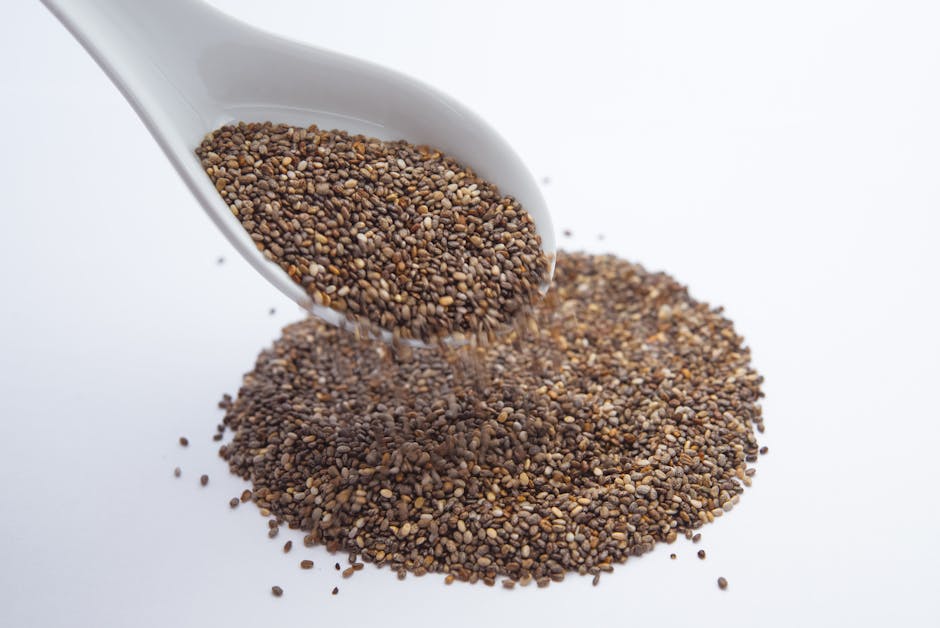
- Chia Seeds: Another excellent source, offering about 2.5 grams of ALA per tablespoon. Chia seeds are also packed with fiber, protein, and various micronutrients, making them a fantastic addition to smoothies, yogurts, or as a pudding base.
- Walnuts: These nuts are unique among nuts for their high ALA content, with about 2.5 grams per ounce (7 walnuts). Walnuts also provide antioxidants and healthy fats.
- Hemp Seeds: Offering a good balance of omega-3 and omega-6 fatty acids, hemp seeds provide about 1 gram of ALA per tablespoon. They are also a complete protein source.
- Edamame (Soybeans): Cooked edamame provides a modest amount of ALA, around 0.3 grams per cup. It’s also a good source of plant protein and fiber.
- Algae and Algal Oil: This is a game-changer for plant-based diets. Microalgae are where fish get their EPA and DHA. Algal oil supplements provide direct EPA and DHA, making them an excellent vegan alternative to fish oil.
- Brussels Sprouts and Kale: While not as concentrated as seeds or nuts, these leafy greens offer small amounts of ALA and contribute to overall nutrient intake.
3. Fortified Foods
Some food products are fortified with omega-3s to boost intake, often using either fish oil or algal oil for EPA/DHA, or flaxseed oil for ALA.
- Omega-3 Fortified Eggs: These eggs come from hens fed a diet supplemented with flaxseeds or fish oil, resulting in higher omega-3 content.
- Fortified Milk and Yogurt: Many dairy and non-dairy milk alternatives, as well as yogurts, are now fortified with DHA.
- Fortified Juices and Breads: You might find some juices, breads, or cereals with added omega-3s, typically ALA from flaxseed.
While fortified foods can contribute to your intake, it’s generally best to prioritize whole, natural sources of omega-3s.
How Much Omega-3 Do You Need?
- ALA (plant omega-3): the NIH Adequate Intake is 1.6 g a day for men and 1.1 g for women. About 1 tablespoon of ground flaxseed or a small handful of walnuts goes a long way.
- EPA and DHA (from fish): many health bodies suggest around 250 to 500 mg a day combined for healthy adults, which you can get from about two portions of oily fish such as salmon, mackerel or sardines per week.
Higher doses are sometimes used for specific conditions such as high triglycerides, but only under medical supervision. Omega-3s support overall health; they will not cause weight loss on their own.
Integrating Omega-3s into Your Daily Diet: Practical Strategies
Incorporating more omega-3 rich foods into your diet doesn’t have to be complicated. Here are some practical and delicious ways to make them a regular part of your meals:
- Start with Breakfast: Add ground flaxseeds or chia seeds to your oatmeal, yogurt, or smoothies. Choose omega-3 fortified eggs for your morning scramble.
- Lunch & Dinner Staples: Aim for fatty fish like salmon, mackerel, or sardines at least twice a week. Grill, bake, or pan-sear your fish. Canned sardines or salmon can be easily added to salads or made into quick sandwiches.
- Snack Smart: Grab a handful of walnuts as a healthy snack. Mix chia or flax seeds into homemade energy bars or balls.
- Salad Boosters: Sprinkle flaxseeds, chia seeds, or hemp seeds over your salads for added crunch and nutrients. Use a homemade vinaigrette made with flaxseed oil (though don’t heat flaxseed oil, as it’s sensitive to heat).
- Experiment with Recipes: Explore Mediterranean-inspired dishes that often feature fish, nuts, and olive oil. Try making salmon burgers, mackerel pâté, or a vibrant sardine pasta.
- Smoothie Power-Up: A tablespoon of flaxseed oil or a scoop of algal oil can be blended into your daily smoothie without altering the taste significantly.
- Mindful Cooking: When cooking with fish, opt for baking, grilling, or steaming to retain nutrients and avoid adding unhealthy fats.
Remember, consistency is key. Even small, regular additions of omega-3 rich foods can make a significant difference over time in supporting your weight loss goals and overall health.

Omega-3 Supplements: Are They Necessary? When and How to Choose
While prioritizing whole food sources of omega-3s is always the best approach, for some individuals, supplements can play a valuable role. Here’s when to consider them and what to look for:
When to Consider Supplements:
- Low Fish Consumption: If you don’t regularly eat fatty fish (at least two servings per week), a supplement can help bridge the gap in your EPA and DHA intake.
- Vegetarian/Vegan Diet: Plant-based diets lack direct sources of EPA and DHA. Algal oil supplements are an excellent way for vegetarians and vegans to obtain these crucial fats.
- Specific Health Conditions: Individuals with certain health conditions (e.g., high triglycerides, significant inflammation, depression) may benefit from higher therapeutic doses of omega-3s under medical supervision.
- Pregnancy/Breastfeeding: DHA is critical for fetal and infant brain development. Many prenatal vitamins include DHA, or a separate supplement may be recommended.
Types of Omega-3 Supplements:
- Fish Oil: The most common type, typically sourced from salmon, tuna, mackerel, and sardines. It provides EPA and DHA.
- Krill Oil: Sourced from small crustaceans, krill oil also provides EPA and DHA. It also contains astaxanthin, a powerful antioxidant.
- Algal Oil: Derived from microalgae, this is the only direct vegan source of EPA and DHA. It’s an excellent choice for those avoiding animal products or concerned about mercury in fish.
- Cod Liver Oil: Contains EPA and DHA, but also significant amounts of vitamins A and D. Be cautious with dosage to avoid vitamin A toxicity.
What to Look for in a Supplement:
- EPA and DHA Content: Check the label for the actual amounts of EPA and DHA per serving, not just the total omega-3s. Aim for at least 500-1000 mg of combined EPA+DHA daily for general health, and potentially more for specific weight loss or therapeutic goals (consult a healthcare professional).
- Purity and Freshness: Look for supplements that are third-party tested for purity (free from heavy metals like mercury, PCBs, and dioxins) and freshness (low oxidation levels, indicated by a low TOTOX value). Reputable certifications include IFOS (International Fish Oil Standards) or GOED (Global Organization for EPA and DHA Omega-3s).
- Form: Omega-3s can come in different forms: triglycerides (TG), ethyl esters (EE), or phospholipids (PL). Natural triglyceride form is generally preferred for absorption, but high-quality ethyl esters are also well-absorbed.
- Sustainability: Choose brands that source their fish sustainably or use algal oil.
- Taste/Burp-back: If you experience “fish burps,” try enteric-coated capsules or krill/algal oil. Taking supplements with a meal can also help.
Always consult with a healthcare professional or a registered dietitian before starting any new supplement, especially if you have underlying health conditions or are taking medications, as omega-3s can interact with certain drugs (e.g., blood thinners).
Precautions, Side Effects, and Considerations
While omega-3 fatty acids are generally safe and beneficial, it’s important to be aware of potential precautions and side effects:
- Blood Thinning: High doses of omega-3s can have a mild blood-thinning effect. If you are taking anticoagulant medications (blood thinners like warfarin, aspirin), or have a bleeding disorder, consult your doctor before taking omega-3 supplements. Discontinue use before surgery.
- Digestive Issues: Some people may experience mild digestive side effects like nausea, diarrhea, or “fishy” burps, especially with higher doses. Taking supplements with food can often mitigate these issues.
- Mercury and Other Contaminants: When consuming fish, choose smaller, shorter-lived fish (sardines, mackerel, salmon) to minimize mercury exposure. Reputable supplement manufacturers purify their fish oils to remove contaminants.
- Interactions with Medications: Besides blood thinners, omega-3s may interact with certain medications for blood pressure or blood sugar. Always discuss supplement use with your doctor.
- Allergies: If you have a fish or shellfish allergy, avoid fish oil or krill oil supplements and opt for algal oil instead.
- Dosage: Stick to recommended dosages. More is not always better, and excessive intake can lead to adverse effects.
For most healthy adults, consuming omega-3 rich foods as part of a balanced diet is safe and highly beneficial. When considering supplements, prioritize quality and always seek professional advice to determine the appropriate dosage for your individual needs.
Beyond Omega-3s: A Holistic Approach to Sustainable Weight Loss
While omega-3 fatty acids are an incredibly powerful tool in your weight loss arsenal, it’s crucial to remember that no single nutrient works in isolation. Sustainable weight loss and long-term health are achieved through a holistic approach that integrates several key pillars:
- Balanced, Whole-Food Diet: Prioritize whole, unprocessed foods. Focus on lean proteins, plenty of fruits and vegetables, complex carbohydrates, and other healthy fats (like avocados, nuts, and seeds). Limit sugary drinks, refined grains, and highly processed foods.
- Regular Physical Activity: Combine cardiovascular exercise (like walking, running, swimming) with strength training. Exercise builds muscle, boosts metabolism, and improves mood. Aim for at least 150 minutes of moderate-intensity activity per week.
- Adequate Sleep: Poor sleep disrupts hormones that regulate appetite (leptin and ghrelin), increases cravings, and can lead to insulin resistance. Aim for 7-9 hours of quality sleep per night.
- Stress Management: Chronic stress can lead to increased cortisol levels, which promotes belly fat storage and emotional eating. Incorporate stress-reducing practices like meditation, yoga, deep breathing, or spending time in nature.
- Hydration: Drink plenty of water throughout the day. Water supports metabolism, aids digestion, and can help you feel full.
- Mindful Eating: Pay attention to your body’s hunger and fullness cues. Eat slowly, savor your food, and avoid distractions while eating.
- Consistency and Patience: Weight loss is a journey, not a race. Be consistent with your healthy habits, celebrate small victories, and be patient with yourself. Set realistic goals and focus on gradual, sustainable changes.
Omega-3s enhance and support these foundational elements, making your efforts more effective and your journey more manageable. They help optimize your body’s internal environment so that when you make healthy choices, your body responds more efficiently, leading to better results and improved overall well-being.
Conclusion: Embrace Omega-3s for a Leaner, Healthier You
The evidence is clear: omega-3 fatty acids are far more than just “good fats.” They are essential nutrients with a profound and multifaceted impact on weight loss and metabolic health. From boosting your metabolism and enhancing fat burning to regulating appetite, reducing inflammation, improving insulin sensitivity, and even preserving precious muscle mass, omega-3s offer a sophisticated and holistic approach to achieving and maintaining a healthy weight.
By consciously incorporating omega-3 rich foods like fatty fish, flaxseeds, chia seeds, and walnuts into your daily diet, you’re not just making a dietary change; you’re making an investment in your body’s ability to thrive. These powerful nutrients work synergistically with other healthy lifestyle choices – a balanced diet, regular exercise, adequate sleep, and stress management – to create an optimal internal environment for sustainable weight loss and vibrant health.
At GetLeanPulse.com, we believe in empowering you with knowledge that transforms. Let the insights shared in this article be your guide to unlocking the incredible potential of omega-3s. Start today by making conscious choices to include these vital fats in your meals. Experience the difference as your body responds with improved energy, better appetite control, reduced inflammation, and a more efficient metabolism. Embrace omega-3s, and take a significant step towards a leaner, healthier, and happier you.
Photo by Jubair Bin Iqbal on Pexels