Welcome to GetLeanPulse.com, your trusted resource for achieving your fitness and health goals. Today, we’re diving deep into the cornerstone of muscle development: protein. If you’re serious about building lean muscle, increasing strength, or simply optimizing your body composition, understanding the role of protein and integrating the best protein foods into your diet is non-negotiable. This comprehensive guide will equip you with the knowledge and practical strategies to fuel your gains effectively and sustainably.
The Ultimate Guide to Best Protein Foods for Muscle Building
Building muscle isn’t just about hitting the gym hard; it’s equally about what you put into your body. Protein stands at the forefront of this nutritional equation, serving as the fundamental building block for every cell in your body, especially muscle tissue. Without adequate, high-quality protein, your efforts in the weight room will largely be in vain. At GetLeanPulse.com, we believe in empowering you with evidence-based information to make informed dietary choices that accelerate your progress.
In this extensive article, we’ll explore the science behind protein and muscle growth, demystify protein requirements, and meticulously break down the best animal and plant-based protein sources available. We’ll also cover strategies for optimizing your protein intake throughout the day and discuss how protein fits into a holistic approach to muscle building. Prepare to transform your diet and unlock your full muscle-building potential.
The Science Behind Protein and Muscle Growth: Why It Matters So Much
To truly appreciate the importance of protein, it’s essential to understand its biological role in muscle hypertrophy. Protein is a macronutrient composed of smaller units called amino acids. Think of amino acids as the individual bricks that build your muscle walls. There are 20 different amino acids, nine of which are considered “essential” because your body cannot produce them; they must be obtained through your diet. The remaining eleven are “non-essential,” meaning your body can synthesize them.
Muscle Protein Synthesis (MPS) vs. Muscle Protein Breakdown (MPB)
Your muscles are in a constant state of flux, undergoing both muscle protein synthesis (MPS) and muscle protein breakdown (MPB). MPS is the process by which your body builds new muscle proteins, while MPB is the process by which old or damaged muscle proteins are broken down. For muscle growth (hypertrophy) to occur, the rate of MPS must exceed the rate of MPB. Resistance training acts as a powerful stimulus for MPS, signaling your body to repair and rebuild muscle fibers stronger and larger. However, this process can only happen efficiently if your body has a sufficient supply of amino acids from dietary protein.
When you consume protein, your digestive system breaks it down into individual amino acids, which are then absorbed into your bloodstream. These amino acids are transported to muscle cells, where they are used to repair micro-tears caused by exercise and to synthesize new muscle proteins. This continuous cycle of breakdown and repair, when tipped in favor of synthesis through proper nutrition and training, leads to progressive muscle gain over time.
The Role of Complete Proteins and Leucine
Not all protein sources are created equal. Complete proteins are those that contain all nine essential amino acids in adequate amounts. Animal-based proteins (meat, poultry, fish, eggs, dairy) are typically complete proteins. Many plant-based proteins, however, are incomplete, meaning they lack one or more essential amino acids. While this isn’t a problem for vegetarians or vegans, it requires a conscious effort to combine different plant proteins throughout the day to ensure intake of all essential amino acids.
Among the essential amino acids, leucine plays a particularly critical role in muscle protein synthesis. Leucine is a branched-chain amino acid (BCAA) that acts as a potent signal to initiate the MPS pathway. Foods rich in leucine, such as whey protein, meat, and dairy, are highly effective at stimulating muscle growth. This is why protein quality, determined by its amino acid profile, is just as important as the total quantity of protein consumed.
How Much Protein Do You Really Need for Muscle Building?
One of the most frequently asked questions in the fitness world is, “How much protein do I need?” The answer isn’t a one-size-fits-all, but rather depends on several factors, including your body weight, activity level, training intensity, age, and specific goals. However, scientific consensus provides clear guidelines for those looking to maximize muscle growth.
General Recommendations for Muscle Growth
For individuals engaged in regular resistance training, the recommended protein intake for muscle hypertrophy typically ranges from 1.6 to 2.2 grams of protein per kilogram of body weight (0.7 to 1.0 grams per pound of body weight) per day. Some athletes and bodybuilders may even consume slightly more, up to 2.5 g/kg, especially during periods of calorie restriction or intense training to preserve muscle mass.
- Example: A person weighing 70 kg (approximately 154 lbs) would aim for roughly 112 to 154 grams of protein per day.
- Example: A person weighing 180 lbs would aim for approximately 126 to 180 grams of protein per day.
It’s important to distribute this protein intake throughout the day rather than consuming it all in one or two large meals. Aim for 20-40 grams of high-quality protein per meal, spread across 4-6 meals or eating occasions. This strategy helps to continuously stimulate MPS and maintain a positive nitrogen balance, which is crucial for muscle repair and growth.
Factors Influencing Protein Needs:
- Activity Level: The more intense and frequent your workouts, the higher your protein needs. Endurance athletes also have elevated protein requirements for repair and recovery, although perhaps not as high as strength athletes.
- Age: As we age, our bodies become less efficient at utilizing protein for muscle protein synthesis, a phenomenon known as anabolic resistance. Older adults may benefit from higher protein intakes (e.g., closer to 2.0-2.2 g/kg) to counteract muscle loss (sarcopenia) and support muscle growth.
- Calorie Intake: If you are in a calorie deficit (trying to lose fat), a higher protein intake is crucial to preserve lean muscle mass while shedding fat. Protein is highly satiating and has a higher thermic effect of food, meaning your body burns more calories digesting it.
- Goal: Whether your primary goal is building muscle, maintaining muscle, or losing fat will influence your specific protein target.
Can You Have Too Much Protein?
For healthy individuals, consuming protein at the upper end of these recommendations (up to 2.5 g/kg) is generally safe and well-tolerated. Concerns about high protein intake damaging kidneys are largely unfounded in people with healthy kidney function. Studies have shown that even very high protein diets (e.g., 3.4 g/kg per day) do not adversely affect kidney function in resistance-trained individuals. However, if you have pre-existing kidney disease, it’s crucial to consult with a healthcare professional before significantly increasing your protein intake.
The main “downside” of excessive protein intake might be that it displaces other important macronutrients like carbohydrates and fats, which are also vital for energy, hormone production, and overall health. A balanced diet remains key.
Key Characteristics of “Best” Protein Foods
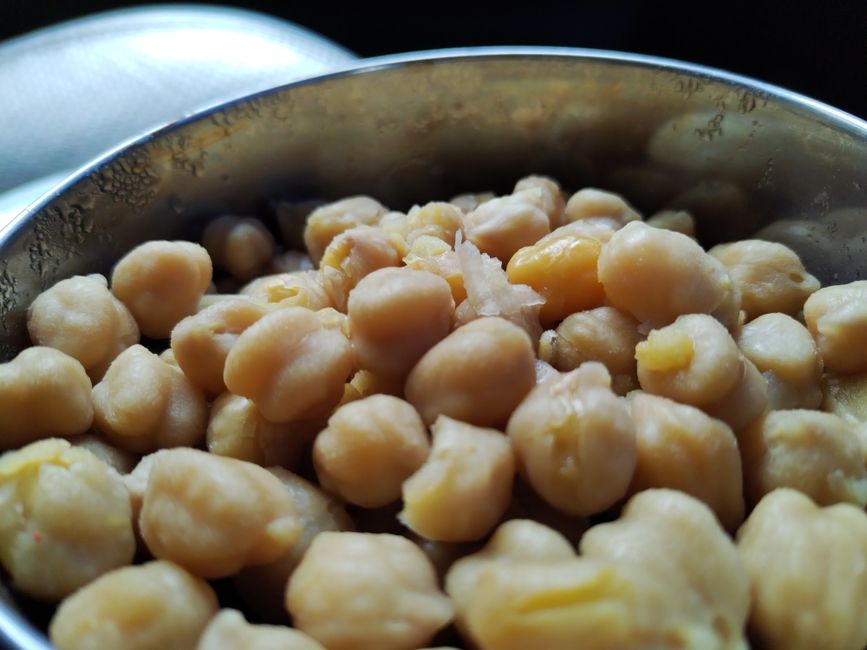
When we talk about the “best” protein foods for muscle building, we’re not just looking for quantity. Several characteristics define a superior protein source:
<
>
1. High Biological Value (HBV) / Completeness:
HBV refers to how efficiently the protein can be used by the body. Foods with a high biological value contain all nine essential amino acids in the right proportions for human needs. As mentioned, animal proteins are typically HBV, while plant proteins may need combining to achieve completeness.
2. Digestibility:
How easily your body can break down and absorb the amino acids from a protein source is crucial. Proteins with high digestibility ensure that a greater percentage of the amino acids are available for muscle repair and growth.
3. Nutrient Density:
Beyond just protein, the best sources often come packed with other beneficial nutrients like vitamins, minerals, healthy fats, and fiber. These co-nutrients support overall health, energy production, and various metabolic processes essential for muscle growth and recovery.
4. Versatility and Accessibility:
Practicality matters. Foods that are easy to prepare, widely available, and can be incorporated into a variety of meals make it much easier to consistently meet your protein targets.
Top Animal-Based Protein Sources for Muscle Building
Animal proteins are often considered the gold standard for muscle building due to their complete amino acid profile, high digestibility, and rich nutrient content. Here are some of the best choices:
1. Lean Meats: The Muscle-Building Staples
Lean meats are packed with high-quality protein, iron, zinc, and B vitamins, all crucial for energy production and muscle function.
- Chicken Breast: The quintessential bodybuilder’s food. Skinless, boneless chicken breast is incredibly lean, providing an excellent protein-to-calorie ratio. A 4-ounce (112g) serving can offer around 25-30 grams of protein with minimal fat. It’s incredibly versatile for grilling, baking, stir-frying, or adding to salads. Its consistent amino acid profile makes it a reliable source for muscle protein synthesis.
- Turkey Breast: Very similar to chicken breast in nutritional profile – lean, high in protein, and a good source of B vitamins. Turkey is an excellent alternative or complement to chicken, offering a slightly different flavor profile. Ground turkey is also a fantastic lean option for burgers, meatballs, or chili.
- Lean Beef (Sirloin, Round, Flank Steak): Beef isn’t just about protein; it’s a powerhouse of nutrients. Lean cuts provide high-quality protein, heme iron (which is highly bioavailable), zinc, selenium, and B vitamins (especially B12, crucial for nerve function and red blood cell formation). Beef also contains creatine, a compound that helps muscles produce energy during heavy lifting, and L-carnitine, which plays a role in fat metabolism. Look for cuts like sirloin, round, or flank steak and trim visible fat.
- Pork Tenderloin: Often overlooked, pork tenderloin is an exceptionally lean and tender cut of pork, comparable to chicken breast in its leanness and protein content. It’s a great source of thiamine (Vitamin B1), phosphorus, and zinc, alongside its high-quality protein. It’s quick to cook and highly versatile.
2. Fish and Seafood: Omega-3 Powerhouses
Fish and seafood provide lean protein along with healthy fats, particularly omega-3 fatty acids, which are beneficial for reducing inflammation, supporting heart health, and potentially aiding muscle recovery.
- Salmon: A true superfood for muscle builders. Salmon is rich in high-quality protein (around 20-25g per 4oz serving) and incredibly high in omega-3 fatty acids (EPA and DHA). These healthy fats are crucial for reducing exercise-induced inflammation, supporting joint health, and overall well-being. Salmon also provides vitamin D, essential for bone health and immune function.
- Tuna: Canned tuna (in water) is a convenient, affordable, and potent source of lean protein, making it a go-to for many. A 3-ounce serving can provide about 20-25 grams of protein. It’s also a good source of selenium and B vitamins. Be mindful of mercury levels with consistent consumption of certain tuna types (e.g., albacore), opting for light tuna or varied fish intake.
- Cod, Tilapia, and Other White Fish: These fish varieties are exceptionally lean and mild-flavored, offering a fantastic protein source with very few calories and minimal fat. A 4-ounce serving typically delivers 20-25 grams of protein. They are versatile for baking, grilling, or pan-searing and are easy to digest.
- Shrimp and Other Shellfish: Shrimp, scallops, and other shellfish are incredibly low in calories but high in protein (around 20-25g per 4oz). They are also good sources of selenium, iodine, and vitamin B12. They cook quickly and add a gourmet touch to meals without adding much fat.
3. Eggs: The “Perfect” Protein
Often referred to as nature’s perfect protein, eggs are an incredibly bioavailable and cost-effective option for muscle building.
- Whole Eggs: One large egg contains about 6 grams of high-quality protein, with 3 grams in the yolk and 3 in the white. The yolk also contains essential vitamins (A, D, E, K, B vitamins), minerals (iron, selenium), and healthy fats, along with choline, which is vital for brain health. The protein in eggs has a biological value of 100, meaning it’s incredibly efficient for your body to use. Don’t fear the yolk – dietary cholesterol from eggs has been shown to have little impact on blood cholesterol for most healthy individuals.
- Egg Whites: If you’re looking to maximize protein intake while minimizing fat and calories, egg whites are pure protein. They are a staple for many bodybuilders and provide a convenient way to boost protein without adding significant calories.
4. Dairy Products: Versatile and Nutrient-Rich
Dairy products offer a unique combination of whey and casein proteins, providing both fast and slow-digesting amino acids, along with calcium and other vital nutrients.
- Greek Yogurt: A superstar in the dairy world. Greek yogurt is strained to remove much of the whey, resulting in a thicker, creamier product with double the protein of regular yogurt (typically 15-20g per 6oz serving). It’s rich in casein protein, which digests slowly, providing a sustained release of amino acids, making it excellent for satiety and overnight muscle recovery. It also contains probiotics for gut health and calcium for bone strength.
- Cottage Cheese: Another excellent source of slow-digesting casein protein, cottage cheese is a classic bodybuilding food. A half-cup serving can provide 12-15 grams of protein. It’s also a good source of calcium, phosphorus, and selenium. Its slow digestion makes it an ideal bedtime snack to prevent muscle breakdown during sleep.
- Milk: Both skim and whole milk provide a blend of fast-acting whey protein and slow-digesting casein protein, making it an effective post-workout recovery drink. One cup of milk contains about 8 grams of protein, along with calcium, vitamin D, and other nutrients. Chocolate milk, with its combination of protein and carbohydrates, is often lauded as an excellent recovery beverage.
- Whey Protein Powder: While a supplement, whey protein is derived from milk during the cheesemaking process. It’s famous for its rapid digestion and high concentration of branched-chain amino acids (BCAAs), particularly leucine, making it exceptionally effective for stimulating MPS quickly after a workout. It’s a convenient way to boost protein intake, especially when whole foods aren’t readily available.
Top Plant-Based Protein Sources for Muscle Building
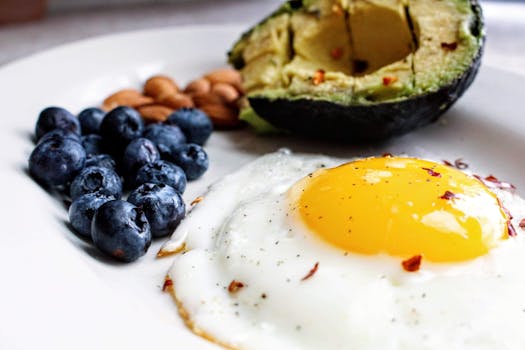
For vegetarians, vegans, or anyone looking to diversify their protein intake, the plant kingdom offers a vast array of nutrient-dense, muscle-building options. While many plant proteins are incomplete, strategic combinations can easily provide all essential amino acids.
<
>
1. Legumes: Fiber-Rich Protein Powerhouses
Legumes are a staple in many cultures, providing affordable protein, fiber, and various micronutrients.
- Lentils: A nutritional powerhouse, lentils are an excellent source of protein (around 9g per half-cup cooked), dietary fiber, iron, and folate. They are versatile for soups, stews, salads, or as a meat substitute. While not a complete protein on their own, they complement grains like rice perfectly.
- Beans (Black, Kidney, Chickpeas): Beans are incredibly versatile and nutritious. A half-cup serving of cooked beans typically provides 7-8 grams of protein along with abundant fiber, which aids digestion and promotes satiety. They are rich in complex carbohydrates, iron, magnesium, and potassium. Combine them with rice or corn to create a complete protein meal.
- Edamame: These young soybeans are a complete protein source, offering all nine essential amino acids. A half-cup serving of shelled edamame provides about 11 grams of protein and 8 grams of fiber. They make a fantastic snack, appetizer, or addition to stir-fries and salads.
2. Soy Products: Complete Plant Proteins
Soy is one of the few plant-based sources that offers a complete protein profile, making it invaluable for plant-based diets.
- Tofu: Made from condensed soy milk, tofu is a versatile and complete protein source. Its neutral flavor allows it to absorb marinades and seasonings beautifully. A half-cup serving (firm tofu) can provide 10-20 grams of protein, depending on density, along with calcium and iron. It can be baked, fried, scrambled, or added to soups and curries.
- Tempeh: A fermented soy product, tempeh has a firmer texture and nuttier flavor than tofu. Fermentation makes it easier to digest and also increases its nutrient content. A 3-ounce serving offers around 15-20 grams of complete protein, fiber, and probiotics. It’s excellent for grilling, crumbling into sauces, or using in sandwiches.
3. Grains and Seeds: More Than Just Carbs
Certain grains and seeds stand out for their impressive protein content and unique nutritional benefits.
- Quinoa: Unlike most grains, quinoa is a complete protein, meaning it contains all nine essential amino acids. A one-cup serving of cooked quinoa provides about 8 grams of protein, along with a significant amount of fiber, magnesium, iron, and B vitamins. It’s a fantastic alternative to rice or pasta.
- Buckwheat: While its name suggests otherwise, buckwheat is a pseudocereal, not related to wheat, and is gluten-free. It’s another complete protein source, offering about 6 grams of protein per cup cooked, along with fiber, manganese, and magnesium. It can be used as a porridge, in salads, or as flour for baking.
- Hemp Seeds: These small seeds are a nutritional powerhouse, providing around 10 grams of complete protein per 3 tablespoons, along with a beneficial ratio of omega-3 and omega-6 fatty acids. They are also rich in magnesium, zinc, and iron. Sprinkle them on salads, yogurt, smoothies, or oatmeal.
- Chia Seeds: Known for their high fiber content and omega-3s, chia seeds also contribute a decent amount of protein (around 5 grams per 2 tablespoons). While not a complete protein on their own, they are incredibly nutrient-dense and versatile, often used in puddings, smoothies, or as an egg replacer.
- Pumpkin Seeds: A great snack, pumpkin seeds offer about 8-10 grams of protein per quarter-cup serving, along with zinc, magnesium, and healthy fats. They are also rich in antioxidants.
4. Nuts (in moderation): Healthy Fats and Protein
While higher in fat, nuts provide healthy monounsaturated and polyunsaturated fats along with a good dose of protein.
- Almonds: Around 6 grams of protein per ounce (about 23 almonds), plus vitamin E and healthy fats.
- Peanuts (technically a legume): About 7 grams of protein per ounce, along with biotin and healthy fats. Peanut butter is also a popular and convenient protein source.
- Walnuts: About 4 grams of protein per ounce, notable for their high alpha-linolenic acid (ALA) omega-3 content.
5. Plant-Based Protein Powders (as a supplement)
For those struggling to meet protein needs through whole foods alone, plant-based protein powders can be a convenient supplement. Options include pea protein, rice protein, hemp protein, and soy protein. Many brands offer blends to ensure a complete amino acid profile.
Optimizing Protein Intake for Maximum Muscle Growth
Knowing which foods are rich in protein is only half the battle. How you consume that protein throughout the day can significantly impact your muscle-building results. GetLeanPulse.com emphasizes not just what you eat, but when and how you eat it.
1. Distribute Protein Evenly Throughout the Day:
Instead of consuming the majority of your protein in one or two large meals, aim to spread your intake evenly across 4-6 meals or snacks. Research suggests that consuming 20-40 grams of protein every 3-4 hours helps to sustain elevated muscle protein synthesis rates throughout the day, leading to greater muscle gains over time. This approach also helps manage hunger and stabilize blood sugar levels.
2. Prioritize Protein Around Workouts:
- Pre-Workout: Consuming protein (along with carbohydrates) 1-3 hours before your workout can help prepare your muscles for activity, reduce muscle damage, and provide amino acids for early repair.
- Post-Workout: The “anabolic window” post-exercise is often discussed. While not as narrow as once thought, consuming 20-40 grams of high-quality protein (especially fast-digesting sources like whey or lean meat) within 1-2 hours after your workout is beneficial. This replenishes amino acid stores, initiates muscle repair, and maximizes MPS. Combining protein with carbohydrates post-workout is also crucial for glycogen replenishment and enhanced protein uptake.
3. Don’t Forget Protein Before Bed:
Consuming a slow-digesting protein source, such as casein (found in cottage cheese, Greek yogurt, or casein protein powder), before bed can help prevent muscle protein breakdown during your overnight fast. This provides a steady supply of amino acids to your muscles, supporting recovery and growth while you sleep.
4. Combine Plant Proteins for Completeness:
If you primarily rely on plant-based proteins, ensure you combine complementary proteins throughout the day to get all essential amino acids. For example:
- Legumes (e.g., beans, lentils) + Grains (e.g., rice, quinoa)
- Nuts/Seeds + Legumes
- Soy products (tofu, tempeh) are complete on their own.
You don’t necessarily need to combine them in every single meal, but ensuring a variety of plant proteins over the course of a day will cover your bases.
5. Make High-Protein Snacks a Priority:
Integrating protein-rich snacks between main meals is an excellent way to boost your daily intake. Ideas include Greek yogurt, cottage cheese, hard-boiled eggs, a handful of nuts, edamame, protein bars, or a small protein shake. These snacks help keep you full, prevent overeating, and consistently feed your muscles.
Beyond Protein: The Holistic Approach to Muscle Building
While protein is paramount, it’s crucial to remember that muscle building is a complex process that requires a holistic approach. Focusing solely on protein while neglecting other aspects will limit your results. GetLeanPulse.com advocates for a balanced strategy:
1. Resistance Training is the Stimulus:
No amount of protein will build muscle without the primary stimulus: progressive resistance training. You need to consistently challenge your muscles through lifting weights, bodyweight exercises, or resistance bands to signal them to grow stronger and larger. Aim for 3-5 strength training sessions per week, focusing on compound movements.
2. Adequate Calorie Intake:
To build muscle, most people need to be in a slight caloric surplus, meaning you consume slightly more calories than you burn. This provides the energy necessary for training and the building blocks for new tissue. Without enough calories, your body may catabolize muscle for energy, even if you’re consuming ample protein.
3. Carbohydrates for Energy and Recovery:
Carbohydrates are your body’s primary fuel source. They provide the energy needed for intense workouts and replenish muscle glycogen stores post-exercise, which is critical for recovery and subsequent performance. Focus on complex carbohydrates like whole grains, fruits, and vegetables.
4. Healthy Fats for Hormonal Balance:
Healthy fats are essential for hormone production (including testosterone, vital for muscle growth), nutrient absorption, and overall health. Incorporate sources like avocados, nuts, seeds, olive oil, and fatty fish into your diet.
5. Sleep and Recovery:
Muscle growth doesn’t happen in the gym; it happens during recovery. Adequate sleep (7-9 hours per night) is crucial for hormone regulation (growth hormone and testosterone are released during sleep) and muscle repair. Overtraining and insufficient recovery can hinder progress and increase injury risk.
6. Hydration:
Water plays a vital role in every bodily function, including nutrient transport, waste removal, and maintaining joint health. Stay well-hydrated throughout the day, especially around workouts.
7. Consistency and Patience:
Muscle building is a marathon, not a sprint. Consistency in training, nutrition, and recovery over months and years is what yields significant, lasting results. Be patient with the process and celebrate small victories.
Sample High-Protein Meal Ideas for a Muscle-Building Day
To put this knowledge into practice, here are some sample meal ideas incorporating the best protein foods:
- Breakfast (approx. 30-40g protein):
- Greek yogurt (1 cup) with a scoop of whey protein mixed in, topped with a handful of berries and hemp seeds.
- Scrambled eggs (3-4 whole eggs or 6-8 egg whites) with spinach and whole-wheat toast.
- Oatmeal made with milk, mixed with a scoop of plant-based protein powder and sliced almonds.
- Lunch (approx. 35-45g protein):
- Grilled chicken breast (5-6oz) salad with mixed greens, quinoa, and a light vinaigrette.
- Large tuna (canned in water) sandwich on whole-grain bread with avocado and a side of carrot sticks.
- Lentil and vegetable soup with a side of whole-grain bread.
- Lean ground turkey stir-fry with broccoli, bell peppers, and brown rice.
- Snack (Mid-afternoon, approx. 20-30g protein):
- Cottage cheese (1 cup) with sliced peaches.
- Hard-boiled eggs (2-3) with an apple.
- Protein shake (whey or plant-based) with a banana.
- Edamame (1 cup) steamed with a pinch of salt.
- Dinner (approx. 40-50g protein):
- Baked salmon (6oz) with roasted sweet potatoes and asparagus.
- Lean beef sirloin (6oz) with a large serving of steamed green beans and a small baked potato.
- Tofu or tempeh curry with chickpeas and brown rice.
- Pork tenderloin (5-6oz) with a side of mixed greens and quinoa.
- Evening Snack (if needed, approx. 20-30g protein):
- Small bowl of Greek yogurt.
- Casein protein shake.
Common Mistakes to Avoid in Your Muscle-Building Diet
Even with the best intentions, it’s easy to fall into common pitfalls that can hinder your muscle-building progress. Being aware of these mistakes can help you stay on track:
1. Not Consuming Enough Total Protein:
This is perhaps the most frequent mistake. Many individuals underestimate their daily protein needs, especially when starting a muscle-building journey. Track your intake for a few days to
Photo by Foodie Factor on Pexels