Mediterranean Diet Meal Plan for Beginners: Your Guide to Vibrant Health
Are you looking for a sustainable, delicious, and incredibly healthy way to eat that supports weight loss, boosts heart health, and enhances overall well-being? Look no further than the Mediterranean diet. Far from being a restrictive fad, this eating pattern is a time-tested lifestyle inspired by the traditional cuisines of countries bordering the Mediterranean Sea. It’s renowned for its emphasis on whole, unprocessed foods, abundant plant-based options, healthy fats, and a mindful approach to eating.
For beginners, the idea of adopting a new diet can seem overwhelming. Where do you start? What foods should you buy? How do you even put together a meal? That’s exactly why we at GetLeanPulse.com have crafted this comprehensive guide and a practical 7-day Mediterranean diet meal plan specifically designed for you. We’ll demystify the principles, equip you with essential pantry staples, and provide a week of mouth-watering meals that are easy to prepare and bursting with flavor. Get ready to embark on a journey that will transform your health, one delicious meal at a time!
What is the Mediterranean Diet? A Legacy of Health and Flavor
The Mediterranean diet isn’t a strict diet in the conventional sense; it’s more of a cultural eating pattern. It’s based on the traditional foods and cooking methods of people living in countries like Greece, Italy, Spain, and France decades ago. Researchers observed that these populations enjoyed exceptionally low rates of chronic diseases and longer lifespans, attributing much of this to their diet and lifestyle.
Key Principles: Eating the Mediterranean Way
At its heart, the Mediterranean diet emphasizes a balanced approach to nutrition, focusing on:
- Abundant Plant Foods: This is the cornerstone. Load up on fruits, vegetables, whole grains, legumes (beans, lentils, chickpeas), nuts, and seeds. These provide fiber, vitamins, minerals, and antioxidants.
- Olive Oil as the Primary Fat: Extra virgin olive oil is the star, used for cooking, dressing, and dipping. It’s rich in monounsaturated fats and powerful antioxidants.
- Fish and Seafood Often: Aim for fish (especially fatty fish like salmon, mackerel, sardines, and tuna) at least twice a week. They are excellent sources of omega-3 fatty acids.
- Poultry, Eggs, and Dairy in Moderation: Enjoy lean poultry, eggs, and dairy products like Greek yogurt, feta, and goat cheese in smaller portions, less frequently than plant foods or fish.
- Red Meat Rarely: Red meat is consumed sparingly, perhaps a few times a month, and in small portions.
- Water and Red Wine in Moderation: Water is the primary beverage. Red wine can be enjoyed in moderation (one glass for women, two for men per day) with meals, though it’s entirely optional.
- Herbs and Spices Over Salt: Flavor your food naturally with a wide array of herbs and spices, reducing the need for excessive salt.
- Embracing a Healthy Lifestyle: Beyond the plate, the Mediterranean approach encourages regular physical activity, mindful eating, cooking at home, and enjoying meals with others.
This isn’t about calorie counting or deprivation; it’s about choosing wholesome, flavorful foods that nourish your body and soul.
Why Choose the Mediterranean Diet for Beginners? Unpacking the Benefits
For anyone new to healthy eating, the Mediterranean diet offers a welcoming and highly effective entry point. It’s not just “another diet”; it’s a proven blueprint for long-term health.
Unpacking the Myriad Health Benefits
The scientific community has extensively studied the Mediterranean diet, consistently finding a wealth of health advantages:
- Superior Heart Health: Perhaps its most famous benefit, the Mediterranean diet significantly lowers the risk of heart disease, stroke, and high blood pressure. The emphasis on healthy fats (olive oil, nuts, seeds, fatty fish), fiber-rich plant foods, and limited saturated and trans fats contributes to lower LDL (“bad”) cholesterol and improved arterial function.
- Effective Weight Management: While not designed solely for weight loss, the Mediterranean diet naturally promotes a healthy weight. Its high fiber content from fruits, vegetables, and whole grains leads to greater satiety, reducing overall calorie intake. Healthy fats also contribute to fullness, and the focus on whole, unprocessed foods eliminates empty calories often found in processed snacks. It’s a sustainable approach, not a crash diet, leading to gradual, lasting results.
- Enhanced Brain Health: The omega-3 fatty acids from fish, antioxidants from fruits and vegetables, and healthy fats in olive oil are crucial for cognitive function. Studies suggest the Mediterranean diet can help protect against cognitive decline, dementia, and even improve mood.
- Better Blood Sugar Control: For individuals with or at risk of type 2 diabetes, this diet is a game-changer. The high fiber content slows sugar absorption, preventing blood sugar spikes. It also improves insulin sensitivity, making it an excellent dietary choice for managing and preventing diabetes.
- Reduced Inflammation and Increased Longevity: Chronic inflammation is a root cause of many diseases. The Mediterranean diet, rich in anti-inflammatory compounds from olive oil, fruits, vegetables, and fish, helps combat inflammation throughout the body. This protective effect contributes to a longer, healthier life.
- Improved Gut Health: The abundance of fiber and prebiotics in plant foods supports a diverse and healthy gut microbiome, which is increasingly linked to overall health, immunity, and even mood.
Why It’s Perfect for Beginners
Starting a new eating plan can feel daunting, but the Mediterranean diet stands out for its beginner-friendly nature:
- Ease of Adoption: Unlike highly restrictive diets that eliminate entire food groups, the Mediterranean diet encourages a wide variety of delicious foods. It’s about shifting your focus to healthier choices, not cutting everything out.
- Flexibility: There’s no rigid calorie counting or complex rules. It’s a template that you can adapt to your preferences, local produce, and cultural background. This flexibility makes it easier to stick with long-term.
- Delicious Flavors: You won’t feel deprived. The Mediterranean diet celebrates fresh ingredients, aromatic herbs, and simple cooking methods that bring out incredible natural flavors. Eating healthy becomes an enjoyable experience, not a chore.
- Sustainable for Life: Because it’s a lifestyle rather than a temporary fix, the Mediterranean diet is something you can easily maintain indefinitely, reaping its benefits for years to come.
Building Your Mediterranean Pantry: The Essentials
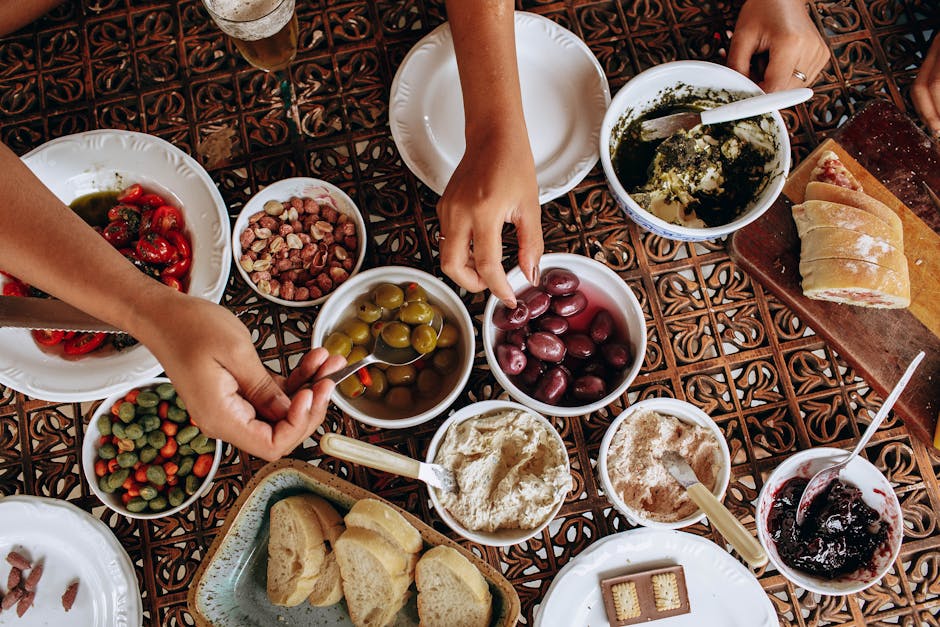
Before diving into your meal plan, let’s stock your kitchen with the building blocks of Mediterranean cuisine. Don’t feel pressured to buy everything at once; start with what you need for your first week and gradually expand.
Staples You’ll Need Often (The Foundation)
These are the foods you’ll want to have on hand consistently:
- Extra Virgin Olive Oil (EVOO): Invest in a good quality EVOO. It’s your primary cooking fat, salad dressing base, and finishing oil.
- Whole Grains:
- Oats (rolled or steel-cut for breakfast)
- Brown Rice or Wild Rice
- Quinoa
- Whole Wheat Pasta
- Whole Wheat Bread or Pita Bread
- Barley, Farro, or Bulgur
- Legumes:
- Lentils (brown, green, red)
- Chickpeas (garbanzo beans)
- Canned Beans (black beans, kidney beans, cannellini beans) – look for low sodium.
- Nuts & Seeds:
- Almonds, Walnuts, Pistachios, Cashews (unsalted, raw or dry-roasted)
- Chia Seeds, Flax Seeds, Hemp Seeds
- Sunflower Seeds, Pumpkin Seeds
- Fruits:
- Fresh: Apples, Oranges, Berries (strawberries, blueberries, raspberries), Grapes, Bananas, Peaches, Pears, Figs, Melons.
- Dried: Raisins, Dates, Apricots (in moderation due to concentrated sugar).
- Vegetables:
- Fresh: Spinach, Kale, Broccoli, Cauliflower, Bell Peppers, Zucchini, Eggplant, Tomatoes, Cucumbers, Onions, Garlic, Carrots, Potatoes, Sweet Potatoes.
- Frozen: Peas, Green Beans, Spinach, Mixed Vegetables (great for convenience).
- Herbs & Spices:
- Fresh: Parsley, Cilantro, Basil, Oregano, Rosemary, Thyme, Mint.
- Dried: Oregano, Basil, Thyme, Rosemary, Cumin, Coriander, Paprika, Turmeric, Black Pepper.
- Vinegars & Lemon: Balsamic vinegar, red wine vinegar, apple cider vinegar, fresh lemons for dressings and flavor.
- Fish (Canned/Frozen): Canned tuna (packed in water or olive oil), canned sardines, frozen white fish (cod, tilapia) or salmon fillets.
Moderate Items (You’ll Use Them, But Not Every Day)
These add variety and flavor, but are consumed in smaller quantities:
- Dairy: Greek yogurt (plain), Feta cheese, Halloumi, Goat cheese, Parmesan.
- Eggs: For breakfasts or simple meals.
- Lean Poultry: Chicken breast, turkey (skinless).
Items to Limit or Avoid (Rarely or Never)
These foods are generally minimized or excluded from a Mediterranean diet:
- Red and Processed Meats: Bacon, sausage, deli meats, excessive amounts of beef or pork.
- Refined Grains: White bread, white pasta, white rice (opt for whole grain versions instead).
- Sugary Drinks: Sodas, sweetened teas, fruit juices with added sugar.
- Processed Snacks: Chips, cookies, cakes, pastries.
- Highly Processed Foods: Fast food, packaged meals with long ingredient lists.
- Unhealthy Fats: Margarine, partially hydrogenated oils, excessive butter.
Remember, this is about progress, not perfection. Start by incorporating more of the “often” foods and gradually reduce the “limit” foods.
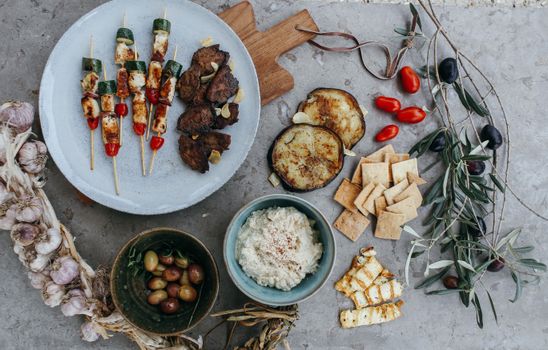
Your 7-Day Mediterranean Diet Meal Plan for Beginners
This meal plan is designed to be simple, flavorful, and easy to follow for someone new to the Mediterranean diet. It focuses on whole foods, practical preparation, and delicious combinations. Feel free to swap meals around, adjust portion sizes to your hunger levels, and substitute ingredients based on your preferences and what’s available.
How to Use This Plan:
- Portion Control: Listen to your body. Eat until you are satisfied, not stuffed.
- Hydration: Drink plenty of water throughout the day.
- Snacks: Stick to the suggested healthy snacks if you get hungry between meals.
- Cooking Ahead: Consider prepping some ingredients on a Sunday (chopping veggies, cooking a batch of quinoa) to save time during the week.
- Flexibility: This is a guide. If you don’t like a specific food, swap it for another Mediterranean-approved option.
Day 1: A Fresh Start
- Breakfast: Greek Yogurt Parfait. 1 cup plain Greek yogurt layered with ½ cup mixed berries and 1/4 cup chopped walnuts. Drizzle with a teaspoon of honey (optional).
- Lunch: Large Mixed Green Salad with Chickpeas. Mixed greens, cucumber, cherry tomatoes, bell peppers, ½ cup chickpeas, 1/4 cup crumbled feta cheese. Dress with 2 tbsp extra virgin olive oil and lemon juice. Serve with a slice of whole-wheat pita bread.
- Dinner: Baked Salmon with Roasted Vegetables. A 4-6 oz salmon fillet seasoned with lemon, dill, salt, and pepper, baked until flaky. Serve with 1 cup roasted broccoli and sweet potato wedges (tossed in olive oil, salt, and pepper).
- Snacks: An apple with a small handful of almonds.
- Dessert: A small bowl of fresh grapes.
Day 2: Seafood & Grains
- Breakfast: Oatmeal with Fruit and Seeds. ½ cup rolled oats cooked with water or unsweetened almond milk, topped with ½ sliced banana, 1 tbsp chia seeds, and a sprinkle of cinnamon.
- Lunch: Tuna Salad on Whole Wheat Bread. Mix canned tuna (packed in water or olive oil) with chopped celery, red onion, a spoonful of Greek yogurt (instead of mayo), and a squeeze of lemon juice. Serve open-faced on one slice of whole-wheat bread with a side of carrot sticks.
- Dinner: Whole Wheat Pasta with Marinara and Lentils. 1 cup cooked whole wheat pasta tossed with ½ cup marinara sauce (low sugar) and ½ cup cooked lentils for added protein. Serve with a side salad dressed with olive oil and vinegar.
- Snacks: A small container of plain Greek yogurt.
- Dessert: A small orange.
Day 3: Legume Love
- Breakfast: Scrambled Eggs with Spinach. 2 scrambled eggs cooked with a handful of fresh spinach and a drizzle of olive oil. Serve with a slice of whole-wheat toast.
- Lunch: Leftover Whole Wheat Pasta with Marinara and Lentils.
- Dinner: Hearty White Bean and Vegetable Soup. A bowl of homemade soup made with cannellini beans, diced tomatoes, carrots, celery, spinach, garlic, herbs (oregano, basil), and vegetable broth. Serve with a drizzle of olive oil and a small piece of crusty whole-wheat bread.
- Snacks: A peach.
- Dessert: A small handful of dates.
Day 4: Hearty & Healthy
- Breakfast: Greek Yogurt with Berries and Walnuts. (Repeat from Day 1, or swap nuts for seeds).
- Lunch: Hummus and Veggie Wrap. Spread 1/4 cup hummus on a whole-wheat tortilla, fill with sliced cucumber, bell peppers, grated carrots, and spinach. Roll up and enjoy.
- Dinner: Chicken and Vegetable Skewers with Quinoa. Thread cubed chicken breast and your favorite veggies (zucchini, bell peppers, onions, cherry tomatoes) onto skewers. Brush with olive oil, lemon juice, and herbs. Grill or bake until cooked through. Serve with 1 cup cooked quinoa.
- Snacks: A handful of mixed nuts.
- Dessert: A small bowl of mixed berries.
Day 5: Veggie Focused
- Breakfast: Oatmeal with Fruit and Seeds. (Repeat from Day 2).
- Lunch: Large Mixed Green Salad with Chickpeas. (Repeat from Day 1).
- Dinner: Mediterranean Roasted Vegetable Bowl. Roast a mix of eggplant, zucchini, bell peppers, red onion, and cherry tomatoes (tossed in olive oil, garlic, oregano). Serve over ½ cup brown rice or farro, topped with a sprinkle of feta cheese and fresh parsley.
- Snacks: A pear.
- Dessert: A small piece of dark chocolate (70% cocoa or higher).
Day 6: Weekend Feast
- Breakfast: Whole-Wheat Pancakes with Fruit. Make whole-wheat pancakes (use unsweetened almond milk) and top with fresh berries and a small drizzle of maple syrup or honey.
- Lunch: Leftover Mediterranean Roasted Vegetable Bowl.
- Dinner: Fish Tacos (Mediterranean style). Flaky white fish (cod or tilapia) seasoned and baked or grilled. Serve in whole-wheat tortillas with shredded cabbage, fresh salsa (diced tomatoes, onion, cilantro, lime juice), and a dollop of plain Greek yogurt.
- Snacks: Olives and a small piece of whole-wheat pita.
- Dessert: A small bowl of plain Greek yogurt with a sprinkle of cinnamon.
Day 7: Reflect & Recharge
- Breakfast: Scrambled Eggs with Spinach and Whole-Wheat Toast. (Repeat from Day 3).
- Lunch: Large Mixed Green Salad with Chickpeas and Feta. (Repeat from Day 1).
- Dinner: Simple Lentil Soup (similar to Day 3, or use store-bought low-sodium version). Serve with a side of greens dressed simply with olive oil and lemon.
- Snacks: Baby carrots and a small portion of hummus.
- Dessert: A small apple.
Hydration & Optional Indulgences
- Water: Make water your primary beverage. Keep a water bottle handy and sip throughout the day.
- Coffee/Tea: Enjoy unsweetened coffee or tea in moderation.
- Red Wine: If you enjoy it, a glass of red wine with dinner (1 for women, up to 2 for men) is consistent with the Mediterranean lifestyle, but it is entirely optional and not encouraged if you don’t already drink.
Beyond the Plate: Mediterranean Lifestyle Tips for Beginners
The Mediterranean diet is more than just a list of foods; it’s a holistic approach to well-being. To truly embrace this lifestyle, consider these additional tips:
Embrace Physical Activity
Regular movement is an integral part of Mediterranean culture. This doesn’t mean you need to hit the gym for intense workouts daily, especially if you’re a beginner. Start small:
- Daily Walks: Aim for a brisk 30-minute walk most days of the week.
- Gardening: A gentle way to stay active and connect with your food.
- Take the Stairs: Simple changes add up.
- Find Joy in Movement: Choose activities you genuinely enjoy, whether it’s dancing, cycling, or swimming.
Prioritize Social Connections & Mindful Eating
Meals in Mediterranean cultures are often social events, savored with family and friends.
- Eat with Others: Share meals when possible. It slows down eating and enhances enjoyment.
- Eat Mindfully: Pay attention to your food – its flavors, textures, and aromas. Eat slowly, without distractions like TV or phones. This helps you recognize fullness cues and truly appreciate your meal.
- Cook Together: Involve family or friends in meal preparation.
Cook More at Home
Preparing your own meals gives you control over ingredients and cooking methods.
- Start Simple: Don’t feel pressured to create elaborate dishes. Our meal plan offers easy, beginner-friendly recipes.
- Batch Cooking: Cook larger quantities of grains (quinoa, brown rice) or roasted vegetables to use in multiple meals throughout the week.
- Experiment: Once you get comfortable, try new recipes and ingredients.
Season Generously with Herbs & Spices
Mediterranean cuisine is famous for its vibrant flavors, often achieved through generous use of herbs and spices rather than excessive salt or unhealthy sauces.
- Fresh is Best: Incorporate fresh basil, parsley, oregano, mint, and cilantro whenever possible.
- Dried Staples: Keep dried oregano, thyme, rosemary, cumin, and paprika on hand.
- Lemon & Garlic: These are powerhouse flavor enhancers in Mediterranean cooking.
Shopping Smart: Your Mediterranean Grocery List
To make your first few weeks easier, here’s a consolidated shopping list based on the meal plan and pantry essentials.
Produce Aisle:
- Fruits: Apples, Bananas, Berries (strawberries, blueberries), Grapes, Oranges, Peaches, Pears, Lemons.
- Vegetables: Spinach, Mixed Greens, Broccoli, Sweet Potatoes, Carrots, Cucumbers, Cherry Tomatoes, Bell Peppers (various colors), Zucchini, Eggplant, Red Onion, Garlic, Celery.
- Fresh Herbs: Parsley, Dill, Basil (optional, for specific recipes).
Pantry Staples:
- Extra Virgin Olive Oil
- Vinegars: Balsamic, Red Wine
- Whole Grains: Rolled Oats, Brown Rice, Quinoa, Whole Wheat Pasta, Whole Wheat Bread/Pita, Whole Wheat Tortillas.
- Legumes: Canned Chickpeas, Canned Cannellini Beans, Dried Red/Green Lentils.
- Nuts & Seeds: Walnuts, Almonds, Chia Seeds, Mixed Nuts (unsalted).
- Canned Goods: Canned Tuna (in water or olive oil), Canned Diced Tomatoes, Low-sodium Marinara Sauce, Vegetable Broth.
- Spices: Dried Oregano, Basil, Dill, Cumin, Black Pepper, Cinnamon.
- Optional: Honey, Dates, Dark Chocolate (70%+).
Protein & Dairy:
- Eggs
- Plain Greek Yogurt
- Feta Cheese
- Chicken Breast (boneless, skinless)
- Salmon Fillets
- White Fish (Cod, Tilapia – fresh or frozen)
Frozen Foods:
- Frozen Mixed Berries (for smoothies or oatmeal)
- Frozen Spinach (convenient for cooking)
- Frozen Fish fillets (if not buying fresh)
Common Questions & Troubleshooting for Beginners
It’s natural to have questions when starting a new eating plan. Here are some common concerns for beginners on the Mediterranean diet:
“Is the Mediterranean diet expensive?”
It doesn’t have to be! While some ingredients like fresh fish can be pricey, the core of the diet relies on affordable staples:
- Legumes: Beans, lentils, and chickpeas are incredibly cheap and versatile protein sources.
- Seasonal Produce: Buy fruits and vegetables when they are in season for better prices.
- Frozen Produce: Just as nutritious and often more economical than fresh, especially for out-of-season items.
- Canned Fish: Canned tuna and sardines are budget-friendly sources of omega-3s.
- Cook at Home: Eating out is generally more expensive.
“What about snacks? I get hungry between meals.”
Snacks are encouraged, as long as they align with Mediterranean principles. Focus on whole, unprocessed options:
- Fresh fruit (apples, bananas, oranges, berries)
- A handful of nuts or seeds
- Vegetable sticks (carrots, celery, bell peppers) with hummus
- Plain Greek yogurt (perhaps with a few berries)
- Olives
- Whole-wheat crackers with a slice of cheese (in moderation)
“Can I still eat out on the Mediterranean diet?”
Absolutely! Many restaurants offer Mediterranean-friendly options:
- Salads: Choose salads with plenty of veggies, lean protein (fish, chicken, chickpeas), and ask for olive oil and vinegar dressing on the side.
- Grilled Fish or Chicken: Opt for grilled or baked rather than fried.
- Vegetable Sides: Ask for extra steamed or roasted vegetables instead of fries or creamy sides.
- Portion Control: Be mindful of portion sizes, especially with pasta or bread.
“How quickly will I lose weight on this diet?”
The Mediterranean diet is not a crash diet; it’s a sustainable lifestyle. Weight loss tends to be gradual and steady, which is often more sustainable than rapid weight loss. Focus on the overall health benefits and improved energy levels, and let healthy weight loss be a positive side effect of your new eating habits. Consistency is key.
“What if I don’t like fish?”
While fish is an important component, especially fatty fish for omega-3s, you have alternatives:
- Other Protein Sources: Focus on legumes (lentils, beans, chickpeas), nuts, seeds, eggs, and moderate amounts of lean poultry.
- Omega-3s from Plants: Chia seeds, flax seeds, and walnuts provide plant-based omega-3s (ALA), which the body can convert to EPA and DHA, though less efficiently than from fish.
- Experiment: Try different types of fish or preparation methods. Sometimes it’s the texture or smell that’s off-putting. Baked, grilled, or in a stew might be more palatable than fried.
Conclusion: Embrace Your New, Healthier Lifestyle Today!
Embarking on the Mediterranean diet is one of the best decisions you can make for your long-term health and well-being. It’s not about restriction or deprivation; it’s about abundance, flavor, and nourishing your body with wholesome foods. As a beginner, this comprehensive guide and 7-day meal plan provide a clear, actionable roadmap to get started.
Remember, consistency over perfection is the key. Start with small changes, gradually incorporate more Mediterranean principles, and don’t be afraid to experiment with new foods and recipes. You’ll soon discover the incredible flavors and undeniable health benefits that millions around the world have cherished for centuries.
So, take a deep breath, stock your pantry, and prepare to savor delicious meals that will not only help you get lean but also pulse with vibrant health. Your journey to a healthier, happier you starts now!
Photo by Karolina Grabowska www.kaboompics.com on Pexels