How to Lose 10 Pounds in 2 Weeks: A Comprehensive Guide to Rapid, Healthy Weight Loss
The desire to lose weight quickly is a common and understandable one. Whether you have a special event coming up, want to kickstart a longer weight loss journey, or simply feel ready for a significant change, the idea of shedding 10 pounds in just two weeks can be incredibly motivating. At GetLeanPulse.com, we understand this ambition, but we also prioritize health and sustainability above all else.
Achieving a 10-pound weight loss in 14 days is an aggressive goal. While certainly possible for many individuals, especially those with more weight to lose, it often involves a combination of true fat loss and a significant reduction in water weight. This guide will provide you with a strategic, evidence-based approach to pursue this goal as safely and effectively as possible, emphasizing crucial nutritional adjustments, targeted exercise, and essential lifestyle changes. However, it is paramount to consult with a healthcare professional or registered dietitian before embarking on any rapid weight loss program, especially if you have underlying health conditions.
Understanding Rapid Weight Loss: What’s Really Happening?
Before diving into the “how,” let’s clarify the “what.” When you lose weight rapidly, particularly in the initial stages, a significant portion of that loss is often water weight, not just fat. This is especially true when you drastically reduce carbohydrate intake and sodium. Carbohydrates stored in your body (as glycogen) bind with water. When you deplete these glycogen stores, your body sheds the associated water.
While this initial drop can be incredibly encouraging, it’s important to differentiate it from pure fat loss. To lose 10 pounds of pure body fat, you would need to create a caloric deficit of approximately 35,000 calories over two weeks, which translates to a deficit of 2,500 calories per day. For most people, sustaining such a deficit solely through diet and exercise is extremely challenging and potentially unhealthy. Our approach will aim for a substantial fat loss while also leveraging safe methods to reduce water retention, providing that satisfying initial progress.
Is Losing 10 Pounds in 2 Weeks Healthy?
This is a critical question. For some individuals, particularly those classified as obese, a rapid initial weight loss can be safe and even medically beneficial, often improving markers like blood sugar and blood pressure quickly. However, for others, especially those already at a healthy weight, such aggressive tactics can be counterproductive, leading to muscle loss, nutrient deficiencies, and a rebound effect once the restrictive phase ends.
The key to making this goal “healthy” is to focus on nutrient-dense foods, adequate protein intake, and a robust exercise regimen that preserves muscle mass. It’s about optimizing your body’s natural fat-burning mechanisms rather than simply starving yourself. This two-week plan is designed as an intensive kickstart, not a sustainable long-term diet. After the 14 days, transitioning to a more moderate, sustainable approach is crucial for long-term success and health.
Pillar 1: Strategic Nutrition for Accelerated Fat Loss and Reduced Water Retention
Your diet will be the most significant factor in achieving rapid weight loss. This isn’t about deprivation, but about intelligent food choices that maximize satiety, nutrient intake, and metabolic efficiency while creating a substantial calorie deficit.
1. Create a Significant Calorie Deficit (Responsibly)
To lose weight, you must consume fewer calories than your body burns. For a goal as aggressive as 10 pounds in two weeks, a significant deficit is required. While 2,500 calories/day for fat loss is extreme, aiming for a deficit of 1000-1500 calories below your maintenance level is a more realistic and safer target for this short period, under professional guidance.
- How to Estimate: Use an online TDEE (Total Daily Energy Expenditure) calculator to estimate your daily calorie maintenance needs. Subtract 1000-1500 calories from this number. For many women, this might mean a target of 1200-1500 calories per day; for men, 1500-1800 calories per day.
- Crucial Warning: Do not go below 1200 calories for women or 1500 calories for men without strict medical supervision. Extremely low-calorie diets can lead to nutrient deficiencies, muscle loss, metabolic slowdown, and other health complications.
2. Prioritize Lean Protein at Every Meal
Protein is your best friend for weight loss. It’s the most satiating macronutrient, meaning it keeps you feeling full longer, reducing overall calorie intake. It also has a higher thermic effect, meaning your body burns more calories digesting protein than fats or carbs. Crucially, adequate protein intake helps preserve muscle mass during a calorie deficit, which is vital for maintaining a healthy metabolism.
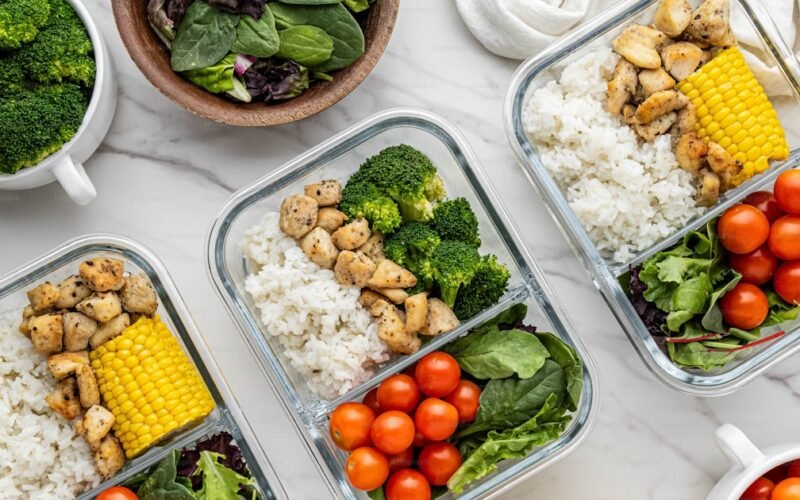
- Sources: Chicken breast, turkey, fish (salmon, tuna, cod), lean beef, eggs, Greek yogurt, cottage cheese, lentils, beans, tofu, protein powder.
- Target: Aim for 0.7-1 gram of protein per pound of your target body weight per day. Spread this intake evenly across your meals and snacks.
3. Maximize Non-Starchy Vegetables
Load up on non-starchy vegetables. They are incredibly low in calories, high in fiber, and packed with vitamins, minerals, and antioxidants. The high fiber content adds volume to your meals, promoting satiety without adding significant calories.
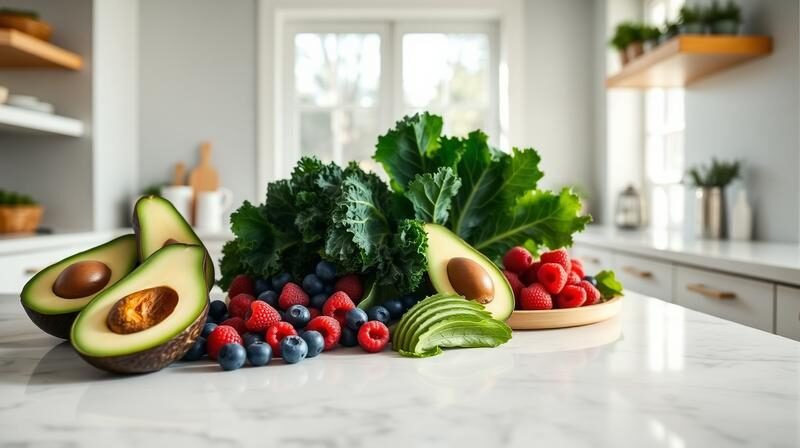
- Examples: Spinach, kale, broccoli, cauliflower, bell peppers, zucchini, cucumber, asparagus, green beans, lettuce.
- Strategy: Make half of your plate non-starchy vegetables at every meal. Snack on raw veggies between meals.
4. Choose Healthy Fats in Moderation
While fats are calorie-dense, healthy fats are essential for hormone production, nutrient absorption, and satiety. During a rapid weight loss phase, keep fat intake moderate but don’t eliminate it entirely.
- Sources: Avocado, nuts (almonds, walnuts), seeds (chia, flax), olive oil, fatty fish.
- Portion Control: Be mindful of serving sizes, as fats contain 9 calories per gram. A tablespoon of olive oil or a quarter of an avocado can add significant calories quickly.
5. Drastically Reduce Refined Carbohydrates and Sugars
This is where much of the initial water weight loss comes from. Refined carbohydrates (white bread, pasta, rice, pastries) and added sugars cause spikes in blood sugar, leading to insulin release, which promotes fat storage and water retention. Cutting these out is critical for rapid results.
- Eliminate: Sugary drinks (soda, juice), sweets, pastries, white bread, white pasta, white rice, processed snacks, breakfast cereals with added sugar.
- Limited Whole Grains: For these two weeks, even whole grains like brown rice, oats, and quinoa should be significantly limited or consumed in very small portions, primarily around intense workouts. This helps deplete glycogen stores and release water.
6. Hydration is Non-Negotiable
Drinking plenty of water is crucial for weight loss. It helps flush out toxins, aids metabolism, and can help you feel full, reducing the likelihood of overeating. Dehydration can sometimes be mistaken for hunger.
- Target: Aim for at least 8-10 glasses (64-80 ounces) of water daily. You may need more if you’re exercising intensely.
- Tip: Drink a large glass of water before each meal to help with satiety.
7. Cut Out Excess Sodium and Processed Foods
High sodium intake is a primary culprit for water retention, making you feel bloated and heavier. Processed foods are often loaded with sodium, sugar, and unhealthy fats.
- Avoid: Canned soups, deli meats, frozen meals, fast food, most restaurant meals (unless you can control ingredients), bottled sauces and dressings.
- Seasoning: Use herbs, spices, lemon juice, and vinegar to flavor your food instead of relying on salt.
8. Eliminate Alcohol
Alcohol provides “empty” calories, meaning it offers little to no nutritional value. It can also impair your judgment, making you more likely to make poor food choices, and it can disrupt sleep, which is crucial for weight loss.

Pillar 2: Optimized Exercise Regimen for Maximum Calorie Burn and Muscle Preservation
While diet is paramount, exercise plays a critical supporting role, burning calories, preserving muscle mass, and boosting your metabolism. For rapid weight loss, an intensive, well-rounded exercise plan is necessary.
1. Incorporate High-Intensity Interval Training (HIIT)
HIIT involves short bursts of intense exercise followed by brief recovery periods. It’s incredibly effective for burning calories in a shorter amount of time and can boost your metabolism for hours after your workout (the “afterburn effect”).
- Frequency: Aim for 3-4 HIIT sessions per week on non-consecutive days.
- Examples: Sprinting, cycling, rowing, burpees, jumping jacks, mountain climbers. A typical session might involve 30 seconds of maximum effort followed by 60-90 seconds of active recovery, repeated for 15-20 minutes.
2. Engage in Strength Training
Don’t skip strength training, even if your primary goal is weight loss. Lifting weights helps build and preserve muscle mass, which is metabolically active, meaning it burns more calories at rest than fat tissue. More muscle equals a faster metabolism.
- Frequency: 3 full-body strength training sessions per week.
- Focus: Compound movements that work multiple muscle groups simultaneously (squats, deadlifts, lunges, push-ups, rows, overhead press).
- Intensity: Use challenging weights where you can complete 8-12 repetitions to near failure.
3. Increase Non-Exercise Activity Thermogenesis (NEAT)
NEAT refers to the calories burned through daily activities that are not formal exercise – walking, standing, fidgeting, taking the stairs, cleaning. Increasing your NEAT can significantly boost your overall daily calorie expenditure.
- Strategies: Park further away, take the stairs instead of the elevator, walk during phone calls, stand at your desk, do household chores, go for a brisk walk during your lunch break.
- Target: Aim for at least 10,000 steps per day, and ideally more.
4. Incorporate Daily Low-Intensity Cardio
On days you’re not doing HIIT or strength training, engage in some form of low-intensity cardio. This helps burn additional calories, improves cardiovascular health, and can aid in recovery without adding excessive stress to your body.
- Examples: Brisk walking, light jogging, cycling at a moderate pace, swimming.
- Duration: 30-60 minutes daily.
Pillar 3: Lifestyle Hacks for Accelerated Results
Beyond diet and exercise, several lifestyle factors profoundly impact your ability to lose weight, especially rapidly.
1. Prioritize Quality Sleep
Sleep is often overlooked but is incredibly important for weight management. Lack of sleep disrupts hunger hormones (ghrelin and leptin), making you feel hungrier and less satisfied. It also increases cortisol, a stress hormone that can promote fat storage, particularly around the abdomen.
- Target: Aim for 7-9 hours of quality sleep per night.
- Tips: Establish a regular sleep schedule, create a dark and cool sleep environment, avoid screens before bed, and limit caffeine and alcohol in the evening.
2. Manage Stress Effectively
Chronic stress elevates cortisol levels, which can lead to increased appetite, cravings for unhealthy foods, and stubborn belly fat. Finding healthy ways to manage stress is crucial.
- Techniques: Meditation, deep breathing exercises, yoga, spending time in nature, journaling, listening to calming music, engaging in hobbies.
3. Practice Mindful Eating
Even with a strict diet, how you eat matters. Mindful eating involves paying full attention to your food, savoring each bite, and listening to your body’s hunger and fullness cues. This can help prevent overeating and improve digestion.
- Tips: Eat slowly, chew thoroughly, put your fork down between bites, eat without distractions (TV, phone), and truly taste your food.
4. Track Your Progress (But Don’t Obsess)
Monitoring your food intake and exercise can help you stay accountable and identify areas for improvement. Use an app or a journal to track calories, macronutrients, and workout details.
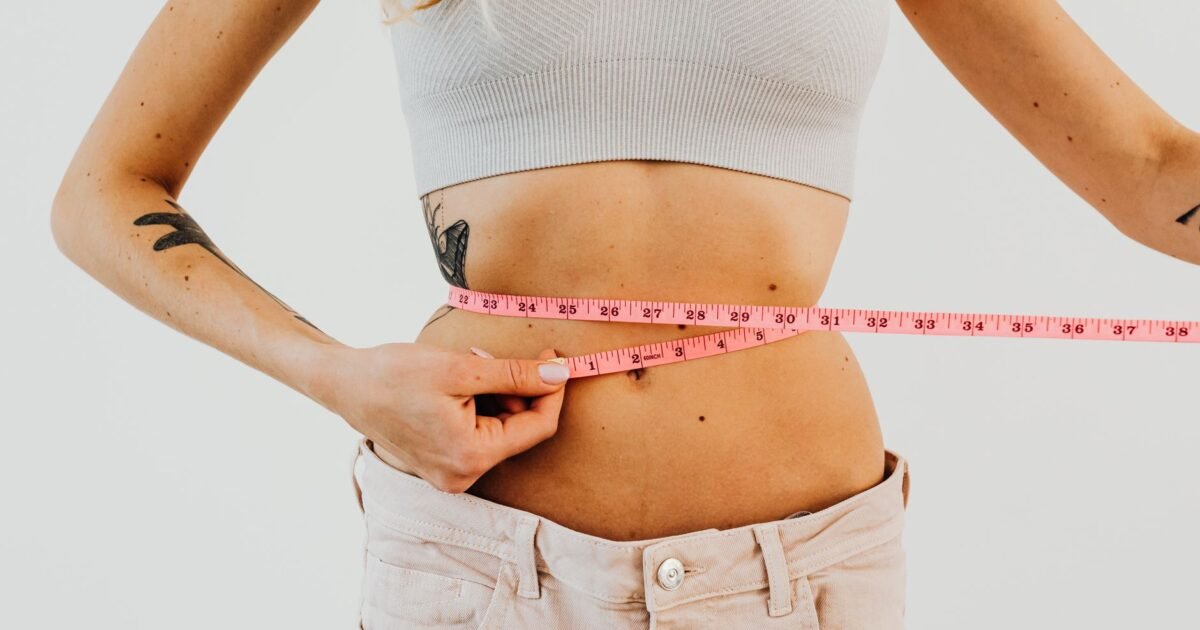
- Weigh-ins: Weigh yourself once every few days, at the same time and under the same conditions (e.g., first thing in the morning after using the restroom). Be aware that daily fluctuations are normal due to water weight. Focus on the overall trend.
5. Consider Intermittent Fasting (Optional)
Intermittent fasting (IF) involves cycling between periods of eating and fasting. Common methods include 16/8 (fasting for 16 hours, eating within an 8-hour window) or 5:2 (eating normally for 5 days, severely restricting calories for 2 non-consecutive days). IF can naturally help you reduce overall calorie intake and improve insulin sensitivity.
- Consult a professional: IF is not for everyone and should be approached cautiously, especially during an aggressive weight loss period. Discuss it with your doctor first.

A Sample 2-Week Plan Structure (General Guidelines)
This is a framework, not a rigid meal plan. Your specific calorie needs and food preferences will dictate the exact details.
Daily Nutrition Focus:
- Breakfast: High-protein, low-carb. E.g., Scrambled eggs with spinach and bell peppers; Greek yogurt with a few berries and chia seeds.
- Lunch: Lean protein with a large serving of non-starchy vegetables. E.g., Grilled chicken salad with mixed greens, cucumber, tomato, and a light vinaigrette; Tuna (in water) with celery and a side of steamed broccoli.
- Dinner: Similar to lunch – lean protein, abundant non-starchy vegetables. E.g., Baked salmon with asparagus; Turkey stir-fry with broccoli, snap peas, and cauliflower rice.
- Snacks (if needed): Hard-boiled eggs, small handful of almonds, celery sticks with a tiny amount of natural peanut butter, cottage cheese.
- Hydration: Constant water intake throughout the day.
Daily Exercise Focus:
- Day 1: Full-body Strength Training + 30 min Brisk Walk
- Day 2: HIIT (20 min) + 30 min Low-Intensity Cardio
- Day 3: Full-body Strength Training + 30 min Brisk Walk
- Day 4: Active Recovery (Yoga/Stretching) + 60 min Low-Intensity Cardio
- Day 5: Full-body Strength Training + 30 min Brisk Walk
- Day 6: HIIT (20 min) + 30 min Low-Intensity Cardio
- Day 7: Active Recovery or Rest
Repeat this cycle for the second week. Remember to listen to your body and adjust intensity as needed. Adequate rest days are crucial for recovery and preventing overtraining.
Potential Pitfalls and What to Watch For
Rapid weight loss, even when approached responsibly, comes with potential challenges:
- Extreme Hunger and Cravings: You will likely feel hungry, especially in the first few days. Focus on fiber and protein to manage this.
- Fatigue and Low Energy: A significant calorie deficit can lead to reduced energy levels. Ensure adequate sleep and nutrient intake.
- Nutrient Deficiencies: Restrictive diets can sometimes lead to deficiencies. Focus on a wide variety of nutrient-dense foods. A multivitamin can be a temporary safeguard, but food is always best.
- Muscle Loss: Without adequate protein and strength training, some muscle loss can occur alongside fat loss. This is why protein and lifting are so important.
- Mood Swings: Calorie restriction can impact mood. Prioritize stress management and adequate sleep.
- Rebound Weight Gain: This is a major concern. After two weeks, if you revert to old eating habits, you will likely regain the weight quickly, and often more.
If you experience severe fatigue, dizziness, persistent headaches, or other concerning symptoms, stop the plan and consult your doctor immediately.
Beyond the 2 Weeks: Sustaining Your Success
Losing 10 pounds in 2 weeks is a sprint, not a marathon. The real challenge, and the real victory, lies in what you do afterward. This intensive period should be a catalyst for long-term, sustainable lifestyle changes. To maintain your results and continue your health journey:
- Gradually Increase Calories: Slowly reintroduce healthy carbohydrates and fats. Don’t jump back to your old eating habits. Increase your calorie intake by 100-200 calories per week until you find a sustainable maintenance level.
- Continue Whole Food Focus: Maintain a diet rich in lean proteins, non-starchy vegetables, and healthy fats. Reintroduce whole grains (like oats, quinoa, brown rice) and fruits in moderation.
- Maintain Exercise Routine: Continue with a balanced mix of strength training, cardio, and NEAT. You might reduce the intensity slightly but keep consistency.
- Listen to Your Body: Pay attention to hunger and fullness cues. Practice mindful eating.
- Seek Professional Guidance: Consider working with a registered dietitian or certified personal trainer to help you develop a sustainable long-term plan tailored to your needs and goals.
When to Consult a Professional
While this guide provides a comprehensive framework, individual needs vary greatly. It is always recommended to consult with a healthcare professional or registered dietitian before starting any new diet or exercise program, especially if:
- You have any pre-existing medical conditions (e.g., diabetes, heart disease, kidney disease).
- You are taking any medications.
- You are pregnant or breastfeeding.
- You have a history of disordered eating.
- You are unsure if this approach is suitable for your body and health goals.
Conclusion: A Powerful Start to a Healthier You
Losing 10 pounds in two weeks is an ambitious but achievable goal, provided it’s approached with caution, intelligence, and a strong commitment to health. By strategically optimizing your nutrition to prioritize lean protein, fiber-rich vegetables, and adequate hydration, while simultaneously engaging in a rigorous exercise regimen that includes both strength training and high-intensity cardio, you can create the significant calorie deficit and metabolic boost needed for rapid results.
Remember that a significant portion of initial rapid weight loss will be water weight. The true success lies not just in hitting the 10-pound mark but in using this intense two-week period as a springboard for sustainable, long-term healthy habits. Listen to your body, prioritize sleep and stress management, and always, always consult with healthcare professionals to ensure your journey is safe and right for you. GetLeanPulse.com is here to empower you with the knowledge to make informed decisions for a healthier, leaner future.
Photo by www.kaboompics.com on Pexels