Keto Diet for Beginners: Your Complete Guide to Ketogenic Success
Are you tired of diets that promise the world but deliver fleeting results? Do you dream of a sustainable way to lose weight, boost energy, and sharpen your focus, all while enjoying delicious, satisfying foods? If so, the ketogenic diet, or “keto” as it’s popularly known, might be the transformative lifestyle you’ve been searching for. For many, the keto diet isn’t just a temporary fix; it’s a complete metabolic reset that changes how your body burns fuel, leading to profound and lasting health benefits.
However, diving into any new dietary approach, especially one as distinct as keto, can feel overwhelming. With so much information (and misinformation) out there, it’s easy to get lost in the details of macros, net carbs, and the dreaded “keto flu.” That’s precisely why we’ve created this comprehensive, beginner-friendly guide. At GetLeanPulse.com, we believe in empowering you with clear, actionable information to help you succeed on your health journey.
This guide is designed to demystify the ketogenic diet, breaking down complex concepts into easy-to-understand steps. We’ll walk you through everything you need to know, from the fundamental science behind ketosis to practical tips for meal planning, navigating challenges, and sustaining your results long-term. Whether your goal is significant weight loss, improved energy levels, better blood sugar control, or enhanced mental clarity, this guide will equip you with the knowledge and confidence to start your keto journey on the right foot.
Before embarking on any significant dietary change, it’s always wise to consult with your healthcare provider, especially if you have pre-existing health conditions or are taking medications. Your doctor can offer personalized advice and ensure the ketogenic diet is a safe and appropriate choice for your individual needs. With that important caveat in mind, let’s dive into the exciting world of keto!
Chapter 1: Understanding the Ketogenic Diet – The Science Behind the Success
At its core, the ketogenic diet is a very low-carb, high-fat, moderate-protein eating plan. But it’s more than just a diet; it’s a metabolic state. To truly understand why keto works, we need to explore the fascinating process of ketosis.
What is Ketosis? Your Body’s Ultimate Fat-Burning Mode
Normally, your body primarily uses glucose (sugar from carbohydrates) for energy. When you dramatically reduce your carbohydrate intake, typically to under 20-50 grams per day, your body is forced to find an alternative fuel source. This is where ketosis comes in.
Ketosis is a natural metabolic state where your body shifts from burning glucose to burning fat for energy. When carbohydrate stores (glycogen) are depleted, your liver begins breaking down fat into molecules called ketones. These ketones then become the primary fuel for your brain, muscles, and other organs. Think of it as switching your body’s engine from premium gasoline (carbs) to super-efficient diesel (fat).
This metabolic shift has several profound implications for your health and weight:
- Consistent Energy: Unlike glucose, which can lead to energy spikes and crashes, ketones provide a steady, sustained energy source.
- Reduced Appetite: Ketones are known to have appetite-suppressing effects, helping you feel fuller for longer and reducing cravings.
- Efficient Fat Burning: By making fat your body’s primary fuel, you naturally become more efficient at burning stored body fat.
The Macronutrient Breakdown: Keto Ratios Explained
To achieve and maintain ketosis, specific macronutrient ratios are crucial. While there can be slight variations, the standard ketogenic diet (SKD) generally follows these guidelines:
- Fat: 70-75% of your daily calories
- Protein: 20-25% of your daily calories
- Carbohydrates: 5-10% of your daily calories (typically 20-50 grams of net carbs per day)
These ratios are not arbitrary. They are carefully balanced to ensure your body consistently produces ketones. Eating too many carbs will kick you out of ketosis, and too much protein can also hinder ketone production (as excess protein can be converted to glucose through a process called gluconeogenesis). The high fat intake is what provides the necessary fuel and keeps you satiated.
Types of Ketogenic Diets (Brief Overview for Beginners)
While this guide focuses on the Standard Ketogenic Diet (SKD), it’s good to be aware that other variations exist, though they are generally not recommended for beginners:
- Standard Ketogenic Diet (SKD): This is the most common and well-researched form, consisting of very low-carb, moderate protein, and high-fat intake. This is the foundation we will be building upon.
- Cyclical Ketogenic Diet (CKD): Involves periods of higher-carb refeeds, such as 5 ketogenic days followed by 2 high-carb days. This is typically for athletes or bodybuilders.
- Targeted Ketogenic Diet (TKD): Allows carbs around workouts. Also primarily for athletes.
- High-Protein Ketogenic Diet: Similar to SKD but includes more protein (e.g., 60% fat, 35% protein, 5% carbs).
For beginners, sticking strictly to the SKD is the most effective way to achieve ketosis and experience the diet’s benefits without unnecessary complexity.
Chapter 2: The Transformative Benefits of Going Keto
The ketogenic diet has garnered immense popularity not just for its effectiveness in weight loss, but for a wide array of health benefits that extend far beyond the scale. Let’s explore some of the most compelling reasons people choose keto.
Significant and Sustainable Weight Loss
This is often the primary motivator for people to try keto, and for good reason. The ketogenic diet is incredibly effective for shedding excess pounds due to several key mechanisms:
- Appetite Suppression: Ketones, particularly beta-hydroxybutyrate (BHB), have a powerful effect on satiety hormones, leading to reduced hunger and fewer cravings. You naturally eat less without feeling deprived.
- Increased Satiety from Fat: Fat is incredibly satisfying and takes longer to digest than carbohydrates. A high-fat diet helps you feel fuller for longer periods, making it easier to stick to your calorie goals.
- Reduced Water Weight: In the initial stages, you’ll shed a significant amount of water weight as your body depletes its glycogen stores. Glycogen binds to water, so when it’s gone, the water goes with it.
- Potential Metabolic Advantage: Some research suggests that your body might burn slightly more calories in ketosis, though this is still an area of ongoing study. Regardless, the appetite-suppressing effects are undeniable.
Many individuals find that keto allows them to lose weight without constantly battling hunger, a common pitfall of other diets.
Improved Blood Sugar Control and Insulin Sensitivity
For individuals with type 2 diabetes, pre-diabetes, or insulin resistance, the ketogenic diet can be life-changing. By drastically reducing carbohydrate intake, you significantly lower blood glucose levels and, consequently, insulin levels. This can lead to:
- Stabilized Blood Sugar: Eliminating the carb-induced blood sugar roller coaster results in much more stable glucose levels throughout the day.
- Reduced Need for Medication: Many individuals with type 2 diabetes find they can reduce or even eliminate their need for blood sugar-lowering medications under medical supervision.
- Improved Insulin Sensitivity: Consistent low insulin levels can help improve the body’s response to insulin, reversing aspects of insulin resistance.
This benefit is so profound that the ketogenic diet is increasingly being explored as a therapeutic approach for metabolic disorders.
Enhanced Mental Clarity and Sustained Energy Levels
Forget the afternoon slump! Once fat-adapted, many keto dieters report experiencing consistent, stable energy levels and a noticeable improvement in cognitive function. This is attributed to:
- Stable Blood Sugar: Without the constant fluctuations in blood sugar, your brain receives a steady supply of fuel, preventing brain fog and energy crashes.
- Ketones as Brain Fuel: Ketones are a highly efficient fuel source for the brain. They can cross the blood-brain barrier and provide a cleaner, more consistent energy supply than glucose, potentially leading to improved focus, memory, and overall mental sharpness.
Other Potential Health Benefits
The benefits of the ketogenic diet extend beyond weight loss and blood sugar. Research and anecdotal evidence suggest a range of other positive impacts:
- Epilepsy Management: Historically, the ketogenic diet was developed in the 1920s as a therapeutic treatment for drug-resistant epilepsy, particularly in children. It remains a powerful tool in this area.
- PCOS Symptom Improvement: Some studies indicate that keto can help improve symptoms of Polycystic Ovary Syndrome (PCOS), including insulin resistance and reproductive hormone imbalances.
- Acne Reduction: By reducing inflammation and insulin levels, keto may help improve skin health and reduce acne breakouts.
- Neuroprotective Effects: Emerging research is exploring the potential of the ketogenic diet in neurodegenerative diseases like Alzheimer’s and Parkinson’s, due to its ability to improve mitochondrial function and reduce oxidative stress.
- Reduced Inflammation: Many individuals report a decrease in systemic inflammation, which can alleviate symptoms of various chronic conditions.
The vast array of potential benefits makes the ketogenic diet a compelling option for those looking to take control of their health in a holistic way. Remember, individual results may vary, and these benefits are often best realized when the diet is followed consistently and correctly.
Chapter 3: Getting Started: Your Step-by-Step Keto Plan for Success
Now that you understand the “why” behind keto, it’s time to dive into the “how.” Starting the ketogenic diet doesn’t have to be daunting. With a clear plan, you can set yourself up for success and navigate the initial transition with confidence. Here’s your step-by-step guide to beginning your keto journey.
Step 1: Consult Your Doctor – A Non-Negotiable First Step
We cannot stress this enough: before making any significant dietary changes, especially one as impactful as the ketogenic diet, consult with your healthcare provider. This is particularly important if you:
- Have any pre-existing medical conditions (e.g., diabetes, heart disease, kidney disease).
- Are taking any prescription medications (especially for blood pressure, blood sugar, or thyroid).
- Are pregnant or breastfeeding.
Your doctor can assess if keto is appropriate for you, monitor your health markers, and adjust medications as needed. This ensures your safety and optimizes your results.
Step 2: Clear Out Your Pantry – Out of Sight, Out of Mind
The best way to resist temptation is to remove it from your environment. Do a thorough purge of your pantry, refrigerator, and freezer. Get rid of all high-carb culprits that will derail your efforts:
- Sugary drinks, juices, and sodas
- Breads, pasta, rice, cereals, oats
- Cookies, cakes, pastries, candy
- Potatoes, corn, sweet potatoes (starchy vegetables)
- Most fruits (except small amounts of berries)
- Legumes (beans, lentils)
- Processed snacks (chips, crackers)
- High-sugar condiments and sauces
Donate unopened items or discard them. This creates a clean slate and makes it much easier to stick to your keto plan.
Step 3: Stock Up on Keto-Friendly Foods – Your New Grocery List
Now for the fun part: filling your kitchen with delicious, nourishing keto staples! Your grocery cart will look very different, focusing on healthy fats, quality proteins, and low-carb vegetables. Here’s a detailed list to get you started:
- Healthy Fats: Olive oil, avocado oil, coconut oil, MCT oil, butter, ghee, full-fat mayonnaise.
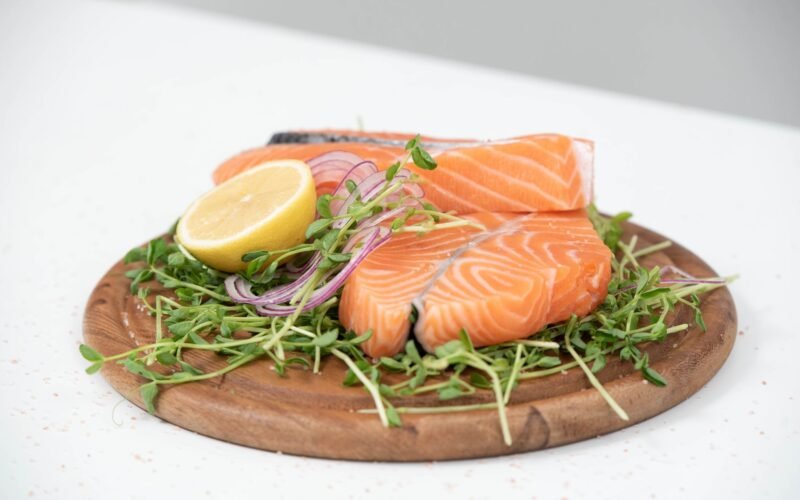
- Quality Proteins: Beef (grass-fed if possible), pork, lamb, chicken (thighs, wings are great), turkey, fatty fish (salmon, mackerel, sardines, tuna), eggs (whole eggs are essential!), bacon, sausage (check for added sugar).
- Low-Carb Vegetables: Spinach, kale, collard greens, broccoli, cauliflower, asparagus, zucchini, bell peppers (in moderation), mushrooms, green beans, Brussels sprouts, avocado.
- Full-Fat Dairy (in moderation): Heavy cream, sour cream, full-fat Greek yogurt (plain), a variety of cheeses (cheddar, mozzarella, feta, goat cheese).
- Nuts & Seeds (in moderation): Almonds, macadamias, pecans, walnuts, chia seeds, flax seeds, pumpkin seeds, sunflower seeds.
- Berries (in small amounts): Raspberries, blackberries, strawberries.
- Flavor Enhancers: Herbs, spices, sugar-free sweeteners (Stevia, Erythritol, Monk Fruit), mustard, hot sauce, vinegar, lemon/lime juice.
- Broth: Bone broth or regular broth (excellent for electrolytes).
Step 4: Plan Your Meals – The Key to Consistency
Meal planning is a game-changer for keto beginners. It takes the guesswork out of eating, helps you hit your macros, and prevents impulsive, carb-laden choices. Here’s how to approach it:
- Research Recipes: Explore keto blogs, cookbooks, and apps for ideas. Start with simple meals you enjoy.
- Batch Cook: Prepare larger portions of proteins (e.g., roasted chicken, ground beef) and roasted vegetables that can be mixed and matched throughout the week.
- Prepare Snacks: Have readily available keto snacks like cheese sticks, hard-boiled eggs, a handful of almonds, or avocado slices to ward off hunger.
- Sample Day Example:
- Breakfast: Scrambled eggs with cheese and spinach, cooked in butter.
- Lunch: Large salad with grilled chicken, avocado, olive oil dressing.
- Dinner: Salmon with roasted asparagus and cauliflower mash.
- Snacks: A few macadamia nuts, cheese string.
Step 5: Track Your Macros – Knowledge is Power
Initially, tracking your macronutrients (fats, proteins, and carbs) is crucial to ensure you stay within your keto ratios and reach ketosis. While it might seem tedious at first, it quickly becomes second nature.
- Use a Tracking App: Apps like MyFitnessPal, Cronometer, or Carb Manager are invaluable. They allow you to log your food, scan barcodes, and see your macro breakdown in real-time.
- Focus on Net Carbs: For keto, we typically count “net carbs,” which are total carbohydrates minus fiber and sugar alcohols (if they don’t impact blood sugar). Fiber is not digested and doesn’t affect ketosis.
- Don’t Forget Electrolytes: Many tracking apps also help you monitor your intake of sodium, potassium, and magnesium, which are vital for preventing the “keto flu.”
- Be Patient: It takes a few days for your body to fully enter ketosis. Consistent tracking helps you understand how different foods impact your body.
Step 6: Hydration and Electrolytes – Your Keto Flu Fighters
This step is so important it deserves its own mention. When you reduce carbs, your body excretes more water and electrolytes (sodium, potassium, magnesium). This depletion is the primary cause of the dreaded “keto flu.”
- Drink Plenty of Water: Aim for at least 8-10 glasses (2-3 liters) of water daily.
- Increase Sodium: Add extra salt to your food, drink bone broth, or sip on salted water.
- Boost Potassium: Incorporate potassium-rich, keto-friendly foods like avocados, spinach, mushrooms, and nuts.
- Supplement Magnesium: Consider a magnesium supplement, especially before bed, or eat magnesium-rich foods like dark leafy greens, avocado, and pumpkin seeds.
Proactively managing your hydration and electrolytes can significantly reduce or even eliminate the symptoms of the keto flu, making your transition much smoother.
Chapter 4: Navigating the Keto Flu and Common Challenges
The initial phase of the ketogenic diet can present a few hurdles, but with the right knowledge and preparation, you can overcome them easily. The most common challenge for beginners is the “keto flu.”
Understanding the Keto Flu: Symptoms and Causes
The “keto flu” is a collection of temporary symptoms that can occur as your body transitions from burning glucose to burning fat for fuel. It’s not a true flu, but rather a set of withdrawal-like symptoms from carbohydrates and electrolyte imbalances. Symptoms typically appear within 2-7 days of starting keto and can last for a few days to a couple of weeks. Common symptoms include:
- Headaches
- Fatigue and low energy
- Irritability
- Nausea or digestive upset
- Muscle cramps
- Dizziness
- Difficulty sleeping
- Brain fog
The main culprits behind the keto flu are dehydration and electrolyte depletion. When carbohydrate intake is drastically reduced, insulin levels drop, which signals the kidneys to excrete more sodium. Water follows sodium, leading to increased urination and the loss of other essential electrolytes like potassium and magnesium.
How to Prevent and Manage the Keto Flu
The good news is that the keto flu is largely preventable and manageable. Proactive measures are key:
- Hydrate Aggressively: Drink plenty of water throughout the day. Aim for 2-3 liters.
- Increase Electrolyte Intake:
- Sodium: Add extra salt to your meals (e.g., Himalayan pink salt), drink bone broth, or make a simple electrolyte drink by adding a pinch of salt to water.
- Potassium: Incorporate keto-friendly foods rich in potassium, such as avocados, spinach, mushrooms, and salmon. You can also use a potassium salt substitute (check with your doctor first).
- Magnesium: Eat magnesium-rich foods like dark leafy greens, pumpkin seeds, and almonds. A magnesium supplement (citrate or glycinate) can also be highly beneficial, especially for muscle cramps and sleep.
- Eat Enough Fat: Ensure you are consuming enough healthy fats to keep you satiated and provide energy during the transition.
- Get Enough Sleep: Prioritize 7-9 hours of quality sleep to support your body’s adaptation process.
- Rest and Take it Easy: During the initial transition, avoid intense workouts. Light walking is usually fine.
- Gradual Carb Reduction (Optional): Some people find it easier to transition by gradually reducing carbs over a week or two, rather than going cold turkey.
By focusing on hydration and electrolytes, you can significantly reduce the severity and duration of keto flu symptoms, allowing for a smoother entry into ketosis.
Common Mistakes Beginners Make (and How to Avoid Them)
Even with the best intentions, beginners can make mistakes that hinder their progress. Be aware of these common pitfalls:
- Not Eating Enough Fat: Fear of fat is a common hurdle. Remember, keto is a HIGH-fat diet. Fat provides energy and satiety. If you’re cutting carbs and not replacing them with enough fat, you’ll feel hungry, tired, and miserable. Don’t be afraid of healthy fats!
- Eating Too Much Protein: While protein is essential, excessive protein can be converted into glucose (gluconeogenesis) in the liver, potentially kicking you out of ketosis. Stick to moderate protein levels (20-25% of calories).
- Hidden Carbs: Carbs lurk in unexpected places: sauces, dressings, processed meats, artificial sweeteners, and “sugar-free” products. Always read food labels carefully.
- Not Tracking Macros: Especially in the beginning, tracking is vital to ensure you’re hitting your carb limit and proper fat/protein ratios. Don’t eyeball it initially.
- Ignoring Electrolytes and Hydration: As discussed, this is a major cause of keto flu. Don’t neglect water and mineral intake.
- Expecting Instant Results: While initial water weight loss can be rapid, true fat adaptation and consistent weight loss take time. Be patient and consistent.
- Fear of Vegetables: Some beginners mistakenly cut out all vegetables. Low-carb vegetables are crucial for fiber, vitamins, and minerals.
Awareness of these mistakes allows you to proactively avoid them and maintain momentum on your keto journey.
Stalls and Plateaus: What to Do When Weight Loss Stops
It’s common for weight loss to slow down or plateau after the initial rapid loss. This is a normal part of any weight loss journey. Don’t get discouraged! Here’s what to consider:
- Re-evaluate Your Macros: Are you still tracking accurately? Have your energy needs changed as you’ve lost weight? You might need to adjust your calorie and macro targets.
- Check for Hidden Carbs: Re-examine every food label. Are you consuming more carbs than you realize from sneaky sources?
- Portion Control: Even on keto, calories still matter for weight loss. Are your portion sizes creeping up?
- Intermittent Fasting (IF): Combining keto with IF (e.g., eating within an 8-hour window) can help break stalls by further lowering insulin levels and increasing fat burning.
- Increase Activity: Are you moving enough? Incorporate more non-exercise activity (walking, standing) or add some strength training.
- Stress and Sleep: Chronic stress and poor sleep can elevate cortisol, which can hinder fat loss. Prioritize stress reduction and good sleep hygiene.
- Consider a “Fat Fast”: For a short period (1-3 days, under supervision), consume very few calories, mostly from fat, to kickstart ketosis. This is an advanced strategy.
Plateaus are opportunities to reassess and refine your approach. Stay consistent, and the results will follow.
Chapter 5: What to Eat (and What to Avoid) on Keto
The success of your ketogenic diet hinges on making smart food choices. Understanding which foods are keto-friendly and which are not is fundamental. This chapter provides a comprehensive guide to building your keto meal plan.
Keto-Friendly Foods: Your Delicious Diet Staples
Embrace a world of flavorful and satisfying foods that will fuel your body in ketosis:
- Meats:
- Red Meats: Beef (steaks, ground beef, roasts), lamb, pork (chops, tenderloin, belly). Opt for fattier cuts where possible.
- Poultry: Chicken (thighs, drumsticks, wings are higher fat; breast is fine but add fat), turkey.
- Processed Meats: Bacon, sausage, pepperoni, deli meats (check labels for added sugars/carbs).
- Fatty Fish and Seafood:
- Fish: Salmon, mackerel, sardines, tuna (in oil), trout, halibut. Excellent sources of omega-3 fatty acids.
- Seafood: Shrimp, crab, mussels, scallops (in moderation, as they contain some carbs).
- Eggs:
- Whole eggs are a keto superstar! Versatile, affordable, and nutrient-dense. Enjoy them scrambled, fried, boiled, or as an omelet.
- High-Fat Dairy: (Choose full-fat, unsweetened options)
- Cheeses: Cheddar, mozzarella, goat cheese, cream cheese, blue cheese, feta, parmesan.
- Cream: Heavy cream, sour cream, full-fat Greek yogurt (plain, in moderation).
- Butter & Ghee: Essential cooking fats and flavor enhancers.
- Healthy Fats and Oils:
- Oils: Extra virgin olive oil, avocado oil, coconut oil, MCT oil.
- Avocados: A perfect keto food, rich in healthy fats and potassium.
- Nuts & Seeds: Almonds, macadamias, pecans, walnuts, chia seeds, flax seeds, pumpkin seeds, sunflower seeds (in moderation due to carb content).
- Low-Carb Vegetables: (Focus on leafy greens and cruciferous vegetables)
- Leafy Greens: Spinach, kale, lettuce, collard greens, Swiss chard.
- Cruciferous: Broccoli, cauliflower, Brussels sprouts, cabbage.
- Other: Asparagus, zucchini, bell peppers (especially green, in moderation for red/yellow), mushrooms, green beans, celery, cucumber, eggplant.
- Berries (in small amounts):
- Raspberries, blackberries, strawberries are the lowest-carb fruits. Enjoy sparingly as a treat.
- Flavorings and Sweeteners:
- Herbs and spices (all natural, no added sugar).
- Sugar-free sweeteners: Stevia, Erythritol, Monk Fruit.
- Vinegar, mustard, hot
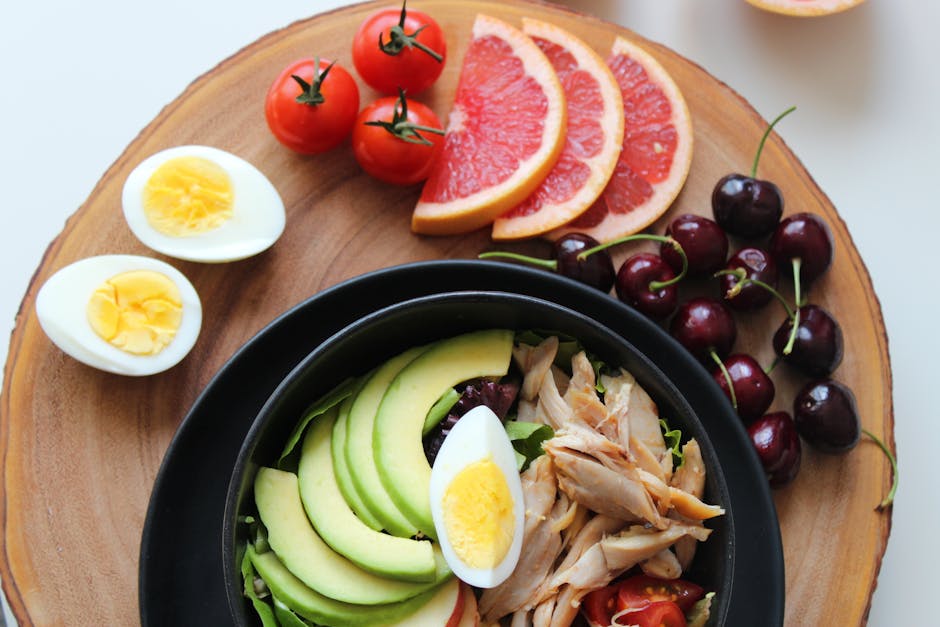
Photo by Jenna Hamra on Pexels