
Supercharge Your Weight Loss: The Power of Omega-3 Rich Foods
Welcome to GetLeanPulse.com, your trusted source for evidence-based strategies to achieve a healthier, leaner you. Today, we’re diving deep into a powerhouse nutrient that often flies under the radar when it comes to weight management: Omega-3 fatty acids. Forget restrictive diets and endless cardio; sometimes, the key to unlocking your weight loss potential lies in optimizing your nutritional intake. And when it comes to smart nutrition, omega-3 rich foods are absolute champions.
For years, fats were demonized in the weight loss world. But we now understand that not all fats are created equal. In fact, certain healthy fats, particularly omega-3s, are not just beneficial for overall health but are critical allies in your quest for a healthier weight. From boosting your metabolism and curbing your appetite to reducing inflammation and improving insulin sensitivity, the benefits of incorporating more omega-3s into your diet are profound and far-reaching. This comprehensive guide will explore the science behind omega-3s and weight loss, identify the best food sources, and provide practical tips to seamlessly integrate them into your daily life.
If you’ve been struggling to shed those stubborn pounds, or simply want to optimize your body’s natural fat-burning capabilities, prepare to be enlightened. We’ll show you why making omega-3 foods a cornerstone of your diet isn’t just a good idea—it’s a game-changer for sustainable weight loss and vibrant health.
What Exactly Are Omega-3 Fatty Acids?
Before we delve into their weight loss magic, let’s clarify what omega-3 fatty acids are. They are a type of polyunsaturated fat, often referred to as “essential” fats because our bodies cannot produce them on their own. This means we must obtain them through our diet.
There are three primary types of omega-3s:
- Eicosapentaenoic Acid (EPA): Primarily found in fatty fish and fish oil, EPA is known for its powerful anti-inflammatory properties and its role in heart health.
- Docosahexaenoic Acid (DHA): Also abundant in fatty fish, DHA is crucial for brain health, eye health, and nerve function. It plays a significant role in cognitive development and function throughout life.
- Alpha-Linolenic Acid (ALA): This is the plant-based omega-3, found in foods like flaxseeds, chia seeds, and walnuts. ALA is an essential fatty acid that the body can convert into EPA and DHA, although the conversion rate is relatively low (typically less than 10-15%).
While all three are important, EPA and DHA are often considered the most biologically active and beneficial forms, especially when discussing their impact on metabolic health and weight. The standard Western diet often suffers from an imbalance, with an excess of omega-6 fatty acids (found in many processed foods and vegetable oils) and a deficiency of omega-3s. This imbalance can contribute to chronic inflammation, a known driver of weight gain and metabolic dysfunction. Restoring this balance through increased omega-3 intake is a fundamental step toward better health and effective weight management.
The Science-Backed Link Between Omega-3s and Weight Loss
The connection between omega-3 fatty acids and a leaner physique is multifaceted, involving several key physiological processes. It’s not a single mechanism, but rather a synergistic effect that contributes to more efficient fat burning, better appetite control, and improved metabolic health. Let’s explore these benefits in detail.
1. Boosting Metabolism and Fat Oxidation
One of the most exciting aspects of omega-3s for weight loss is their potential to enhance your metabolic rate and increase fat oxidation—essentially, how efficiently your body burns fat for energy. Research suggests that EPA and DHA can influence genes involved in fat metabolism. For instance, they can activate peroxisome proliferator-activated receptor alpha (PPAR-alpha), a protein that plays a crucial role in regulating fatty acid oxidation in the liver and skeletal muscle.
Studies have shown that individuals with higher omega-3 intake tend to have a higher resting metabolic rate (RMR), meaning they burn more calories even at rest. This metabolic boost isn’t about dramatically increasing your calorie expenditure overnight, but rather about optimizing your body’s efficiency. When your body is better at burning fat, it becomes easier to create a caloric deficit and sustain weight loss. Furthermore, omega-3s may increase the activity of enzymes involved in breaking down fat cells, making it easier for your body to access and utilize stored fat for energy, especially during exercise.
2. Enhancing Satiety and Suppressing Appetite
One of the biggest hurdles in any weight loss journey is managing hunger and cravings. Omega-3 fatty acids can be a powerful tool in your arsenal against overeating. They influence several hormones and pathways related to appetite control and satiety.
Firstly, fats, in general, tend to slow down digestion, which can lead to a feeling of fullness for longer periods. Omega-3s, as a healthy fat source, contribute to this effect. More specifically, studies indicate that omega-3s can increase the production of satiety hormones like cholecystokinin (CCK) and glucagon-like peptide-1 (GLP-1). These hormones send signals to your brain that you’re full and satisfied, reducing the urge to eat more.
Conversely, omega-3s may help lower levels of ghrelin, often called the “hunger hormone,” which stimulates appetite. By modulating these key hunger and satiety signals, omega-3s can help you feel more satisfied with smaller portions, reduce snacking between meals, and ultimately consume fewer calories without feeling deprived. This makes adhering to a calorie-controlled diet much more manageable and sustainable in the long run.
3. Improving Insulin Sensitivity and Blood Sugar Control
Insulin resistance is a significant factor in weight gain and difficulty losing weight, particularly around the abdominal area. When your cells become resistant to insulin, your body has to produce more insulin to keep blood sugar levels stable. High insulin levels promote fat storage, especially visceral fat, and make it harder to burn fat for energy.
Omega-3 fatty acids, particularly EPA and DHA, have been shown to improve insulin sensitivity. They do this by reducing inflammation (which can impair insulin signaling) and by influencing the composition of cell membranes, making them more responsive to insulin. When your cells are more sensitive to insulin, your body can efficiently transport glucose from the bloodstream into cells for energy, rather than storing it as fat. This leads to more stable blood sugar levels, fewer energy crashes, and a reduced tendency for your body to hold onto excess fat.
Better blood sugar control also means fewer intense cravings for sugary or high-carb foods, which can be a major disruptor of weight loss efforts. By improving insulin function, omega-3s create a more favorable metabolic environment for fat loss.
4. Reducing Chronic Inflammation
Chronic, low-grade inflammation is now recognized as a major underlying factor in obesity and metabolic syndrome. This isn’t the acute inflammation you get from an injury; it’s a persistent cellular stress response that can disrupt normal metabolic function, impair insulin signaling, and promote fat storage. An imbalance of omega-6 to omega-3 fatty acids in the diet often contributes to this inflammatory state.
Omega-3s, especially EPA and DHA, are potent anti-inflammatory agents. They work by reducing the production of pro-inflammatory molecules (like eicosanoids and cytokines) and increasing the production of anti-inflammatory compounds. By dampening chronic inflammation throughout the body, omega-3s can improve cellular function, restore proper metabolic signaling, and create a more conducive environment for weight loss. Reducing inflammation can also alleviate symptoms like fatigue and joint pain, making it easier to engage in regular physical activity, which is crucial for weight management.
5. Supporting Mood and Combating Emotional Eating
While not a direct physiological mechanism for fat burning, the impact of omega-3s on mood and cognitive function can indirectly support weight loss efforts, especially for those who struggle with emotional eating. Omega-3s, particularly DHA, are vital components of brain cell membranes and play a crucial role in neurotransmitter function. Deficiencies have been linked to mood disorders like depression and anxiety.
By supporting brain health and mood stability, omega-3s can help reduce the likelihood of turning to food for comfort or stress relief. When you feel more balanced and less anxious, you’re more likely to make mindful food choices and stick to your healthy eating plan. This can be a significant advantage, as emotional eating is a common sabotaging factor in many weight loss journeys. A calmer mind often leads to a calmer approach to food.
6. Preserving Lean Muscle Mass
Maintaining or even building lean muscle mass is incredibly important for weight loss. Muscle tissue is metabolically active, meaning it burns more calories at rest than fat tissue. During periods of calorie restriction, the body can sometimes break down muscle along with fat, which is counterproductive to long-term weight management. Omega-3s may help mitigate this.
Research suggests that omega-3 fatty acids can enhance muscle protein synthesis, particularly in older adults or those undergoing periods of muscle stress. They may also reduce muscle protein breakdown, thereby helping to preserve valuable lean mass. By supporting muscle health, omega-3s help maintain a higher metabolic rate, making it easier to burn calories and sustain weight loss. This is especially beneficial when combined with resistance training, as it optimizes the body’s response to exercise and promotes a more favorable body composition.
Top Omega-3 Rich Foods for Weight Loss
Now that you understand the powerful benefits, let’s talk about where to find these incredible nutrients. While supplementation is an option, focusing on whole food sources is always the preferred approach at GetLeanPulse.com. Here are the best omega-3 foods to incorporate into your diet for weight loss:
1. Fatty Fish (EPA & DHA Powerhouses)
These are the champions when it comes to readily available EPA and DHA. Aim for 2-3 servings per week.
- Salmon: Wild-caught salmon is particularly rich, offering a substantial amount of EPA and DHA per serving. It’s also a great source of lean protein.
- Mackerel: A small, oily fish that’s packed with omega-3s. It’s also sustainable and relatively inexpensive.
- Sardines: Don’t let their size fool you! Sardines are tiny powerhouses of EPA, DHA, calcium, and vitamin D. Enjoy them canned in water or olive oil.
- Herring: Similar to sardines and mackerel, herring is another excellent source of omega-3s, often available smoked or pickled.
- Tuna: Albacore tuna (canned) has good levels of omega-3s, though less than salmon or mackerel. Opt for light tuna in water to minimize mercury exposure and added oils.
- Anchovies: These small, flavorful fish are incredibly rich in omega-3s and can add a savory punch to many dishes.
2. Plant-Based Sources (ALA)
For those who are vegan, vegetarian, or simply want to diversify their omega-3 intake, these plant-based options provide ALA.
- Flaxseeds: Ground flaxseeds are one of the richest plant sources of ALA. Make sure to grind them to unlock their nutrients. Add to smoothies, oatmeal, or baked goods.
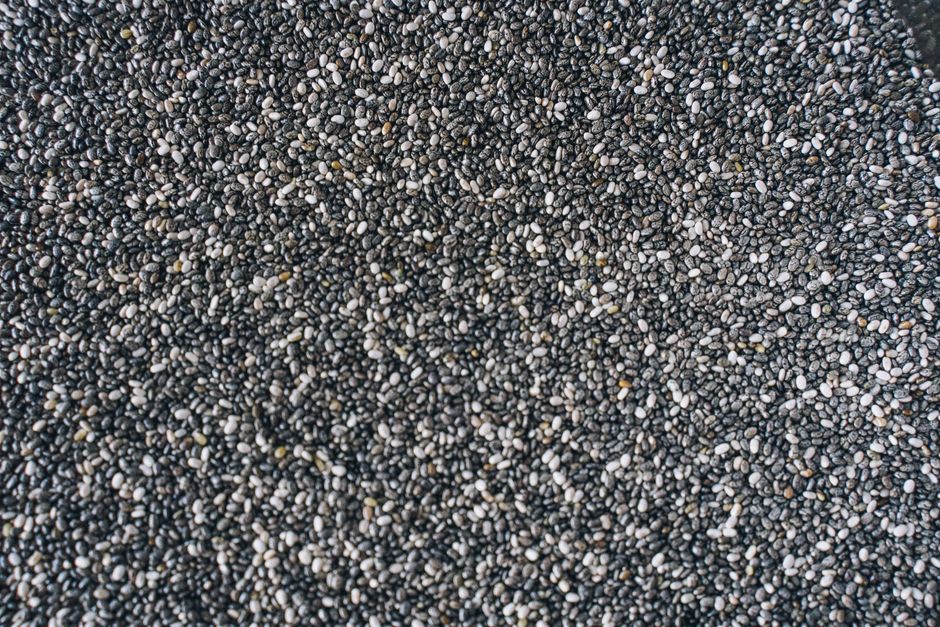
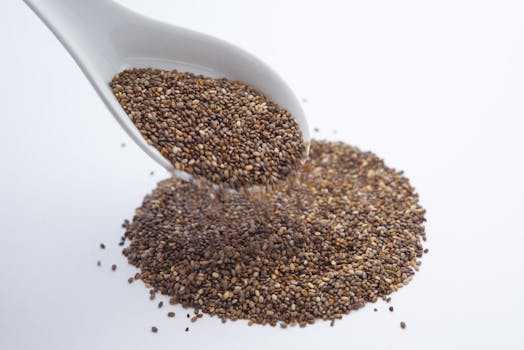
- Chia Seeds: Another excellent source of ALA, fiber, and protein. Chia seeds absorb liquid to form a gel, making them perfect for puddings, overnight oats, or as an egg substitute.
- Walnuts: These tasty nuts offer a good amount of ALA, along with protein and fiber. A handful makes a great snack.
- Hemp Seeds (Hemp Hearts): These small, soft seeds are a good source of ALA, protein, and minerals. Sprinkle them on salads, yogurt, or blend into smoothies.
- Edamame/Soybeans: While not as high as the other options, edamame and other soy products contain ALA.
- Algal Oil: This is a fantastic vegan source of pre-formed DHA (and sometimes EPA), as algae are where fish get their omega-3s. It’s available as a supplement and sometimes in fortified foods.
3. Other Notable Sources
- Omega-3 Fortified Eggs: Chickens fed flaxseed-enriched diets produce eggs with higher ALA and sometimes DHA.
- Certain Vegetables: While not primary sources, some vegetables like Brussels sprouts and spinach contain small amounts of ALA.
How to Incorporate Omega-3 Foods into Your Diet for Weight Loss
Integrating these powerful foods into your daily routine doesn’t have to be complicated. Here are practical and delicious ways to boost your omega-3 intake and support your weight loss goals:
Breakfast Ideas:
- Omega-3 Power Smoothie: Blend a handful of spinach, a scoop of protein powder, a tablespoon of ground flaxseeds or chia seeds, a handful of walnuts, and a cup of unsweetened almond milk.
- Chia Seed Pudding: Mix chia seeds with almond milk, a touch of maple syrup, and berries. Let it sit overnight for a grab-and-go breakfast.
- Oatmeal with Toppings: Stir ground flaxseeds, chia seeds, or chopped walnuts into your morning oatmeal.
- Smoked Salmon & Avocado Toast: Whole-grain toast topped with mashed avocado and slices of smoked salmon for a protein and omega-3 rich start.
Lunch Ideas:
- Salmon Salad: Flaked cooked salmon (or canned salmon) mixed with Greek yogurt (instead of mayo), dill, and celery, served over a bed of mixed greens.
- Tuna & Veggie Wrap: Canned light tuna mixed with chopped veggies (celery, bell peppers) and a light vinaigrette, wrapped in a whole-wheat tortilla.
- Big Salad with Omega-3 Boost: Top your favorite salad with grilled salmon, a sprinkle of hemp seeds, or a handful of walnuts. Dress with an olive oil-based vinaigrette.
Dinner Ideas:
- Baked Salmon with Roasted Vegetables: A classic for a reason! Simple, delicious, and packed with nutrients.
- Mackerel or Sardine Pasta: Toss canned mackerel or sardines (in olive oil) with whole-wheat pasta, cherry tomatoes, garlic, and fresh herbs.
- Hemp Seed Crusted Fish: Coat white fish fillets (like cod or tilapia) with a mixture of hemp seeds, breadcrumbs, and seasonings before baking or pan-frying.
- Walnut & Herb Crusted Chicken/Fish: Finely chop walnuts with herbs and use as a crust for baked chicken or fish.
Snack Ideas:
- A handful of walnuts.
- Greek yogurt with a spoonful of ground flaxseeds or chia seeds.
- Edamame (steamed or roasted).
- Flaxseed crackers with hummus.
Remember, consistency is key. Aim to incorporate at least one omega-3 rich food into your diet daily, and prioritize fatty fish a few times a week. Experiment with different recipes and find what you enjoy most. The more variety, the better!
Recommended Daily Intake & Considerations
While there isn’t a universally agreed-upon official daily recommended intake specifically for weight loss, general health guidelines for omega-3s often suggest:
- For ALA: The Adequate Intake (AI) for adults is 1.6 grams per day for men and 1.1 grams per day for women.
- For EPA and DHA: Many health organizations recommend at least 250-500 mg combined EPA and DHA per day for healthy adults. However, for specific health benefits like reducing triglycerides or managing inflammation, higher doses (e.g., 1-2 grams combined EPA/DHA) may be recommended under medical supervision.
To achieve these levels through food, you might aim for:
- Two to three 3.5-ounce servings of fatty fish (like salmon or mackerel) per week.
- One to two tablespoons of ground flaxseeds or chia seeds daily.
- A handful of walnuts (about 1 ounce) daily.
Dietary vs. Supplementation: As expert health writers at GetLeanPulse.com, we always advocate for obtaining nutrients from whole foods first. Whole foods provide a matrix of beneficial compounds—fiber, vitamins, minerals, and other phytonutrients—that work synergistically. However, if you struggle to meet your omega-3 needs through diet (e.g., due to dietary restrictions or dislike of fish), a high-quality fish oil or algal oil supplement can be a valuable addition. Always consult with a healthcare professional before starting any new supplement regimen.
Quality and Sourcing: When choosing fish, opt for wild-caught varieties when possible, as they often have a better omega-3 profile and fewer contaminants. For canned fish, look for options packed in water or olive oil, and choose brands that test for mercury. For plant-based seeds and nuts, freshness is key, as omega-3s can be prone to oxidation.
Dispelling Myths and Setting Realistic Expectations
It’s crucial to approach the role of omega-3s in weight loss with a balanced perspective. While undeniably beneficial, omega-3s are not a magic bullet. They won’t melt away fat overnight without any other effort. Here are some realistic expectations:
- Omega-3s are an aid, not a standalone solution: They work best as part of a holistic approach that includes a calorie-controlled, nutrient-dense diet, regular physical activity, adequate sleep, and stress management.
- Results are gradual: The benefits of omega-3s on metabolism, appetite, and inflammation accumulate over time. Don’t expect dramatic changes in a week. Consistent intake is key.
- Focus on overall dietary pattern: Simply adding omega-3s to an otherwise unhealthy diet (high in processed foods, sugar, and unhealthy fats) will yield minimal results. Prioritize whole, unprocessed foods.
- Individual responses vary: Genetics, current health status, and lifestyle factors can all influence how individuals respond to increased omega-3 intake.
Think of omega-3s as essential tools that optimize your body’s natural processes for weight loss. They help create a more efficient, less inflamed, and better-regulated metabolic environment, making your other efforts more effective and sustainable.
Potential Side Effects and Precautions
For most healthy individuals, consuming omega-3s from food sources is safe and highly beneficial. When consumed in very high doses through supplements, some people might experience mild side effects such as:
- Fishy aftertaste or burps
- Nausea or digestive upset
- Loose stools
Higher doses of omega-3 supplements can also have blood-thinning effects, so individuals on anticoagulant medications or those scheduled for surgery should exercise caution and consult their doctor. Always adhere to recommended dosages for supplements and discuss any concerns with a healthcare professional.
Conclusion: Embrace Omega-3s for a Leaner, Healthier You
The evidence is clear: omega-3 fatty acids are more than just “good for you” fats; they are powerful allies in your weight loss journey. By influencing metabolism, curbing appetite, improving insulin sensitivity, reducing inflammation, and even supporting mood, these essential nutrients create a robust foundation for sustainable fat loss and overall well-being.
At GetLeanPulse.com, we believe in empowering you with actionable, science-backed strategies. Incorporating more omega-3 rich foods like salmon, mackerel, sardines, flaxseeds, chia seeds, and walnuts into your diet is a simple yet profound step you can take today. Make these incredible foods a regular part of your meals, combine them with a balanced diet and active lifestyle, and watch as your body transforms. You’ll not only move closer to your weight loss goals but also enjoy enhanced energy, better brain function, and a reduced risk of chronic diseases.
Start today. Explore new recipes, experiment with different omega-3 sources, and feel the difference that optimized nutrition can make. Your leaner, healthier self is waiting!
Photo by Jubair Bin Iqbal on Pexels