Mediterranean Diet Meal Plan for Beginners: Your Ultimate Guide to a Healthier You
Are you looking to transform your health, manage your weight, and embrace a sustainable eating pattern that tastes incredible? Look no further than the Mediterranean diet. Praised by nutritionists and health organizations worldwide, this way of eating isn’t just a diet; it’s a lifestyle rooted in the traditional eating habits of people living in countries bordering the Mediterranean Sea.
At GetLeanPulse.com, we believe in empowering you with actionable strategies for lasting health and wellness. The Mediterranean diet aligns perfectly with this mission, offering a delicious, vibrant, and incredibly effective path to a leaner, healthier you. It’s not about restrictive calorie counting or eliminating entire food groups; it’s about savoring fresh, whole foods, healthy fats, and lean proteins, all while enjoying the social aspect of meals.
This comprehensive guide is specifically designed for beginners. We’ll demystify the Mediterranean diet, highlight its incredible benefits, equip you with essential pantry staples, and, most importantly, provide you with a practical, easy-to-follow 7-day meal plan. Get ready to embark on a culinary adventure that will nourish your body, delight your taste buds, and set you on the path to optimal health.
What Exactly is the Mediterranean Diet?
The Mediterranean diet is less of a rigid diet plan and more of a flexible, holistic eating pattern inspired by the traditional diets of countries like Greece, Italy, Spain, and France. It emphasizes plant-based foods, healthy fats, and lean proteins, with a focus on fresh, seasonal ingredients.
Key Principles of the Mediterranean Diet:
- Abundance of Plant-Based Foods: Vegetables, fruits, whole grains, legumes (beans, lentils, chickpeas), nuts, and seeds form the foundation of most meals.
- Healthy Fats are King: Extra virgin olive oil is the primary source of fat, used liberally for cooking, dressing, and dipping. Avocados, nuts, and seeds also contribute healthy fats.
- Fish and Seafood Regularly: Enjoyed at least twice a week, fish (especially fatty fish like salmon, mackerel, and sardines) provides essential omega-3 fatty acids.
- Poultry and Eggs in Moderation: Eaten a few times a week, these serve as good sources of lean protein.
- Dairy in Moderation: Yogurt and cheese are consumed in moderate portions, often as part of a meal or snack.
- Red Meat Infrequently: Red meat is limited to a few times a month, often in smaller portions.
- Herbs and Spices Over Salt: Flavor is enhanced naturally with a rich array of herbs and spices, reducing the need for excessive salt.
- Water as the Primary Beverage: Staying hydrated is crucial. Red wine is consumed in moderation with meals, if at all.
- Embracing the Lifestyle: Beyond the food, the Mediterranean diet encourages physical activity, mindful eating, social meals, and adequate rest.
Why Choose the Mediterranean Diet for Your Health and Weight Goals?
The Mediterranean diet isn’t just a trend; it’s a scientifically-backed approach to eating that consistently ranks as one of the healthiest diets in the world. For those looking to manage weight and improve overall wellness, its benefits are profound and long-lasting.
Unparalleled Health Benefits:
- Heart Health Powerhouse: Rich in monounsaturated fats from olive oil and omega-3s from fish, this diet significantly reduces the risk of heart disease, lowers bad (LDL) cholesterol, and improves blood pressure.
- Sustainable Weight Management: By focusing on whole, unprocessed foods, high fiber content from plants, and healthy fats, the Mediterranean diet promotes satiety, reduces cravings, and helps you naturally consume fewer calories without feeling deprived. It teaches you to eat nutrient-dense foods that fuel your body efficiently.
- Brain Health Booster: The abundance of antioxidants, healthy fats, and anti-inflammatory compounds supports cognitive function and may reduce the risk of neurodegenerative diseases like Alzheimer’s.
- Blood Sugar Control: The low glycemic load of whole grains, legumes, and vegetables helps stabilize blood sugar levels, making it an excellent choice for preventing and managing type 2 diabetes.
- Reduced Inflammation: Chronic inflammation is at the root of many diseases. The anti-inflammatory properties of olive oil, fruits, vegetables, and omega-3s found in this diet are crucial for overall health and disease prevention.
- Increased Longevity: Studies consistently show that adherence to a Mediterranean eating pattern is associated with a longer, healthier life.
- Gut Health Support: The high fiber content feeds beneficial gut bacteria, promoting a healthy microbiome, which in turn impacts everything from digestion to immunity and even mood.
For individuals on a journey with GetLeanPulse.com, the Mediterranean diet offers a holistic solution. It’s not just about shedding pounds; it’s about building a foundation for lifelong vitality, energy, and disease prevention, all while enjoying delicious, satisfying meals.
Getting Started: Your Beginner’s Mindset and Pantry Overhaul
Transitioning to any new eating pattern can feel daunting, but the Mediterranean diet is remarkably adaptable and forgiving. The key is to approach it with a beginner’s mindset: focus on gradual changes, embrace abundance, and don’t strive for perfection from day one.
Embracing the Abundance, Not Restriction:
Instead of thinking about what you can’t have, focus on the vast array of delicious foods you can enjoy. This positive outlook makes the transition much more sustainable and enjoyable. You’ll be adding more vibrant vegetables, fruits, whole grains, and healthy fats to your plate, naturally crowding out less healthy options.
Gradual Changes are Key:
You don’t need to overhaul your entire diet overnight. Start by incorporating one or two Mediterranean-style meals into your week, gradually increasing as you become more comfortable. For example:
- Swap your usual breakfast cereal for Greek yogurt with berries and nuts.
- Replace a meat-heavy dinner with a lentil soup or a large salad with chickpeas.
- Use olive oil exclusively for cooking and dressings.
- Increase your daily intake of vegetables.
The Essential Mediterranean Pantry Overhaul:
Stocking your kitchen with the right ingredients is the first step to successful Mediterranean eating. Think of this as an investment in your health. Here’s a list of staples you’ll want to have on hand:
Healthy Fats:
- Extra Virgin Olive Oil (EVOO): The cornerstone! Choose a high-quality, cold-pressed EVOO for cooking, dressings, and drizzling.
- Olives: Kalamata, green, or black olives are great for snacks or adding to dishes.
- Avocados: Rich in healthy monounsaturated fats.
- Nuts: Almonds, walnuts, pistachios, cashews (unsalted, raw or dry-roasted).
- Seeds: Chia seeds, flax seeds, pumpkin seeds, sunflower seeds.
Whole Grains:
- Oats: Rolled or steel-cut for breakfast.
- Whole Wheat Pasta: A healthier alternative to refined pasta.
- Brown Rice: A versatile side dish.
- Quinoa: High in protein and fiber, great as a side or in salads.
- Whole Wheat Bread/Pita: Look for truly whole grain options.
- Farro/Barley/Bulgur: Excellent ancient grains to explore.
Legumes:
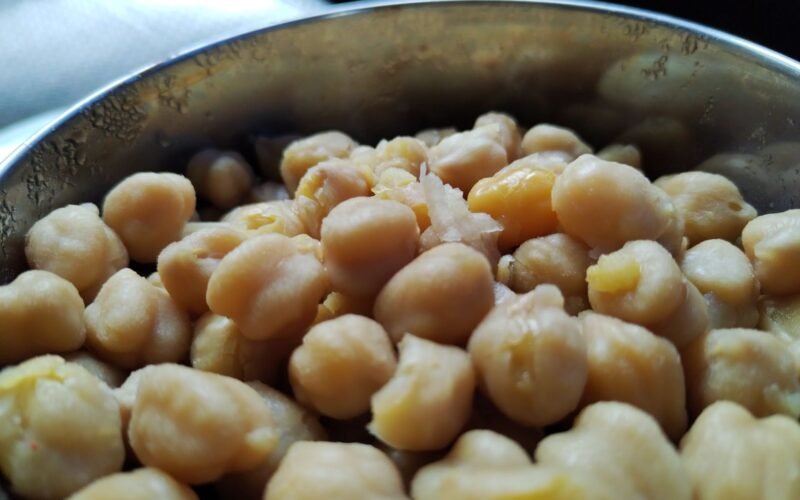
- Canned or Dried Beans: Chickpeas, black beans, kidney beans, cannellini beans.
- Lentils: Red, green, or brown lentils for soups, stews, or salads.
Proteins (Moderation for some):
- Canned Fish: Tuna, sardines, anchovies (packed in olive oil or water).
- Eggs: For quick meals or breakfast.
- Frozen Fish/Seafood: Salmon, cod, shrimp (check for sustainably sourced options).
- Chicken/Turkey Breast: Skinless, lean options.
Fruits & Vegetables (Fresh & Frozen):
- A wide variety of seasonal fresh produce: Tomatoes, cucumbers, bell peppers, leafy greens (spinach, kale, arugula), zucchini, eggplant, onions, garlic, citrus fruits, berries, apples, grapes.
- Frozen Vegetables: Peas, corn, spinach, broccoli (great for convenience).
- Canned Tomatoes: Diced, crushed, or paste (for sauces and stews).
Herbs & Spices:
- Fresh Herbs: Basil, oregano, parsley, mint, rosemary, thyme.
- Dried Herbs & Spices: Oregano, basil, thyme, paprika, cumin, chili flakes, black pepper.
Dairy (Moderation):
- Greek Yogurt: Plain, unsweetened.
- Feta Cheese: For salads or crumbling over dishes.
- Parmesan Cheese: For grating over pasta or vegetables.
Other Staples:
- Vinegar: Balsamic, red wine vinegar, apple cider vinegar.
- Honey/Maple Syrup: For occasional natural sweetness.
- Coffee/Tea: Unsweetened.
Having these staples on hand will make meal preparation much easier and ensure you always have healthy options available.
Your 7-Day Mediterranean Diet Meal Plan for Beginners
This meal plan is designed to be simple, delicious, and easy to follow for newcomers to the Mediterranean diet. It focuses on readily available ingredients and straightforward preparation. Remember, portion sizes are important, even with healthy foods. Listen to your body’s hunger and fullness cues.
General Guidelines for the Week:
- Hydration: Drink plenty of water throughout the day.
- Snacks: Choose from fruit, a handful of nuts, plain Greek yogurt, vegetable sticks with hummus, or a small portion of olives.
- Olive Oil: Use generously for cooking, dressings, and drizzling.
- Herbs & Spices: Don’t be shy! They add immense flavor without extra salt.
- Red Wine: If you choose to drink, limit to one 5oz glass per day for women, two for men, with dinner. Not required for health benefits.
Day 1: A Fresh Start
Breakfast: Greek Yogurt Parfait
- 1 cup plain Greek yogurt
- 1/2 cup mixed berries (fresh or frozen)
- 1/4 cup chopped walnuts or almonds
- Drizzle of honey (optional)
Lunch: Mediterranean Chickpea Salad
- 1 can (15oz) chickpeas, rinsed and drained
- 1/2 cucumber, diced
- 1/2 bell pepper (any color), diced
- 1/4 red onion, finely chopped
- 2 tbsp fresh parsley, chopped
- Dressing: 2 tbsp EVOO, 1 tbsp red wine vinegar, salt, pepper, pinch of dried oregano.
- Serve over a bed of mixed greens or with whole-wheat pita bread.
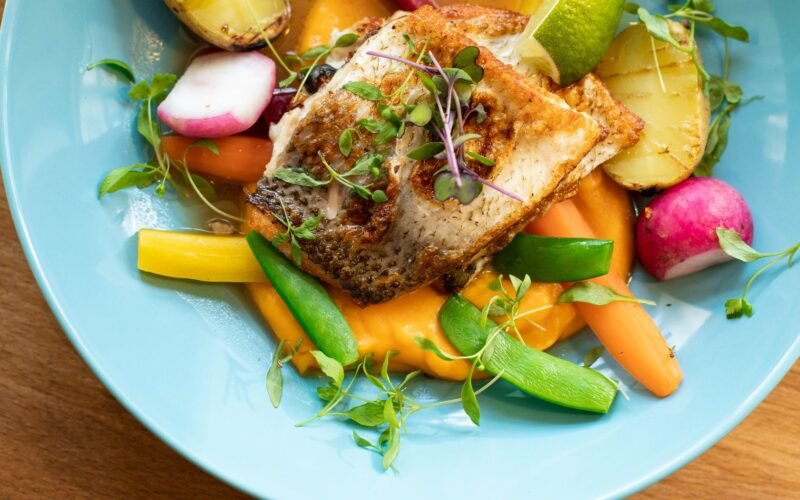
Dinner: Baked Salmon with Roasted Vegetables
- 4-6 oz salmon fillet, seasoned with salt, pepper, lemon juice, and dried dill
- 1 cup mixed vegetables (broccoli florets, zucchini, cherry tomatoes), tossed with EVOO, garlic powder, salt, and pepper
- Bake salmon and vegetables at 400°F (200°C) for 12-15 minutes, or until salmon is cooked through and vegetables are tender-crisp.
Snack Ideas: Apple slices with a small handful of almonds.
Day 2: Wholesome and Hearty
Breakfast: Avocado Toast with Egg
- 1 slice whole-grain bread, toasted
- 1/2 avocado, mashed and spread on toast, seasoned with salt and chili flakes
- 1 hard-boiled or poached egg, sliced on top
- Drizzle of EVOO
Lunch: Leftover Baked Salmon with Roasted Vegetables
- Enjoy the delicious leftovers from last night!
Dinner: Lentil Soup with Whole Wheat Bread
- A hearty bowl of homemade lentil soup (made with lentils, carrots, celery, onion, garlic, canned tomatoes, vegetable broth, and herbs like thyme and bay leaf).
- Serve with a slice of crusty whole-wheat bread for dipping.
Snack Ideas: A small bowl of olives.
Day 3: Plant-Powered Flavors
Breakfast: Oatmeal with Fruit and Seeds
- 1/2 cup rolled oats cooked with water or unsweetened almond milk
- Topped with 1/2 banana, sliced, and 1 tbsp chia seeds or flax seeds.
Lunch: Large Mixed Green Salad with Tuna and White Beans
- Mixed greens base
- 1 can (5oz) tuna in olive oil or water, drained
- 1/2 can (7.5oz) cannellini beans, rinsed and drained
- Cherry tomatoes, cucumber, red onion, and bell pepper
- Dressing: EVOO, lemon juice, dried oregano, salt, and pepper.
Dinner: Whole Wheat Pasta with Marinara and Sautéed Spinach
- 1 cup cooked whole wheat pasta
- 1/2 cup homemade or low-sodium store-bought marinara sauce (choose one with minimal added sugar)
- 2 cups fresh spinach, quickly sautéed with garlic and a drizzle of EVOO
- Garnish with a sprinkle of grated Parmesan cheese (optional) and fresh basil.
Snack Ideas: Handful of pistachios.
Day 4: Mediterranean Classics
Breakfast: Greek Yogurt with Berries and Honey
- Repeat Day 1 breakfast for simplicity, or vary with different berries/nuts.
Lunch: Leftover Whole Wheat Pasta with Marinara and Sautéed Spinach
- Enjoy your delicious leftovers!
Dinner: Chicken Souvlaki Skewers (Deconstructed) with Quinoa and Greek Salad
- 4-6 oz grilled or pan-fried chicken breast, cut into cubes, seasoned with lemon, oregano, garlic.
- 1/2 cup cooked quinoa
- Greek salad: chopped cucumber, tomatoes, red onion, Kalamata olives, a few cubes of feta cheese, dressed with EVOO and red wine vinegar.
Snack Ideas: Carrot and celery sticks with 2 tbsp hummus.
Day 5: Seafood and Veggie Delight
Breakfast: Scrambled Eggs with Sautéed Vegetables
- 2 scrambled eggs with chopped bell peppers, spinach, and a touch of onion, cooked in EVOO.
- Serve with a small side of sliced tomatoes.
Lunch: Chicken and Quinoa Salad
- Combine leftover chicken from Day 4 with 1 cup mixed greens, remaining quinoa, and some chopped cucumber and tomatoes.
- Dress with EVOO and lemon juice.
Dinner: Cod with Lemony Herb Sauce and Roasted Asparagus
- 4-6 oz cod fillet, baked or pan-seared.
- Sauce: Whisk together 2 tbsp EVOO, juice of 1/2 lemon, 1 tbsp chopped fresh parsley, 1 clove minced garlic, salt, and pepper. Drizzle over cooked cod.
- 1 cup asparagus spears, tossed with EVOO, salt, and pepper, roasted at 400°F (200°C) until tender-crisp.
Snack Ideas: A pear and a small piece of cheese.
Day 6: Weekend Brunch & Comfort
Breakfast: Whole Wheat Pancakes/Waffles (occasionally) or Frittata
- Option 1 (Occasional treat): 2 small whole-wheat pancakes or waffles, topped with fresh fruit and a tiny drizzle of maple syrup.
- Option 2 (More typical): Small vegetable frittata (made with eggs, spinach, tomatoes, bell peppers, and a sprinkle of feta, baked in a small dish).
Lunch: Large Salad with Grilled Halloumi and Roasted Vegetables
- Mixed greens, roasted red peppers, zucchini, eggplant (roasted from previous day or quickly grilled), and sliced grilled halloumi cheese.
- Dressing: Balsamic vinaigrette (EVOO, balsamic vinegar, Dijon mustard).
Dinner: Mediterranean Stuffed Bell Peppers
- 2 bell peppers, halved, stuffed with a mixture of cooked brown rice, ground turkey or lentils, diced tomatoes, onions, garlic, and Mediterranean herbs.
- Bake until peppers are tender and filling is cooked through.
Snack Ideas: A handful of mixed nuts and dried figs (small portion).
Day 7: Reflect and Recharge
Breakfast: Smoothie with Greek Yogurt, Spinach, and Berries
- Blend 1 cup plain Greek yogurt, 1/2 cup mixed berries, a handful of fresh spinach, 1 tbsp chia seeds, and a splash of unsweetened almond milk or water until smooth.
Lunch: Leftover Stuffed Bell Peppers
- Enjoy the delicious leftovers.
Dinner: Hearty Minestrone Soup
- A large bowl of vegetable-rich minestrone soup (made with a variety of vegetables like carrots, celery, zucchini, green beans, canned tomatoes, cannellini beans, small whole-wheat pasta, vegetable broth, and plenty of herbs).
- Serve with a side salad dressed with EVOO and lemon.
Snack Ideas: A small bowl of plain Greek yogurt with a sprinkle of cinnamon.
Practical Tips for Success on Your Mediterranean Journey
Adopting a new eating pattern is more than just following a meal plan; it’s about integrating new habits into your daily life. Here are some practical tips to help you succeed on your Mediterranean diet journey, especially as a beginner.
1. Master Meal Prepping and Batch Cooking:
One of the biggest challenges to healthy eating is time. Dedicate a few hours one day a week (e.g., Sunday) to prepare components for your meals. This could include:
- Chopping vegetables for salads, stir-fries, or roasting.
- Cooking a large batch of whole grains like quinoa or brown rice.
- Roasting a tray of mixed vegetables.
- Washing and portioning leafy greens.
- Making a big batch of lentil soup or a bean salad.
Having these ingredients ready to go will drastically cut down on weeknight cooking time and reduce the temptation for less healthy options.
2. Prioritize Hydration:
Water is your best friend. Make it your primary beverage. Keep a water bottle handy throughout the day. Herbal teas are also a great option. Limiting sugary drinks and excessive fruit juice is crucial for weight management and overall health.
3. Snack Smart:
The Mediterranean diet offers many healthy snack options. Instead of reaching for processed chips or cookies, opt for:
- Fresh fruit (apples, oranges, berries, grapes).
- A handful of unsalted nuts (almonds, walnuts, pistachios).
- Vegetable sticks (carrots, cucumber, bell peppers) with hummus.
- Plain Greek yogurt.
- A small portion of olives.
- Whole-grain crackers with a slice of avocado.
4. Embrace Herbs and Spices:
This is where the Mediterranean diet truly shines in flavor! Learn to use fresh and dried herbs (basil, oregano, thyme, rosemary, mint, parsley, dill) and spices (paprika, cumin, turmeric, chili flakes) generously. They add incredible depth of flavor without the need for excess salt, sugar, or unhealthy fats.
5. Shop Smart and Seasonally:
Focus on the perimeter of the grocery store where fresh produce, lean proteins, and dairy are typically found. Visit local farmers’ markets for seasonal fruits and vegetables, which are often more flavorful and nutritious. Buying in-season produce can also be more cost-effective.
6. Mindful Eating and Social Connection:
The Mediterranean lifestyle emphasizes more than just what you eat; it’s also about how you eat. Sit down, slow down, and savor your meals. Pay attention to your body’s hunger and fullness cues. Whenever possible, share meals with family and friends. This social aspect enhances enjoyment and can lead to more mindful eating habits.
7. Incorporate Physical Activity:
While food is a huge component, the Mediterranean lifestyle also includes regular physical activity. This doesn’t mean hitting the gym for hours; it could be daily walks, gardening, dancing, cycling, or any activity you enjoy. Aim for at least 30 minutes of moderate activity most days of the week.
8. Be Patient and Consistent:
Sustainable health changes take time. Don’t get discouraged if you don’t see immediate results or if you deviate from the plan occasionally. The key is consistency over time. Each meal is an opportunity to make a healthy choice. Focus on progress, not perfection.
Common Mistakes to Avoid on the Mediterranean Diet
While the Mediterranean diet is wonderfully flexible, there are a few common pitfalls beginners can fall into. Being aware of these can help you stay on track and maximize your results, especially when aiming for weight management with GetLeanPulse.com.
1. Overdoing “Healthy” Fats:
Yes, extra virgin olive oil, nuts, and avocados are incredibly healthy. However, they are also calorie-dense. “Liberally” using olive oil doesn’t mean drenching everything. Be mindful of portion sizes, especially when trying to manage your weight. A tablespoon or two of olive oil, a small handful of nuts, or a quarter of an avocado is usually sufficient per serving.
2. Forgetting the “Whole” in Whole Grains:
Not all “brown” bread is whole grain. Make sure to check labels and choose truly whole grains like whole wheat, oats, brown rice, quinoa, and barley. Refined grains (white bread, white pasta, white rice) strip away valuable fiber and nutrients, negating many of the benefits of the Mediterranean diet. Also, be mindful of portion sizes for grains, as they can be calorie-dense.
3. Misinterpreting “Moderate” Red Wine Consumption:
While red wine is often mentioned, it’s strictly in moderation (up to one 5-ounce glass for women, two for men daily, always with food). It’s not a requirement for health benefits, and if you don’t drink, there’s no need to start. Excessive alcohol consumption is detrimental to health and can hinder weight loss efforts.
4. Neglecting Legumes and Vegetables:
The foundation of the Mediterranean diet is plant-based. Some beginners focus too much on fish and olive oil and don’t eat enough vegetables, fruits, and legumes. Aim for half your plate to be vegetables at most meals, and incorporate beans, lentils, and chickpeas regularly into your diet for fiber and plant-based protein.
5. Underestimating Processed Foods:
Even in Mediterranean countries, modern diets can lean towards processed foods. The traditional Mediterranean diet is built on whole, unprocessed ingredients. Avoid foods high in added sugars, unhealthy trans fats, and excessive sodium, even if they claim to be “Mediterranean-inspired.” Read labels carefully.
6. Ignoring the Lifestyle Aspect:
The Mediterranean diet is more than just a list of foods. It’s a holistic lifestyle that includes regular physical activity, mindful eating, social connection, and adequate rest. Focusing solely on food without adopting these complementary habits will limit the overall benefits you experience.
7. Expecting Immediate Drastic Weight Loss:
The Mediterranean diet is about sustainable, healthy weight management and overall well-being, not rapid, restrictive weight loss. While you will likely see positive changes on the scale, the focus is on long-term health improvements. Be patient, consistent, and celebrate the non-scale victories like increased energy, better digestion, and improved mood.
Beyond the Plate: Embracing the Mediterranean Lifestyle
To truly unlock the full potential of the Mediterranean approach, it’s essential to look beyond the food on your plate and embrace the broader lifestyle. This holistic philosophy is what makes it so incredibly effective for long-term health and happiness.
The Importance of Physical Activity:
People in Mediterranean regions traditionally live active lives. This doesn’t necessarily mean structured gym workouts, but rather incorporating movement into daily routines. Think walking to the market, gardening, taking stairs instead of elevators, or simply enjoying a leisurely stroll after dinner. Aim for consistency – even short bursts of activity throughout the day add up.
Mindful Eating and Savoring Meals:
In the Mediterranean culture, meals are an experience. They are meant to be savored, not rushed. Take time to appreciate the flavors, textures, and aromas of your food. Eat slowly, put your fork down between bites, and pay attention to your body’s signals of hunger and fullness. This mindful approach can improve digestion, reduce overeating, and enhance your enjoyment of food.
Social Connection and Community:
Sharing meals with family and friends is a cornerstone of the Mediterranean lifestyle. These social connections reduce stress, foster a sense of belonging, and can even contribute to better eating habits. When you eat with others, you tend to eat more slowly and engage in conversation, making the meal a more fulfilling experience.
Adequate Rest and Stress Management:
Chronic stress and lack of sleep can undermine even the healthiest diet. The Mediterranean lifestyle encourages a balanced approach to life, including prioritizing sufficient rest and finding healthy ways to manage stress. This could involve meditation, spending time in nature, or engaging in hobbies you enjoy.
Embracing Simplicity and Freshness:
The beauty of Mediterranean cuisine lies in its simplicity. It highlights the natural flavors of fresh, high-quality ingredients rather than masking them with heavy sauces or excessive processing. Learn to appreciate the taste of ripe tomatoes, crisp greens, fragrant herbs, and good olive oil. This appreciation for natural flavors will transform your cooking and eating habits.
By integrating these lifestyle elements alongside your Mediterranean diet meal plan, you’re not just changing what you eat; you’re cultivating a healthier, more balanced, and joyful way of living. This holistic approach is what truly empowers you to achieve sustainable health and wellness goals, aligning perfectly with the mission of GetLeanPulse.com.
Conclusion: Your Journey to a Healthier Mediterranean You
Embarking on the Mediterranean diet is more than just adopting a new eating plan; it’s a commitment to a lifestyle that celebrates fresh, wholesome foods, mindful eating, and vibrant living. As an expert health writer for GetLeanPulse.com, I can confidently say that this approach offers one of the most sustainable and enjoyable paths to improving your health, managing your weight, and boosting your overall well-being.
You now have a solid foundation: an understanding of the diet’s principles, a list of essential pantry staples, and a practical 7-day meal plan designed specifically for beginners. Remember that consistency, not perfection, is the key. Start with small, manageable changes, experiment with new recipes, and savor every delicious bite along the way.
The Mediterranean diet is not about deprivation; it’s about abundance – an abundance of flavor, nutrients, and health benefits that will nourish your body from the inside out. By embracing its core tenets, you’re investing in a future where you feel more energetic, resilient, and connected to the joy of food.
Take this guide as your starting point, but don’t be afraid to personalize it. Explore different vegetables, try new types of fish, and discover your favorite Mediterranean-inspired dishes. Your journey to a healthier, leaner, and more vibrant you begins today. Welcome to the wonderful world of the Mediterranean lifestyle!
Photo by Karolina Grabowska www.kaboompics.com on Pexels