Stop Sugar Cravings Instantly: Your Ultimate Guide to Sweet Freedom
The siren call of sugar is a familiar melody for many. It’s that undeniable pull towards a cookie, a candy bar, or a sugary drink – a craving that feels almost impossible to resist. For some, it’s an occasional indulgence; for others, it’s a daily battle, impacting energy levels, mood, and overall health. If you’re tired of feeling powerless against sugar’s allure and want to learn how to stop sugar cravings instantly, you’ve come to the right place.
At GetLeanPulse.com, we understand that breaking free from sugar’s grip isn’t just about willpower; it’s about understanding the complex interplay of biology, psychology, and habit. While “instantly” might sound like a magic bullet, we’ll equip you with an arsenal of immediate, actionable strategies that can significantly reduce the intensity and duration of a craving – often within minutes. Beyond the quick fixes, we’ll delve into sustainable, long-term solutions that empower you to regain control over your diet and achieve lasting sweet freedom.
This comprehensive guide will not only teach you how to curb sugar cravings in their tracks but also help you understand why they happen, so you can prevent them from arising in the first place. Get ready to transform your relationship with food and unlock a healthier, more energized you.
Understanding the Enemy: What Fuels Sugar Cravings?
Before we can effectively stop sugar cravings, it’s crucial to understand their origins. Sugar cravings aren’t simply a lack of discipline; they’re often a complex interplay of physiological, psychological, and environmental factors. Recognizing these triggers is the first step toward disarming them.
The Biology of Sweetness: Your Brain on Sugar
Our brains are wired to love sugar. This isn’t a flaw; it’s an evolutionary survival mechanism. Sweet foods historically signaled a safe, calorie-dense energy source. When you consume sugar, several powerful biological processes kick in:
- Dopamine Reward System: Sugar lights up the brain’s reward centers, releasing dopamine, a neurotransmitter associated with pleasure and motivation. This creates a powerful “feel-good” sensation, making your brain want more. Over time, your brain can become less sensitive to dopamine, requiring more sugar to achieve the same pleasurable effect – a hallmark of addiction.
- Opioid Receptors: Beyond dopamine, sugar also stimulates opioid receptors in the brain, leading to a calming, pain-relieving effect. This is why many people turn to sugar for comfort during times of stress or sadness.
- Energy Source: Glucose (a simple sugar) is the primary fuel for our cells, especially the brain. When blood sugar levels drop, the body instinctively seeks a quick source of glucose, often leading to intense sugar cravings.
Physiological Triggers: When Your Body Cries for Sugar
Beyond the brain’s reward system, several bodily functions and imbalances can directly contribute to sugar cravings:
- Blood Sugar Rollercoaster: Eating high-sugar, refined carbohydrate foods causes a rapid spike in blood sugar, followed by a crash. This dip signals to your body that it needs more energy quickly, often leading to intense cravings for – you guessed it – more sugar. This vicious cycle is a primary driver of daily cravings.
- Hormonal Imbalances:
- Insulin: Chronically high sugar intake can lead to insulin resistance, making it harder for cells to absorb glucose from the blood. This leaves glucose in the bloodstream while cells starve for energy, prompting more cravings.
- Leptin and Ghrelin: These are your “hunger” and “satiety” hormones. Sleep deprivation and chronic stress can disrupt their balance, increasing ghrelin (hunger hormone) and decreasing leptin (satiety hormone), making you feel hungrier and crave high-calorie, sugary foods.
- Cortisol: The stress hormone. Elevated cortisol levels signal to the body that it needs to store fat and access quick energy, leading to cravings for sugary and fatty foods.
- Gut Microbiome: Your gut is home to trillions of bacteria, and their balance can influence your cravings. Certain species of bacteria, like Candida albicans, thrive on sugar and can “signal” to your brain to feed them more, influencing your food choices. A diverse and healthy gut microbiome is crucial for overall well-being and managing cravings.
- Nutrient Deficiencies: Sometimes, what feels like a sugar craving is actually your body signaling a need for specific nutrients.
- Magnesium: Involved in blood sugar regulation and energy production. A deficiency can manifest as cravings for chocolate (a good source of magnesium).
- Chromium: Enhances insulin’s action, helping to stabilize blood sugar. Low levels can lead to increased sugar cravings.
- B Vitamins: Essential for energy metabolism. Deficiencies can lead to fatigue, prompting a desire for quick energy from sugar.
- Zinc: Important for insulin function and taste perception.
- Dehydration: Often mistaken for hunger or sugar cravings, mild dehydration can trick your body into thinking it needs food. The brain’s hypothalamus regulates both hunger and thirst, making it easy to confuse the two signals.
Psychological & Behavioral Triggers: The Mind-Body Connection
Our mental state and daily habits play an enormous role in perpetuating sugar cravings:
- Stress and Emotional Eating: Sugar is a common coping mechanism. When stressed, anxious, or sad, the brain seeks comfort. The temporary dopamine rush from sugar provides a quick – but fleeting – escape from negative emotions.
- Habit and Routine: Do you always reach for something sweet after dinner? Or at 3 PM during a workday slump? These habitual patterns become deeply ingrained. The mere act of completing a meal or reaching a certain time of day can trigger a craving, regardless of actual hunger.
- Lack of Sleep: Sleep deprivation significantly impacts appetite-regulating hormones (ghrelin and leptin) and increases cortisol. This triple whammy leaves you feeling hungrier, less satisfied, and more prone to craving sugary, high-calorie foods for an energy boost.
- Environmental Cues: The world around us is saturated with sugar. Seeing advertisements, walking past a bakery, or even seeing friends or family eat sweets can trigger a craving, even if you weren’t thinking about sugar moments before.
- Restrictive Dieting: Ironically, overly restrictive diets that demonize certain foods (like sugar) can backfire. Deprivation can intensify cravings, leading to eventual binges and a cycle of guilt and restriction.
Understanding these underlying mechanisms empowers you to approach your cravings with knowledge, not just willpower. Now, let’s dive into the immediate strategies to stop sugar cravings in their tracks.
The “Instant” Arsenal: Strategies to Stop Cravings NOW
When a sugar craving hits, it can feel like an unstoppable force. But you have more power than you think. Here’s your toolkit of immediate, actionable strategies designed to stop sugar cravings – often within minutes – and help you regain control.
<

>
Immediate Distraction & Delay: The Power of the Pause
The intensity of a sugar craving usually peaks and then subsides. Your goal is to ride out that peak without giving in.
- The 10-Minute Rule: Tell yourself you can have the sugary item, but only after 10 minutes. Set a timer. During this time, engage in one of the other strategies below. Often, by the time the timer goes off, the craving will have significantly diminished or disappeared entirely. This technique empowers you by giving you a choice, rather than feeling deprived.
- Change Your Environment or Activity: Get up and move. Leave the kitchen. Go for a quick walk around the block, step outside for some fresh air, or go to a different room. Changing your physical surroundings can break the mental link between your current location and the craving. Similarly, engage in a distracting activity: call a friend, read a book, do a puzzle, or tackle a small chore. The key is to shift your focus away from the craving.
- Mindful Breathing or Meditation: Take 5-10 deep, slow breaths. Focus entirely on the sensation of your breath entering and leaving your body. This simple act can activate your parasympathetic nervous system, reducing stress and interrupting the craving cycle. A short guided meditation can also be incredibly effective at bringing you back to the present moment and away from impulsive eating.
- Engage Your Senses: Sometimes, a craving is for sensory input as much as for sugar itself. Light a scented candle (vanilla, cinnamon, or citrus can be surprisingly satisfying without calories). Listen to uplifting music. Pet your cat or dog. Engage your non-food senses to provide a different kind of pleasure or distraction.
Hydration Power-Up: Drink Your Way Out
As mentioned, dehydration can often be mistaken for hunger or a sugar craving.
- Drink a Large Glass of Water: Immediately grab a large (12-16 oz) glass of plain water and drink it slowly. This fills your stomach, sends satiety signals, and addresses any underlying dehydration. Wait 10-15 minutes to see if the craving subsides.
- Add Lemon or Cucumber: For a more refreshing twist, add a slice of lemon, lime, or cucumber to your water. The slight tanginess can help cut through the desire for sweetness and make the water more appealing.
- Herbal Tea: A warm cup of unsweetened herbal tea (peppermint, ginger, chamomile) can be incredibly soothing and distracting. The warmth and flavor can provide comfort without the sugar.
Quick Protein & Healthy Fat Fix: Stabilize and Satisfy
One of the most effective immediate strategies is to address potential blood sugar drops or actual hunger with nutrient-dense options.
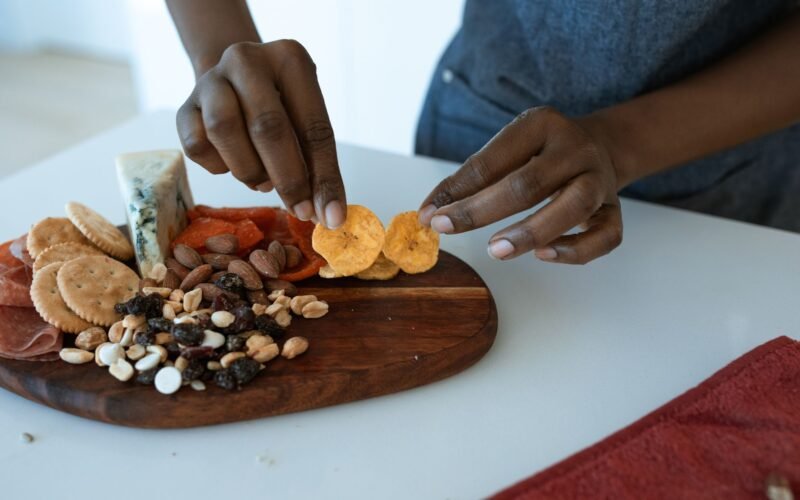
- Handful of Nuts or Seeds: Almonds, walnuts, cashews, pumpkin seeds, or sunflower seeds are packed with protein, healthy fats, and fiber. They provide sustained energy, stabilize blood sugar, and promote satiety. Keep a small portion readily available.
- Greek Yogurt: Plain, unsweetened Greek yogurt is an excellent source of protein. Add a few berries for natural sweetness or a sprinkle of cinnamon for flavor. The protein helps you feel full and satisfied.
- Hard-Boiled Egg: A quick, portable source of high-quality protein and healthy fats. It’s incredibly effective at curbing hunger and preventing further cravings.
- Avocado Slice: Rich in healthy monounsaturated fats and fiber, avocado can provide a sense of fullness and satisfaction, helping to quell cravings without sugar.
- Why This Works: Protein and healthy fats slow down digestion and the absorption of glucose, preventing rapid blood sugar spikes and subsequent crashes. This keeps your energy levels stable and reduces the physiological drive for sugar.
Sour & Bitter Counter-Attack: Reset Your Palate
Our taste buds are typically conditioned to crave sweet, salty, and savory. Introducing sour or bitter flavors can “reset” your palate and often diminishes the desire for sugar.
- Pickle, Olives, or Sauerkraut: The salty, sour, and fermented flavors can be a surprising craving killer. They provide a strong flavor contrast that often makes sweet foods less appealing.
- Unsweetened Tea (Green Tea, Herbal Bitters): The slight bitterness of green tea or specific herbal teas (like dandelion root or chicory) can effectively cut through sugar cravings.
- Lemon Water or a Slice of Lemon/Lime: The sharp, tart taste of citrus can immediately change your perception of sweetness and reduce the intensity of a craving.
- Dark Chocolate (Small Piece, 85%+): If you absolutely *must* have chocolate, opt for a small square (1/2 oz) of very dark chocolate (85% cocoa or higher). The intense bitterness and minimal sugar can satisfy the “chocolate” craving without triggering a sugar spiral. Chew it slowly and savor the flavor.
Spice It Up! Naturally Sweet & Warming
Certain spices have properties that can help reduce sugar cravings and provide a warming, comforting sensation.
- Cinnamon: Add a sprinkle of cinnamon to your water, a small piece of fruit, or a cup of herbal tea. Cinnamon has been shown to help regulate blood sugar levels and can naturally satisfy a sweet tooth without adding sugar.
- Cardamom and Ginger: These warming spices can be added to tea or even a small portion of plain yogurt. Their distinct flavors can divert attention from sugar cravings and offer a pleasant sensory experience.
- Capsaicin (Chili): A tiny pinch of cayenne pepper in water or a small piece of spicy food can provide a strong sensory distraction that overrides the desire for sweetness.
Minty Fresh Distraction: A Palate Cleanser
The refreshing, strong flavor of mint can be a surprisingly effective craving interrupter.
- Brush Your Teeth: The act of brushing your teeth, especially with a strong mint toothpaste, signals “meal over” to your brain. The minty freshness also makes many sugary foods taste less appealing.
- Mint Gum or Tea: Chewing sugar-free mint gum or sipping on a cup of peppermint tea can provide a powerful sensory distraction and cleanse your palate, making sugary treats less enticing.
Move Your Body: Shift Energy and Mood
Physical activity can be a powerful tool to change your physiological and psychological state, diverting attention from cravings.
- Short Walk: Even a brisk 10-15 minute walk can reduce stress, boost mood (thanks to endorphins), and take your mind off the craving. It also helps to burn off excess glucose if your blood sugar is high.
- Stretching or Light Yoga: Gentle movement can release tension and shift your focus from the craving to your body and breath.
- Quick Burst of Activity: Do 10-20 jumping jacks, push-ups, or squats. This quick surge of physical exertion can change your physiology and mental state, often making the craving disappear.
Mindful Awareness: Observe, Don’t React
Mindfulness is about observing your thoughts and feelings without judgment and choosing how to respond, rather than reacting impulsively.
- Acknowledge the Craving: Don’t fight it or judge yourself for having it. Simply notice it. “I am having a sugar craving right now.” This creates a slight distance between you and the craving.
- Body Scan: Where do you feel the craving in your body? Is it a gnawing in your stomach, a tension in your jaw, or a thought in your head? Just observe the sensations without trying to change them.
- Question the Craving: Ask yourself: “Am I truly hungry, or is this an emotional craving?” “What am I feeling right now?” “What do I really need?” Sometimes, the craving is a symptom of another unmet need (boredom, stress, sadness).
- Visualization: Imagine the craving as a wave. It builds, peaks, and then recedes. Visualize yourself riding the wave, knowing it will pass. Alternatively, visualize yourself making a healthy choice and feeling good about it.
By employing these immediate strategies, you can effectively stop sugar cravings in their tracks, empowering yourself to make healthier choices in the moment. However, for lasting freedom, it’s essential to also implement long-term strategies that address the root causes of cravings.
Beyond Instant: Building Long-Term Sugar Control
While the “instant” strategies are crucial for those acute moments, true freedom from sugar cravings comes from a holistic approach that integrates dietary, lifestyle, and environmental changes. These long-term strategies aim to stabilize blood sugar, balance hormones, improve gut health, and rewire your brain’s reward system, making cravings less frequent and less intense over time.
<

>
Optimize Your Diet: Fueling for Stability
What you eat on a daily basis is the most powerful tool for managing sugar cravings.
- Balanced Meals: Emphasize Protein, Fiber, and Healthy Fats at Every Meal: This is the golden rule.
- Protein: Lean meats, fish, eggs, legumes, tofu, Greek yogurt. Protein is incredibly satiating and slows down digestion, preventing blood sugar spikes. Aim for 20-30 grams per meal.
- Fiber: Found in vegetables, fruits, whole grains, nuts, and seeds. Fiber adds bulk, promotes fullness, and further slows down sugar absorption, leading to stable energy.
- Healthy Fats: Avocados, nuts, seeds, olive oil, fatty fish. Healthy fats contribute to satiety, support hormone production, and provide sustained energy.
A meal structured with these three components (e.g., grilled chicken with a large salad and olive oil dressing, or lentil soup with whole-grain bread and avocado) will keep you feeling full and energetic for hours, significantly reducing the likelihood of a sugar craving.
- Choose Complex Carbohydrates Over Refined Carbs: Instead of white bread, pasta, or sugary cereals, opt for whole grains (quinoa, brown rice, oats), legumes (beans, lentils), and starchy vegetables (sweet potatoes, butternut squash). These complex carbs are digested slowly, providing a steady release of glucose and preventing blood sugar crashes that trigger cravings.
- Limit Processed Foods & Hidden Sugars: Processed foods are notorious for containing hidden sugars, refined carbohydrates, and unhealthy fats – a recipe for craving disaster. Read labels carefully. Sugars hide under names like high-fructose corn syrup, dextrose, maltose, sucrose, and fruit juice concentrate. Focus on whole, unprocessed foods as much as possible.
- Eat Regularly and Don’t Skip Meals: Going too long without food can lead to extreme hunger, which makes you more vulnerable to impulsive, sugary choices. Aim for three balanced meals a day, with healthy snacks if needed, to keep your blood sugar stable and prevent ravenous hunger.
- Smart Snacking: If you need a snack, make it nutrient-dense. Think a handful of nuts, apple slices with peanut butter, a hard-boiled egg, or plain Greek yogurt with berries. Avoid packaged “snack bars” which often contain as much sugar as a candy bar.
- Consistent Hydration Throughout the Day: Don’t wait until a craving hits to drink water. Sip water consistently throughout the day to prevent dehydration, which can mimic hunger signals.
- Embrace Whole Fruits for Natural Sweetness: When you crave something sweet, reach for whole fruits like berries, apples, oranges, or pears. They contain natural sugars along with fiber, vitamins, and antioxidants. The fiber helps to mitigate the blood sugar impact of the natural sugars, making them a much healthier alternative to refined sweets.
Lifestyle Adjustments: Holistic Well-being
Your daily habits extend far beyond food and profoundly impact your susceptibility to sugar cravings.
- Prioritize Sleep: Aim for 7-9 hours of quality sleep per night. Poor sleep disrupts ghrelin (hunger) and leptin (satiety) hormones, increases cortisol (stress hormone), and impairs insulin sensitivity – all factors that drive sugar cravings. Make sleep a non-negotiable priority.
- Master Stress Management: Chronic stress is a huge trigger for emotional eating and sugar cravings. Incorporate stress-reducing practices into your daily routine:
- Mindfulness and Meditation: Even 10-15 minutes a day can significantly reduce stress levels.
- Yoga or Tai Chi: Combine physical movement with breathwork and mindfulness.
- Hobbies: Engage in activities you enjoy – reading, painting, gardening, playing music.
- Nature Exposure: Spend time outdoors. “Forest bathing” has been shown to reduce stress hormones.
- Journaling: Process emotions and gain perspective.
- Engage in Regular Exercise: Physical activity improves insulin sensitivity, helps regulate blood sugar, boosts mood (endorphins are natural mood lifters), and reduces stress. Aim for a mix of cardiovascular exercise, strength training, and flexibility. Exercise can also be a powerful distraction when a craving hits.
- Nourish Your Gut Health: A balanced gut microbiome can significantly influence cravings.
- Probiotics: Consume fermented foods like unsweetened yogurt, kefir, sauerkraut, kimchi, and kombucha. Consider a high-quality probiotic supplement if needed.
- Prebiotics: Feed your good gut bacteria with fiber-rich foods like onions, garlic, leeks, asparagus, and oats.
- Limit Sugar and Artificial Sweeteners: These can disrupt the delicate balance of your gut flora.
- Practice Mindful Eating: Slow down and savor your meals. Pay attention to the flavors, textures, and smells. Eat without distractions (no screens). Listen to your body’s hunger and fullness cues. This helps you develop a healthier relationship with food and prevents overeating or eating out of habit rather than true hunger.
- Identify and Address Nutrient Deficiencies: If you suspect nutrient deficiencies are contributing to your cravings (especially for magnesium, chromium, or B vitamins), consult with a healthcare professional or registered dietitian. They can recommend appropriate testing and supplementation if necessary.
- Avoid Artificial Sweeteners: While they seem like a healthy alternative, artificial sweeteners can actually perpetuate sugar cravings. They trick your brain into expecting calories, and when those calories don’t arrive, it can intensify cravings for real sugar. They can also negatively impact your gut microbiome.
Environmental Control: Out of Sight, Out of Mind
Your surroundings heavily influence your food choices.
- Declutter Your Pantry and Fridge: Remove tempting sugary treats from your home. If it’s not there, you can’t eat it. Replace them with healthy, craving-friendly alternatives (nuts, seeds, fruits, plain yogurt).
- Don’t Shop When Hungry: Always go grocery shopping after a meal or a healthy snack. Shopping while hungry makes you more susceptible to impulse buys, especially sugary, processed foods.
- Plan for Social Situations: Parties, holidays, and social gatherings often revolve around food. Plan ahead: eat a healthy meal before you go, bring a healthy dish to share, or politely decline sugary offerings. Don’t let social pressure derail your progress.
The Role of Supplements (Use with Caution)
While diet and lifestyle are paramount, certain supplements may offer additional support in managing sugar cravings. Always consult a healthcare professional or registered dietitian before starting any new supplement regimen, especially if you have underlying health conditions or are taking medications.
- Chromium Picolinate: This trace mineral is essential for proper insulin function. Some research suggests chromium supplementation may improve insulin sensitivity and help reduce sugar and carbohydrate cravings. Typical doses range from 200-1000 mcg per day.
- Magnesium: A common deficiency, magnesium plays a role in blood sugar regulation, energy production, and nerve function. Deficiency can manifest as chocolate cravings. Supplementing with magnesium citrate or glycinate (200-400 mg/day) may help.
- L-Glutamine: This amino acid is a primary fuel source for gut cells and can be converted into glucose in the body. Some find that taking L-Glutamine (e.g., 1-2 grams dissolved in water) can quickly curb sugar cravings, especially those driven by low blood sugar, by providing a quick and stable energy source.
- Berberine: An extract from several plants, berberine has been studied for its ability to lower blood sugar and improve insulin sensitivity. It can be a powerful tool for those struggling with blood sugar dysregulation, which often leads to cravings. Doses typically range from 500-1500 mg per day.
- Gymnema Sylvestre: Known as the “sugar destroyer” in Ayurvedic medicine, this herb has compounds that can temporarily block sweet taste receptors on the tongue, making sugary foods taste bland. Taking it before meals or when a craving hits can reduce the appeal of sweets. It may also help reduce sugar absorption in the intestines.
Remember, supplements are meant to supplement a healthy diet and lifestyle, not replace them. They are tools that can aid your journey but are not standalone solutions.
Addressing Common Scenarios: Tailored Strategies
Sugar cravings often appear in predictable patterns. Here’s how to tackle some common scenarios:
- PMS/Hormonal Cravings: Many women experience heightened sugar cravings during specific phases of their menstrual cycle, often due to fluctuating estrogen and progesterone levels impacting serotonin and blood sugar.
- Strategies: Focus on magnesium-rich foods (dark leafy greens, nuts, seeds, dark chocolate 85%+), complex carbohydrates, and B vitamins. Prioritize stress reduction and good sleep.
Photo by Polina Tankilevitch on Pexels
- Strategies: Focus on magnesium-rich foods (dark leafy greens, nuts, seeds, dark chocolate 85%+), complex carbohydrates, and B vitamins. Prioritize stress reduction and good sleep.