Healthy Meal Prep for the Week: Your Ultimate Guide to Sustainable Eating
In the whirlwind of modern life, maintaining a healthy lifestyle often feels like an uphill battle. Between demanding careers, family commitments, social obligations, and the endless to-do list, finding the time and energy to consistently cook nutritious meals can seem impossible. This is where the power of healthy meal prep for the week steps in – a game-changer that transforms chaotic eating habits into a streamlined, health-boosting routine. At GetLeanPulse.com, we understand the challenges you face, and we’re here to equip you with the knowledge and strategies to master the art of weekly meal preparation.
Imagine a week where you never have to wonder “What’s for dinner?” or resort to expensive, often unhealthy, takeout. Picture yourself effortlessly grabbing a pre-portioned, nutrient-rich lunch from your fridge each morning, or enjoying a delicious, wholesome breakfast that’s ready in seconds. This isn’t a fantasy; it’s the reality of effective meal prepping. It’s about taking control of your nutrition, saving precious time and money, reducing stress, and ultimately, fueling your body for optimal performance and sustained weight management.
This comprehensive guide will demystify healthy meal prep, breaking down every aspect from its undeniable benefits to practical, step-by-step instructions, smart strategies, and a wealth of delicious recipe ideas. Whether you’re a complete beginner or looking to refine your existing routine, prepare to revolutionize your approach to food and embrace a healthier, more organized lifestyle. Get ready to unlock the secret to consistent healthy eating – let’s dive into the world of healthy meal prep for the week!
Why Meal Prep? The Unbeatable Benefits for Your Health and Life
The concept of meal prepping might seem daunting at first, conjuring images of endless hours in the kitchen. However, the initial investment of time pays off exponentially throughout your week. The benefits extend far beyond just having food ready; they permeate every aspect of your well-being, from your physical health to your financial stability and mental peace.
Health & Nutrition: Fueling Your Body Right
One of the most compelling reasons to embrace healthy meal prep is the profound impact it has on your nutritional intake. When you prepare your meals in advance, you gain unparalleled control over what goes into your body. This translates to several key health advantages:
- Portion Control: Mindless eating and oversized portions are common pitfalls when eating out or cooking on the fly. Meal prepping allows you to pre-portion your meals, helping you stick to appropriate serving sizes, manage calorie intake, and support weight loss or maintenance goals. This precision is invaluable for understanding exactly how much you’re consuming.
- Nutrient Density: By choosing whole, unprocessed ingredients – lean proteins, complex carbohydrates, and an abundance of fruits and vegetables – you ensure your body receives a wide spectrum of essential vitamins, minerals, fiber, and antioxidants. This stands in stark contrast to many convenience foods, which are often high in unhealthy fats, sugar, and sodium, and low in vital nutrients.
- Consistent Healthy Eating Habits: The biggest hurdle to healthy eating is often consistency. With prepped meals, healthy choices become the default, not an effort. You’re less likely to succumb to impulsive, unhealthy food decisions when nutritious options are readily available and waiting for you. This consistency builds sustainable habits that last a lifetime.
- Weight Management and Fat Loss: For those aiming to lose weight or maintain a healthy weight, meal prep is an indispensable tool. It eliminates guesswork, reduces caloric excess from unplanned meals, and promotes a diet rich in satiating fiber and protein, which helps keep hunger at bay. The structured approach naturally guides you towards your goals.
- Improved Energy Levels: A diet rich in whole foods, balanced macronutrients, and consistent meal timings provides stable blood sugar levels and sustained energy throughout the day. Say goodbye to the energy crashes and brain fog often associated with erratic eating or nutrient-poor meals. You’ll feel more vibrant, focused, and ready to tackle your day.
- Accommodating Dietary Needs: Whether you have allergies, sensitivities, or follow a specific diet (vegetarian, vegan, gluten-free, low-carb), meal prep makes it significantly easier to ensure your meals align with your requirements. You control every ingredient, eliminating hidden additives and ensuring compliance.
Time & Efficiency: Reclaiming Your Weeknights
While the prep session itself requires a block of time, the subsequent time savings throughout the week are substantial:
- Free Up Weeknights: Imagine coming home after a long day and having dinner ready in minutes. No chopping, no extensive cooking, minimal cleanup. This frees up your evenings for relaxation, hobbies, family time, or exercise, rather than being chained to the stove.
- Less Cooking Stress: The daily pressure of deciding what to cook, gathering ingredients, and then actually cooking can be a significant source of stress. Meal prep removes this daily burden, allowing for a more relaxed approach to food consumption.
- More Free Time: By consolidating your cooking efforts into one or two dedicated sessions, you effectively create more free time during the busiest parts of your week. This efficiency is a huge boon for anyone with a packed schedule.
Financial Savings: Smart Spending, Less Waste
Eating healthily often gets a reputation for being expensive, but meal prep can actually save you a considerable amount of money:
- Less Eating Out/Takeaway: The biggest drain on your food budget is often impulse purchases of restaurant meals, fast food, or delivery services. With delicious, healthy meals waiting for you, the temptation to spend unnecessarily diminishes dramatically.
- Bulk Buying: Meal prepping encourages planning and grocery shopping with a list, which often leads to smart bulk purchases of staples like grains, proteins, and frozen vegetables. Buying in larger quantities usually offers a better price per unit.
- Reduced Food Waste: By planning meals around specific ingredients and utilizing leftovers creatively, you minimize food spoilage and waste. Every ingredient you buy has a purpose, ensuring you get the most value for your money.
Stress Reduction: Peace of Mind on a Plate
The benefits of meal prep aren’t just physical or financial; they deeply impact your mental well-being:
- Eliminate Decision Fatigue: One less decision to make each day significantly reduces mental load. Knowing exactly what you’ll eat removes a common source of daily stress and mental energy drain.
- Sense of Control and Accomplishment: Taking proactive steps to nourish your body and organize your week fosters a powerful sense of control and accomplishment. This positive feedback loop can boost overall mood and motivation.
- Predictability: Life can be unpredictable, but your meals don’t have to be. Having a structured meal plan provides a comforting sense of predictability and routine, which can be a huge stress reliever.
Getting Started: The Essential Meal Prep Toolkit
Embarking on your meal prep journey doesn’t require a professional kitchen, but having a few key items and understanding essential pantry staples will make the process smoother, more efficient, and ultimately more enjoyable. Think of this as your foundational arsenal for healthy eating success.
Kitchen Equipment: Your Culinary Allies
While you can start with what you have, investing in a few specific tools will significantly enhance your meal prep experience:
- Food Containers (Glass & BPA-Free Plastic): These are arguably the most crucial investment.
- Glass containers: Excellent for reheating (microwave and oven safe), non-staining, and durable. They are heavier but offer peace of mind regarding chemical leaching. Look for ones with airtight, snap-on lids.
- BPA-free plastic containers: Lighter and more affordable, great for lunches on the go. Ensure they are microwave and freezer safe. Make sure lids fit snugly to prevent leaks and maintain freshness.
- Variety of Sizes: Have small containers for snacks, medium for individual meals, and large for batch-cooked components.
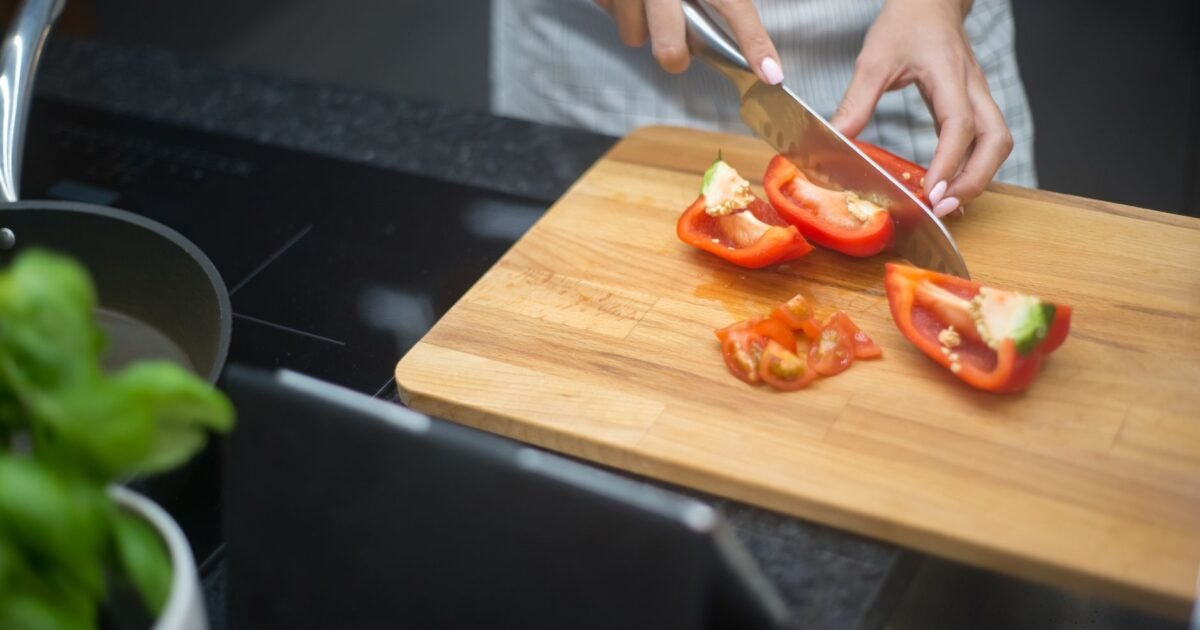
- Cutting Boards & Sharp Knives: A good quality chef’s knife and a sturdy cutting board (or two, to prevent cross-contamination) are non-negotiable for efficient vegetable and protein preparation. Sharp knives are safer and make prep work much faster.
- Measuring Cups & Spoons: Essential for accurate portioning and following recipes, especially when tracking macros or calories.
- Large Pots & Pans:
- Large stockpot: For cooking grains, pasta, or big batches of soup/chili.
- Large skillet/sauté pan: For cooking proteins, stir-fries, or sautéing vegetables.
- Baking sheets (rimmed): Indispensable for roasting vegetables, baking proteins, and creating one-pan meals. Have at least two.
- Slow Cooker/Instant Pot (Optional but Highly Recommended): These appliances are meal prep superstars.
- Slow cooker: Perfect for hands-off cooking of large batches of stews, chilis, shredded chicken/pork, or even overnight oats.
- Instant Pot (multi-cooker): A versatile tool that can pressure cook (speeding up cooking time for grains, beans, and tough cuts of meat), slow cook, sauté, and more. It significantly cuts down on active cooking time.
- Food Processor/Blender (Optional): Useful for making sauces, dressings, chopping large quantities of vegetables, or preparing smoothie packs.
- Kitchen Scale: For precise portioning of proteins and grains, especially beneficial if you’re tracking macros or calories.
Pantry Staples: Your Foundation for Flavor and Nutrition
A well-stocked pantry is the backbone of efficient meal prep. These are the items you’ll reach for repeatedly, forming the base of countless healthy dishes:
- Grains:
- Quinoa: Complete protein, high in fiber, quick-cooking.
- Brown rice: A classic, versatile complex carb.
- Oats (rolled or steel-cut): For breakfasts, overnight oats, or binders.
- Whole-wheat pasta/lentil pasta: A healthier alternative to refined pasta.
- Whole-wheat tortillas/wraps: For quick lunches.
- Legumes:
- Canned beans (black, kidney, chickpeas): Rinsed, drained, and ready to use in salads, bowls, or chilis.
- Dried lentils (red, green, brown): Excellent source of plant-based protein and fiber, cook relatively quickly.
- Healthy Fats:
- Olive oil (extra virgin): For dressings and light cooking.
- Avocado oil: Higher smoke point, good for roasting and sautéing.
- Nuts & Seeds (almonds, walnuts, chia seeds, flax seeds): For healthy fats, protein, and crunch in snacks, salads, or smoothies.
- Nut butters (peanut, almond): For snacks and sauces (check for no added sugar/oils).
- Spices & Herbs: A diverse collection is crucial for flavor without relying on excess salt or unhealthy sauces. Stock up on garlic powder, onion powder, paprika, cumin, chili powder, dried oregano, basil, thyme, black pepper, and sea salt. Don’t forget fresh herbs like parsley, cilantro, and rosemary for finishing touches.
- Vinegars: Apple cider vinegar, balsamic vinegar, red wine vinegar for dressings and marinades.
- Low-sodium soy sauce/tamari: For Asian-inspired dishes.
- Canned tomatoes (diced, crushed, paste): Base for sauces, soups, and chilis.
- Broth (low sodium chicken, vegetable, beef): For soups, cooking grains, and adding moisture.
Fridge & Freezer Essentials: Freshness and Future Meals
These perishable items are the heart of your healthy meals and need to be replenished weekly or bi-weekly:
- Protein Sources:
- Chicken breast/thighs: Lean, versatile.
- Lean ground turkey/beef: For burgers, chili, taco meat.
- Fish (salmon, cod, tilapia): Quick-cooking, rich in omega-3s.
- Eggs: Hard-boiled, scrambled, or in frittatas.
- Tofu/Tempeh: Excellent plant-based options, absorb flavors well.
- Greek yogurt: High protein, great for breakfast, snacks, or creamy dressings.
- Vegetables:
- Fresh: Broccoli, bell peppers, spinach, kale, zucchini, carrots, onions, garlic, sweet potatoes, salad greens. Choose a variety of colors for diverse nutrients.
- Frozen: Peas, corn, mixed vegetables, broccoli florets, spinach. These are just as nutritious as fresh, often more convenient, and prevent waste.
- Fruits: Berries (fresh or frozen for smoothies), apples, bananas, oranges.
- Dairy/Alternatives: Greek yogurt, almond milk, oat milk, or your preferred milk alternative.
- Healthy condiments: Hummus, salsa, mustard, hot sauce.
With your kitchen stocked and equipped, you’re ready to move on to the strategic planning and execution of your weekly meal prep. This systematic approach ensures you have everything you need to create nourishing and delicious meals with ease.
The Master Plan: Your Step-by-Step Guide to Weekly Prep
Successful meal prep isn’t about haphazard cooking; it’s about a well-thought-out process. Follow these steps to transform your kitchen into an efficient healthy eating factory, ensuring you have delicious, nutritious meals ready for the entire week.
Step 1: Plan Your Meals – The Blueprint for Success
This is arguably the most critical step. Without a clear plan, you’ll waste time, money, and likely end up with ingredients you don’t use.
- Assess Your Week’s Schedule: Look at your calendar. Do you have late nights, social events, or early mornings? This will inform how many meals you need to prep and how quick they need to be. If you have dinner plans one night, you won’t need to prep a dinner for that day.
- Consider Dietary Needs/Preferences: Are you cooking for one, a couple, or a family? Are there any allergies, intolerances, or specific dietary goals (e.g., low-carb, high-protein, vegetarian)? Tailor your plan accordingly.
- Choose Recipes Wisely:
- Start Simple: Don’t try to cook 10 gourmet meals your first time. Begin with 2-3 simple, repeatable recipes you enjoy.
- Versatility is Key: Can components of one meal be repurposed? For example, roasted chicken can be used in salads, wraps, or grain bowls.
- Balance Macronutrients: Aim for a good balance of lean protein, complex carbohydrates, and healthy fats in each meal to promote satiety and sustained energy.
- Utilize Theme Days: Sometimes it helps to think in themes, like “Taco Tuesday” (prepped taco meat, salsa, and veggies) or “Meatless Monday” (lentil soup or bean burgers).
- Breakfast, Lunch, Dinner, & Snacks: Decide which meals you want to prep. Many start with lunches, then add breakfasts and dinners as they get more comfortable. Don’t forget healthy snacks to prevent unhealthy grazing.
- Utilize Templates/Apps: Many free meal planning templates are available online. Apps like MyFitnessPal, Mealime, or PlateJoy can also help with recipe ideas and grocery list generation.
Step 2: Create Your Grocery List – Your Shopping Map
Once your meals are planned, translate them into a detailed grocery list. This prevents impulse buys and ensures you don’t forget anything.
- Inventory Check: Before writing anything down, check your pantry, fridge, and freezer. Cross off items you already have.
- Categorize by Aisle: Organize your list by sections of the grocery store (produce, dairy, meat, dry goods, frozen) to make shopping faster and more efficient.
- Be Specific: Instead of “chicken,” write “2 lbs boneless, skinless chicken breast.” Instead of “vegetables,” list “1 head broccoli, 3 bell peppers (red, yellow, green).”
- Stick to the List: This is crucial for saving money and avoiding unhealthy temptations.
Step 3: Grocery Shopping – The Procurement Mission
With your well-crafted list in hand, hit the grocery store.
- Shop Smart:
- Bulk Bins: For grains, nuts, and seeds.
- Seasonal Produce: Often fresher, tastier, and more affordable.
- Sales: Plan meals around what’s on sale, but don’t buy items just because they’re cheap if you don’t have a plan for them.
- Frozen Section: Don’t underestimate the convenience and nutritional value of frozen fruits and vegetables.
- Prioritize Fresh Produce: Select fresh, vibrant produce with no signs of spoilage.
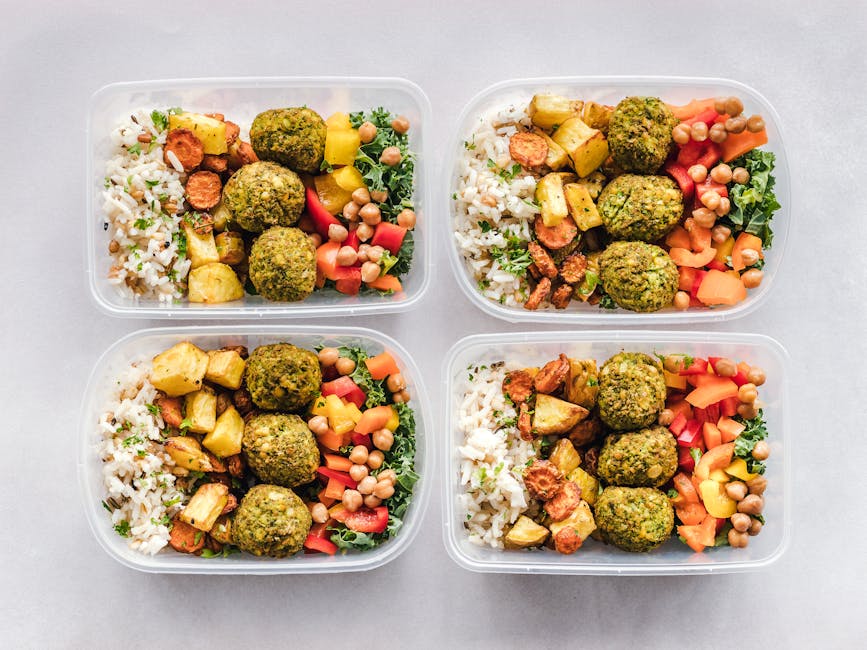
Step 4: The Prep Session – Bringing it All Together
Dedicate a specific block of time (e.g., 2-4 hours on a Sunday afternoon) for your prep session. Put on some music or a podcast, and get to work!
Wash and Chop All Vegetables and Fruits (Mise en Place)
This is where you front-load much of the effort. Wash all your produce thoroughly. Then, chop, slice, dice, and mince everything according to your recipes. Store chopped veggies in airtight containers until ready to cook or assemble.
Cook Grains in Large Batches
Cook a big batch of your chosen complex carbohydrates. This could be quinoa, brown rice, farro, or even whole-wheat pasta. These will form the base of many meals.
- Quinoa: 1 part quinoa to 2 parts water/broth, bring to boil, simmer 15 mins.
- Brown Rice: 1 part rice to 2 parts water/broth, bring to boil, simmer 45-50 mins.
Cook Proteins Efficiently
Prepare your protein sources in bulk. Seasoning them differently can add variety.
- Bake Chicken Breast/Thighs: Season with herbs and spices, bake at 375°F (190°C) for 20-30 minutes until cooked through.
- Grill Fish: Quick and healthy. Grill salmon or cod for 4-6 minutes per side.
- Hard-Boil Eggs: A great snack or addition to salads.
- Cook Lentils/Beans: If using dried, cook a large batch.
- Sauté Ground Turkey/Beef: Season for tacos, chili, or simply with salt and pepper.
- Roast Tofu/Tempeh: Press, cube, marinate, and roast for plant-based protein.
Roast Vegetables on Sheet Pans
Roasting brings out the natural sweetness of vegetables and is incredibly hands-off.
- Toss broccoli, cauliflower, Brussels sprouts, bell peppers, carrots, or sweet potatoes with olive oil, salt, pepper, and your favorite herbs.
- Spread in a single layer on baking sheets.
- Roast at 400°F (200°C) for 20-30 minutes, flipping halfway, until tender-crisp.
Prepare Dressings, Sauces, & Marinades
Whip up a batch of homemade vinaigrette, a healthy peanut sauce, or a flavorful marinade. Stored separately, these add flavor variety throughout the week without making meals soggy.
Assemble or Package Components
Once everything is cooked and cooled, it’s time to portion.
- Full Meal Assembly: For grab-and-go meals like lunch bowls, layer components directly into containers (e.g., grain on bottom, then protein, then vegetables).
- Component Storage: Alternatively, store individual components (cooked grains, cooked protein, roasted veggies) in separate containers. This offers more flexibility to mix and match throughout the week.
- Keep Wet & Dry Separate: For salads, put dressing at the bottom, then hard vegetables, grains, protein, and delicate greens on top to prevent sogginess.
Step 5: Storage and Organization – Keeping it Fresh and Accessible
Proper storage is key to extending the life of your prepped meals and ensuring food safety.
- Cool Completely: Always allow cooked food to cool to room temperature (within 2 hours) before sealing and refrigerating. Placing hot food directly into the fridge can raise the internal temperature of the fridge and promote bacterial growth in other foods.
- Airtight Containers: Use high-quality, airtight containers to prevent spoilage and maintain freshness.
- Refrigeration Guidelines: Most prepped meals are safe to eat for 3-5 days when stored properly in the refrigerator. Plan to eat the most perishable items (like fish or delicate salads) earlier in the week.
- Freezing for Longer Storage: If you’ve made larger batches, freeze portions you won’t eat within 3-5 days. Label with the date and contents. Soups, stews, chili, cooked grains, and many cooked proteins freeze very well (up to 2-3 months).
- Labeling: Use masking tape and a marker to label containers with the meal name and date it was prepped. This helps with rotation and knowing what you have.
Smart Strategies for Sustainable Meal Prepping
Once you’ve mastered the basics, you can refine your meal prep approach with strategies that boost flexibility, variety, and efficiency. Sustainable meal prep is about finding what works best for your lifestyle and preferences.
Component Prep vs. Full Meal Prep
This is a crucial distinction that can greatly impact your meal prep routine:
- Full Meal Prep: You prepare and portion complete, ready-to-eat meals into individual containers. This is excellent for consistency, strict portion control, and maximum convenience (just grab and go). Ideal for those who enjoy eating the same meal several times or have very specific dietary needs.
- Component Prep (Batch Cooking): Instead of assembling full meals, you cook large batches of individual components: a big pot of quinoa, a tray of roasted chicken, a container of chopped bell peppers, a jar of dressing. Throughout the week, you mix and match these components to create different meals.
- Benefits: Offers immense flexibility and variety, combating meal prep boredom. You can quickly assemble a salad one day, a grain bowl the next, and a wrap the day after using the same prepped ingredients.
- Example: Cooked chicken breast can become part of a salad, a stir-fry, or a sandwich filling. Roasted sweet potatoes can be a side dish or added to a breakfast hash.
Many successful meal preppers use a hybrid approach, prepping some full meals (like breakfasts or lunches) and batch cooking components for dinners.
Theme-Based Prep for Variety and Fun
To keep things interesting and simplify recipe selection,
Photo by Kampus Production on Pexels