
The Ultimate Guide to Collagen: Unlocking Radiant Skin & Agile Joints
Welcome to GetLeanPulse.com, your trusted source for evidence-based health and wellness insights. Today, we’re diving deep into a topic that’s been generating significant buzz in the health and beauty world: collagen. Often hailed as the body’s “super glue,” collagen is far more than just a trendy supplement; it’s a fundamental protein essential for life, integral to the structure and function of virtually every tissue in your body. From the elasticity of your skin to the cushioning in your joints, collagen plays an irreplaceable role in maintaining your youthful appearance, physical agility, and overall vitality.
In a world where aging is an inevitable part of life, understanding how to support our bodies from within becomes paramount. As we age, our natural collagen production declines, leading to visible signs of aging like wrinkles and sagging skin, as well as less visible but equally impactful issues such as joint stiffness and discomfort. This comprehensive guide aims to demystify collagen, exploring its profound benefits for two of the most critical areas of our health: our skin and our joints. We’ll delve into the science, discuss different types of collagen, explore natural food sources, and provide practical advice on choosing and using collagen supplements effectively.
Whether you’re looking to turn back the clock on your skin, soothe aching joints, or simply invest in your long-term health, understanding collagen is your first step. Prepare to unlock the secrets of this remarkable protein and discover how it can help you maintain a vibrant, active, and youthful life.
What Exactly is Collagen? The Body’s Master Builder
At its core, collagen is the most abundant protein in the human body, making up about one-third of its total protein content. Think of it as the primary structural component of connective tissues. It’s the literal glue that holds everything together, providing strength, elasticity, and structure to your skin, bones, muscles, tendons, ligaments, cartilage, blood vessels, and even your teeth. Without collagen, our bodies would quite literally fall apart.
The name “collagen” itself comes from the Greek word “kolla,” meaning glue, and “gen,” meaning producing. This etymology perfectly encapsulates its fundamental role. Collagen molecules are unique; they are typically composed of three protein strands, called alpha chains, that wrap around each other in a triple helix formation. This intricate structure gives collagen its incredible tensile strength, allowing tissues to withstand stretching and pulling forces without tearing. Imagine a robust, braided rope – that’s essentially how collagen fibers function within your body.
While there are at least 28 different types of collagen identified, each with a specific structure and function, the vast majority of collagen in the human body (about 90%) consists of Types I, II, and III. Type I collagen is the most prevalent, found in skin, tendons, vascular ligature, organs, and bone. Type II is primarily found in cartilage, the flexible connective tissue that cushions your joints. Type III is often found alongside Type I in skin, muscles, and blood vessels, providing elasticity and support. Understanding these types becomes crucial when considering specific health goals, as different collagen sources and supplements may emphasize particular types.
The body continuously produces and breaks down collagen in a dynamic process called collagen synthesis and degradation. This constant remodeling ensures that tissues remain healthy and strong. However, this delicate balance shifts as we age, leading to a net loss of collagen over time, which precipitates many of the age-related changes we experience.
Why Collagen Matters: The Decline and Its Impact
The unfortunate truth is that our body’s natural collagen production begins to decline significantly starting in our mid-20s. After the age of 25, we produce approximately 1% less collagen in the skin each year. This seemingly small decline accumulates over decades, leading to noticeable changes in our appearance and physical capabilities. By the time we reach our 40s and 50s, the reduction in collagen synthesis is substantial, and the existing collagen fibers become more fragmented, weaker, and less organized.
This natural aging process isn’t the only factor at play. Several lifestyle and environmental factors can accelerate collagen degradation, pushing our bodies further into a collagen deficit:
- Sun Exposure (UV Radiation): Chronic exposure to ultraviolet (UV) radiation from the sun is one of the most significant culprits. UV rays penetrate the skin, damaging collagen fibers and inhibiting new collagen production, leading to premature aging, wrinkles, and loss of elasticity.
- Smoking: The chemicals in cigarette smoke damage collagen and elastin, the fibers that give skin its strength and elasticity. Smoking also constricts blood vessels, reducing nutrient and oxygen delivery to the skin, which further impairs collagen synthesis and repair.
- Excessive Sugar Intake: A diet high in sugar and refined carbohydrates can lead to a process called glycation. This is where sugar molecules attach to proteins, including collagen and elastin, forming advanced glycation end products (AGEs). AGEs make collagen fibers stiff, brittle, and less functional, contributing to wrinkles and reduced tissue elasticity.
- Pollution: Environmental pollutants can generate free radicals, which cause oxidative stress and damage to collagen structures.
- Poor Nutrition: A diet lacking in essential nutrients like Vitamin C, zinc, and copper can impair the body’s ability to synthesize collagen effectively.
- Autoimmune Disorders: Certain autoimmune diseases, such as lupus, can target and damage collagen.
- Genetics: Individual genetic predispositions can influence the rate of collagen decline.
The consequences of this collagen decline are widespread and often manifest in ways that significantly impact our quality of life:
- For Skin: The skin loses its firmness, elasticity, and plumpness. Fine lines and wrinkles begin to appear, skin sags, and it becomes drier and more fragile. Wound healing may slow down, and the overall complexion can appear dull.
- For Joints: The cartilage that cushions our joints, rich in Type II collagen, starts to wear down. This leads to increased friction between bones, causing joint pain, stiffness, reduced flexibility, and a higher risk of conditions like osteoarthritis. Ligaments and tendons, also collagen-rich, can become weaker and more prone to injury.
- For Bones: Bones become less dense and more brittle, increasing the risk of osteoporosis and fractures.
- For Hair and Nails: Hair can become thinner and more brittle, and nails may become weaker and more prone to breakage.
Understanding these impacts highlights why supporting collagen production and supplementing with collagen has become a key strategy for maintaining health, vitality, and a youthful appearance as we age. It’s not just about aesthetics; it’s about preserving the fundamental structural integrity of your entire body.
Collagen for Skin: Reclaiming Youthful Radiance
The skin is perhaps the most visible beneficiary of adequate collagen levels. It’s our largest organ and the first line of defense against the environment, constantly exposed to elements that can accelerate collagen breakdown. Collagen, particularly Type I and Type III, forms a dense, organized network within the dermis (the skin’s middle layer), providing the structural framework that keeps skin firm, smooth, and resilient.
The Science Behind Skin Benefits
To understand collagen’s impact on skin, it helps to briefly understand skin structure. The skin has three main layers: the epidermis (outermost), the dermis (middle), and the hypodermis (innermost fat layer). The dermis is where the magic happens regarding collagen. It’s a thick layer of connective tissue containing fibroblasts, which are cells responsible for producing collagen, elastin (for elasticity), and hyaluronic acid (for hydration).
When collagen levels are abundant and healthy, these fibers form a strong, intricate meshwork that supports the epidermis, giving the skin its tautness and preventing sagging. This robust structure also helps the skin retain moisture by supporting the extracellular matrix and enhancing the skin barrier function. As collagen degrades, this scaffolding weakens, leading to the characteristic signs of aging.
Research has consistently shown that supplementing with hydrolyzed collagen (collagen peptides) can stimulate fibroblasts to produce more collagen and other beneficial molecules like elastin and hyaluronic acid. This internal boost helps to rebuild and reinforce the skin’s natural structure from within, leading to tangible improvements in skin health and appearance.
Specific Skin Benefits Unpacked
Let’s dive into the transformative effects collagen can have on your skin:
1. Reduces Fine Lines and Wrinkles:

Perhaps the most sought-after benefit of collagen is its ability to combat the visible signs of aging, specifically fine lines and wrinkles. As collagen diminishes, the skin loses its underlying support, leading to creases and folds. By providing the building blocks for new collagen, supplements can help replenish the skin’s structural integrity. Studies have shown that regular collagen peptide intake can significantly reduce wrinkle depth and volume. The increase in collagen density and improved hydration helps to plump up the skin from within, smoothing out existing wrinkles and preventing the formation of new ones. This effect isn’t superficial; it’s a fundamental change in the skin’s architecture.
2. Improves Skin Elasticity and Firmness:
Skin elasticity refers to its ability to stretch and then snap back into place, while firmness is its resistance to sagging. Both are heavily dependent on healthy collagen and elastin fibers. A decline in collagen leads to laxity and sagging, particularly around the jawline, neck, and eyes. Collagen supplementation helps restore these crucial properties by promoting the synthesis of both collagen and elastin. This results in skin that feels firmer, looks more lifted, and has a more youthful bounce. Users often report a noticeable improvement in overall skin texture and tone, making their skin feel more resilient and less fragile.
3. Boosts Skin Hydration:
Hydrated skin is healthy skin. Collagen plays an indirect but vital role in maintaining skin hydration. By strengthening the skin barrier and supporting the production of hyaluronic acid (a powerful humectant that attracts and holds water), collagen helps the skin retain moisture more effectively. Well-hydrated skin appears plumper, smoother, and has a healthy glow, reducing the appearance of dryness and flakiness. This internal hydration boost is often more effective and longer-lasting than topical moisturizers alone, as it addresses the root cause of dryness within the dermis.
4. Minimizes Appearance of Cellulite and Stretch Marks (with nuance):
While collagen isn’t a magic cure for cellulite or stretch marks, it can help improve their appearance. Cellulite is caused by fat deposits pushing through weakened collagen fibers beneath the skin, creating a dimpled look. By strengthening the dermis and increasing its density, collagen can help fortify this structural layer, potentially making the fat deposits less visible. Similarly, stretch marks occur when the skin stretches rapidly, tearing the dermal layer and damaging collagen and elastin. Supplementing with collagen can support the skin’s repair processes and improve its elasticity, potentially leading to a reduction in the severity and visibility of existing stretch marks and better resilience against new ones. It’s important to manage expectations here; improvements are often subtle but meaningful.
5. Promotes a Youthful Glow and Overall Complexion:
Beyond specific concerns, collagen contributes to an overall healthier, more radiant complexion. By improving skin structure, hydration, and cellular turnover, collagen supplementation can result in skin that looks more vibrant, smooth, and evenly toned. Many individuals report a noticeable “glow” and a general improvement in their skin’s appearance, making them look and feel more refreshed and youthful. This holistic improvement is a testament to collagen’s foundational role in skin health.
Collagen for Joints: Moving with Freedom and Comfort
While the aesthetic benefits of collagen for skin are widely recognized, its impact on joint health is equally, if not more, profound. Our joints allow us to move, bend, and perform daily activities with ease. When joint health deteriorates, our quality of life can be significantly impacted, leading to pain, stiffness, and reduced mobility.
Understanding Joint Health and Cartilage
To appreciate collagen’s role, let’s look at a typical synovial joint, like your knee. At the ends of the bones within the joint, there’s a layer of smooth, slippery tissue called articular cartilage. This cartilage acts as a shock absorber, protecting the bones from impact, and provides a low-friction surface, allowing the bones to glide smoothly past each other during movement. The main component of articular cartilage is Type II collagen, which gives it its tensile strength and ability to withstand compressive forces. The extracellular matrix of cartilage also contains proteoglycans, like chondroitin sulfate and glucosamine, which help attract water and give cartilage its spongy, cushioning properties.
As we age, or due to injury, overuse, and conditions like osteoarthritis, this vital cartilage begins to degrade. It can thin, crack, and eventually wear away, leading to bone-on-bone friction, inflammation, pain, and stiffness. Ligaments and tendons, which connect bones to other bones and muscles to bones respectively, are also predominantly made of collagen (mostly Type I), providing stability and facilitating movement. When these tissues weaken, joint instability and injury risk increase.
Collagen supplementation, particularly with Type II collagen or hydrolyzed collagen (which contains Type I, II, and III), can provide the essential building blocks needed to support the health, repair, and regeneration of these crucial joint tissues.
Specific Joint Benefits Unpacked
Here’s how collagen can revolutionize your joint health:
1. Reduces Joint Pain and Stiffness:
One of the most compelling reasons people turn to collagen is for relief from joint pain, especially associated with conditions like osteoarthritis. Numerous clinical studies have demonstrated that collagen supplementation can significantly reduce joint pain and stiffness. It works by providing the raw materials for the body to repair and rebuild cartilage. When the cartilage is healthier and more resilient, it can better absorb shock and reduce friction, leading to less pain and discomfort during movement. This benefit is particularly noticeable in knees, hips, and hands, allowing individuals to perform daily tasks and exercise with greater ease.
2. Supports Cartilage Repair and Regeneration:
Collagen peptides don’t just reduce pain; they actively support the body’s natural capacity to maintain and even repair cartilage. When ingested, hydrolyzed collagen is absorbed and transported to the joints, where it can stimulate chondrocytes (cartilage cells) to produce new collagen and other components of the extracellular matrix. This process can help slow down the progression of cartilage degeneration and, in some cases, promote a degree of regeneration. For athletes and older adults, this means better long-term joint integrity and protection against wear and tear.
3. Improves Joint Flexibility and Mobility:
Stiff joints limit range of motion and make movements feel restricted. By supporting the health and elasticity of cartilage, ligaments, and tendons, collagen supplementation can lead to improved joint flexibility and overall mobility. As pain decreases and tissue integrity improves, individuals often find they can move more freely, bend further, and engage in activities they previously avoided due to discomfort. This enhanced mobility contributes significantly to an active and independent lifestyle.
4. Aids in Post-Exercise Recovery and Injury Prevention:
For athletes and active individuals, collagen is a game-changer. Intense physical activity puts significant stress on joints, tendons, and ligaments. Collagen helps strengthen these connective tissues, making them more resilient to the demands of exercise and reducing the risk of injuries like sprains and strains. Furthermore, its role in tissue repair accelerates post-exercise recovery, helping to reduce muscle soreness and joint discomfort, allowing for more consistent training and faster return to peak performance. It’s a foundational supplement for anyone serious about optimizing their physical performance and longevity.
5. Strengthens Connective Tissues (Ligaments, Tendons):
Beyond cartilage, collagen is the primary protein in ligaments and tendons. These tissues are vital for joint stability and transmitting forces from muscles to bones. Strong, healthy ligaments prevent excessive joint movement, while robust tendons ensure efficient muscle function. Collagen supplementation reinforces these structures, enhancing their strength and elasticity, which is crucial for preventing injuries and maintaining overall musculoskeletal health. This comprehensive support ensures that all components of the joint system are working optimally.
Beyond Skin and Joints: Other Emerging Collagen Benefits
While skin and joints are the most well-researched areas, collagen’s influence extends throughout the body. Emerging research suggests several other promising benefits:
- Gut Health: Collagen contains amino acids like glycine and glutamine, which are important for maintaining the integrity of the intestinal lining. It may help strengthen the gut barrier, potentially reducing “leaky gut” syndrome and supporting overall digestive health.
- Hair and Nails: Collagen provides amino acids necessary for keratin production, the primary protein in hair and nails. Many users report stronger, faster-growing nails and thicker, healthier hair with consistent collagen intake.
- Bone Density: Bones are primarily made of Type I collagen, which provides their flexible framework, upon which minerals like calcium are deposited. Collagen supplementation can support bone mineral density and strength, potentially reducing the risk of osteoporosis.
- Muscle Mass: Collagen is a component of muscle tissue and contains amino acids like glycine, which is involved in creatine synthesis. While not a complete protein for muscle building like whey, it can complement resistance training by supporting connective tissues and potentially enhancing muscle growth when combined with other protein sources.
- Cardiovascular Health: Collagen forms the structural component of arteries and blood vessels. Maintaining healthy collagen levels can contribute to arterial elasticity and strength, potentially supporting cardiovascular health.
These additional benefits highlight collagen’s holistic impact on wellness, reinforcing its status as a foundational supplement for comprehensive health.
Decoding Collagen Types: Finding Your Best Match
As mentioned earlier, there are many types of collagen, but three are most relevant for human health and supplementation:
- Type I Collagen: This is the most abundant type in the human body, accounting for about 90% of total collagen. It’s found in skin, tendons, vascular ligature, organs, bones (the organic part of bone is almost entirely Type I collagen), and connective tissue. It’s known for providing tensile strength and elasticity. If your primary goal is skin health, bone strength, or general connective tissue support, Type I is crucial.
- Type II Collagen: This type is the main component of cartilage, the flexible connective tissue that cushions your joints, spine, and nose. It provides resistance to pressure and allows joints to move smoothly. If your main concern is joint health, particularly for conditions like osteoarthritis, Type II collagen is specifically targeted.
- Type III Collagen: Often found alongside Type I collagen, Type III is present in skin, muscles, and blood vessels. It contributes to the elasticity and integrity of these tissues. It’s particularly important for youthful skin and vascular health.
Many collagen supplements are “multi-collagen” blends, offering a mix of Type I, II, and III, derived from different sources. This approach aims to provide comprehensive support for various tissues throughout the body. For specific concerns, however, a targeted approach might be considered.
Food Sources of Collagen: Nourishing from Within
While supplements are a convenient way to boost collagen intake, it’s always beneficial to support your body’s natural collagen production through diet. Collagen is found exclusively in animal products, specifically in the connective tissues.
- Bone Broth: This is arguably the richest natural food source of collagen. Made by simmering animal bones (beef, chicken, fish) for extended periods, bone broth extracts collagen, gelatin, and various minerals. It’s a highly bioavailable form of collagen and also provides amino acids and other nutrients beneficial for gut and joint health.
- Gelatin: Essentially cooked collagen, gelatin is what gives jello its jiggly texture. It’s derived from the collagen in animal hides and bones. You can use gelatin powder to make homemade desserts, gummies, or add it to hot beverages.
- Specific Animal Parts: Eating the skin of chicken or fish, or consuming tougher cuts of meat that include connective tissue (like pot roasts or stews), can provide some dietary collagen. Organ meats also contain collagen.
Beyond direct collagen sources, your body also needs specific nutrients to synthesize its own collagen. These “collagen co-factors” are crucial:
- Vitamin C: Absolutely essential for collagen synthesis. Without adequate Vitamin C, your body cannot form the triple helix structure of collagen. Rich sources include citrus fruits, bell peppers, strawberries, and broccoli.
- Zinc: An important trace mineral involved in collagen production and tissue repair. Found in nuts, seeds, legumes, meat, and shellfish.
- Copper: Another trace mineral that helps activate an enzyme crucial for collagen maturation. Found in organ meats, nuts, seeds, and dark leafy greens.
- Proline and Glycine: These are the most abundant amino acids in collagen. While your body can synthesize them, ensuring adequate protein intake from a variety of sources helps provide the building blocks.
- Anthocyanidins: Found in berries like blueberries and raspberries, these antioxidants may help prevent collagen breakdown.
A balanced diet rich in these nutrients, alongside direct collagen sources where possible, creates an optimal environment for your body to produce and maintain healthy collagen levels.
Collagen Supplements: A Modern Solution
Given the decline in natural collagen production and the challenges of obtaining sufficient amounts from diet alone, collagen supplements have become incredibly popular. They offer a convenient and effective way to ensure your body receives the necessary building blocks for collagen synthesis.
Why Supplement? Bioavailability is Key
The primary reason collagen supplements are so effective is their bioavailability. Native collagen molecules are very large and difficult for the body to absorb intact. Most supplements contain hydrolyzed collagen, also known as collagen peptides. This means the collagen has undergone a process called hydrolysis, where it’s broken down into smaller, more digestible amino acid chains or peptides.
These smaller peptides are easily absorbed in the gut, pass into the bloodstream, and are then transported to target tissues like the skin and joints. Once there, they not only provide the raw materials for new collagen synthesis but also act as signaling molecules, telling your body’s fibroblasts and chondrocytes to increase their own collagen production. This dual action is what makes hydrolyzed collagen so potent.
Types of Collagen Supplements
Collagen supplements typically come from animal sources:
- Bovine Collagen: Derived from cow hides, bones, and cartilage. It’s rich in Type I and Type III collagen, making it excellent for skin, hair, nails, bones, and gut health. This is the most common type of collagen supplement.
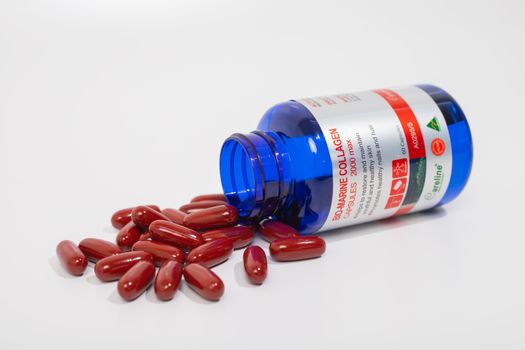
- Marine Collagen: Sourced from fish skin and scales. It is predominantly Type I collagen and is often considered to have superior bioavailability due to its smaller peptide size. It’s popular for skin health.
- Chicken Collagen: Primarily contains Type II collagen, making it a targeted choice for joint and cartilage support.
- Eggshell Membrane Collagen: Contains Type I, V, and X collagen, along with other beneficial compounds like chondroitin sulfate, glucosamine, and hyaluronic acid. It’s often used for joint health.
- Multi-Collagen Blends: Many supplements combine collagen from multiple sources (e.g., bovine, marine, chicken) to offer a broader spectrum of collagen types (I, II, III, V, X) for comprehensive support.
Collagen supplements are available in various forms:
- Powders: The most popular form, easily mixed into water, coffee, smoothies, or food. Most are tasteless and odorless.
- Capsules/Pills: Convenient for those who prefer not to mix powders, though higher doses may require taking several capsules.
- Liquids: Pre-mixed liquid collagen shots or formulations.
- Gummies: A flavored and chewable option, often with lower collagen doses.
Choosing the Right Collagen Supplement
With a plethora of options on the market, choosing a high-quality collagen supplement can seem daunting. Here are key factors to consider:
- Source Quality: Look for collagen from reputable sources. For bovine collagen, choose “grass-fed” or “pasture-raised” to ensure the animals were raised ethically and without hormones or antibiotics. For marine collagen, opt for “wild-caught” or sustainably farmed fish.
- Hydrolyzed/Peptides: Ensure the product specifies “hydrolyzed collagen” or “collagen peptides” for optimal absorption.
- Collagen Type(s): Consider your primary goals. If it’s primarily skin, hair, and nails, Type I (bovine or marine) is excellent. For joint issues, Type II (chicken) or a multi-collagen blend that includes Type II might be more beneficial. A multi-collagen product offers broad-spectrum support.
- Third-Party Testing: Look for supplements that are third-party tested for purity, potency, and contaminants (heavy metals, allergens). Certifications like NSF, Informed-Sport, or USP can provide assurance.
- Ingredients List: Opt for products with minimal ingredients. Avoid those with unnecessary fillers, artificial sweeteners, flavors, or colors. “Unflavored” options are generally the purest.
- Brand Reputation: Choose brands with transparent manufacturing practices and positive customer reviews.
Dosage and How to Take It
The recommended dosage for collagen can vary depending on the product and your individual goals, but general guidelines exist:
- For Skin, Hair, and Nails: Many studies showing benefits for skin use dosages ranging from 2.5 grams to 10 grams of hydrolyzed collagen per day.
- For Joint Health: Studies for joint pain relief and cartilage support often use higher doses, typically between 5 grams and 15 grams of hydrolyzed collagen daily. For specific Type II undenatured collagen, dosages can be much lower, often around 40 mg daily.
Consistency is Key: The most crucial aspect of collagen supplementation is consistency. It’s not a quick fix; it takes time for the body to rebuild and repair tissues. Most studies show noticeable results appearing after 8 to 12 weeks of consistent daily use, with continued improvements over longer periods.
How to Take It: Collagen powder is incredibly versatile. It dissolves easily in hot or cold liquids. You can mix it into:
- Coffee or tea
- Smoothies or shakes
- Water or juice
- Oatmeal or yogurt
- Soups or stews
There’s no single “best” time to take collagen; some prefer it in the morning, others before bed. The most important thing is to incorporate it into your daily routine so you remember to take it consistently.
Potential Side Effects and Considerations
Collagen supplements are generally considered safe for most healthy individuals when taken at recommended dosages. Side effects are rare and typically mild:
- Digestive Issues: Some individuals may experience mild digestive upset, such as feelings of fullness, heartburn
Photo by Madalina Enache on Pexels